Komercijalno čisti titan 1 (CP-Ti stupanj 1) je najmekši i najduktilniji od standardnih komercijalno čistih vrsta titana.
Njegova niska razina intersticijske nečistoće daje mu izvanrednu otpornost na koroziju, Izvrsna oblikovanje i zavarivost, i visoka biološka inertnost.
Razred 1 odabire se tamo gdje otpornost na koroziju, izmišljenost, i biokompatibilnost primarni su pokretači dizajna i gdje nije potrebna visoka strukturna čvrstoća.
1. Što je Titanium CP-Ti Grade 1?
CP-Ti stupanj 1 (Komercijalno čisti titanij — stupanj 1) je najmekši, najduktilnija i najniže intersticijska varijanta kovanog komercijalno čistog titana.
U biti je nelegirano titanijum sa strogim ograničenjima međuprostornih elemenata (kisik, dušik, ugljik, vodik i manje nečistoće).
Materijal je optimiziran za Maksimalna otpornost na koroziju, oblikovnost i biološka inertnost nego za veliku čvrstoću.
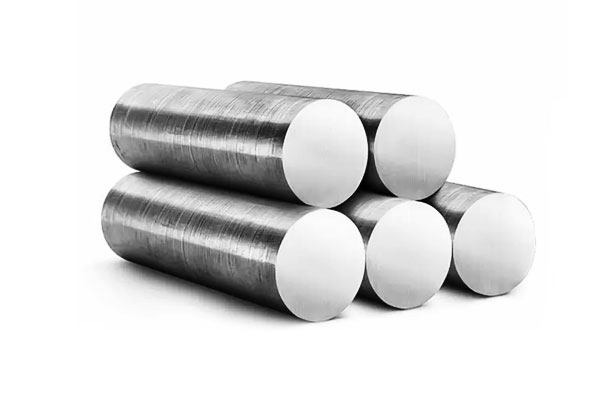
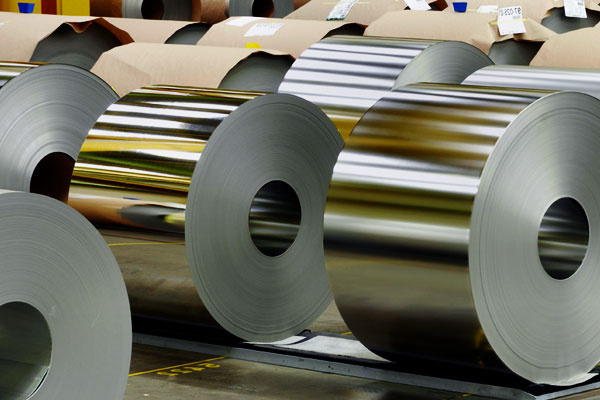
Razred 1 isporučuje se kao list, ploča, bar, cijev, žice i oblikovanih komponenti i naširoko se koristi u korozivnim okruženjima, pomorska služba, medicinske uređaje i gdje je potrebno duboko izvlačenje ili složeno oblikovanje.
Globalni standardni ekvivalenti — CP-Ti Grade 1
| Standardni sustav | Oznaka / kodirati | Tipično ime(s) koristi se u industriji |
| NAS (SAD) | R50250 | US R50250 |
| Astm / Asme (SAD) | ASTM B265 (Razred 1) / ASME SB-265; ASTM F67 (specifikacija kirurških implantata obuhvaća 1.–4) | CP-Ti stupanj 1, ASTM ocjena 1 |
| IZ / U (Europa / Njemačka) | Materijal br. 3.7025 / od Gr 1 | 3.7025, Ti-Grade 1 |
| GB / GB-T (Kina) | TA1 (po GB/T 3620.x seriji) | TA1 |
| On je (Japan) | TP270 / TR270 (Obitelj JIS H4600) | JIS klasa 1 / TP270 |
| DIN W-br. / Materijal br. | 3.7025 | Ti1 / Ti-Grade 1 |
| Zajednička trgovina / imena dobavljača | - | CP-Ti stupanj 1, Ti-1, od Gr 1, Ti1, TA1, TP270 |
2. Kemijski sastav i uloga intersticijala
- Bazna kemija: Razred 1 sastoji se od >99% titan po masi. Preostala frakcija sastoji se od pažljivo ograničenih količina kisika, dušik, ugljik, vodik i željezo.
- Svojstva kontrole međuprostornih oglasa: Kisik i dušik zauzimaju intersticijska mjesta u heksagonalnom tijesnom pakiranju (hcp) α-titanova rešetka.
Mala povećanja ovih međuprostora proizvode mjerljiv porast razvlačenja i vlačne čvrstoće (intersticijska otvrdnuća) uz istodobno smanjenje duktilnosti, lomna žilavost i sposobnost oblikovanja.
Taj kompromis je središnji: Razred 1 specificiran je s najnižim dopuštenim međuprostornim sadržajem kako bi se maksimizirala rastezljivost i žilavost. - Manje nečistoće: Ugljik i vodik na sličan način utječu na krtost i moraju se ograničiti; tolerira se niska razina željeza, ali više Fe može utjecati na ponašanje korozije i rast zrna tijekom obrade.
- Praktična implikacija: Prilikom naručivanja Grade 1, dizajneri bi trebali potvrditi točna ograničenja sastava potrebna za primjenu, jer će čak i male varijacije u kisiku ili dušiku promijeniti oblikovanje i mehaničku izvedbu.
3. Fizički & Mehanička svojstva CP-Ti razreda 1
| Vlasništvo | Tipična vrijednost (žarkin, predstavnik) | Jedinice | Bilješke / ovisnost |
| Gustoća | 4.50 | g · cm⁻³ | Nazivna nasipna gustoća za kvalitet CP-Ti 1 — korisno za izračune mase/težine. |
| Youngov modul (Modul elastičnosti, E) | 105 | GPA | Relativno nisko u usporedbi s čelicima; utječe na otklon i vlastitu frekvenciju. Malo pod utjecajem hladnog rada. |
| Poissonov omjer | 0.34 | - | Tipična izotropna aproksimacija za dizajn. |
Zatečna čvrstoća (UTS) |
240 - 350 | MPA | Jako ovisi o obliku proizvoda (list, bar, cijev) i prethodni hladni rad; veća ako je hladno obrađena. |
| Snaga popuštanja (0.2% nagib) | 170 - 275 | MPA | Tipične žarene vrijednosti blizu donjeg kraja; povećava se hladnim radom. Prilikom narudžbe navesti oblik/stanje. |
| Istezanje kod prijeloma (%) | 20 - 35 | % | Visoka duktilnost u žarenom limu/ploči; vrijednosti padaju s povećanjem sadržaja kisika ili hladnim radom. |
| Tvrdoća po Vickersu (Hv) | ~80 – 160 | Hv | Relativno niska tvrdoća među proizvodima od titana; varira ovisno o hladnom radu i stanju površine. |
Tvrdoća po Brinellu (približno.) |
~70 – 150 | HB | Približan; pretvorite iz HV kada je potrebno — koristite tvrdoću samo kao usporedni pokazatelj. |
| Modul smicanja (G) | ~ 40 | GPA | Korisno za izračune torzije i smicanja (G ≈ E / (2(1+n))). |
| Toplinska vodljivost | ~ 22 | W·m⁻¹·K⁻¹ | Niska u usporedbi s uobičajenim konstrukcijskim metalima — važno je upravljanje toplinom pri rezanju i zavarivanju. |
| Koeficijent toplinskog širenja (20–100 ° C) | ~8.6 | µm·m⁻¹·K⁻¹ | Utječe na promjene dimenzija s temperaturom i bimetalnim naprezanjima. |
Specifični toplinski kapacitet |
~ 520 | J·kg⁻¹·K⁻¹ | Relevantno za proračun toplinske mase i grijanja. |
| Talište | 1668 | ° C | Solidus/temperatura taline (približno.). |
| Električni otpor (na 20 ° C) | ~420 | nΩ·m (0.42 µω · m) | Relativno visok otpor; važno za razmatranja električnog/EM dizajna. |
| Snaga umora (indikativan) | ~80 – 140 | MPA | Jako ovisi o završnoj obradi površine, zaostali naponi, i alfa-slučaj; koristiti testiranje specifično za aplikaciju za kritične dizajne. |
Žilavost loma (K_ic, indikativan) |
Umjeren do visok (Dobra žilavost) | MPA · √m | CP-Ti stupanj 1 općenito pokazuje dobru žilavost u žarenom stanju; vrijednosti variraju ovisno o debljini i sadržaju kisika. |
| Ponašanje korozije | Izvrstan (pasivni TiO₂ film) | kvalitativni | Izvanredna otpornost u oksidirajućim i mnogim kloridnim sredinama; test za agresivne redukcijske kemikalije. |
| Magnetska propusnost | ≈1,003 – 1.01 | - | U biti nemagnetski — koristan tamo gdje je potreban slab magnetski potpis. |
4. Mikrostruktura i metalurgija — zašto se CP-Ti ponaša tako kako se ponaša
- Jednofazna α struktura na sobnoj temperaturi: Nelegirani titan u uvjetima okoline postoji u α (hcp) kristalna struktura. Bez β-stabilizirajućih legiranih elemenata, Razred 1 ostaje α preko radnih temperatura relevantnih za većinu primjena.
- Mehanizmi čvrstoće: Budući da nema dodataka legura za ojačavanje, Snaga 1. stupnja proizlazi iz otpora rešetke (intrinzičan), gustoća dislokacije (od hladnog rada), veličina zrna i intersticijski sadržaj.
Hladna obrada povećava gustoću dislokacija, a time i čvrstoću tečenja/vlačne čvrstoće; ciklusi žarenja smanjuju gustoću dislokacija i vraćaju duktilnost. - Površinski oksid: Titan razvija tanku, adhezivni oksidni sloj (Tio₂) spontano u zraku. Taj pasivni film je glavni čimbenik otpornosti na koroziju.
Na debljinu i stehiometriju oksida utječu završna obrada površine i toplinska izloženost tijekom obrade. - Osjetljivost obrade: Metal je osjetljiv na kontaminaciju tijekom visokotemperaturne obrade—pokupljanje kisika i dušika na povišenim temperaturama stvara krte površinske slojeve ("alfa slučaj"), koji umanjuju žilavost i učinak na zamor osim ako se ne uklone.
5. Otpornost na koroziju i biokompatibilnost
- Pasivna zaštita: Otpornost na koroziju 1. stupnja proizlazi iz brzog stvaranja staja, samozacjeljujući TiO₂ pasivni film.
Ovaj film je kemijski stabilan u oksidirajućim medijima i mnogim okruženjima koja sadrže kloride, pruža izvrsnu otpornost u morskoj vodi, mnoge kemijske procese i izloženost atmosferi. - Ograničenja: Pod određenim agresivnim redukcijskim uvjetima (Npr., neke koncentrirane kiseline ili okruženja za smanjenje visoke temperature), može doći do lokalizirane korozije ili ubrzanog napada.
Mehanička abrazija koja uklanja pasivni film može dovesti do prolazne korozije dok ne dođe do ponovne pasivizacije. - Biokompatibilnost: Kemijski inertan površinski oksid, nisko otpuštanje iona i odsutnost namjernih toksičnih legirajućih elemenata čine Grade 1 visoko biokompatibilan.
Pogodan je za mnoge dugotrajne primjene u kontaktu s tkivom, uključujući neke implantate i kirurške instrumente, pod uvjetom da su zadovoljeni mehanički zahtjevi. - Upute za dizajn: Za kritične scenarije korozije, provesti ispitivanje korozije specifično za primjenu (izlaganje, pukotina, galvanska sparivanja) umjesto da se oslanja samo na općenite izjave o "izvrsnoj otpornosti na koroziju".
6. Izrada: formiranje, obrada, i razmatranja zavarivanja
Formiranje
- Hladno formiranje: Razred 1 je visoko oblikovan-duboko izvlačenje, savijanje, predenje i druge operacije hladnog oblikovanja jednostavne su u usporedbi s titanima veće čvrstoće.
Opružni povrat i anizotropiju treba uzeti u obzir tijekom projektiranja alata. - Vruće formiranje: Izvodi se iznad temperature okoline, ali ispod temperature gdje unos kisika/dušika postaje značajan, ili u kontroliranim atmosferama (inertni plin, vakuum).
Vrući rad može smanjiti opterećenja oblikovanja, ali zahtijeva strogu kontrolu atmosfere kako bi se izbjegla krtost površine. - Alati: Koristite polirane matrice i alate otporne na koroziju kako biste izbjegli onečišćenje; podmazivanje i dizajn matrice važni su za smanjenje trenja.
Obrada
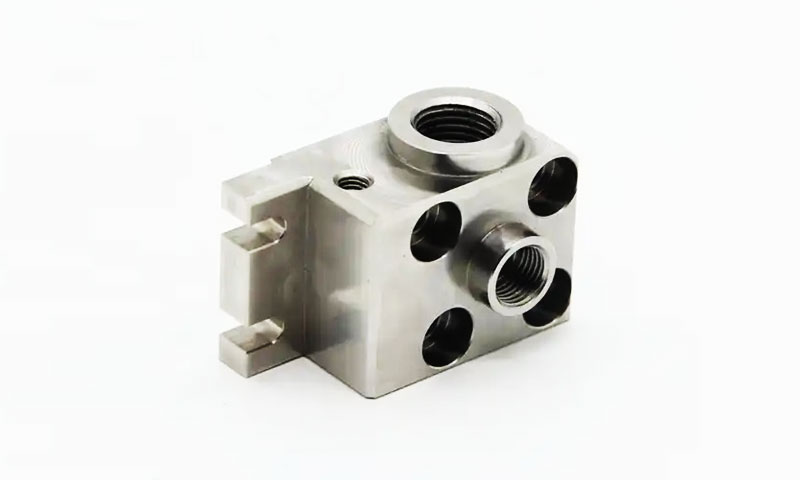
- Ponašanje pri rezanju: Unatoč relativnoj mekoći, titan je teže obrađivati od mnogih čelika zbog slabe toplinske vodljivosti (toplina se koncentrira na sučelju alat-čip) i sklonost otvrdnjavanju.
Čips može biti dug i gumast ako se ne koriste odgovarajući parametri. - Preporučeni pristup: Koristite krute postavke, oštar alat, kontrolirana krmiva, i umjerene brzine vretena. Naglasite evakuaciju strugotine i upravljanje životnim vijekom alata.
Rashladne tekućine i strategije rezne tekućine treba odabrati kako bi se izbjeglo nakupljanje vodika ili kontaminacija.
Zavarivanje i spajanje
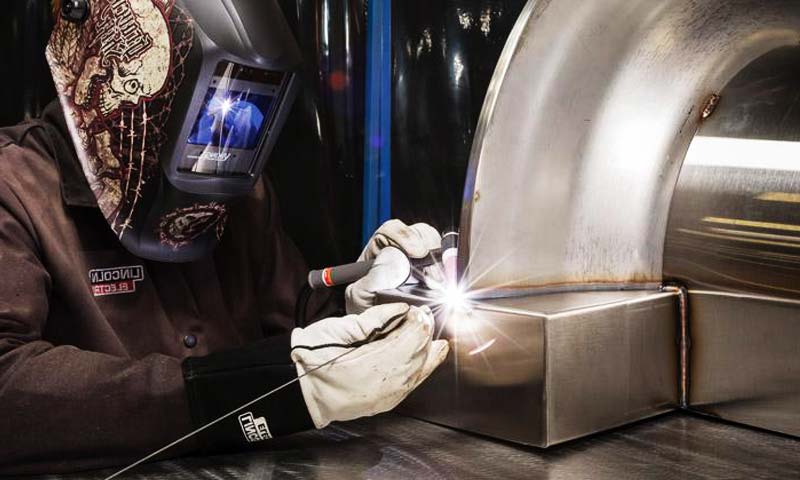
- Zavarivost: Razred 1 lako zavari uobičajenim procesima taljenja (TIG/GTAW, plazma) jer je nelegiran i ne stvara krte intermetale.
Spajanje u čvrstom stanju (trenje promiješati, elektronski snop) također je izvedivo gdje to geometrija i cijena dopuštaju. - Štititi: Zaštitite područja zavara inertnim plinom (argon) pre- i naknadni protok za sprječavanje atmosferske kontaminacije. Izbjegavajte izlaganje vrućeg titana zraku i vlazi.
- Zona pogođena toplinom (Haz): Prikupljanje kisika/dušika u ZUT-u narušit će regiju ako je zaštita neadekvatna.
Za kritične dijelove preporučuje se čišćenje nakon zavarivanja radi uklanjanja površinskih oksida i onečišćenja. - Mehanička završna obrada: Donje strane zavara i rubovi mogu zahtijevati brušenje ili strojnu obradu; koristite odgovarajuće abrazive i izbjegavajte kontaminaciju tijekom završne obrade.
7. Toplotna obrada, površinski tretmani, i mogućnosti završne obrade
- Toplotna obrada: Razred 1 nije podložan toplinskoj obradi u smislu ojačavanja legure jer nema legirajućih elemenata za ojačavanje faznom transformacijom.
Toplinski ciklusi koriste se samo za ublažavanje naprezanja ili vraćanje duktilnosti nakon hladne obrade. - Čišćenje i pasivizacija površina: Tipično čišćenje (kiseljenje kiselinom, alkalno čišćenje) i kontrolirani oksidacijski tretmani koriste se za uklanjanje kontaminanata i obnavljanje čistog pasivnog filma.
Anodizacija se može koristiti za prilagođavanje debljine i izgleda oksida. - Premazi i tretmani trošenja: Za primjene koje zahtijevaju povećanu otpornost na habanje, premaz (keramički, tvrdi PVD/DLC, toplinski sprej) ili se primjenjuju modifikacije površine,
priznajući da se temeljni oksid i podloga moraju ispravno pripremiti za prianjanje. - Površinski integritet: Izbjegavajte putove obrade koji proizvode krt "alfa slučaj".
Gdje se formira alfa slučaj (od izloženosti visokim temperaturama u kisiku), može biti potrebno uklanjanje mehaničkim ili kemijskim sredstvima.
8. Tipične primjene CP-Ti razreda 1
- Kemijska oprema za obradu: Izmjenjivači topline, cijevi, a armature izložene korozivnom, oksidirajući mediji gdje su važni dug život i nisko održavanje.
- Morski i sustavi morske vode: Osovine pumpe, komponente postrojenja za desalinizaciju, i cjevovod za morsku vodu ima koristi od otpornosti Grade 1 na bioobraštanje i koroziju u kloridnim okruženjima.
- Medicinski uređaji i oprema: Kirurški instrumenti, nenosivi implantati i komponente koje zahtijevaju inertnost i biokompatibilnost.
- Arhitektonska i potrošačka uporaba: Vanjske arhitektonske komponente, spojni elementi i ukrasni elementi kod kojih su otpornost na koroziju i izgled važni.
- Elektronika i specijalni dijelovi: Komponente kod kojih su niska magnetska propusnost i stabilnost protiv korozije prednost.
- Dizajnerske bilješke: U konstrukcijskim primjenama gdje su opterećenja značajna, Razred 1 općenito se zamjenjuje višim CP stupnjevima ili legiranim titanom kako bi se smanjile veličine presjeka.
Razred 1 daje prednost kada složenost oblikovanja i otpornost na koroziju nadmašuju zahtjeve mehaničke čvrstoće.
9. Prednosti & Ograničenja
Prednosti CP-Ti razreda 1
- Najveća sposobnost oblikovanja i duktilnost među komercijalnim vrstama titana.
- Vrhunska zavarljivost i stabilnost izrade.
- Izvrsna inherentna otpornost na koroziju.
- Izvanredna biokompatibilnost (netoksičan, ne -magnetski).
- Niska gustoća, lagan, i stabilnost visoke dimenzije.
- Stabilne performanse na kriogenim i umjerenim temperaturama.
Ograničenja stupnja CP-Ti 1
- Mala mehanička čvrstoća; neprikladan za konstrukcijske dijelove s visokim opterećenjem.
- Ne može se stvrdnuti toplinskom obradom (samo otvrdnjavanje radom).
- Ograničena uporaba u jakim redukcijskim kiselinama bez modifikacije legure (Npr., Razred 7 s Pd).
- Viši trošak materijala od ugljičnog čelika i nehrđajućeg čelika.
10. Usporedba s CP-Ti razredima 2–4
Ispod je fokusiran, usporedba inženjerskih stupnjeva koja naglašava kako Grade 1 razlikuje se od 2.–4. razreda u kemiji, mehanički izvedba, ponašanje pri izradi i tipične primjene.
Prikazani podaci su predstavnik (žareni/kovani uvjeti) i namijenjen za usmjeravanje pri odabiru materijala — uvijek provjerite dobavljača / spec certifikati za zajamčene vrijednosti.
| Atribut | Razred 1 (US R50250) | Razred 2 (US R50400) | Razred 3 (US R50550) | Razred 4 (US R50700) |
| Max Fe (WT%) | 0.20 | 0.30 | 0.30 | 0.50 |
| Max C (WT%) | 0.08 | 0.08 | 0.08 | 0.08 |
| Max N (WT%) | 0.03 | 0.03 | 0.05 | 0.05 |
| Max O (WT%) | 0.18 | 0.25 | 0.35 | 0.40 |
| Max H (WT%) | 0.015 | 0.015 | 0.015 | 0.015 |
| Tipični prinos (Ys, žarkin) | ≈ ≥200 MPa | ≈ ≥270 MPa | ≈ ≥350 MPa | ≈ ≥410 MPa |
| Tipični UTS (raspon, žarkin) | ≈ 290–410 MPa | ≈ 390–540 MPa | ≈ 460–590 MPa | ≈ 540–740 MPa |
| Tipično produljenje (A, žarkin) | ≈ 30% | ≈ 22% | ≈ 18% | ≈ 16% |
Primarni inženjerski kompromis |
Maksimalna duktilnost / Oblikovanje, najbolje ponašanje pri pasivnoj koroziji | Uravnotežena duktilnost + veća snaga; najrašireniji CP stupanj | Veća čvrstoća za strukturalniju upotrebu uz zadržavanje otpornosti na koroziju | Najveća čvrstoća među CP klasama (otporan na naprezanje); smanjena sposobnost oblikovanja |
| Uobičajene upotrebe | Duboko crtanje, kemijske komponente/komponente morske vode, neki medicinski dijelovi | Opća procesna oprema, cijevi, konstrukcijske komponente s umjerenim opterećenjem | Komponente koje zahtijevaju veća dopuštena naprezanja, procesni dijelovi za teže zahtjeve | Gdje je potrebna veća čvrstoća CP titana (strain-hardened zatvarači, osovine, teže opterećene dijelove) |
11. Zaključak
Titan CP-Ti Grade 1 predstavlja najčišći i najformabilniji oblik komercijalno čistog titana.
Njegove definirajuće karakteristike—vrlo nizak međuprostorni sadržaj, jednofazna α mikrostruktura, i konjušnicu, samozacjeljujući oksidni film—daje mu izuzetnu otpornost na koroziju, izvanredna duktilnost, i izvrsna biokompatibilnost.
Ovi atributi čine ocjenu 1 poželjan materijal za kemijski agresivna okruženja, izloženost morskoj vodi, medicinske i biomedicinske upotrebe, i primjene koje zahtijevaju duboko izvlačenje ili složeno hladno oblikovanje.
Iz inženjerske perspektive, Razred 1 je nije materijal visoke čvrstoće, i ne bi se trebao odabrati tamo gdje je strukturalna učinkovitost ili nosivost dominantan zahtjev.
Umjesto toga, njegova vrijednost leži u pouzdanosti, proizvodnja, i dug radni vijek u korozivnim ili osjetljivim okruženjima.
Kada je ispravno navedeno—posebno u pogledu međuprostornih ograničenja, stanje površine, i kontrole proizvodnje—CP-Ti Grade 1 pruža predvidljive performanse i nizak rizik životnog ciklusa.
Česta pitanja
Što znači "CP-Ti".?
CP-Ti je kratica za Komercijalno čisti titanij. Odnosi se na titan koji nije namjerno legiran, sa svojstvima kontroliranim uglavnom intersticijskim elementima u tragovima (kisik, dušik, ugljik, vodik) a ne dodaci legiranja.
Je CP-Ti Grade 1 toplinski tretiran?
Ne. Razred 1 je nije podložan toplinskoj obradi za jačanje jer je nelegirano. Toplinska obrada se koristi samo za smanjenje naprezanja ili žarenje za vraćanje duktilnosti nakon hladne obrade.
je Grade 1 jači ili slabiji od legura titana poput Ti-6Al-4V?
Razred 1 je mnogo slabiji u smislu popuštanja i vlačne čvrstoće od Ti-6Al-4V i drugih legiranih vrsta titana.
Njegove prednosti leže u otpornosti na koroziju, duktilnost, i lakoća oblikovanja—ne snaga.
Zašto je CP-Ti Grade 1 tako otporan na koroziju?
Njegova otpornost na koroziju dolazi od a stabilan, prianjajući titanov dioksid (Tio₂) pasivni film koji se trenutno stvara u zraku ili vodenom okruženju.
Ovaj film je samozacjeljujući i štiti metal u mnogim oksidirajućim sredinama i okruženjima koja sadrže kloride.
Je CP-Ti Grade 1 magnetski?
Ne. CP-Ti stupanj 1 je u biti nemagnetski, što ga čini prikladnim za aplikacije osjetljive na magnetska polja (Npr., određene medicinske i elektroničke uporabe).