درجه تیتانیوم خالص تجاری 1 (CP-Ti Grade 1) نرم ترین و انعطاف پذیرترین تیتانیوم استاندارد تجاری خالص است.
سطوح پایین ناخالصی بین بافتی آن مقاومت در برابر خوردگی فوق العاده ای به آن می دهد, شکل پذیری عالی و قابلیت جوشکاری, و اینرسی بیولوژیکی بالا.
درجه 1 جایی که مقاومت در برابر خوردگی انتخاب می شود, ساختگی, و زیست سازگاری محرک های اولیه طراحی هستند و در جایی که به استحکام ساختاری بالا نیاز نیست.
1. تیتانیوم CP-Ti Grade چیست؟ 1?
CP-Ti Grade 1 (تیتانیوم خالص تجاری - درجه 1) is the softest, شکلپذیرترین و کمترین نوع بینابینی تیتانیوم خالص تجاری.
اساساً بدون آلیاژ است تیتانیوم با محدودیت های محدود در عناصر بینابینی (اکسیژن, نیتروژن, کربن, هیدروژن و ناخالصی های جزئی).
مواد برای حداکثر مقاومت در برابر خوردگی, شکل پذیری و بی اثری بیولوژیکی به جای استحکام بالا.
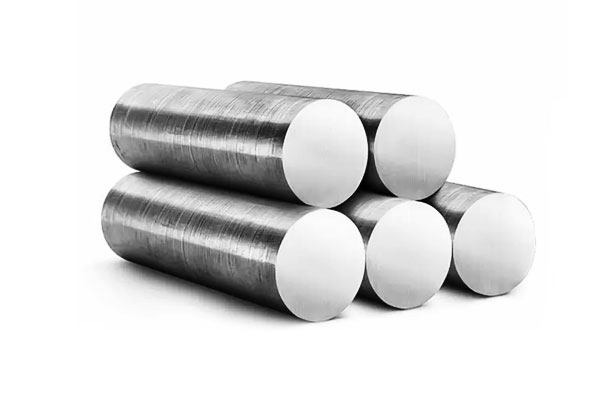
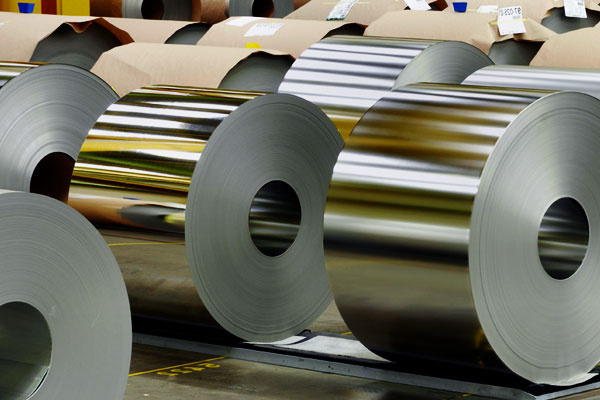
درجه 1 is supplied as sheet, بشقاب, نوار, لوله, سیم و اجزای تشکیل شده و به طور گسترده در محیط های خورنده استفاده می شود, marine service, وسایل پزشکی و جاهایی که نیاز به کشیدن عمیق یا تشکیل کمپلکس است.
معادل های استاندارد جهانی - درجه CP-Ti 1
| سیستم استاندارد | تعیین / کد | Typical name(حرف) used in industry |
| ما (ایالات متحده آمریکا) | R50250 | UNS R50250 |
| عید / عیاش (ایالات متحده آمریکا) | ASTM B265 (درجه 1) / ASME SB-265; ASTM F67 (مشخصات ایمپلنت جراحی درجات 1-4 را پوشش می دهد) | CP-Ti Grade 1, درجه ASTM 1 |
| از / در (اروپا / آلمان) | Material No. 3.7025 / Ti Gr 1 | 3.7025, Ti-Grade 1 |
| GB / GB-T (چین) | TA1 (per GB/T 3620.x series) | TA1 |
| او است (ژاپن) | TP270 / TR270 (JIS H4600 family) | JIS Class 1 / TP270 |
| DIN W-Nr. / Werkstoff-Nr. | 3.7025 | Ti1 / Ti-Grade 1 |
| Common trade / vendor names | - | CP-Ti Grade 1, Ti-1, Ti Gr 1, Ti1, TA1, TP270 |
2. ترکیب شیمیایی و نقش بینابینی
- شیمی پایه: درجه 1 is composed of >99% titanium by mass. بخش باقیمانده از مقادیر دقیق محدودی از اکسیژن تشکیل شده است, نیتروژن, کربن, hydrogen and iron.
- بینابینی ها خواص را کنترل می کنند: اکسیژن و نیتروژن مکان های بینابینی را در بسته بندی بسته شش ضلعی اشغال می کنند (hcp) α-titanium lattice.
افزایش اندک در این بینابینی باعث افزایش قابل اندازه گیری در تسلیم و استحکام کششی می شود (interstitial hardening) در حالی که به طور همزمان شکل پذیری را کاهش می دهد, چقرمگی شکست و شکل پذیری.
این مبادله محوری است: درجه 1 برای به حداکثر رساندن شکل پذیری و چقرمگی، با کمترین میزان مجاز بینابینی مشخص شده است. - Minor impurities: کربن و هیدروژن به طور مشابه بر شکنندگی تأثیر می گذارند و باید محدود شوند; آهن در سطوح پایین قابل تحمل است، اما آهن بالاتر می تواند بر رفتار خوردگی و رشد دانه در طول فرآوری تأثیر بگذارد.
- مفهوم عملی: When ordering Grade 1, طراحان باید محدودیت های ترکیب دقیق مورد نیاز برای برنامه را تأیید کنند, زیرا حتی تغییرات کوچک در اکسیژن یا نیتروژن باعث تغییر شکل گیری و عملکرد مکانیکی می شود.
3. فیزیکی & خواص مکانیکی درجه CP-Ti 1
| دارایی | ارزش معمولی (ساکت شده, نماینده) | واحد | یادداشت ها / وابستگی |
| تراکم | 4.50 | g · cm⁻³ | چگالی ظاهری اسمی برای درجه CP-Ti 1 - برای محاسبات جرم/وزن مفید است. |
| مدول یانگ (مدول الاستیک, اشمیه) | 105 | معدل | نسبتاً پایین در مقایسه با فولادها; بر انحراف و فرکانس طبیعی تأثیر می گذارد. کمی تحت تاثیر کار سرد. |
| نسبت پواسون | 0.34 | - | تقریب همسانگرد معمولی برای طراحی. |
استحکام کششی (بیدر) |
240 - 350 | MPA | به شدت به فرم محصول وابسته است (ورق, نوار, لوله) and prior cold work; higher if cold-worked. |
| قدرت عملکرد (0.2% جبران کردن) | 170 - 275 | MPA | مقادیر آنیل شده معمولی نزدیک به انتهای پایینی; increases with cold work. هنگام سفارش فرم/شرایط را مشخص کنید. |
| کشیدگی در هنگام شکست (یک ٪) | 20 - 35 | % | شکل پذیری بالا در ورق/صفحه آنیل شده; با افزایش محتوای اکسیژن یا کار سرد، مقادیر کاهش می یابد. |
| سختی ویکرز (HV) | ~80 - 160 | HV | سختی نسبتا کم در میان محصولات تیتانیوم; با کار سرد و شرایط سطح متفاوت است. |
سختی برینل (تقریبا) |
~70 - 150 | HB | تقریبی; در صورت نیاز از HV تبدیل کنید - از سختی فقط به عنوان یک شاخص مقایسه استفاده کنید. |
| مدول برشی (جف) | 40 پوند | معدل | برای محاسبات پیچشی و برشی مفید است (G ≈ E / (2(1+حرف))). |
| هدایت حرارتی | 22 پوند | W·m-1·K-1 | در مقایسه با فلزات ساختاری رایج - مدیریت حرارت برش و جوشکاری مهم است. |
| ضریب انبساط حرارتی (20-100 درجه سانتیگراد) | ~8.6 | µm·m-1·K-1 | تغییرات ابعادی با دما و تنش های دو فلزی را تحت تأثیر قرار می دهد. |
ظرفیت حرارتی خاص |
520 پوند | J·kg-1·K-1 | مربوط به محاسبات جرم حرارتی و گرمایش. |
| نقطه ذوب | 1668 | درجه سانتیگراد | Solidus/melt temperature (تقریبا). |
| مقاومت الکتریکی (در 20 درجه سانتیگراد) | ~420 | nΩ·m (0.42 μΩ · m) | مقاومت نسبتاً بالا; برای ملاحظات طراحی الکتریکی/EM مهم است. |
| قدرت خستگی (نشان دهنده) | ~80 - 140 | MPA | به شدت به پرداخت سطح بستگی دارد, استرسهای باقیمانده, and alpha-case; از تست های خاص برنامه برای طرح های حیاتی استفاده کنید. |
سختی شکستگی (k_ic, نشان دهنده) |
متوسط تا زیاد (سختی) | MPA · √m | CP-Ti Grade 1 به طور کلی در شرایط آنیل شده چقرمگی خوبی نشان می دهد; مقادیر با ضخامت و محتوای اکسیژن متفاوت است. |
| رفتار خوردگی | عالی (passive TiO₂ film) | کیفی | مقاومت فوق العاده در محیط های اکسید کننده و بسیاری از کلریدها; تست مواد شیمیایی احیا کننده تهاجمی. |
| نفوذپذیری مغناطیسی | ≈1.003 – 1.01 | - | اساساً غیر مغناطیسی - در مواردی که به امضای مغناطیسی کم نیاز است مفید است. |
4. ریزساختار و متالورژی - چرا CP-Ti اینگونه رفتار می کند
- ساختار α تک فاز در دمای اتاق: تیتانیوم بدون آلیاژ در شرایط محیطی در α وجود دارد (hcp) ساختار بلور. بدون عناصر آلیاژی پایدار کننده β, درجه 1 α باقی می ماند در دمای سرویس مربوط به اکثر برنامه ها.
- Strength mechanisms: زیرا هیچ افزودنی آلیاژ تقویت کننده وجود ندارد, استحکام درجه 1 از مقاومت شبکه ناشی می شود (ذاتی), dislocation density (from cold work), اندازه دانه و محتوای بینابینی.
کار سرد چگالی نابجایی و در نتیجه استحکام تسلیم/کششی را افزایش می دهد; چرخه های آنیل چگالی دررفتگی را کاهش می دهد و شکل پذیری را بازیابی می کند. - Surface oxide: Titanium develops a thin, لایه اکسید چسبنده (اری) spontaneously in air. این فیلم غیرفعال عامل اصلی مقاومت در برابر خوردگی است.
ضخامت اکسید و استوکیومتری تحت تأثیر پوشش سطح و قرار گرفتن در معرض حرارتی در طول پردازش است.. - حساسیت پردازش: این فلز در طول پردازش در دمای بالا به آلودگی حساس است - جذب اکسیژن و نیتروژن در دماهای بالا باعث ایجاد لایههای سطحی شکننده میشود. (“alpha case”), که چقرمگی و عملکرد خستگی را کاهش می دهند مگر اینکه حذف شوند.
5. مقاومت در برابر خوردگی و زیست سازگاری
- حفاظت منفعل: مقاومت در برابر خوردگی درجه 1 از تشکیل سریع یک اصطبل ناشی می شود, فیلم غیرفعال TiO2 خود ترمیم شونده.
این فیلم در محیط های اکسید کننده و بسیاری از محیط های حاوی کلرید از نظر شیمیایی پایدار است, مقاومت عالی در آب دریا, بسیاری از فرآیندهای شیمیایی و قرار گرفتن در معرض اتمسفر. - محدودیت ها: تحت شرایط خاص کاهش دهنده تهاجمی (به عنوان مثال, برخی از اسیدهای غلیظ یا محیط های کاهش دهنده دمای بالا), خوردگی موضعی یا حمله تسریع شده ممکن است رخ دهد.
سایش مکانیکی که لایه غیرفعال را از بین می برد، می تواند منجر به خوردگی گذرا شود تا زمانی که پسیو شدن مجدد رخ دهد.. - سازگاری: اکسید سطحی بی اثر شیمیایی, انتشار کم یون و عدم وجود عناصر آلیاژی سمی عمدی باعث ایجاد درجه می شود 1 highly biocompatible.
برای بسیاری از کاربردهای طولانی مدت تماس با بافت مناسب است, از جمله برخی از ایمپلنت ها و ابزار جراحی, به شرط رعایت الزامات مکانیکی. - راهنمایی طراحی: برای سناریوهای خوردگی بحرانی, انجام تست خوردگی خاص برنامه (قرار گرفتن در معرض بیماری, شکاف, galvanic pairings) به جای تکیه صرفاً بر اظهارات کلی "مقاومت در برابر خوردگی عالی".
6. ساختگی: تشکیل دهنده, ماشینکاری, و ملاحظات جوشکاری
تشکیل دهنده
- شکل گیری سرد: درجه 1 بسیار شکل پذیر است - طراحی عمیق, خم, ریسندگی و سایر عملیات شکل دهی سرد در مقایسه با تیتانیوم های با استحکام بالاتر ساده است.
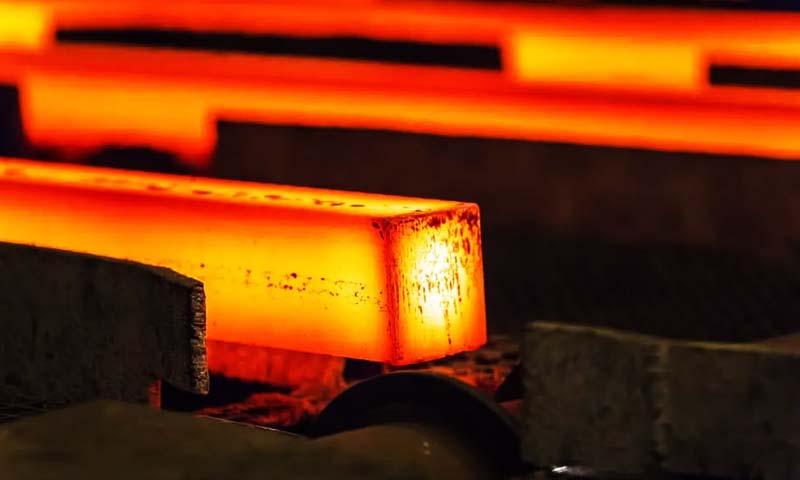
در طول طراحی ابزارسازی باید به عقب فنری و ناهمسانگردی توجه شود. - شکل گیری گرم: بالاتر از محیط اما در دمای پایین تر که در آن جذب اکسیژن/نیتروژن قابل توجه می شود انجام می شود, یا در اتمسفرهای کنترل شده (گاز بی حسی, خلاء).
کار گرم می تواند بارهای شکل دهی را کاهش دهد اما برای جلوگیری از شکنندگی سطح نیاز به کنترل جوی دقیق دارد. - ابزار: برای جلوگیری از آلودگی از قالب های صیقلی و ابزارهای مقاوم در برابر خوردگی استفاده کنید; روانکاری و طراحی قالب برای به حداقل رساندن ضایعات مهم هستند.
ماشینکاری
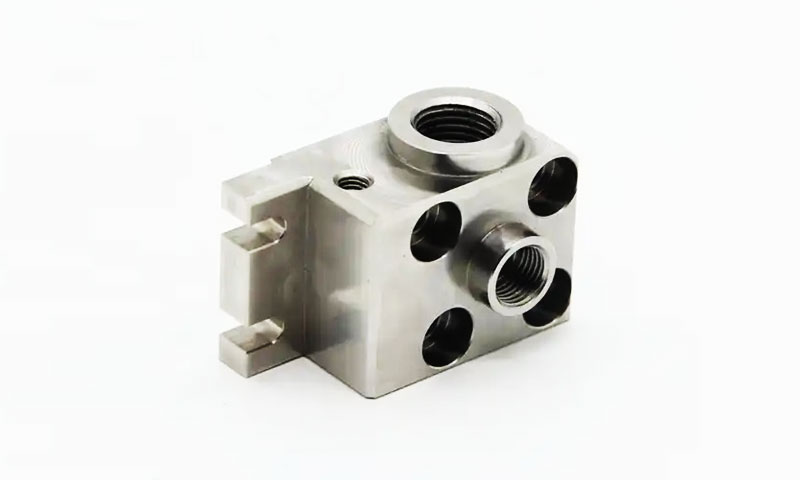
- Cutting behavior: با وجود نرمی نسبی آن, ماشینکاری تیتانیوم از بسیاری از فولادها دشوارتر است زیرا هدایت حرارتی ضعیفی دارد (گرما در رابط ابزار-تراشه متمرکز می شود) و تمایل به کار سخت.
تراشه ها می توانند طولانی و صمغی باشند مگر اینکه از پارامترهای مناسب استفاده شود. - رویکرد توصیه شده: Use rigid setups, sharp tooling, controlled feeds, و سرعت اسپیندل متوسط. بر تخلیه تراشه و مدیریت عمر ابزار تاکید کنید.
راهبردهای خنک کننده و سیال برش باید برای جلوگیری از برداشت هیدروژن یا آلودگی انتخاب شوند.
Welding and joining
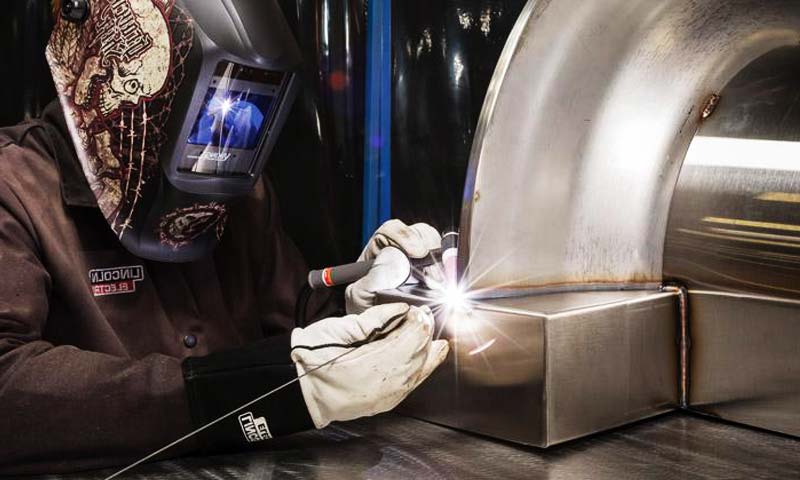
- قابلیت جوشکاری: درجه 1 به راحتی توسط فرآیندهای همجوشی رایج جوش می شود (TIG/GTAW, پلاسما) زیرا بدون آلیاژ است و مواد بین فلزی شکننده ایجاد نمی کند.
Solid-state joining (friction stir, electron beam) همچنین در جایی که هندسه و هزینه اجازه می دهد امکان پذیر است. - محافظ: مناطق جوش را با گاز بی اثر محافظت کنید (آرگون) قبل- و پس از جریان برای جلوگیری از آلودگی اتمسفر. از قرار گرفتن تیتانیوم داغ در معرض هوا و رطوبت خودداری کنید.
- منطقه تحت تأثیر گرما (خندق): جذب اکسیژن/نیتروژن در HAZ در صورت ناکافی بودن پوشش، ناحیه را شکننده خواهد کرد..
تمیز کردن پس از جوش برای حذف اکسیدهای سطحی و آلودگی برای قطعات حیاتی توصیه می شود. - تکمیل مکانیکی: قسمت های زیرین و مهره های جوش ممکن است نیاز به سنگ زنی یا ماشین کاری داشته باشند; از ساینده های مناسب استفاده کنید و از آلودگی در حین تکمیل جلوگیری کنید.
7. عملیات حرارتی, درمان های سطحی, and finishing options
- عملیات حرارتی: درجه 1 از نظر تقویت کننده آلیاژ قابل عملیات حرارتی نیست زیرا فاقد عناصر آلیاژی برای تقویت تبدیل فاز است..
چرخه های حرارتی فقط برای کاهش تنش یا بازیابی شکل پذیری پس از کار سرد استفاده می شود. - تمیز کردن و غیرفعال کردن سطح: Typical cleaning (acid pickling, alkaline cleaning) و تیمارهای اکسید کننده کنترل شده برای حذف آلاینده ها و بازیابی یک فیلم غیرفعال تمیز استفاده می شود.
آندایزاسیون را می توان برای تنظیم ضخامت و ظاهر اکسید استفاده کرد. - پوشش ها و درمان های سایش: برای کاربردهایی که به مقاومت در برابر سایش بیشتر نیاز دارند, پوشش (سرامامیک, hard PVD/DLC, اسپری حرارتی) یا تغییرات سطحی اعمال می شود,
با توجه به اینکه اکسید و بستر زیرین باید به درستی برای چسبندگی آماده شوند. - یکپارچگی سطح: اجتناب از مسیرهای پردازشی که یک «مورد آلفای» شکننده ایجاد میکنند..
Where alpha case forms (از قرار گرفتن در معرض دمای بالا در اکسیژن), حذف با وسایل مکانیکی یا شیمیایی ممکن است ضروری باشد.
8. کاربردهای معمولی درجه CP-Ti 1
- تجهیزات پردازش شیمیایی: مبدلهای حرارتی, لوله کشی, و اتصالات در معرض خورندگی, محیط های اکسید کننده که عمر طولانی و نگهداری کم اهمیت دارند.
- دریایی and seawater systems: شفت های پمپ, اجزای کارخانه آب شیرین کن, و لوله کشی آب دریا از مقاومت درجه 1 در برابر رسوب زیستی و خوردگی در محیط های کلرید بهره می برد..
- دستگاه ها و تجهیزات پزشکی: سازهای جراحی, ایمپلنت ها و اجزای غیر باربر که نیاز به بی اثری و زیست سازگاری دارند.
- کاربردهای معماری و مصرف کننده: اجزای معماری بیرونی, اتصال دهنده ها و عناصر تزئینی که مقاومت در برابر خوردگی و ظاهر مهم هستند.
- قطعات الکترونیکی و تخصصی: قطعاتی که نفوذپذیری مغناطیسی کم و پایداری در برابر خوردگی سودمند هستند.
- یادداشت های طراحی: در کاربردهای سازه ای که بارها قابل توجه است, درجه 1 به طور کلی با گریدهای CP بالاتر یا تیتانیوم آلیاژی جایگزین می شود تا اندازه بخش کاهش یابد.
درجه 1 هنگامی که پیچیدگی و مقاومت در برابر خوردگی بیشتر از نیازهای مقاومت مکانیکی باشد، مورد علاقه است.
9. مزایا & محدودیت ها
مزایای درجه CP-Ti 1
- بالاترین شکل پذیری و شکل پذیری در بین گریدهای تیتانیوم تجاری.
- جوش پذیری برتر و پایداری ساخت.
- مقاومت در برابر خوردگی ذاتی عالی.
- زیست سازگاری برجسته (non‑toxic, غیر مغناطیسی).
- چگالی کم, سبک وزن, و ثبات ابعادی بالا.
- عملکرد پایدار در دماهای برودتی و متوسط.
محدودیت های درجه CP-Ti 1
- Low mechanical strength; نامناسب برای قطعات سازه ای با بار بالا.
- با عملیات حرارتی سخت نمی شود (only work hardening).
- استفاده محدود در اسیدهای احیا کننده قوی بدون اصلاح آلیاژ (به عنوان مثال, درجه 7 with Pd).
- هزینه مواد بالاتر از فولاد کربن و فولاد ضد زنگ.
10. مقایسه با CP-Ti نمرات 2-4
در زیر متمرکز است, مقایسه درجه مهندسی که نشان می دهد چگونه درجه 1 در شیمی با کلاس 2-4 متفاوت است, عملکرد مکانیکی, رفتار ساخت و کاربردهای معمولی.
The data shown are نماینده (شرایط بازپخت / فرفورژه) و برای راهنمایی انتخاب مواد در نظر گرفته شده است - همیشه تامین کننده را بررسی کنید / گواهی های مشخصات برای مقادیر تضمین شده.
| ویژگی | درجه 1 (UNS R50250) | درجه 2 (UNS R50400) | درجه 3 (UNS R50550) | درجه 4 (UNS R50700) |
| Max Fe (وزنی ٪) | 0.20 | 0.30 | 0.30 | 0.50 |
| Max C (وزنی ٪) | 0.08 | 0.08 | 0.08 | 0.08 |
| Max N (وزنی ٪) | 0.03 | 0.03 | 0.05 | 0.05 |
| مکس او (وزنی ٪) | 0.18 | 0.25 | 0.35 | 0.40 |
| Max H (وزنی ٪) | 0.015 | 0.015 | 0.015 | 0.015 |
| Typical yield (ys, ساکت شده) | ≈ ≥200 MPa | ≈ ≥270 MPa | ≈ ≥350 MPa | ≈ ≥410 MPa |
| UTS معمولی (دامنه, ساکت شده) | ≈ 290–410 MPa | ≈ 390–540 MPa | ≈ 460–590 MPa | ≈ 540–740 MPa |
| ازدیاد طول معمولی (بوها, ساکت شده) | ± 30% | ± 22% | ± 18% | ± 16% |
معاوضه مهندسی اولیه |
Maximum ductility / قابلیت تشکیل, بهترین رفتار خوردگی غیرفعال | Balanced ductility + استحکام بالاتر; پرکاربردترین درجه CP | استحکام بالاتر برای استفاده بیشتر ساختاری در حالی که مقاومت در برابر خوردگی را حفظ می کند | بالاترین قدرت در بین گریدهای CP (strain-hardenable); reduced formability |
| کاربردهای رایج | نقاشی عمیق, اجزای شیمیایی/آب دریا, some medical parts | تجهیزات فرآیند عمومی, لوله, اجزای سازه ای با بارهای متوسط | قطعاتی که به تنش های مجاز بالاتر نیاز دارند, قطعات فرآیند سنگین تر | جایی که استحکام بالاتری در تیتانیوم CP مورد نیاز است (بست های سخت شده با کرنش, شفت, heavier duty parts) |
11. پایان
Titanium CP-Ti Grade 1 represents the خالص ترین و شکل پذیرترین شکل تیتانیوم خالص تجاری.
ویژگی های تعیین کننده آن - محتوای بینابینی بسیار کم, ریزساختار α تک فاز, and a stable, فیلم اکسید خود ترمیم شونده - به آن مقاومت در برابر خوردگی استثنایی می دهد, outstanding ductility, و زیست سازگاری عالی.
این ویژگی ها باعث ایجاد درجه می شوند 1 یک ماده ترجیحی برای محیط های شیمیایی تهاجمی, seawater exposure, مصارف پزشکی و زیست پزشکی, و کاربردهایی که نیاز به کشیدن عمیق یا شکل دهی سرد پیچیده دارند.
از منظر مهندسی, درجه 1 است. است یک ماده با مقاومت بالا نیست, و نباید در جایی که راندمان سازه یا ظرفیت باربری نیاز غالب است انتخاب شود..
در عوض, ارزش آن در قابلیت اطمینان نهفته است, تولید, و عمر طولانی در محیط های خورنده یا حساس.
هنگامی که به درستی مشخص شده باشد - به خصوص با توجه به محدودیت های بینابینی, وضعیت سطح, و کنترل های ساخت - درجه CP-Ti 1 عملکرد قابل پیش بینی و ریسک چرخه عمر پایین را ارائه می دهد.
متداول
"CP-Ti" به چه معناست?
CP-Ti stands for تیتانیوم خالص تجاری. به تیتانیوم اشاره دارد که عمداً آلیاژ نشده است, با خواصی که عمدتاً توسط عناصر میان بافتی کنترل می شود (اکسیژن, نیتروژن, کربن, هیدروژن) به جای افزودنی های آلیاژی.
Is CP-Ti Grade 1 قابل درمان با گرما?
هیچ. درجه 1 است. است برای تقویت قابل عملیات حرارتی نیست because it is unalloyed. عملیات حرارتی فقط برای کاهش استرس یا بازپخت برای بازیابی شکل پذیری پس از کار سرد استفاده می شود.
Is Grade 1 قوی تر یا ضعیف تر از آلیاژهای تیتانیوم مانند Ti-6Al-4V?
درجه 1 است. است much weaker از نظر تسلیم و استحکام کششی نسبت به Ti-6Al-4V و سایر گریدهای تیتانیوم آلیاژی.
مزایای آن در مقاومت در برابر خوردگی نهفته است, انعطاف پذیری, و سهولت شکل گیری - نه استحکام.
Why is CP-Ti Grade 1 so corrosion-resistant?
مقاومت در برابر خوردگی آن ناشی از a پایدار, دی اکسید تیتانیوم چسبنده (اری) فیلم منفعل که فوراً در هوا یا محیط های آبی تشکیل می شود.
این فیلم خود ترمیم شونده است و از فلز در بسیاری از محیط های اکسید کننده و حاوی کلرید محافظت می کند..
Is CP-Ti Grade 1 مغناطیسی?
هیچ. CP-Ti Grade 1 است. است essentially non-magnetic, آن را برای کاربردهای حساس به میدان های مغناطیسی مناسب می کند (به عنوان مثال, کاربردهای پزشکی و الکترونیکی خاص).