1. مقدمه
آلیاژهای آلومینیوم به طور گسترده در ماسه ریخته می شوند, قالب دائمی, مردن, گرانش یا فرآیندهای سرمایه گذاری برای خودرو, هوا و فضا, کاربردهای مصرفی و صنعتی.
در مقایسه با ریخته گری آهنی, آلومینیوم رفتارهای متالورژیکی خاصی را نشان می دهد - هدایت حرارتی بالا, استحکام سریع, حساسیت قابل توجه به جذب هیدروژن و تمایل شدید به تشکیل لایه های اکسیدی - که حالت های نقص منحصر به فرد ایجاد می کند..
درک مکانیسم های نقص و کنترل مذاب, دریچه و انجماد برای تولید قطعات ریخته گری قابل اعتماد با خواص مکانیکی قابل پیش بینی ضروری است.
2. تاثیر عیوب در قطعات آلومینیومی ریخته گری
نقص در آلومینیوم بازیگران قطعات صرفاً مشکلات زیبایی نیستند - آنها مستقیماً عملکرد را کاهش می دهند, عمر سرویس را کوتاه کنید, هزینه را افزایش می دهد و می تواند خطرات ایمنی و مسئولیت را ایجاد کند.
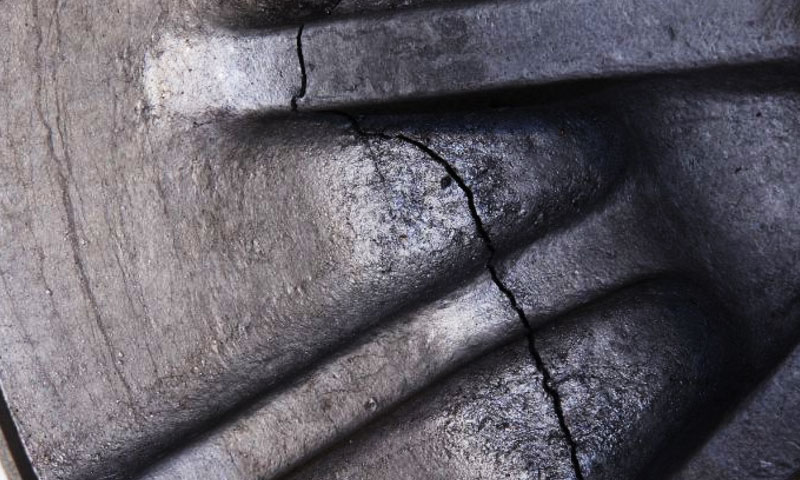
عیوب داخلی و سطحی مانند تخلخل, انقباض, اجزاء, ترک, و اعوجاج منطقه باربر موثر را کاهش می دهد, ایجاد متمرکز کننده استرس, و به طور قابل توجهی عمر خستگی را کاهش می دهد, سفتی فشار, دقت ابعادی, و مقاومت در برابر خوردگی.
در برنامه های مهم, این نقص ها می تواند منجر به شکست زودرس یا فاجعه آمیز شود, خطرات ایمنی, و قرار گرفتن در معرض نظارتی یا مسئولیتی.
از دیدگاه تولید, نقص پیچیدگی بازرسی را افزایش می دهد, نرخ ضایعات و دوباره کاری, هزینه تولید, و عدم قطعیت تحویل, در حالی که تنوع زیادی در خواص مکانیکی ایجاد می کند که حاشیه های طراحی محافظه کارانه را مجبور می کند.
در نتیجه, کنترل موثر عیوب ریخته گری صرفاً یک موضوع کیفی نیست بلکه یک نیاز استراتژیک است, خواستار طراحی فرآیند مبتنی بر پیشگیری, کنترل دقیق ذوب و قالب, مهندسی شبیه سازی محور, و معیارهای بازرسی و پذیرش مبتنی بر ریسک.
3. طبقه بندی عیوب رایج
به طور گسترده, عیوب ریخته گری به دو گروه تقسیم می شوند:
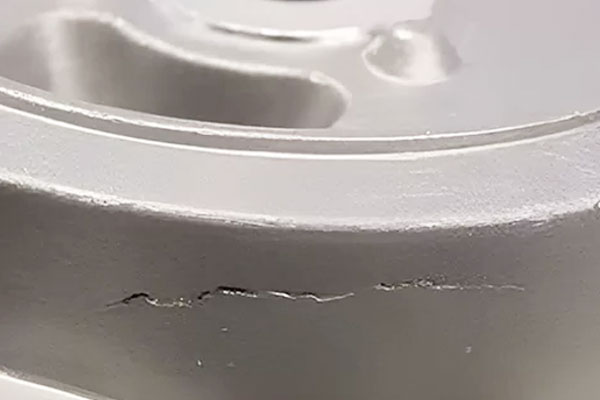
- سطح / عیوب قابل مشاهده - به راحتی روی قطعات تمام شده آشکار می شود: باله/فلاش, خلوت های سرد, سوء هاضمه, حفره های انقباض در سطح قابل مشاهده است, اجزاء شن و ماسه, تخلخل سطح, اشکهای گرم, همپوشانی, و اعوجاج ابعادی.
- داخلی / نقص های پنهان - در داخل قطعه تعبیه شده و اغلب برای استحکام حیاتی است: تخلخل گاز, حفره های انقباض داخلی, اجزاء اکسید و تفاله, به دام افتادن سرباره, تفکیک, و ترک های داخلی.
هر دو گروه می توانند عمر خستگی را کاهش دهند, استحکام کششی کمتر, باعث ایجاد مسیرهای نشتی در قطعات تحت فشار می شود, یا منجر به رد کامل در اجزای حیاتی ایمنی شود.
4. توضیحات دقیق نقص
جدول زیر متداول ترین عیوب در ریخته گری آلومینیوم را خلاصه می کند, علل ریشه ای آنها, چگونه تجلی می یابند, و اقدامات متقابل عملی.
| نقص | علت(حرف) | چگونه بخشی را تحت تاثیر قرار می دهد | روش های تشخیص | پیشگیری / اصلاح |
| تخلخل گاز (سوراخ, ریز تخلخل) | هیدروژن محلول در مایع Al; هوای حباب شده در اثر ریزش متلاطم; رطوبت در قالب / هسته | حفره های داخلی باعث کاهش قدرت استاتیکی و خستگی می شود; مسیرهای نشتی | رادیوگرافی (اشعه ایکس/سی تی), ماوراء الطبیعه, بخش بندی | قصور (چرخشی, گاز بی حسی), روان شدن, تلاطم را به حداقل برسانید, هسته / قالب های پیش خشک, کنترل دمای مذاب, ریخته گری, دروازه بهبود یافته |
| حفره های انقباض / تخلخل کوچک | انقباض حجمی در انجماد با تغذیه ناکافی; قرارگیری ضعیف; دامنه انجماد گسترده در آلیاژ | فضاهای خالی بزرگ, اغلب بین دندریتی; کاهش شدید ظرفیت بار | اشعه ایکس, CT, بخش بندی, بصری اگر سطح بشکند | جامد سازی جهت دار, خیزان / لرز, سیستم های تغذیه, استفاده از فیدر و سرما, انتخاب آلیاژ با محدوده انجماد باریکتر |
| سرد ببند / دامان سرد | دمای پایین فلز یا جریان آهسته که در نتیجه دو جریان با هم ترکیب نمی شوند | ناپیوستگی سطحی, متمرکز کننده استرس, کاهش قدرت موضعی | بازرسی بصری, رنگ نافذ برای ترک های سطحی | دمای ریختن را افزایش دهید, طراحی دروازه را بهبود بخشید, کاهش تغییرات ناگهانی در سطح مقطع, افزایش سرعت فلز |
پارگی گرم (ترک) |
انقباض حرارتی در طول انجماد نهایی محدود می شود; مهار بالا; طراحی ضعیف آلیاژ یا قالب | ترک ها در طول انجماد ایجاد می شوند - اغلب در گوشه ها یا بخش های نازک | بصری, نافذ, بخش بندی | مهار را کاهش دهید, بازطراحی هندسه (از گوشه های تیز اجتناب کنید), تغییر مسیر انجماد, از تصفیه کننده غلات استفاده کنید, کنترل دمای ریختن |
| حباب فیلم اکسید / گودال / اجزاء | اکسیدهای سطحی با تلاطم به مایع تبدیل می شوند; حباب سرباره; تمیز کردن ذوب ضعیف | اجزای داخلی که به عنوان محل شروع ترک عمل می کنند; تخلخل در مجاورت آخال ها | رادیوگرافی, فلز شناسی, بخش بندی | تفاله بدون چربی, از فیلترهای سرامیکی استفاده کنید, پر کردن لامینار, ریختن کنترل شده, روان شدن, تمرین مناسب کوره |
| گنجاندن ماسه / سرباره | یکپارچگی قالب ضعیف, شن و ماسه تخریب شده, شستشوی هسته ناکافی, حمل سرباره | افزایش دهنده استرس, نقص سطحی, شروع بالقوه خوردگی | بصری, اشعه ایکس, بخش بندی | بهبود کیفیت و جابجایی شن و ماسه, آماده سازی قالب/هسته بهتر, فیلتراسیون مذاب |
مصر / پر کردن ناقص |
دمای ریختن پایین, دروازه مسدود شده, مسیر جریان بیش از حد طولانی | ویژگی های از دست رفته, بخش های ضعیف, ضخیم | بصری, CMM برای هندسه | دمای ریختن را افزایش دهید, بهینه سازی دروازه, افزایش اندازه اسپرو/رانر, کاهش سطح مقطع نازک |
| زبری سطح / ضربه شن / دلمه گاز | تکامل گاز در سطح قالب (رطوبت, تجزیه بایندر), تهویه ضعیف | پرداخت سطحی ضعیف, شروع زودهنگام ترک | بازرسی بصری | رطوبت قالب را کنترل کنید, بهبود تهویه, از چسب و خشک کن مناسب استفاده کنید |
| دامان سرد / دور / چین خورده است | سرعت جریان خیلی کم باعث تا شدن فلز می شود | ترک سطحی, رفتار خستگی ضعیف | بصری, نافذ | دما/سرعت فلز را افزایش دهید, دروازه را تغییر دهید, کاهش تغییرات ناگهانی هندسه |
اعوجاج ابعادی (صفحه وار, جبران کردن) |
خنک کننده ناهموار, ضخامت دیوار غیر یکنواخت, ابزار ضعیف | قطعات خارج از تحمل, مسائل مونتاژ | CMM, 3اسکن D | ضخامت دیواره یکنواخت, خنک کننده متعادل, پیوند مناسب, طراحی برای تلورانس های ریخته گری |
| تفکیک (ناهمگنی شیمیایی) | ریز تفکیک در طول انجماد, دامنه انجماد گسترده, خنک کننده آهسته | تغییرات خواص مکانیکی محلی, کاهش مقاومت در برابر خوردگی | فلز شناسی, آزمایش های نقطه ای شیمیایی | انتخاب آلیاژ بهینه, هم زدن (که در آن قابل اجرا است), جامد سازی کنترل شده, عملیات حرارتی همگن سازی |
| ترک های داخلی (ترک خوردگی با تاخیر) | هیدروژن, استرس باقیمانده, پیری بیش از حد, عملیات حرارتی نامناسب | خرابی فاجعه بار در سرویس | ماوراء الطبیعه, رنگ نافذ برای سطح, عکسبرداری | هیدروژن را کاهش دهید, تسکین استرس, عملیات حرارتی کنترل شده, از بین بردن انتقال های تیز |
5. روش های تشخیص پیشرفته برای عیوب قطعات آلومینیومی ریخته گری
تشخیص دقیق و کارآمد عیب ضمانت اصلی قطعات آلومینیومی ریخته گری واجد شرایط است.
هدف قرار دادن انواع مختلف نقص و مکان, صنعت ترکیبی از فناوریهای تشخیص چندگانه را برای دستیابی به کنترل کیفیت پوشش کامل اتخاذ میکند:
بازرسی بصری
عیوب قابل اجرا: سوراخ های سطحی, حفره/تخلخل انقباض سطحی, گنجاندن سرباره سطحی, گنجاندن شن و ماسه, ترک های آشکار, سرد بسته, مصر, فلاش سطحی / فرز, مواد اضافی, ضرر مادی.
مشخصات فنی: توسط بازرسان کیفی مجرب با ذره بین انجام می شود (5بزرگنمایی 10×) برای مشاهده دقیق; ساده, کم هزینه و کارآمد, به عنوان اولین روش غربالگری کیفیت عمل می کند.
استاندارد تشخیص: مطابق با ASTM E186 است, با تحمل اندازه نقص سطح در داخل کنترل می شود 0.05 میلی متر برای ریخته گری دقیق.
بازرسی اشعه ایکس
عیوب قابل اجرا: سوراخ های داخلی, حفره/تخلخل انقباض داخلی, گنجاندن سرباره داخلی و ترک های داخلی پنهان.
مشخصات فنی: از نفوذ اشعه ایکس برای تشکیل تصاویری از ساختارهای داخلی استفاده می کند; نقص ها به صورت تاریک ظاهر می شوند (حواس) یا روشن (اجزاء) نقاط در تصویر.
مزایای اصلی: آزمایش غیر مخرب (NDT), دقت تشخیص بالا (اندازه نقص ≥0.02 میلی متر قابل شناسایی است), تجسم واضح توزیع نقص داخلی و شکل.
استاندارد انطباق: مطابق با ASTM E94, اجباری برای اجزای حیاتی در صنایع هوافضا و خودرو.
بازرسی نفوذی فلورسنت (FPI)
عیوب قابل اجرا: ریز ترک های زیرسطحی و سطحی, بسته سرد و تخلخل ریز که با چشم غیرمسلح قابل مشاهده نیست.
مشخصات فنی: ماده نافذ با فلورسانس بالا روی سطح ریخته گری اعمال می شود; نفوذ کننده به شکاف های نقص نفوذ می کند, و مازاد نافذ تمیز می شود; تابش نور فرابنفش باعث می شود که نقص ها فلورسانس روشن ساطع کنند.
مزایای اصلی: حساسیت بالا, قادر به تشخیص ریز ترک ها با عرض است <0.01 میلی متر و عمق <0.05 میلی متر; مناسب برای ریخته گری های پیچیده.
استاندارد انطباق: مطابق با ASTM E1417 است, برای تشخیص ترک های حساس به تنش در ریخته گری های آلیاژ آلومینیوم با مقاومت بالا ضروری است.
بازرسی آندوسکوپ
عیوب قابل اجرا: فلاش حفره داخلی, گنجاندن سرباره سطح داخلی و انحراف ابعادی حفره های پیچیده داخلی.
مشخصات فنی: آندوسکوپهای انعطافپذیر یا سفت و سخت با دوربینهای با وضوح بالا در حفره داخلی دستگاه ریختهگری قرار میگیرند تا تصاویر بیدرنگ از سطح داخلی تهیه کنند..
مزایای اصلی: غیر مخرب, می تواند ساختارهای داخلی پیچیده ای را که برای روش های دیگر غیرقابل دسترس هستند، شناسایی کند; از موقعیت یابی دقیق عیوب داخلی پشتیبانی می کند.
سناریوی کاربردی: برای قطعات آلومینیومی ریخته گری با حفره های داخلی پیچیده الزامی است (به عنوان مثال, سر سیلندر موتور, بدنه شیرهای هیدرولیک).
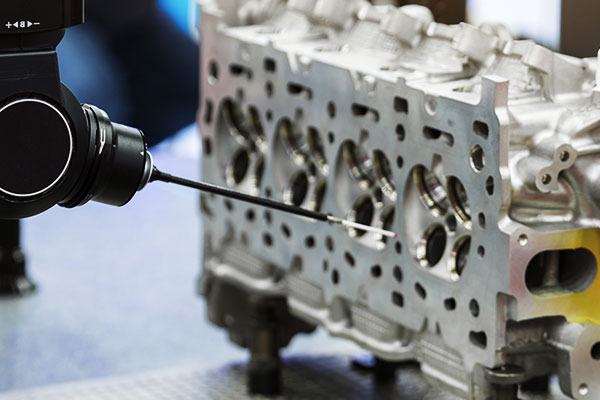
3فناوری اسکن D
عیوب قابل اجرا: تغییر هسته, عدم تطابق, تغییر شکل ریخته گری و انحراف ابعاد فراتر از تحمل طراحی.
مشخصات فنی: از اسکنرهای سه بعدی لیزری یا ساختار یافته برای جمعآوری دادههای ابر نقطهای تمامسطحی از قطعات ریختهگری استفاده میکند.; مقایسه با مدل های طراحی سه بعدی برای تجزیه و تحلیل انحرافات ابعادی با دقت بالا.
مزایای اصلی: دقت اندازه گیری بالا (0.005 میلی متر), تشخیص تمام بعدی, خروجی داده های دیجیتالی شده; می تواند درجه تغییر شکل و موقعیت قطعات ریخته گری را تعیین کند.
استاندارد انطباق: مطابق با ISO 10360, برای قطعات آلومینیومی ریختهگری شده دقیق که نیاز به تحملهای ابعادی دقیق دارند، حیاتی است (0.01-0.05 میلی متر).
6. اقدامات کلیدی پیشگیری برای عیوب رایج در قطعات آلومینیومی ریخته گری
در زیر یک جمع و جور است, مجموعه ای از اقدامات پیشگیرانه مهندسی محور با مکانیسم های نقص غالب در ریخته گری آلومینیوم.
کیفیت ذوب & درمان فلز
- قصور: استفاده از گاز زدایی چرخشی یا خلاء و نظارت بر اثربخشی (شاخص چگالی یا معادل آن). قبل از ریختن، سطوح پایین گاز محلول را هدف قرار دهید.
- شارژ & نگاه سطحی: زباله ها و لایه های سطحی اکسید شده را به طور معمول حذف کنید; برای به حداقل رساندن آخال های غیرفلزی، از شیمی شار مناسب و تمرین اسکیمینگ استفاده کنید.
- فیلتراسیون: فیلترهای سرامیکی/فومی را در سیستم گیت نصب کنید (رتبه منافذ مناسب برای آلیاژ و جریان) برای به دام انداختن تفاله و آخال.
- کنترل دما & سوپر گرما: دمای مذاب و ریختن قابل تکرار را با محدودیت های کنترل محدود حفظ کنید (سوپرهیت مناسب بالای مایع برای آلیاژ) بنابراین پر کردن و فیوژن بدون دریافت گاز بیش از حد قابل اعتماد هستند.
- کنترل شیمی آلیاژ: برای جلوگیری از گستره انجماد گسترده و رفتار انجماد نامطلوب، ترکیب را تا حد مشخص نگه دارید; انجام تجزیه و تحلیل نمونه مکرر و حفظ قابلیت ردیابی گرما.
دروازه, بلند شدن & طراحی پر کردن قالب
- پر کردن لامینار: طراحی دروازه ها و دونده ها برای ارتقای صاف, جریان لمیناری (دریچه های زیرین یا به خوبی طراحی شده اند, دونده های مخروطی) برای جلوگیری از تا شدن اکسید و گیر افتادن هوا.
- سرعت پر شدن کنترل شده: اجتناب از پاشش متلاطم که هوا را به داخل می برد; از مدل سازی جریان برای تنظیم ابعاد دونده و نرخ ریزش استفاده کنید.
- جامد سازی جهت دار: برای ایجاد یک جبهه انجماد قابل پیش بینی و جلوگیری از انقباض داخلی، رایزرها/فیدرها و سرما را قرار دهید.
- بالا آمدن کافی: اندازه و مکان فیدرها را برای اطمینان از سر فلز و تغذیه کافی در مرحله انجماد نهایی قرار دهید; رایزرهای عایق یا آستین گرمازا را در صورت مفید بودن در نظر بگیرید.
قالب ها, هسته ها و تمرین الگو
- خشک کنید, هسته/قالب های خوب پخته شده: حفظ رطوبت کم و درمان مناسب بایندر برای جلوگیری از تکامل گاز (ضربه شن) و دلمه.
- دریچه & نفوذپذیری: در مناطق پر گاز، دریچهها و کانالهای هواکش را فراهم کنید, و نفوذپذیری شن و ماسه را متناسب با ضخامت بخش ریخته گری و آلیاژ کنترل کنید.
- سطوح قالب را تمیز کنید & پوشش: برای کنترل واکنش های قالب فلزی و بهبود پرداخت سطحی از شستشو/پوشش های مناسب استفاده کنید; بررسی سازگاری پوشش ها با دمای بیلت و عمل ریختن.
- تعمیر و نگهداری ابزار: الگوهای فرسوده یا قالب ها را جایگزین کنید تا از نقص زیاد فلاش/خط جدایی جلوگیری کنید.
پر کردن & تمرین ریختن
- پر کردن پایین یا کنترل شده با پایین: که در آن قابل اجرا است, برای کاهش جذب سطحی اکسید از دروازه زیرین یا زیر آب استفاده کنید.
- تلاطم را در نقاط ریزش به حداقل برسانید: از ورودی های دروازه مخروطی استفاده کنید, فنجان های ریختن به خوبی طراحی شده و تکنیک های ریختن ثابت.
- از ذوب مجدد تفاله ها خودداری کنید: از کف سطحی داخل قالب نریزید; ملاقه ها را قرار دهید و ضربه بزنید تا از فلز تمیز بکشید.
- رویه های اپراتور سازگار: اجرای رویه های عملیاتی استاندارد (سس) برای کوره, ملاقه, و بریزید که شامل تأیید چک لیست است (گاز زدایی کامل شد, فیلتر نصب شده, پور دما وارد شده است).
کنترل جامد سازی & مدیریت حرارتی
- لرز و کنترل حرارتی: برای تقویت انجماد جهت دار از لرز استفاده کنید; آنها را بر اساس خروجی شبیه سازی قرار دهید.
- تغییرات ضخامت بخش را کاهش دهید: اجزاء را با ضخامت دیواره یکنواخت و فیله های سخاوتمندانه طراحی کنید تا از نقاط داغ و غلظت استرس جلوگیری شود.
- کنترل نرخ خنک کننده: جایی که امکان پذیر است, استفاده از وسایل خنک کننده یا قالب های کنترل شده برای کاهش گرادیان های حرارتی و تنش های باقی مانده که منجر به پارگی و اعوجاج داغ می شود..
اقدامات خاص آلیاژی و متالورژی
- پالایش غلات / تلقیح: از تصفیه کننده ها یا اصلاح کننده های غلات مناسب استفاده کنید (به عنوان مثال, Sr برای سیستم های Al-Si) برای بهبود تغذیه و کاهش حساسیت به پارگی گرم.
- کنترل هیدروژن: برای به حداقل رساندن منابع هیدروژن، از بوتهها و بوتههای گاززدایی و خشک استفاده کنید; کنترل رطوبت در شارها, پوشش ها و هسته ها.
- همگن / حل کردن: برای ریخته گری که اجازه عملیات حرارتی را می دهد, برای کاهش تفکیک و انحلال فازهای مضر، چرخه های همگن سازی یا آنیل محلول را اعمال کنید..
شبیه سازی فرآیند, طراحی برای ریخته گری & DFCAST
- شبیه سازی پر کردن قالب و انجماد: برای شناسایی مناطق پرخطر، مدل های CFD/انجماد را در ابتدای طراحی اجرا کنید (نقاط سرد, مناطق تلاطم, انقباض نقاط داغ) و تکرار دروازه, چیدمان فیدر و خنک کننده.
- طراحی برای ریخته گری (DFCAST): شامل ضخامت بخش یکنواخت, شعاع های سخاوتمندانه, اجتناب از تغییرات ناگهانی بخش, و ویژگی های ریخته گری (پیش نویس ها, کمک هزینه ماشینکاری در دسترس) در مرحله طراحی.
تمرین ریخته گری, بازرسی & کنترل های حین فرآیند
- ثبت پارامترهای فرآیند: ثبت شیمی مذاب, معیارهای گاز زدایی, ریختن دما, استفاده از فیلتر / شار و وضعیت خشک شدن قالب برای هر گرما / تغییر.
- استراتژی NDT لایه ای: لایه های بازرسی را بر اساس بحرانی بودن قطعه تعریف کنید - بصری → رنگ نافذ برای ترک های سطحی → رادیوگرافی / CT یا آرایه فازی UT برای نقص های حجمی داخلی.
- معیارهای پذیرش مرتبط با عملکرد: اندازه تخلخل مجاز را مشخص کنید, مکان و کسر حجمی نسبت به بارهای سرویس (نه فقط "عبور/ شکست" شمارش سطح).
- نظارت بر خط: در صورت امکان, از مانیتورینگ هیدروژن درون خطی استفاده کنید, شاخصهای تمیزی را ذوب کنید و آلارمهای دما را بریزید تا ریزشهای نامطلوب را متوقف کنید.
اصلاح پس از ریختگی & تایید
- پرس گرم ایزواستاتیک (باسن): HIP را برای ریختهگریهای با ارزش یا بحرانی خستگی مشخص کنید تا در صورت مجاز، تخلخل داخلی را ببندید..
- مراحل تعمیر واجد شرایط: تعمیرات جوش یا لحیم کاری فقط با روش های کنترل شده و متعاقب آن NDT و تأیید مکانیکی.
- ماشینکاری نهایی & تست عملکردی: عیوب سطح را با ماشین کاری در جایی که قابل قبول است برطرف کنید; آزمایش فشار/نشتی را برای قطعات تحت فشار اعمال کنید.
7. پایان
عیوب ریخته گری آلومینیوم ناشی از متالورژی است, فعل و انفعالات حرارتی و فرآیندی.
کنترل فعال - با تمرین مذاب تمیز شروع می شود, طراحی دقیق دروازه و بالابر, خشک کردن و تهویه قالب ها / هسته ها, و استراتژی های NDT به خوبی تعریف شده - به طور قابل ملاحظه ای بروز نقص را کاهش می دهد.
برای بخش های حیاتی ماموریت, سرمایه گذاری در بازرسی پیشرفته (CT, آرایه فازی UT), شبیه سازی فرآیند و, زمانی که تضمین می شود, HIP پس از ریخته گری برای اطمینان از یکپارچگی ساختار و عمر طولانی.
متداول
شایع ترین علت اصلی تخلخل داخلی در ریخته گری آلومینیوم چیست؟?
جذب و به دام افتادن هیدروژن در طول انجماد, با پر شدن آشفته و گاز زدایی ناکافی تشدید می شود, شایع ترین علت تخلخل گاز داخلی است.
آیا می توان تمام تخلخل ها را با عملیات حرارتی از بین برد?
هیچ. عملیات حرارتی معمولی تخلخل گاز یا انقباض را از بین نمی برد. فشار ایزوستاتیک داغ (باسن) می تواند تخلخل داخلی را برای قطعات با ارزش بالا ببندد.
کدام NDT برای تشخیص منافذ داخلی کوچک بهترین است?
CT (توموگرافی کامپیوتری) بهترین حساسیت سه بعدی و دقت اندازه را فراهم می کند; رادیوگرافی و UT آرایه فازی نیز بسته به اندازه نقص و دسترسی موثرتر و مقرون به صرفه تر هستند.
چگونه باید معیارهای پذیرش برای تخلخل را مشخص کنم?
پذیرش باید برنامه محور باشد: حداکثر اندازه مجاز نقص را مشخص کنید, کسر حجمی, یا محدودیت های مکان حیاتی (به عنوان مثال, بدون تخلخل دیواره در سطوح آب بندی), و روش بازرسی مورد استفاده برای تأیید را اجباری کنید.
آیا ریخته گری آلومینیوم همیشه بیشتر از ریخته گری فولاد مستعد نقص است?
نه ذاتا - هر فلز مکانیسم نقص غالب خود را دارد.
حساسیت آلومینیوم به هیدروژن, فیلم های اکسیدی و محدوده انجماد گسترده آن نیاز به کنترل های خاصی دارند; با نظم و انضباط فرآیندی مناسب, نرخ عیب می تواند به اندازه سایر آلیاژها کم باشد.