1. Einführung
Die Sprühdüse ist eine täuschend einfache Komponente mit enormem Einfluss auf die Prozessergebnisse.
Ob Brennstoff für eine effiziente Verbrennung abgebaut werden, Pestizid mit minimaler Drift Pestizid liefern,
Beim Sprühtrocknen entsteht ein gleichmäßiges Pulver, oder Wasser in einer Feuersprinkleranlage verteilen, die Geometrie der Düse, Materialien und Betriebsbedingungen bestimmen die Leistung.
Moderne Ansprüche – Umweltgrenzen, Energieeffizienz und strengere Prozesskontrolle – erfordern ein tieferes technisches Verständnis des Düsenverhaltens, Prüfung und rückverfolgbare Herstellung.
2. Was ist eine Sprühdüse??
A Spray Düse ist ein strömungsmechanisches Gerät, das eine Flüssigkeit umwandelt (manchmal eine flüssige+feste Aufschlämmung, oder eine durch ein Gas unterstützte Flüssigkeit) in einen kontrollierten Sprühnebel – eine Wolke oder Tröpfchenschicht – mit einer bestimmten Geometrie, Tröpfchengrößenverteilung und Impuls.
Obwohl optisch einfach, die innere Geometrie einer Düse, Betriebsdruck und Flüssigkeitseigenschaften bestimmen alles, was für den Prozess wichtig ist: Abdeckung, Ablagerung, Verdunstung, Reinigungsenergie oder Verbrennungsqualität.

Schlüsselkomponenten einer Sprühdüse
| Komponente | Typische Merkmale | Rolle / praktischer Hinweis |
| Einlass / Verbindung | Faden (Npt/bsp), Flansch oder Schlauchtülle; Größen von ~6–50 mm | Bietet Flüssigkeitszufuhr und Druckintegrität; Geben Sie den Gewindestandard und die Druckstufe an. |
| Strömungskammer | Zylindrisch, konischer Hohlraum oder Mischhohlraum; kann Luftkanäle für Zweistoffdüsen enthalten | Bestimmt Geschwindigkeit und Turbulenz vor der Öffnung; beeinflusst den Entladungskoeffizienten und den Zerfall. |
| Öffnung (Kehle) | Kritische Eröffnung (µm–mm-Skala); Kantenradius und Länge sind wichtig | Steuert den Fluss (Q) und beeinflusst die Tröpfchengröße stark; erfordert enge Toleranzen und präzise Bearbeitung. |
Deflektor / Wirbelfunktion |
Flügel, Tangentialanschlüsse, oder konische Deflektoren | Erzeugt Voll-/Hohlkegel- oder flache Fächermuster und verbessert die Tröpfchengleichmäßigkeit. |
| Tipp / Austauschbarer Einsatz | Abnehmbares Modul mit Öffnung/Deflektor; Materialien: Messing, Ss, Carbid, Keramik, Ptfe | Vereinfacht Wartung und SKU-Änderungen; Verwenden Sie für abrasive Anwendungen harte Einsätze. |
| Körper / Gehäuse | Strukturelle Hülle (Plastik, Messing, rostfrei, gehärteter Stahl) mit Befestigungsmöglichkeiten | Unterstützt Interna, widersteht Korrosion/Temperatur; Herstellung: Casting, CNC, Formen oder AM. |
Was eine Sprühdüse erzeugt (Schlüsselergebnisse)
- Durchflussrate (Q): Volumen pro Zeit (L/min, gpm) bestimmt durch Öffnung und Druck.
- Sprühmuster: flacher Lüfter, Vollkegel, Hohlkegel, solider Strom, Nebel, usw.
- Sprühwinkel / Plume-Geometrie: definiert Abdeckungs- und Überlappungsanforderungen.
- Verteilung der Tröpfchengröße: allgemein zusammengefasst durch den mittleren Durchmesser nach Sauter (SMD oder D32) und Perzentile Dv0.1/Dv0.5/Dv0.9.
- Stoß-/kinetische Energie: Tröpfchenimpuls wichtig für Reinigungs- oder Penetrationsaufgaben.
- Gleichmäßiges Sprühen / Musterung: räumliche Verteilung der Flüssigkeit über eine Zielebene.
3. Arten von Sprühdüsen
Sprühdüsen werden am besten nach gruppiert Zerstäubungsmechanismus Und resultierenden Sprühmuster.
Jede Familie löst unterschiedliche Prozessziele (Abdeckung, Tröpfchengröße, Aufprallenergie, Beständigkeit gegen Verschleiß/Chemikalien).

Schnelle Vergleichstabelle
| Typ (Familie) | Mechanismus | Typischer Druckbereich | Typisches SMD (µm) | Anwendungen | Wichtige Vorteile / Nachteile |
| Hydraulik (einflüssig) — Vollkegel | Flüssigkeit wird durch eine konturierte Öffnung gedrückt / Deflektor | 1–30 bar (15–435 psi) | 150–400 | Waschen, Kühlung, Beschichtung, Sprühtrocknen (größere Tröpfchen) | Einfach, robust, hoher Durchfluss; grobe Tröpfchen, Verstopfungsgefahr bei kleinen Öffnungen |
| Hydraulisch – Hohlkegel | Wirbel/Deflektor erzeugt Ringspray | 1–10 Bar | 200–600 | Kühlung, Staubunterdrückung, einige landwirtschaftliche Sprays | Gute Abdeckung für kreisförmige Ziele; gröberes SMD, Begrenzte Feinzerstäubung |
| Hydraulik - flacher Lüfter | Geformter Schlitz/Öffnung erzeugt ein dünnes Blech | 1–10 Bar | 150–500 | Landwirtschaftliche Reihensprühen, Beschichtungsstreifen, Waschen | Hohe Gleichmäßigkeit in einer Achse; braucht Überlappung, um eine Binden zu vermeiden |
| Luftunterstützt / Zweiflüssig (Innenmix) | Luft + Flüssigkeit vor dem Ausgang gemischt → Feinzerstäubung | Flüssigkeit 0,05–5 bar; Wasser 0,05–10 bar | 20–150 | Lacksprühen, Feinbeschichtung, Brenner | Sehr feine Tröpfchen bei niedrigem Flüssigkeitsdruck; komplexer, braucht Druckluft |
| Zweiflüssig (externe Mix) | Luftscheuchenflüssigkeit außerhalb der Düse | Flüssigkeit 0,05–5 bar; Luftvariable | 30–200 | Beschichtung, Sprühtrocknen, Atomisierung mit niedriger Fluss | Flexibel für viskose Flüssigkeiten; Risiko für intermittierendes Spray, wenn niedriger flüssiger Fluss |
Rotary / Zentrifugal |
Flüssigkeit, die von einer Hochgeschwindigkeitsscheibe oder Glocke geschleudert wird | Scheibengeschwindigkeitsvariable (KRPM) | 5–200 | Sprühtrocknen, Granulation, Einige Beschichtungsprozesse | Sehr feine Kontrolle über SMD über Geschwindigkeit; mechanisch komplex, Gleichgewichtsprobleme |
| Ultraschall / Piezoelektrisch | Hochfrequenzvibration erzeugt einheitliche Mikrodropets | Sehr niedriger Flüssigkeitsdruck | 1–10 | Medizinische Zerstäuber, Präzisionsbefeuchtung, Mikrobeschichtung | Äußerst fein, monodisperse Tröpfchen; geringer Durchsatz, empfindlich gegenüber Feststoffen |
| Elektrostatisch | Elektrisch aufgeladene Tröpfchen zur Verbesserung der Abscheidung | Funktioniert mit hydraulischer oder Zweistoffdüse | Hängt von der Düsenfamilie ab (oft 20–150) | Pulver-/Lackbeschichtung, Reduzierung der landwirtschaftlichen Abdrift | Verbessert die Übertragungseffizienz; erfordert Erdung und Sicherheitskontrollen |
| Airless (Hochdruckhydraulik) | Sehr hoher Druck durch kleine Öffnung (keine Luft) | 50–300 Bar (700–4.350 psi) | 20–200 (kommt darauf an) | Hochviskose Farben, Industriebeschichtung | Hohe Übertragungseffizienz für viskose Flüssigkeiten; sehr hohe Drücke, Verschleiß an der Öffnung |
| Schleifmittel / Wasserstrahl (Schneiden) | Hochdruck-Flüssigkeitsstrahl mit Schleifmittelzusatz | 100–4.000 bar | nicht anwendbar (Schneidstrahl) | Schneiden, starke Reinigung | Nicht zerstäubungsorientiert; extrem hohe Energiedichte, Schleifverschleiß |
Einflüssig (Hydraulik) Düsen
Mechanismus & Muster: Nur die Flüssigkeit wird durch eine geformte Öffnung/Deflektor gedrückt, wodurch ein Vollkegel entsteht, Hohlkegel, flacher Ventilator oder Vollstrahl.
Stärken: Einfaches Design, keine Druckluft erforderlich, hohe Durchflussraten und Robustheit.
Einschränkungen: Um sehr feine Tröpfchen zu erhalten, muss der Druck erhöht werden (sinkende Erträge + Erosion); Öffnungen neigen bei kleinen Größen zum Verstopfen.
Typische Verwendungen: landwirtschaftliche Spritzgestänge, Waschanlagen, Kühlmittelspritzer, Sprühtrocknung größerer Partikel.

Praktische Hinweise
- Vollkegel sorgen für eine gleichmäßige kreisförmige Abdeckung; Hohlkegel sorgen für eine Ringabdeckung, die gut für die Kühlung ist; Flachventilatoren sind effizient für Streifenbeschichtung und Erntereihen.
- Die Größe der Öffnung und die Kantengeometrie haben großen Einfluss auf den Entladungskoeffizienten und die SMD.
Zweiflüssig (luftunterstützt) Düsen
Mechanismus: Ein Sekundärgas (Luft, Dampf) zerteilt die Flüssigkeit in feine Tröpfchen.
Innenmischungskonstruktionen mischen Luft und Flüssigkeit in der Düse (Feine Zerstäubung bei niedrigem Flüssigkeitsdruck); Außenmix-Designs mischen draußen (besser für viskose oder partikelförmige Flüssigkeiten).

Stärken: erzeugen bei niedrigen Flüssigkeitsdrücken viel kleinere Tröpfchen; flexible Steuerung durch Variation des Luft-/Flüssigkeitsverhältnisses.
Einschränkungen: erfordern Druckluft- oder Dampfversorgung; komplexere Wartung und Lärm.
Typische Verwendungen: hochwertige Beschichtungen, Atomisierung mit niedriger Fluss, einige Brenner.
Rotary / Zentrifugalzerstäuber
Mechanismus: Die Flüssigkeit wird auf eine rotierende Scheibe oder Glocke verteilt; Zentrifugalkräfte schleudern die Flüssigkeit in eine dünne Schicht, die in Tröpfchen zerfällt.
Stärken: Hervorragend geeignet für die Herstellung von Feinkost, kontrollierte Verteilungen über einen weiten Durchsatzbereich; Wird häufig bei der Sprühtrocknung verwendet.
Einschränkungen: mechanische Komplexität, Lager und dynamisches Auswuchten, reagiert empfindlich auf die Futterverteilung.
Typische Verwendungen: Sprühtrocknung von Lebensmitteln & Pharmazeutika, Feinpulverherstellung, einige großflächige Beschichtung.
Ultraschall / piezoelektrische Zerstäuber
Mechanismus: Ultraschall- oder Piezoelemente bringen eine Membran oder Kapillare in Schwingung, sehr gleichmäßig produzieren, winzige Tröpfchen ohne hohen Druck.
Stärken: monodisperse Tröpfchen, geringe Hitze, geringe Scherung – ideal für Arzneimittel und Inhalationstherapie.
Einschränkungen: geringe Durchflussraten, empfindlich gegenüber Feststoffen und Viskosität, kann eine Reinigung erfordern, gefilterte Flüssigkeiten.
Typische Verwendungen: medizinische Zerstäuber, Beschichtung im Labormaßstab, Befeuchtung.
Elektrostatische Düsen
Mechanismus: Tröpfchen werden an der Düse elektrisch aufgeladen, sodass sie von geerdeten Zielen angezogen werden (verbessert die Abscheidung, reduziert Overspray).
Die elektrostatische Aufladung kann mit hydraulischen oder Zweistoffdüsen kombiniert werden.

Stärken: höhere Übertragungseffizienz, geringere Materialverschwendung und geringere Abdrift.
Einschränkungen: Sicherheit (Hochspannung), erfordert leitende/geerdete Ziele und bestimmte Umgebungsbedingungen.
Typische Verwendungen: Autolackierereien, Systeme zur Reduzierung der Abdrift in der Landwirtschaft.
Airless / Hochdruck-Hydraulikdüsen
Mechanismus: Sehr hohe Flüssigkeitsdrücke drücken Flüssigkeit durch winzige Öffnungen; Die Zerstäubung erfolgt durch Scherung am Düsenausgang.
Stärken: verarbeitet hochviskose Flüssigkeiten (schwere Farben), keine Druckluft, gute Oberflächendurchdringung.
Einschränkungen: Extremer Verschleiß an der Öffnung/Spitze, hoher Energiebedarf, Sicherheitsbedenken bei hohem Druck.
Typische Verwendungen: Industriemalerei, schwere Beschichtungen, Schutzauskleidungen.
Sonder- und Konstruktionsvarianten
- Anti-Tropf- und Anti-Dribbel-Düsen: mechanische Düsenverschlüsse oder Rückschlagsitze, um unerwünschte Tropfen zu verhindern.
- Selbstreinigend / Verstopfungssichere Düsen: periodischer Rückfluss, Vibration oder größere Freiräume für verschmutzte Flüssigkeiten.
- Austauschbare Einsatzdüsen: Patronen tragen (Hartmetall/Keramik) für abrasive Schlämme.
- Multi-Fluid / Köpfe mit mehreren Öffnungen: Kombinieren Sie mehrere Öffnungen oder Flüssigkeiten in einem Körper für komplexe Muster.
- Intelligente Düsen: Integrierte Sensoren für Durchfluss, Druck, Verstopfungserkennung und Ferndiagnose (entstehen).
4. Materialien, Herstellung und Produktion
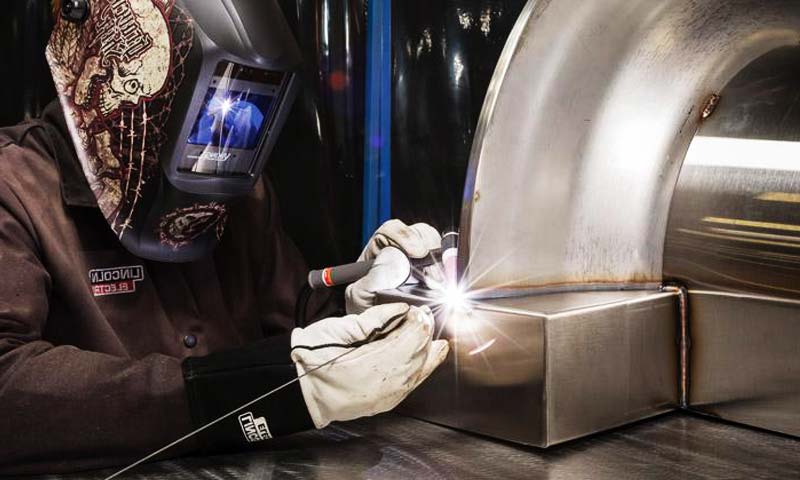
In diesem Abschnitt wird das Praktische beschrieben, produktionsseitige Überlegungen für Sprühdüsen: welche Materialien verwendet werden und warum, welche Fertigungsmethoden welche Düsentypen produzieren,
die Präzisions- und Endbearbeitungsziele, die Ingenieure festlegen sollten, und wie Gießereien und Werkstätten ihre Produktion skalieren und gleichzeitig Qualität und Lebensdauer sicherstellen.

Materialien – passende Chemie, Abnutzung und Temperatur bei der Arbeit
Die Materialauswahl steigert die Lebensdauer, Kosten und Herstellbarkeit. Nachfolgend finden Sie eine kompakte Zuordnung, die die meisten Düsendesigner und Gießereien verwenden.
| Material | Typische Verwendungen | Hauptstärken | Einschränkungen |
| Messing / Bronze | Landwirtschaftlich, allgemeine Industrie, kostengünstige hydraulische Düsen | Niedrige Kosten, Einfache Bearbeitung, gute Korrosionsbeständigkeit in vielen Gewässern | Nicht geeignet für stark abrasive Schlämme oder starke Säuren |
| Edelstähle (304 / 316 / 316L) | Chemikalie, Essen, Sanitär, Zweistoffdüsen | Korrosionsbeständigkeit, Gute Zähigkeit, schweißbar | Teurer; Verschleißfestigkeit mäßig |
| Gehärtete Werkzeugstähle (H13, 420, 440C) | Verschleißfeste hydraulische oder Airless-Spitzen | Gute Härte & Verschleißfestigkeit nach Wärmebehandlung | Korrosion erfordert eine Beschichtung oder eine rostfreie Alternative |
| Wolfram -Carbid / Hartmetall | Schleifschlämmer, Wasserstrahldüseneinsätze | Hervorragende Abriebfestigkeit, langes Leben | Spröde, erfordert Presspasseinsätze oder spezielle Montage |
| Keramik (Al₂o₃, Zro₂) | Korrosive/abrasive Flüssigkeiten | Hervorragende Verschleiß- und Chemikalienbeständigkeit | Spröde; spezialisierte Fertigung (Sintern) |
| Polymere (Ptfe, SPÄHEN, Acetal) | Chemische Beständigkeit, Spitzen oder Liner mit geringer Haftung | Ausgezeichnete chemische Inertheit, geringe Reibung | Temperatur- und mechanische Grenzen; Nicht für Schleifanwendungen geeignet |
| Beschichtete Kombinationen | Viele Felder | Maßgeschneiderte Oberfläche: hart, Hvof, Chemisches Nickel, Ptfe | Fügt Prozessschritte hinzu & Kosten, aber verlängert die Lebensdauer |
Herstellungsmethoden

- CNC-Bearbeitung / Mikrobohren — vielseitig für Metalle und Kunststoffe; typisch für Messing, Edelstahl- und Werkzeugstahlspitzen. Präzision bis auf ±5–50 µm auf Öffnungsdurchmesser.
- EDM (Draht/Stößel) & Mikro-EDM — hochpräzise Öffnungen und komplexe Innenmerkmale in Hartlegierungen und Karbiden; Wird verwendet, wenn mit herkömmlichem Bohren weder Geometrie noch Härte erreicht werden können.
- Laserbohren / Ablation – schnell, hochpräzise Löcher in Metallen und einigen Keramiken; Hervorragend geeignet für kleine Öffnungen und kleine Chargen.
- Pulvermetallurgie / Sintern (Carbid & Keramik) — produziert extrem verschleißfeste Einsätze und ganze Düsen; gut für den Schleifeinsatz. Typisch für Teile aus Wolframcarbid und Aluminiumoxid/ZrO₂.
- Injektionsformung / Überformen — Hochleistungs-Polymerdüsen und -gehäuse; niedrige Stückkosten nach Amortisation der Werkzeuge.
- Investitionskaste / Lost-Wachs — komplexe rostfreie Körper und Gehäuse, bei denen die Geometrie des inneren Durchgangs eine Rolle spielt; fertig bearbeitet nach dem Guss.
- Additive Fertigung (Metall AM / DMLs / Slm) — verdichtet komplexe Passagen, Multi-Fluid-Kavitäten und Rapid Prototyping; nützlich für geringe Lautstärke, hochkomplexe Teile. Oft kombiniert mit konventioneller Veredelung.
- Montage auswechselbarer Einsätze — gemeinsames Produktionsmodell: bearbeiteter/gegossener Körper + Einpress-/Gewindeeinsatz aus Hartmetall oder Keramik (günstige Wartungsfreundlichkeit).
Präzision, Toleranzen, und Oberfläche
Präzision fördert die Wiederholbarkeit des Durchflusses, Sprühwinkel und SMD. Typische technische Ziele, die von erfahrenen Herstellern verwendet werden:
- Toleranz des Öffnungsdurchmessers:
-
- Präzisionsdüsen (medizinisch, Kraftstoff): ±5–20 µm.
- Allgemeine Industriedüsen: ±20–100 µm Abhängig von der Größe.
- Öffnungskantenradius: gesteuert auf ~< 0.1 mm für scharfe Kanten; Abgerundete Kanten werden dort spezifiziert, wo Verstopfungsbeständigkeit erforderlich ist.
- Oberflächenbeschaffung (Austrittslippe / Sitz):
-
- Präzise Zerstäubung: Ra ≤ 0.4 µm an der Austrittslippe.
- Allgemeine hydraulische Tipps: Ra ≤ 1.6 µm.
- Konzentrik / Auslaufen:≤ 0,02–0,1 mm TIR für kleine Präzisionsspitzen; Größere Düsen ermöglichen geringere Toleranzen.
- Ebenheit / Sitzflächen:≤ 0.05 mm typisch für die Abdichtung von Sitzen in kleinen Spitzen.
Dies sind Richtwerte; Geben Sie immer Toleranz und Messmethode an (Stiftlehre, optischer Komparator, CMM) in Kaufzeichnungen.
Oberflächenbehandlungen & Beschichtungen
- Hart / Wärmespray (Hvof, Plasma): WC-Co- und Ni-basierte Überzüge auf Scheiben oder Sitzflächen zum Schutz vor Erosion. Typische Overlay-Dicke 100–500 µm.
- Elektrololless Nickel / Hartchrom: Reibung verringern, Verbessern Sie die Erosions-/Korrosionsbeständigkeit an Stielen und kleinen Innenteilen.
- Ptfe / Polymerauskleidungen: Reduzieren Sie Verschmutzungen und verbessern Sie die chemische Beständigkeit – verwendet als Vollauskleidung oder Sitzeinlage.
- Schuss sich angeren, Nitriding: Verbesserung der Ermüdungslebensdauer und Oberflächenhärte von Stahlbauteilen.
- Epoxid / FBE-Außenbeschichtungen: Korrosionsschutz für Gusskörper in Wasserwerken.
Designhinweis: Beschichtungen verändern die Abmessungen – berücksichtigen Sie dies bei der Toleranz- und Bearbeitungsreihenfolge (Schicht nach der Grobbearbeitung, endgültige Maschine, falls erforderlich).
5. Sprühmuster & Leistungsbeschreibungen
Die Sprühleistung wird durch einige messbare Ergebnisse definiert, die beschreiben Was Die Düse liefert (Mustergeometrie, fließen, Tröpfchengrößen, Geschwindigkeiten) Und Wie gut es liefert es (Gleichmäßigkeit, Übertragungs-/Zerstäubungseffizienz, Haltbarkeit).
| Deskriptor | Was es bedeutet | Warum es wichtig ist |
| Sprühmuster / Plume-Geometrie | Form des austretenden Sprays: Vollkegel, Hohlkegel, flacher Lüfter, Vollstrahl, Nebelwolke | Bestimmt die Abdeckungsfläche und den Abstand der Düsen / überlappt |
| Sprühwinkel | Winkel zwischen den Außenkanten der Wolke (°) | Legt die Musterbreite bei einem bestimmten Abstand fest: Breite = 2·(Distanz)·bräunen(Winkel/2) |
| Durchflussrate (Q) | Flüssigkeitsvolumen pro Zeit (L/min, gpm) bei spezifischem Druck | Prozessversorgung und Massenbilanz müssen übereinstimmen |
| Verteilung der Tröpfchengröße (Smd, Dv0.5, Dv0.1, Dv0.9) | Sauter mittlerer Durchmesser (SMD oder D32) und Perzentildurchmesser | Kontrolliert die Verdunstung, Ablagerung, Drift, Abdeckung und chemische Kinetik |
Tropfengeschwindigkeit |
Mittelwert und Verteilung der Tropfengeschwindigkeiten, die die Düse verlassen | Reguliert Aufprallenergie und Durchdringung (Reinigung, Haftung der Beschichtung) |
| Musterung / Gleichmäßigkeit | Räumliche Verteilung der Flüssigkeit im Zielbereich (gemessen mit dem Patternator) | Ungleichmäßigkeit führt zu einer Unter-/Überanwendung; quantifiziert durch den Variationskoeffizienten (Lebenslauf) |
| Auswirkungen / kinetische Energie | Impuls pro Tropfen oder pro Flächeneinheit (≈½ mV² pro Tropfen) | Schlüssel zur Reinigung, Oberflächenvorbereitung, und einige Beschichtungsanwendungen |
| Übertragungseffizienz / Zerstäubungseffizienz | Anteil der Flüssigkeit, der auf dem Ziel abgelagert oder in den gewünschten Tröpfchengrößenbereich umgewandelt wird | Wirtschafts- und Umweltmetrik (Z.B., Effizienz der Farbübertragung) |
| Druckabfall / Ausflusskoeffizient (Cₙ oder C_d) | Beziehung zwischen ΔP und Q – wie viel Druck verloren geht, um den Spray zu bilden | Beeinflusst die Pumpengröße und den Energieverbrauch |
6. Anwendungen von Sprühdüsen
Sprühdüsen sind in unzähligen Branchen unverzichtbar, da sie hydraulische oder pneumatische Energie in eine kontrollierte Zerstäubung umwandeln, Verteilung, und Oberflächeninteraktion.

Landwirtschaft und Bewässerung
- Pflanzenbesprühung: Flachstrahl- und Hohlkegeldüsen tragen Herbizide auf, Insektizide, und Fungizide.
Tröpfchengröße (100–400 μm) ist sorgfältig abgestimmt, um die Drift zu minimieren und gleichzeitig die Blattabdeckung sicherzustellen. - Düngemittelanwendung: Hochleistungsdüsen liefern Flüssigdünger gleichmäßig, Vermeidung von Nährstoff-Hotspots.
- Bewässerungssysteme: Vollkegel- und Pralldüsen verteilen das Wasser gleichmäßig auf großen Feldern; Verschleißfeste Kunststoffe verlängern die Lebensdauer unter sandigen Wasserbedingungen.
Datenpunkt: Studien zeigen, dass die Umstellung auf abdriftreduzierende Luftansaugdüsen die Pestizidverluste um ein Vielfaches reduzieren kann bis zu 75%, Verbesserung des Ertrags und der Umweltsicherheit.
Industrielle Beschichtung & Oberflächenbehandlung
- Lackierung und Pulverbeschichtung: Airless- und elektrostatische Düsen zerstäuben Beschichtungen fein, gleichmäßige Tröpfchen (<50 μm), Erzielung glatter Oberflächen und Minimierung von Overspray.
- Oberflächenreinigung & Vorbehandlung: Hochdruck-Fächerdüsen entfernen Kalkablagerungen, Öle, und Schmutz vor dem Lackieren oder Plattieren.
- Korrosionsschutz: Spiraldüsen tragen Schutzschichten auf unregelmäßige Oberflächen wie Baustahl oder Rohrleitungen auf.
Kühlung und Gaskonditionierung
- Kraftwerke: Sprühdüsen kühlen Rauchgase (REA-Wäscher) und Kontrolle der SOx/NOx-Emissionen durch Maximierung des Gas-Flüssigkeits-Kontakts.
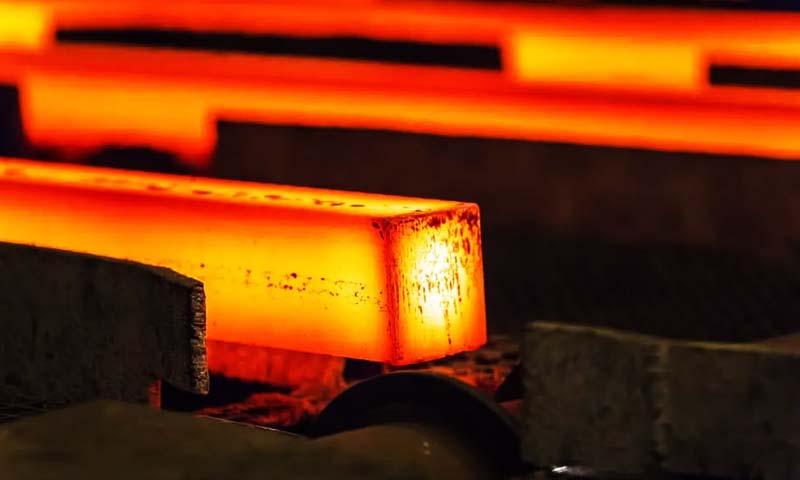
- Stahlwerke: Flachstrahldüsen kühlen glühende Brammen ab, Kontrolle metallurgischer Eigenschaften.
- Elektronikkühlung: Präzisionsnebeldüsen entfernen die Wärme von Halbleitergeräten mit ultrafeinen Sprays.
Leistungseinblick: Tröpfchengröße unten 50 μm ermöglicht eine schnelle Verdunstungskühlung, Verbesserung der Energieeffizienz bei der Gasaufbereitung durch 15–20% im Vergleich zu groben Sprays.
Brandschutz & Sicherheitssysteme
- Wassernebelsysteme: Hochdruckdüsen erzeugen feine Tröpfchen (50–200 μm) die Wärme absorbieren und Sauerstoff verdrängen.
- Schaumdüsen: Wird in der Petrochemie und bei der Brandbekämpfung in Hangars eingesetzt, Es entstehen stabile Blasen, die die Kraftstoffoberflächen bedecken.
- Sprinklerköpfe: Standard-Sprühdüsen bieten eine kontrollierte Abdeckung für den gewerblichen und privaten Brandschutz.
Essen & Getränkeindustrie
- Waschen & Hygiene: Hohlkegeldüsen reinigen Früchte, Gemüse, und Flaschen mit gleichmäßiger Abdeckung.
- Aroma & Beschichtung: Sprühdüsen tragen Öle auf, Glasuren, Schokolade, oder Gewürze mit hoher Wiederholgenauigkeit.
- Feuchtigkeitskontrolle: Vernebelungsdüsen halten die Luftfeuchtigkeit in Bäckereien und Kühlräumen aufrecht.
Beispiel: Milchbetriebe verwenden Edelstahldüsen mit 3-Eine Hygienezertifizierung um einen hygienischen Betrieb zu gewährleisten.
Chemische und petrochemische Verarbeitung
- Absorption & Schrubben: Vollkegel- und Spiraldüsen verteilen Chemikalien für Gaswaschtürme.
- Türme abkühlen: Sprühdüsen maximieren die Effizienz der Wärmeübertragung in Umlaufwassersystemen.
- Mischen & Reaktionskontrolle: Einspritzdüsen verbessern die Verteilung der Reaktanten, entscheidend bei der Polymerisation und Raffination.
Bergbau und Staubbekämpfung
- Staubkontrolle: Feinnebeldüsen unterdrücken luftgetragene Partikel an Brechern, Förderer, und Vorräte.
- Haufenlaugung: Sprühdüsen verteilen Laugungslösungen über Erzhaufen, Verbesserung der Metallrückgewinnungsraten.
- Gerätereinigung: Hochwirksame Fächerdüsen spülen Transportfahrzeuge und Verarbeitungsmaschinen ab.
Marine & Offshore-Anwendungen
- Tankreinigung: Rotierende Düsen waschen Ladetanks mit leistungsstarken Strahlen.
- Feuerlöschsysteme: Schaum- und Wassersprühdüsen schützen Maschinenräume und Decks.
- Enteisung / Anti-Icing: Feine Sprühsysteme verhindern die Eisbildung auf Offshore-Plattformen und Schiffsdecks.
Umweltkontrolle & Öffentliche Gesundheit
- Geruchskontrolle: Zerstäuberdüsen liefern Neutralisationsmittel in Abfallbehandlungsanlagen.
- Vektorkontrolle: Ultra-Low-Volume (WOLF) Düsen verteilen Insektizide zur Bekämpfung von Mücken und Schädlingen.
- Luftbefeuchtung: Nebeldüsen regulieren die Luftfeuchtigkeit in Textilbetrieben, Druckereien, und Gewächshäuser.
Spezialanwendungen
- Luft- und Raumfahrt & Automobil: Kraftstoffeinspritzdüsen sorgen für eine effiziente Verbrennung; Die Sprühkühlung reguliert die Turbinentemperaturen.
- Medizinisch & Pharmazeutisch: Zerstäuber erzeugen inhalierbare Aerosole (1–5 μm) für die Verabreichung von Atemwegsmedikamenten.
- Elektronik & Halbleiter: Ultrareine DI-Wasserdüsen reinigen Wafer mit einer Partikelempfindlichkeit im Submikrometerbereich.
7. Vorteile und Einschränkungen
Sprühdüsen sind in der modernen Industrie unverzichtbar, Landwirtschaft, und Sicherheitssysteme.

Vorteile von Sprühdüsen
Effiziente Flüssigkeitsverteilung
- Sprühdüsen wandeln Flüssigkeit in feine Tröpfchen oder kontrollierte Strahlen um, Gewährleistung einer gleichmäßigen Abdeckung.
- Unverzichtbar für Prozesse wie das Besprühen von Pflanzen, Gasschrubben, und Beschichtung, wo sich die Vertriebsqualität direkt auf die Leistung auswirkt.
Vielseitigkeit der Anwendungen
- Erhältlich in einer Vielzahl von Designs (Flachventilator, Kegel, Nebel, Injektor) um vielfältige Anforderungen zu erfüllen – von der Staubunterdrückung im Bergbau bis zur präzisen Arzneimittelabgabe im Gesundheitswesen.
- Kompatibel mit Flüssigkeiten, Slurries, und sogar hochviskose Materialien.
Präzise Steuerung von Durchfluss und Tröpfchengröße
- Ingenieure können den Sprühwinkel festlegen, Tröpfchengröße, und Durchflussmenge mit hoher Genauigkeit.
- Ermöglicht die Optimierung von Prozessen wie der Kühlung (Kleine Tröpfchen für schnelle Verdunstung) oder Befruchtung (größere Tröpfchen, um die Drift zu reduzieren).
Energieeffizienz
- Viele Düsentypen basieren auf hydraulischem Druck statt auf Druckluft, Verringerung des Energiebedarfs.
- Durch die feine Zerstäubung werden die gewünschten Effekte bereits bei kleineren Flüssigkeitsmengen erzielt.
Einfache Integration
- Standardisierte Verbindungen (Npt, BSP, geflanscht) ermöglichen die einfache Integration von Düsen in neue oder bestehende Systeme.
- Modulare Designs mit austauschbaren Spitzen vereinfachen die Wartung.
Kosteneffizienz
- Geringere Anfangsinvestition im Vergleich zu komplexen Sprühsystemen.
- Lange Lebensdauer bei Herstellung mit Abrieb- oder korrosionsbeständige Materialien (Z.B., Keramik, Edelstahl).
Einschränkungen von Sprühdüsen
Anfälligkeit für Verschleiß und Verstopfung
- Kleine Öffnungen können verstopfen, wenn Flüssigkeiten Feststoffe oder Verunreinigungen enthalten.
- Hochgeschwindigkeits- oder abrasive Flüssigkeiten erodieren die Düsenspitzen, Änderung der Sprühmuster und Verringerung der Effizienz.
Leistungsempfindlichkeit gegenüber Druckschwankungen
- Düsenleistung (Tröpfchengröße, Sprühwinkel) hängt von einem stabilen Eingangsdruck ab.
- Schwankungen können zu einer ungleichmäßigen Abdeckung oder einer schlechten Zerstäubung führen.
Begrenzter Bereich der Sprüheinstellung
- Jede Düsenkonstruktion verfügt über ein spezifisches Betriebsfenster für Durchfluss und Druck.
- Extreme Abweichungen außerhalb dieses Fensters erfordern statt einfacher Anpassungen einen anderen Düsentyp.
Wartungsanforderungen
- Regelmäßige Reinigung, Inspektion, und ein Austausch sind erforderlich, um die Sprühkonsistenz aufrechtzuerhalten.
- In Branchen wie der Lebensmittelverarbeitung oder der Pharmaindustrie, strenge Hygiene erfordert eine noch häufigere Wartung.
Umwelt- und Sicherheitsüberlegungen
- In der Landwirtschaft, Bei schlecht ausgewählten Düsen kann es zu Abdrift des Sprays kommen, Dies führt zu chemischen Abfällen und Gefahren für die Umwelt.
- Im Brandschutz, Fehlfunktion der Düse (Verstopfung oder Fehlausrichtung) kann die Systemzuverlässigkeit beeinträchtigen.
Begrenzte Zerstäubung für ultrafeine Anwendungen
- Standard-Hydraulikdüsen erzeugen möglicherweise keine Tropfen unten 20 μm, Einschränkung ihrer Verwendung in Spezialbereichen wie medizinischen Inhalationstherapien oder Halbleiterkühlung, wo ultrafeine Sprays unerlässlich sind.
8. Zukünftige Trends in der Sprühdüsentechnologie
Innovation bei Sprühdüsen wird durch Nachhaltigkeit vorangetrieben, Präzision, und Automatisierung:
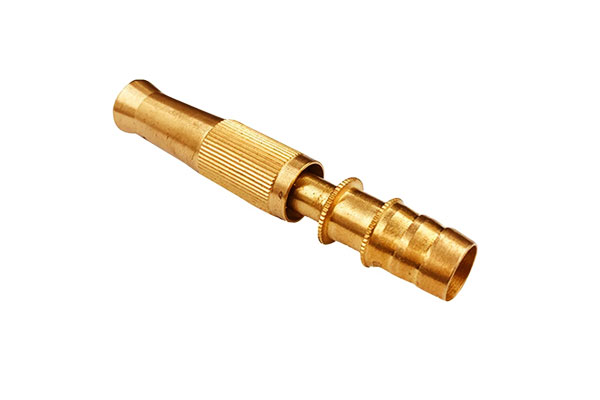
- Kluge Düsen: Integration von Sensoren (Durchflussrate, Druck, Tröpfchengröße) und IoT-Konnektivität zur Überwachung der Leistung in Echtzeit.
Zum Beispiel, Landwirtschaftliche Düsen mit KI-gesteuerten Durchflussmessern passen die Sprührate an die Erntedichte an. - 3D-gedruckte Düsen: Additive Fertigung (LPBF für Metall, FDM für Kunststoff) ermöglicht komplexe Innengeometrien (Z.B., optimierte Wirbelkammern) die die Gleichmäßigkeit um 10–15 % verbessern.
- Biologisch abbaubare Materialien: Pflanzliche Polymere (Z.B., PLA) für landwirtschaftliche Düsen – reduziert Plastikmüll und verhindert das Auslaugen von Chemikalien.
- Aktive Flusskontrolle: Düsen mit verstellbaren Öffnungen (über piezoelektrische Aktoren) die Sprühmuster/Durchflussrate ersatzlos verändern – ideal für dynamische Prozesse wie die Bewässerung mit variabler Rate.
9. Vergleich von Sprühdüsen mit anderen Düsen
| Besonderheit / Düsentyp | Sprühdüse | Düsendüse | Atomisierende Düse | Nebeldüse | Feuerwehrschlauchdüse |
| Flow-Funktion | Wandelt Flüssigkeit in Tröpfchen um; breite Sprühbilder | Projiziert einen fokussierten Hochgeschwindigkeitsstrahl | Erzeugt mittels Doppelflüssigkeit oder Druck ultrafeine Tröpfchen | Erzeugt sehr feinen Nebel zum Kühlen/Befeuchten | Projiziert einen Wasserstrahl oder einen einstellbaren Sprühstrahl zur Brandbekämpfung |
| Sprühmusteroptionen | Flachventilator, Kegel (voll/hohl), solider Strom, Blatt | Solide, Nur konzentrierter Strom | Feiner Nebel (10–50 μm Tröpfchen) | Nebelartiger Nebel (<20 μm-Tröpfchen) | Einstellbar: Strom, Nebel, Jet |
| Typischer Druckbereich | 1–20 Bar (branchenspezifische Variationen) | 5–200 Bar | 2–6 Bar (mit Druckluftunterstützung) | 2–10 Bar | 3–15 bar (Feuersysteme) |
| Tröpfchengröße | 50–500 μm (hängt vom Design ab) | >500 μm (Große Tröpfchen, langer Wurf) | 10–50 μm (sehr gut) | <20 μm (ultrafeiner Nebel) | 200–600 μm |
| Anwendungen | Kühlung, Beschichtung, Reinigung, Staubunterdrückung, Landwirtschaft | Schneiden, Reinigung, Descaling, Antrieb | Pharmazeutika, Sprühtrocknen, Kraftstoffeinspritzung | Türme abkühlen, Gewächshäuser, Befeuchtung | Brandschutz, Brandbekämpfung, Sicherheitssysteme |
| Vorteile | Vielseitig, mehrere Muster, Breiter Einsatz in der Industrie | Weitwurf, hohe Schlagkraft | Sehr feine Kontrolle, effiziente zerstäubung | Ultra-Fine-Nebel, hervorragend zum Kühlen geeignet | Hoher Durchfluss, anpassbare Muster, Notfalleinsatz |
| Einschränkungen | Begrenzte Wurfweite; Verstopfungsgefahr bei kleinen Öffnungen | Keine Musterkontrolle; nur gerader Strahl | Höherer Energiebedarf, komplexes Design | Begrenzte Durchflusskapazität; anfällig für Verstopfungen | Schwer, hoher Wasserbedarf, manuelle Handhabung |
10. Abschluss
Die Auswahl der Sprühdüse muss eine gezielte technische Entscheidung sein: Definieren Sie das Prozessziel (Abdeckung, Tröpfchengröße, Auswirkungen), Steuern Sie den Betriebsbereich (fließen, Druck, flüssige Eigenschaften), und mit Prüfstandstests validieren (Musterung, Smd).
Materialauswahl und Produktionstoleranzen beeinflussen die Lebensdauer und die Kosten; Bei abrasiven oder korrosiven Medien bevorzugen Sie Hartmetall-/Keramik- oder austauschbare Einsätze.
Kombinieren Sie CFD-gestütztes Design mit empirischen Tests, um zuverlässige Ergebnisse zu erzielen. Endlich, Planen Sie die Filterung und Wartung, um die Düsenleistung zu erhalten und Ausfallzeiten zu minimieren.
FAQs
Können Sprühdüsen korrosive Flüssigkeiten wie Schwefelsäure verarbeiten??
Ja – wählen Sie Edelstahl 316L, Hastelloy C276, oder Keramikdüsen.
Für 98% Schwefelsäure, Hastelloy C276-Düsen weisen eine Korrosionsrate auf <0.001 mm/Jahr, weit unter 316L 0.01 mm/Jahr.
Wie wähle ich die richtige Tropfengröße für meine Anwendung??
Passen Sie SMD an das Ziel an:
- Landwirtschaftliches Sprühen: 150–300 μm (reduziert die Drift).
- Kühlung: 50–150 μm (maximiert die Wärmeübertragung).
- Medizinische Zerstäuber: 5–10 μm (dringt in das Lungengewebe ein).
Welchem maximalen Druck kann eine Sprühdüse standhalten??
Ultrahochdruck-Nebeldüsen (Keramikspitze) bis zu handhaben 3000 Psi (207 Bar) für Tröpfchen unter 10 μm. Die meisten Industriedüsen arbeiten mit 10–500 psi.
Wie reinige ich eine verstopfte Sprühdüse??
Für Bio-Clogs (Z.B., Pestizidrückstände), In Isopropylalkohol einweichen. Für Mineraleinlagen, Verwenden Sie a 5% Essiglösung. Vermeiden Sie Drahtbürsten – sie beschädigen die Öffnung.
Was ist der Unterschied zwischen luftunterstützten und druckzerstäubenden Düsen??
Luftunterstützte Düsen nutzen Druckluft, um feinere Tröpfchen zu erzeugen (1–50 μm) bei niedrigerem Flüssigkeitsdruck (5–100 psi), Ideal zum Beschichten.
Druckzerstäubungsdüsen sind auf einen hohen Flüssigkeitsdruck angewiesen (10–3000 psi) für Tröpfchen 5–500 μm, besser für Anwendungen mit hohem Durchfluss wie Bewässerung.