Uvod
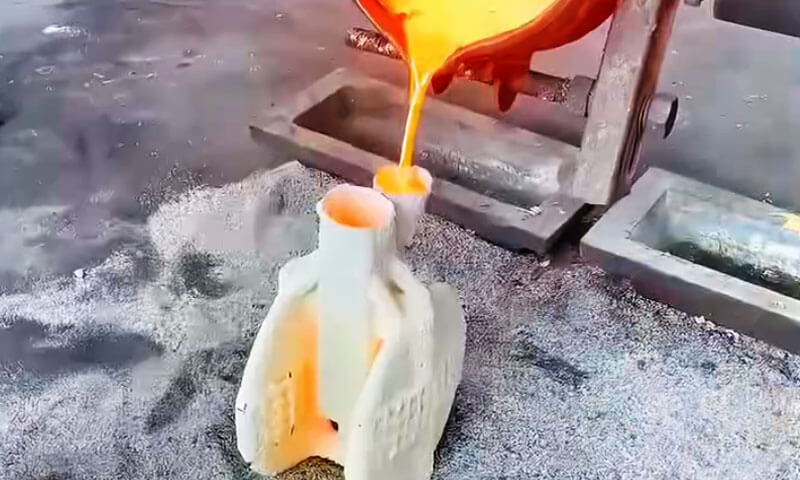
U Investicijska livenja, faza izlivanja je jedan od najkritičnijih trenutaka u čitavom lancu procesa.
Do trenutka kada rastopljeni metal dođe do ljuske, uzorak voska je već uklonjen, keramička školjka je ispaljena, a geometrija dijela je zaključana u krhki termički sistem.
U ovom trenutku, livnica se više ne bavi samo oblikom; to je upravljanje povezanim problemom čistoća metala, Stabilnost protoka, kontrola temperature, integritet ljuske, i ponašanje učvršćivanja.
Mnogi defekti livenog livenja koji izgledaju kao "defekti u livnici" zapravo jesu defekti procesa izlivanja.
Često nastaju zbog neusklađenosti između kvaliteta taline i uslova šupljine, a ne zbog jedne izolirane greške.
Najčešći primjeri su uključivanja, poroznost, i greške u radu ili hladno zatvaranje.
Ovi problemi su posebno osjetljivi kod preciznih odljevaka jer se livenje često bira posebno za tanke zidove., složeni pasaži, i geometrija blizu mreže.
Kada je proces sipanja nestabilan, same karakteristike koje čine investiciono livenje vrednim mogu postati regioni koji su najskloniji kvarovima.
Ovaj članak analizira glavne nedostatke koji nastaju tijekom izlijevanja, objašnjava njihove metalurške i procesne korijene, i sumira praktične korektivne mjere koje se mogu primijeniti u proizvodnji.
1. Defekti uključivanja šljake
1.1 Definicija i tehnički značaj
Inkluzija šljake je jedan od najozbiljnijih i najčešće susrećenih nedostataka u livenju za ulaganje tokom faze izlivanja.
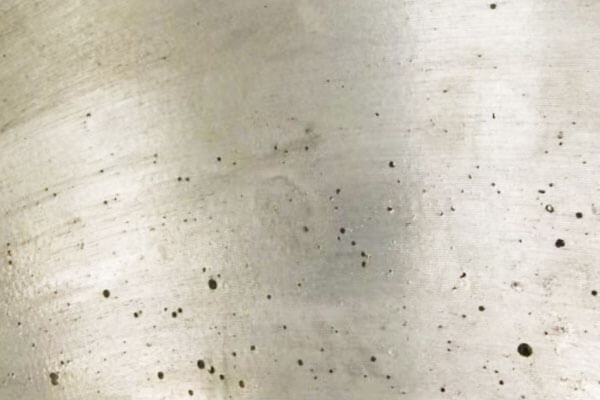
To se odnosi na nemetalne strane materije ili interno generisana oksidna/sulfidna jedinjenja zarobljena unutar odlivaka ili pričvršćena za njegovu površinu nakon skrućivanja.
Zato što ove inkluzije prekidaju kontinuitet metalne matrice, postaju lokalne slabe tačke koje mogu smanjiti vlačnu čvrstoću, utjecaj žilavost, umor život, i, u kritičnim slučajevima, nepropusnost i pouzdanost servisiranja.
U preciznim odljevcima, uključivanje šljake je posebno štetno jer se proces često koristi za komponente sa tankim zidovima, složeni protočni prolazi, i strogi zahtevi za performanse.
Čak i mala inkluzija može djelovati kao mjesto nastanka pukotine, početna tačka korozije, ili defekt nukleacije zamora pri ponovljenom opterećenju.
1.2 Klasifikacija inkluzija šljake
Sa metalurškog i procesnog stajališta, inkluzije šljake se općenito dijele na egzogene inkluzije i endogene inkluzije.
Razlika je važna jer ova dva tipa imaju različito porijeklo, različite morfologije, i različite strategije kontrole.
Egzogene inkluzije
Egzogeni inkluzije potiču iz izvan rastopljenog metala. Oni su slučajni strani zagađivači uneseni tokom topljenja, transfer, ili sipanje.
Tipični izvori uključuju:
- vatrostalna erozija i ljuštenje od obloga peći ili kutlača za izlivanje,
- plutajuća troska nastala oksidacijom rastopljenog metala u kontaktu sa zrakom,
- ljuski pijesak ili fragmenti premaza isprani sa šupljine kalupa,
- i krhotine od bilo kojeg materijala koji dolazi u kontakt sa talinom na putu protoka.
Ove inkluzije su obično veći, nepravilnije, i više nasumično raspoređenih nego unutrašnje generirane nečistoće.
Često se pojavljuju u blizini površine livenja, u regijama sa debelim zidovima, ili u zonama gdje su turbulencija ili prskanje metala jako.
Zato što su vanjski zagađivači, često su povezani sa lošom čistoćom taline, nedovoljno uklanjanje šljake, ili nestabilna praksa izlivanja.
Endogene inkluzije
Endogene inkluzije su formiran unutar same rastopljene legure kroz hemijsku reakciju tokom topljenja, tretman, ili učvršćivanje.
Oni se ne unose spolja; nastaju metalurškim ponašanjem taline.
U mnogim odljevcima od željeza, tipičan primjer je magnezijum- i formiranje inkluzija povezanog sa sumporom nakon modifikacije ili tretmana nodularizacije.
Ove inkluzije su obično finije, raspršenije, i teže za uklanjanje nego egzogene.
Jer potiču iz unutrašnjih reakcija, mogu ostati suspendirani u talini i biti zarobljeni u cijeloj sekciji livenja, a ne samo blizu površine.
1.3 Osnovni uzroci stvaranja inkluzija šljake
Uključivanje šljake rijetko je uzrokovano jednom greškom. Obično je rezultat kombinacije hemija legure, Temperatura izlijevanja, Dizajn greda, topiti čistoću, i kvalitet kalupa.
Uticaj silicijuma
Silicij igra važnu ulogu jer su spojevi silicijum oksida jedan od glavnih sastojaka mnogih defekata povezanih sa šljakom..
Ako je sadržaj silicija previsok, talina može stvoriti više oksidnih proizvoda niskog taljenja, koji povećavaju viskozitet i otežavaju isplivavanje nečistoća iz tekućeg metala.
Rezultat je veća tendencija da oksidi i čestice šljake ostanu zarobljene u odljevku.
Utjecaj sumpora
Sumpor je posebno opasan u odljevcima na bazi željeza jer sulfidi imaju nižu tačku topljenja od osnovnog metala i mogu se precipitirati rano tokom skrućivanja.
Ovo povećava viskozitet taline i smanjuje sposobnost šljake i nečistoća oksida da se podignu na površinu radi uklanjanja.
Kada je sadržaj sumpora previsok, talina postaje mnogo sklonija zarobljavanju šljake i inkluzijama.
Uticaj magnezijuma i elemenata retkih zemalja
Rezidualni magnezijum i elementi rijetkih zemalja mogu lako oksidirati na visokoj temperaturi.
Njihovi proizvodi oksidacije doprinose finim inkluzijama oksida i česticama kompozitne troske.
Ako su rezidualni nivoi preveliki, broj endogenih nečistoća naglo raste, posebno u legurama koje su već bile podvrgnute tretmanu ili modifikaciji.
Uticaj temperature izlivanja
Temperatura izlivanja jedan je od najkritičnijih faktora u kontroli šljake.
- Ako je temperatura preniska, talina postaje viskoznija, a oksidi ili šljaka se ne mogu podići i efikasno odvojiti. Oni ostaju suspendovani i zarobljeni su u odljevku.
- Ako je temperatura previsoka, plutajuća šljaka može postati suviše rijetka i teško ju je potpuno skinuti. Zaostala šljaka tada može teći u šupljinu kalupa zajedno sa talinom.
U praksi, niskotemperaturno izlivanje je često češći uzrok otpada od livenja vezanog za inkluziju jer kombinuje lošu fluidnost sa lošim odvajanjem nečistoća.
Utjecaj dizajna gejt sistema
Loše dizajniran sistem zalijevanja može pretvoriti čistu talinu u neispravan odljevak.
Ako sistem ne može smiriti tok taline ili zadržati šljaku prije nego što se šupljina napuni, turbulencija će uvući šljaku i čestice oksida u odljevak.
Jednom kada počne turbulencija, čak i dobro rafinisana talina može biti kontaminirana tokom punjenja.
Utjecaj kvaliteta ljuske
Sama ljuska može postati izvor oštećenja šljake.
Ako je površina ljuske hrapava, slab, labavo zbijeno, ili kontaminiran rastresitim pijeskom ili ostacima premaza, rastaljena legura može erodirati površinu i stvoriti sekundarne nemetalne inkluzije.
Defekti ljuske i hemija taline često su u interakciji, zbog čega loš kvalitet ljuske može umnožiti već tešku situaciju izlijevanja.
1.4 Morfologija i mehanizam oštećenja
Uključci šljake oštećuju odljevke na više načina. Mogu se pojaviti kao:
- čestice ugrađene u površinu,
- podzemna kontaminacija,
- izdužene nepravilne inkluzije,
- grupisane inkluzivne trake,
- ili unutrašnji nemetalni džepovi.
Njihov uticaj je ozbiljan jer oni:
- smanjiti efektivnu nosivu površinu,
- stvaraju lokalnu koncentraciju stresa,
- oslabiti otpornost na zamor,
- povećavaju rizik od širenja pukotina,
- i smanjuju koroziju i integritet pritiska.
U precizno livenim delovima, čak i male inkluzije mogu učiniti komponentu neprikladnom za kritične usluge jer kvar može ostati nevidljiv sve dok dio ne uđe u rad.
1.5 Preventivne i korektivne mjere
Precizna kontrola sastava legure
Prvi kontrolni sloj je hemija taline.
Sumpor treba držati ispod kritičnog praga procesa, i višak silicijuma, magnezijum, ili ostatke rijetkih zemalja treba pažljivo kontrolirati kako bi se smanjilo stvaranje unutrašnjih oksidnih i sulfidnih inkluzija.
Poboljšajte praksu topljenja i držanja
Otopinu treba propisno tapkati, dozvoljeno da stoji ako procesna praksa dozvoljava, i temeljno obrasta prije izlivanja.
Tihi period zadržavanja pomaže inkluzijama da plutaju prema gore kako bi se mogle ukloniti. Zaštita površine i praksa antioksidacije također mogu smanjiti sekundarno stvaranje šljake.
Optimizirajte sistem gajta
Sistem zatvaranja treba da promoviše glatkoću, laminarno punjenje i sprečava prskanje taline.
Zamke za šljaku, ekstenzije trkača, i filteri od keramičke pjene mogu se dodati tamo gdje je potrebno kako bi se zaustavila plutajuća šljaka prije nego što dođe do šupljine za livenje.
Poboljšajte čistoću i snagu školjke
Školjka treba da bude jednolično kompaktna, potpuno osušena, i strukturno zdravi.
Prije montaže i izlivanja, šupljina mora biti potpuno očišćena od ostataka pijeska, labavi fragmenti premaza, ili krhotine koje bi se mogle odvojiti tokom punjenja.
1.6 Inženjerski zaključak
Uključivanje šljake je klasičan primjer defekta koji se nalazi na raskrsnici metalurgija, procesnu disciplinu, i kvalitet kalupa.
Nije dovoljno očistiti talog; tok takođe mora biti miran, školjka mora biti zdrava, a hemija mora ostati unutar stabilnog operativnog okvira.
Stoga je najefikasnija strategija prevencije sistemska: kontrolirati leguru, rafinirati talog, zaštitite šupljinu, i dizajnirati ulaznu putanju kako bi se spriječile nečistoće u odljevku.
2. Defekti poroznosti
Poroznost je jedan od najčešćih i komercijalno štetnih nedostataka kod livenja za ulaganje.
To se odnosi na šupljine ili šupljine povezane s plinom formirana unutar odlivaka tokom punjenja ili skrućivanja kalupa.
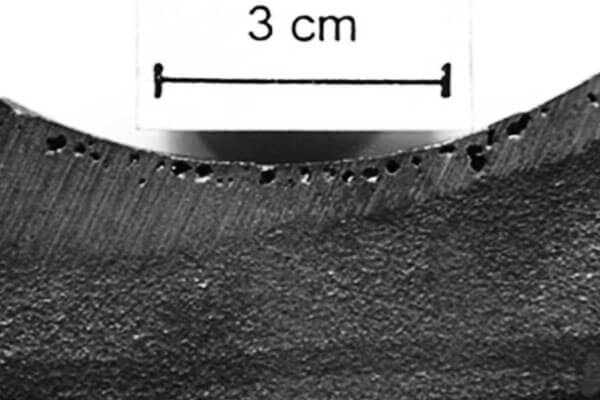
Ove praznine se mogu pojaviti kao sferne pore, izdužene rupice, grupisane mikropraznine, ili mreže nepravilnih šupljina u zavisnosti od sistema legure, uslovi izlivanja, i ponašanje školjke.
U savremenoj standardizovanoj proizvodnji odlivaka, reaktivna poroznost i istaložena poroznost su efikasno kontrolisane,
ali invazivna poroznost—poroznost uzrokovana nestabilnim izlivanjem, loša ventilacija, i neadekvatan izduvni gas školjke—i dalje ostaje jedan od najčešćih izvora otpada.
Zato što je poroznost često skrivena iznutra, posebno je opasno kod preciznih odlivaka, delovi koji nose pritisak, i komponente kritične za umor.
2.1 Šta čini poroznost tako ozbiljnom
Poroznost nije samo vidljiv površinski nedostatak. Takođe slabi unutrašnji integritet odlivaka:
- smanjenje efektivne nosive površine,
- prekidajući kontinuitet metalne matrice,
- smanjenje snage zamora,
- smanjenje nepropusnosti pritiska,
- i kreiranje lokacija za iniciranje crack-a pod opterećenjem servisa.
Za složene uloške, čak i relativno mali skup pora može ugroziti funkciju cijelog dijela.
Zbog toga se kontrola poroznosti tretira kao pitanje kvaliteta cijelog procesa, a ne kao završna faza.
2.2 Glavni mehanizmi formiranja
Poroznost u investicionom livenju obično nastaje kada gas ne može izaći iz šupljine kalupa, topljenje, ili sistem zatvaranja pre nego što se metal smrzne.
Osnovni mehanizmi su usko povezani izduvni kapacitet, stabilnost izlivanja, propusnost ljuske, i topiti čistoću.
Nedovoljno ispuštanje šupljine
Ako šupljina kalupa nema dovoljan kapacitet ventilacije, gas unutar ljuske ne može izaći dovoljno brzo tokom punjenja.
Kako rastopljeni metal napreduje, on zadržava gas i zatvara ga unutar odlivaka.
Rezultat je često zatvorena unutrašnja poroznost, posebno u područjima posljednjeg punjenja ili na udaljenim krajevima kaviteta.
Ovo je jedan od najdirektnijih i najčešćih uzroka invazivne poroznosti kod preciznog livenja.
Nepravilna temperatura izlivanja
Temperatura izlivanja ima direktan uticaj i na fluidnost metala i na ponašanje pri izlazu gasa.
- Ako je temperatura preniska, talina prebrzo gubi tečnost, punjenje postaje nestabilno, a gas se ne može podići i izaći prije očvršćavanja.
- Ako je temperatura previsoka, metal može povećati sklonost oksidaciji ili stvoriti drugu nestabilnost procesa, što također može doprinijeti stvaranju pora.
Loše kontrolisan termalni prozor stoga stvara ili prerano smrzavanje ili nestabilno punjenje, oba povećavaju rizik od poroznosti.
Nepravilna brzina sipanja
Brzina sipanja mora biti stabilna i kontinuirana. Ako je sipanje presporo, šupljina može biti isprekidana ili nestabilna, stvarajući turbulenciju i omogućavajući da se vazduh uvuče u tok.
Ako protok nije pravilno izbalansiran, front tečnosti može više puta izložiti i ponovo pokriti šupljinski gas, hvatajući ga dok se metal stvrdnjava.
Zbog toga je poroznost često koncentrisana u zonama prijelaza strujanja i na složenim promjenama presjeka.
Slaba propusnost ljuske
Sama školjka mora dozvoliti da gas izađe. Ako ljuska sadrži višak vlage, prekomjerna količina pepela, loša vatrostalna distribucija, ili niske propusnosti, gas ne može efikasno da izađe iz šupljine.
Zarobljeni plin se tada zaključava u odljevku kao poroznost.
Ovo je problem kvalitete kalupa koliko i problem izlijevanja. Školjka sa lošim ventilacijskim ponašanjem će stvoriti poroznost čak i kada je sam metal relativno čist.
Defektan dizajn vrata
Loš sistem zatvaranja može stvoriti turbulenciju, prskanje, Ulaz u vazduh, i lokalno zarobljavanje gasa.
Ako raspored vodilice i ulaza ne podržavaju glatku, laminarno punjenje, front taline će povući vazduh i gas iz šupljine u zid od livenja.
Ovo je posebno opasno u dijelovima sa tankim zidovima ili dijelovima s dugim stazom, pri čemu metalna fronta mora ostati termički i hidrodinamički stabilna sve dok se šupljina potpuno ne popuni.
Nestandardizovani pomoćni materijali
Pomoćni materijali kao što su inokulanti, Aditivi, ili sredstva za tretman mogu nositi vlagu ili zaostali plin ako nisu pravilno osušena ili pripremljena.
Pored toga, ako rastopljeni metal nije adekvatno očišćen i šljaka ostaje na putu protoka, a kombinovano troska-poroznost može se razviti defekt.
Ovu vrstu kvara je teže kontrolisati jer nije samo problem s plinom; to je problem spajanja gasa i uključivanja.
Nedostaju operacije izlijevanja na licu mjesta
Određena poroznost je uzrokovana lošom disciplinom izlijevanja na licu mjesta.
Ako zapaljivi gasovi unutar šupljine nisu pravilno zapaljeni ili ispušni tokom izlivanja, mogu biti zarobljene i učvršćene u odlivu.
Ovo je posebno važno kada šupljina kalupa sadrži ostatke isparljivih proizvoda koje treba ukloniti prije zatvaranja šupljine.
2.3 Tipična morfologija poroznosti
Poroznost se može pojaviti u nekoliko oblika:
- fine rupice razbacane po sekciji,
- grupisane pore u područjima sa debelim zidovima ili vrućim tačkama,
- podzemne šupljine skrivene ispod kože,
- kontinuirane mreže pora u slabo provetrenim zonama,
- mješovite strukture šljake i poroznosti uzrokovano i zarobljavanjem plina i uključivanjem nečistoća.
Što je geometrija složenija, veća je vjerovatnoća da će se poroznost koncentrirati u zoni završnog punjenja, najdeblji region, ili prijelaz između tankih i debelih dijelova.
2.4 Preventivne i kontrolne mjere
Optimizirajte ispuštanje šupljina
Kalup treba da bude opremljen sa dovoljno ispušnih klinova, ventilacioni otvori, ili trake za ventilaciju, posebno na najvišim i posljednjim popunjenim pozicijama.
Kapacitet ventilacije trebao bi biti dovoljan za ispuštanje plina prije nego što metalni prednji dio zapečati šupljinu.
Praktično pravilo dizajna je osigurati da je ukupna površina poprečnog presjeka izduvnih gasova adekvatno usklađena s površinom ulaza tako da plin iz šupljine može brzo i kontinuirano izlaziti.
Standardizirajte dizajn vrata
Koncept poluotvorenih ili poluzatvorenih vrata je često koristan jer omogućava bolju stabilizaciju protoka i smanjuje iznenadnu turbulenciju.
Keramički pjenasti filteri mogu se ugraditi u vodilicu kako bi se ispravio protok i smanjio zarobljavanje zraka ili oksida.
Sistem zatvaranja treba da bude dimenzionisan za stvarnu brzinu izlivanja, nije kopirano iz generičkog predloška. Stabilnost protoka je jedna od najvažnijih varijabli za kontrolu poroznosti u investicionom livenju.
Precizno kontrolirajte temperaturu izlijevanja
Talina se mora držati unutar stabilnog termalnog prozora. Temperatura bi trebala biti dovoljno visoka da održi fluidnost, ali ne toliko da povećava rizik reakcije ili nestabilnost procesa.
Za serijsku proizvodnju, temperatura izlivanja treba da bude konstantna od dela do dela, jer je temperaturno rasipanje jedan od glavnih razloga zbog kojih se poroznost razlikuje po proizvodnim serijama.
Regulirajte parametre procesa ljuske
Propustljivost ljuske, jačina ljuske, i suvoća ljuske mora se kontrolisati zajedno.
Sadržaj vlage, kompaktnost, a kvalitet termičkog očvršćavanja treba održavati u okviru procesa koji zahtijevaju legure i debljina presjeka.
Ako je ljuska previše vlažna ili pregusta, gas ne može efikasno izaći i poroznost raste.
Standardizirajte operacije lijevanja
Prije ulijevanja, talina treba biti potpuno očišćena i pravilno odstranjena. Pomoćne materijale treba dobro osušiti.
Tokom polivanja, paljenje šupljine ili praksu pražnjenja gasa treba izvesti tamo gde to zahteva ruta procesa. Sipanje treba da bude glatko, stabilan, i neprekidno.
2.5 Inženjerski zaključak
Poroznost je najčešći defekt livenja jer se nalazi na raskrsnici ventilacija plijesni, Temperatura topline, Stabilnost protoka, kvalitet ljuske, i disciplina operatera. Nije dovoljno jednostavno „naliti toplije“ ili „odušiti više“.
Efikasna kontrola zahteva uravnotežen sistem: školjka mora da diše, talina mora da teče čisto, otvor mora glatko voditi metal, a operacija lijevanja mora izbjeći zarobljavanje plina od samog početka.
3. Defekti hladnog zatvaranja i pogrešnog pokretanja
Hladno zatvaranje i neispravan rad su među najkarakterističnijim nedostacima vezanim za izlivanje kod livenja za ulaganje, posebno kod tankih zidova, dugotočni, i geometrijski složene dijelove.
Oba defekta odražavaju isti osnovni problem: rastopljeni metal gubi previše toplotne energije, prerano, prije nego što se kavitet potpuno i koherentno popuni.
Rezultat je ili nepotpuni odljevak ili odljevak koji izgleda potpun izvana, ali sadrži slabe, nefuzionisani metal-prednji interfejsi.
U preciznom livenju, ovi defekti su posebno štetni jer se obično javljaju upravo u područjima koja je najteže popraviti: krajevi rebara, Tanke presjeke, udaljeni uglovi šupljina, karakteristike poput oštrice, i oštrim prelazima.
Za razliku od nekih površinskih nedostataka koji se mogu očistiti ili izblendati, hladno zatvaranje i neispravan rad često ukazuju na to da dio nije uspio postići metalurški kontinuitet od početka skrućivanja.
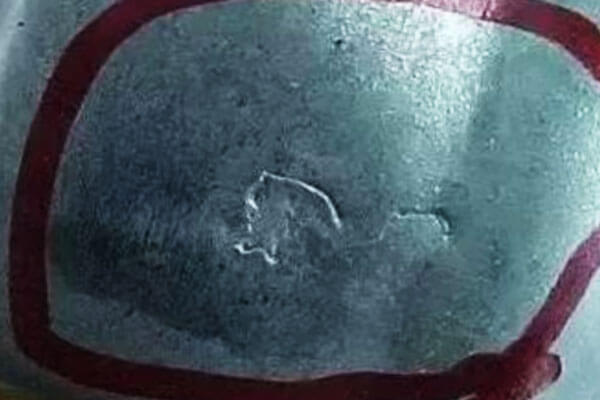
3.1 Razlikovanje hladnog zatvaranja od pogrešnog pokretanja
Iako su ta dva defekta usko povezana, nisu identični.
- Egipat nastaje kada rastopljeni metal ne ispuni u potpunosti šupljinu. Kasting se završava prerano, a neke regije ostaju nepopunjene.
- Hladno zatvoreno nastaje kada se dva metalna fronta sretnu tokom punjenja, ali se ne spoje u potpunosti. Kasting može izgledati završeno, ali linija konvergencije ostaje slaba, presavijeni, ili poput šavova.
U praksi, pogrešno pokretanje je češće na vanjskoj granici punjenja, dok se hladno zatvaranje pojavljuje tamo gdje se frontovi protoka konvergiraju nakon gubitka toplinske energije ili fluidnosti.
3.2 Mehanizmi formiranja jezgra
Niska temperatura izlivanja
Najdirektniji uzrok hladnog zatvaranja i pogrešnog rada je nedovoljna temperatura izlivanja.
Ako talina uđe u šupljinu školjke sa premalom termičkom rezervom, njegova fluidnost brzo opada kako ljuska apsorbira toplinu, sistem gajta, i okolnu površinu šupljine.
U dugim ili uskim putevima protoka, metalna prednja strana može početi da se smrzava prije nego što se šupljina potpuno popuni.
Ovo je posebno kritično kod livenja za ulaganje jer je šupljina često tankih zidova i ima visok omjer površine i zapremine.
Metal brzo gubi temperaturu, a čak i malo odstupanje procesa može uzrokovati da se prednji dio punjenja zaustavi ili da se loše spoji.
Slaba propusnost ljuske
Ako školjka ne ventilira kako treba, pritisak plina se stvara unutar šupljine i djeluje kao protusila protiv naprednog metalnog prednjeg dijela.
Metal se tada puni sporije i manje postojano. To sporije punjenje produžava vrijeme kada je metal izložen gubitku topline, što čini vjerovatnijim prijevremeno smrzavanje.
To znači da loša propusnost ne samo da povećava defekte povezane s plinom; takođe može izazvati hladno zatvaranje smanjenjem efektivne brzine punjenja i prisiljavanjem fronta taline u nestabilan termički režim.
Sekcije sistema za kapije premale veličine
Suviše uzak sistem zatvaranja ograničava isporuku metala. Kada su poprečni presjeci vodilice i ulaza premali, brzina protoka opada i šupljina se puni presporo.
Što duže metal provede putujući kroz sistem, što više toplote gubi. Kao rezultat, prednji dio se može učvrstiti prije nego što se svi putevi toka spoje u zvučnu strukturu.
Ovo je jedan od najčešćih uzroka hladnog zatvaranja vezanog za dizajn.
Dio se može savršeno lijevati u teoriji, ali i dalje neće uspjeti ako je kanal za isporuku metala preslab za stvarnu geometriju.
Kontaminirani umivaonik ili čaša
Preostala šljaka, oksidni film, ili drugi površinski dodaci unutar posude za izlivanje mogu apsorbirati toplinu iz ulazne taline i smanjiti efektivnu temperaturu izlivanja na samom početku punjenja.
Oni također mogu destabilizirati početni tok, stvaraju dodatne gubitke toplote i nepravilnost protoka.
Ova vrsta kontaminacije je posebno štetna jer utiče na najraniju fazu punjenja, kada je termalna rezerva najvažnija.
3.3 Zašto su složeni odljevci ranjiviji
Hladno zatvaranje i neispravan rad su koncentrisani odljevci tankih stijenki i složene geometrije jer ti oblici kombinuju sve najgore uslove:
- brz gubitak toplote,
- duga udaljenost punjenja,
- prijelazi sekcija,
- flow-front konvergencija,
- i smanjena margina hranjenja.
Jednostavan, debelo livenje može tolerisati malu termičku grešku. Precizni odljevak sa rebrnim mrežama, džepovi, ili tanki zidovi često ne mogu.
Zbog toga su ovi defekti snažno povezani s neusklađenošću procesa, a ne s velikim kvarom legure.
3.5 Preventivne i korektivne mjere
Povećajte kapacitet protoka u sistemu zatvaranja
Sistem klizača i ulaza treba da budu dovoljno veliki da brzo i stabilno unesu metal u šupljinu.
Ako se koriste filteri od keramičke pjene, treba ih dimenzionirati tako da poboljšavaju kontrolu protoka bez gušenja brzine isporuke.
Cilj nije jednostavno pustiti metal da prođe, ali da to prođe dovoljno brzo i glatko kako bi se izbjeglo prijevremeno smrzavanje.
Poboljšajte ventilaciju školjke i izduvnu šupljinu
Oklop bi trebao omogućiti plinu da slobodno izlazi iz mrtvih uglova, udaljeni krajevi, i zonama tankih zidova. Bolja propusnost smanjuje povratni pritisak i podržava kontinuirano punjenje.
Pomoćni izduvni putevi mogu se dodati u područjima gdje je vjerovatno stagnacija protoka.
Povećajte temperaturu izlivanja unutar sigurnog prozora
Talina treba da uđe u šupljinu dovoljno vruća da se očuva fluidnost i termički kontinuitet.
Međutim, temperatura mora ostati unutar sigurnog procesa legure kako bi se izbjegla oksidacija ili pretjerana reakcija s ljuskom.
Cilj nije maksimalna temperatura, ali dovoljna termička margina.
Temeljno očistite posudu za točenje i put prijenosa
Prije svakog sipanja, bazen za izlivanje, cup, a gornje otvorne površine treba očistiti od šljake, nakupljanje oksida, i preostali prilozi.
Time se sprječava lokalni gubitak topline i izbjegava se uvođenje poremećaja protoka u najosjetljivijoj fazi punjenja.
4. Sažetak tabela uobičajenih nedostataka izlijevanja
| Tip defekta | Tipičan izgled | Glavni uzrok | Glavni lijek |
| Uključivanja / šljaka | Ugrađene strane čestice, površinska kontaminacija, lokalna slabost | Prenos šljake, vatrostalna erozija, turbulencija | Očistite rastopiti, mirno lije, filtriranje, čistoća školjke |
| Poroznost gasa | Okrugle ili nepravilne pore, često blizu površine ili debelih zona | Loša ventilacija, vlaga, rastvorenog gasa, turbulentno punjenje | Suva školjka, poboljšati ventilaciju, stabilizirati pour, smanjiti gas u topljenju |
| Skupljanje poroznosti | Unutrašnje šupljine ili grupisane mikro šupljine | Neadekvatno hranjenje, hot spots, loša kontrola očvršćavanja | Redizajn uspona, poboljšati usmjereno učvršćivanje |
| Egipat | Nepotpuno popunjavanje | Niska temperatura, spor protok, hladna školjka | Povećajte temperaturu metala, zagrijati školjku, uvećati vrata |
| Hladno zatvoreno | Šavovi ili nestopljeni protočni frontovi | Loša fuzija zbog frontova smrzavanja | Poboljšajte termičku marginu, povećati brzinu punjenja, optimizirati dizajn šupljine |
5. Zaključak
Proces izlivanja je osnovna faza kontrole kvaliteta livenja, i uključivanje šljake, poroznost i hladno zatvaranje su tri tipična defekta izazvana procesom sa jasnom logičkom korelacijom i razlikama u mehanizmu formiranja.
Inkluzije šljake su uglavnom uzrokovane nekvalificiranim sastavom rastopljenog metala i nedovoljnim uklanjanjem šljake; defekti poroznosti proizlaze iz lošeg ispuha šupljine i turbulentnog uvlačenja punjenja;
hladnim zatvaračima dominira nedovoljna fluidnost rastopljenog metala i odloženo punjenje uzrokovano niskom temperaturom i nerazumnim dizajnom vrata.
Svi defekti izazvani izlivanjem se mogu kontrolisati i izbeći kroz standardizovano upravljanje procesima.
Precizna kontrola kompozicije, optimiziran dizajn gejt sistema, standardizovano usklađivanje temperaturnih parametara i standardizovani rad na licu mesta su četiri osnovne dimenzije prevencije kvarova.
U stvarnoj industrijskoj proizvodnji, ciljano poboljšanje procesa treba provoditi u skladu sa strukturnim karakteristikama različitih odljevaka i pravilima raspodjele defekata, ostvarivanje upravljanja u zatvorenom krugu cijelog procesa od topljenja rastopljenog metala, proizvodnja ljuske do operacije izlivanja.
Ovo može efikasno smanjiti stopu defekta pri izlivanju, poboljšati unutrašnju kompaktnost i kvalitet površine odljevaka za ulaganje, i maksimizirati sveobuhvatnu efikasnost proizvodnje i pouzdanost usluge preciznih proizvoda za livenje pod pritiskom.