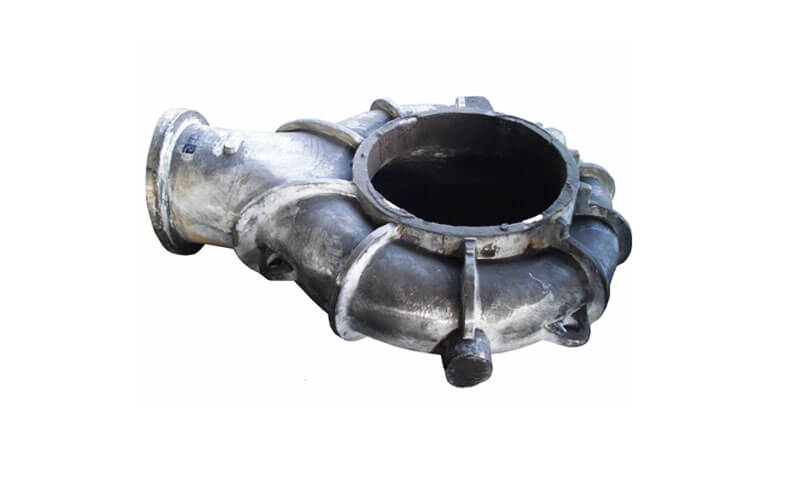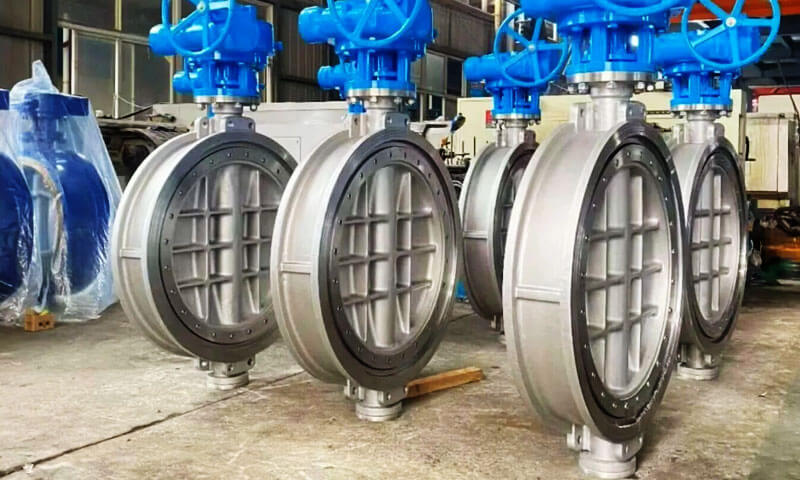
Leptir ventili su među najrasprostranjenijim uređajima za kontrolu protoka u industrijskim cevovodnim sistemima, nudi jednostavan, kompaktan, i isplativo rešenje za regulisanje protoka gasova, tečnosti, i muljke.
Kada aplikacija zahtijeva snagu, ekonomija, i umjerena otpornost na koroziju, leptir ventili od ugljeničnog čelika postanu zadani izbor – posebno u tretmanu vode, Ulje i plin, Generacija energije, i opće industrijske usluge.
Proizvodnja komponenti leptir ventila od ugljeničnog čelika—tijela, diskovi, stabljike, i nosači – tradicionalno se oslanjao na livenje u pijesak ili izradu.
Međutim, Investicijska livenja (Izgubljeni vosak) se pojavio kao superioran proizvodni put za mnoge komponente ventila od ugljeničnog čelika, koji nude preciznost oblika blizu mreže, Odlična površinska obrada, Uske dimenzionalne tolerancije, i dosljedna mehanička svojstva.
Ovaj članak pruža sveobuhvatan tehnički i strateški vodič za rješenja za livenje leptira od ugljičnog čelika.
1. Šta je leptir ventil od ugljeničnog čelika?
A Carbon čelik Leptir ventil je rotacijski ventil sa četvrtinom okreta dizajniran za pokretanje, stani, ili regulisati protok fluida rotacijom kružnog diska oko centralnog vratila.
Za razliku od ventila sa linearnim kretanjem, kao što su zasuni ili kuglični ventili, leptir ventili zahtevaju samo rotaciju od 90 stepeni za kretanje između potpuno otvorenih i potpuno zatvorenih položaja, omogućava brz rad sa minimalnim obrtnim momentom.
Njihov jednostavan, ali efikasan dizajn čini ih jednim od najsvestranijih tipova ventila za industrijske sisteme za rukovanje fluidima.
Leptir ventili od ugljeničnog čelika se široko koriste u cjevovodima za transport vode, pare, ulja, prirodni gas, komprimirani zrak, i razne nekorozivne ili blago korozivne medije.
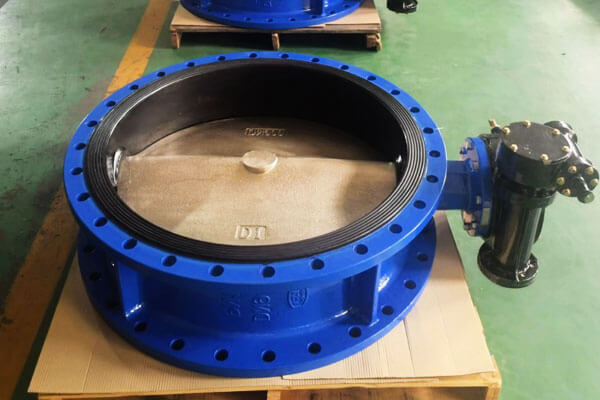
Osnovne komponente leptir ventila
| Komponenta | Funkcija |
| Tijelo | Kućište koje sadrži disk, sjedala, i stablo; obezbeđuje cevne veze (prirubljiv, lug, vafla). |
| Disk | Rotirajući element za zatvaranje; kontroliše protok rotirajući iz otvorenog u zatvoreni položaj. |
| Stabljika (osovina) | Prenosi obrtni moment sa aktuatora na disk. |
| Sjedala | Osigurajte brtvljenje između diska i tijela; zamjenjivi ili integralno liveni. |
| Aktuator | Priručnik (poluga, ručni kotač) ili automatizirano (pneumatski, električni, hidraulički). |
| Poklopac / gornja prirubnica | Sadrži vreteno i omogućava montažu aktuatora. |
| Brtve | Spriječite curenje duž stabljike. |
Vrste dizajna kućišta leptir ventila
| Tip tijela | Opis | Tipične aplikacije |
| Wafer-style | Tanko tijelo sa rupama za vijke; u sendviču između prirubnica cijevi. | Nizak pritisak, kompaktni sistemi, Hvac, vodene linije. |
| Lug-style | Umetci sa navojem sa svake strane; moguća usluga na kraju linije. | Umjeren pritisak; pristup za održavanje. |
| Prirubljiv | Integralne prirubnice na oba kraja; pričvršćen direktno na prirubnice cijevi. | Visok pritisak, sistemi velikog prečnika, ulja & plin. |
| Čeoni zavar | Krajevi dizajnirani za zavarivanje u cijevi. | Visoka temperatura, visokog pritiska, sistemi koji su kritični do curenja. |
Kritični funkcionalni zahtjevi za leptir ventile od ugljičnog čelika
| Zahtjev | Inženjerske implikacije |
| Integritet pritiska | Mora izdržati unutrašnji pritisak (do ASME klase 150‑600 za ugljični čelik). |
| Snaga i čvrstina | Mora izdržati mehanička opterećenja, vibracija, i termalno biciklizam. |
| Dimenzionalna tačnost | Precizni provrt, oblaganje prirubnice, i poravnanje otvora na vretenu osiguravaju zaptivanje i rad. |
| Otpornost na koroziju | Umjerena otpornost na atmosferske utjecaje, voda, i blagi hemijski okruženja. |
| Zavarljivost | Ugljični čelik mora biti zavarljiv za ugradnju i popravku. |
| Isplativost | Niža cijena materijala od nehrđajućeg čelika; pogodan za ventile velikog prečnika. |
2. Zašto je livenje za ulaganje idealno za komponente leptir ventila
Investiciono livenje, opšte poznat kao proces livenja izgubljenog voska, je prepoznata kao jedna od najnaprednijih proizvodnih tehnologija za proizvodnju preciznih metalnih komponenti.
U poređenju sa konvencionalnim metodama livenja, investiciono livenje nudi značajna poboljšanja u tačnosti dimenzija, kvalitet površine, Strukturni integritet, i konzistentnost proizvodnje, što ga čini posebno pogodnim za komponente leptir ventila visokih performansi.
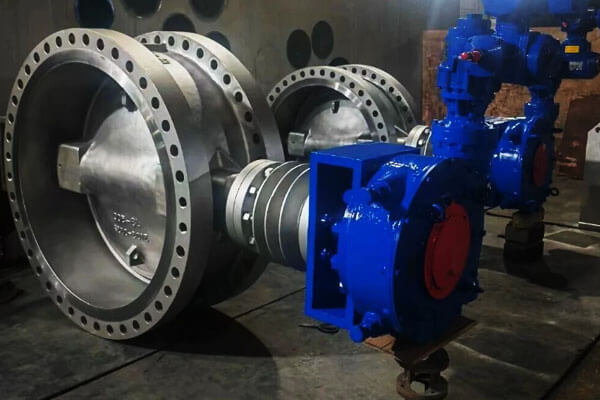
Izuzetna dimenzijska tačnost
Leptir ventili sadrže brojne precizno obrađene interfejse, uključujući prirubnice, Stemske dosade, Sedišta sa ležajevima, i brtvene površine.
Čak i mala odstupanja u dimenzijama mogu dovesti do curenja, preveliki radni moment, ili preranog trošenja.
Ulagano lijevanje proizvodi komponente oblika gotovo mreže sa malim tolerancijama, značajno smanjujući potrebu za korektivnom obradom i osiguravajući odličnu zamjenjivost između dijelova.
Prednosti uključuju:
- Poboljšana efikasnost montaže
- Smanjeni dodaci za obradu
- Bolje performanse zaptivanja
- Dosljedan kvalitet proizvoda u svim proizvodnim serijama
Vrhunska površinska obrada
Za razliku od livenja u pesak, gdje grube plijesni često ostavljaju grube površine, investiciono livenje koristi fine keramičke školjke koje precizno reproduciraju uzorak voska.
Tipična hrapavost površine kreće se od RA 3.2-6.3 μm, pružanje:
- Bolja adhezija premaza
- Smanjeni zahtjevi za poliranje
- Manji otpor tečnosti
- Poboljšan izgled za izložene komponente ventila
Lakši unutrašnji put protoka takođe doprinosi smanjenju turbulencije i manjem gubitku pritiska tokom rada.
Složena geometrija bez dodatne izrade
Moderna tijela leptir ventila često sadrže rebra za pojačanje, jastučići za montažu aktuatora, konture za vođenje protoka, i integrisane strukture podrške.
Proizvodnja ovih karakteristika kroz mašinsku obradu ili proizvodnju povećava složenost proizvodnje i troškove.
Investiciono livenje omogućava da se ove složene geometrije formiraju direktno tokom livenja, smanjenje broja zavarenih spojeva i poboljšanje integriteta konstrukcije.
Poboljšana metalurška kvaliteta
Zato što rastopljeni metal ispunjava precizni keramički kalup pod pažljivo kontrolisanim uslovima, investiciono livenje može postići:
- Uniformna struktura zrna
- Smanjena segregacija
- Niži inkluzivni sadržaj
- Poboljšana gustina
- Povećana otpornost na zamor
Ove metalurške prednosti su posebno vrijedne za ventile koji rade pod cikličnim pritiskom ili fluktuirajućim termičkim uvjetima.
Veća iskorištenost materijala
Tradicionalna obrada često uklanja značajan dio sirovog materijala kako bi se postigla konačna geometrija, što rezultira nepotrebnim otpadom.
Ulaganjem livenje proizvode se komponente približne njihovim konačnim dimenzijama, nudi nekoliko ekonomskih prednosti:
- Manje materijalnog otpada
- Smanjeno vrijeme obrade
- Manje trošenje alata
- Kraći proizvodni ciklusi
- Poboljšana održivost
Poređenje metoda proizvodnje
| Metoda proizvodnje | Preciznost | Završna obrada | Upotreba materijala | Proizvodna efikasnost | Prikladne aplikacije |
| Investicijska livenja | Odličan | Odličan | Odličan | Visoko | Precizne komponente ventila |
| Livenje pijeska | Umjeren | Grubo | Umjeren | Visoko | Veliki, jednostavni odljevci |
| Kovanje | Odličan | Dobro | Umjeren | Srednji | Delovi pod pritiskom visoke čvrstoće |
| CNC obrada | Odličan | Odličan | Niska | Niska | Mala serija prilagođenih komponenti |
3. Odabir materijala od ugljičnog čelika za investicijsko livenje
Odabir materijala jedna je od najkritičnijih inženjerskih odluka u proizvodnji leptir ventila od livenih za ulaganje.
Dok proces livenja po investiciji određuje točnost dimenzija i strukturni integritet, The klasa ugljeničnog čelika
Uobičajene klase ugljičnog čelika za leptir ventile od livenog za ulaganje
Različite vrste ugljeničnog čelika su dizajnirane da zadovolje specifične uslove rada.
Standardni liveni ugljenični čelici kao npr WCB i WCC se široko koriste za opće industrijske primjene, dok niskotemperaturne klase kao npr LCB i LCC su odabrani za kriogenu uslugu.
Za okruženja sa povišenim temperaturama, liveni čelici od legure hrom-molibdena uključujući WC6 i WC9
Tabela u nastavku rezimira najčešće korištene razrede za komponente leptir ventila livenih za ulaganje.
| ASTM razred | US br. | Ugljik (%) | Snaga prinosa (MPa) | Zatezna čvrstoća (MPa) | Izduženje (%) | Maksimalna temperatura usluge | Tipične aplikacije |
| WCA | J02502 | ≤0,25 | ≥205 | ≥415 | ≥24 | 425° C | Ekonomični ventili za niskotlačne i nekritične usluge |
| WCB | J03002 | ≤0.30 | ≥250 | ≥485 | ≥22 | 425° C | Standardni leptir ventili za vodu, ulja, plin, i paru |
| WCC | J02505 | ≤0,25 | ≥275 | ≥485 | ≥22 | 425° C | Ventili za teške uslove rada koji zahtijevaju veću čvrstoću i poboljšanu zavarljivost |
| LCB | J03003 | ≤0,25 | ≥240 | ≥450 | ≥22 | -46° C | Niskotemperaturni cjevovodi i rashladni sistemi |
| LCC | J03005 | ≤0,25 | ≥275 | ≥485 | ≥22 | -46° C | LNG postrojenja, kriogena obrada, i primjene u hladnoj klimi |
| WC6 | J12072 | 0.05-0.20 | ≥275 | ≥550 | ≥20 | 540° C | Visokotemperaturni sistemi za proizvodnju pare i električne energije |
| WC9 | J21890 | 0.05–0,18 | ≥310 | ≥585 | ≥20 | 595° C | Visokotemperaturna petrohemijska i rafinerijska oprema |
Među ovim materijalima, ASTM A216 WCB ostaje standard u industriji za kućišta leptir ventila od ugljeničnog čelika zbog svoje odlične ravnoteže mehaničkih performansi, castibilnost, obratnost, i isplativost.
To je poželjan izbor za većinu industrijskih aplikacija koje rade pod ambijentalnim ili umjereno povišenim temperaturama.
4. Proces proizvodnje odlivaka za leptir ventil
Performanse leptir ventila od ugljičnog čelika nisu određene samo njegovim dizajnom i odabirom materijala, već i preciznošću i stabilnošću njegovog proizvodnog procesa..
Investiciono livenje, takođe poznat kao i proces livenja izgubljenog voska, je visoko kontrolirana proizvodna metoda sposobna za proizvodnju složenih komponenti ventila s izuzetnom preciznošću dimenzija, Odlična površinska obrada, i konzistentna metalurška svojstva.
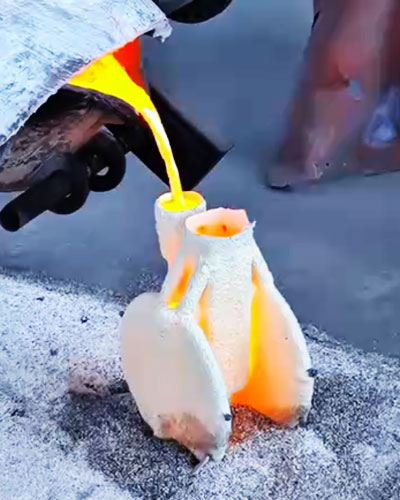
Za razliku od konvencionalnog lijevanja u pijesak, investiciono livenje proizvodi u blizini neto komponente koje zahtijevaju znatno manje strojne obrade uz zadržavanje užih tolerancija.
Ovaj proces je posebno pogodan za tijela leptir ventila, diskovi, Montažni nosači, i druge strukturne dijelove gdje preciznost direktno utiče na performanse zaptivanja i operativnu pouzdanost.
Pregled toka procesa
| Faza | Korak | Ključni detalj |
| 1 | Proizvodnja uzoraka | Ubrizgavanje voska u preciznu metalnu matricu (alat) replicirajući oblik tijela ventila. |
| 2 | Montaža drveta | Višestruki voštani uzorci pričvršćeni za središnji izljev (drvo). |
| 3 | Zgrada školjke | 6-10 slojeva keramičke smjese (Silica Sol) + stucco (cirkon/aluminijum). |
| 4 | Dewaxing | Parni autoklav topi vosak; ostaci školjke. |
5 |
Ispaljivanje granata | Pečen na 900-1100°C da ojača keramiku i ukloni isparljive materije. |
| 6 | Topljenje ugljeničnog čelika & izlijevanje | Indukcija ili topljenje luka na 1550‑1650°C; sipa se u prethodno zagrejanu školjku. |
| 7 | Hlađenje & nokaut | Kontrolirano hlađenje; školjka uklonjena vibracijom ili mlazom vode. |
| 8 | Cut‑off & završna obrada | Prerezane kapije i uspone; brušenje, pucanj, prevrtanje. |
| 9 | Toplotni tretman | Normalizacija ili ublažavanje stresa za postizanje specificiranih svojstava. |
| 10 | Inspekcija & testiranje | Vizualan, dimenzionalan, NDT (Rendgen, Dye Penetrant), ispitivanje hidrostatskim pritiskom. |
Kontrole kritičnih procesa za tijela ventila od ugljičnog čelika
| Faktor | Target | Zašto je važno |
| Temperatura izlijevanja | 1550-1650°C | Prenisko → pogrešno pokretanje; previsoka → erozija školjke, poroznost gasa. |
| Prethodno zagrijati ljusku | 200-600°C | Sprečava termički šok; poboljšava punjenje. |
| Stopa hlađenja | Kontroliran (zrak) | Sprečava taloženje karbida; osigurava čvrstinu. |
| Dizajn ulaznih vrata | Izbjegava turbulencije; promovira usmjereno učvršćivanje | Smanjuje inkluzije i poroznost skupljanja. |
| Toplotni tretman | Normalizacija (870-930°C) ili oslobađanje od stresa (600-650°C) | Postiže određena mehanička svojstva; ublažava rezidualni stres. |
Toplinska obrada odljevaka ventila od ugljičnog čelika
| Tretman | Temperatura | Hlađenje | Svrha |
| Normalizacija | 870-930°C | Zrak cool | Rafinira strukturu zrna; poboljšava snagu i žilavost. |
| Olakšanje stresa | 600-650°C | Peć ili hlađenje na zraku | Smanjuje zaostalo naprezanje od livenja i zavarivanja. |
| Gašenje & kaljenje | 850-900°C (utapati) + 550-650°C (teme) | Ulje ili voda + zrak | Povećava snagu i tvrdoću (za aplikacije višeg kvaliteta). |
5. Rješenja za otpornost na koroziju i zaštitu površine
Ugljični čelik je široko cijenjen zbog svoje visoke čvrstoće, Odlična obrada, i isplativost. Međutim, za razliku od nerđajućeg čelika, to ne posjeduje inherentnu otpornost na koroziju.
Kada je izložen kisiku, vlaga, soli, ili hemijski agresivnog medija, ugljenični čelik je podložan oksidaciji, ujednačena korozija, pištanje, i korozija pukotina.
Bez odgovarajuće zaštite, ovi mehanizmi korozije mogu postepeno smanjiti debljinu zida, umanjiti performanse zaptivanja, povećati radni moment, i na kraju skraćuju vijek trajanja leptir ventila.
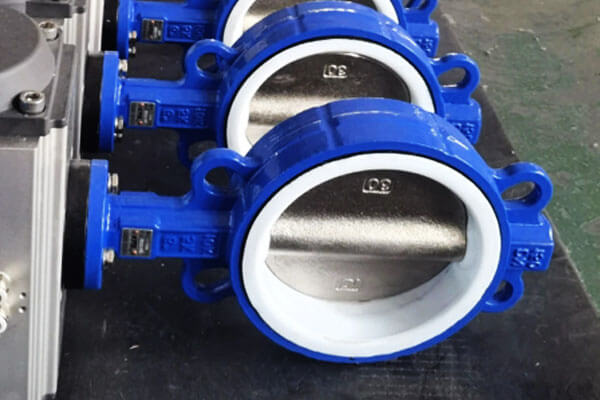
Srećom, Napredak u površinskom inženjerstvu omogućio je leptir ventilima od ugljičnog čelika da postignu dugotrajnu izdržljivost čak iu zahtjevnim uvjetima rada korištenjem zaštitnih premaza, Metalne završne obrade, obloge, i pravilne strategije održavanja.
Uobičajene metode zaštite od korozije
Dostupne su različite tehnologije površinske obrade za leptir ventile od ugljičnog čelika, svaki nudi različite nivoe otpornosti na koroziju, Zaštita od habanja, i ekonomska efikasnost.
| Metoda zaštite | Opis procesa | Tipična debljina premaza (μm) | Procijenjeni vijek trajanja* | Tipične aplikacije |
| Epoxy Painting / Tečni premaz | Nanošenje industrijske epoksidne boje prskanjem ili četkom | 100-300 | 5–15 godina | Opći industrijski ventili, voda, zrak, Hvac |
| Praškasti premaz | Elektrostatičko prskanje prahom praćeno sušenjem u pećnici | 60-120 | 10–20 godina | Komunalna voda, Industrijska oprema, vanjske instalacije |
| Fusion Bonded Epoxy (FBE) | Elektrostatički epoksidni prah nanosi se na zagrijanu čeličnu površinu | 250-500 | 20–30 godina | Vodovodni cjevovodi, zakopani cjevovodi, sistemi za zaštitu od požara |
| Vruće pocinčavanje | Potapanje u rastopljeni cink da se formira metalurški cink premaz | 50-100 | 20–40 godina | Vanjske konstrukcije, priobalni objekti, pomorsku opremu |
| Elektroplata (Cink/nikl) | Elektrohemijsko taloženje metalnih premaza | 5-25 | 5–15 godina | Pričvršćivači, stabljike, dekorativna ili laka zaštita |
Fosfativ |
Prevlaka za hemijsku konverziju koja proizvodi fosfatni sloj | 5-20 | 2-5 godina | Predtretman prije farbanja, privremena zaštita od korozije |
| PTFE/FEP obloga ili premaz | Fluoropolimerna obloga nanesena na unutrašnje površine | 300-1000 | Zavisi od uslova usluge | Korozivne hemikalije, kiseline, Alkalis |
| Katodna zaštita | Žrtvene anode ili sistemi impresionirane struje | - | Ovisno o dizajnu | Sahranjeni cjevovodi, potopljeni ventili |
| Corrosion Allowance | Dodatna debljina zida uključena je tokom projektovanja | 1-3 mm | Ovisno o dizajnu | Dugoročni industrijski cjevovodi |
Zabilježiti: Stvarni vijek trajanja varira ovisno o uvjetima okoline, kvaliteta premaza, prakse održavanja, i radna temperatura.
Među ovim metodama, Fusion Bonded Epoxy (FBE) je postala jedno od najrasprostranjenijih rješenja za leptir ventile od ugljičnog čelika u općinskom vodosnabdijevanju, Pročišćavanje otpadnih voda, i infrastrukturu cjevovoda zbog odlične adhezije, Kemijska otpornost, i dugoročna izdržljivost.
Odabir odgovarajućeg sistema za zaštitu površine
Nijedan sistem premaza nije prikladan za svako radno okruženje.
Odabir rješenja za zaštitu od korozije trebao bi se zasnivati na sveobuhvatnoj procjeni izloženosti okoliša, medijske karakteristike, servisna temperatura, mehaničko habanje, i dostupnost održavanja.
Sljedeće preporuke pružaju praktične smjernice za uobičajene scenarije primjene.
| Operativno okruženje | Preporučena površinska zaštita | Inženjersko obrazloženje |
| Indoor, Suva okruženja | Epoksidna boja ili praškasti premaz (100-150 μm) | Ekonomična zaštita od atmosferske korozije |
| Na otvorenom, neobalne instalacije | Epoksidni premaz visoke građe ili vruće pocinčavanje | Odlična otpornost na kišu, vlaga, i UV ekspozicija |
| Obalno i morsko okruženje | Toplo cinkovanje sa epoksidnim završnim premazom (dupleks sistem premaza) | Cink pruža žrtvu zaštitu dok epoksid djeluje kao barijera protiv slanog spreja |
| Vodovod i tretman otpadnih voda | Unutarnji i vanjski Fusion Bonded Epoxy (FBE) premaz | Odlična otpornost na vodu, Blage hemikalije, i mikrobiološki pod utjecajem korozije |
Hemijska obrada |
PTFE ili FEP obloga; alternativno, nerđajući čelik za teške servise | Fluoropolimerne obloge otporne su na agresivne kiseline, Alkalis, i otapala |
| Sahranjeni cjevovodi | FBE premaz u kombinaciji sa katodnom zaštitom | Sprječava koroziju tla i produžava vijek trajanja pod zemljom |
| Okruženja sa visokim stepenom abrazije | Epoksidni keramički premaz ili polimerni premaz otporan na habanje | Poboljšava otpornost i na koroziju i na habanje |
Strategije dizajna za poboljšanu otpornost na koroziju
Pored površinskih tretmana, promišljen inženjerski dizajn igra značajnu ulogu u poboljšanju otpornosti na koroziju leptir ventila od ugljičnog čelika.
Ključna razmatranja dizajna uključuju:
- Održavanje jednoliko debljina zida kako bi se lokalizirana korozija svela na minimum.
- Uklanjanje pukotina u kojima se mogu akumulirati vlaga i zagađivači.
- Dizajniranje glatkih unutrašnjih prolaza za smanjenje erozije-korozije.
- Uključuje velike radijuse kako bi se izbjegla koncentracija naprezanja i stanjivanje premaza.
- Izolacija različitih metala radi sprječavanja galvanske korozije.
- Dozvoljava dovoljnu količinu korozije u aplikacijama sa predvidljivim gubitkom materijala.
- Odabir kompatibilnih materijala za brtvljenje i pričvršćivača za radno okruženje.
6. Uobičajeni defekti livenja i inženjerska rešenja
Investiciono livenje je poznato po proizvodnji visoko preciznih komponenti, ipak nijedan proizvodni proces nije potpuno imun na nedostatke.
Varijacije u dizajnu kalupa, Kvalitet metala, Parametri za sipanje, uslovi hlađenja, ili kontrola procesa može dovesti do nesavršenosti koje utiču na mehanička svojstva, tačnost dimenzija, i performanse zaptivanja komponenti leptir ventila.
Razumijevanje korijenskih uzroka ovih nedostataka – i implementacija odgovarajućih inženjerskih rješenja – ključno je za postizanje dosljednog kvaliteta proizvoda i minimiziranje troškova proizvodnje.
| Defekt | Vizuelni/NDT potpis | Osnovni uzrok | Prevencija / lijek |
| Poroznost gasa | Okrugle unutrašnje šupljine | Otopljeni vodonik/azot; Neadekvatna deoksidacija. | Spaliti da se rastopi; poboljšati praksu izlivanja; koristite čisto punjenje. |
| Skupljanje poroznosti | Jagged, nepravilne unutrašnje šupljine | Nedovoljno hranjenje; loš dizajn uspona. | Optimizirajte ulaz/izlaz; koristite zimicu; simulirati očvršćavanje. |
| Vruće suze | Pukotine sa neravnim ivicama | Vlačni napon tokom konačnog očvršćavanja; ograničenje kalupa. | Smanjite temperaturu izlivanja; poboljšati sklopivost školjke. |
| Uključivanja (oksid/šljaka) | Nepravilne nemetalne čestice | Turbulentno izlijevanje; prljava talina; erodirana školjka. | Keramički filteri; donje sipanje; čisto punjenje. |
Egipat / hladno zatvoreno |
Nepotpuno punjenje; presavijena površina | Niska temperatura izlivanja; slaba fluidnost. | Povećajte temperaturu izlivanja; poboljšati gating. |
| Hrapavost površine / peraje | Povišene linije na površini | Pucanje ljuske tokom punjenja; niska čvrstoća školjke. | Povećajte debljinu ljuske; koristite jače vezivo. |
| Dimenzionalno odstupanje | Dimenzije van tolerancije | Varijacije skupljanja voska; ekspanzija ljuske; die wear. | Kontrolno ubrizgavanje voska; održavati stanje matrice. |
Osiguranje kvalitete za odljevke ventila od ugljičnog čelika
| QA element | Metoda | Kriterijumi prihvatanja |
| Hemijska analiza | Spektrometrija | Zadovoljava ASTM A216 specifikaciju. |
| Mehanički testiranje | Zategnut, tvrdoća, uticaj | Prinos ≥250 MPa; Izduženje ≥22%. |
| NDT | Dye Penetrant (Pt) ili radiografiju (Rt) | Nema pukotina, poroznost premašuje specifikaciju. |
| Dimenzionalna inspekcija | Cmm, mjerači | Zadovoljava tolerancije crteža; ravnost lica prirubnice. |
| Ispitivanje pritiska | Hidrostatski (1.5× Nazivni pritisak) | Nema curenja; nema deformacije. |
| Površinski finiš | Vizualan, profilometar | Ra ≤6,3 µm (ili kako je navedeno). |
7. Prednosti leptir ventila od ugljičnog čelika
| Prednost | Objašnjenje |
| Složene geometrije | Unutrašnji protočni prolazi, rebra, prirubnice, i montažne karakteristike izlivene kao integralno. |
| Oblik gotovo mreže | Smanjuje vrijeme obrade i gubitak materijala (85‑95% prinos materijala). |
| Odlična površinska obrada | As-cast Ra 1,6‑6,3 µm smanjuje otpor protoka i probleme sa zaptivanje. |
| Uske dimenzionalne tolerancije | ±0,1‑0,3 mm; osigurava poravnanje prirubnica i nepropusno zaptivanje. |
| Konzistentna mehanička svojstva | Uniformna struktura zrna; pouzdana čvrstoća i žilavost. |
| Fleksibilnost legure | Casts WCB, WCC, LCB, LCC, WC6, WC9, i prilagođene ocjene. |
| Isplativost | Niži ukupni troškovi od kovanja + mašinska obrada za složene oblike. |
| Integritet pritiska | Zvučni odlivci izdržavaju visoke pritiske (Klasa 150‑600). |
| Zavarljivost | Lijevani ugljični čelik se lako zavaruju za ugradnju i popravku. |
| Skalabilnost | Pogodno za serije od 100 do 10,000+ komponente godišnje. |
8. Industrijska primjena leptir ventila od ugljičnog čelika
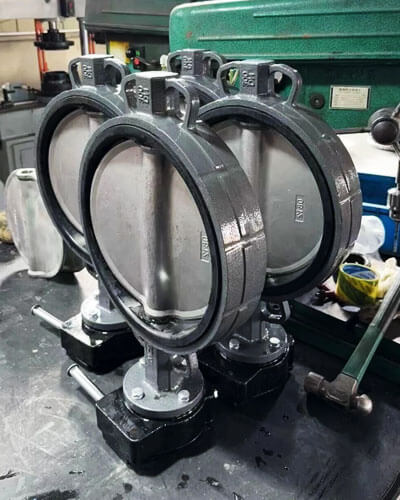
Leptir ventili od ugljičnog čelika proizvedeni livenjem u investicioni sistem naširoko se koriste u industrijama koje zahtevaju pouzdanu kontrolu protoka, Visoka mehanička čvrstoća, i isplativ rad.
Njihova odlična sposobnost podnošenja pritiska, u kombinaciji s preciznom proizvodnjom i zaštitnim površinskim tretmanima, omogućava im da efikasno rade u širokom spektru uslužnih okruženja.
Industrija nafte i gasa
Sektor nafte i plina postavlja neke od najviših zahtjeva za performanse ventila.
Leptir ventili se obično postavljaju uzvodno, srednji tok, i nizvodne operacije gdje regulišu protok sirove nafte, prirodni gas, rafinirani proizvodi, i pomoćne procesne tečnosti.
Tipične aplikacije uključuju:
- Cjevovodni transportni sistemi
- Rafinerije nafte
- Postrojenja za preradu plina
- Terminali za skladištenje
- Offshore platforme
- Pumpne stanice
Vodovod i tretman otpadnih voda
Općinska vodovodna infrastruktura se u velikoj mjeri oslanja na leptir ventile jer pružaju ekonomičnu kontrolu protoka za cjevovode velikog prečnika.
Uobičajene aplikacije uključuju:
- Distribucija vode za piće
- Postrojenja za pročišćavanje vode
- Postrojenja za tretman otpadnih voda
- Pumpne stanice
- Sistemi za navodnjavanje
- Postrojenja za desalinacije
Hemijska prerađivačka industrija
Postrojenja za hemijsku proizvodnju zahtevaju ventile koji mogu da rukuju širokim spektrom tečnosti i gasova pod kontrolisanim uslovima.
Leptir ventili od ugljičnog čelika prikladni su za blago korozivne medije kada su opremljeni odgovarajućim oblogama ili zaštitnim premazima.
Tipične aplikacije uključuju:
- Cjevovodi za prijenos kemikalija
- Spremnici za skladištenje
- Sistemi rashladne vode
- Komunalni cjevovodi
- Sistemi za rukovanje rastvaračima
Ovisno o mediju procesa, diskovi i sjedišta ventila mogu biti obloženi PTFE-om ili drugim materijalima otpornim na koroziju.
Generacija energije
Elektrane rade pod visokim temperaturama i pritiscima, zahtijevaju pouzdane performanse ventila kroz kontinuirane radne cikluse.
Leptir ventili se obično koriste u:
- Cirkulacija rashladne vode
- Kondenzatorski sistemi
- Pomoćni sistemi kotlova
- Odluzanost dimnih gasova (FGD)
- Mreže za zaštitu od požara
Rudarstvo i prerada minerala
Rudarski radovi transportuju abrazivni mulj, otpadne vode, i procesne tečnosti koje dovode do značajnog habanja opreme cevovoda.
Leptir ventili se često ugrađuju:
- Sistemi za transport stajnjaka
- Cjevovodi jalovine
- Postrojenja za preradu rude
- Sistemi za povrat vode
- Sistemi za suzbijanje prašine
Morska i brodogradnja industrija
Morsko okruženje izlaže opremu vlazi, slani sprej, i fluktuirajuće temperature.
Tipične aplikacije uključuju:
- Sistemi sa balastnim vodama
- Krugovi rashladne vode
- Kaljužni sistemi
- Cijevi za prijenos goriva
- Sistemi zaštite od požara
HVAC i građevinske usluge
Poslovne zgrade i industrijski objekti koriste leptir ventile za grijanje, ventilacija, i sisteme klimatizacije.
Aplikacije uključuju:
- Sistemi za hlađenu vodu
- Cirkulacija tople vode
- Rashladni tornjevi
- Daljinsko grijanje
- Sistemi za prskanje požara
Prehrambene i opće industrijske komunalne usluge
Iako je nehrđajući čelik općenito poželjniji za higijenske procese, Leptir ventili od ugljeničnog čelika se široko koriste u komunalnim sistemima koji služe za hranu i piće.
Tipične aplikacije uključuju:
- Distribucija pare
- Voda za hlađenje
- Komprimirani zrak
- Komunalni cjevovodi
- Neproizvodna procesna voda
9. Carbon čelik Vs. Leptir ventil od nehrđajućeg čelika
Biranje između a Carbon čelik i a leptir ventil od nerđajućeg čelika zahtijeva procjenu više od početne kupovne cijene.
Inženjeri moraju uzeti u obzir mehaničke performanse, Otpornost na koroziju, operativno okruženje, zahtjevi za održavanjem, City COST, i usklađenost sa industrijskim standardima.
| Faktor poređenja | Leptir ventil od ugljičnog čelika | Leptir ventil od nehrđajućeg čelika |
| Uobičajene ocjene materijala | ASTM A216 WCB, WCC, LCB, LCC | ASTM A351 CF8, Cf8m, CF3, Cf3m |
| Mehanička čvrstoća | Odlična čvrstoća i krutost; idealan za srednje- i sistemi visokog pritiska | Visoka čvrstoća sa odličnom žilavošću; nešto niža granica popuštanja za neke austenitne klase |
| Otpornost na koroziju | Umjeren; zahtijeva zaštitne premaze ili obloge za sprječavanje hrđe | Izuzetna otpornost na koroziju zbog pasivnog filma bogatog hromom |
| Mogućnost temperature | Pogodno za otprilike -46°C do 425°C (specijalne klase dostupne za više temperature) | Pogodan i za kriogenu upotrebu i za povišene temperature, zavisno od razreda legure |
| Performanse pritiska | Odličan kapacitet podnošenja pritiska za industrijske cevovodne sisteme | Uporediva sposobnost pritiska kada je projektovana prema istim standardima |
Zahtjevi za zaštitu površine |
Epoksidni premaz, FBE, pocinčavanje, PTFE obloga, ili su općenito potrebni drugi zaštitni tretmani | Obično nije potreban vanjski premaz osim zbog estetskih ili posebnih uvjeta rada |
| Otpornost na habanje i abraziju | Odličan nakon termičke obrade; pogodan za abrazivne industrijske medije | Dobra otpornost na habanje; može zahtijevati tvrdo oblaganje u aplikacijama sa teškim habanjem |
| Zavarljivost | Dobro (posebno WCC); može zahtijevati toplinsku obradu nakon zavarivanja ovisno o debljini | Odlična zavarljivost sa minimalnim tretmanom nakon zavarivanja za mnoge vrste |
| Obratnost | Bolja obradivost; manje habanje alata i veće brzine obrade | Teže za obradu zbog veće sklonosti ka kaljenju |
| Troškovi proizvodnje | Niži troškovi sirovina i prerade | Veći troškovi materijala i obrade |
| Zahtevi za održavanje | Potreban periodični pregled premaza i održavanje korozije | Manje održavanje u korozivnim sredinama zbog samopasivirajuće površine |
Očekivani životni vijek |
Dug vijek trajanja uz pravilno premazivanje i održavanje | Veoma dug radni vek, posebno u korozivnim ili morskim sredinama |
| Tipične aplikacije | Ulja & plin, pročišćavanje vode, Hvac, Generacija energije, rudarstvo, opštinska infrastruktura | Hemijska obrada, Marine Engineering, farmaceutski, hrana & pića, desalinacija, Offshore platforme |
| Primarne prednosti | Visoka čvrstoća, ekonomičan, odlična otpornost na pritisak, idealan za ventile velikog prečnika | Vrhunska otpornost na koroziju, higijenski, Nisko održavanje, odlična izdržljivost |
| Primarna ograničenja | Osjetljiv na koroziju bez zaštitne obrade | Veća početna investicija i troškovi obrade |
| Najbolji izbor scenarija | Projekti osjetljivi na troškove s nekorozivnim ili blago korozivnim medijima | Vrlo korozivno, sanitarni, bogat hloridom, ili okruženja kritična za održavanje |
| Ukupne performanse troškova | Niža početna investicija i odlična vrijednost za opće industrijske usluge | Veći početni trošak, ali niže održavanje i duži vijek trajanja u korozivnim aplikacijama |
10. Zaključak
Kako industrijski sistemi nastavljaju da se razvijaju ka većoj efikasnosti, veća pouzdanost, i niži troškovi životnog ciklusa, potražnja za precizno projektovanom opremom za kontrolu protoka nikada nije bila veća.
Među mnogim tehnologijama proizvodnje ventila koje su danas dostupne, investicijsko lijevanje se etablirao kao jedan od najnaprednijih i najpouzdanijih procesa za proizvodnju leptir ventila visokog kvaliteta od ugljičnog čelika.
Njegova sposobnost proizvodnje složenih komponenti sa izuzetnom preciznošću dimenzija, Vrhunska površinska obrada, i konzistentna metalurška svojstva pružaju značajnu konkurentsku prednost u odnosu na konvencionalne metode livenja.
Gledajući unaprijed, tehnologije u nastajanju—uključujući industriju 4.0, umjetna inteligencija (Ai), Industrijski internet stvari (Iiot), Robotska automatizacija, Digitalni blizanci, i praćenje procesa u realnom vremenu—očekuje se da će dalje transformirati industriju investicionog livenja.
Kako industrije i dalje zahtijevaju bolje performanse, duži život, i niži trošak, ventili od ugljičnog čelika – sa svojim robusnim dizajnom i preciznom proizvodnjom – ostat će kritično rješenje za kontrolu protoka.
Prilagođeni leptir ventil od ugljičnog čelika iz livnice LangHe
Langhe livnica specijalizirana je za proizvodnju po narudžbi komponenti leptir ventila od lijevanog ugljičnog čelika, nudi integrirana rješenja od inženjerskog dizajna i preciznog livenja do CNC obrade, toplotni tretman, Završetak površine, i kvalitetno inspekcija.
Bilo za naftu i gas, pročišćavanje vode, Generacija energije, Hemijska obrada, rudarstvo, Marine Engineering, ili opšti industrijski cevovodni sistemi,
LangHe Foundry nudi prilagođena rješenja za livenje leptir ventila dizajnirana da zadovolje međunarodne standarde i tehničke zahtjeve specifične za kupce.
Kombinacija inženjerske ekspertize, Precizna proizvodnja, i stroga kontrola kvaliteta čini LangHe pouzdanim partnerom za OEM proizvođače, proizvođači ventila, i dobavljači industrijske opreme koji traže trajnu, komponente leptir ventila od ugljičnog čelika visokih performansi.
FAQs
Koji je najčešći tip ugljičnog čelika za tijela leptir ventila?
WCB (ASTM A216) je najčešći tip za tijela leptir ventila opće namjene, nudeći dobru snagu (≥485 MPa vlačna), zavarljivost, i ekonomija.
Koja je razlika između vafla i ventila u stilu lug?
Ventili u obliku pločice su tanki i stegnuti između prirubnica; ne mogu se koristiti kao ventili na kraju linije.
Ventili u stilu lug imaju umetke s navojem i mogu se pričvrstiti na jednu stranu cijevi radi servisiranja na kraju linije.
Mogu li se leptir ventili od ugljičnog čelika zavariti na terenu?
Da, WCB i WCC tipovi su lako zavarljivi. Predgrevanje (100-150°C) i termička obrada nakon zavarivanja preporučuju se za debele profile.
Zašto se za leptir ventile od ugljičnog čelika preferira livenje u investiciju u odnosu na lijevanje u pijesak?
Lijevanje po ulaganju nudi znatno veću preciznost dimenzija, glatkije površine, i strože proizvodne tolerancije od tradicionalnog livenja u pesak.
Zato što se komponente proizvode u obliku skoro mreže, potrebno je manje mašinske obrade, smanjenje vremena proizvodnje i materijalnog otpada.
Pored toga, livenje za ulaganje proizvodi ujednačeniju mikrostrukturu sa manje unutrašnjih defekata, što rezultira poboljšanom mehaničkom čvrstoćom, Performanse za brtvljenje, i konzistentnost proizvoda.
Ove prednosti ga čine posebno pogodnim za komponente leptir ventila koje zahtijevaju precizne površine za spajanje i pouzdan dugotrajan rad.