1. ভূমিকা
3ডি প্রিন্টিং, সংযোজন উত্পাদন হিসাবেও পরিচিত, দ্রুত প্রোটোটাইপিং সক্ষম করে আধুনিক উত্পাদনে বিপ্লব ঘটেছে, কাস্টমাইজেশন, এবং ব্যয়বহুল উত্পাদন.
প্রথাগত বিয়োগমূলক উত্পাদন থেকে ভিন্ন, which removes material from a solid block, 3D printing constructs objects layer by layer based on digital models.
Initially developed for prototyping, it has now expanded into large-scale industrial applications, ranging from aerospace to healthcare.
This article explores the fundamentals of 3D printing, key technologies, material options, শিল্প অ্যাপ্লিকেশন, সুবিধা, চ্যালেঞ্জ, and future innovations shaping this transformative technology.
2. Fundamentals of 3D Printing
3ডি প্রিন্টিং, সংযোজন উত্পাদন হিসাবেও পরিচিত, has transformed the way products are designed, prototyped, and manufactured.
প্রথাগত বিয়োগমূলক উত্পাদন থেকে ভিন্ন, where material is removed from a solid block, 3D printing builds objects layer by layer based on digital models.
This approach enables complex geometries, উপাদান বর্জ্য হ্রাস, and allows for on-demand production.
3D প্রিন্টিং কি?
3D printing is an additive manufacturing process that creates physical objects from digital designs by successively adding material in layers.
The process is guided by computer-controlled machines that follow instructions from a 3D model.
Basic Workflow of 3D Printing
The process of 3D printing follows a standardized workflow:
- 3ডি মডেলিং – The object is designed using ক্যাড (কম্পিউটার-সহায়ক ডিজাইন) সফ্টওয়্যার.
- Slicing – The model is converted into layers and instructions using slicing software.
- Printing – The 3D printer follows the instructions to build the object.
- পোস্ট-প্রসেসিং – The printed object undergoes cleaning, নিরাময়, or finishing treatments.
3. Core Technologies in 3D Printing
3D printing technologies have evolved significantly, offering diverse solutions for various industries.
Each method has distinct advantages in terms of precision, উপাদান সামঞ্জস্যতা, উত্পাদন গতি, and application scope.
The most widely used technologies include ফিউজড ডিপোজিশন মডেলিং (এফডিএম), স্টেরিওলিথোগ্রাফি (এসএলএ), নির্বাচনী লেজার Sintering (এসএলএস),
ডাইরেক্ট মেটাল লেজার সিনটারিং (ডিএমএলএস) / ইলেক্ট্রন মরীচি গলানো (EBM), Binder Jetting, এবং Material Jetting.
ফিউজড ডিপোজিশন মডেলিং (এফডিএম) – Affordable and Versatile
প্রক্রিয়া:
এফডিএম, হিসাবে পরিচিত Fused Filament Fabrication (FFF), extrudes thermoplastic filament through a heated nozzle, depositing material layer by layer to create an object.
The printer moves according to the sliced digital model, gradually building the structure.

মূল বৈশিষ্ট্য:
- সাধারণ উপকরণ: পিএলএ, ABS, PETG, নাইলন, টিপিইউ
- রেজোলিউশন: 50–400 microns
- শক্তি: স্বল্প ব্যয়, user-friendly, fast prototyping
- সীমাবদ্ধতা: Visible layer lines, limited surface quality, lower strength compared to industrial methods
শিল্প অন্তর্দৃষ্টি:
According to market analysis, FDM accounts for over 50% of desktop 3D printing applications, making it the most widely used technique globally.
স্টেরিওলিথোগ্রাফি (এসএলএ) – High-Resolution Resin Printing
প্রক্রিয়া:
SLA employs an ultraviolet (ইউভি) লেজার to solidify liquid resin, forming precise layers. The laser selectively cures the photopolymer, gradually shaping the final object.

মূল বৈশিষ্ট্য:
- সাধারণ উপকরণ: Standard resins, tough resins, dental resins
- রেজোলিউশন: 25–100 microns
- শক্তি: উচ্চ নির্ভুলতা, মসৃণ পৃষ্ঠ সমাপ্তি, সূক্ষ্ম বিবরণ
- সীমাবদ্ধতা: পোস্ট প্রসেসিং প্রয়োজন (ওয়াশিং, নিরাময়), ভঙ্গুর উপকরণ
নির্বাচনী লেজার Sintering (এসএলএস) – Strong and Durable Parts
প্রক্রিয়া:
SLS uses a high-powered laser to fuse powdered material, সাধারণত nylon or thermoplastics, into solid layers.
Since SLS does not require support structures, এটি জটিল জ্যামিতি তৈরি করতে সক্ষম করে.

মূল বৈশিষ্ট্য:
- সাধারণ উপকরণ: নাইলন, টিপিইউ, যৌগিক গুঁড়ো
- রেজোলিউশন: 50–120 মাইক্রন
- শক্তি: শক্তিশালী, জটিল ডিজাইন সহ টেকসই অংশ, কোনও সমর্থন কাঠামোর প্রয়োজন নেই
- সীমাবদ্ধতা: ব্যয়বহুল শিল্প-গ্রেড প্রিন্টার, রুক্ষ পৃষ্ঠ সমাপ্তি
শিল্প অন্তর্দৃষ্টি:
এসএলএস শিল্প অ্যাপ্লিকেশনগুলির জন্য ব্যাপকভাবে ব্যবহৃত হয়, সঙ্গে নাইলন 12 এর কারণে সর্বাধিক মুদ্রিত উপাদান হওয়া উচ্চ প্রসার্য শক্তি এবং নমনীয়তা.
ডাইরেক্ট মেটাল লেজার সিনটারিং (ডিএমএলএস) & ইলেক্ট্রন মরীচি গলানো (EBM) – Metal 3D Printing for Industrial Applications
প্রক্রিয়া:
ডিএমএলএস এবং ইবিএম হ'ল ধাতব সংযোজনকারী উত্পাদন প্রযুক্তি উচ্চ-শক্তি উত্স ব্যবহার করুন (লেজার বা ইলেক্ট্রন বিম) ধাতব গুঁড়ো শক্ত অংশে ফিউজ করতে.
প্রধান পার্থক্য যে ডিএমএলএস একটি জড় গ্যাস পরিবেশে একটি লেজার ব্যবহার করে, যখন ইবিএম একটি ভ্যাকুয়াম চেম্বারে একটি বৈদ্যুতিন মরীচি নিয়োগ করে.

মূল বৈশিষ্ট্য:
- সাধারণ উপকরণ: টাইটানিয়াম, অ্যালুমিনিয়াম, স্টেইনলেস স্টিল, কোবাল্ট-ক্রোম
- রেজোলিউশন: 20–100 microns
- শক্তি: উচ্চ-শক্তি ধাতু অংশ, দুর্দান্ত যান্ত্রিক বৈশিষ্ট্য, লাইটওয়েট কাঠামো
- সীমাবদ্ধতা: ব্যয়বহুল, ধীরে ধীরে মুদ্রণের গতি, বিস্তৃত পোস্ট-প্রসেসিং প্রয়োজনীয়
শিল্প অন্তর্দৃষ্টি:
দ্বারা 2030, দ্য ধাতব 3 ডি প্রিন্টিং শিল্পকে ছাড়িয়ে যাওয়ার পূর্বাভাস দেওয়া হয়েছে $20 বিলিয়ন, driven by aerospace and medical advancements.
Binder Jetting – Fast and Scalable Manufacturing
প্রক্রিয়া:
Binder jetting sprays a liquid binding agent onto layers of powdered material, bonding them together.
Unlike SLS or DMLS, binder jetting does not use lasers, এটি তৈরি faster and more cost-effective উচ্চ-ভলিউম উত্পাদনের জন্য.

মূল বৈশিষ্ট্য:
- সাধারণ উপকরণ: ধাতু, বালি, সিরামিক, full-color polymers
- রেজোলিউশন: 50–200 microns
- শক্তি: Fast production speeds, multi-material capabilities, full-color printing
- সীমাবদ্ধতা: পোস্ট প্রসেসিং প্রয়োজন (sintering, infiltration), lower mechanical strength
শিল্প অন্তর্দৃষ্টি:
Binder jetting is gaining traction for mass-producing metal parts, অফার 50–100 times faster printing speeds than DMLS.
Material Jetting – Full-Color and Multi-Material Printing
প্রক্রিয়া:
Material jetting deposits liquid droplets of photopolymer, which are then cured layer by layer using UV light.
This allows high-resolution printing with multiple colors and material combinations.

মূল বৈশিষ্ট্য:
- সাধারণ উপকরণ: Photopolymers, wax, সিরামিক
- রেজোলিউশন: 16–50 microns
- শক্তি: High accuracy, full-color capability, মসৃণ পৃষ্ঠতল
- সীমাবদ্ধতা: ব্যয়বহুল, ভঙ্গুর উপকরণ, limited strength
শিল্প অন্তর্দৃষ্টি:
Material jetting enables ওভার সহ মাল্টি-ম্যাটারিয়াল প্রিন্টিং 500,000 color variations, এটি একটি শীর্ষস্থানীয় পছন্দ করা উচ্চ-শেষ পণ্য প্রোটোটাইপিং.
4. Materials Used in 3D Printing
উপকরণগুলির পছন্দ 3 ডি প্রিন্টিংয়ের একটি গুরুত্বপূর্ণ ফ্যাক্টর, যান্ত্রিক বৈশিষ্ট্যগুলিকে প্রভাবিত করা, স্থায়িত্ব, ব্যয়, এবং মুদ্রিত অংশগুলির প্রয়োগের সুযোগ.
বিস্তৃতভাবে, 3ডি মুদ্রণ উপকরণগুলি পলিমারে শ্রেণিবদ্ধ করা যেতে পারে, ধাতু, সিরামিক, এবং কম্পোজিট.
প্রতিটি বিভাগের অনন্য বৈশিষ্ট্য রয়েছে যা এটি নির্দিষ্ট অ্যাপ্লিকেশনগুলির জন্য উপযুক্ত করে তোলে.
4.1 Polymers – Versatile and Cost-Effective
পলিমারগুলি তাদের সাশ্রয়ী মূল্যের কারণে 3 ডি প্রিন্টিংয়ে সর্বাধিক ব্যবহৃত উপকরণ, প্রক্রিয়াজাতকরণ সহজ, এবং প্রশস্ত অ্যাপ্লিকেশন ব্যাপ্তি. এই উপকরণ উপলব্ধ ফিলামেন্ট, রজন, বা পাউডার ফর্ম, 3 ডি প্রিন্টিং প্রক্রিয়া উপর নির্ভর করে.
থার্মোপ্লাস্টিকস (এফডিএম, এসএলএস)
থার্মোপ্লাস্টিকগুলি শীতল হওয়ার পরে উত্তপ্ত এবং দৃ ify ় করার সময় নরম হয়, তাদের জন্য উপযুক্ত করা ফিউজড ডিপোজিশন মডেলিং (এফডিএম) এবং নির্বাচনী লেজার Sintering (এসএলএস).
| উপাদান | মূল বৈশিষ্ট্য | সাধারণ অ্যাপ্লিকেশন |
|---|---|---|
| পিএলএ (পলিল্যাকটিক অ্যাসিড) | বায়োডেগ্রেডেবল, মুদ্রণ সহজ, কম ওয়ারপিং | প্রোটোটাইপিং, শখের মডেল |
| ABS (এক্রাইলোনাইট্রাইল বুটাদিন স্টাইরিন) | শক্ত, প্রভাব-প্রতিরোধী, তাপ-প্রতিরোধী | স্বয়ংচালিত অংশ, ভোগ্যপণ্য |
| PETG (পলিথিলিন টেরেফথালেট গ্লাইকোল) | শক্তিশালী, রাসায়নিক-প্রতিরোধী, খাদ্য-নিরাপদ | চিকিত্সা ডিভাইস, জলের বোতল |
| নাইলন (পলিমাইড) | নমনীয়, পরিধান-প্রতিরোধী, টেকসই | গিয়ার্স, যান্ত্রিক অংশ |
Photopolymers (এসএলএ, ডিএলপি)
ফটোপলিমার হয় হালকা সংবেদনশীল রজন ব্যবহৃত স্টেরিওলিথোগ্রাফি (এসএলএ) এবং Digital Light Processing (ডিএলপি) মুদ্রণ.
তারা অফার high resolution and smooth surface finishes, but tend to be brittle.
| উপাদান | মূল বৈশিষ্ট্য | সাধারণ অ্যাপ্লিকেশন |
|---|---|---|
| Standard Resin | High detail, মসৃণ সমাপ্তি | প্রোটোটাইপস, figurines |
| Tough Resin | Impact-resistant, stronger than standard resin | Functional parts |
| Flexible Resin | Rubber-like, elastic properties | Wearable devices, grips |
| Dental Resin | বায়োম্পম্প্যাটিভ, সুনির্দিষ্ট | Dental aligners, মুকুট |
উচ্চ-পারফরম্যান্স পলিমার (উঁকি দিন, আল্টেম)
ব্যবহৃত industrial and aerospace applications, high-performance polymers exhibit superior mechanical and thermal properties.
| উপাদান | মূল বৈশিষ্ট্য | সাধারণ অ্যাপ্লিকেশন |
|---|---|---|
| উঁকি দিন (পলিথার ইথার কেটোন) | High heat & রাসায়নিক প্রতিরোধের, শক্তিশালী | মহাকাশ, মেডিকেল ইমপ্লান্ট |
| আল্টেম (Polyetherimide – PEI) | উচ্চ শক্তি, flame-resistant | Aircraft interiors, স্বয়ংচালিত |
4.2 Metals – High Strength and Industrial Applications
Metal 3D printing enables the creation of জটিল, উচ্চ-শক্তি অংশ for demanding industries such as aerospace, চিকিৎসা, এবং স্বয়ংচালিত.
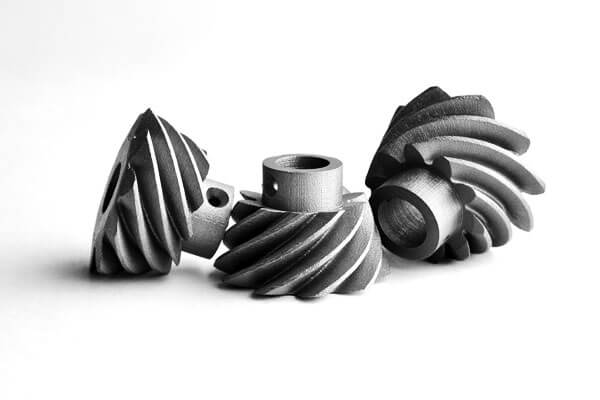
These materials are typically used in ডাইরেক্ট মেটাল লেজার সিনটারিং (ডিএমএলএস), ইলেক্ট্রন মরীচি গলানো (EBM), and Binder Jetting.
| উপাদান | মূল বৈশিষ্ট্য | সাধারণ অ্যাপ্লিকেশন |
|---|---|---|
| টাইটানিয়াম (টি -6 এএল -4 ভি) | লাইটওয়েট, শক্তিশালী, জারা-প্রতিরোধী | মহাকাশ, মেডিকেল ইমপ্লান্ট |
| স্টেইনলেস স্টীল (316এল, 17-4 পিএইচ) | টেকসই, পরিধান-প্রতিরোধী | Industrial tools, অস্ত্রোপচার যন্ত্র |
অ্যালুমিনিয়াম (ALSI10MG) |
লাইটওয়েট, ভাল তাপ পরিবাহিতা | মোটরগাড়ি, ইলেকট্রনিক্স |
| Cobalt-Chrome (CoCr) | বায়োম্পম্প্যাটিভ, high-temperature resistant | ডেন্টাল ইমপ্লান্ট, টারবাইন ব্লেড |
| নিকেল অ্যালোয়েস (ইনকেল 625, 718) | Heat and corrosion-resistant | জেট ইঞ্জিন, বিদ্যুৎ কেন্দ্র |
4.3 Ceramics – Heat and Wear Resistance
Ceramic materials are used in applications that require high-temperature resistance, রাসায়নিক স্থিতিশীলতা, এবং কঠোরতা.
These materials are printed using binder jetting, এসএলএ, or extrusion-based methods.
| উপাদান | মূল বৈশিষ্ট্য | সাধারণ অ্যাপ্লিকেশন |
|---|---|---|
| সিলিকন কার্বাইড (Sic) | উচ্চ শক্তি, তাপ-প্রতিরোধী | মহাকাশ, ইলেকট্রনিক্স |
| অ্যালুমিনা (AL2O3) | হার্ড, রাসায়নিকভাবে জড় | বায়োমেডিকাল ইমপ্লান্ট, শিল্প উপাদান |
| জিরকোনিয়া (Zro2) | শক্ত, পরিধান-প্রতিরোধী | Dental crowns, কাটা সরঞ্জাম |
4.4 কম্পোজিট & Advanced Materials – Enhanced Performance
Composites combine পলিমার, ধাতু, or ceramics with reinforcing fibers to enhance যান্ত্রিক শক্তি, পরিবাহিতা, or flexibility.
Fiber-Reinforced Composites
Carbon fiber and glass fiber are embedded into thermoplastics to improve strength and reduce weight.
| উপাদান | মূল বৈশিষ্ট্য | সাধারণ অ্যাপ্লিকেশন |
|---|---|---|
| কার্বন ফাইবার Reinforced Nylon | উচ্চ শক্তি থেকে ওজন অনুপাত | Drones, রোবোটিক্স, স্বয়ংচালিত |
| Glass Fiber Reinforced PLA | অনড়, প্রভাব-প্রতিরোধী | কাঠামোগত উপাদান |
Smart and Biodegradable Materials
উদ্ভাবন bio-based and self-healing materials are expanding 3D printing possibilities.
| উপাদান | মূল বৈশিষ্ট্য | সাধারণ অ্যাপ্লিকেশন |
|---|---|---|
| Conductive Polymers | বৈদ্যুতিক পরিবাহিতা | Printed electronics, সেন্সর |
| স্ব-নিরাময় পলিমার | Repairs minor damage | পরিধানযোগ্য, মহাকাশ উপাদান |
| Biodegradable PLA Blends | পরিবেশ বান্ধব, compostable | Sustainable packaging, মেডিকেল ইমপ্লান্ট |
5. Post-Processing 3D Prints
Post-processing is a critical step in 3D printing that enhances the mechanical properties, পৃষ্ঠের গুণমান, and functionality of printed parts.
Since raw 3D-printed objects often exhibit layer lines, পৃষ্ঠ রুক্ষতা, and residual material, various post-processing techniques are applied based on material type, printing process, and intended application.

পোস্ট-প্রসেসিং পদ্ধতির পছন্দ যেমন কারণগুলির উপর নির্ভর করে নান্দনিক প্রয়োজনীয়তা, মাত্রিক নির্ভুলতা, কাঠামোগত অখণ্ডতা, এবং পরিবেশগত পরিস্থিতি অংশটি উন্মুক্ত করা হবে.
নীচে একটি বিস্তৃত বিশ্লেষণ বিভিন্ন 3 ডি প্রিন্টিং প্রযুক্তির জন্য সর্বাধিক সাধারণ পোস্ট-প্রসেসিং কৌশলগুলির মধ্যে.
Why is Post-Processing Important?
- পৃষ্ঠের সমাপ্তি উন্নত করে - রুক্ষতা হ্রাস করে এবং নান্দনিকতা বাড়ায়.
- যান্ত্রিক শক্তি বাড়ায় -মাইক্রো-ডিফেক্টগুলি সরিয়ে দেয় এবং অংশের স্থায়িত্বকে শক্তিশালী করে.
- কার্যকারিতা অনুকূল - নমনীয়তার মতো বৈশিষ্ট্যগুলি সামঞ্জস্য করে, পরিবাহিতা, এবং প্রতিরোধ পরিধান.
- অপসারণ সমর্থন & অবশিষ্ট উপাদান - নিশ্চিত করে যে অংশটি অতিরিক্ত উপাদান বা কদর্য নিদর্শনগুলি থেকে মুক্ত.
- অতিরিক্ত চিকিত্সা সক্ষম করে - জন্য অনুমতি দেয় পেইন্টিং, ধাতুপট্টাবৃত, বা সিলিং, অ্যাপ্লিকেশন প্রয়োজন উপর নির্ভর করে.
Common Post-Processing Techniques by Printing Technology
ফিউজড ডিপোজিশন মডেলিং (এফডিএম) পোস্ট-প্রসেসিং
এফডিএম প্রিন্টগুলি প্রায়শই থাকে দৃশ্যমান স্তর লাইন এবং সমর্থন অপসারণের প্রয়োজন. সর্বাধিক সাধারণ পোস্ট-প্রসেসিং কৌশলগুলি অন্তর্ভুক্ত:
| কৌশল | প্রক্রিয়া | বেনিফিট | চ্যালেঞ্জ |
|---|---|---|---|
| সমর্থন অপসারণ | সমর্থন কাঠামো কাটা বা দ্রবীভূত (পিভিএ জলে দ্রবীভূত হয়, হিপস লিমোনিনে দ্রবীভূত হয়). | পৃষ্ঠের ক্ষতি প্রতিরোধ করে. | ভাঙ্গা এড়াতে সাবধানতার সাথে হ্যান্ডলিং প্রয়োজন. |
| স্যান্ডিং & পলিশিং | স্যান্ডপেপার ব্যবহার করে (120–2000 গ্রিট) পৃষ্ঠ মসৃণ করতে. | নান্দনিকতা বাড়ায় এবং স্তর দৃশ্যমানতা হ্রাস করে. | সময়সাপেক্ষ, মাত্রা পরিবর্তন করতে পারে. |
Chemical Smoothing |
দ্রাবক বাষ্পগুলিতে অংশ প্রকাশ করা (এবিএসের জন্য অ্যাসিটোন, পিএলএর জন্য ইথাইল অ্যাসিটেট). | চকচকে সমাপ্তি অর্জন, স্তর লাইনগুলি দূর করে. | ওভারএক্সপোজড থাকলে পার্ট কাঠামোকে দুর্বল করতে পারে. |
| পেইন্টিং & আবরণ | প্রাইমিং এবং পেইন্ট প্রয়োগ, পরিষ্কার আবরণ, বা হাইড্রোফোবিক চিকিত্সা. | রঙ উন্নত, স্থায়িত্ব, এবং সুরক্ষা. | সঠিক পৃষ্ঠ প্রস্তুতি প্রয়োজন. |
স্টেরিওলিথোগ্রাফি (এসএলএ) & Digital Light Processing (ডিএলপি) পোস্ট-প্রসেসিং
যেহেতু এসএলএ এবং ডিএলপি তরল রজন ব্যবহার করে, পোস্ট-প্রসেসিং ফোকাস করে ভঙ্গুর পৃষ্ঠ সমাপ্তি নিরাময় এবং উন্নতি.
| কৌশল | প্রক্রিয়া | বেনিফিট | চ্যালেঞ্জ |
|---|---|---|---|
| ইউভি নিরাময় | রজনকে শক্তিশালী করতে ইউভি আলোতে প্রিন্টগুলি প্রকাশ করা. | স্থায়িত্ব বাড়ায়. | হিংস্রতা এড়াতে যথাযথ নিরাময় সময় প্রয়োজন. |
| আইসোপ্রোপাইল অ্যালকোহল (আইপিএ) ধুয়ে ফেলুন | Cleaning excess uncured resin with IPA (90%+ ঘনত্ব). | Ensures smooth, clean prints. | Over-soaking can cause warping. |
| স্যান্ডিং & পলিশিং | Wet sanding to achieve a smoother surface. | Improves aesthetics and paint adhesion. | Can remove fine details. |
| Clear Coating & পেইন্টিং | Applying UV-resistant coatings or dyes. | Adds color and protection. | Can alter the print’s translucency. |
শিল্পের উদাহরণ:
মধ্যে dental and medical applications, SLA-printed surgical guides and orthodontic models undergo IPA cleaning and UV curing to ensure biocompatibility and mechanical strength.
নির্বাচনী লেজার Sintering (এসএলএস) পোস্ট-প্রসেসিং
SLS prints are powder-based and often exhibit a grainy texture. Post-processing primarily focuses on smoothing and strengthening the parts.
| কৌশল | প্রক্রিয়া | বেনিফিট | চ্যালেঞ্জ |
|---|---|---|---|
| Powder Removal | Blasting with compressed air or tumbling to remove excess powder. | Ensures clean and functional parts. | Fine powders require proper disposal. |
| রঙ্গিন & রঙিন | Submerging parts in dye baths for uniform coloration. | নান্দনিকভাবে অংশগুলি বাড়ায়. | গা dark ় রঙে সীমাবদ্ধ. |
| বাষ্প স্মুথিং | বাইরের স্তরগুলি গলে এবং মসৃণ করতে রাসায়নিক বাষ্পগুলি ব্যবহার করে. | একটি আধা-গ্লস ফিনিস তৈরি করে, যান্ত্রিক বৈশিষ্ট্য উন্নত করে. | নিয়ন্ত্রিত রাসায়নিক এক্সপোজার প্রয়োজন. |
| পুঁতি বিস্ফোরণ & টাম্বলিং | সূক্ষ্ম মিডিয়া ব্যবহার করে (সিরামিক, গ্লাস জপমালা) মসৃণ পৃষ্ঠতল. | পোরোসিটি হ্রাস করে এবং সমাপ্তি বাড়ায়. | সামান্য মাত্রা পরিবর্তন করতে পারে. |
শিল্পের উদাহরণ:
নাইক এবং অ্যাডিডাস ব্যবহার জুতো সোলস উত্পাদন জন্য এসএলএস, কোথায় বাষ্প স্মুথিং এবং ডাইং একটি নরম-টাচ সমাপ্তি এবং আরও ভাল সরবরাহ করুন প্রতিরোধ পরুন.
ডাইরেক্ট মেটাল লেজার সিনটারিং (ডিএমএলএস) & ইলেক্ট্রন মরীচি গলানো (EBM) পোস্ট-প্রসেসিং
ধাতব 3 ডি প্রিন্ট প্রয়োজন বিস্তৃত পোস্ট প্রসেসিং কাঙ্ক্ষিত যান্ত্রিক বৈশিষ্ট্য এবং পৃষ্ঠ সমাপ্তি অর্জন করতে.
| কৌশল | প্রক্রিয়া | বেনিফিট | চ্যালেঞ্জ |
|---|---|---|---|
| সমর্থন অপসারণ (তারের EDM, সিএনসি কাটিয়া) | বৈদ্যুতিক স্রাব মেশিনিং ব্যবহার করে ধাতব সমর্থন কাঠামো কাটা (ইডিএম). | জটিল জ্যামিতিতে নির্ভুলতা নিশ্চিত করে. | জটিল অংশগুলির জন্য শ্রম-নিবিড়. |
| তাপ চিকিত্সা (অ্যানিলিং, হিপ) | অবশিষ্ট চাপ কমাতে এবং দৃ ness ়তা উন্নত করতে গরম করা. | অংশ শক্তি বাড়ায়, ক্র্যাকিং প্রতিরোধ করে. | নিয়ন্ত্রিত তাপ চক্র প্রয়োজন. |
| মেশিনিং (সিএনসি, গ্রাইন্ডিং, ল্যাপিং) | Refining dimensions with CNC milling or grinding. | Achieves high precision and smooth finishes. | Adds processing time and cost. |
| ইলেক্ট্রোপোলিশিং | Using an electrolytic process to smooth surfaces. | জারা প্রতিরোধের উন্নতি করে, নান্দনিকতা. | Only works on conductive metals. |
শিল্পের উদাহরণ:
মধ্যে মহাকাশ অ্যাপ্লিকেশন, DMLS-produced titanium parts for jet engines undergo গরম আইসোস্ট্যাটিক প্রেসিং (হিপ) to eliminate মাইক্রো-পোরোসিটি and improve ক্লান্তি প্রতিরোধের.
Advanced Finishing Techniques
জন্য উচ্চ-পারফরম্যান্স অ্যাপ্লিকেশন, additional finishing techniques are employed:
- ইলেক্ট্রোপ্লেটিং – Coating parts with নিকেল, তামা, বা সোনার to improve conductivity and corrosion resistance.
- Ceramic Coating – Enhancing wear resistance and thermal protection for metal components.
- Hybrid Manufacturing – Combining 3D printing with CNC machining for high-precision parts.
6. Advantages and Challenges of 3D Printing
This section provides an in-depth analysis of the key advantages and challenges of 3D printing in modern industries.
Key Advantages of 3D Printing
Design Freedom and Customization
Unlike traditional manufacturing, which relies on molds, কাটা, এবং সমাবেশ,
3D printing enables the creation of complex geometries that would be impossible or prohibitively expensive using conventional methods.
- ভর কাস্টমাইজেশন – Products can be tailored for individual customers without extra cost.
- জটিল জ্যামিতি – Intricate lattice structures, অভ্যন্তরীণ চ্যানেল, and organic shapes are feasible.
- Lightweight Designs – Aerospace and automotive industries use topology optimization to reduce weight without sacrificing strength.
Rapid Prototyping and Faster Production
Traditional prototyping can take weeks or months, কিন্তু 3D printing accelerates the development cycle significantly.
- 90% faster prototyping – A concept can go from design to a functional prototype in a matter of hours or days.
- Accelerated innovation – Companies can test multiple design iterations quickly, উন্নতি product development efficiency.
- On-demand production – Eliminates long supply chains, হ্রাস করা warehousing and inventory costs.
Reduced Material Waste and Sustainability
Unlike subtractive manufacturing (যেমন, সিএনসি মেশিনিং), which removes material to shape an object, 3D printing builds parts layer by layer, significantly reducing waste.
- আপ 90% less material waste compared to conventional machining.
- Recyclable materials such as bio-based PLA and recycled polymers enhance sustainability.
- Localized production reduces the carbon footprint associated with global supply chains.
Cost Reduction in Low-Volume Production
জন্য low-volume or specialty manufacturing, 3D printing is significantly more cost-effective than traditional manufacturing.
- No mold or tooling costs – Ideal for short-run production and low-demand markets.
- Reduces expensive machining steps – Eliminates multiple manufacturing processes (কাস্টিং, মিলিং, ড্রিলিং).
- Affordable for startups & small businesses – Lowers entry barriers to manufacturing innovation.
Functional Integration & Assembly Reduction
3D printing enables part consolidation, allowing multiple components to be combined into a single integrated design.
- Reduces assembly complexity - কম অংশ মানে কম শ্রম এবং কম সম্ভাব্য ব্যর্থতা পয়েন্ট.
- কাঠামোগত অখণ্ডতা উন্নত করে - স্ক্রুগুলির প্রয়োজনীয়তা দূর করে, ওয়েল্ডস, বা আঠালো.
Challenges and Limitations of 3D Printing
সীমিত উপাদান নির্বাচন
ধাতু অন্তর্ভুক্ত করতে প্লাস্টিকের বাইরে 3 ডি প্রিন্টিং প্রসারিত হয়েছে, সিরামিক, এবং কম্পোজিট, দ্য মুদ্রণযোগ্য উপকরণগুলির পরিসীমা সীমিত থাকে Traditional তিহ্যবাহী উত্পাদন তুলনায়.
- যান্ত্রিক বৈশিষ্ট্য - অনেক মুদ্রিত উপকরণ মেলে না শক্তি, নমনীয়তা, বা তাপ প্রতিরোধ ক্ষমতা প্রচলিত উত্পাদিত অংশগুলির.
- উপাদান ব্যয় -উচ্চ-পারফরম্যান্স উপকরণ (যেমন, টাইটানিয়াম, উঁকি দিন, আল্টেম) ব্যয়বহুল.
- মানীকরণের অভাব - উপাদান বৈশিষ্ট্য বিভিন্ন মধ্যে পৃথক প্রিন্টার মডেল এবং নির্মাতারা.
পোস্ট-প্রসেসিং প্রয়োজনীয়তা
বেশিরভাগ 3 ডি-প্রিন্টেড অংশগুলির প্রয়োজন অতিরিক্ত সমাপ্তি পদক্ষেপ তারা ব্যবহারযোগ্য হওয়ার আগে.
- পৃষ্ঠ স্মুথিং - অনেক অংশ দৃশ্যমান আছে layer lines এবং প্রয়োজন স্যান্ডিং, পলিশিং, বা বাষ্প স্মুথিং.
- তাপ চিকিত্সা - ধাতব প্রিন্টগুলির প্রায়শই প্রয়োজন অ্যানিলিং বা হট আইসোস্ট্যাটিক প্রেসিং (হিপ) অভ্যন্তরীণ চাপ অপসারণ করতে.
- Support structure removal – Many processes, যেমন এসএলএ, এসএলএস, and DMLS, require careful removal of excess material.
High Initial Investment Costs
Although costs are decreasing, industrial-grade 3D printers and materials remain expensive.
- Metal 3D printers ব্যয় $250,000 থেকে $1 মিলিয়ন.
- High-end polymer printers (এসএলএ, এসএলএস) থেকে পরিসীমা $50,000 থেকে $200,000.
- উপাদান ব্যয় are often 5–10x higher than conventional manufacturing materials.
Speed and Scalability Issues
যখন prototyping is fast, mass production with 3D printing remains slower than injection molding or machining.
- Low print speeds – Large parts can take several days to print.
- Limited scalability – Printing thousands of parts is still slower and more expensive than traditional methods.
- Batch processing required – To increase efficiency, multiple parts are often printed at once, which complicates quality control.
7. Applications of 3D Printing Across Industries
From rapid prototyping to mass production of complex geometries, 3D printing offers unprecedented design flexibility, খরচ হ্রাস, এবং উপাদান দক্ষতা.
Its impact spans a wide range of sectors, উত্পাদন সহ, মহাকাশ, স্বাস্থ্যসেবা, স্বয়ংচালিত, নির্মাণ, এবং আরও.
উত্পাদন & প্রোটোটাইপিং
দ্রুত প্রোটোটাইপিং
One of the most significant applications of 3D printing in manufacturing is দ্রুত প্রোটোটাইপিং.
Traditional prototyping methods, such as injection molding, can take weeks or months to set up and produce.
বিপরীতে, 3D printing enables faster iteration, with prototypes typically being created in hours or days, allowing for quick testing and design validation.
- ব্যয়-দক্ষতা: 3D printing eliminates the need for expensive molds, সরঞ্জামকরণ, and the associated long setup times.
- কাস্টমাইজেশন: জটিল, customized parts can be produced without additional costs or setup.
This is especially useful in small-batch production or when creating components that need to be tailored to specific customer needs.
Tooling and End-Use Production
Beyond prototyping, 3D printing also plays a key role in সরঞ্জামকরণ এমনকি এমনকি end-use parts.
Components like jigs, ফিক্সচার, and molds can be produced quickly and efficiently using 3D printing, reducing production time and cost.
- On-demand tooling allows for rapid adjustments in design without long lead times.
- Companies are increasingly producing end-use parts নির্দিষ্ট অ্যাপ্লিকেশন জন্য, such as customized medical implants or lightweight automotive components.
মহাকাশ & মোটরগাড়ি
মহাকাশ অ্যাপ্লিকেশন
The aerospace industry has been at the forefront of adopting 3D printing due to its ability to produce লাইটওয়েট, জটিল অংশ সঙ্গে exceptional strength-to-weight ratios.
Components produced using direct metal laser sintering (ডিএমএলএস) বা electron beam melting (EBM) are essential for reducing the weight of aircraft,
which directly contributes to জ্বালানী দক্ষতা এবং ব্যয় সাশ্রয়.
- কাস্টমাইজেশন: 3D printing allows for tailored parts for specific aerospace applications, such as turbine blades or brackets that are optimized for performance.
- ব্যয় সাশ্রয়: এর উত্পাদন জটিল জ্যামিতি that would otherwise require multiple manufacturing steps can reduce costs significantly.
Automotive Applications
স্বয়ংচালিত খাতে, 3D printing is used for creating কার্যকরী প্রোটোটাইপস, কাস্টম পার্টস, এমনকি এমনকি production tools.
As the industry shifts toward more sustainable এবং energy-efficient যানবাহন, 3D printing offers ways to produce lightweight, জটিল উপাদান.
- কাস্টমাইজেশন: 3D printing allows car manufacturers to produce customized parts on demand,
such as specialized interior components, prototypes for new models, and even lightweight, durable engine parts. - দ্রুত সময় থেকে বাজার: 3D printing reduces development time by allowing for quicker testing and iteration of prototypes.

মেডিকেল & স্বাস্থ্যসেবা
Customized Prosthetics and Implants
One of the most impactful uses of 3D printing is in চিকিত্সা ডিভাইস, বিশেষত জন্য customized prosthetics এবং ইমপ্লান্ট.
Traditional manufacturing methods often struggle with producing highly tailored devices, but 3D printing excels in creating patient-specific solutions.
- কাস্টমাইজেশন: With 3D printing, prosthetics can be designed and produced to exact specifications, ensuring a perfect fit for the patient.
- ব্যয় দক্ষতা: Traditional prosthetics and implants often involve expensive and time-consuming processes. 3D printing allows for faster production এবং কম খরচ.
Bioprinting
Bioprinting is an emerging field within 3D printing that uses living cells to create tissue structures এমনকি এমনকি organ models.
While still in the early stages, bioprinting holds great promise for the future of personalized medicine, potentially leading to the creation of bioengineered tissues and organs.
- Tissue Engineering: Bioprinted tissues could eventually be used for drug testing, reducing the need for animal testing.
- Regenerative Medicine: Research in bioprinting is exploring the possibility of printing fully functional organs for transplantation.
নির্মাণ & আর্কিটেকচার
3D-Printed Buildings
নির্মাণ শিল্পে, 3D printing is revolutionizing the way বিল্ডিং এবং কাঠামো are designed and constructed.
The technology has made it possible to print entire buildings, নির্মাণ ব্যয় এবং সময়কে উল্লেখযোগ্যভাবে হ্রাস করা.
- ব্যয় হ্রাস: 3ডি মুদ্রণ পর্যন্ত নির্মাণ ব্যয় কেটে ফেলতে পারে 50%, যেহেতু এটির জন্য কম শ্রমিক এবং উপকরণ প্রয়োজন.
- টেকসই: মুদ্রণ প্রক্রিয়াতে পুনর্ব্যবহারযোগ্য উপকরণগুলি ব্যবহার করার ক্ষমতা সহ, 3ডি মুদ্রণ আরও টেকসই নির্মাণ পদ্ধতিতে অবদান রাখছে.
জটিল জ্যামিতি
নির্মাণে 3 ডি প্রিন্টিংয়ের প্রাথমিক সুবিধাগুলির মধ্যে একটি হ'ল ডিজাইন এবং মুদ্রণের ক্ষমতা জটিল স্থাপত্য আকার traditional তিহ্যবাহী পদ্ধতি ব্যবহার করে তৈরি করা কঠিন বা অসম্ভব.
এটি এর জন্য নতুন সম্ভাবনা খোলে উদ্ভাবনী স্থাপত্য নকশা এবং কাঠামো.
ভোক্তা পণ্য & ইলেকট্রনিক্স
Customized Consumer Products
ভোক্তা পণ্য শিল্পে, 3ডি মুদ্রণ নির্মাতাদের উত্পাদন করতে সক্ষম করে কাস্টমাইজড, মেড-টু-অর্ডার পণ্য.
এটি ব্যক্তিগতকৃত গহনা কিনা, বেসপোক পাদুকা, বা কাস্টম-ফিট ফ্যাশন আনুষাঙ্গিক, 3ডি প্রিন্টিং traditional তিহ্যবাহী পদ্ধতির ব্যয়ের একটি ভগ্নাংশে অতুলনীয় কাস্টমাইজেশন সরবরাহ করে.
- পণ্য ব্যক্তিগতকরণ: গ্রাহকরা তাদের পণ্যগুলি ডিজাইন করতে পারেন এবং অন-চাহিদা মুদ্রণ করতে পারেন, ব্যাপক উত্পাদন দূর করা এবং বর্জ্য হ্রাস.
- ফ্যাশন শিল্প: ডিজাইনাররা উদ্ভাবনী ফ্যাশন টুকরা তৈরি করতে 3 ডি প্রিন্টিংয়ের উপকার করছেন, যেমন কাস্টমাইজড গহনা এমনকি এমনকি পরিধানযোগ্য প্রযুক্তি.
ইলেকট্রনিক্স উত্পাদন
3ডি প্রিন্টিংও একটি গুরুত্বপূর্ণ ভূমিকা পালন করছে ইলেকট্রনিক্স শিল্প, যেখানে এটি মুদ্রণ করতে ব্যবহৃত হয় সার্কিট বোর্ড, মিনিয়েচারাইজড উপাদান, এবং ঘের বৈদ্যুতিন ডিভাইসগুলির জন্য.
ক্ষমতা জটিল জ্যামিতি উত্পাদন ছোট আকারে, জটিল অংশগুলির জন্য সম্ভাবনাগুলি খুলেছে কাস্টমাইজড ইলেকট্রনিক্স.
- কার্যকরী ইলেকট্রনিক্স: সংস্থাগুলি এখন ব্যবহার করছে পরিবাহী 3 ডি মুদ্রণ উপকরণ to print কার্যকরী বৈদ্যুতিন উপাদান, যেমন অ্যান্টেনা, ক্যাপাসিটার, এবং সার্কিট ট্রেস.
- প্রোটোটাইপিং এবং পরীক্ষা: 3ডি মুদ্রণ দ্রুত সক্ষম করে পুনরাবৃত্তি এবং পরীক্ষা of new electronic products and devices.
8. Additive vs Traditional Manufacturing
The comparison between অ্যাডিটিভ ম্যানুফ্যাকচারিং (3ডি প্রিন্টিং) and traditional manufacturing methods,
যেমন বিয়োগফল এবং formative manufacturing, highlights the unique strengths and challenges of each approach.
Understanding these methods is crucial for industries looking to select the most efficient and cost-effective manufacturing process based on their specific needs.
অ্যাডিটিভ ম্যানুফ্যাকচারিং (3ডি প্রিন্টিং)
প্রক্রিয়া ওভারভিউ
অ্যাডিটিভ ম্যানুফ্যাকচারিং (আমি), সাধারণত হিসাবে উল্লেখ করা হয় 3ডি প্রিন্টিং, involves creating three-dimensional objects by depositing material layer by layer based on a digital design.
Unlike traditional manufacturing, where material is removed or shaped by force, AM is a process of building up উপাদান, which gives it unique advantages in design freedom and material efficiency.
মূল বৈশিষ্ট্য
- উপাদান দক্ষতা: AM uses only the material necessary for the part, বর্জ্য হ্রাস.
Unlike subtractive methods, which cut away material from a solid block, 3D printing builds the object, using less raw material. - নকশা নমনীয়তা: আমি এর সৃষ্টি সক্ষম করে জটিল জ্যামিতি স্বাচ্ছন্দ্যে,
জটিল অভ্যন্তরীণ কাঠামো সহ, জৈব আকার, এবং কাস্টমাইজড ডিজাইনগুলি যা traditional তিহ্যবাহী পদ্ধতিগুলির সাথে অসম্ভব বা ব্যয়বহুল হবে. - গতি: যদিও এএম বড় ব্যাচের জন্য traditional তিহ্যবাহী প্রক্রিয়াগুলির চেয়ে ধীর হতে পারে, এটি অফার দ্রুত প্রোটোটাইপিং ক্ষমতা.
আপনি কয়েক ঘন্টা বা দিনের মধ্যে একটি প্রোটোটাইপ তৈরি এবং পরীক্ষা করতে পারেন, একটি প্রক্রিয়া নিতে পারে সপ্তাহ Traditional তিহ্যবাহী পদ্ধতি সহ.
Subtractive Manufacturing
প্রক্রিয়া ওভারভিউ
সাবট্যাকটিভ ম্যানুফ্যাকচারিং একটি শক্ত ব্লক থেকে উপাদান অপসারণ জড়িত (একটি হিসাবে উল্লেখ করা ফাঁকা) মত যান্ত্রিক সরঞ্জাম ব্যবহার মিলিং, বাঁক, এবং গ্রাইন্ডিং.
উপাদানটি ধীরে ধীরে অবজেক্টটি আকার দেওয়ার জন্য কেটে ফেলা হয়, চূড়ান্ত অংশের পিছনে ছেড়ে. এই পদ্ধতিটি প্রাচীনতম এবং উত্পাদন ক্ষেত্রে সর্বাধিক ব্যবহৃত হয়.
মূল বৈশিষ্ট্য
- নির্ভুলতা এবং পৃষ্ঠ সমাপ্তি: বিয়োগফল উত্পাদন এর জন্য পরিচিত উচ্চ নির্ভুলতা এবং
দুর্দান্ত পৃষ্ঠ সমাপ্তি সহ অংশগুলি তৈরি করার ক্ষমতা, making it ideal for producing components with tight tolerances. - উপাদান বর্জ্য: One major disadvantage of subtractive manufacturing is the উপাদান বর্জ্য generated during the cutting process.
The majority of the material is discarded as scrap, making it less material-efficient compared to additive processes. - Tooling and Setup Costs: Subtractive methods often require expensive tooling, যেমন ছাঁচ এবং মারা, which can increase costs, especially for small production runs.
Formative Manufacturing
প্রক্রিয়া ওভারভিউ
Formative manufacturing involves creating objects by shaping material through উত্তাপ, চাপ, বা উভয়ই.
Examples of formative methods include ইনজেকশন ছাঁচনির্মাণ, মারা কাস্টিং, এক্সট্রুশন, এবং স্ট্যাম্পিং.
These methods are often used for high-volume production runs of parts with simple to moderately complex shapes.
মূল বৈশিষ্ট্য
- উচ্চ-গতির উত্পাদন: Formative methods like ইনজেকশন ছাঁচনির্মাণ জন্য অনুমতি দিন rapid mass production of parts,
making them ideal for industries requiring large quantities of identical components. - উপাদান ব্যবহার: Like additive manufacturing, formative methods are উপাদান-দক্ষ, as they often involve creating parts from a mold with little waste.
- সরঞ্জাম ব্যয়: While the production speed is high, mold and die costs তাৎপর্যপূর্ণ হতে পারে, especially for complex shapes.
These costs are typically spread out over large production volumes, making the method economically viable for high-volume runs.
Comparing Additive Manufacturing with Traditional Manufacturing
| বৈশিষ্ট্য | অ্যাডিটিভ ম্যানুফ্যাকচারিং (3ডি প্রিন্টিং) | Subtractive Manufacturing | Formative Manufacturing |
|---|---|---|---|
| উপাদান দক্ষতা | High – Uses only material needed for the part. | Low – Material waste from cutting away stock. | High – Minimal waste in molding processes. |
| Complexity of Design | Can create complex shapes and internal structures. | Limited by tool geometry and cutting paths. | Moderate – Complex shapes require expensive molds. |
উত্পাদন গতি |
Slower for large batches but fast for prototyping. | Fast for mass production of simple parts. | Extremely fast for large batches, ছাঁচের জন্য ধীর সেটআপ. |
| সরঞ্জাম ব্যয় | মাঝারি - ডেস্কটপ প্রিন্টারের জন্য কম প্রবেশের ব্যয়. | উচ্চ - সিএনসি মেশিন এবং টুলিং ব্যয়বহুল হতে পারে. | উচ্চ - সরঞ্জামকরণ এবং ছাঁচ ব্যয়বহুল. |
| উপাদান বিকল্প | সীমাবদ্ধ, তবে বাড়ছে (প্লাস্টিক, ধাতু, সিরামিক). | ব্রড - ধাতু, প্লাস্টিক, এবং কম্পোজিট. | ব্রড - প্রাথমিকভাবে প্লাস্টিক এবং ধাতু. |
| কাস্টমাইজেশন | উচ্চ - বেসপোকের জন্য আদর্শ, লো-ভলিউম, কাস্টম পার্টস. | নিম্ন - মানক অংশ. | মাঝারি - ছাঁচের ক্ষমতা সীমাবদ্ধ. |
| উত্পাদন স্কেল | লো-ভলিউমের জন্য সেরা, জটিল, এবং কাস্টমাইজড অংশগুলি. | উচ্চ-ভলিউমের জন্য আদর্শ, উচ্চ-নির্ভুলতা অংশ. | সাধারণ অংশগুলির ব্যাপক উত্পাদনের জন্য সেরা. |
9. উপসংহার
3ডি প্রিন্টিং অভূতপূর্ব নমনীয়তার প্রস্তাব দিয়ে শিল্পগুলিকে পুনরায় আকার দিতে থাকে, দক্ষতা, এবং উদ্ভাবন.
যদিও এর উপাদানগুলির বৈশিষ্ট্য এবং স্কেলিবিলিটিতে সীমাবদ্ধতা রয়েছে, হাইব্রিড উত্পাদন চলমান অগ্রগতি, এআই ইন্টিগ্রেশন, এবং টেকসই উপকরণগুলি এর ক্ষমতা আরও বাড়িয়ে তুলবে.
ল্যাংহে is the perfect choice for your manufacturing needs if you need high-quality 3D printing services.
নিবন্ধের রেফারেন্স: https://www.hubs.com/guides/3d-printing/