

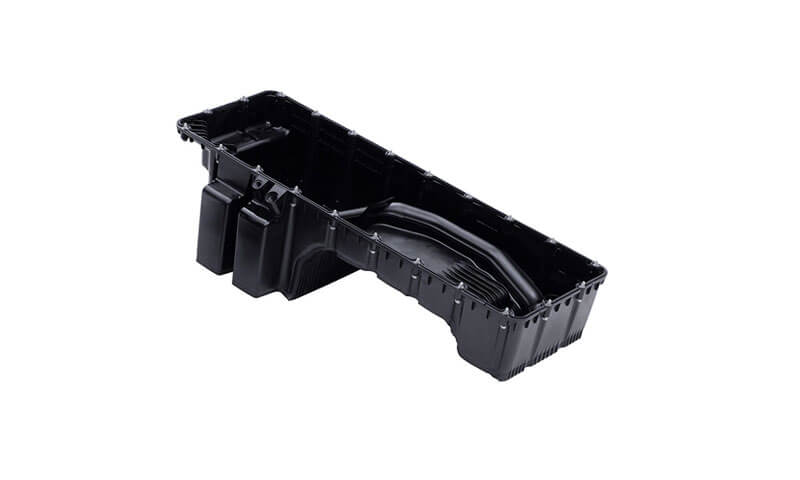
تعرف على كيمياء البولياميد, الخصائص الميكانيكية والحرارية الرئيسية, طرق التصنيع, الدرجات المعززة, المزايا, القيود, إعادة التدوير, والتطبيقات الصناعية.
تعد مادة البولي أميد واحدة من أكثر عائلات البوليمرات الهندسية تنوعًا واستخدامًا على نطاق واسع في العالم.
من فرشاة الأسنان في حمامك إلى التروس عالية الأداء في محركات السيارات, من الألياف الموجودة في ملابسك إلى المكونات الهيكلية في تطبيقات الطيران, مادة البولي أميد موجودة في كل مكان.
مزيجهم الاستثنائي من القوة الميكانيكية, ارتداء المقاومة, الاستقرار الكيميائي, وقابلية المعالجة جعلتها لا غنى عنها في عدد لا يحصى من الصناعات.
في ممارسة الهندسة التجارية, على المدى نايلون كثيرا ما يستخدم بالتبادل مع مادة البولي أميد.
على الرغم من أن هذا مقبول على نطاق واسع للعديد من المواد الشائعة مثل PA6 وPA66, مادة البولي أميد هو في الواقع التصنيف العلمي والتقني الأوسع.
تضم العائلة النايلون الأليفاتي التقليدي, مادة البولي أميد طويلة السلسلة, البولياميدات شبه العطرية ذات درجة الحرارة العالية, والبولي أميدات العطرية المتخصصة للغاية مثل الأراميد.
1. ما هو مادة البولياميد?
البولي أميد (السلطة الفلسطينية) هي فئة من البوليمرات تحتوي على مجموعات أميد متكررة في السلسلة الجزيئية الرئيسية. يتم تمثيل الارتباط الأميد بشكل شائع على أنه:
–CO–NH–
تتكون رابطة الأميد من تفاعل التكثيف بين مجموعة حمض الكربوكسيل (-كوه) ومجموعة أمين (–NH₂).
يمكن تمثيل التركيب الكيميائي العام للبولي أميد على النحو التالي::
-[–CO–R–CO–NH–R’–NH–]-
حيث R وR عبارة عن سلاسل هيدروكربونية ذات أطوال مختلفة.
تميز هذه الروابط الكيميائية المتكررة البولياميدات عن عائلات البوليمرات الرئيسية الأخرى مثل البولي إيثيلين, مادة البولي بروبيلين, البولي, والبوليستر.
يمكن إنتاج البولياميدات من أنظمة مونومر مختلفة, مما يؤدي إلى مواد ذات هياكل جزيئية وخصائص أداء مختلفة بشكل كبير.
اعتمادا على التركيب الكيميائي, قد يكون مادة البولي أميد مرنة نسبيًا ومقاومة للرطوبة, جامدة للغاية ومقاومة للاهتراء, أو قادرة على العمل في درجات حرارة مرتفعة.
على المستوى الجزيئي, مجموعات الأميد قطبية ويمكن أن تشكل روابط هيدروجينية بين سلاسل البوليمر المجاورة.
تساعد هذه القوى الجزيئية في إنشاء بنية بوليمر قوية ومتماسكة نسبيًا. نتيجة ل, توفر العديد من مادة البولي أميد:
- قوة الشد العالية والصلابة
- صلابة جيدة ومقاومة التعب
- مقاومة ممتازة للتآكل والتآكل
- احتكاك منخفض في ظل الظروف المناسبة
- مقاومة جيدة للزيوت, الوقود, والعديد من المواد الكيميائية الصناعية
- الأداء الحراري المفيد
- إمكانية قوية للتعزيز بالألياف الزجاجية, ألياف الكربون, أو الحشوات المعدنية
على عكس البوليمرات بالحرارة, البولياميدات الهندسية الأكثر أهمية تجاريًا هي اللدائن الحرارية.
إنها تلين أو تذوب عند تسخينها ويمكن معالجتها باستخدام طرق مثل القولبة بالحقن والبثق.
جعلت قابلية المعالجة هذه مادة البولي أميد ذات أهمية خاصة في التصنيع الحديث لأنه يمكن في كثير من الأحيان إنتاج المكونات المعقدة اقتصاديًا بكميات كبيرة مع الحفاظ على الأداء الميكانيكي الجيد..
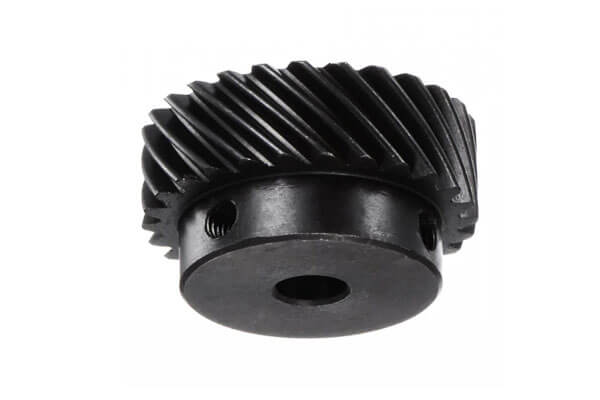
العلاقة بين مادة البولي أميد والنايلون
على المدى نايلون تم تقديمه لأول مرة بواسطة DuPont في 1938 لمادة البولياميد الخاصة بها 6,6 (PA66), والتي كانت تستخدم في صناعة الألياف والمنسوجات.
متأخر , بعد فوات الوقت, أصبح النايلون الاسم العام للبولي أميدات الأليفاتية - وهو النوع الأكثر شيوعًا من مادة البولي أميد - وغالبًا ما يستخدم بالتبادل مع مادة البولي أميد في السياقات الاستهلاكية والصناعية.
لكن, مادة البولي أميد هو المصطلح العلمي الأوسع الذي يشمل:
| يكتب | أمثلة | وصف |
| البولياميدات الأليفاتية | PA6, PA66, PA11, PA12 | البولياميدات الأكثر شيوعا; المعروف أيضا باسم النايلون. |
| البولياميدات العطرية (الأراميد) | كيفلر®, نومكس® | عالية الأداء; حلقات عطرية في العمود الفقري. |
| البولياميدات شبه العطرية | اتفاقية شراء الطاقة (بولي فثالاميد) | أداء درجات الحرارة العالية; عطرية + الوحدات الأليفية. |
| مادة البولي أميد-إيميدس | باي (تورلون®) | أداء عالي; مجموعات إيميدي بالإضافة إلى مجموعات أميد. |
النقطة الرئيسية: جميع النايلون هي مادة البولي أميد, ولكن ليست كل البولياميدات من النايلون. مصطلح "البولي أميد" هو المصطلح الفني الصحيح لجميع أفراد الأسرة.
2. كيف يتم تصنيع مادة البولي أميد?
يتم إنتاج مادة البولي أميد عن طريق إنشاء سلاسل بوليمر طويلة تحتوي على التكرار روابط أميد (–CONH–).
اعتمادا على الصف, يتم تصنيع البولياميدات التجارية بشكل رئيسي من خلال أي منهما بلمرة التكثيف أو بلمرة فتح الحلقة.
بلمرة التكثيف
العديد من البولياميدات, خصوصًا PA66, يتم إنتاجها عن طريق تفاعل الديامين مع حمض ثنائي الكربوكسيل. يشكل التفاعل روابط أميدية مع إطلاق جزيئات صغيرة, عادة الماء.
على سبيل المثال, يتم إنتاج PA66 من هيكساميثيلينديامين و حمض الأديبيك.
التحكم الدقيق في نسبة المونومر, درجة حرارة, ضغط, ووقت البلمرة ضروري لأن هذه العوامل تؤثر على الوزن الجزيئي, اللزوجة, البلورة, والأداء الميكانيكي النهائي.
بلمرة فتح الحلقة
درجات مهمة أخرى, مثل PA6, يتم إنتاجها عادة من خلال بلمرة فتح الحلقة كابرولاكتام.
تحت درجة حرارة وضغط يمكن التحكم فيهما, تفتح جزيئات الكابرولاكتام الحلقية وتترابط معًا لتكوين بوليمرات PA6 طويلة السلسلة.
يتيح هذا الطريق إنتاجًا فعالًا على نطاق واسع ويستخدم على نطاق واسع في هندسة البلاستيك, ألياف, أفلام, والمكونات المصبوبة.
تركيب البوليمر وتعديله
بعد البلمرة, يمكن تعديل مادة البولي أميد الأساسية بشكل أكبر من خلال التركيب.
قد تدمج الشركات المصنعة ألياف زجاجية, ألياف الكربون, الحشوات المعدنية, معدّلات التأثير, مثبطات اللهب, مواد التشحيم, أو مثبتات لتخصيص المواد لتطبيقات محددة.
عادةً ما يتم تحويل البوليمر النهائي إلى مكعبات ويتم توفيره كحبيبات للمعالجة اللاحقة بواسطة صب الحقن, البثق, تهب القولبة, أو طرق تصنيع البوليمر الأخرى.
3. الأنواع الرئيسية ودرجات مادة البولي أميد
مادة البولي أميد ليست مادة واحدة ولكنها عائلة واسعة من البوليمرات ذات الهياكل الجزيئية المختلفة بشكل كبير, السلوك الحراري, امتصاص الرطوبة, الخصائص الميكانيكية, وخصائص المعالجة.
البولياميدات الأليفاتية (النايلون)
تمثل البولياميدات الأليفاتية المجموعة الأكبر والأكثر أهمية تجاريًا من البولياميدات.
يتم استخدامها على نطاق واسع في صب الحقن, البثق, إنتاج الألياف, والعمليات الصناعية الأخرى لأنها توفر توازنًا مناسبًا للقوة الميكانيكية, ارتداء المقاومة, قابلية المعالجة, والتكلفة.
| درجة | نطاق الانصهار النموذجي (درجة مئوية) | الخصائص الرئيسية | التطبيقات النموذجية |
| PA6 | 215-225 | صلابة جيدة, مقاومة التأثير, ارتداء المقاومة, وقابلية المعالجة; امتصاص عالي للرطوبة نسبيًا. | قطع غيار السيارات, التروس, العلب, المكونات الصناعية, ألياف. |
| PA66 | 255-265 | قوة أعلى, صلابة, مقاومة الحرارة, ومقاومة الزحف من PA6. | التروس, المحامل, البطانات, السحابات, المكونات الكهربائية, قطع غيار السيارات تحت غطاء محرك السيارة. |
| PA11 | 185-195 | مرونة ممتازة ومقاومة التأثير; امتصاص منخفض للرطوبة ومقاومة كيميائية جيدة. | أنابيب مرنة, خطوط هوائية, سترات الكابلات, أنظمة السوائل في السيارات. |
| PA12 | 175-185 | امتصاص منخفض جدًا للرطوبة, مقاومة كيميائية ممتازة, المرونة, والاستقرار الأبعاد. | خطوط الوقود, أنابيب هوائية, الأنابيب الطبية, عزل الكابلات, مكونات الدقة. |
PA610 |
215-225 | ثبات أفضل للأبعاد وامتصاص أقل للرطوبة من PA6 وPA66. | الموصلات الكهربائية, مكونات الكابل, الأجزاء الصناعية, شعيرات. |
| PA612 | 210-220 | صلابة جيدة, المقاومة الكيميائية, الاستقرار الأبعاد, وتقليل امتصاص الماء. | خطوط السوائل للسيارات, المكونات الكهربائية, أنابيب, أجزاء مصبوبة بدقة. |
| PA1010 | 195-205 | إمكانات المواد الخام الحيوية جزئيًا أو إلى حد كبير; امتصاص منخفض للرطوبة وصلابة جيدة. | المنتجات الاستهلاكية المستدامة, مكونات السيارات, التطبيقات الصناعية. |
البولياميدات شبه العطرية
تجمع البولياميدات شبه العطرية بين أجزاء السلسلة الأليفاتية والهياكل العطرية.
تزيد الحلقات العطرية من الصلابة الجزيئية والثبات الحراري, السماح لهذه المواد بالعمل في درجات حرارة تتجاوز النطاق العملي لـ PA6 أو PA66 التقليدي.
| العائلة المادية | الدرجات التمثيلية | نطاق الانصهار النموذجي (درجة مئوية) | الخصائص الرئيسية | التطبيقات النموذجية |
| اتفاقية شراء الطاقة | PA6T/66, PA6T/6I, PA9T والبولياميدات المشتركة ذات الصلة | تقريبا. 280–330* | مقاومة حرارة عالية, صلابة عالية, مقاومة كيميائية جيدة, زحف منخفض, وتحسين الاستقرار الأبعاد. | مكونات تحت غطاء محرك السيارة, موصلات ذات درجة حرارة عالية, مكونات الصمام, أجزاء المضخة. |
| البولياميدات المستندة إلى PA6T | أنظمة PA6T والبلمرة المشتركة PA6T | في كثير من الأحيان أعلاه 300 للتركيبات ذات PA6T العالية* | ثبات حراري عالي جداً, قوة ممتازة, والاحتفاظ الجيد بالخواص الميكانيكية عند درجات حرارة مرتفعة. | الموصلات الكهربائية والإلكترونية, مكونات السيارات, المعدات الصناعية. |
PA9T |
مادة البولي أميد 9T | تقريبا. 300–310* | مقاومة حرارة عالية, امتصاص منخفض للرطوبة نسبيًا, استقرار الأبعاد ممتازة والمقاومة الكيميائية. | إلكترونيات مثبتة على السطح, الموصلات, المكونات الكهربائية الدقيقة. |
البولياميدات العطرية (الأراميد)
البولياميدات العطرية, المعروف باسم الأراميد, تمثل فئة عالية الأداء تشكل فيها الحلقات العطرية جزءًا رئيسيًا من العمود الفقري للبوليمر.
يمنحها تركيبها الجزيئي الصلب قوة شد استثنائية, معامل, الاستقرار الحراري, و- في بعض الدرجات- مقاومة اللهب.
| نوع الأراميد | المواد التمثيلية | البنية الجزيئية | الخصائص الرئيسية | التطبيقات النموذجية |
| بارا اراميد | كيفلر® | مادة البولي أميد العطرية ذات التوجه شبه الموجه | قوة الشد ومعامل عالية للغاية, مقاومة تأثير ممتازة, والاستقرار الحراري الجيد. | الحماية الباليستية, مركبات الفضاء, كابلات التعزيز, الإطارات, الحبال, المعدات الرياضية. |
| ميتا الأراميد | نومكس® | مادة البولي أميد العطرية ذات التوجه الفوقي | مقاومة ممتازة للهب, الاستقرار الحراري, العزل الكهربائي, ومقاومة التعرض للحرارة. | ملابس واقية, العزل الكهربائي, التصميمات الداخلية للفضاء, وسائط الترشيح. |
مادة البولي أميد إيميد (باي)
يمثل مادة البولي أميد إيميد عائلة بوليمر فائقة الأداء يتم دمجها أميد وإيميد المجموعات الوظيفية داخل التركيب الجزيئي.
والنتيجة هي مادة ذات ثبات حراري استثنائي, القوة الميكانيكية, ارتداء المقاومة, وقدرة الحمل.
أحد الأمثلة التجارية الأكثر شهرة هو تورلون® باي.
| مادة | العائلة الكيميائية | الخصائص الرئيسية | التطبيقات النموذجية |
| باي | مادة البولي أميد إيميد | قوة وصلابة عالية للغاية, مقاومة تآكل ممتازة, زحف منخفض, الاستقرار الحراري المتميز, والأداء الجيد تحت الأحمال الميكانيكية الثقيلة. | المحامل, البطانات, الأختام, مكونات الضاغط, أجزاء الفضاء, معدات أشباه الموصلات, المكونات الصناعية ذات درجة الحرارة العالية. |
4. الخصائص الرئيسية للبولي أميد
يتم تحديد أداء مادة البولي أميد من خلال تركيبها الجزيئي, وخاصة تركيز مجموعات الأميد, الوزن الجزيئي, البلورة, والتوازن بين الأجزاء الأليفاتية المرنة والتركيبات العطرية الصلبة.
القوة الميكانيكية والصلابة
توفر معظم مادة البولي أميد ذات الدرجة الهندسية نسبة قوة إلى وزن مناسبة.
PA6 وPA66, على سبيل المثال, تستخدم على نطاق واسع للتروس, قوسين, العلب, مقاطع, والمكونات الهيكلية لأنها تستطيع تحمل التحميل الميكانيكي المتكرر مع بقائها أخف وزنًا من الفولاذ, الألومنيوم, أو سبائك الزنك.
يمكن أن تختلف الخواص الميكانيكية للبولي أميد بشكل كبير حسب حالة الرطوبة.
لأن مجموعات الأميد تجذب جزيئات الماء, الرطوبة الممتصة يمكن أن تكون بمثابة الملدنات.
يؤدي هذا بشكل عام إلى تقليل الصلابة وقوة الشد مع زيادة المرونة ومقاومة الصدمات.
يمكن أن يؤدي تعزيز الألياف الزجاجية إلى زيادة الصلابة والقوة بشكل كبير.
قد يحقق مكون PA66 المعزز معاملًا أعلى بعدة مرات من معامل البوليمر غير المملوء, مما يجعلها مناسبة لتطبيقات السيارات والتطبيقات الصناعية.
صلابة ومقاومة التأثير
يُظهر مادة البولي أميد عمومًا مقاومة جيدة للصدمات والتحميل المتكرر.
توفر PA6 وPA66 توازنًا مفيدًا بين الصلابة والمتانة, في حين أن الدرجات طويلة السلسلة مثل PA11 وPA12 تحظى بتقدير خاص من حيث المرونة وأداء التأثير, خاصة في درجات الحرارة المنخفضة.
هذه الخاصية تجعل مادة البولي أميد مناسبة للمكونات المعرضة للاهتزاز, صدمة, الإجهاد الدوري, والحركة الميكانيكية.
مقاطع السيارات, أنظمة حماية الكابلات, أنابيب هوائية, والمساكن الصناعية هي أمثلة نموذجية.
لكن, يعتمد أداء التأثير على عدة عوامل, بما في ذلك درجة الحرارة, محتوى الرطوبة, البلورة, سمك الجدار, ومستوى التعزيز.
قد توفر الدرجات المملوءة بدرجة عالية أو شديدة التبلور صلابة أكبر ولكنها تقلل من مقاومة الصدمات.
مقاومة التآكل وأداء منخفض الاحتكاك
يستخدم مادة البولي أميد على نطاق واسع في التطبيقات الاحتكاكية بسبب مقاومته الجيدة للتآكل ومعامل الاحتكاك المنخفض نسبيًا.
مكونات مثل التروس, البطانات, المحامل, بكرات, أدلة, ويمكن أن تعمل وسادات التآكل مع ضوضاء منخفضة و, في بعض الحالات, بدون تشحيم خارجي.
للتطبيقات المنزلقة الصعبة, يمكن تعديل مادة البولي أميد باستخدام إضافات مثل:
- PTFE لتقليل الاحتكاك;
- ثاني كبريتيد الموليبدينوم لتحسين سلوك الانزلاق;
- ألياف زجاجية لزيادة الصلابة;
- ألياف الكربون لتعزيز القوة والتوصيل الحراري;
- مواد تشحيم صلبة لتحسين أداء التشغيل الجاف.
يعتمد سلوك التآكل النهائي بشدة على مواد التزاوج, الضغط السطحي, سرعة الانزلاق, درجة حرارة, وظروف التشحيم.
الأداء الحراري
توفر مادة البولي أميد عمومًا مقاومة أفضل للحرارة من المواد البلاستيكية مثل البولي بروبيلين والبولي إيثيلين. لكن, تختلف القدرة الحرارية بشكل كبير بين الدرجات.
PA6 وPA66 مناسبان للعديد من تطبيقات درجات الحرارة المرتفعة بشكل معتدل, في حين تم تصميم مادة البولي أميد شبه العطرية مثل PPA لبيئات أكثر تطلبًا, بما في ذلك مكونات السيارات الموجودة أسفل غطاء المحرك والموصلات الكهربائية ذات درجة الحرارة العالية.
نقطة الانصهار, درجة حرارة انحراف الحرارة, ويجب أخذ درجة حرارة الخدمة المستمرة في الاعتبار عند اختيار مادة البولي أميد.
التعزيز يمكن أن يزيد من تحسين استقرار الأبعاد في درجات حرارة مرتفعة, على الرغم من أنه قد يؤثر أيضًا على المتانة وقابلية المعالجة.
امتصاص الرطوبة واستقرار الأبعاد
يعد امتصاص الرطوبة أحد أهم الاعتبارات الهندسية عند استخدام مادة البولي أميد.
يمكن لمجموعات الأميد الموجودة في بنية البوليمر امتصاص الماء من البيئة المحيطة, مما يسبب تغييرات في الأبعاد والخواص الميكانيكية.
تمتص البولياميدات قصيرة السلسلة مثل PA6 وPA66 بشكل عام رطوبة أكثر من الدرجات طويلة السلسلة مثل PA11 وPA12.
ويجب أخذ هذه الخاصية في الاعتبار عند تصميم المكونات الدقيقة.
يجب أن تأخذ تفاوتات الأبعاد في الاعتبار كلاً من انكماش التصنيع والتكييف البيئي المحتمل أثناء الخدمة.
المقاومة الكيميائية
يعمل مادة البولي أميد بشكل جيد بشكل عام عند تعرضه للزيوت, الشحوم, الوقود, والعديد من الهيدروكربونات.
وهذا هو أحد أسباب استخدام مواد PA على نطاق واسع في أنظمة وقود السيارات, المعدات الصناعية, وتطبيقات التعامل مع السوائل.
لكن, المقاومة الكيميائية ليست عالمية. الأحماض القوية, عوامل مؤكسدة قوية, مذيبات معينة, والتعرض لفترات طويلة للمواد الكيميائية ذات درجات الحرارة العالية يمكن أن يؤدي إلى تحلل البوليمر.
ولذلك يجب أن يأخذ اختيار المواد في الاعتبار بيئة الخدمة الكاملة بدلاً من الاعتماد فقط على التصنيف العام للمادة على أنها "مقاومة كيميائياً".
الخصائص الكهربائية
يعتبر مادة البولي أميد عازلًا كهربائيًا بشكل طبيعي ويستخدم على نطاق واسع للموصلات الكهربائية, العلب الطرفية, صانعي لفائف, ومكونات العزل.
لكن, الرطوبة الممتصة يمكن أن تؤثر على خصائص العزل الكهربائي ومقاومة السطح.
للتطبيقات الكهربائية ذات الجهد العالي أو الموثوقية العالية, غالبًا ما يختار المهندسون درجات مصممة خصيصًا للأداء الكهربائي, مقاومة اللهب, امتصاص منخفض للرطوبة, أو استقرار درجات الحرارة المرتفعة.
5. طرق تصنيع ومعالجة مادة البولي أميد
مادة البولي أميد هي مادة لدنة بالحرارة, مما يسمح بتليينه بالتسخين وتشكيله باستخدام مجموعة متنوعة من عمليات التصنيع.
تعتمد طريقة المعالجة المثالية على درجة البوليمر, هندسة المكونات, حجم الإنتاج, التسامح الأبعاد, متطلبات السطح, ونظام التعزيز.
صب الحقن
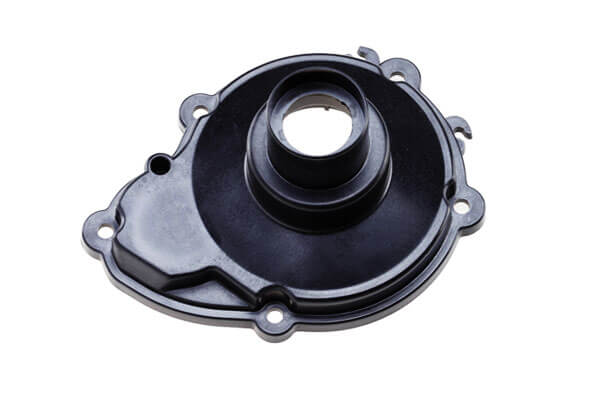
صب الحقن تعتبر من أهم طرق التصنيع لمكونات مادة البولي أميد الهندسية.
يتم إذابة كريات البوليمر المجففة في برميل ساخن وحقنها تحت الضغط في قالب دقيق.
هذه العملية مناسبة بشكل خاص لإنتاج معقدة, مكونات كبيرة الحجم ذات هندسة متسقة.
وتشمل التطبيقات النموذجية:
- التروس والمكونات الميكانيكية;
- مقاطع السيارات والأقواس;
- الموصلات الكهربائية;
- مكونات الجهاز;
- المساكن والمرفقات;
- الأجزاء الصناعية الدقيقة.
لأن مادة البولي أميد يمكنها امتصاص الرطوبة, يعد تجفيف الراتنج المناسب قبل التشكيل أمرًا بالغ الأهمية
من الشائع أيضًا أن تكون مادة البولي أميد المقواة بالألياف الزجاجية مصبوبة بالحقن, على الرغم من أن تصميم القالب وظروف المعالجة يجب أن تأخذ في الاعتبار اتجاه الألياف, زيادة اللزوجة, والانكماش متباين الخواص.
البثق
يتم استخدام البثق لإنتاج منتجات البولياميد بشكل مستمر بمقطع عرضي ثابت. يتم دفع البوليمر المنصهر من خلال قالب على شكل ثم يتم تبريده وحجمه.
وتشمل المنتجات المبثوقة الشائعة الأنابيب, الأنابيب, أفلام, أوراق, قضبان, عزل الكابلات, والملفات الهندسية.
تعتبر PA11 وPA12 ذات أهمية خاصة للأنابيب المرنة بسبب مزيجها من المقاومة الكيميائية, المرونة, وامتصاص منخفض للرطوبة نسبيًا.
في الملف الشخصي وأنبوب البثق, التحكم في درجة الحرارة, استقرار الذوبان, معدل التبريد, وتعد معايرة الأبعاد ضرورية للحفاظ على ثبات سمك الجدار وهندسته.
تهب القولبة
يتم استخدام النفخ عند الحاجة إلى مكونات البولياميد المجوفة. يتم توسيع أنبوب البوليمر الساخن أو التشكيل داخل قالب باستخدام ضغط الهواء.
يتم استخدام صب مادة البولي أميد بشكل شائع لخزانات سوائل السيارات, قنوات, مكونات نظام الوقود, والحاويات الصناعية المتخصصة.
يمكن أيضًا إنتاج هياكل متعددة الطبقات عند الحاجة إلى خصائص حاجز إضافية.
ضغط ونقل صب
على الرغم من أنها أقل شيوعًا من قولبة الحقن للبولي أميدات البلاستيكية الحرارية القياسية, يمكن أن يكون صب الضغط مفيدًا للحجم الكبير, معززة للغاية, أو مكونات متخصصة.
يمكن أن تستوعب العملية بعض المواد المقواة بالألياف الطويلة ويمكن اختيارها عندما يكون من الصعب تحقيق هندسة الأجزاء أو بنية التعزيز من خلال صب الحقن التقليدي.
تصنيع CNC
يمكن أيضًا تصنيع مادة البولي أميد من مخزون مبثوق أو مصبوب باستخدام الخراطة باستخدام الحاسب الآلي, الطحن, حفر, وغيرها من العمليات الطرحية.
تصنيع CNC مفيد بشكل خاص ل:
- تطوير النموذج الأولي;
- إنتاج منخفض الحجم;
- مكونات كبيرة;
- الأجزاء التي تتطلب ميزات يصعب تشكيلها;
- المكونات التي تتطلب تفاوتات صارمة بعد المعالجة.
لكن, يجب مراعاة تغييرات الأبعاد المتعلقة بالرطوبة عند تصنيع مكونات البولياميد الدقيقة. يجب التحكم في تكييف المواد بشكل مثالي قبل الفحص النهائي.
التصنيع المضافة
العديد من مواد البولياميد, وخاصة PA12 وPA11, تستخدم على نطاق واسع في تقنيات التصنيع المضافة مثل تلبيد الليزر الانتقائي (SLS) و متعدد جيت فيوجن (com.mjf)
هذه العمليات مناسبة بشكل خاص للنماذج الأولية, منتجات مخصصة, الهندسة الداخلية المعقدة, والإنتاج المنخفض إلى المتوسط.
بالمقارنة مع صب الحقن, يلغي التصنيع الإضافي الحاجة إلى أدوات مخصصة ولكنه يتضمن عمومًا تكاليف أعلى للوحدة عند أحجام الإنتاج الكبيرة.
6. مواد البولي أميد المقواة والمعدلة
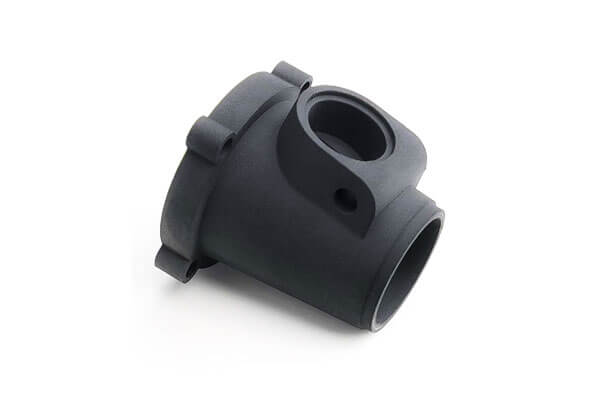
يوفر مادة البولي أميد غير المملوءة مزيجًا متوازنًا من القوة, صلابة, ارتداء المقاومة, وقابلية المعالجة.
لكن, تتطلب العديد من التطبيقات الهندسية خصائص تتجاوز تلك الخاصة بـ PA6 أو PA66 القياسي.
لهذا السبب, كثيرا ما يتضاعف مادة البولي أميد مع ألياف التقوية, الحشوات المعدنية, معدّلات التأثير, مثبطات اللهب, مواد التشحيم, وغيرها من الإضافات الوظيفية.
| تعديل نوع البولياميد | التعديل الأساسي | تحسين الأداء الرئيسي | التطبيقات النموذجية |
| PA المقوى بالألياف الزجاجية | ألياف زجاجية | قوة, صلابة, مقاومة الحرارة | هياكل السيارات, الموصلات, الآلات |
| PA المقوى بألياف الكربون | ألياف الكربون | قوة محددة عالية وصلابة | الفضاء, الروبوتات, أجزاء عالية الأداء |
| PA المليئة بالمعادن | التلك, ميكا, المعادن | الاستقرار الأبعاد, انخفاض انكماش | العلب, مكونات دقيقة كبيرة |
| التأثير المعدل PA | معدّلات المطاط الصناعي | تحسين المتانة ومقاومة التأثير | مكونات السيارات والحماية |
مثبطات اللهب PA |
إضافات مثبطات اللهب | تحسين أداء النار | المكونات الكهربائية والإلكترونية |
| التشحيم الذاتي PA | PTFE, MoS₂, إضافات التشحيم | تقليل الاحتكاك والتآكل | المحامل, التروس, الأجزاء المنزلق |
| السلطة الفلسطينية موصلة | الحشوات الموصلة القائمة على الكربون | التحكم ESD أو التوصيل الكهربائي | الإلكترونيات والمعدات الحساسة للكهرباء الساكنة |
7. مزايا وقيود مادة البولي أميد
المزايا الرئيسية
- قوة عالية محددة: تتيح نسبة القوة إلى الوزن الاستثنائية استبدال المعادن بتكلفة معقولة في التطبيقات الهيكلية.
- أداء ارتداء ممتاز: تلغي خصائص التشحيم الذاتي المتأصلة الحاجة إلى التشحيم الخارجي في العديد من تطبيقات الأحمال الخفيفة إلى المتوسطة.
- مقاومة كيميائية جيدة: التحمل المتميز للزيوت, الوقود والشحوم لبيئات السيارات والصناعية.
- قابلية معالجة واسعة: متوافق مع جميع طرق تصنيع اللدائن الحرارية الرئيسية مع قابلية جيدة للذوبان.
- صلابة عالية التأثير: يحافظ على ليونة جيدة على نطاق واسع من درجات الحرارة, خاصة في الدرجات المعدلة بالتأثير.
- صياغة متعددة الاستخدامات: معززة بسهولة, تشديد, مثبطات اللهب ومعقدة لتحقيق الأداء المستهدف.
- عزل كهربائي جيد: أداء عازل كافٍ لمعظم التطبيقات الكهربائية والإلكترونية العامة.
القيود المتأصلة
- امتصاص عالي للرطوبة: تمتص الدرجات القياسية كمية كبيرة من الماء في الغلاف الجوي, مما يتسبب في تغيير الأبعاد وتغير الخصائص - وهو أكبر قيد على التصميم.
- تقلب الأبعاد: يتطلب الانكماش العالي للعفن والتورم الناجم عن الرطوبة تصميمًا دقيقًا للتسامح.
- هشاشة درجات الحرارة المنخفضة: تصبح الدرجات القياسية غير المعدلة هشة عند درجات حرارة أقل من الصفر وتتطلب تعديل التأثير للخدمة الباردة.
- مقاومة قوية للأحماض/القلويات: يتحلل في الأحماض المعدنية القوية والمحاليل القلوية المركزة.
- تجهيز متطلبات التجفيف: يضيف التجفيف المسبق الإلزامي خطوات العملية وتكلفة الطاقة مقارنة بالبلاستيك غير المسترطب.
- تدهور الأشعة فوق البنفسجية: تتحلل الدرجات غير المستقرة عند التعرض للأشعة فوق البنفسجية لفترة طويلة في الهواء الطلق وتتطلب التثبيت للاستخدام الخارجي.
8. تطبيقات مادة البولي أميد
مزيج من القوة الميكانيكية, ارتداء المقاومة, وزن منخفض, المقاومة الكيميائية, وتسمح مرونة التصنيع للبولي أميد بالعمل في تطبيقات تتراوح من المنتجات الاستهلاكية إلى مكونات السيارات والصناعية عالية الهندسة.
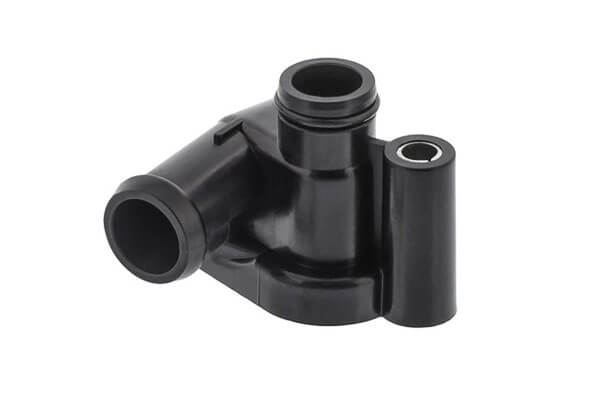
صناعة السيارات
السيارات تعد الهندسة واحدة من أكبر مجالات تطبيق البولياميدات الهندسية.
PA6, PA66, وتستخدم الدرجات المقواة على نطاق واسع لتحل محل المكونات المعدنية حيث يتم تقليل الوزن, مقاومة التآكل, والقولبة المتكاملة مفيدة.
وتشمل المكونات النموذجية:
- أغطية المحرك والأقواس
- مكونات مدخل الهواء
- مكونات نظام التبريد
- أدلة الكابلات والمشابك
- علب العتاد
- تحمل أقفاص
- مكونات نظام الوقود
- الموصلات الكهربائية
- أقواس هيكلية
- مكونات المروحة والبكرة
يعتبر PA66 المقوى بالألياف الزجاجية مهمًا بشكل خاص للتطبيقات الموجودة أسفل الغطاء لأن التعزيز يعمل على تحسين الصلابة, مقاومة زحف, والاستقرار الأبعاد.
الكهربائية والإلكترونيات
يستخدم مادة البولي أميد على نطاق واسع للمكونات الكهربائية بسبب خصائصه العازلة, القوة الميكانيكية, والقدرة على حقن صب.
وتشمل التطبيقات موصل العلب, كتل المحطة الطرفية, غدد الكابلات, المفاتيح, علب أجهزة الاستشعار, مكونات حماية الدائرة, والحاويات الكهربائية.
غالبًا ما يتم اختيار درجات مثبطات اللهب عندما تتطلب المتطلبات التنظيمية إشعالًا متحكمًا وانتشار اللهب.
الآلات الصناعية
في الآلات, يتم استخدام مادة البولي أميد بشكل متكرر حيث يجب أن تتحمل المكونات خفيفة الوزن الحركة الميكانيكية المتكررة.
تشمل الأمثلة الشائعة:
- التروس وعجلات التروس
- البطانات والمحامل
- بكرات
- ارتداء شرائط
- القضبان التوجيهية
- حاملات الكابلات
- مكونات الختم
- حراس الآلة
- مكونات الناقل
بالمقارنة مع المكونات المعدنية, يمكن لأجزاء البولياميد تقليل الوزن, ضوضاء, ومتطلبات التشحيم في بعض التطبيقات.
التعامل مع السوائل والأنابيب
تعتبر PA11 وPA12 ذات قيمة خاصة لتطبيقات الأنابيب ومعالجة السوائل لأنها تجمع بين المرونة, المقاومة الكيميائية, كثافة منخفضة, وامتصاص منخفض للرطوبة نسبيًا.
يتم استخدامها ل أنابيب هوائية, خطوط هيدروليكية, خطوط الوقود, المكونات المتعلقة بالفرامل, تغليف الكابل, والخراطيم الصناعية, اعتمادًا على الدرجة المحددة والمعايير المعمول بها.
المنتجات الاستهلاكية والتجارية
يستخدم مادة البولي أميد أيضًا على نطاق واسع في المنتجات الاستهلاكية حيث تعد المتانة ومقاومة الصدمات أمرًا مهمًا.
تتضمن الأمثلة مكونات الأدوات الكهربائية, المعدات الرياضية, السحابات, العلب, مقابض, عجلات, التجهيزات الميكانيكية, ومكونات مصبوبة مختلفة.
التطبيقات الطبية والرعاية الصحية
يمكن استخدام درجات البولياميد المتخصصة في تطبيقات طبية ورعاية صحية مختارة, بما في ذلك الأنابيب, مكونات الصك, أجزاء التعامل مع السوائل, وبعض الأجهزة التي يمكن التخلص منها أو القابلة لإعادة الاستخدام.
لهذه التطبيقات, لكن, التوافق الحيوي, مقاومة التعقيم, المستخرجة, التوافق الكيميائي, ويجب تقييم المتطلبات التنظيمية المعمول بها للدرجة المحددة بدلاً من افتراضها من الخصائص العامة للبولي أميد.
9. مادة البولي أميد مقابل. اللدائن الهندسية الأخرى
مادة البولي أميد ليست متفوقة عالميًا على المواد البلاستيكية الهندسية الأخرى.
كل بوليمر لديه ملف تعريف أداء مختلف, ويعتمد الاختيار المناسب على عوامل مثل التحميل الميكانيكي, احتكاك, درجة حرارة, التعرض الكيميائي, رُطُوبَة, متطلبات الأبعاد, والتكلفة.
| ملكية / عامل | البولي أميد (السلطة الفلسطينية) | polyoxymethylene (بوم) | البولي بروبيلين (ص) | polyether ether ketone (نظرة خاطفة) |
| فئة المواد | اللدائن الحرارية الهندسية | اللدائن الحرارية الهندسية | السلع / اللدائن الحرارية شبه الهندسية | بلاستيك حراري هندسي عالي الأداء |
| القوة النموذجية | جيدة إلى عالية | جيد | معتدل | عالية جدا |
| صلابة | جيد; أعلى مع التعزيز | جيد | معتدل | ممتاز |
| مقاومة التأثير | جيد إلى ممتاز | جيد | جيد إلى ممتاز | جيد |
| ارتداء المقاومة | جيد إلى ممتاز | ممتاز | معتدل | ممتاز |
| احتكاك | منخفضة إلى معتدلة | منخفض جدا | قليل | قليل |
| امتصاص الرطوبة | متوسطة إلى عالية لـ PA6/PA66; أقل لـ PA11/PA12 | منخفض جدا | منخفض جدا | منخفض جدا |
| الاستقرار الأبعاد | معتدل; تتأثر بشدة بالرطوبة في بعض الدرجات | ممتاز | جيد | ممتاز |
| القدرة على درجة الحرارة | معتدلة إلى عالية, اعتمادا على الصف | معتدل | منخفضة نسبيا | ممتاز |
| المقاومة الكيميائية | جيد | جيد | ممتاز | ممتاز |
| العزل الكهربائي | جيد | جيد | ممتاز | ممتاز |
| مقاومة التعب | جيد | ممتاز | جيد | ممتاز |
| قابلية المعالجة | ممتاز | ممتاز | ممتاز | أكثر تطلبا |
تكلفة المواد النسبية |
معتدل | معتدل | قليل | عالية جدا |
| التطبيقات النموذجية | التروس, البطانات, قطع غيار السيارات, الموصلات, المكونات الهيكلية | التروس الدقيقة, المحامل, الصمامات, آليات | التغليف, الدبابات, مفصلات حية, الحاويات الكيميائية | الفضاء, أشباه الموصلات, طبي, آلات ذات درجة حرارة عالية |
| الميزة الرئيسية | الأداء الميكانيكي والمعالجة المتوازن | احتكاك منخفض واستقرار الأبعاد | منخفضة التكلفة والمقاومة الكيميائية | أداء استثنائي في درجات الحرارة العالية والميكانيكية |
| القيد الرئيسي | حساسية الرطوبة | قدرة محدودة على تحمل درجات الحرارة العالية | أداء ميكانيكي أقل | تكلفة عالية ومعالجة أكثر تطلبا |
10. إعادة تدوير مادة البولي أميد والاستدامة
إعادة التدوير الميكانيكية
يتم إعادة تدوير خردة البولياميد ما بعد الصناعية بشكل روتيني ميكانيكيًا عن طريق إعادة طحنها وإعادة تركيبها.
يحتفظ الراتينج المعاد تدويره بمعظم خواصه الميكانيكية ويستخدم على نطاق واسع للأجزاء الهيكلية غير الحرجة.
إعادة التدوير بعد الاستهلاك أقل رسوخًا ولكنها في تزايد, وخاصة بالنسبة لمجاري نفايات ألياف النسيج والسجاد.
إعادة التدوير الكيميائي
يمكن لتقنيات إزالة البلمرة المتقدمة أن تقوم بتكسير نفايات مادة البولي أميد مرة أخرى إلى مواد خام مونومر نقية, إنتاج راتنجات مكافئة مع أداء مماثل.
تعمل الآن مرافق إعادة تدوير المواد الكيميائية على نطاق صناعي في أوروبا وأمريكا الشمالية, تمكين دائرية مغلقة لمواد البولياميد.
البولياميدات ذات الأساس الحيوي
ولا تقتصر الاستدامة على إعادة التدوير. بعض البولياميدات, مشتمل PA11 وPA1010, يمكن إنتاجها جزئيًا أو بشكل كبير من المواد الأولية المتجددة اعتمادًا على مسار التصنيع المحدد.
يمكن للمواد الأولية الحيوية أن تقلل من الاعتماد على الموارد الأحفورية, لكن البوليمر الحيوي ليس متفوقًا بيئيًا تلقائيًا.
وينبغي للتقييم الكامل أن يأخذ في الاعتبار مصادر المواد الأولية, التأثيرات الزراعية, استهلاك الطاقة, انبعاثات التصنيع, عمر المنتج, Recyclabality, وعلاج نهاية الحياة.
11. أجزاء مادة البولي أميد المخصصة من LangHe صناعة
صناعة لانغي توفر حلول تصنيع مخصصة للمكونات البلاستيكية الهندسية, بما في ذلك أجزاء البولياميد المصممة للميكانيكية, كهربائي, السيارات, صناعي, وغيرها من التطبيقات الصعبة.
بدلاً من معالجة مادة البولي أميد كمادة بلاستيكية عامة, يجب اختيار المواد وعملية التصنيع وفقًا لظروف التشغيل الفعلية للمكون.
عوامل مثل درجة السلطة الفلسطينية, التعرض للرطوبة, درجة حرارة, التحميل الميكانيكي, التحمل الأبعاد, متطلبات ارتداء, البيئة الكيميائية, ويتم تقييم التعزيز أثناء التطوير الهندسي.
قدرات تصنيع مادة البولي أميد المخصصة
| القدرة | تفاصيل |
| اختيار المواد | PA6, PA66, PA11, PA12 ودرجات البولياميد المعززة أو المعدلة |
| تعديل المواد | الألياف الزجاجية, ألياف الكربون, الدرجات المملوءة بالمعادن والمعدلة للاهتراء, تخضع لمتطلبات التطبيق |
| تصنيع | قولبة الحقن والتصنيع الدقيق لمكونات البولياميد المناسبة |
| تصنيع CNC | تحول, الطحن, حفر, ممل, وتشطيب المكونات الهندسية البلاستيكية |
| الهندسة المعقدة | العلب, التروس, البطانات, قوسين, أدلة, أغطية, والمكونات الميكانيكية المخصصة |
| التحكم الدقيق | فحص الأبعاد على أساس هندسة المكونات, متطلبات التسامح, واحتياجات التطبيق |
| إنتاج النموذج الأولي | تطوير الحجم المنخفض والنموذج الأولي قبل الإنتاج التسلسلي |
| الدعم الهندسي | اختيار المواد, مراجعة سوق دبي المالي, تقييم التسامح, والعملية تحسين |
| جودة | ISO 9001:2015 معتمد. |
| مهلة | 2- 4 أسابيع للتصنيع; 4- 8 أسابيع للأدوات والإنتاج. |
12. خاتمة
مادة البولي أميد هي عائلة واسعة من البوليمرات الهندسية وليست مادة واحدة.
من التقليدية PA6 وPA66 لخفض امتصاص الرطوبة PA11 وPA12, درجة حرارة عالية اتفاقية شراء الطاقة, والدرجات المقواة بالألياف, توفر التركيبات المختلفة مجموعات مختلفة بشكل كبير من الميكانيكية, حراري, كيميائية, والأداء الأبعاد.
أعظم ميزة لها هي أدائها الهندسي المتوازن. يجمع مادة البولي أميد بين الكثافة المنخفضة نسبيًا والقوة الجيدة, صلابة, ارتداء المقاومة, المقاومة الكيميائية, العزل الكهربائي, وقابلية معالجة ممتازة.
هذه الخصائص تجعله بديلاً فعالاً للمعادن والمواد البلاستيكية الهندسية الأخرى في العديد من التطبيقات.
في نفس الوقت, يجب على المصممين ألا يتجاهلوا حدوده. امتصاص الرطوبة, خصائص تعتمد على درجة الحرارة, زحف, والتوافق الكيميائي يمكن أن يؤثر بقوة على الأداء على المدى الطويل.
ولذلك ينبغي أن يعتمد اختيار المواد على بيئة التشغيل الكاملة وليس على قوة الشد أو نقطة الانصهار وحدها.
للمكونات المخصصة, النهج الأكثر موثوقية هو تقييم درجة مادة البولي أميد, تعزيز, عملية التصنيع, متطلبات الأبعاد, بيئة الخدمة, والعمر المتوقع كنظام متكامل.
عندما يتم التحكم في هذه العوامل بشكل صحيح, يمكن أن يوفر مادة البولي أميد حلاً فعالاً من حيث التكلفة وقويًا من الناحية الفنية لمجموعة واسعة من المكونات الهندسية.
أسئلة وأجوبة حول مادة البولي أميد
هل مادة البولي أميد هي نفسها النايلون؟?
ليس بالضبط. النايلون هو مجموعة رئيسية من البولياميدات, وخاصة البولياميدات الأليفاتية مثل PA6 وPA66.
مادة البولي أميد هي عائلة كيميائية أوسع تشمل أيضًا PA11, PA12, البولياميدات شبه العطرية, والبولي أميدات العطرية.
هل مادة البولي أميد مادة قوية؟?
نعم. يوفر مادة البولي أميد بشكل عام قوة شد جيدة, صلابة, صلابة, وأداء التعب. الألياف الزجاجية- والبولي أميدات المقواة بألياف الكربون يمكن أن توفر صلابة وقوة أعلى بكثير من الدرجات الشاغرة.
هل يمتص البولياميد الماء؟?
نعم. يعد امتصاص الرطوبة سمة مهمة للعديد من البولياميدات, وخاصة PA6 وPA66.
يمكن أن يؤدي امتصاص الماء إلى تغيير الأبعاد والخواص الميكانيكية, لذا يجب أخذ الرطوبة والتكييف بعين الاعتبار عند استخدام التطبيقات الدقيقة.
هل مادة البولي أميد مناسبة لتطبيقات درجات الحرارة العالية؟?
ذلك يعتمد على الصف. تعتبر PA6 وPA66 التقليدية مناسبة لدرجات الحرارة المرتفعة بشكل معتدل, بينما PPA وغيرها من البولياميدات ذات درجة الحرارة العالية أكثر ملاءمة للبيئات الحرارية الصعبة.
هل يمكن للبولي أميد أن يحل محل المعدن في الأجزاء الهيكلية؟?
أ: نعم. تُستخدم مادة البولي أميد المقواة بالألياف الزجاجية على نطاق واسع لتحل محل الألومنيوم المصبوب والصلب في هيكل السيارات, المكونات الصناعية والاستهلاكية.
إنها عادةً ما تقلل وزن الجزء بنسبة 40-60% مع توفير القوة الكافية للعديد من التطبيقات الحاملة. يظل استبدال المعادن هو المحرك الرئيسي للنمو في مجال البولياميدات الهندسية.
مادة البولي أميد مقاومة للمواد الكيميائية?
يتمتع مادة البولي أميد بمقاومة جيدة للعديد من الزيوت, الوقود, الهيدروكربونات, والمواد الكيميائية الصناعية, ولكن مقاومته للأحماض القوية, العوامل المؤكسدة, ويمكن أن تكون بعض المذيبات محدودة.
ينبغي دائمًا تقييم الدرجة المحددة وظروف التشغيل.
هل مادة البولي أميد أفضل من مادة POM؟?
ولا يوجد أي منهما أفضل على المستوى العالمي. يقدم مادة البولي أميد عمومًا مزيجًا أقوى من المتانة والأداء الميكانيكي,
بينما يوفر POM غالبًا ثباتًا فائقًا للأبعاد, احتكاك منخفض, وارتداء الأداء.
يعتمد الاختيار على التطبيق المحدد.
إشعارات حقوق النشر والعلامات التجارية
- Kevlar® وNomex® هما علامتان تجاريتان مسجلتان لشركة E. أنا. دو بونت دي نيمور وشركاه (دوبونت).
- Torlon® هي علامة تجارية مسجلة لشركة Syensqo.

