编辑翻译
经过 Transposh - translation plugin for wordpress
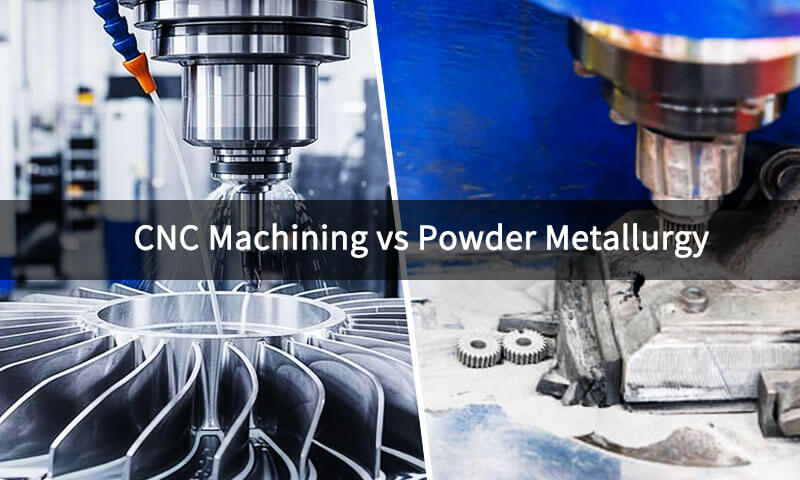
数控加工与粉末冶金

数控加工与粉末冶金: 哪种工艺更好?

内容表 展示

1. 介绍

CNC machining and powder metallurgy (下午) 是两种根本不同但互补的制造技术.

CNC加工——减材, 灵活的, and precise—excels at producing low‑ to medium‑volume components with complex geometries, 严格的公差, 和广泛的材料.

Powder metallurgy—additive/consolidative, 高效的, and repeatable—shines in high‑volume production of medium‑complexity parts with superior material utilisation and controlled porosity.

Choosing between them is not a matter of which is “better”. It is a strategic decision that affects cost, 交货时间, 材料特性, and design constraints.

2. 什么是CNC加工?

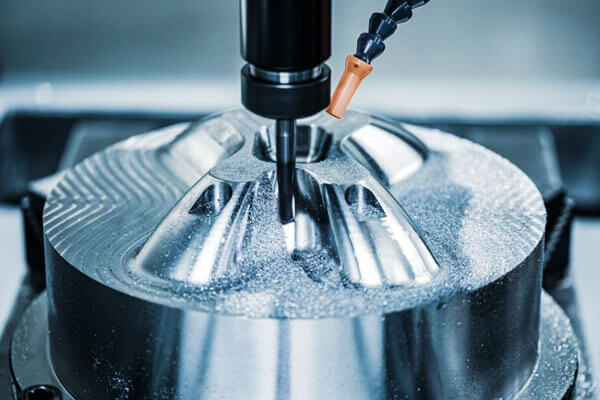
计算机数值控制 (CNC) 加工 is a precision manufacturing process in which computer-programmed machine tools automatically remove material from a solid workpiece to produce components with highly accurate dimensions and complex geometries.

Unlike traditional manual machining, CNC systems interpret digital CAD/CAM data and convert it into precise machine movements through numerical control.

Every movement of the cutting tool—including positioning, 饲料率, 主轴速度, cutting depth, and tool changes—is executed automatically according to programmed instructions, ensuring exceptional repeatability and consistency.

As a subtractive manufacturing process, CNC machining begins with raw stock in the form of billets, 盘子, 杆, 宽恕, 铸件, or extrusions.

Material is progressively removed through controlled cutting operations until the finished component matches the desired design.

数控加工
数控加工

How CNC Machining Works

Although different machining operations use specialized equipment, the overall CNC machining workflow follows a systematic digital manufacturing process.

步 1: CAD Design

The process begins with a three-dimensional CAD model created using engineering software.

The model defines every geometric feature, 宽容, hole, radius, thread, and surface requirement of the final component.

步 2: CAM Programming

The CAD model is imported into Computer-Aided Manufacturing (凸轮) 软件, where machining strategies are developed.

The CAM system determines:

  • 工具路
  • Cutting sequences
  • Tool selection
  • Feed rates
  • Spindle speeds
  • Coolant strategy
  • Machining simulation
  • Estimated cycle time

The software then generates G-code that controls the CNC machine.

步 3: Machine Setup

在加工开始之前, operators prepare the equipment by:

  • Installing fixtures
  • Mounting the workpiece
  • Loading cutting tools
  • Setting work coordinates
  • Calibrating tool offsets
  • Verifying machine parameters

Proper setup directly influences machining accuracy and productivity.

步 4: Automatic Machining

Once the machining program starts, the CNC machine executes all programmed operations automatically.

Depending on the component, operations may include:

  • 面铣
  • Pocket milling
  • Slot cutting
  • 转身
  • 线程
  • 钻孔
  • 旋转
  • 无聊的
  • 窃听
  • 研磨

Modern machining centers can perform multiple operations within a single setup.

步 5: 检查和质量控制

Finished components undergo dimensional verification using advanced inspection equipment such as:

  • 协调测量机 (CMM)
  • Laser scanners
  • Optical measurement systems
  • Surface roughness testers
  • Digital calipers
  • Micrometers

Inspection data are often integrated directly into digital manufacturing systems for statistical process control.

Common CNC Machining Processes

过程 描述 典型的应用
数控铣削 Rotating cutting tool removes material from a stationary workpiece; 3‑axis to 5‑axis. Complex 3D surfaces, 口袋, 老虎机, 轮廓.
数控车削 Workpiece rotates while a stationary cutting tool removes material. 圆柱零件 (轴, 别针, 戒指, 线程).
CNC Drilling Rotating drill bit creates holes. Holes for fasteners, 流体通道, 接线.
CNC研磨 Abrasive wheel removes material for fine surface finish and tight tolerances. Precision shafts, 轴承表面, 死亡.
EDM (电气加工) Electrical sparks erode conductive material. Complex cavities, hard materials, moulds.
Multi‑axis Machining 4‑axis, 5‑axis, 或更多; simultaneous or indexed movements. 航空航天组件, 复杂的几何形状.

Materials Suitable for CNC Machining

材料类别 典型的成绩 / 例子 关键特征 常见应用
碳钢 AISI 1018, 1045, 4140, 4340 高力量, 良好的可加工性, 成本效益 轴, 齿轮, 机器框架, 工业设备
不锈钢 303, 304, 316, 17-4 ph, 420, 440c 优异的耐腐蚀性, 高力量, 良好的耐磨性 医疗设备, 食品加工设备, 阀, 泵
工具钢 D2, A2, O1, H13, M2 高硬度, outstanding wear resistance, 热处理 模具, 死亡, 切割工具, 打孔
铝合金 6061, 6063, 7075, 2024, 5052 轻的, 出色的可加工性, 耐腐蚀 航空航天零件, 汽车组件, 电子产品, 机器人技术
钛合金 年级 2, ti-6al-4V (年级 5) 高强度重量比, 优异的耐腐蚀性, 生物相容性 航天, 医疗植入物, 海洋组成部分
C101, C110 Outstanding electrical and thermal conductivity 电连接器, 母线, 热交换器
黄铜
C26000, C36000, C46400 出色的可加工性, 耐腐蚀性, 有吸引力的外观 阀, 配件, plumbing hardware, 装饰组件
青铜 C93200, C95400 良好的耐磨性, excellent bearing properties 衬套, 轴承, 海洋硬件, 齿轮
镍合金 inconel 625, inconel 718, 莫内尔 400, Hastelloy C276 高温强度, oxidation and corrosion resistance 航空航天发动机, 化学处理, 油 & 气体
镁合金 AZ31B, AZ91D Ultra-lightweight, 易于机械, 高特异性强度 航空航天结构, 汽车零部件, 电子产品
工程塑料 窥视, ptfe, pom (嗝), 尼龙, 超高分子量或, 聚碳酸酯 轻的, chemical resistant, 电绝缘 医疗设备, semiconductor equipment, 精度组件
复合材料 碳纤维复合材料 (CFRP), G10, FR4 高强度重量比, 出色的维度稳定性 Aerospace panels, 电子产品, 体育用品

3. 什么是粉末冶金?

粉状冶金 (下午) is an advanced manufacturing technology that produces metal components by compacting finely engineered metal powders into a predetermined shape

and then consolidating them through thermal processing, typically by 烧结 below the melting point of the primary metal.

Unlike conventional casting or CNC machining, powder metallurgy forms parts with minimal material removal, 使它成为 近网状 manufacturing process that offers exceptionally high material utilization and excellent production efficiency.

Rather than beginning with a solid billet or molten metal, powder metallurgy starts with metal powders that are carefully engineered to achieve specific particle size distributions, morphologies, 化学成分, and flow characteristics.

These powders are blended, compacted under high pressure, and subsequently heated in controlled-atmosphere furnaces, where atomic diffusion bonds individual particles together into a dense, structurally sound component.

The process is particularly advantageous for manufacturing small to medium-sized components in high production volumes, where its ability to minimize waste, reduce secondary machining, and ensure consistent quality provides substantial economic benefits.

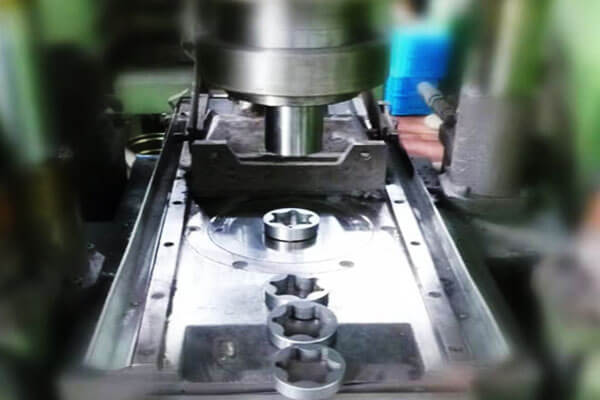
粉状冶金
粉状冶金

How Powder Metallurgy Works

Although different powder metallurgy technologies employ distinct consolidation methods, the conventional manufacturing workflow follows several well-defined stages.

步 1: Powder Production

The process begins with the production of high-quality metal powders.

Powder characteristics—including particle size, 颗粒形状, 纯度, apparent density, and flowability—have a profound influence on the final component’s mechanical properties and dimensional consistency.

Common powder production methods include:

  • Water atomization
  • Gas atomization
  • Electrolysis
  • Chemical reduction
  • Mechanical milling
  • Carbonyl decomposition
  • Plasma atomization

Each method is selected according to the required material properties and application.

步 2: Powder Blending and Conditioning

Individual powders are carefully blended to achieve the desired alloy composition and processing characteristics. 在此阶段, manufacturers may introduce:

  • Alloying powders
  • Lubricants
  • 粘合剂
  • Flow agents
  • Sintering additives

Uniform mixing is essential to ensure consistent density, 化学, and mechanical performance throughout the finished component.

步 3: 压实

The conditioned powder is transferred into a precision die cavity and compacted under pressures that commonly range from 400 兆帕以上 800 MPA, depending on the material and process.

Compaction serves several important functions:

  • Forms the initial geometry
  • Increases green density
  • Improves particle contact
  • Provides sufficient green strength for handling

The compacted component produced at this stage is known as the green compact.

步 4: 烧结

The green compact is then heated in a controlled-atmosphere furnace to temperatures below the melting point of the primary metal.

During sintering:

  • Atomic diffusion occurs between adjacent particles.
  • Metallurgical bonds develop.
  • Porosity decreases.
  • Mechanical strength increases.
  • Dimensional stability improves.

Depending on the alloy system, sintering atmospheres may include hydrogen, 氮, 氩气, 真空, or endothermic gas to prevent oxidation and ensure optimal metallurgical quality.

步 5: 次要操作

Although many powder metallurgy components are produced as near-net-shape parts, additional processing may be performed when enhanced performance or tighter tolerances are required.

Common secondary operations include:

  • 铸造
  • 浆纱
  • 热处理
  • 表面饰面
  • 浸渍
  • Infiltration
  • 数控加工
  • 研磨
  • Steam treatment
  • Coating or plating

Major Powder Metallurgy Processes

过程 描述 典型的应用
Conventional press‑and‑sinter Uniaxial pressing + 烧结; the most common PM process. 齿轮, 轴承, 链轮, 结构部件.
金属注塑成型 (mim) Fine powder + binder injection moulded like plastic; debind + 烧结. 小的, 复杂零件 (firearms, 医疗的, 电子产品).
热等静止 (时髦的) 高温 + high pressure gas consolidates powder. 航空航天零件, 超级合金, fully dense components.
Powder forging Preform forged to full density; combines PM + 锻造. 连杆, high‑strength structural parts.
增材制造 (metal powder bed) Laser or electron beam melts powder layer by layer. 原型, 复杂的, low‑volume parts.

Materials Used in Powder Metallurgy

材料类别 典型材料 / 等级 关键特征 常见应用
纯铁 Atomized Iron Powder, Reduced Iron Powder 低成本, good compressibility, suitable for structural parts 结构成分, 磁芯, 机械零件
低合金钢 Fe-Cu-C, Fe-Ni-Mo, Fe-Cr-Mo 高力量, 良好的耐磨性, 热处理 Automotive gears, 链轮, transmission components
不锈钢 304l, 316l, 410l, 17-4 ph 耐腐蚀性, 高力量, 良好的维稳定性 医疗设备, food machinery, 泵, 阀
工具钢 高速钢 (HSS), PM Tool Steels Exceptional hardness, 戴阻力, uniform carbide distribution 切割工具, 模具, 死亡, 打孔
铝合金 Aluminum Powder, Al-Si Alloys 轻的, 良好的导热率, 耐腐蚀 汽车, 航天, 轻巧的结构部分
Pure Copper Powder Excellent electrical and thermal conductivity 电触点, 散热器, conductive components
青铜 锡青铜, 磷青铜 Excellent bearing performance, self-lubricating capability 轴承, 衬套, 齿轮
黄铜 Cu-Zn Alloys 良好的耐腐蚀性, 可加工性, decorative appearance 配件, 阀, 管道组件
镍基合金
inconel 625, inconel 718, Hastelloy, 莫内尔 高温强度, 氧化抗性 涡轮组件, 航天, 化学设备
钛合金 CP Titanium, ti-6al-4V 高强度重量比, 生物相容性, 耐腐蚀性 医疗植入物, 航天, 增材制造
难熔金属 钨, 钼, 坦塔尔 极高的熔点, excellent wear and heat resistance 电触点, 防御, 航天, 高温元件
Cemented Carbides Tungsten Carbide-Cobalt (WC-CO), 碳化钛 (抽动) Ultra-high hardness, 优越的耐磨性 切割工具, mining tools, wear-resistant inserts
Soft Magnetic Materials Fe-Si, Fe-Ni, Fe-P Alloys High magnetic permeability, low core loss 电动机, 变压器, 电感器
Permanent Magnetic Materials NdFeB, SmCo, 铁矿 Strong magnetic properties, high energy density Motors, 传感器, generators, EV systems
Self-Lubricating Materials Oil-Impregnated Iron or Bronze Controlled porosity stores lubricants, maintenance-free operation 轴承, 衬套, 电动机, household appliances
金属注塑成型 (mim) Feedstocks 不锈钢, 工具钢, 钛, Cobalt-Chromium Fine powders enable intricate geometries and excellent surface quality 医疗仪器, 电子产品, precision mechanical parts

4. 制造原理: Material Removal vs. Near‑Net Shape

标准 数控加工 粉状冶金
原则 减法 (removes material from solid block). Additive/consolidative (builds from powder).
材料利用率 30‑80% (depending on part geometry); scrap is generated. >95% (very little waste; green scrap is recycled).
起始材料 酒吧, 杆, 盘子, 坯料, 或铸造. 金属粉末.
工具 切割工具 (米尔斯, 演习, 插入) – relatively low cost. Precision dies (press dies) – high cost.
Post‑processing 通常是最小的 (deb‑urring, 抛光). 热处理, 浆纱, 加工 (有时).
形状复杂性 很高 (3d, 底切, complex surfaces). 一般 (2.5d, 有限的底切; draft angles required).
Section thickness Unlimited. 有限的 (typically 1‑10 mm; 可能的更薄的部分).

5. 工艺比较: CNC加工与. 粉状冶金

Although both technologies manufacture precision metal components, they differ significantly in production methodology, 灵活性, 准确性, 效率, 和可扩展性.

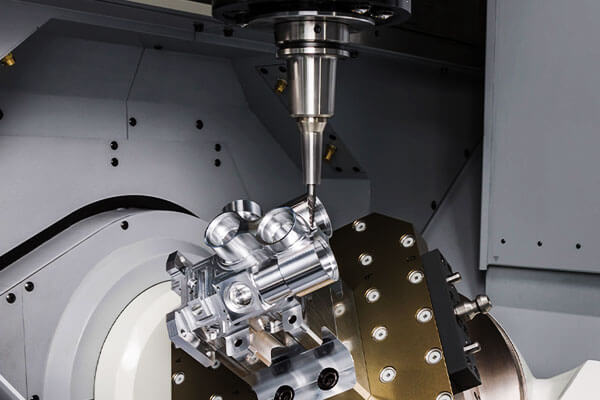
数控加工
数控加工

Production Workflow

CNC machining follows a digital workflow involving CAD modeling, CAM programming, machine setup, 切割, 和检查.

Each part is individually machined, making the process highly adaptable but relatively time-intensive.

Powder metallurgy relies on die-based manufacturing.

Once tooling has been developed, powder filling, 压实, 烧结, and optional finishing can be performed continuously with minimal operator intervention, enabling extremely high throughput.

Manufacturing Flexibility

CNC machining offers unmatched flexibility. Modifying a design often requires only updating the machining program, making it ideal for prototyping, 自定义组件, and low-volume production.

Powder metallurgy is less adaptable because dimensional changes usually require redesigning precision dies, increasing both cost and lead time.

零件复杂性

CNC machining can produce highly complex geometries, especially with 5-axis machining. 然而, internal enclosed cavities and lattice structures may be difficult or impossible to machine.

Powder metallurgy excels at producing intricate external geometries with consistent repeatability.

Processes such as Metal Injection Molding can manufacture miniature components with exceptional detail, though conventional die pressing imposes limits on undercuts and side features.

维度的准确性

Modern CNC machining routinely achieves tolerances of:

  • ±0.005 mm to ±0.02 mm for precision components
  • Even tighter tolerances with grinding and fine finishing

Conventional powder metallurgy typically achieves:

  • ±0.03 mm to ±0.10 mm after sintering
  • Improved tolerances after sizing or secondary machining

表面处理

CNC-machined surfaces can reach:

  • Ra 0.2–1.6 μm after finishing
  • Mirror-quality finishes through polishing or grinding

Powder metallurgy components generally exhibit:

  • Ra 1.6–6.3 μm after sintering
  • Improved finishes following machining or polishing

重复性

Both technologies provide excellent production consistency.

CNC relies on precise machine control and repeatable toolpaths, while powder metallurgy achieves remarkable repeatability through fixed tooling and automated compaction processes.

6. 机械性能比较: 数控加工与粉末冶金

性能特性 数控加工 (wrought stock) 粉状冶金 (press‑and‑sinter) mim (fine powder)
密度 (% theoretical) 100% 85‑95% 95‑98%
抗拉强度 出色的 (wrought properties). 80‑95% of wrought (depending on density). 90‑98% of wrought.
产生强度 Wrought level. 80‑90% of wrought. 90‑95% of wrought.
伸长 10‑35% (钢). 2‑15% (密度相关). 5‑20% (合金相关).
硬度 Wrought level. 与锻造相媲美 (same material). 与锻造相媲美.
影响韧性 出色的. 降低 (porosity acts as stress raiser). 良好 (更高的密度).
疲劳强度 出色的 (100% 稠密). 降低 (孔隙度引起的应力上升). 良好 (高密度).
硬度 出色的. 类似锻造 (80‑95%). 类似锻造 (90‑98%).
耐腐蚀性 Full wrought properties. Similar to wrought (but porosity can trap corrosive agents). Similar to wrought.

关键见解: PM parts are not fully dense (typically 85‑95% for press‑and‑sinter).

This residual porosity reduces tensile strength, 延性, and fatigue resistance compared to wrought materials. 然而, for many applications, the reduction is acceptable.

时髦的mim produce much higher densities (95‑99%), 接近锻造特性.

7. Precision and Quality Comparison: 数控加工与粉末冶金

标准 数控加工 粉状冶金
维度的准确性 ±0.005‑0.02 mm (milling/turning); ±0.001‑0.005 mm (磨削). ±0.05‑0.1 mm (烧结态); ±0.01‑0.02 mm (尺寸/铸造).
几何复杂性 很高; can machine undercuts, internal threads, free‑form surfaces. 一般; 本质上是2.5D; 无底切; draft required.
表面饰面 Ra 0.4‑3.2 µm (加工); Ra 0.1‑0.4 µm (研磨/抛光). Ra 3‑12 µm (烧结态); Ra 0.8‑3 µm (sized).
重复性 出色的 (CPK >1.33). 良好 (Cpk 1.0‑1.33); sintering shrinkage variation can reduce Cpk.
Defect risk 刀具磨损, 喋喋不休, 热变形. 孔隙率, density gradients, 破裂, dimensional variation.
检查 CMM, optical comparators, surface profilers. CMM, density measurement, porosity analysis, NDT.

8. Full-Lifecycle Economic Cost Analysis

Cost element 数控加工 粉状冶金
原料 中高 (酒吧, 杆, 盘子). 低的 (powder is cheaper per kg; >95% utilisation).
工具 Low‑moderate (切割工具, 固定装置). 高的 (press dies, sinter trays).
Labour 一般 (programming, 设置, 手术). 低的 (自动压制; supervision only).
Machine amortisation 中高 (CNC machines $100k‑1M). 高的 (presses $200k‑1M; sintering furnaces).
活力 一般 (切割, 冷却液). 高的 (sintering furnaces).
精加工
通常是最小的 (如果需要). May require heat treatment, 浆纱, 加工.
Scrap value 低的 (scrap is recyclable but lower value than powder). 高的 (green scrap recycled).
Total per‑part cost (低体积) Low‑moderate. 很高 (模具摊销).
Total per‑part cost (中等体积, 1‑5k) 一般. Moderate‑low.
Total per‑part cost (高容量, >10k) 高的 (labour, machine time). 非常低 (模具摊销).

9. 优点和局限性

Both CNC machining and powder metallurgy are mature manufacturing technologies with distinct strengths and weaknesses.

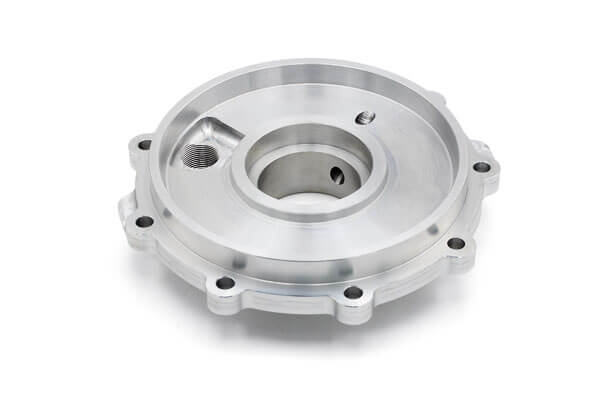
CNC Machining Parts
CNC Machining Parts

CNC加工的优势

CNC machining is widely recognized for its flexibility, 精确, and ability to process virtually any machinable material.

  • 卓越的维度精度
  • Excellent geometric precision
  • 上表面饰面
  • Wide material compatibility
  • No expensive dedicated tooling
  • Rapid design modifications
  • Ideal for prototypes and custom parts
  • Excellent mechanical properties from wrought materials
  • Suitable for low- and medium-volume production
  • High flexibility for engineering changes
  • Multi-axis machining enables highly complex geometries
  • Tight quality control and repeatability

Limitations of CNC Machining

Despite its versatility, CNC machining has several inherent limitations.

  • Significant material waste
  • Longer machining cycles for complex parts
  • Higher unit cost in mass production
  • Tool wear increases production cost
  • Limited productivity for millions of identical components
  • Complex fixtures may be required
  • Difficult to manufacture enclosed internal features without specialized techniques

Advantages of Powder Metallurgy

Powder metallurgy offers a fundamentally different set of benefits centered on efficiency and scalability.

  • Near-net-shape manufacturing
  • Outstanding material utilization
  • Minimal scrap generation
  • 优异的重复性
  • 高生产速度
  • Low cost per part in mass production
  • Uniform alloy composition
  • Ability to produce porous components
  • 减少次级加工
  • 优异的尺寸一致性
  • Highly automated production
  • Environmentally friendly due to low waste

Limitations of Powder Metallurgy

Although powder metallurgy excels in large-scale production, it also has several constraints.

  • High tooling investment
  • Less economical for prototypes
  • Limited flexibility for design modifications
  • Conventional PM may contain residual porosity
  • Size limitations imposed by compaction equipment
  • Complex undercuts are difficult in die pressing
  • Some precision features require secondary machining
  • Mechanical properties of conventional PM may be lower than wrought materials
  • Longer development time due to tooling fabrication

10. 典型工业应用: 数控加工与粉末冶金

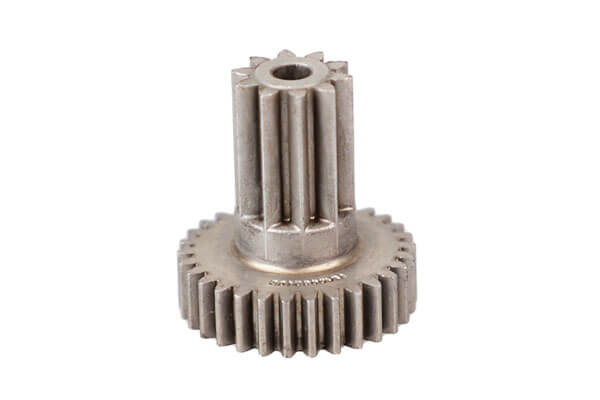
Powder Metallurgy Gears
行业 数控加工 粉状冶金
汽车 原型, 发动机块, 气缸盖, custom gears, 轴. 齿轮, 链轮, 同步集线器, 连杆, 轴承, valve guides.
航天 涡轮刀片, 结构成分, 起落架, 发动机安装座, avionics housings. 衬套, 密封, 过滤器, 推力垫圈, titanium brackets (mim).
医疗的 手术器械, 骨科植入物, dental abutments, MRI components. 手术器械 (mim), 骨科植入物 (HIP/MIM), dental files.
电子产品 散热器, 外壳, 连接器, 半导体组件. Soft magnetic cores, 连接器, 散热器, EMI屏蔽.
工业机械
泵外壳, 阀体, 齿轮, 轴, machine tool components. 衬套, 轴承, 凸轮, 链轮, 穿盘子.
油 & 气体 阀体, 泵叶轮, 法兰, pipeline fittings. 滤芯, 钨合金平衡块, seal rings.
消费品 家用电器, 电动工具, 硬件, 体育用品. 锁具组件, 拉链零件, 小括号, 枪械部件 (mim).

11. 数控加工与粉末冶金: How to Choose?

Choosing between CNC machining and powder metallurgy requires evaluating multiple engineering and economic factors rather than focusing on a single performance metric.

The following comparison summarizes the key differences between the two manufacturing technologies, providing a practical reference for engineers, product designers, and procurement professionals.

Comparison Item 数控加工 粉状冶金 (下午)
Manufacturing Principle Subtractive manufacturing; material is removed from a solid workpiece. Near-net-shape manufacturing; metal powders are compacted and sintered into shape.
Starting Material 酒吧, 坯料, 盘子, 宽恕, 铸件, 挤压. Metal powders with controlled particle size and composition.
Primary Equipment CNC milling machines, 车床, machining centers, 研磨机. Powder presses, injection molding machines, sintering furnaces, HIP systems.
物质利用 一般 (typically 50–90%, depending on part geometry). 出色的 (typically 95–99%).
物质浪费 High due to chip generation. 非常低; minimal scrap.
工具成本 低至中等. High due to precision dies and molds.
设计灵活性 杰出的; design changes require only software updates. 一般; tooling modifications are expensive and time-consuming.
Prototype Capability 出色的. 贫穷至中度.
维度的准确性
出色的 (±0.005–0.02 mm achievable). 好到好 (±0.03–0.10 mm; tighter with secondary sizing or machining).
表面处理 出色的; Ra 0.2–1.6 μm or better after finishing. 良好; Ra 1.6–6.3 μm after sintering, improved with secondary finishing.
几何复杂性 出色的, especially with multi-axis machining. 良好; MIM enables intricate shapes, while conventional PM has die-related limitations.
Internal Features Limited by tool accessibility. Certain internal geometries are achievable without machining, depending on the process.
机械性能 出色的; retains wrought material properties with full density. 好到好; advanced PM processes (时髦的, powder forging) 接近锻造属性.
密度
几乎 100% 理论密度. 85–99.9%, depending on the PM process.
孔隙率 Essentially none. Controlled porosity or near-full density depending on the application.
戴阻力 Excellent after heat treatment and coating. 出色的; alloy composition can be optimized for wear applications.
耐腐蚀性 Determined by material grade; fully dense structure offers excellent performance. Depends on alloy and density; residual porosity may reduce resistance unless sealed or densified.
生产速度 一般; machining time increases with complexity. Very high after tooling is completed.
生产量 最适合原型, 低量, and medium-volume production. Best for medium- to high-volume and mass production.
Automation Level 高的. 很高.
次要操作
Usually limited to heat treatment and surface finishing. May include sizing, 加工, 磨削, 浸润, 和热处理.
交货时间 Short for new products. Longer due to tooling development.
单位成本 (Low Volume) 低的. 高的.
单位成本 (高量) Higher than PM. Very low due to economies of scale.
环境影响 Higher energy consumption and material waste. Lower waste and excellent material efficiency.
典型行业 航天, 医疗的, 机器人技术, 油 & 气体, precision equipment. 汽车, 电动工具, 消费电子产品, 轴承, 结构成分.
理想的应用 High-precision custom parts, 原型, 复杂的组件. High-volume standardized components with consistent geometry.

12. 结论

CNC machining vs powder metallurgy represent two of the most important manufacturing technologies in modern industry, each offering unique advantages based on different engineering principles.

CNC machining remains the benchmark for 精确, 灵活性, and customization. Its subtractive manufacturing approach enables exceptional dimensional accuracy, 卓越的表面质量, and compatibility with a wide range of engineering materials.

It is the preferred solution for prototypes, 低体积生产, 高性能组件, and applications where tight tolerances and complex geometries are essential.

粉状冶金, 相比之下, is built upon the concept of near-net-shape manufacturing, emphasizing material efficiency, production consistency, and cost-effective mass production.

By minimizing waste and reducing secondary machining, PM has become indispensable for industries such as automotive, 电动工具, 消费电子产品, 和工业机械, where millions of identical components must be produced economically without compromising quality.

As manufacturing continues to evolve through Industry 4.0, 数字双胞胎, 人工智能, advanced powder processing, and multi-axis CNC systems, the integration of these technologies will further enhance productivity and expand design possibilities.

Companies that understand the capabilities and limitations of both processes will be better equipped to develop innovative products, optimize manufacturing costs, and maintain a competitive advantage in an increasingly demanding global market.


常见问题解答

What is the main difference between CNC machining vs powder metallurgy?

The primary difference lies in the manufacturing principle.

CNC加工是一种 减法过程 that removes material from a solid workpiece, while powder metallurgy is a near-net-shape process that forms components by compacting and sintering metal powders.

CNC machining prioritizes precision and flexibility, whereas powder metallurgy focuses on material efficiency and high-volume production.

Is powder metallurgy suitable for prototype manufacturing?

在大多数情况下, 不. The high cost and long lead time associated with tooling make powder metallurgy uneconomical for prototypes or very small production runs.

CNC machining is typically the preferred choice for prototype development due to its flexibility and minimal tooling requirements.

What is the maximum part size for powder metallurgy?

Press‑and‑sinter PM parts typically weigh <10 kg and have a diameter <300 毫米. Larger parts can be produced by HIP (热等静止) or powder forging, but these are more expensive.

Can powder metallurgy parts be machined after sintering?

是的. Many powder metallurgy components undergo secondary CNC machining to produce precision holes, 线程, 密封表面, or bearing seats that require tighter tolerances than the sintering process alone can achieve.

发表评论

您的邮箱地址不会被公开。 必填项已用 * 标注

滚动至顶部

获取即时报价

请填写您的信息,我们会及时与您联系.