编辑翻译
经过 Transposh - translation plugin for wordpress
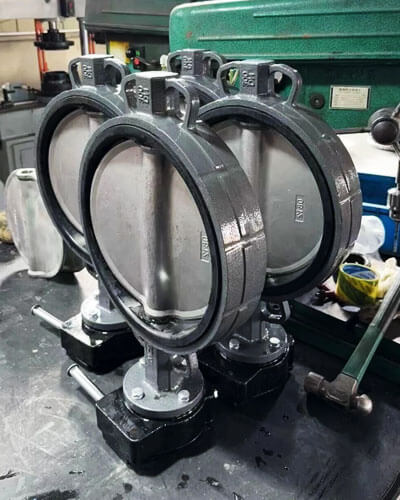
Custom Investment Casting Carbon Steel Butterfly Valve

Carbon Steel Butterfly Valve | 定制投资铸造解决方案

内容表 展示

Butterfly valves are among the most widely used flow control devices in industrial piping systems, offering a simple, 袖珍的, and cost‑effective solution for regulating the flow of gases, 液体, and slurries.

When the application demands strength, economy, 和中等耐腐蚀性, carbon steel butterfly valves become the default choice—especially in water treatment, 石油和天然气, 发电, and general industrial service.

The production of carbon steel butterfly valve components—bodies, 光盘, 茎, and brackets—has traditionally relied on sand casting or fabrication.

然而, 投资铸造 (失去蜡像铸件) has emerged as a superior manufacturing route for many carbon steel valve components, 奉献 near‑net shape precision, 出色的表面饰面, 尺寸紧密的公差, 和一致的机械性能.

This article provides a comprehensive technical and strategic guide to carbon steel butterfly valve investment casting solutions.

1. What is a Carbon Steel Butterfly Valve?

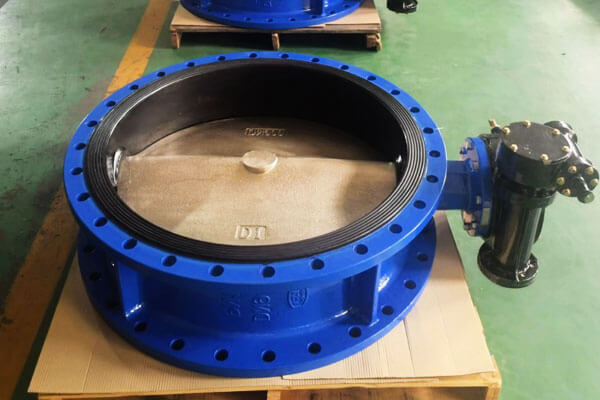
一个 碳钢 蝴蝶阀 is a quarter-turn rotary valve designed to start, stop, or regulate fluid flow by rotating a circular disc around a central shaft.

Unlike linear-motion valves such as gate valves or globe valves, butterfly valves require only a 90-degree rotation to move between fully open and fully closed positions, allowing rapid operation with minimal torque.

Their simple yet efficient design makes them one of the most versatile valve types for industrial fluid handling systems.

Carbon steel butterfly valves are widely used in pipelines transporting water, 蒸汽, 油, natural gas, 压缩空气, and various non-corrosive or mildly corrosive media.

Carbon Steel Butterfly Valve

Basic Components of a Butterfly Valve

成分 功能
身体 Housing that contains the disc, 座位, and stem; provides pipe connections (法兰, lug, 晶圆).
光盘 Rotating closure member; controls flow by rotating from open to closed position.
干 (shaft) Transmits torque from the actuator to the disc.
座位 Provide sealing between the disc and body; replaceable or integrally cast.
执行器 手动的 (杠杆, 手轮) 或自动化 (气动, 电的, 液压).
引擎盖 / top flange Houses the stem and provides actuator mounting.
密封 Prevent leakage along the stem.

Types of Butterfly Valve Body Designs

Body type 描述 典型的应用
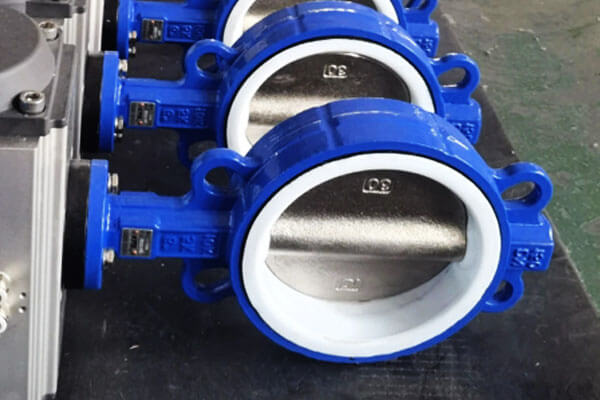
Wafer‑style Thin body with bolt holes; sandwiched between pipe flanges. Low‑pressure, compact systems, HVAC, water lines.
Lug‑style Threaded inserts on each side; end‑of‑line service possible. Moderate pressure; maintenance access.
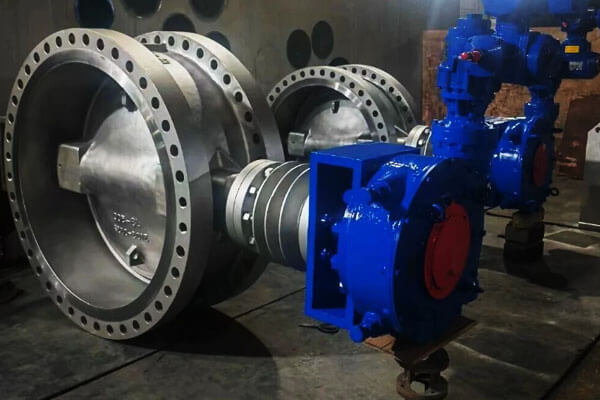
法兰 Integral flanges on both ends; bolted directly to pipe flanges. High‑pressure, large‑diameter systems, 油 & 气体.
Butt‑weld Ends designed for welding into pipe. High‑temperature, high‑pressure, leak‑critical systems.

Critical Functional Requirements for Carbon Steel Butterfly Valves

要求 Engineering implication
压力完整性 Must withstand internal pressure (up to ASME Class 150‑600 for carbon steel).
强度和韧性 Must resist mechanical loads, 振动, 和热循环.
维度的准确性 Precise bore, flange facing, and stem hole alignment ensure sealing and operation.
耐腐蚀性 Moderate resistance to atmospheric, 水, 和温和的化学环境.
可焊性 Carbon steel grades must be weldable for installation and repair.
Cost‑effectiveness Lower material cost than stainless steel; suitable for large‑diameter valves.

2. Why Investment Casting is Ideal for Butterfly Valve Components

熔模铸造, commonly known as the lost wax casting process, is recognized as one of the most advanced manufacturing technologies for producing precision metal components.

Compared with conventional casting methods, investment casting offers substantial improvements in dimensional accuracy, 表面质量, 结构完整性, 和生产一致性, making it particularly suitable for high-performance butterfly valve components.

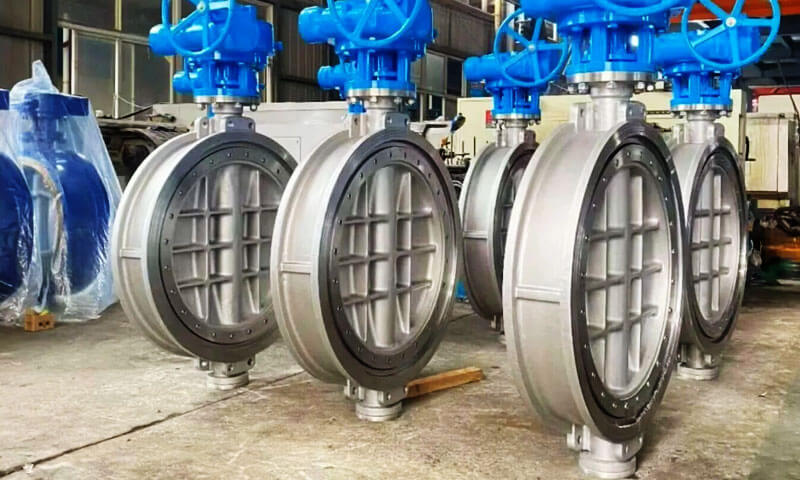
Investment Casting Carbon Steel Butterfly Valve

卓越的维度精度

Butterfly valves contain numerous precision-machined interfaces, including flange faces, 茎孔, 轴承座, 和密封表面.

Even minor dimensional deviations can lead to leakage, excessive operating torque, or premature wear.

Investment casting produces near-net-shape components with tight tolerances, significantly reducing the need for corrective machining and ensuring excellent interchangeability between parts.

好处包括:

  • Improved assembly efficiency
  • Reduced machining allowances
  • Better sealing performance
  • Consistent product quality across production batches

上表面饰面

与砂型铸造不同, where coarse molds often leave rough surfaces, investment casting utilizes fine ceramic shells that accurately reproduce the wax pattern.

Typical surface roughness ranges from RA3.2-6.3μm, 提供:

  • Better coating adhesion
  • Reduced polishing requirements
  • Lower fluid resistance
  • Enhanced appearance for exposed valve components

A smoother internal flow path also contributes to reduced turbulence and lower pressure loss during operation.

Complex Geometry Without Additional Fabrication

Modern butterfly valve bodies often incorporate reinforcing ribs, actuator mounting pads, flow-guiding contours, and integrated support structures.

Manufacturing these features through machining or fabrication increases production complexity and cost.

Investment casting enables these intricate geometries to be formed directly during casting, reducing the number of welded joints and improving structural integrity.

提高冶金质量

Because molten metal fills a precision ceramic mold under carefully controlled conditions, investment casting can achieve:

  • 均匀的晶粒结构
  • Reduced segregation
  • Lower inclusion content
  • Improved density
  • Enhanced fatigue resistance

These metallurgical advantages are particularly valuable for valves operating under cyclic pressure or fluctuating thermal conditions.

Higher Material Utilization

Traditional machining often removes a significant portion of the raw material to achieve the final geometry, resulting in unnecessary waste.

Investment casting produces components close to their final dimensions, offering several economic benefits:

  • Less material waste
  • Reduced machining time
  • Lower tooling wear
  • Shorter production cycles
  • Improved sustainability

Comparison of Manufacturing Methods

制造方法 精确 表面处理 物质利用 生产效率 适合的应用
熔模铸造 出色的 出色的 出色的 高的 精密阀成分
沙子铸造 一般 粗糙的 一般 高的 大的, simple castings
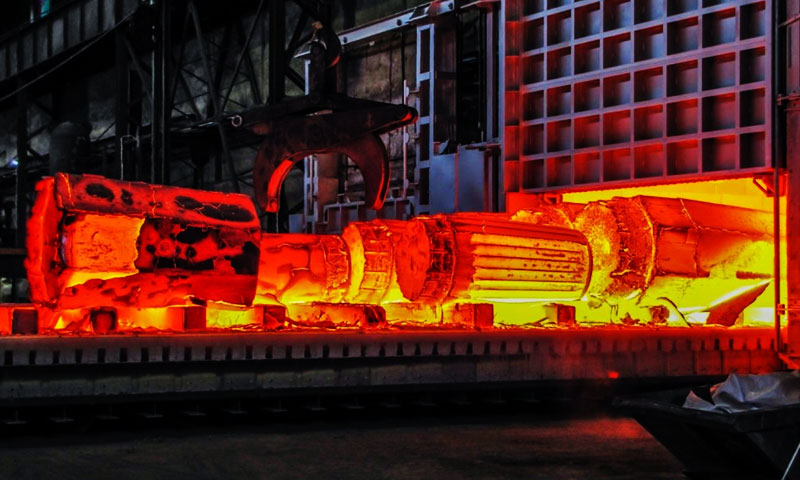
锻造 出色的 良好 一般 中等的 High-strength pressure parts
数控加工 出色的 出色的 低的 低的 Small-batch custom components

3. Carbon Steel Material Selection for Investment Casting

Material selection is one of the most critical engineering decisions in the manufacture of investment-cast butterfly valves.

While the investment casting process determines dimensional accuracy and structural integrity, 这 carbon steel grade

Common Carbon Steel Grades for Investment-Cast Butterfly Valves

Different carbon steel grades are designed to meet specific service conditions.

Standard cast carbon steels such as WCBWCC are widely used for general industrial applications, while low-temperature grades such as LCBLCC are selected for cryogenic service.

For elevated-temperature environments, chromium-molybdenum alloy cast steels including WC6WC9

The table below summarizes the most commonly used grades for investment-cast butterfly valve components.

ASTM等级 UNS No. 碳 (%) 屈服强度 (MPA) 抗拉强度 (MPA) 伸长 (%) 最高服务温度 典型的应用
WCA J02502 ≤0.25 ≥205 ≥415 ≥24 425°C Economical valves for low-pressure and non-critical services
WCB J03002 ≤0.30 ≥250 ≥485 ≥22 425°C Standard butterfly valves for water, 油, 气体, and steam
WCC J02505 ≤0.25 ≥275 ≥485 ≥22 425°C Heavy-duty valves requiring higher strength and improved weldability
LCB J03003 ≤0.25 ≥240 ≥450 ≥22 -46°C Low-temperature pipelines and refrigerated systems
LCC J03005 ≤0.25 ≥275 ≥485 ≥22 -46°C LNG facilities, cryogenic processing, and cold-climate applications
WC6 J12072 0.05–0.20 ≥275 ≥550 ≥20 540°C High-temperature steam and power generation systems
WC9 J21890 0.05–0.18 ≥310 ≥585 ≥20 595°C High-temperature petrochemical and refinery equipment

Among these materials, ASTM A216 WCB remains the industry benchmark for carbon steel butterfly valve bodies due to its excellent balance of mechanical performance, 可铸性, 可加工性, 和成本效益.

It is the preferred choice for the majority of industrial applications operating under ambient or moderately elevated temperatures.

4. Investment Casting Manufacturing Process for Butterfly Valve

The performance of a carbon steel butterfly valve is determined not only by its design and material selection but also by the precision and stability of its manufacturing process.

熔模铸造, 也称为 lost wax casting process, is a highly controlled production method capable of manufacturing complex valve components with exceptional dimensional accuracy, 出色的表面饰面, and consistent metallurgical properties.

Investment Casting Carbon Steel Butterfly Valve
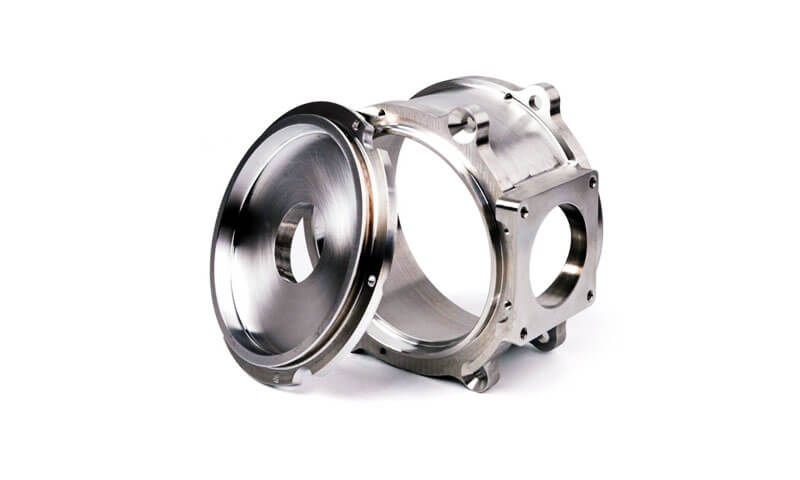
Investment Casting Butterfly Valve Disc

Unlike conventional sand casting, investment casting produces 近网状 components that require significantly less machining while maintaining tighter tolerances.

This process is particularly suitable for butterfly valve bodies, 光盘, 安装支架, and other structural parts where precision directly affects sealing performance and operational reliability.

Process Flow Overview

阶段 关键细节
1 样板制作 Wax injection into precision metal die (工具) replicating valve body shape.
2 树组装 Multiple wax patterns attached to central sprue (树).
3 炮弹建筑 6‑10层陶瓷浆料 (二氧化硅溶胶) + 灰泥 (锆石/氧化铝).
4 脱瓦 蒸汽高压釜熔化蜡; shell remains.
5
炮弹射击 Fired at 900‑1100°C to strengthen ceramic and remove volatiles.
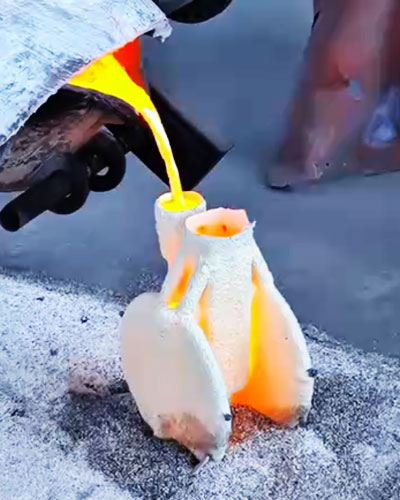
6 Carbon steel melting & 浇注 Induction or arc melting at 1550‑1650°C; 倒入预热好的外壳中.
7 冷却 & 昏死 控制冷却; shell removed by vibration or water jet.
8 Cut‑off & 精加工 Gates and risers cut; 磨削, 射击, 翻滚.
9 热处理 Normalising or stress relieving to achieve specified properties.
10 检查 & 测试 视觉的, 尺寸, NDT (X -Ray, 染料渗透剂), hydrostatic pressure test.

Critical Process Controls for Carbon Steel Valve Bodies

因素 目标 为什么重要
浇注温度 1550‑1650°C Too low → misrun; too high → shell erosion, 气孔隙度.
Shell pre‑heat 200‑600°C Prevents thermal shock; improves fill.
Cooling rate 受控 (空气) Prevents carbide precipitation; ensures toughness.
浇口设计 Avoids turbulence; promotes directional solidification Reduces inclusions and shrinkage porosity.
热处理 Normalising (870‑930°C) or stress relief (600‑650°C) Achieves specified mechanical properties; relieves residual stress.

Heat Treatment of Carbon Steel Valve Castings

治疗 温度 冷却 目的
Normalising 870‑930°C 空气冷却 完善谷物结构; improves strength and toughness.
压力缓解 600‑650°C Furnace or air cool Reduces residual stress from casting and welding.
淬火 & 回火 850‑900°C (淬火) + 550‑650°C (脾气) Oil or water + 空气 增加力量和硬度 (for higher‑grade applications).

5. Corrosion Resistance and Surface Protection Solutions

Carbon steel is widely valued for its high strength, 出色的可加工性, 和成本效益. 然而, unlike stainless steel, 它 does not possess inherent corrosion resistance.

当暴露于氧气时, 水分, 盐, or chemically aggressive media, carbon steel is susceptible to oxidation, uniform corrosion, 点缀, 和缝隙腐蚀.

Without proper protection, these corrosion mechanisms can gradually reduce wall thickness, impair sealing performance, increase operating torque, and ultimately shorten the service life of the butterfly valve.

Fortunately, advances in surface engineering have made it possible for carbon steel butterfly valves to achieve long-term durability even in demanding service conditions through the use of protective coatings, 金属饰面, 衬里, and proper maintenance strategies.

Carbon Steel Butterfly Valve

Common Corrosion Protection Methods

Various surface treatment technologies are available for carbon steel butterfly valves, each offering different levels of corrosion resistance, 磨损保护, and economic efficiency.

Protection Method 过程说明 典型的涂层厚度 (μm) Estimated Service Life* 典型的应用
Epoxy Painting / Liquid Coating Spray or brush application of industrial epoxy paint 100–300 5–15 年 通用工业阀, 水, 空气, HVAC
粉末涂料 Electrostatic powder spraying followed by oven curing 60–120 10–20 年 Municipal water, 工业设备, 户外装置
Fusion Bonded Epoxy (FBE) Electrostatic epoxy powder applied to heated steel surface 250–500 20–30 年 Water pipelines, buried pipelines, fire protection systems
热浸镀锌 Immersion in molten zinc to form a metallurgical zinc coating 50–100 20–40 years Outdoor structures, coastal facilities, 船舶设备
电镀 (Zinc/Nickel) Electrochemical deposition of metallic coatings 5–25 5–15 年 紧固件, 茎, decorative or light-duty protection
磷酸化
Chemical conversion coating producing a phosphate layer 5–20 2–5年 Pretreatment before painting, temporary corrosion protection
PTFE/FEP Lining or Coating Fluoropolymer lining applied to internal surfaces 300–1000 Depends on service conditions Corrosive chemicals, 酸, 碱
阴极保护 Sacrificial anodes or impressed current systems - Design-dependent 埋入管道, submerged valves
Corrosion Allowance Additional wall thickness incorporated during design 1–3毫米 Design-dependent Long-term industrial pipelines

笔记: Actual service life varies depending on environmental conditions, coating quality, maintenance practices, and operating temperature.

Among these methods, Fusion Bonded Epoxy (FBE) has become one of the most widely adopted solutions for carbon steel butterfly valves in municipal water supply, 废水处理, and pipeline infrastructure due to its excellent adhesion, 耐化学性, 和长期耐用性.

Selecting the Appropriate Surface Protection System

No single coating system is suitable for every operating environment.

The selection of a corrosion protection solution should be based on a comprehensive assessment of environmental exposure, media characteristics, service temperature, mechanical wear, and maintenance accessibility.

The following recommendations provide practical guidance for common application scenarios.

Operating Environment Recommended Surface Protection Engineering Rationale
Indoor, 干燥的环境 Epoxy paint or powder coating (100–150μm) Economical protection against atmospheric corrosion
户外的, non-coastal installations High-build epoxy coating or hot-dip galvanizing Excellent resistance to rain, 湿度, 和紫外线暴露
Coastal and marine environments Hot-dip galvanizing with epoxy topcoat (duplex coating system) Zinc provides sacrificial protection while epoxy acts as a barrier against salt spray
Water supply and wastewater treatment Internal and external Fusion Bonded Epoxy (FBE) 涂层 Excellent resistance to water, 温和的化学物质, and microbiologically influenced corrosion
化学处理
PTFE or FEP lining; alternatively, stainless steel for severe service Fluoropolymer linings resist aggressive acids, 碱, 和溶剂
埋入管道 FBE coating combined with cathodic protection Prevents soil corrosion and extends underground service life
High-abrasion environments Epoxy ceramic coating or wear-resistant polymer coating Improves both corrosion and abrasion resistance

Design Strategies for Enhanced Corrosion Resistance

In addition to surface treatments, thoughtful engineering design plays a significant role in improving the corrosion resistance of carbon steel butterfly valves.

Key design considerations include:

  • Maintaining 均匀的壁厚 to minimize localized corrosion.
  • Eliminating crevices where moisture and contaminants may accumulate.
  • Designing smooth internal flow passages to reduce erosion-corrosion.
  • Incorporating generous radii to avoid stress concentration and coating thinning.
  • Isolating dissimilar metals to prevent galvanic corrosion.
  • Allowing sufficient corrosion allowance in applications with predictable material loss.
  • Selecting compatible sealing materials and fasteners for the service environment.

6. Common Casting Defects and Engineering Solutions

Investment casting is renowned for producing high-precision components, yet no manufacturing process is entirely immune to defects.

Variations in mold design, 金属质量, 倒入参数, 冷却条件, or process control can lead to imperfections that affect the mechanical properties, 维度的准确性, and sealing performance of butterfly valve components.

Understanding the root causes of these defects—and implementing appropriate engineering solutions—is essential for achieving consistent product quality and minimizing production costs.

缺点 Visual/NDT signature 根本原因 预防 / remedy
气孔隙度 Round internal voids Dissolved hydrogen/nitrogen; 脱氧不足. Degas melt; improve pouring practice; use clean charge.
收缩孔隙度 锯齿状, irregular internal voids 喂食不足; 不良的立管设计. Optimise gating/risering; use chills; simulate solidification.
热撕裂 Cracks with ragged edges Tensile stress during final solidification; 模具约束. Reduce pouring temperature; improve shell collapsibility.
包含 (oxide/slag) 不规则非金属颗粒 湍流浇注; 脏熔体; eroded shell. Ceramic filters; 底部浇注; clean charge.
埃及 / 冷隔
填充不完全; 折叠面 浇注温度低; 流动性差. 提高浇注温度; 改善门控.
表面粗糙度 / finning Raised lines on surface 填充过程中外壳破裂; 壳强度低. 增加外壳厚度; use stronger binder.
Dimensional deviation Out‑of‑tolerance dimensions Wax shrinkage variation; shell expansion; 模具磨损. Control wax injection; maintain die condition.

Quality Assurance for Carbon Steel Valve Castings

QA element 方法 验收标准
化学分析 光谱法 Meets ASTM A216 specification.
机械测试 拉伸, 硬度, 影响 屈服强度≥250MPa; 伸长率≥22%.
NDT 染料渗透剂 (pt) or radiography (RT) No cracks, porosity exceeding specification.
维度检查 CMM, 仪表 Meets drawing tolerances; flange face flatness.
压力测试 静液压 (1.5×额定压力) No leakage; no deformation.
表面饰面 视觉的, profilometer Ra ≤6.3 µm (or as specified).

7. Advantages of Investment Casting Carbon Steel Butterfly Valve

优势 解释
复杂的几何形状 Internal flow passages, 肋骨, 法兰, and mounting features cast integrally.
近净形状 Reduces machining time and material waste (85‑95% material yield).
出色的表面饰面 As‑cast Ra 1.6‑6.3 µm reduces flow resistance and sealing issues.
尺寸紧密的公差 ±0.1‑0.3 mm; ensures flange alignment and leak‑tight sealing.
Consistent mechanical properties 均匀的晶粒结构; reliable strength and toughness.
合金灵活性 Casts WCB, WCC, LCB, LCC, WC6, WC9, and custom grades.
Cost‑effectiveness Lower total cost than forging + machining for complex shapes.
压力完整性 Sound castings withstand high pressures (Class 150‑600).
可焊性 Cast carbon steel grades are readily weldable for installation and repair.
可扩展性 Suitable for batch sizes from 100 到 10,000+ components per year.

8. Industry Applications of Carbon Steel Butterfly Valves

Carbon steel butterfly valves manufactured through investment casting are widely used in industries that require reliable flow control, 高机械强度, and cost-effective operation.

Their excellent pressure-bearing capability, combined with precision manufacturing and protective surface treatments, enables them to perform efficiently in a broad range of service environments.

Carbon Steel Butterfly Valve
Carbon Steel Butterfly Valves

油气行业

The oil and gas sector places some of the highest demands on valve performance.

Butterfly valves are commonly installed in upstream, midstream, and downstream operations where they regulate the flow of crude oil, natural gas, refined products, and auxiliary process fluids.

典型的应用包括:

  • Pipeline transportation systems
  • Oil refineries
  • Gas processing plants
  • Storage terminals
  • 离岸平台
  • Pump stations

Water Supply and Wastewater Treatment

Municipal water infrastructure relies heavily on butterfly valves because they provide economical flow control for large-diameter pipelines.

常见应用包括:

  • Drinking water distribution
  • 水处理厂
  • Wastewater treatment facilities
  • Pump stations
  • Irrigation systems
  • 淡化植物

化学加工行业

Chemical production facilities require valves capable of handling a wide variety of liquids and gases under controlled conditions.

Carbon steel butterfly valves are suitable for mildly corrosive media when equipped with appropriate linings or protective coatings.

典型的应用包括:

  • Chemical transfer pipelines
  • 储罐
  • Cooling water systems
  • Utility pipelines
  • Solvent handling systems

Depending on the process medium, valve discs and seats may be lined with PTFE or other corrosion-resistant materials.

发电

Power plants operate under high temperatures and pressures, requiring dependable valve performance throughout continuous operating cycles.

Butterfly valves are commonly used in:

  • Cooling water circulation
  • Condenser systems
  • Boiler auxiliary systems
  • 烟气脱硫 (FGD)
  • Fire protection networks

Mining and Mineral Processing

Mining operations transport abrasive slurries, 废水, and process fluids that place considerable wear on pipeline equipment.

Butterfly valves are frequently installed in:

  • Slurry transport systems
  • Tailings pipelines
  • Ore processing plants
  • Water recovery systems
  • Dust suppression systems

海洋和造船业

Marine environments expose equipment to moisture, 盐喷雾, and fluctuating temperatures.

典型的应用包括:

  • 压载水系统
  • Cooling water circuits
  • Bilge systems
  • Fuel transfer lines
  • Fire protection systems

HVAC and Building Services

Commercial buildings and industrial facilities utilize butterfly valves for heating, 通风, and air-conditioning systems.

申请包括:

  • Chilled water systems
  • Hot water circulation
  • 冷却塔
  • District heating
  • Fire sprinkler systems

Food and General Industrial Utilities

Although stainless steel is generally preferred for hygienic processes, carbon steel butterfly valves are widely used in utility systems serving food and beverage facilities.

典型的应用包括:

  • Steam distribution
  • 冷却水
  • Compressed air
  • Utility pipelines
  • Non-product process water

9. 碳钢与. 不锈钢蝴蝶阀

Selecting between a 碳钢stainless steel butterfly valve requires evaluating more than just the initial purchase price.

Engineers must consider mechanical performance, 耐腐蚀性, 运行环境, maintenance requirements, 生命周期成本, and compliance with industry standards.

比较因素 Carbon Steel Butterfly Valve 不锈钢蝴蝶阀
Common Material Grades ASTM A216 WCB, WCC, LCB, LCC ASTM A351 CF8, CF8M, CF3, CF3M
机械强度 Excellent strength and rigidity; ideal for medium- and high-pressure systems High strength with excellent toughness; slightly lower yield strength for some austenitic grades
耐腐蚀性 一般; requires protective coatings or linings to prevent rust Outstanding inherent corrosion resistance due to chromium-rich passive film
温度能力 Suitable for approximately -46°C to 425°C (special grades available for higher temperatures) Suitable for both cryogenic service and elevated temperatures, depending on alloy grade
Pressure Performance Excellent pressure-bearing capacity for industrial piping systems Comparable pressure capability when designed to the same standards
Surface Protection Requirements
Epoxy coating, FBE, 镀锌, PTFE lining, or other protective treatments are generally required Usually no external coating required except for aesthetic or special service conditions
耐磨性和耐磨性 Excellent after heat treatment; suitable for abrasive industrial media 良好的耐磨性; may require hard-facing in severe abrasion applications
可焊性 良好 (especially WCC); may require post-weld heat treatment depending on thickness Excellent weldability with minimal post-weld treatment for many grades
可加工性 更好的可加工性; lower tooling wear and faster machining speeds More difficult to machine due to higher work-hardening tendency
Manufacturing Cost Lower raw material and processing costs Higher material and machining costs
维护要求 Periodic coating inspection and corrosion maintenance required Lower maintenance in corrosive environments due to self-passivating surface
预期的服务寿命
Long service life with proper coating and maintenance Very long service life, 特别是在腐蚀性或海洋环境中
典型的应用 油 & 气体, 水处理, HVAC, 发电, 矿业, municipal infrastructure 化学处理, 海洋工程, 药物, 食物 & 饮料, 淡化, 离岸平台
主要优势 高力量, 经济, excellent pressure resistance, ideal for large-diameter valves 耐腐蚀性, 卫生, 维护低, excellent durability
Primary Limitations Susceptible to corrosion without protective treatment Higher initial investment and machining cost
Best Selection Scenario Cost-sensitive projects with non-corrosive or mildly corrosive media Highly corrosive, 卫生, 氯化物丰富, or maintenance-critical environments
Overall Cost Performance Lower initial investment and excellent value for general industrial service Higher initial cost but lower maintenance and longer lifecycle in corrosive applications

10. 结论

As industrial systems continue to evolve toward higher efficiency, greater reliability, and lower lifecycle costs, the demand for precision-engineered flow control equipment has never been greater.

Among the many valve manufacturing technologies available today, investment casting has established itself as one of the most advanced and dependable processes for producing high-quality carbon steel butterfly valves.

Its ability to manufacture complex components with exceptional dimensional accuracy, 上表面饰面, and consistent metallurgical properties provides a significant competitive advantage over conventional casting methods.

展望未来, emerging technologies—including Industry 4.0, 人工智能 (人工智能), Industrial Internet of Things (IIOT), 机器人自动化, 数字双胞胎, and real-time process monitoring—are expected to further transform the investment casting industry.

As industries continue to demand higher performance, longer life, and lower cost, investment‑cast carbon steel valves—with their robust design and precise manufacturing—will remain a critical solution for flow control.

Custom Carbon Steel Butterfly Valve from LangHe Foundry

Langhe Foundry specializes in the custom manufacturing of investment-cast carbon steel butterfly valve components, offering integrated solutions from engineering design and precision casting to CNC machining, 热处理, 表面饰面, 和质量检查.

Whether for oil and gas, 水处理, 发电, 化学处理, 矿业, 海洋工程, or general industrial piping systems,

LangHe Foundry provides customized butterfly valve casting solutions designed to meet international standards and customer-specific technical requirements.

Its combination of engineering expertise, 精确制造, and strict quality control makes LangHe a reliable partner for OEMs, valve manufacturers, and industrial equipment suppliers seeking durable, high-performance carbon steel butterfly valve components.


常见问题解答

What is the most common carbon steel grade for butterfly valve bodies?

WCB (ASTM A216) is the most common grade for general‑purpose butterfly valve bodies, offering good strength (≥485 MPa tensile), 可焊性, 和经济.

What is the difference between wafer and lug‑style valves?

Wafer‑style valves are thin and clamped between flanges; they cannot be used as end‑of‑line valves.

Lug‑style valves have threaded inserts and can be bolted to one side of the pipe for end‑of‑line service.

Can carbon steel butterfly valves be welded in the field?

是的, WCB and WCC grades are readily weldable. 预热 (100‑150°C) and post‑weld heat treatment are recommended for thick sections.

Why is investment casting preferred over sand casting for carbon steel butterfly valves?

Investment casting offers significantly higher dimensional accuracy, smoother surface finishes, and tighter manufacturing tolerances than traditional sand casting.

Because components are produced in a near-net-shape form, less machining is required, reducing production time and material waste.

此外, investment casting produces a more uniform microstructure with fewer internal defects, resulting in improved mechanical strength, 密封性能, and product consistency.

These advantages make it particularly suitable for butterfly valve components that require precision mating surfaces and reliable long-term operation.

发表评论

您的邮箱地址不会被公开。 必填项已用 * 标注

滚动至顶部

获取即时报价

请填写您的信息,我们会及时与您联系.