Најлонски материјал (полиамид) је једна од најчешће коришћених породица инжењерских полимера.
Од свог комерцијалног увођења 1930-их као текстилно влакно, Најлонска хемија и обрада еволуирали су у свестрану платформу која се користи за влакна, филмови, обликоване инжењерске компоненте и композити високих перформанси.
Овај чланак пружа техничку, мултиперспективна анализа најлона: шта је хемијски, његове главне оцене, кључно физичко и механичко понашање, руте обраде, Предности и ограничења, уобичајене апликације, питања одрживости, и будућим правцима.
1. Шта је најлон?
Најлонски материјал је трговачки назив који се обично користи за породицу синтетичких производа полиамид полимери.
Развијено 1930-их као прво потпуно синтетичко влакно, најлон сада постоји у два широка комерцијална тока: текстилна влакна (најлонско влакно и филамент) и инжењерске термопластике (бризгани и екструдирани полиамиди).
Као материјална класа, најлонке комбинују Добра механичка снага, жилавост, отпорност на хабање и хемијску отпорност са широком обрадивости (који се врти, екструзија, бризгање), што их чини свеприсутним на текстилу, робе широке потрошње и примене индустријског инжењеринга.
2. Хемијска структура и главне комерцијалне класе
Основна хемија
Најлони су полиамиди формирани понављањем амидних веза (–ЦО–НХ–) у полимерној кичми.
Разлике између класа произилазе из коришћених мономера и резултујућих размака јединица понављања, који контролише кристалност, тачка топљења и хидролитичка стабилност.
Уобичајене комерцијалне класе (скраћенице и кратке белешке)
- ПА6 (поликапролактам / најлон 6): направљен полимеризацијом капролактама са отварањем прстена. Добра жилавост, нешто нижа тачка топљења од ПА66; широко се користи за ливене делове и влакна.
- ПА66 (поли(хексаметилен адипамид) / најлон 66): произведен кондензацијом адипинске киселине и хексаметилендиамина.
Виша тачка топљења и нешто већа крутост и отпорност на топлоту од ПА6. - ПА11 / ПА12 (дуголанчани најлони): мање упијање воде и боље хемијске/нискотемпературне перформансе; често се користи за цеви, водови за гориво и флексибилни делови. ПА11 се може направити од сировине на бази биологије (рицинусово уље).
- Кополиамиди (Нпр., ПА6/66 мешавине): трговати својствима; побољшана обрадивост или хидролитичка стабилност.
- Специјални полиамиди: високотемпературни најлони (Нпр., ПА46), ароматични или полуароматични полиамиди (веће перформансе, веће трошкове).
3. Типичне физичке и механичке особине (типични распони)
Табела испод даје типичне инжењерске опсеге за непопуњене (уредан) комерцијалне најлонке. Стварне вредности зависе од оцене, условљавање (Садржај влаге), и метода испитивања.
| Имовина | Типичан распон (уредан ПА6 / ПА66) | Практична напомена |
| Густина (г · цм⁻³) | 1.12-1.15 | ПА6 ≈1,13; ПА66 ≈1,14 |
| Затезна чврстоћа (МПА) | 50-90 | Више за ПА66; пуњење стакла се повећава на 100–200+ МПа |
| Јангов модул (ГПА) | 2.5-3.5 | Повећава се са пуњењем стакла |
| Издужење при прекиду (%) | 20-150 | Високо дуктилни када се осуши; смањује са стаклом |
| Зарезани Изод (Кј показује мат) | 20-80 | Добра ударна жилавост |
| Тачка топљења (° Ц) | ПА6: ~215–220; ПА66: ~255–265 | Импликације привремене обраде и употребе |
| Стаклени прелаз (° Ц) | ≈ 40–70 | Влага и кристалност утичу на Тг |
| Апсорпција воде (равнотежа, вт%) | 0.5-3.0 (зависи од РХ & разреда) | ПА6 обично 1,5–2,5% ат 50% Рх; ПА12/11 много ниже |
| ХДТ (1.82 МПА) (° Ц) | 60-120 (уредан) | Испуна стакла значајно подиже ХДТ |
Назначите: механичка својства наведена изнад су за осушити смола; равнотежа влаге обично смањује модул и повећава жилавост—зато треба користити кондициониране податке о испитивању за дизајн.
4. Термичко понашање и стабилност димензија
- Понашање топљења: ПА6 и ПА66 су полукристални; њихова висока кристалност даје снагу и топлотну отпорност, али и анизотропно скупљање.
- Корисна температура непрекидног рада: типично до 80–120 °Ц за неиспуњене класе; стаклом пуњене или термостабилизоване класе продужавају корисну температуру.
- Димензионална стабилност: анизотропно скупљање током калуповања и хигроскопско бубрење су кључни покретачи промене димензија.
Дизајнери морају узети у обзир и скупљање обраде и експанзију изазвану влагом у слојевима толеранције.
5. Упијање влаге и њени ефекти — основно практично ограничење
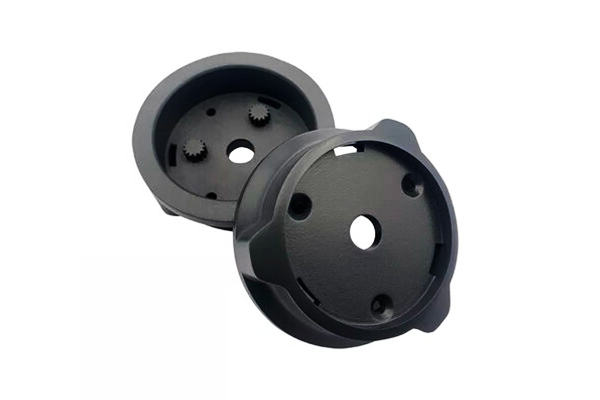
Влага је најважније практично разматрање за најлонски материјал.
Механизам & величина
- Најлон апсорбује воду дифузијом у аморфне делове; равнотежни садржај зависи од релативне влажности и температуре.
- Типично равнотежно упијање воде: ПА6 ~1,5–2,5 теж.% (просторни услови), ПА66 нешто више; ПА11/ПА12 << 1% (предност дугог ланца најлона).
Ефекти на својства
- Укоченост и снага се смањују пошто вода делује као пластификатор (модул смањен за 10–30% у равнотежи).
- Чврстоћа и издужење се често повећавају, смањење ломљивости.
- Промена димензија (оток) може бити значајно (стотине µм за мале делове) и морају бити прилагођени дизајном или накнадним кондиционирањем.
- Импликације обраде: изливене делове треба кондиционирати на очекивану радну влажност пре завршне инспекције; сушење пре калуповања је неопходно да би се избегла хидролиза (сечење ланца) у топљењу.
Практична правила
- За димензионално критичне делове, специфицирати протокол за кондиционирање (Нпр., осушити: 0.05% влагу, условљена: 23°Ц/50% РХ до равнотеже).
- Размислите о најлонима са дугим ланцем (ПА11/ПА12) или пуњене класе за смањење хигроскопности.
6. Хемијска отпорност и електрична својства
- Хемијска отпорност: најлони су отпорни на угљоводонике, уља, масти и многих растварача.
Они су напао јаким киселинама, јаки оксиданти и неки халогенисани растварачи — посебно на повишеној температури.
Гориво и хидрауличка компатибилност зависи од квалитета и услова изложености; дуготрајно урањање захтева валидацију. - Електрична својства: добра електрична изолација када је сува; диелектрична константа и тангента губитка се мењају са влагом, тако да електричне примене захтевају окружења са контролом влаге или херметичку инкапсулацију.
7. Методе обраде и производње
Уобичајени процеси
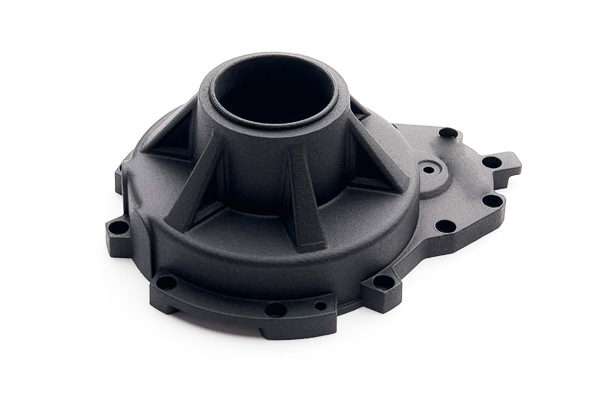
- Убризгавање: доминантан за сложене облике и велики волумен. Обрада темп: ПА6 ~230–260°Ц; ПА66 ~260–280 °Ц (почетни бодови — валидација по оцени).
Калупи се обично држе топлим (60-90 ° Ц) за контролу кристализације и смањење понора. - Екструзија: шипке, цеви, профила и филмова.
- Дување/термоформирање: За одређене оцене (ПА12 цеви, водови за гориво).
- Предење влакана: најлонска влакна за текстил и индустријске траке.
- Обрада: најлон се може машински обрађивати од екструдираног материјала; геометрија алата и контрола струготине су важни због дуктилности.
Контроле обраде кључева
- Сушење: најлонски материјал се мора осушити (типична циљна влага <0.2%) пре обраде топљења како би се спречила хидролиза и лоша завршна обрада површине; распореди сушења варирају (Нпр., 80–100 °Ц неколико сати).
- Стабилност топљења: избегавајте прекомерно време задржавања и велико смицање да бисте спречили деградацију.
- Дизајн капије/протока: управљати линијама заваривања и минимизирати оријентацију која доводи до анизотропије својстава.
8. Ојачани и специјални најлони
Пунила и кополимеризација прилагођавају перформансе најлонског материјала:
- Најлони пуњени стаклом (20–50% ГФ): повећање модула и стабилности димензија, подићи ХДТ, али смањују ударну жилавост и повећавају абразивно хабање делова који се спајају.
- Минерална пунила (талк, мица): умерено повећање крутости и побољшана отпорност на пузање.
- ПТФЕ или графитно подмазане класе: мањи коефицијент трења и смањење хабања у клизним апликацијама.
- Отпоран на пламен, УВ-стабилизоване и хидролизом стабилизоване класе доступни су за захтевна окружења.
- Полиамидне мешавине и кополимери (Нпр., ПА6/ПА66, ПА6Т) оптимизовати обрадивост и термичке перформансе.
9. Предности и ограничења најлонског материјала
Предности најлона
- Висока чврстоћа и жилавост
Типична затезна чврстоћа се креће од 50-90 МПА (уредне оцене), са одличном отпорношћу на ударце и перформансама замора. - Добра отпорност на хабање и хабање
Посебно ефикасан у зупчаницима, чашица, и клизне компоненте; подмазане класе даље побољшавају триболошко понашање. - Лаган са добром крутошћу
Густина је мала (~1,13–1,15 г/цм³), док се крутост може значајно повећати коришћењем стаклених или минералних пунила. - Хемијска отпорност
Отпоран на уља, горива, и многи угљоводоници, чинећи најлон погодним за аутомобилска и индустријска окружења. - Исплативо и лако за обраду
Компатибилан са бризгањем и екструзијом, са широким спектром комерцијално доступних класа. - Веома прилагодљив
Својства се могу прилагодити помоћу пунила, појачање, стабилизатори, и мазива.
Ограничења најлона
- Апсорпција влаге (кључно ограничење)
Најлон је хигроскопан; упијање влаге (обично 1-3 вт%) смањује крутост и снагу и изазива промене димензија. - Температурне границе
Континуиране температуре рада су обично испод 120°Ц за стандардне оцене; својства деградирају на вишим температурама. - Пузање под сталним оптерећењем
Дуготрајна оптерећења, посебно при повишеној температури или влажности, може довести до деформације. - Димензионална нестабилност
Полукристална структура и осетљивост на влагу могу изазвати искривљење и одступање толеранције. - Хемијска осетљивост
Слаба отпорност на јаке киселине, оксиданти, и неки агресивни растварачи. - Осетљивост обраде
Захтева темељно сушење пре калуповања да би се спречила хидролиза и губитак механичких својстава.
10. Примене најлонског материјала
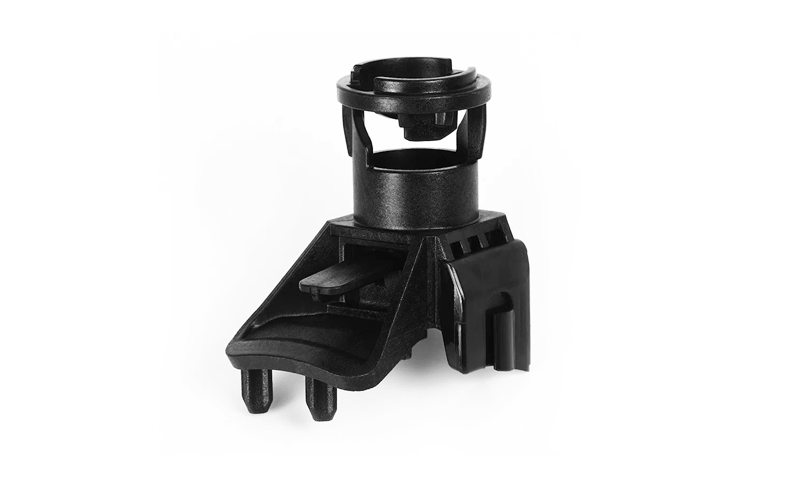
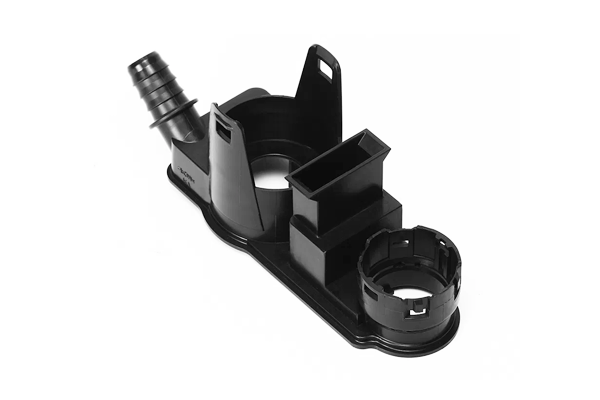
- Аутомотиве: Уписни разводници (ПА6/6Т), водова за гориво и кочнице (ПА11/ПА12), поклопци мотора, зупчаници и лежајеви.
- Индустријске машинерије: чашица, ваљци, јастучићи за ношење, Компоненте за транспортне траке.
- Роба широке потрошње & Уређаји: зупчаници, шарке, причвршћивачи, четкице за зубе (влакна).
- Електрични & електроника: везице за каблове, конектори (када се контролише влага).
- Текстил и композити: влакна, конопац, и ојачане композитне матрице.
- Медицински: ПА12 се користи за неке медицинске уређаје (примењују се разматрања о биокомпатибилности и стерилизацији).
11. Поређење са другим инжењерским пластичним масама
| Имовина / Критеријум | Најлон (ПА6 / ПА66) | ПОМ (Ацеталан) | ПТФЕ (Тефлон) | Завирити | Пбт | УХМВ-ОР |
| Густина (г · цм⁻³) | 1.12-1.15 | ≈1,40–1,42 | ≈2,10–2,16 | ≈1,28–1,32 | ≈1,30–1,33 | ≈0,93–0,95 |
| Затезна чврстоћа (МПА) | 50-90 | 50-75 | 20-35 | 90-110 | 50-70 | 20-40 |
| Јангов модул (ГПА) | 2.5-3.5 | 2.8-3.5 | 0.3-0.6 | 3.6–4.1 | 2.6-3.2 | 0.8-1.5 |
| Топљење / типична сервисна темп (° Ц) | Тм ≈215 (ПА6) / услуга ≈80–120 | Тм ≈165–175 / услуга ≈80–100 | Тм ≈327 / услуга до ≈260 (механичке границе) | Тм ≈343 / услуга ≈200–250 | Тм ≈220–225 / услуга ≈120 | Тм ≈130–135 / услуга ≈80–100 |
| Упијање воде (вт%, екв.) | ≈1,5–2,5% (ПА6) | ≈0,2–0,3% | ≈0% | ≈0,3–0,5% | ≈0,2–0,5% | ≈0,01–0,1% |
| Коефицијент трења (осушити) | 0.15-0.35 | 0.15-0,25 | 0.04-0.15 (врло низак) | 0.15-0.4 | 0.25-0.35 | 0.08-0.20 |
| Носити / трибологија | Добри (побољшати пунилима) | Одличан (зупчаници/чауре) | Сиромашан (побољшава се пунилом) | Одличан (попуњен најбоље) | Добри | Одличан (отпоран на хабање) |
| Хемијска отпорност | Добро за угљоводонике; сиромашне до јаке киселине/оксиданти | Добро за горива/раствараче | Изванредан (скоро универзална) | Одличан (агресивни медији) | Добри | Веома добар |
Обрада |
Добри (обрадив) | Одличан | Сајам (обрадива из гредице) | Добри (жилав али погодан за обраду) | Добри | Изазован (гумаст) |
| Димензионална стабилност | Умерен (хигроскопна) | Веома добар (ниска хигроскопност) | Одличан | Одличан | Добри | Веома добар |
| Типичне апликације | Зупчаници, лежајеви, кућишта, цеви (ПА11/12) | Зупчаници, прецизне чауре, компоненте горива | Печат, хемијске облоге, површине са малим трењем | Високотемпературни лежајеви, ваздухопловство, Медицински имплантати | Електрични конектори, кућишта | Линијски, јастучићи за ношење, Компоненте за транспортне траке |
| Савет за брзи избор | Изаберите када су чврстина и цена важни; управљати влагом | Изаберите за прецизност, механички делови ниског трења | Изаберите да ли је хемијска инертност & најмањи µ су потребни | Изаберите за високе температуре & критични делови високог оптерећења | Изаберите за добру стабилност димензија и лакоћу обликовања | Изаберите где је потребна екстремна отпорност на хабање и удар |
12. Одрживост, рециклажа и регулаторна питања
- Рециклирање: Најлонски материјал се може механички рециклирати; обновљена ПА може бити смањена за мање критичну употребу.
Деполимеризација (хемијска рециклажа) руте постоје и индустријски се развијају — могу да поврате мономер (капролактам) или друге сировине. - Опције засноване на биологији: ПА11 (од рицинусовог уља) и ПА610/1010 (делимично био-заснован) смањити зависност од фосилних сировина.
- Регулаторни: контакт са храном и медицинска употреба захтевају сертификат о степену (ФДА, ЕУ) и усаглашеност са испитивањем екстрахованих/излужних материја где је то прикладно.
- Бриге о животној средини: процена животног циклуса варира у зависности од степена и пуниоца; пуњење и садржај стакла утичу на рециклирање и оличену енергију.
13. Закључци и практичне препоруке
Најлон (полиамид) је зрело, свестрана породица инжењерских полимера која балансира снагу, жилавост и отпорност на хабање уз економичну прерадљивост.
Широка палета хемија — од ПА6 и ПА66 до ПА11 и ПА12 — заједно са пунилима и модификаторима, дозвољава фино подешавање за апликације које се протежу од текстила до аутомобилских система високих перформанси.
Главни инжењерски изазови су управљање влагом и осетљивост на хемикалије у агресивном окружењу; они се решавају одговарајућим избором разреда (дуголанчани најлони), пунила, додатке за сушење и дизајн.
Стални напредак у рециклажи, био-сировине и композитна технологија проширују одрживост и обим примене најлона.
Често постављана питања
Да ли је боље ПА6 или ПА66?
ПА66 обично нуди вишу тачку топљења, нешто већа крутост и боља отпорност на пузање; ПА6 је лакши за обраду и може бити чвршћи. Изаберите на основу ограничења температуре и обраде.
Како да одредим најлон за контролу димензија?
Наведите стање кондиционирања за преглед (Нпр., „условљено да 23 ° Ц, 50% РХ до равнотеже”), и обезбеђују толеранције које узимају у обзир бубрење због влаге и анизотропију обликовања.
Може ли се најлонски материјал користити у цевоводима за гориво?
Да—ПА11 и ПА12 су уобичајени за гориво и хидрауличне цеви због малог упијања влаге и добре хемијске отпорности. Увек проверите са специфичном течношћу и температуром.
Да ли се најлони пуњени стаклом могу рециклирати?
Механички, да, али садржај стакла мења вискозитет растопа и задржавање својстава; рециклирани најлон пуњен стаклом се обично користи у мање захтевним апликацијама осим ако се хемијски рециклира.
Како да спречим хидролизу током обликовања?
Темељно осушите смолу према спецификацији добављача и ограничите време задржавања растопа и превисоке температуре бурета.