1. Увођење
Laser cutting has emerged as a transformative technology in modern manufacturing, offering an unparalleled combination of precision, брзина, и ефикасност.
Unlike conventional cutting methods that rely on mechanical force or abrasive tools, laser cutting employs a concentrated beam of light to slice through materials with exceptional accuracy.
Initially developed for industrial applications, laser cutting has expanded into various fields, укључујући аутомобилски, ваздухопловство, електроника, Здравствена заштита, and even fashion.
Данас, it plays a crucial role in both prototyping and full-scale production, allowing manufacturers to create intricate designs with minimal waste.
This article provides a comprehensive analysis of laser cutting technology,
covering its fundamental principles, core techniques, материјалирати, Кључне апликације, предности, изазови, и будући трендови који обликују индустрију.
2. Fundamentals of Laser Cutting
Шта је ласерско сечење?
Ласерско сечење is a non-contact, thermal-based manufacturing process that utilizes a high-powered laser beam to cut or engrave materials.
The beam is directed through optics and guided by computer numerical control (ЦНЦ) systems to achieve precise, intricate cuts.
Compared to traditional cutting methods such as mechanical sawing or waterjet cutting, laser cutting offers significant advantages in terms of speed, флексибилност, and accuracy.
It is widely used for processing metals, пластика, дрва, керамика, и композити, making it a versatile solution for various industries.
Како функционише ласерско резање
The laser cutting process involves several key steps:
- Beam Generation – A laser source, such as a CO₂, fiber, or solid-state laser, generates an intense beam of light.
- Beam Focusing – Optical lenses and mirrors focus the laser beam to a precise point, increasing its energy density.
- Material Interaction – The concentrated laser beam heats, топи се, or vaporizes the material at the cutting point.
- Assist Gas Application – Inert or reactive gases (Нпр., азот, кисеоник) help remove molten material and enhance cutting efficiency.
- Контрола покрета – CNC systems guide the laser head along a predefined path, ensuring accuracy and repeatability.
Key Components of a Laser Cutting System
A laser cutting machine consists of several critical components, each playing a specific role in ensuring precision and efficiency.
Laser Source
The laser generator determines the power, wavelength, и примјена пријаве. Уобичајени типови укључују:
- CO₂ Lasers – Ideal for cutting non-metals like plastics, дрва, and acrylic.
- Fiber Lasers – Best for cutting metals such as aluminum, нерђајући челик, и бакар.
- Исечак:YAG Lasers – Suitable for engraving and high-precision cutting.
Optical System
The optical system consists of mirrors and lenses that focus and direct the laser beam. Висококвалитетни ZnSe (Zinc Selenide) lenses ensure minimal energy loss and improved cutting efficiency.
ЦНЦ контролер
А Рачунарска нумеричка контрола (ЦНЦ) систем automates the laser movement, ensuring high-speed, high-precision cutting with repeatability.
Advanced CNC systems use AI-driven algorithms to optimize cutting paths, reducing material waste and production time.
Assist Gas Supply
Different gases are used to enhance the cutting process:
- Кисеоник (О₂): Increases speed for carbon steel but can cause oxidation.
- Азот (Н₂): Produces clean, oxidation-free cuts, commonly used for stainless steel and aluminum.
- Argon (Ар): Prevents chemical reactions, ideal for titanium and specialty metals.
Motion System
The motion system includes motors and rails that move the laser head across the material. High-speed servo motors enable rapid acceleration and deceleration for faster processing speeds.
3. Types of Laser Cutting Technologies
The primary types of laser cutting technologies include CO₂ laser cutting, fiber laser cutting, Исечак: YAG laser cutting, and ultrafast laser cutting.
Each technology has unique characteristics, making it suitable for different applications.
This section provides an in-depth analysis of these laser types, their working principles, предности, ограничења, и идеалне случајеве употребе.
CO₂ Laser Cutting
CO₂ laser cutting is one of the most established laser cutting methods.
It utilizes a gas mixture of carbon dioxide (Цо₂), азот (Н₂), and helium (Он) to generate a laser beam in the infrared spectrum (wavelength: 10.6 μм).
This wavelength is well-absorbed by non-metallic materials, making CO₂ lasers ideal for cutting plastics, дрва, стакло, и текстила.

Принцип рада
- Gas Excitation: A high-voltage electrical discharge excites CO₂ molecules, producing laser light.
- Beam Focusing: The light is directed through mirrors and focused onto the material using a ZnSe (Zinc Selenide) lens.
- Material Interaction: The concentrated beam heats and vaporizes the material, while an assist gas (usually oxygen or nitrogen) removes debris.
Кључне предности
- Highly effective for non-metals such as дрва, акрил, кожа, гума, and fabrics.
- Пружа а smooth edge finish, Смањивање потребе за накнадом за прераду.
- Capable of high cutting speeds, particularly for thin sheets.
Ограничења
- Less effective for cutting metals unless specialized coatings or techniques are applied.
- Optical components, such as lenses and mirrors, require frequent cleaning and maintenance.
- CO₂ laser machines occupy a larger footprint compared to fiber laser systems.
Уобичајене апликације
- Сечење acrylic and wood for signage and furniture.
- Прерада textiles and leather in the fashion and upholstery industries.
- Гравирање glass and other delicate materials for decorative purposes.
Сечење ласера влакана
Fiber laser cutting is a modern technology that uses an optical fiber doped with rare-earth elements such as ytterbium to generate a high-intensity laser beam.
Unlike CO₂ lasers, fiber lasers operate at a wavelength of 1.06 μм, which is highly absorbed by metals, making them the preferred choice for cutting steel, алуминијум, и бакар.

Принцип рада
- Laser Generation: The laser is produced by a solid-state fiber-optic system rather than a gas-filled tube.
- Beam Transmission: The laser beam is guided through fiber-optic cables, eliminating the need for mirrors.
- Material Cutting: The high-intensity beam melts or vaporizes metal, with assist gases (nitrogen or oxygen) aiding in the process.
Кључне предности
- Highly efficient for metal cutting, outperforming CO₂ lasers by up to 50% in productivity.
- Lower maintenance costs due to the absence of mirrors and moving parts.
- Компактни дизајн, requiring less floor space than CO₂ laser systems.
- Higher energy efficiency, converting 35-50% of electrical energy into laser output, compared to CO₂ lasers, which achieve 10-15% ефикасност.
Ограничења
- Less effective for non-metallic materials such as дрва, акрил, and glass due to absorption characteristics.
- Higher initial investment compared to CO₂ laser machines.
Уобичајене апликације
- Индустријски metal cutting у аутомобилске, ваздухопловство, and shipbuilding индустрија.
- Високо прецизност machining of metal components for manufacturing.
- Production of electronic and medical devices requiring fine detail and accuracy.
Исечак:YAG Laser Cutting (Neodymium-Doped Yttrium Aluminum Garnet)
Исечак: YAG lasers are solid-state lasers that produce a high-energy beam at a wavelength of 1.064 μм, similar to fiber lasers.
These lasers are particularly useful for cutting metals and certain ceramics са великом прецизношћу.

Принцип рада
- Energy Pumping: А flash lamp or diode excites the Nd:YAG crystal, generating a laser beam.
- Beam Amplification: The laser passes through an optical resonator to increase its intensity.
- Material Cutting: The high-energy beam interacts with the workpiece, melting or vaporizing it.
Кључне предности
- Погодан за high-precision micro-cutting, making it useful for medical and electronic applications.
- Works effectively with reflective metals, као што је злато, сребрна, и алуминијум, without beam reflection issues.
- Capable of high pulse energy, чинећи га идеалним welding and deep engraving.
Ограничења
- Lower energy efficiency compared to fiber lasers, leading to higher power consumption.
- Less scalable for large-scale industrial applications.
Уобичајене апликације
- Micro-welding and precision cutting у medical and aerospace industries.
- Engraving hard materials, укључујући керамика, diamonds, and metals.
- Cutting thin foils and sheets у electronics manufacturing.
Ultrafast Laser Cutting (Femtosecond & Picosecond Lasers)
Ultrafast lasers operate in the femtosecond (10⁻¹⁵ sec) and picosecond (10⁻¹² sec) домет, који производи extremely short pulses of light.
These lasers cut materials without generating heat, making them ideal for applications requiring ultra-high precision.

Принцип рада
- Pulse Generation: A series of ultrashort pulses deliver high peak power without excessive heat buildup.
- Уклањање материјала: Процес ablates material at a molecular level, preventing thermal damage.
- Хладна обрада: Unlike traditional laser cutting, this method eliminates heat-affected zones (Хај).
Кључне предности
- Cold cutting process prevents thermal damage, making it suitable for delicate materials.
- Capable of sub-micron precision, постизање постизања nanometer-scale accuracy.
- Compatible with a wide range of materials, укључујући полимери, стакло, and bio-materials.
Ограничења
- High cost due to specialized equipment and maintenance requirements.
- Slower processing speeds, making it less suitable for high-volume industrial cutting.
Уобичајене апликације
- Медицински уређаји, као што је stent fabrication and eye surgery (LASIK).
- Микроелектроника, укључујући precision cutting of silicon wafers and microchips.
- High-end optics, као што је optical lenses and laser components.
4. Laser Cutting Processes & Технике
Laser cutting is a versatile and precise material processing method that relies on a focused laser beam to cut, угравирати, or mark various materials.
This section provides an in-depth analysis of the main laser cutting processes,
including fusion cutting, flame cutting, sublimation cutting, and remote cutting, as well as essential techniques that enhance efficiency and precision.
4.1 Key Laser Cutting Processes
Fusion Cutting (Melt and Blow Cutting)
Fusion cutting, такође познат и као melt and blow cutting, is a process where a laser melts the material, and a high-pressure inert gas (such as nitrogen or argon) blows away the molten metal.
Unlike flame cutting, fusion cutting does not involve oxidation, чинећи га погодном high-precision cutting of metals with minimal heat-affected zones (Хај).
Како то функционише
- The laser beam heats the material to its melting point.
- Ан inert gas jet (usually nitrogen or argon) removes the molten material from the kerf (cutting path).
- Процес prevents oxidation, resulting in clean and smooth edges.
Предности
- Производи oxidation-free ивице, Смањивање потребе за накнадом за прераду.
- Идеалан за Хигх-прецисион апликације у нерђајући челик, алуминијум, и титанијум.
- Enables high-speed cutting with minimal thermal distortion.
Уобичајене апликације
- Aerospace and automotive industries for precise metal cutting.
- Medical equipment manufacturing requiring high-quality, contamination-free cuts.
- Precision engineering and electronics, where oxidation-free parts are essential.
Flame Cutting (Reactive Cutting or Oxygen Cutting)
Flame cutting, такође познат и као oxygen-assisted laser cutting, is a process where a laser heats the material to its ignition temperature, and oxygen reacts with the metal to generate additional heat.
This exothermic reaction helps accelerate the cutting process, making flame cutting suitable for thick materials.
Како то функционише
- The laser heats the material to its oxidation temperature.
- A jet of кисеоник is introduced, triggering a combustion reaction.
- The reaction produces additional heat, accelerating material removal.
Предности
- Efficient for cutting thicker metals (горе 10 мм).
- Употреба lower laser power, making it more cost-effective for heavy industrial applications.
- Enhances cutting speed for carbon steels and low-alloy steels.
Ограничења
- Производи oxidized edges, requiring post-processing for some applications.
- Less suitable for stainless steel and aluminum due to oxidation resistance.
- Greater heat-affected zones (Хај), potentially altering material properties.
Уобичајене апликације
- Shipbuilding and heavy machinery manufacturing for cutting thick steel plates.
- Structural fabrication for construction and infrastructure projects.
- Automotive and railway industries where large, strong components are required.
Sublimation Cutting (Vaporization Cutting)
Преглед
Sublimation cutting, такође звани vaporization cutting, is a high-energy process in which a laser heats the material to its boiling point, causing it to transition directly from a solid to a gas.
Unlike fusion and flame cutting, sublimation cutting does not involve molten metal, чинећи га идеалним delicate materials and ultra-precise applications.
Како то функционише
- The laser beam rapidly heats the material to its vaporization temperature.
- The material transitions directly from solid to gas, without melting.
- Assist gases such as argon or helium help remove vaporized material.
Предности
- No molten metal residue, reducing contamination.
- Производи ultra-precise and smooth cuts, идеалан за thin films and delicate materials.
- Eliminates термички стрес, preserving material properties.
Ограничења
- Захтијева high laser power, increasing operational costs.
- Slower cutting speeds compared to fusion and flame cutting.
- Ограничен на thin materials due to energy-intensive nature.
Уобичајене апликације
- Electronics manufacturing, such as cutting silicon wafers and micro-components.
- Medical industry for precise cutting of Биомедицински имплантати.
- High-end optics and glass cutting for ultra-precise applications.
Remote Laser Cutting
Remote laser cutting is a non-contact cutting process where a high-power laser scans the material without requiring assist gases.
This method enables брз, прецизан, and distortion-free cutting, particularly in high-speed production environments.
Како то функционише
- А high-energy laser beam is directed at the material without any physical contact.
- Материјал instantly vaporizes, creating a fine cutting line.
- CNC or robotic systems control the laser’s movement for high precision.
Предности
- Eliminates the need for assist gases, reducing operational costs.
- Ultra-fast cutting speeds, Идеално за масовну производњу.
- Minimal mechanical wear, leading to lower maintenance.
Уобичајене апликације
- Automotive industry, посебно за high-speed cutting of thin sheets.
- Textile industry for non-contact fabric cutting.
- Packaging and labeling for intricate laser etching and marking.
4.2 Advanced Laser Cutting Techniques
High-Speed Galvo-Based Laser Cutting
A technique that uses galvanometer-controlled mirrors to rapidly deflect the laser beam, enabling ultra-fast engraving and cutting of thin materials.
Уобичајена употреба:
- Laser marking and engraving on метал, стакло, and plastic.
- Micro-cutting in electronics and semiconductor industries.
Hybrid Laser Cutting (Laser & Water Jet Combination)
Комбинат laser precision са а water jet cooling system to minimize heat-affected zones, enabling precise cutting of heat-sensitive materials.
Уобичајена употреба:
- Сечење composite materials and heat-sensitive plastics.
- Aerospace industry for high-strength lightweight components.
Multi-Axis Laser Cutting (5-Axis & 6-Axis Systems)
Unlike conventional 2D laser cutters, multi-axis systems can cut in three dimensions, enabling the fabrication of complex geometries.
Уобичајена употреба:
- Aerospace and automotive industries за curved and angled cuts.
- Напредан robotic laser cutting in automation.
5. Materials Used in Laser Cutting
Laser cutting technology is highly versatile and can process a wide range of materials, укључујући метали, пластика, керамика, композити, and even organic materials like wood and textiles.
5.1 Metals for Laser Cutting
Metals are among the most commonly processed materials in laser cutting due to their widespread use in manufacturing, конструкција, and engineering.
Different types of metals require different laser power levels, assist gases, and cutting techniques to achieve precise and high-quality results.
Челик (Благи челик, угљенични челик, and Stainless Steel)
Благи челик & угљенични челик
- Карактеристике: Карбонски челик contains varying amounts of carbon, which influences its hardness and strength.
- Cutting Considerations: Захтијева oxygen-assisted laser cutting to enhance cutting speed through an exothermic reaction.
- Апликације: Структурне компоненте, Аутомобилски делови, Индустријске машинерије, и производња тешке опреме.
нерђајући челик
- Карактеристике: Отпоран на корозију, велика снага, and excellent durability.
- Cutting Considerations: Best processed using nitrogen-assisted fusion cutting to achieve oxidation-free, clean edges.
- Апликације: Медицински инструменти, Аероспаце компоненте, Опрема за прераду хране, и украсни панели.

Алуминијум и легуре алуминијума
- Карактеристике: Лагана, отпоран на корозију, and excellent strength-to-weight ratio.
- Cutting Considerations: Захтијева high-power fiber or CO₂ lasers. Nitrogen or argon assist gas prevents oxidation and ensures a clean cut.
- Апликације: Aircraft parts, automotive body panels, Потрошачка електроника, and architectural structures.
Титанијум и титанијум легуре
- Карактеристике: Велика снага, ниска тежина, and excellent resistance to corrosion and high temperatures.
- Cutting Considerations: Argon or helium assist gases are used to prevent oxidation and contamination. High laser power is required due to titanium’s reflectivity.
- Апликације: Aerospace and aviation, Медицински имплантати, and high-performance industrial components.
Бакар и месинг
- Карактеристике: Висока топлотна и електрична проводљивост, excellent malleability, и отпорност на корозију.
- Cutting Considerations: Highly reflective and conductive, који захтева fiber lasers са higher power to cut effectively. Nitrogen is used to prevent oxidation.
- Апликације: Електричне компоненте, Водоводне плоче, Измењивачи топлоте, and decorative metalwork.
5.2 Non-Metallic Materials for Laser Cutting
Laser cutting is widely used for non-metal materials, especially in industries requiring замршени дизајн, фини детаљи, and non-contact processing.
Plastics and Polymers
Plastics are extensively used in laser cutting due to their affordability, лагана природа, и једноставност обраде. Међутим, some plastics emit toxic fumes when cut, requiring proper ventilation.

Commonly Used Plastics
- Акрил (Пмма): Производи углађен, flame-smooth edges when cut with a CO₂ laser. Used in signage, display cases, и украсни панели.
- Поликарбонат (ПЦ): Challenging to cut with lasers due to its tendency to burn; used in industrial equipment and protective shields.
- Полиетилен (ПЕ) & Полипропилен (Пп): Used for packaging and lightweight components. Low melting points require controlled laser settings.
- АБС (Акрилонитрил Бутадиен Стирен): Used in automotive components and consumer electronics. Међутим, it releases harmful fumes when laser-cut.
Wood and Wood-Based Materials
Laser cutting is widely used in woodworking, furniture manufacturing, and crafts due to its ability to create intricate patterns and fine details.
Commonly Processed Wood Types
- Plywood: Захтијева controlled laser settings to prevent charring.
- MDF (Medium Density Fiberboard): Often used in furniture and signage, but produces significant smoke.
- Solid Wood: Cuts well but may require пост-обрада to enhance the finish.
5.3 Composite and Advanced Materials
Composite materials offer unique properties by combining two or more distinct materials.
Laser cutting can be challenging due to varying топичке топљења, Термално ширење, and material compositions.
Carbon Fiber-Reinforced Polymers (ЦФРП)
- Карактеристике: Лагана, велика снага, used in aerospace and automotive industries.
- Cutting Considerations: Захтијева high-power CO₂ or fiber lasers. Thermal damage and delamination are concerns.
- Апликације: Компоненте авиона, Спортска опрема, and racing car parts.
Glass and Ceramics
- Карактеристике: Brittle but highly resistant to heat and chemicals.
- Cutting Considerations: Ultra-short pulse lasers (such as femtosecond lasers) are ideal to prevent cracking.
- Апликације: Електроника, Медицински уређаји, и архитектонске примене.
5.4 Choosing the Right Material for Laser Cutting
Factors to Consider
- Рефлективност: Metals like алуминијум и бакар require specialized fiber lasers due to high reflectivity.
- Топлотна проводљивост: High thermal conductivity materials like copper and brass need higher power levels to ensure efficient cutting.
- Fume Emission: Some plastics and composite materials produce toxic gases, requiring proper ventilation.
- Edge Quality: Certain materials require assist gases (Нпр., азот, кисеоник, или аргон) to improve edge finish and prevent oxidation.
| Материјал | Best Laser Type | Уобичајене апликације | Assist Gas Used |
|---|---|---|---|
| Благи челик | Цо₂, Fiber | Аутомотиве, конструкција, Индустријски делови | Кисеоник, Азот |
| нерђајући челик | Fiber, Цо₂ | Медицински, ваздухопловство, кухињски прибор | Азот, Argon |
| Алуминијум | Fiber, Цо₂ | Ваздухопловство, електроника, сигнализација | Азот |
| Титанијум | Fiber | Ваздухопловство, Медицински имплантати | Argon, Helium |
| Бакар & Месинг | Fiber | Електрични, водовод, декоративан | Азот |
| Акрил (Пмма) | Цо₂ | Сигнализација, displays, накит | Ниједан |
| Дрва (Plywood, MDF) | Цо₂ | Намештај, crafts, Архитектонски елементи | Ниједан |
| Царбон Фибер | Fiber, Цо₂ | Ваздухопловство, аутомобилске, Спортска опрема | Ниједан |
| Стакло & Керамика | Femtosecond Laser | Електроника, оптика, medical applications | Ниједан |
6. Key Advantages of Laser Cutting
Laser cutting technology is especially popular for its precision, ефикасност, свестраност, and ability to handle complex geometries.
Below are the key advantages of laser cutting that have contributed to its widespread adoption in both small-scale and large-scale manufacturing.
Висока прецизност и тачност
One of the most significant advantages of laser cutting is its exceptional precision and accuracy.
Lasers can achieve extremely tight tolerances, often as fine as 0.1 мм or even smaller, depending on the material and laser type.
This makes it ideal for industries where висококвалитетни, замршен, and detailed cuts су потребни, као што је унутра Аероспаце компоненте, Медицински уређаји, and microelectronics.
Key Points
- Minimal kerf width: The laser’s focused beam minimizes the width of the cut, leading to more accurate, consistent results.
- No tooling wear: Unlike traditional cutting methods that wear out tools over time, lasers maintain precision throughout the process.
- Сложене геометрије: Lasers can easily cut shapes that would be difficult or impossible to achieve with mechanical tools.
Свестраност преко материјала
Laser cutting can process a wide range of materials, укључујући метале, пластика, керамика, стакло, композити, and even organic materials like wood and textiles.
This versatility makes it highly adaptable across industries.
The laser’s ability to cut or engrave a variety of materials without needing extensive retooling means businesses can efficiently switch between different materials as needed.
Key Points
- Wide range of materials: Laser cutting can handle materials from thin sheets to thicker plates.
- Прилагођавање: Laser systems can be used to cut, угравирати, and etch with a high degree of customization on nearly any material.
- Смањени материјални отпад: The precision of laser cutting minimizes scrap, дозвољавајући optimal material usage.
Clean Cuts and Smooth Edges
Laser cutting produces гладак, clean edges that often require little to no post-processing.
This is because the laser’s intense heat melts the material and then cools it almost instantaneously, leaving behind a smooth, polished edge.
This feature is particularly beneficial when working with thin or delicate materials, where traditional cutting methods might cause distortion or a rough finish.
Key Points
- No burrs or rough edges: Laser cutting eliminates the need for secondary operations like deburring or edge finishing.
- Less distortion: Since the laser cuts with minimal contact and heat input, the material is less likely to warp or distort.
- Fine details: The laser can achieve intricate cuts, making it ideal for designs requiring precise detailing, such as jewelry, сигнализација, or electronic components.
Брзина и ефикасност
Laser cutting is a highly efficient process, нудећи rapid cutting speeds, нарочито за thin materials.
Тхе non-contact nature of the laser means there is no physical wear and tear on tools, enabling faster turnaround times without compromising quality.
The technology also offers the ability to automate the cutting process, increasing productivity and reducing labor costs in the long term.
Key Points
- High cutting speed: Lasers are able to cut much faster than traditional methods, especially for materials that are difficult to machine.
- No tool changes required: Laser cutting can quickly switch between different materials or designs without the need to change tools.
- Automation capabilities: Laser systems can be integrated into fully automated production lines, further improving efficiency and reducing downtime.
Ability to Cut Complex Shapes
Laser cutting excels in creating сложене геометрије and intricate designs that would be difficult or impossible to achieve with traditional cutting methods.
Whether cutting оштар углови, криве, or internal holes, lasers can handle highly detailed designs with ease.
This flexibility in design is crucial for industries that require обичај, one-of-a-kind parts или мали обим производње.

Key Points
- Tight radii: The laser’s narrow beam enables it to cut very tight corners and intricate shapes.
- No tooling limitations: Traditional cutting tools can be limited by the shape or geometry of the tool itself.
With lasers, virtually any shape can be cut directly from a digital design without worrying about tool geometry. - Adaptability: Laser cutting allows for design changes with minimal impact on the production process.
Minimal Heat-Affected Zone (Хај)
Compared to traditional cutting techniques, laser cutting creates a relatively small heat-affected zone (Хај).
The HAZ refers to the portion of the material that experiences heat exposure, which could affect its properties, попут тврдоће и снаге.
Because the laser beam is highly focused and precise, it only heats a very small area, leaving the surrounding material largely unaffected.
Key Points
- Reduced material distortion: With less heat applied, there’s a lower risk of warping or shrinking in the material.
- Ideal for heat-sensitive materials: Materials that are prone to thermal damage, као што је plastics and thin metals, benefit from laser cutting’s low heat input.
- Побољшани структурни интегритет: The minimal heat exposure helps preserve the material’s физичка својства for high-strength applications.
High Degree of Automation and Precision
Laser cutting machines can be integrated into automated production lines, дозвољавајући непрекидан, high-precision cutting.
With the integration of Компјутерски дизајн (Покрити цад) и Компјутерска производња (Кама), laser cutting systems can operate autonomously with minimal human intervention.
This level of automation reduces errors, improves consistency, and enhances overall production efficiency.
Key Points
- Seamless integration: Laser cutting can be easily integrated into Аутоматизовани системи, including robotic arms and conveyor belts, to achieve fully automated production lines.
- Consistent quality: Laser cutting ensures доследан, поновљиви резултати, even in large production volumes.
- Quick changeovers: Automated systems allow for rapid reprogramming of the laser cutter for different jobs, improving flexibility in production.
7. Ограничења & Challenges of Laser Cutting
While laser cutting offers significant advantages, it does come with certain limitations and challenges.
Доњи део, we highlight the key factors businesses must consider when using laser cutting technology.
Ограничења материјала
Laser cutting works well with many materials, but thick or highly reflective materials like бакар и месинга can present difficulties.
Materials such as алуминијум also cause laser energy reflection, reducing cutting efficiency. Some materials like керамика are not suitable for laser cutting at all.
Висока почетна инвестиција
The cost of purchasing laser cutting machines, especially industrial-grade systems, is high.
In addition to the initial investment, maintenance and energy costs can also add to the total cost of ownership, making it challenging for smaller businesses to afford.
Limited Thickness for Certain Materials
Laser cutting is most efficient with thin to medium-thickness materials.
Cutting thicker materials, especially metals, can reduce quality, requiring more passes and potentially leading to heat distortion or slower cutting speeds.
Захтеви за накнадну обраду
Though laser cutting produces precise cuts, materials often require огуљен и полирање post-processing to remove rough edges or slag, adding extra time and cost to the process.
Cutting Speed for Certain Applications
For thicker or reflective materials, laser cutting speeds can slow down. This may not be an issue for smaller runs but can be a bottleneck in mass production, impacting overall efficiency.
Забринутост заштите животне средине
Laser cutting can generate harmful fumes and gases, especially when cutting plastics or coated metals. Proper ventilation and filtering systems are required to mitigate environmental impact.
Skill Requirements and Training
Operating laser cutting machines requires specialized training for proper machine configuration, Индустријска опрема, и сигурност.
Lack of skilled operators can compromise the process, reducing efficiency and quality.
8. Applications of Laser Cutting Across Industries
Производња & Industrial Fabrication
Laser cutting is widely used for sheet metal прерада, custom parts fabrication, and industrial machinery production.
It enables manufacturers to achieve complex geometries with high precision, reducing the need for secondary processing.
Аутомотиве & Ваздухопловство
У аутомобилске индустрија, laser cutting is used for precision welding, body panel fabrication, and engine component manufacturing.
У ваздухопловству, it allows for lightweight structural components with tight tolerances, побољшање ефикасности горива.
Медицински & Здравствена заштита
Laser cutting enables the production of intricate Медицински уређаји, such as stents, Хируршки инструменти, and prosthetic components.
Femtosecond lasers are particularly useful for cutting biocompatible materials without causing heat damage.
Електроника & Полуводичка индустрија
У електроници, laser cutting is used for printed circuit boards (Пцбс), microchips, and high-precision електронски прилози.
The ability to cut with sub-micron accuracy makes it invaluable in semiconductor manufacturing.
9. Laser Cutting vs. Water Jet Cutting vs. Plasma Cutting vs. Mechanical Cutting: Кључне разлике
| Значајка | Ласерско резање | Water Jet Cutting | Резање плазме | Mechanical Cutting |
|---|---|---|---|---|
| Прецизност | ±0.1mm or better | ±0.25mm to ±0.5mm | ±1mm to ±2mm | ±0.2mm to ±1mm |
| Heat Affected Zone (Хај) | Минималан | Ниједан | Веће | Веће |
| Материјали | Танки метали, пластика, дрва | Thick materials (stone, стакло) | Thick metals (челик, алуминијум) | Thick metals, particularly steel and aluminum |
| Брзина сечења | Брзо за танки материјали | Slower than laser cutting | Fast for thick metals | Slower for intricate designs, faster for basic cuts |
| Трошак | Трошак велике опреме, but efficient for high precision | High initial setup cost but low running costs | Lower initial cost, but rougher cuts | Lower initial investment, more labor-intensive |
| Ношење алата | No tool wear | No tool wear | Some wear on electrodes | Significant wear on tools (тестере, бушилице) |
| Пост-обрада | Минималан | No HAZ, but may need polishing | Rough edges that need cleanup | Often needs deburring or smoothing |
10. Innovations and Future Trends in Laser Cutting
Laser cutting technology has undergone significant advancements in recent years, driven by innovations that enhance speed, прецизност, and material compatibility.
As the demand for efficiency and versatility continues to grow across industries, laser cutting is poised for further transformation.
Овде, we explore some of the most promising innovations and future trends in laser cutting.
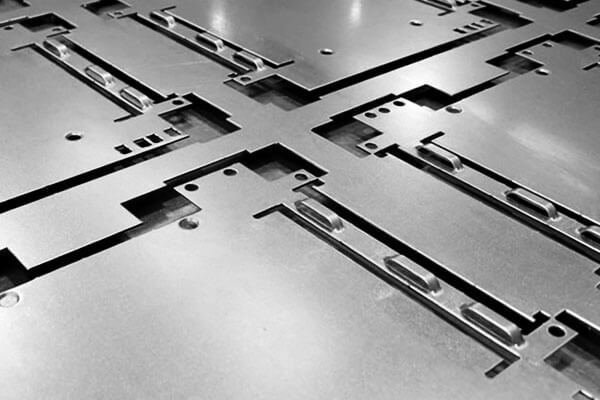
Integration of Artificial Intelligence (Аи) and Machine Learning
Вештачка интелигенција (Аи) и машинско учење are increasingly being incorporated into laser cutting systems to improve performance and reduce errors.
AI algorithms can analyze cutting patterns, optimize path planning, and adjust parameters in real-time to adapt to changes in material properties or thickness.
This level of automation reduces the need for manual intervention and enhances the precision of the cutting process.
Кључне предности:
- Real-time adaptation: AI can continuously monitor cutting conditions, such as material surface variations, to adjust parameters in real-time for optimal results.
- Increased efficiency: Machine learning algorithms can predict potential failures or issues based on historical data, enabling preventive measures to be taken before they cause downtime.
- Improved material utilization: AI can optimize cutting paths, reducing material waste and maximizing the output from a given sheet or piece.
Fiber Lasers and Advancements in Laser Source Technology
Fiber lasers have already surpassed traditional CO2 lasers in many applications due to their higher efficiency, faster cutting speeds, and ability to work with a broader range of materials.
Laser technology continues to evolve, with innovations in beam quality, моћ, and wavelength, enabling faster cutting of thicker materials with improved edge quality.
Будући трендови:
- High-power fiber lasers: Advances in high-power fiber lasers are allowing for cutting thicker materials, especially metals like нерђајући челик, алуминијум, и титанијум.
This reduces the need for additional equipment like plasma or mechanical cutting for heavy-duty applications. - Laser beam quality: Higher beam quality from advanced fiber lasers results in finer cuts and better surface finishes, which can be critical for industries like aerospace and medical devices.
- Cost reductions: As fiber laser technology becomes more affordable,
it is expected to be more accessible to a broader range of manufacturers, including small and medium-sized enterprises (Мала и средња предузећа).
Hybrid Laser Cutting and 3D Printing
Комбинација ласерско сечење и 3Д штампање technologies is an exciting area of innovation. Hybrid systems are emerging that integrate laser cutting with Додатна производња процеси.
This allows manufacturers to combine the precision and material efficiency of laser cutting with the flexibility of 3D printing to produce complex parts and components.
Кључне предности:
- Enhanced design possibilities: Hybrid systems offer greater design flexibility, enabling the production of complex geometries that cannot be achieved with traditional cutting methods alone.
- Faster prototyping: Manufacturers can produce prototypes faster by combining additive and subtractive processes, reducing time-to-market for new products.
- Ефикасност материјала: Hybrid systems allow for more efficient use of materials by adding layers of material through 3D printing and finishing them with laser cutting, resulting in less waste.
Automation and Robotics in Laser Cutting
Интеграција роботика with laser cutting systems is accelerating.
Automated laser cutting cells are becoming more common, enabling continuous, high-speed operations with minimal human intervention.
Robotics in laser cutting helps improve precision, streamline material handling, and reduce operational costs.
Кључне предности:
- Increased throughput: Robotics systems enable faster material loading and unloading, reducing downtime and increasing production capacity.
- Precision and flexibility: Robots can adapt to various tasks, including part picking, позиционирање, and cutting, with high precision and flexibility for complex or customized components.
- 24/7 рад: Automated systems can operate around the clock, leading to higher production efficiency and reducing labor costs.
Sustainable Laser Cutting
As sustainability becomes a top priority for industries, laser cutting technology is adapting to meet eco-friendly manufacturing standards.
Several innovations are making laser cutting more energy-efficient and reducing its environmental impact.
Одрживе праксе:
- Laser cutting with recyclable materials: There is an increasing focus on using recycled metals and other eco-friendly materials in laser cutting processes.
Manufacturers are also improving the recycling of laser-cut scrap materials, contributing to waste reduction. - Energy-efficient lasers: New laser technologies, нарочито fiber lasers, are more energy-efficient than traditional CO2 lasers, reducing power consumption during cutting operations.
- Смањени отпад: The high precision of laser cutting results in less material waste compared to traditional cutting methods, contributing to more sustainable manufacturing practices.
Интеграција са индустријом 4.0 и паметњачка производња
Laser cutting technology is also evolving as part of the broader trend toward Индустрија 4.0 и паметна производња.
The integration of laser cutting systems with Сладак (Интернет ствари), cloud computing, и big data allows for smarter, more connected production environments.
Кључне предности:
- Predictive maintenance: IoT-enabled sensors monitor the performance of laser cutting machines in real time,
detecting issues such as wear and tear or misalignment before they lead to equipment failure. - Data-driven optimization: Cloud-based platforms can collect and analyze data from laser cutting machines, enabling manufacturers to optimize processes, Смањите време застоја, и побољшати квалитет.
- Remote monitoring and control: Manufacturers can monitor and adjust laser cutting systems remotely, offering greater flexibility and reducing the need for on-site interventions.
11. Закључак
Laser cutting continues to push the boundaries of modern manufacturing, нудећи ненадмашну прецизност, брзина, и свестраност.
Како технолошка напредује, industries adopting AI-driven optimization, sustainable practices, and hybrid manufacturing will gain a competitive edge.
Investing in laser cutting technology today will drive innovation and efficiency in the years to come.
Лангхе is the perfect choice for your manufacturing needs if you need high-quality Laser cutting services.