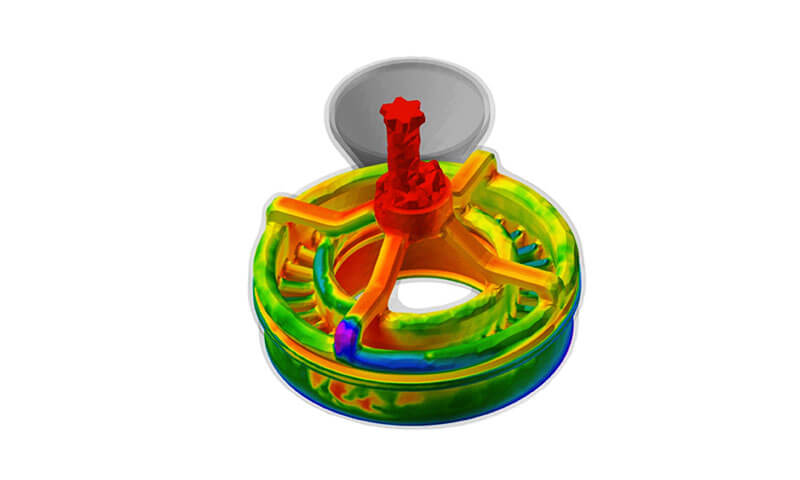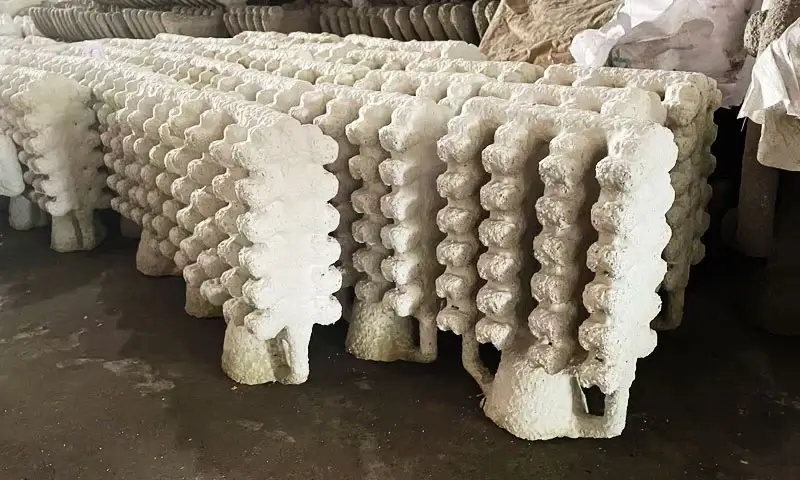
Wstęp
W Casting inwestycyjny, odparafinowanie skorupy jest zwodniczo prostym, ale bardzo wrażliwym etapem.
Jego cel jest prosty: usuń wzór wosku z ceramicznej skorupy, nie uszkadzając integralności strukturalnej skorupy ani wierności powierzchni.
W rzeczywistości, Jednakże, odparafinowanie jest jednym z najbardziej podatnych na wady etapów w całym łańcuchu procesowym.
Powłoka na tym etapie nie została jeszcze w pełni wypalona i osiągnęła swój ostateczny stan wysokiej wytrzymałości, więc musi wytrzymywać szybkie zmiany termiczne, ciśnienie wewnętrzne stopionego wosku, lokalne ładowanie parą, i radzenie sobie ze stresem – wszystko na raz.
Gdy odparafinowanie jest słabo kontrolowane, skorupa może pęknąć, deformować, lub tworzyć dziury i puste przestrzenie na powierzchni. Wady te nie pozostają odosobnione.
Często rozprzestrzeniają się na późniejsze stadia, zmniejszając wytrzymałość pocisku podczas strzelania, zwiększając ryzyko złomu podczas zalewania, i ostatecznie pogarsza jakość odlewu poprzez porowatość, wtrącenia, Wady powierzchniowe, lub niestabilność wymiarowa.
Z punktu widzenia inżynierii procesowej, defekty odparafinowania rzadko są spowodowane pojedynczym parametrem.
Zwykle są one wynikiem sprzężonych interakcji pomiędzy temperatura, ciśnienie, czas, struktura skorupy, skład wosku, Pokłana właściwości, i dyscyplina operacyjna.
Zrozumienie tych interakcji jest kluczem do stabilnej produkcji odlewów metodą traconego wosku.
1. Wady pęknięć podczas odparafinowania skorupy
Pęknięcia należą do najpoważniejszych wad powstałych podczas odparafinowania, ponieważ bezpośrednio osłabiają skorupę i mogą sprawić, że stanie się ona niezdatna do użytku jeszcze przed rozpoczęciem zalewania.
W rzeczywistości, wady pęknięć mogą objawiać się w trzech głównych postaciach: pęknięcia powierzchniowe, pęknięcia międzywarstwowe, i pęknięcia ścian.
Pęknięcia powierzchniowe
Pęknięcia powierzchniowe zwykle wydają się drobne, nieregularny, liniowy, lub siateczkowe znaki na zewnętrznej powierzchni skorupy.
Tworzą się często w miejscach koncentracji lokalnych naprężeń, takie jak rogi, przejścia, lub obszary o nierównomiernym nagrzewaniu.
Pęknięcia te mogą początkowo wyglądać na niewielkie, ale są to ważne znaki ostrzegawcze.
Pęknięcie powierzchni wskazuje, że powłoka została już poddana naprężeniom wystarczająco wysokim, aby lokalnie uszkodzić system powłokowy.
Nawet jeśli widoczne uszkodzenia są niewielkie, dotknięta strefa może mieć zmniejszoną wytrzymałość i niższą odporność na szok termiczny podczas kolejnego wypalania.
Pęknięcia międzywarstwowe
Pęknięcia międzywarstwowe rozciągają się wzdłuż styku warstw powłok.
Są one zwykle spowodowane niedopasowaniem zachowania podczas skurczu, Rozszerzanie termiczne, lub reakcję utwardzania pomiędzy sąsiednimi warstwami.
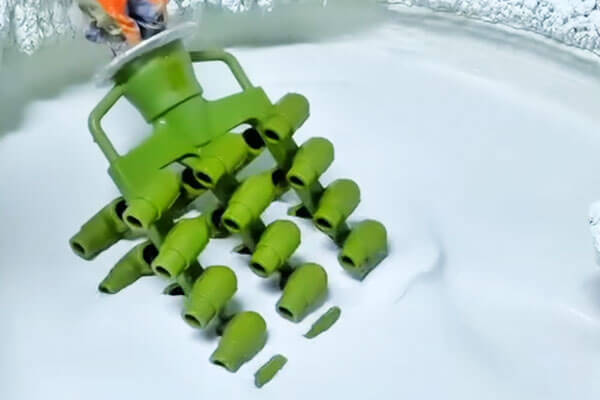
Ponieważ skorupy odlewnicze są budowane warstwa po warstwie, każda warstwa musi prawidłowo łączyć się z następną.
Jeśli warstwy utwardzają się nierównomiernie lub ich reakcje termiczne różnią się zbytnio podczas usuwania wosku, interfejs może się rozdzielić.
Ten rodzaj pęknięcia jest szczególnie niebezpieczny, ponieważ często wskazuje na ukrytą słabość strukturalną wewnątrz skorupy, a nie tylko na powierzchni.
Rozdzielenie międzywarstwowe może rozprzestrzeniać się podczas wypalania lub zalewania i prowadzić do zapadnięcia się skorupy, penetracja metalu, lub miejscowy wyciek.
Pęknięcia ścian
Pęknięcia przechodzące przez ścianę przenikają przez całą grubość ściany osłony. Są najpoważniejszym rodzajem pęknięć, ponieważ bezpośrednio naruszają ciągłość powłoki.
Pęknięcia te często występują, gdy skorupa jest narażona na naprężenia odparafinowania przekraczające jej wytrzymałość mechaniczną.
Pęknięcie w ścianie może nie tylko osłabić skorupę, ale także pozostawić pozostałości wosku, para, lub późniejsza penetracja metalu w celu utworzenia większych defektów w dalszej części procesu.
Kiedy skorupa ma tego rodzaju pęknięcie, jego niezawodność jest poważnie zmniejszona.
Przyczyny uszkodzeń pęknięć
Na powstawanie pęknięć podczas odparafinowania duży wpływ mają warunki procesu.
Efekty temperaturowe
Temperatura odparafinowania jest jedną z najbardziej krytycznych zmiennych.
Jeśli temperatura jest zbyt wysoka, powłoka może ulegać szybkiej rozszerzalności cieplnej i koncentracji naprężeń, zwłaszcza gdy pole temperatur jest nierówne.
Ponieważ różne obszary powłoki rozszerzają się w różnym tempie, Narastają naprężenia wewnętrzne i pęknięcia mogą inicjować się w słabych punktach.
Jeśli gradient temperatury jest zbyt stromy, obszary powłoki nie rozszerzają się synchronicznie. To niedopasowanie tworzy lokalne strefy rozciągania, które mogą przekroczyć wytrzymałość skorupy.
Efekty czasowe
Równie ważny jest czas odwoskowania. Jeśli czas trwania jest zbyt krótki, wosk może nie zostać całkowicie usunięty.
Pozostały wosk może później rozszerzyć się lub stopić ponownie podczas chłodzenia lub wypalania, powstawanie naprężeń wewnętrznych i pęknięć wtórnych.
Jeśli czas odwoskowania jest zbyt długi, powłoka jest narażona na obciążenie termiczne przez nadmierny okres. Może to uszkodzić strukturę powłoki i zmniejszyć integralność powłoki.
Skutki ciśnienia
Niewystarczające ciśnienie odparafinowania może uniemożliwić czyste wydostanie się wosku z wnęki skorupy.
Napięcie powierzchniowe może zatrzymać kropelki wosku lub uwięzione kieszenie gazowe, tworząc lokalne koncentracje ciśnienia. Po ochłodzeniu, obszary te mogą stać się punktami inicjacji pęknięć.
Ryzyko pomocy ultradźwiękowej
W niektórych systemach, Aby poprawić skuteczność usuwania wosku, stosuje się pomoc ultradźwiękową.
Jednakże, jeśli częstotliwość lub intensywność jest zbyt wysoka, wibracje mogą uszkodzić mechanicznie częściowo utwardzone warstwy powłoki.
Zamiast poprawiać uwalnianie powłoki, może powodować mikropęknięcia, które później rozprzestrzeniają się pod obciążeniem termicznym.
Pękanie skorupy to nie tylko problem procesowy. To także kwestia materiałów.
Preparat powłokowy
Jeśli lepkość powłoki, zawartość substancji stałych, i szybkość parowania rozpuszczalnika nie są odpowiednio zrównoważone, skorupa może kurczyć się nierównomiernie podczas suszenia i odparafinowania.
Powłoki o niskiej lepkości mogą dobrze penetrować, ale po utwardzeniu mogą stać się bardziej kruche. Wysoka zawartość części stałych może zwiększać skurcz i naprężenia wewnętrzne.
Klasyfikacja proszku
Rozkład wielkości cząstek proszku ceramicznego silnie wpływa na wytrzymałość powłoki i przepuszczalność.
Grubsze cząstki mogą tworzyć puste przestrzenie i słabe punkty, podczas gdy nadmierne cząstki mogą zmniejszać przepuszczalność i zatrzymywać rozpuszczalnik lub wilgoć. Obydwa warunki mogą sprzyjać pękaniu.
Zachowanie segregatora
Układ spoiwa określa wytrzymałość powłoki i reakcję termiczną.
Jeżeli zakres zeszklenia żelu krzemionkowego lub innego spoiwa pokrywa się z oknem temperatury odparafinowania, skorupa może zmięknąć na tyle, aby stracić wytrzymałość, będąc nadal pod naprężeniem rozciągającym.
Niedopasowanie rdzenia i powłoki
Jeśli współczynnik rozszerzalności cieplnej struktury rdzenia lub materiałów podkładowych różni się zbytnio od powłoki powłoki, separacja styków może nastąpić podczas ogrzewania i rozszerzania się wosku.
Konstrukcja obudowy również ma znaczenie. Cienkie sekcje, ostre zakątki, i nieregularności grubości ścianek są naturalnymi koncentratorami naprężeń.
Jeśli skorupa jest zbyt mocno dociśnięta podczas odparafinowania, nie może się swobodnie kurczyć ani odkształcać, a powstałe naprężenia utwierdzające mogą powodować pękanie.
Podobnie, źle skoordynowane podgrzewanie i odparafinowanie może spowodować nagłe szoki temperaturowe.
Skorupa, która jest podgrzewana zbyt gwałtownie, może pęknąć po prostu dlatego, że gradient termiczny jest zbyt duży w stosunku do jej obecnej wytrzymałości w stanie surowym.
2. Wady deformacji powłoki: Charakterystyka morfologiczna i mechanizm tworzenia sprzężeń
Odkształcenie powłoki odnosi się do całkowitego lub lokalnego odchylenia utwardzonej powłoki od standardowego konturu oryginalnego wzoru woskowego, co bezpośrednio zmniejsza dokładność wymiarową gotowych odlewów i niszczy jednorodność wnęki formy.
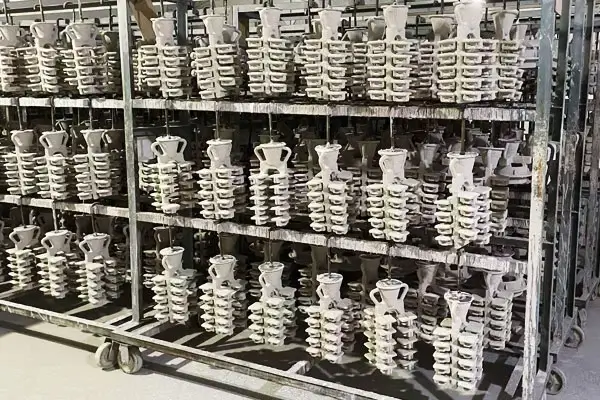
Jest to jedna z najczęstszych ukrytych wad jakościowych występujących w procesie odparafinowania.
Główna klasyfikacja wad odkształceń
Odkształcenie powłoki wywołane odparafinowaniem dzieli się na trzy typowe formy:
ogólne zniekształcenie skrętne całej skorupy, miejscowe zwiotczenie lub wybrzuszenie powierzchni skorupy, oraz pękanie i przemieszczenie na złączach zespołu powłoki.
Większość defektów odkształceń to nieodwracalne zmiany plastyczne, których nie da się naprawić w kolejnych procesach i które będą prowadzić do przekroczenia tolerancji wymiarowej gotowych odlewów.
Sprzężenie wieloczynnikowe – przyczyny deformacji
Nieprawidłowość temperatury i szybkości ogrzewania
Ogrzewanie parowe jest głównym procesem odparafinowania skorup odlewniczych.
Zbyt wysoka temperatura odparafinowania lub szybkie tempo nagrzewania powoduje powstanie ogromnego gradientu temperatur pomiędzy wewnętrzną i zewnętrzną warstwą skorupy, powodując asynchroniczną rozszerzalność cieplną wewnętrznych i zewnętrznych struktur powłokowych.
Skumulowane naprężenie termiczne przekracza chwilową wytrzymałość powłoki na rozciąganie, powodując odkształcenie plastyczne.
Dane przemysłowe pokazują, że każdy wzrost temperatury odparafinowania o 50°C zwiększa naprężenia cieplne powierzchni powłoki o około 50 stopni 30%, znacznie zwiększając ryzyko deformacji.
Ponadto, wahania temperatury przekraczające ±5°C niszczą równomierność utwardzania powłok z krzemionki koloidalnej i osłabiają odporność powłoki na odkształcenia.
Nieuzasadniony czas odparafinowania i ciśnienie pary
Niewystarczający czas odparafinowania pozostawia resztki stopionego wosku wewnątrz skorupy.
Wtórna rozszerzalność cieplna pozostałości wosku podczas późniejszego ogrzewania ściska wewnętrzną ścianę wnęki, powodując miejscową deformację wybrzuszoną.
Wydłużony czas odparafinowania wydłuża cykl działania termicznego, nasilając akumulację naprężeń termicznych i ogólne odkształcenie powłoki.
Kolejną kluczową przyczyną jest nierówny rozkład ciśnienia pary.
Gdy gradient ciśnienia pary przekracza 0.02 MPA, powstają kierunkowe różnice w skurczu pomiędzy obszarami powłoki pod wysokim i niskim ciśnieniem, prowadzące do kierunkowego odkształcenia zginającego powłoki.
Poważne wahania ciśnienia będą dodatkowo powodować pękanie połączeń i lokalne przemieszczenia strukturalne.
Niedociągnięcia w zakresie wydajności materiałów i projektu konstrukcyjnego
Sztywność skorupy zależy od rozkładu grubości ścianek: obszary cienkościenne (grubość ścianki <2 mm) są podatne na miejscowe zapadanie się z powodu niewystarczającej sztywności konstrukcji podczas odparafinowania.
Różnica współczynnika rozszerzalności cieplnej pomiędzy powłoką powierzchniową a warstwą piasku osiąga wartość 10⁻⁶/℃, wytwarzanie trwałych naprężeń wewnętrznych międzyfazowych i wywoływanie względnego przemieszczenia warstw powłoki pod wpływem zmian temperatury.
Wydajność wzorów woskowych również ma duży wpływ. Wzory woskowe o wysokim skurczu wytwarzają silne naprężenia rozciągające podczas topienia i skurczu objętościowego.
Dane statystyczne wskazują, że co 0.1% wzrost skurczu wzoru woskowego zwiększa prawdopodobieństwo odkształcenia powłoki o 15%.
Do skorup o małej sztywności, to naprężenie rozciągające będzie bezpośrednio powodować ogólne odkształcenie skrętne.
Kompleksowe prawo dotyczące deformacji
Odkształcenie powłoki jest synergistycznym skutkiem parametrów procesu, właściwości materiałów i projektowanie strukturalne.
Superpozycja wysokiej temperatury, długi czas odparafinowania i niestabilne ciśnienie pary wzmocnią akumulację naprężeń termicznych i efekty wytłaczania pozostałości wosku; Słabe punkty konstrukcyjne dodatkowo zwiększają ryzyko deformacji i pęknięć.
Precyzyjna gradientowa kontrola temperatury (gradient ogrzewania ≤30 ℃/min), znormalizowane dopasowanie czasu odparafinowania i zoptymalizowana konstrukcja sztywnej konstrukcji skorupy to podstawowe środki mające na celu wyeliminowanie defektów deformacyjnych.
3. Wady porów powłoki: Morfologia i systematyczna analiza przyczyn
Wady porów to wklęsłe wady rozmieszczone na powierzchni powłoki lub strukturze wewnętrznej, o różnej wielkości, od mikronowych dziurek po makroskopowe zagłębienia o wielkości kilku milimetrów, a w ciężkich przypadkach nawet dziury penetrujące.
Wady te niszczą zwartość i integralność strukturalną skorupy, zmniejszają izolacyjność cieplną i odporność ogniową, i łatwo powodują porowatość gazową i wżery powierzchniowe na odlewach podczas zalewania.
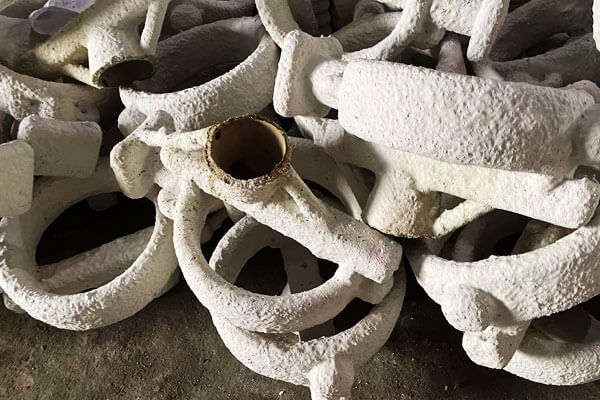
Charakterystyka morfologiczna wad porów
Pory powstałe w wyniku odwoskowania są w większości okrągłe, wgłębienia eliptyczne lub nieregularne wielokątne.
Rozproszone mikropory rozmieszczone są głównie na powierzchni powłoki, podczas gdy duże pory penetrujące przebiegają przez ścianę skorupy.
Różni się od wypalania porów, pory odwoskujące charakteryzują się nieregularnymi konturami krawędzi i nierównomiernym rozkładem, ściśle związane z topnieniem wosku i ulatnianiem się gazu.
Tworzenie się rdzenia Przyczyny wad porów
Wady wzoru wosku i materiału powłoki
Wzory woskowe zawierające nadmierne lotne składniki i zanieczyszczenia będą generować natychmiastowy gaz pod wysokim ciśnieniem podczas szybkiego zgazowania podczas odparafinowania, rozbijanie słabych obszarów skorupy i tworzenie się dziurek lub siatkowych defektów porów.
Mikropory i mikropęknięcia na powierzchni pierwotnego wzoru wosku będą się rozszerzać i przekształcać w pory makroskopowe podczas późniejszej obróbki w wysokiej temperaturze.
Słaba stabilność zawiesiny zawiesiny powłoki powłoki powoduje nierównomierne rozmieszczenie stałych cząstek materiału ogniotrwałego, tworząc lokalne luźne pory po wyschnięciu.
Niewłaściwa kontrola grubości powłoki prowadzi do niespójnych szybkości ulatniania się rozpuszczalnika, wywołując powstawanie porów naprężeniowych.
Nadmierne lub niewłaściwie dobrane środki antyadhezyjne niszczą siłę wiązania międzyfazowego pomiędzy wzorem woskowym a powłoką, powodując złuszczanie się porów podczas usuwania wosku.
Operacja odparafinowania i odchylenia parametrów
Zbyt wysoka temperatura odparafinowania powoduje wybuchowe zgazowanie modeli woskowych, a chwilowe wysokie ciśnienie wewnętrzne rozbija strukturę powłoki, tworząc pory penetrujące.
Niska temperatura odparafinowania zmniejsza płynność wosku, co powoduje niecałkowite odparafinowanie; Pozostały wosk zgazowuje się na etapie wypalania i tworzy wewnętrzne, ukryte pory.
Nierównomierne natryskiwanie i niepełne utwardzenie środków antyadhezyjnych tworzą warstwy izolacyjne na powierzchni wosku, utrudniając wydzielanie woskowiny i powodując miejscową agregację porów.
Niestandardowe procesy powlekania i suszenia
Niekontrolowana lepkość zawiesiny i niewystarczający czas powlekania nie pokrywają całkowicie mikroskopijnej nierównej struktury wzorów woskowych, tworząc nieodłącznie zapadnięte pory po wyschnięciu.
Wahania temperatury i wilgotności podczas procesu suszenia powodują asynchroniczny skurcz powłoki i defekty porów wywołane naprężeniami.
Szybkie nagrzewanie lub niewystarczający czas suszenia nie powodują całkowitego usunięcia wilgoci i spoiw organicznych z powłoki. Gaz resztkowy rozszerza się podczas wypalania, tworząc pory wtórne.
Nieodpowiedni czas wypalania powłoki prowadzi do nierównomiernego skurczu niecałkowicie utwardzonych powłok na etapie chłodzenia, dalsze indukowanie porów naprężeń termicznych.
4. Podsumowanie typów defektów i głównych przyczyn
| Typ wady | Typowa forma | Główna konsekwencja | Dominujące przyczyny |
| Pęknięcia powierzchniowe | Cienki, nieregularne linie lub sieci powierzchni | Zmniejszona wytrzymałość powierzchniowa i odporność na szok termiczny | Lokalna koncentracja naprężeń, przegrzanie, nierównomierna ekspansja |
| Pęknięcia międzywarstwowe | Separacja wzdłuż granic powłok | Ukryta słabość strukturalna | Skurcz różnicowy, niedopasowanie segregatora, słabe wiązanie warstw |
| Pęknięcia ścian | Pęknięcia penetrujące całą grubość skorupy | Poważna awaria powłoki | Nadmiar stresu, nadmierne ciśnienie, ograniczenie strukturalne |
| Odkształcenie | Pokrętny, wypukły, zwiotczenie, lokalny upadek | Niedokładność wymiarowa, zła geometria skorupy | Przekroczenie temperatury, brak równowagi ciśnienia pary, słaba sztywność |
| Porowatość / dziury | Doły, wnęki, dziury, otwory przelotowe | Utrata ciągłości i wytrzymałości skorupy | Lotny wosk, słaba stabilność zawiesiny, niewystarczający drenaż, szybkie uwolnienie gazu |
5. Inżynierskie środki zapobiegawcze
Chociaż wady różnią się wyglądem, ich logika zapobiegania jest podobna: kontrolować stres, stabilizować materiały, i wyeliminować nierównowagę procesu.
Kluczowe strategie zapobiegawcze
- Zoptymalizuj temperaturę odparafinowania i szybkość ogrzewania, aby uniknąć stromych gradientów termicznych.
- Dopasuj czas odwoskowania do wymagań dotyczących usuwania wosku bez nadmiernego naświetlania.
- Kontroluj ciśnienie pary równomiernie w całej skorupie.
- Poprawić stabilność zawiesiny, rozkład ciał stałych, i konsystencję spoiwa.
- Używaj odpowiednio dobranych proszków ceramicznych, aby zrównoważyć przepuszczalność i wytrzymałość.
- Jeśli to możliwe, zaprojektuj ściany osłonowe o jednakowej grubości.
- Unikaj sztywnych mocowań, które ograniczają naturalną rozszerzalność i kurczliwość cieplną.
- Koordynowanie wstępnego podgrzewania, DEWAXING, i strzelanie, aby pocisk nie doznał nagłego szoku termicznego.
- Sprawdź jakość wzoru wosku przed zbudowaniem powłoki, aby uniknąć ukrytych defektów, które później staną się niepowodzeniem odparafinowania.
6. Podstawowa zasada procesu
Podstawowa zasada odparafinowania skorupy w odlewach precyzyjnych jest prosta w koncepcji, ale wymagająca w praktyce: skorupę ceramiczną należy usunąć z wosku, nie przekraczając tymczasowej granicy wytrzymałości ani nie destabilizując jej geometrii.
Dewoskowanie to nie tylko etap usuwania. Jest to kontrolowane przejście, w którym skorupa przesuwa się z podłoża woskowego, stan częściowo podatny na działanie wolnostojącej struktury ceramicznej, która musi przetrwać wypalanie i zalewanie.
Wszelkie niepowodzenia w tym przejściu zwykle objawiają się pękaniem, odkształcenie, lub uszkodzenia związane z porowatością.
Z inżynierskiego punktu widzenia, Jakość odparafinowania jest regulowana przez równowagę trójczynnikową:
- obciążenie termiczne musi być wystarczająco wysoka, aby skutecznie stopić i usunąć wosk,
- obciążenie mechaniczne musi być wystarczająco niski, aby uniknąć pęknięcia skorupy,
- I materialna reakcja musi być wystarczająco stabilny, aby zachować integralność powłoki podczas przejścia.
Jeśli którykolwiek z tych trzech elementów zostanie przesunięty za daleko, jakość skorupy szybko spada.
Odwoskowanie to proces radzenia sobie ze stresem, nie jest to prosta operacja ogrzewania
Powszechnym nieporozumieniem jest postrzeganie usuwania wosku jako prostego zastosowania wystarczającej ilości ciepła lub ciśnienia, aby usunąć wosk.
W rzeczywistości, skorupa jest częściowo utwardzonym korpusem ceramicznym o ograniczonej tolerancji na szok termiczny, lokalna powściągliwość, i brak równowagi ciśnień.
Wosk wewnątrz ubytku rozszerza się, topienie, i wypływa podczas nierównomiernego nagrzewania muszli. To powoduje wewnętrzne naprężenia, nawet zanim wosk całkowicie zniknie.
Dlatego odwoskowanie należy traktować jako proces zarządzania stresem. Celem nie jest tylko czyste usunięcie wosku, ale robić to w sposób pozwalający uniknąć:
- koncentracja naprężeń rozciągających,
- separacja międzyfazowa pomiędzy warstwami powłoki,
- zginanie lub wypaczanie cienkich stref,
- resztkowe ciśnienie wosku w martwych kącikach,
- oraz mikrouszkodzenia, które później rozprzestrzeniają się podczas wystrzeliwania pocisków.
Jednorodność jest ważniejsza niż prędkość bezwzględna
W odparafinowaniu, szybciej nie koniecznie znaczy lepiej. Najważniejsze jest to kontrolowana jednolitość.
Skorupa, która jest podgrzewana zbyt szybko lub nierównomiernie, może doświadczyć różnicowego rozszerzania się jej powierzchni wewnętrznej i zewnętrznej.
Nawet jeśli średnia temperatura jest akceptowalna, lokalne nachylenia mogą być na tyle duże, że powodują pęknięcia lub deformacje.
Dlatego proces powinien być zaprojektowany wokół:
- równomierny wzrost temperatury,
- stabilne ciśnienie pary lub ogrzewania,
- kompletny i uporządkowany drenaż woskowiny,
- oraz wsparcie powłoki, które nie ogranicza nadmiernie naturalnej ekspansji.
Równomiernie nagrzana skorupa będzie zwykle działać lepiej niż ta wystawiona na agresywne, ale nierównomierne wprowadzanie ciepła, nawet jeśli ten drugi szybciej usuwa wosk.
Wytrzymałość powłoki musi być zgodna z oknem odparafinowania
Tymczasowa wytrzymałość łuski na etapie odparafinowania nie jest taka sama jak jego ostateczna wytrzymałość po wypaleniu. To rozróżnienie jest krytyczne.
Skorupa może być wystarczająco mocna, aby utrzymać kształt podczas manipulacji, ale nadal może być podatna na działanie pary, ekspansja wosku, lub lokalny szok termiczny.
Dlatego, proces odparafinowania musi być dostosowany do rzeczywistego stanu utwardzenia skorupy, a nie wyidealizowanych założeń.
Oznacza to, że inżynierowie zajmujący się procesami muszą to wziąć pod uwagę:
- preparat powłokowy,
- kompletność suszenia,
- jakość łączenia warstw,
- rozkład grubości ścianek,
- i samą kompozycję woskową.
Proces, który działa w jednym systemie powłoki, może zawieść w innym, jeśli tymczasowa krzywa wytrzymałości jest inna.
Należy zatem określić okno odparafinowania dla prawdziwej skorupy, nie tylko dla procesu nominalnego.
Należy wspólnie zoptymalizować usuwanie woskowiny i przeżycie skorupy
Najwyższej jakości proces usuwania wosku to taki, który skutecznie usuwa wosk I jednocześnie zachowuje integralność powłoki. To nie są identyczne cele.
Bardzo agresywny proces może dobrze oczyścić wnękę, ale uszkodzić skorupę. Bardzo delikatny proces może zachować skorupę, ale pozostawić resztki wosku.
Prawidłowy proces mieści się pomiędzy tymi skrajnościami.
W rzeczywistości, od czego zależy równowaga:
- zachowanie podczas topienia wosku,
- projekt drenażu jamy,
- przepuszczalność powłoki,
- szybkość ogrzewania,
- rozkład ciśnienia,
- i geometrię części.
Złożone części o cienkich przekrojach, głębokie kieszenie, lub ostre przejścia wymagają dokładniejszej kontroli odparafinowania, ponieważ tworzą naturalne strefy koncentracji naprężeń i trudności z drenażem.
Wady odwoskowania są zazwyczaj wadami systemowymi
Spękanie, odkształcenie, i porowatość podczas odparafinowania rzadko są odosobnionymi wypadkami. Zwykle wskazują, że jeden lub więcej elementów procesu nie jest w równowadze.
Pęknięcie może odzwierciedlać szok termiczny, ale głębszą przyczyną może być zły skład zawiesiny, słabe wiązanie międzywarstwowe, niewystarczająca wentylacja, lub sztywne mocowanie skorupy.
Por może wydawać się miejscowy, ale źródłem może być lotność wosku, blokada drenażu, lub niedostateczne wysuszenie.
Z tego powodu, jakość odparafinowania należy zbadać jako a problem z systemem a nie problem jednoetapowy.
Skorupa, wosk, powłoka, sprzęt, i profil ogrzewania, wszystkie ze sobą współdziałają. Poprawa jednego czynnika przy jednoczesnym ignorowaniu pozostałych często przynosi jedynie ograniczone korzyści.
Praktyczna zasada inżynierska
Podstawową zasadę usuwania wosku można jasno określić:
Usuń wosk wystarczająco szybko, aby chronić wydajność produkcji, ale wystarczająco delikatnie, aby utrzymać skorupę w granicach tolerancji elastycznej i termicznej.
To jest rzeczywista granica procesu. Najlepszy system odparafinowania nie jest najbardziej agresywny, ani najwolniejszy, ale taki, który utrzymuje stabilną równowagę pomiędzy wydajnością cieplną a bezpieczeństwem powłoki.
7. Wniosek
Wady odparafinowania skorupy są jednym z najważniejszych problemów kontroli jakości odlewów metodą traconego wosku.
Spękanie, odkształcenie, i porowatość różnią się wyglądem, ale często wynikają z tej samej podstawowej logiki: nadmierny stres, nierównomierny transfer ciepła, niestabilne zachowanie materiału, i słaba koordynacja procesów.
Pęknięcia sygnalizują uszkodzenie konstrukcji pod wpływem naprężeń termicznych lub mechanicznych. Odkształcenie wskazuje, że skorupa utraciła stabilność geometryczną w wyniku nierównomiernego rozszerzania lub ciśnienia.
Porowatość i dziury ujawniają wydzielanie się gazu, awaria drenażu, lub nieciągłość powłoki.
Razem, te wady pokazują, że odparafinowanie to proces, który należy zaplanować ostrożnie, nie jest traktowany jako rutynowy etap ogrzewania.
Najbardziej niezawodnym sposobem na poprawę jakości odparafinowania muszli jest zarządzanie nim systemowo: kontrolować temperaturę, ustabilizować ciśnienie, optymalizować materiały, inteligentnie projektuj powłoki, i utrzymywać ścisłą dyscyplinę operacyjną.
Kiedy te czynniki się zgadzają, odparafinowanie staje się stabilnym pomostem pomiędzy budowaniem skorupy a sukcesem odlewniczym, a nie ukrytym źródłem złomu.