ASTM A744 CN7M to odlew, wysokoniklowa, molibden- oraz austenityczny stop stali nierdzewnej zawierający miedź, zaprojektowany do agresywnych zastosowań chemicznych - zwłaszcza kwasów siarkowych i innych kwasów redukujących, strumienie procesowe zawierające chlorki i mieszaniny kwasów.
To połączenie wysokiej zawartości Ni, Cr, Mo i Cu zapewniają doskonałą odporność na miejscową korozję, dobra ciągliwość i niezawodna lejność w przypadku złożonych geometrii (pompowanie ciał, zawory, armatura).
Ten rozszerzony przewodnik zawiera szczegółowe informacje na temat metalurgii, wskazówki dotyczące projektowania i produkcji, listy kontrolne kontroli i zamówień, analiza trybu awaryjnego, oraz zasady podejmowania decyzji w sprawie wyboru, aby inżynierowie i specjaliści ds. zaopatrzenia mogli określić, bez obaw kupuj i wdrażaj odlewy CN7M.
1. Co jest Stal nierdzewna ASTM A744 CN7M
CN7M jest związkiem wysokoniklowym, chrom – molibden, Odlew austenityczny zawierający miedź stal nierdzewna należący do rodziny Alloy-20.
Został specjalnie zaprojektowany do pracy w trudnych środowiskach chemicznych, szczególnie te zawierające kwas siarkowy, mieszane kwasy, i inne czynniki redukujące, w przypadku których konwencjonalne stale nierdzewne serii 300 wykazują szybką korozję.
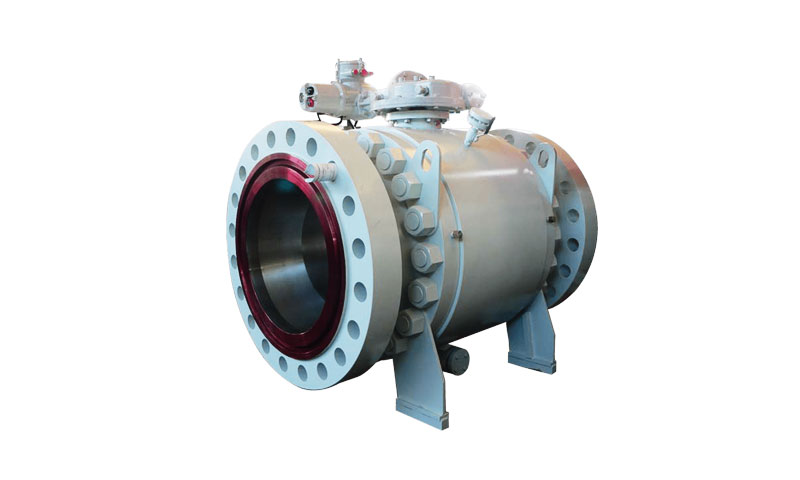
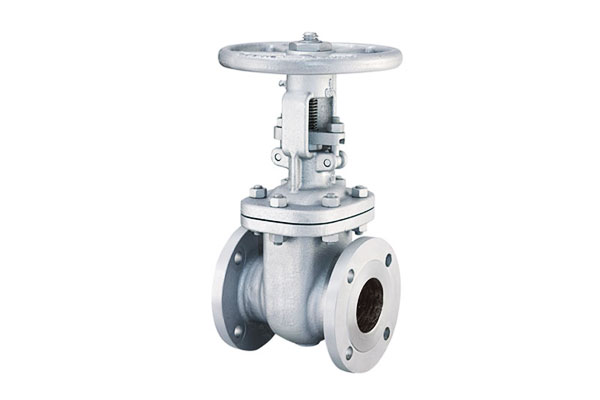
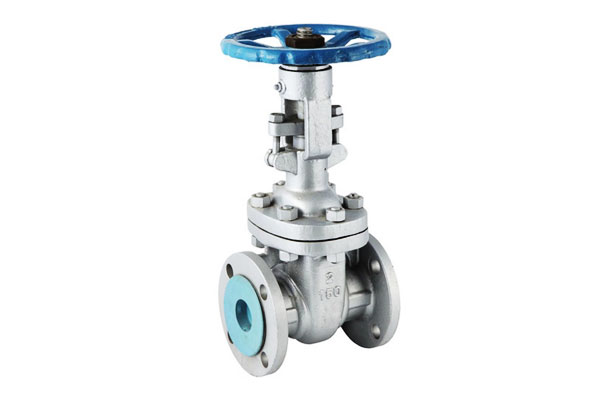
Jako stop odlewniczy określony w normie ASTM A744, CN7M jest szeroko stosowany do elementów znajdujących się pod ciśnieniem i wrażliwych na korozję, takich jak obudowy pomp, ciała zaworów, przeszkody, armatura, i sprzęt reaktora.
Wysoka zawartość niklu gwarantuje, że jest w pełni austenityczny, struktura niemagnetyczna o doskonałej wytrzymałości, podczas gdy chrom poprawia stabilność folii pasywnej.
Molibden poprawia odporność na korozję wżerową i szczelinową w środowiskach zawierających chlorki, i miedź znacznie poprawiają działanie kwasu siarkowego i innych kwasów redukujących.
CN7M skutecznie wypełnia lukę w wydajności pomiędzy standardowymi austenitycznymi stalami nierdzewnymi (NP., CF8M / 316 odlewy) i droższe stopy na bazie niklu.
Ta równowaga odporności na korozję, Wydajność, integralność mechaniczna, i efektywność kosztowa sprawiają, że jest to preferowany materiał w przetwórstwie chemicznym, Petrochemiczny, nawóz, farmaceutyczny, oraz przemysł celulozowo-papierniczy.
Standardowe oznaczenia & globalne odpowiedniki
| System standardowy / region | Rzucać / Forma kuta | Oznaczenie |
| ASTM / ASME (USA) | Rzucać | ASTM A744 klasa CN7M (o których mowa także w ASTM A743 / A351 do odlewanych stali odpornych na korozję) |
| NAS | Rzucać | USA N08007 |
| ASTM / ASME (USA) | Kuty odpowiednik | Stop 20 / ASTM A182 F20 |
| NAS | Fasonowany | USA N08020 |
| W / Z (Europa) | Przybliżony odpowiednik | W 1.4536 (Odniesienie do klasy Alloy-20) |
| On jest (Japonia) | Odniesienie do stopu odlewanego | Często odwoływane jako SCS-23 Lub GX5NiCrCuMo 29-21 (zależne od aplikacji) |
2. Typowy skład chemiczny i rola metalurgiczna
Wartości poniżej są reprezentatywnymi zakresami technicznymi dla odlewów CN7M dostarczanych w stanie wyżarzonym.
| Element | Reprezentatywny% wag. | Pierwotne metalurgiczne / rola korozji |
| C (Węgiel) | ≤ 0.07 | Wkład siłowy; kontrolowane w celu ograniczenia wytrącania się węglików i zachowania odporności na korozję. |
| Cr (Chrom) | 19.0 - - 22.0 | Promuje trwałą pasywną warstwę Cr₂O₃; podstawa odporności na korozję. |
| W (Nikiel) | 27.5 - - 30.5 | Stabilizator austenitu; poprawia ciągliwość i ogólną odporność na korozję. |
| Mo (Molibden) | 2.0 - - 3.0 | Zwiększa odporność na korozję wżerową i szczelinową; ważne w przypadku chlorków. |
Cu (Miedź) |
3.0 - - 4.0 | Zwiększa odporność na kwasy siarkowe i inne kwasy redukujące; ważna cecha konstrukcyjna. |
| I (Krzem) | ≤ 1.5 | Odporność na odtlenianie i utlenianie. |
| Mn (Mangan) | ≤ 1.5 | Środek pomocniczy w przetwarzaniu i niewielki stabilizator austenitu. |
| P (Fosfor) | ≤ 0.04 | Kontrola zanieczyszczeń zapewniająca wytrzymałość. |
| S (Siarka) | ≤ 0.04 | Utrzymywany na niskim poziomie, aby uniknąć wad odlewniczych i zmniejszyć ryzyko kruchości. |
| Fe (Żelazo) | Balansować | Element matrycy; zawartość pozostała po dodatkach stopowych. |
3. Mikrostruktura i zachowanie metalurgiczne — dogłębnie
- Matryca austenityczna: Wysoka zawartość Ni zapewnia w pełni austenityczną osnowę γ w temperaturze pokojowej o doskonałej wytrzymałości i ciągliwości. Ta mikrostruktura jest podstawą właściwości mechanicznych i korozyjnych CN7M.
- Węgliki i opady: Węgiel jest celowo ograniczany; Jednakże, niewłaściwy odlew, powolne chłodzenie lub narażenie termiczne po odlewaniu może wytrącić węgliki chromu na granicach ziaren, miejscowo zubożając chrom i zmniejszając odporność na korozję.
Wyżarzanie rozpuszczające rozpuszcza takie węgliki. - Fazy międzymetaliczne (Sigma, Chi): Długie czasy przebywania w zakresie 600–900 ° C mogą wytrącać sigma (A) i powiązane fazy w austenityce wysokostopowej.
Fazy te są kruche i mają niższą odporność na korozję. Unikaj długotrwałej pracy w tym zakresie temperatur lub wykonaj testy kwalifikacyjne, jeśli narażenie jest nieuniknione. - Rola miedzi i molibdenu: Cu zwiększa odporność na kwasy siarkowe i inne kwasy redukujące poprzez stabilizację chemii powierzchni w warunkach redukujących; Mo zwiększa odporność na ataki lokalne w mediach zawierających chlorki.
Efekt synergistyczny pozwala uzyskać stop, który jest odporny na szerszy zestaw substancji chemicznych niż zwykły 316L. - Niejednorodność mikrostrukturalna odlewów: Elementy odlewane mogą wykazywać segregację dendrytyczną i mikrosegregację w skali mikroskopowej.
Dobra praktyka odlewnicza – odpowiednia obróbka stopu, filtrowanie, homogenizacja i odpowiednia obróbka cieplna – są wymagane w celu zminimalizowania niejednorodności, które zagrażają korozji lub integralności mechanicznej.
4. Właściwości mechaniczne — ASTM A744 CN7M (rzucać , Rozwiązanie)
Poniższe wartości to reprezentatywne zakresy inżynieryjne dla odlewów CN7M dostarczanych w stanie wyżarzonym i hartowanym.
Właściwości mechaniczne odlewów różnią się w zależności od grubości przekroju, Praktyka odlewni, obróbka cieplna i obróbka po odlewie.
| Nieruchomość | Wartość reprezentatywna (typ/zakres) |
| 0.2% dowód (ok. dawać) | ≈ 170 - - 300 MPA (≈ 25 - - 44 Ksi) — użyć do projektowania wartości ciepła właściwej z MTR |
| Wytrzymałość na rozciąganie (Rm, UTS) | ≈ 425 - - 650 MPA (≈ 62 - - 94 Ksi) — zależą od przekroju i jakości odlewu |
| Wydłużenie przy zerwaniu (A, %) | ≈ 20 - - 40% (typowe odlewy ~ 30–40% dla dobrze wykonanych, części wyżarzane rozpuszczająco; niższa dla grubych/segregowanych sekcji) |
Twardość Brinella (HB) |
≈ 150 - - 260 HB (różni się w zależności od sekcji, obróbka cieplna i stopień pracy na zimno) |
| Twardość Rockwella (HRB) | ≈ 70 - - 100 HRB (odpowiadający zakresowi HB powyżej) |
| Moduł sprężystości (mi) | ≈ 190 - - 200 GPA (≈ 28,000 - - 29,000 Ksi) — użyj ≈193 GPa, jeśli potrzebna jest pojedyncza wartość |
| Moduł ścinania (G) | ≈ 75 - - 80 GPA |
| współczynnik Poissona (N) | ≈ 0.27 - - 0.30 |
| Gęstość | ≈ 7.95 - - 8.05 g · cm⁻³ (≈ 7950–8050 kg·m⁻³) |
5. Odporność na korozję stali nierdzewnej CN7M

Mocne strony
- Kwasy siarkowe i redukujące: Doskonała wydajność w porównaniu ze stalą nierdzewną serii 300 dzięki zawartości Cu i Ni — CN7M jest powszechnie wybierana tam, gdzie rutynowy jest kontakt z kwasem siarkowym.
- Mieszane kwasy i chemia procesowa: Dobra ogólna odporność na azot, fosfor i różne substancje organiczne z odpowiednimi limitami stężenia/temperatury.
- Ulepszona odporność na wżery: Mo zapewnia zwiększoną odporność na wżery w porównaniu z austenitami o niskiej zawartości Mo; przydatne, gdy chlorki są obecne w umiarkowanych ilościach.
Ograniczenia & granice aplikacji
- Ciężkie zanurzenie w chlorku / Strefy plusk: CN7M jest lepszy niż 304 ale w agresywnych strefach zanurzenia w wodzie morskiej lub w strefach rozbryzgów duplex stale nierdzewne lub stopy miedzi i niklu mogą przewyższać CN7M w długotrwałej pracy.
- Ryzyko SCC: Przy dużym naprężeniu rozciągającym + chlorek + kombinacje podwyższonych temperatur, możliwe jest pękanie spowodowane korozją naprężeniową; Do zastosowań krytycznych dla SCC mogą być preferowane materiały duplex lub superaustenityczne.
- Kruchość w wysokiej temperaturze: Unikaj ciągłej pracy w zakresie 600–900 °C ze względu na ryzyko powstania fazy sigma.
6. Charakterystyka odlewania stali nierdzewnej CN7M
Procesy odlewania
CN7M jest wytwarzany głównie poprzez odlewanie piaskowe i odlewanie metodą traconego węgla, z parametrami procesu dostosowanymi tak, aby uniknąć segregacji i defektów:
- Casting piasku: Stosowany do dużych elementów (ciała zaworów, pompowanie obudowa) o grubości ścianki ≥5 mm.
Piasek pokryty żywicą (żywica fenolowa) jest preferowany ze względu na dokładność wymiarową (tolerancja ±0,2–0,5 mm) i wykończenie powierzchni (RA 3,2-6,3 μm). - Casting inwestycyjny: Do elementów precyzyjnych (małe zawory, armatura) z cienkimi ścianami (≥2 mm), uzyskanie chropowatości powierzchni Ra 1,6–3,2 µm i tolerancji ±0,1–0,3 mm.
Kontrola odlewni
- Topienie & kontrola ładowania: Jeśli to możliwe, należy stosować topienie indukcyjne próżniowo lub praktykę kontrolowanego powietrza/argonu, aby zminimalizować ilość rozpuszczonych gazów i zawartość wtrąceń. Niezbędna jest ścisła kontrola dodatków stopowych i odtleniania.
- Filtracja i bramkowanie: Filtracja ceramiczna i dobrze zaprojektowane bramkowanie minimalizują wtrącenia i porowatość; Małe gazy uwięzione w wirnikach pomp lub gniazdach zaworów są częstą przyczyną awarii.
- Temperatura zalewania i krzepnięcia: Kontroluj temperaturę zalewania, aby zminimalizować puste przestrzenie skurczowe i promować kierunkowe krzepnięcie w kierunku pionów. Zapewnij odpowiednią wysokość w przypadku ciężkich sekcji.
- Obróbka cieplna: Należy określić wyżarzanie rozpuszczające w temperaturze zalecanej przez odlewnię (typowy odlew austenityczny nagrzewa się do ≈1100–1120 °C, trzymać i gasić) do rozpuszczenia segregowanych węglików i zresetowania mikrostruktury.
Podaj metodę gaszenia (woda/powietrze/olej) zgodnie z zaleceniami odlewni w celu kontroli zniekształceń.
Hot Isostatic Pressing (BIODRO) i inne opcje zagęszczania
- BIODRO zastosowania: do najbardziej krytycznych części ciśnieniowych podatnych na porowatość skurczową lub wtrącenia podpowierzchniowe, HIP może zamykać porowatość wewnętrzną i poprawiać trwałość zmęczeniową oraz integralność korozyjną.
HIP zwiększa koszty, ale jest cenną opcją w przypadku komponentów silnie obciążonych lub krytycznych dla bezpieczeństwa. - Ograniczenia: HIP wymaga, aby geometria części i tolerancje były dostosowane do procesu; konieczna może być późniejsza obróbka cieplna i obróbka skrawaniem.
Naddatek obróbkowy i kontrola wymiarowa
- Obróbka dodatek: określ realistyczny półfabrykat w zależności od wykończenia odlewu i krytycznych cech: typowy naddatek na obróbkę zgrubną = 2–6 mm (0.08–0,25 cala) do powierzchni ogólnych;
krytyczne powierzchnie uszczelniające / kołnierze obrobione = 0,5–2 mm po zakończeniu szlifowania zgodnie z ustaleniami z odlewnią. W przypadku precyzyjnych odlewów precyzyjnych można określić mniejsze naddatki. - Tolerancje wymiarowe: odlewy mają większe tolerancje niż części kute/kute; określ krytyczne wymiary do obróbki i zapewnij kontrolę rzeczywistego położenia elementów, które muszą być wyrównane. Skorzystaj z kontroli pierwszej sztuki i ustal kryteria FAI.
Wykończenie powierzchni, czyszczenie i pasywacja
- Czyszczenie powierzchni: usunąć piasek, żużel, kamień i zanieczyszczenia poprzez śrutowanie, trawienie lub czyszczenie mechaniczne przed kontrolą i obróbką.
- Odkamieniać & marynowanie: do zastosowań wrażliwych na korozję, trawienie usuwa przebarwienia i zabarwienia termiczne; następnie neutralizacja i pasywacja.
- Pasywacja: zastosować procesy pasywacji cytrynowej lub azotowej zgodnie ze specyfikacją, aby przywrócić pasywną warstwę tlenku chromu, szczególnie na powierzchniach spawanych lub trawionych.
Elektropolerowanie można stosować w zastosowaniach sanitarnych w celu poprawy wykończenia powierzchni i zmniejszenia liczby szczelin.
7. Spawalniczy, wskazówki dotyczące łączenia i naprawy
- Spawalność: CN7M można spawać przy użyciu odpowiednich lub zalecanych spoiw zaprojektowanych pod kątem wysokiej zawartości Ni, Stopy Cu i Mo. Postępuj zgodnie z kwalifikowaną instrukcją WPS/WPQ dla każdej geometrii złącza i grubości metalu nieszlachetnego.
- Wybór metalu wypełniającego: Stosuj stopy wypełniaczy o porównywalnej odporności na korozję — dopasuj równowagę Ni/Cr/Mo/Cu, aby uniknąć niedopasowania galwanicznego lub metalurgicznego.
Nie używaj generycznego 316 wypełniacz, jeśli chemia procesu wymaga odporności na korozję klasy stopu 20. - Sterowanie dopływem ciepła: Minimalizuj nadmierne temperatury międzyściegowe i dopływ ciepła, aby ograniczyć wzrost ziaren i uniknąć lokalnego wytrącania się szkodliwych faz w strefach wpływu ciepła (Haz).
- Po spalonym obróbce cieplnej (PWHT): Jeśli spoina znajduje się w obszarze o krytycznym ciśnieniu lub w środowisku silnie korozyjnym, rozważ wyżarzanie zespołu spawanego, jeśli to możliwe – skoordynuj z projektem pod kątem zarządzania odkształceniami.
Alternatywnie, użyj spoiwa kompatybilnego z CN7M/Alloy-20 i ogranicz ciepło, aby strefa HAZ zachowała akceptowalną odporność na korozję bez PWHT. - Kontrola spoiny: Użyj barwnika penetrującego, MT/PT dla wad powierzchniowych i radiografia/UT dla zapewnienia objętości, jeśli jest to wymagane.
8. Zastosowania przemysłowe stali nierdzewnej ASTM A744 CN7M
Unikalna kombinacja odporności na korozję CN7M, Wydajność, a opłacalność sprawia, że jest on niezbędny w branżach wymagających niezawodnego działania w trudnych środowiskach korozyjnych:
Chemiczny & Przemysł petrochemiczny
Podstawowe aplikacje: Zbiorniki magazynujące kwas siarkowy, Reaktory chemiczne, wymienniki ciepła, i rurociągi do transportu kwasów (H₂so₄, H₃po₄), rozpuszczalniki organiczne, i kwaśny gaz (H₂s).
Kluczowa zaleta: Zgodny z normą NACE MR0175 dotyczącą usług kwaśnych, o żywotności 3–5 razy dłuższej niż 316L w środowisku kwaśnym.
Pompa & Produkcja zaworów
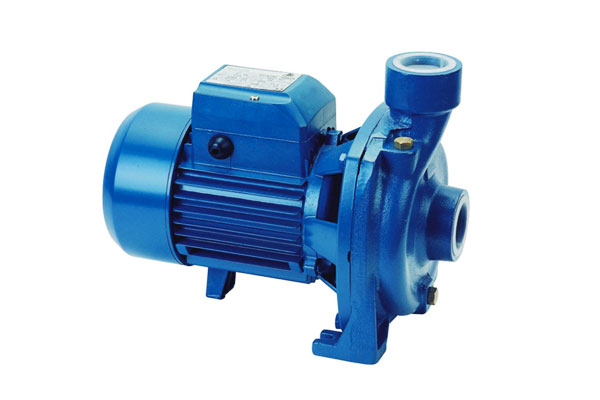
Podstawowe aplikacje: Ciała zaworów, przycinać, PMIP -PMELLERS, oraz obudowy pomp do procesów chemicznych i zaworów regulacyjnych.
Kluczowa zaleta: Odlewność umożliwia złożoną geometrię przepływu; odporność na korozję minimalizuje zużycie i wycieki w agresywnych mediach.
Żywność & Przemysł farmaceutyczny
Podstawowe aplikacje: Urządzenia do przetwarzania kwaśnej żywności (cytrus, ocet), reaktory farmaceutyczne, i komponenty pomieszczeń czystych.
Kluczowa zaleta: Nietoksyczne, Łatwy do czyszczenia, i odporny na kwasy spożywcze i środki odkażające – zgodny z FDA 21 Część CFR 177 i ISO 10993.
Obróbka wody & Odsolenie
Podstawowe aplikacje: Membrany odwróconej osmozy, urządzenia do obsługi solanki, i zbiorniki na oczyszczalnie ścieków.
Kluczowa zaleta: Odporność na korozję wżerową i szczelinową wywołaną chlorkami w środowiskach o dużym zasoleniu.
Inne aplikacje
- Wytwarzanie energii: Spalin Desulfuriation (FGD) systemy, gdzie krytyczna jest odporność na dwutlenek siarki i kwaśne kondensaty.
- Przemysł morski: Komponenty platformy offshore (zawory, armatura) narażone na działanie wody morskiej i kwaśnej ropy.
- Tworzywa sztuczne & Produkcja Gumy: Reaktory do syntezy polimerów, odporny na monomery i katalizatory.
9. Zalety & Ograniczenia
Podstawowe zalety stali nierdzewnej ASTM A744 CN7M
- Doskonała odporność na kwas siarkowy: Przewyższa konwencjonalne stale nierdzewne, zmniejszenie kosztów konserwacji i wymiany w serwisie kwasu.
- Zrównoważona ochrona przed korozją: Jest odporny na kwasy utleniające/redukujące, chlorki, i SCC — wszechstronne w środowiskach mieszanych i korozyjnych.
- Doskonała możliwość obsadzenia: Nadaje się do elementów o skomplikowanych kształtach (zawory, lakierki) które są trudne do wytworzenia w procesach kutych.
- Opłacalność: 30–40% tańsze niż stopy na bazie niklu (NP., Hastelloy C276) oferując jednocześnie porównywalną odporność na korozję w umiarkowanych środowiskach.
- Stabilizacja Nb: Eliminuje ryzyko IGC podczas spawania/obróbki cieplnej, obniżenie kosztów przetwarzania końcowego.
Kluczowe ograniczenia stali nierdzewnej ASTM A744 CN7M
- Wyższy koszt niż 316L: 2–3 razy droższe ze względu na wysoką zawartość Ni/Mo/Cu, ograniczające użycie w zastosowaniach niekrytycznych.
- Umiarkowana siła: Wytrzymałość na rozciąganie (425–480 MPa) jest niższa niż w przypadku stali nierdzewnych typu duplex (NP., 2205: 600–800 MPa), wymagające grubszych przekrojów dla obciążeń konstrukcyjnych.
- Hartowanie pracy: Podatny na utwardzanie podczas obróbki, wymagające specjalistycznych narzędzi i mniejszych prędkości skrawania.
- Ograniczona odporność na wysoką temperaturę: Nie nadaje się do pracy ciągłej w temperaturze powyżej 800°C (utlenianie i gruboziarnistość NbC); w przypadku bardzo wysokich temperatur używaj Hastelloy C276.
- Czułość elementu resztkowego: Trace Sen, Pb, lub As może powodować pękanie, wymagające ścisłej kontroli surowców.
10. Analiza porównawcza: CN7M vs. Podobne stopy
| Aspekt / Stop | CN7M (ASTM A744, odlewana rodzina stopów 20) | 316L (US S31603) | Dupleks 2205 (S32205) | Stopy na bazie niklu (NP., Klasa C-276) |
| Typ metalurgiczny | W pełni austenityczny odlew ze stali nierdzewnej | Stal nierdzewna austenityczna | Ferrytyczno-austenityczna stal nierdzewna typu duplex | W pełni austenityczne stopy na bazie niklu |
| Kluczowe cechy stopowe | Wysoki Ni, Cr, Mo (~ 2–3%), Cu (~3–4%) | Cr ~17%, W ~ 10-14%, Pon. ~2–3% | Cr ~22%, Przy ~ 4–6%, Miesiąc ~3%, Dodał N | Bardzo wysoki Ni, Cr, Mo; chemia dostosowana |
| Podstawowe siły korozyjne | Doskonały opór wobec kwasy siarkowe i redukujące; Dobra ogólna odporność na korozję | Dobra ogólna korozja; Umiarkowana odporność na wżery | Doskonała odporność na wżery, Korozja szczeliny, i chlorek SCC | Znakomita odporność na mieszanie, utleniający, i redukujące media |
| Odporność na kwas siarkowy | Bardzo mocny (główny cel projektu) | Ograniczony; niezalecany do stężonego kwasu siarkowego | Umiarkowany; niezoptymalizowany do obsługi kwasu siarkowego | Doskonały, w tym gorące i stężone kwasy |
Wżery / Korozja szczeliny |
Dobry, ulepszony przez Mo | Umiarkowany; niższy niż CN7M w agresywnych kwasach | Bardzo wysoko, szczególnie w środowiskach chlorkowych | Doskonały, lepszy w ciężkich warunkach |
| Odporność na chlorki SCC | Lepsze niż standardowe austenityki, ale nie odporne | Wrażliwy na podwyższoną temperaturę i stres | Bardzo wysoka odporność | Doskonały |
| Siła mechaniczna (typowy) | Umiarkowana siła; dobra ciągliwość jak na stop odlewniczy | Umiarkowana siła; dobra formalność | Wysoka siła (dają w przybliżeniu 2× stale austenityczne) | Zmienny; wytrzymałość zależy od konstrukcji stopu |
| Forma wykonania | Tylko obsada (złożone geometrie) | Fasonowany (płyta, rura, bar, Odkuwki) | Fasonowany (płyta, rura, Odkuwki) | Kute lub odlewane, w zależności od stopu |
Spawalność |
Dobre z pasującym wypełniaczem; wyżarzanie rozpuszczające zalecane w przypadku intensywnej korozji | Doskonała spawalność (klasa niskowęglowa) | Dobre, ale wymaga ścisłej kontroli dopływu ciepła i równowagi fazowej | Dobry z kwalifikowanymi procedurami; wypełniacze są krytyczne |
| Złożoność wymiarowa | Doskonały – idealny do skomplikowanych kształtów pomp/zaworów | Umiarkowany | Umiarkowany | Umiarkowany |
| Typowe zastosowania | PMIP ASPINGS, ciała zaworów, przeszkody, odlewy odporne na kwasy | Ogólne rurociągi procesowe, czołgi, sprzęt spożywczy/farmaceutyczny | Offshore, odsolenie, systemy bogate w chlorki | Ekstremalne reaktory chemiczne, sprzęt procesowy o wysokiej intensywności |
| Najlepszy przypadek użycia | Gdy Część komponentów musi być odporny na kwasy siarkowe lub redukujące | Ekonomiczne rozwiązanie do ogólnych prac antykorozyjnych | Wysoka siła, środowiska zdominowane przez chlorki | Gdy stopień korozji przekracza limity dla stali nierdzewnej |
11. Wniosek
Stal nierdzewna ASTM A744 CN7M jest najlepszym superaustenitycznym stopem odlewniczym, wyjątkowo zoptymalizowany pod kątem trudnych środowisk korozyjnych – szczególnie w przypadku kwasu siarkowego.
Jego zbilansowany skład o wysokiej zawartości niklu, chrom, molibden, i miedź, w połączeniu ze stabilizacją niobu, zapewnia wyjątkową odporność na korozję, Wydajność, i integralność mechaniczna, wypełniając lukę w zakresie wydajności i kosztów pomiędzy konwencjonalnymi stalami nierdzewnymi a drogimi stopami na bazie niklu.
Podczas gdy CN7M ma ograniczenia wytrzymałościowe, koszt, i usługa w wysokiej temperaturze, ciągłe innowacje w zakresie mikrostopów, Produkcja addytywna, i zielone odlewanie poszerzają granice zastosowań.
Dla inżynierów i selekcjonerów materiałów, CN7M pozostaje optymalnym wyborem dla elementów odlewanych w obróbce chemicznej, produkcja pomp/zaworów, i branże kwasocentryczne, gdzie niezawodność i odporność na korozję nie podlegają negocjacjom.
FAQ
Czy stal nierdzewną CN7M można spawać bez obróbki cieplnej??
Istnieje możliwość spawania, Ale zalecane jest wyżarzanie roztworowe do krytycznych prac antykorozyjnych w celu przywrócenia warstwy pasywnej.
Czy stal nierdzewna CN7M nadaje się do środowisk bogatych w chlorki??
Umiarkowana wydajność; dla wysokiej odporności na chlorki SCC, Dupleks 2205 lub stopy na bazie niklu może być preferowane.
Czy CN7M może zastąpić stal nierdzewną 316L w obsłudze kwasu siarkowego?
Tak, CN7M przewyższa 316L w warunkach kwasu siarkowego i redukującego, szczególnie w elementach odlewanych.
Jakie są typowe rozmiary i kształty odlewów dla stali nierdzewnej CN7M?
Lakierki, zawory, przeszkody, i okucia z złożone geometrie, cienkie ściany, a przejścia wewnętrzne są powszechne.