

1. Wstęp
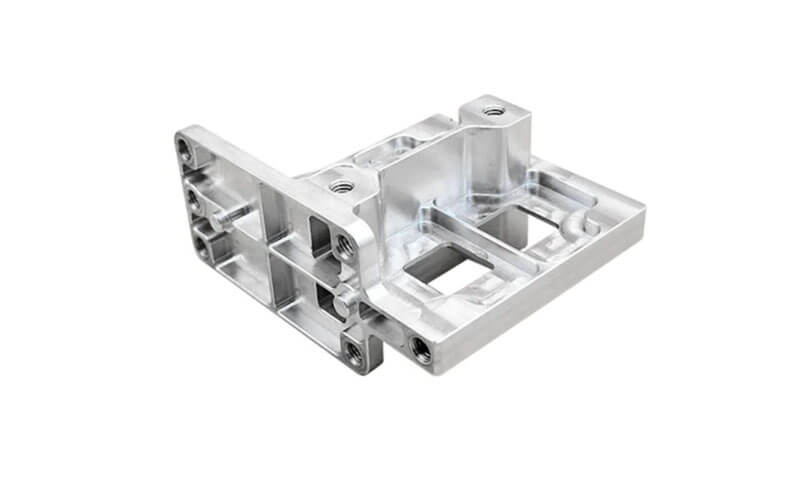
Obróbka CNC aluminium zajmuje centralne miejsce w nowoczesnej produkcji, ponieważ łączy w sobie wysoce wykonalny system materiałowy z precyzją, powtarzalność, i swoboda geometryczna komputerowego sterowania numerycznego.
Aluminium jest cenione w różnych gałęziach przemysłu ze względu na niską gęstość, Odporność na korozję, przewodność termiczna i elektryczna, i duża przydatność do lekkiej konstrukcji.
Jest to również metal w dużym stopniu nadający się do recyklingu, z materiałem pozostającym w obiegu poprzez wielokrotny odzysk i ponowne użycie.
2. Co to jest obróbka aluminium CNC?
Aluminium CNC Mękawka to subtraktywny proces produkcyjny, w którym półfabrykat aluminiowy jest kształtowany za pomocą sterowanych komputerowo operacji cięcia, takich jak frezowanie, obrócenie, wiercenie, nudny, stukający, piłowanie, i gratowanie.
W praktyce, proces ten przekształca aluminium w procesie wytłaczania, fasonowany, lub odlać formę gotowego komponentu funkcjonalnego o kontrolowanych wymiarach, zdefiniowane tolerancje, i specyficzny stan powierzchni.
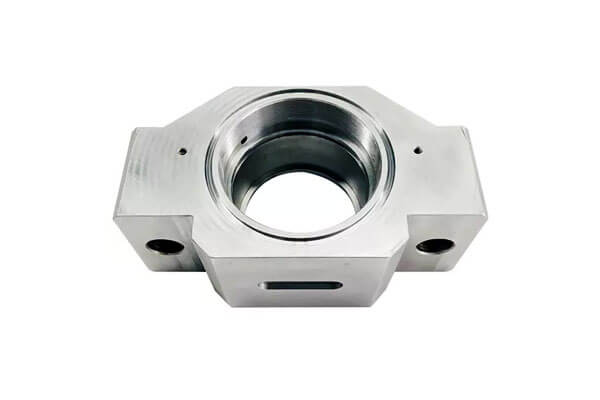
Branżowe wytyczne dotyczące obróbki traktują aluminium jako odrębną klasę przedmiotu obrabianego ze względu na jego właściwości skrawające, Formacja chipów, i wymagania dotyczące narzędzi różnią się znacznie od wymagań stali.
Z inżynierskiego punktu widzenia, Wartość obróbki aluminium CNC leży w połączeniu duża swoboda geometryczna I wysoka wydajność procesu.
Aluminium można obrabiać z bardzo dużymi prędkościami skrawania, oraz przy frezowaniu z dużą prędkością, prędkości powyżej mniej więcej 2500 m/min są powszechnie traktowane jako obróbka szybkobieżna aluminium.
Naraz, duża część ciepła powstającego podczas skrawania jest odprowadzana przez wiór, co pomaga utrzymać stabilność termiczną przedmiotu obrabianego i zapewnia szybkie podparcie, produktywne usuwanie materiału.
Dlaczego aluminium jest jednym z podstawowych materiałów CNC
Aluminium jest również podstawowym materiałem CNC, ponieważ obsługuje kompletny ekosystem produkcyjny.
Można go frezować, obrócony, wywiercony, gwintowane, gratowany, błyszczący, przeklęty, i anodowane z mocnymi wynikami.
Dzięki temu nadaje się nie tylko do części mechanicznych, ale także dla części, w których wygląd, Odporność na korozję, Tekstura powierzchni, lub obróbka po obróbce są częścią wymagań projektowych.
Innymi słowy, aluminium jest cenne nie tylko dlatego, że można je obrabiać, ale dlatego, że dobrze integruje się z dalszymi wymaganiami dotyczącymi wykańczania i wydajności produktu.
3. Kluczowe procesy CNC dla aluminium
Aluminium jest jednym z najbardziej wszechstronnych metali w produkcji CNC, ponieważ można go wydajnie obrabiać w wielu operacjach, od zgrubnego usuwania materiału po dokładne wykończenie.
Główna wartość obróbki aluminium leży nie tylko w szybkości, ale także w sposób, w jaki materiał konsekwentnie reaguje na frezowanie, obrócenie, wiercenie, i wykończenie powierzchni.
Frezowanie CNC aluminium
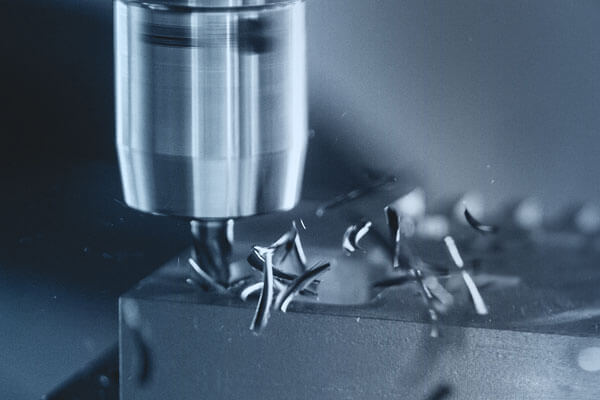
Frezowanie CNC to najpowszechniej stosowany proces w przypadku części aluminiowych o geometrii pryzmatycznej, kieszenie, wnęki, kontury, żeberka, i konstrukcje cienkościenne.
Szczególnie nadaje się do obudów, wsporniki, obudowy, Rozbadane, korpusy opraw, oraz komponenty konstrukcyjne, które wymagają wielu powierzchni i złożonej geometrii.
Frezowanie aluminium charakteryzuje się na ogół dużą szybkością usuwania materiału, niski opór cięcia, i silna kompatybilność z dużymi prędkościami wrzeciona.
Ponieważ materiał jest stosunkowo miękki w porównaniu ze stalą, frez może agresywnie zagłębiać się w obrabiany przedmiot bez nadmiernej siły, pod warunkiem, że ścieżka narzędzia jest stabilna i skuteczne jest odprowadzanie wiórów.
Dzięki temu frezowanie jest szczególnie wydajne w przypadku prac prototypowych i części produkcyjnych, które wymagają zarówno szybkości, jak i precyzji.
Głównym wyzwaniem przy frezowaniu aluminium nie jest siła, ale kontrola powierzchni. Jeśli krawędź narzędzia jest matowa, materiał może się rozmazywać lub gromadzić na urządzeniu tnącym, pogarszając jakość wykończenia i zwiększając powstawanie zadziorów.
Z tego powodu, frezowanie aluminium zazwyczaj sprzyja ostrym krawędziom skrawającym, polerowana geometria fletu, i dokładnie kontrolowane zaangażowanie.
Cienkie ściany i głębokie kieszenie wymagają dodatkowej uwagi, ponieważ część może się ugiąć, jeśli obciążenie skrawaniem nie zostanie odpowiednio zrównoważone.
Toczenie CNC aluminium
Toczenie CNC jest preferowanym procesem w przypadku obrotowo symetrycznych elementów aluminiowych, takich jak wały, Huby, rękawy, pierścienie, złącza, i cylindryczne obudowy.
Jest to szczególnie skuteczne, gdy część ma jednolity profil zewnętrzny, współosiowe cechy wewnętrzne, lub powtarzająca się geometria kołowa.
Toczenie aluminium jest zwykle bardzo produktywne, ponieważ materiał tnie czysto i zapewnia duże prędkości wrzeciona.
Proces ten ma również tendencję do zapewniania dobrego wykończenia powierzchni, jeśli geometria narzędzia jest odpowiednia.
W wielu przypadkach, toczenie pozwala osiągnąć ostateczną dokładność wymiarową i stan powierzchni w jednym ustawieniu, co poprawia powtarzalność i redukuje błędy obsługi.
Kluczowym problemem technicznym przy toczeniu aluminium jest powstawanie wiórów. Jeśli krawędź skrawająca nie jest wystarczająco ostra lub posuw jest zbyt mały, materiał może formować się długo, ciągłe wióry lub przyklejają się do krawędzi narzędzia.
Może to mieć wpływ na jakość powierzchni i zakłócać przepływ produkcji.
Dlatego stabilna strategia toczenia zależy od prawidłowej geometrii płytki, właściwy dobór łamacza wióra, oraz prędkość posuwu, która umożliwia czyste łamanie wiórów bez utraty wykończenia.
Wiercenie, Nudny, i gwintowanie aluminium
Operacje wykonywania otworów są niezbędne w obróbce CNC aluminium, ponieważ wiele części wymaga otworów gwintowanych, otwory na kołki, przejścia płynu, interfejsy elementów złącznych, lub funkcje wyrównania.
Wiercenie, nudny, i dotykanie każdego z nich służy odrębnemu celowi, i każdy niesie ze sobą własne problemy związane z procesem.
Wiercenie w aluminium jest zwykle proste, ale dokładność zależy w dużym stopniu od odprowadzania wiórów i ostrości narzędzia.
Głębokie i nieprzelotowe otwory mogą powodować gromadzenie się wiórów, jeśli procesem nie zarządza się ostrożnie.
Wytaczanie stosuje się, gdy wymagana jest większa dokładność pozycjonowania, lepsza okrągłość, lub wymagana jest lepsza jakość powierzchni po wierceniu.
Stukanie aluminium jest często skuteczne, ale jakość gwintu zależy od uniknięcia zgrzewania wiórów, Burrs, i przeciągnięcie narzędzia.
Do produkcji o dużej objętości, głównym priorytetem jest stała jakość otworów w powtarzalnych częściach.
Do montażu precyzyjnego, priorytet może przesunąć się w stronę koncentryczności, integralność wątku, i wykończenie otworu.
W obu przypadkach, najlepsze wyniki uzyskuje się po wyrównaniu rodzaju narzędzia, głębokość otworu, dostawa chłodziwa, i strategię paszową z dokładną produkowaną cechą.
Opcje wykańczania powierzchni
Aluminium szczególnie dobrze nadaje się do wtórnego wykańczania, ponieważ materiał podstawowy reaguje w przewidywalny sposób zarówno na mechaniczną, jak i elektrochemiczną obróbkę powierzchni.
Wykończenie to nie tylko kosmetyka; często określa odporność na korozję, zachowanie podczas noszenia, wymiarowy wygląd, i postrzeganą jakość produktu.
Anodowanie
Anodowanie to jedna z najważniejszych opcji wykańczania obrabianych części aluminiowych.
Przekształca naturalny tlenek powierzchniowy w grubszą i bardziej kontrolowaną warstwę tlenku, poprawa odporności na korozję, Twardość powierzchniowa, i trwałość.
Można go również wykorzystać do tworzenia dekoracyjnych wykończeń w szerokiej gamie kolorystycznej.
Do wielu produktów aluminiowych, anodowanie to końcowy etap, który przekształca funkcjonalną część w trwały i gotowy do wprowadzenia na rynek komponent.
Polerowanie
Polerowanie stosuje się, gdy część musi być gładka, jasny, lub doskonały wygląd.
Może usunąć ślady narzędzi, redukują widoczne defekty powierzchni, i poprawić jakość wizualną odsłoniętych części.
W niektórych aplikacjach, polerowanie stosuje się również przed anodowaniem, gdy wymagany jest bardziej wyrafinowany wygląd końcowy.
Starowanie koralików
Śrutowanie tworzy jednolitą matową powierzchnię poprzez delikatne uderzanie części drobnym materiałem.
Jest często używany, gdy nie jest odblaskowy, nawet, i pożądane jest wykończenie o technicznym wyglądzie.
Śrutowanie może również pomóc ukryć drobne ślady obróbki i zapewnić spójną teksturę powierzchni przed ostatecznym pokryciem lub montażem.
Funkcjonalne uwagi dotyczące wykończenia
Wyboru wykończenia należy zawsze dokonywać razem ze strategią obróbki.
Na przykład, część przeznaczona do anodowania powinna być obrabiana z uwzględnieniem ostatecznego stanu powierzchni, bo zadrapania, Burrs, lub zanieczyszczenie może mieć wpływ na wynik.
Podobnie, część przeznaczona do wypolerowania lub śrutowania musi być obrobiona wystarczająco czysto, aby etap wykańczania nie uwydatnił defektów.
4. Typowe rodziny stopów aluminium i zachowanie podczas obróbki
Struktura komercyjna aluminium produkty są często wybierane spośród 2xxx, 5xxx, 6xxx, i grupy 7xxx, ponieważ zapewniają przydatne kombinacje siły, Odporność na korozję, Spawalność, i możliwość materiału.
| Rodzina stopów | Wspólne oceny | Zachowanie podczas obróbki | Typowe zastosowanie inżynieryjne |
| 2Seria XXX (miedzionośne, wysoka siła, obróbki cieplne) | 2014, 2024 | Mocny i szeroko stosowany do części obciążonych. Obróbka jest zwykle dobra, ale w porównaniu ze stopami 6xxx te gatunki są bardziej wymagające ze względu na wyższą wytrzymałość i, w wielu przypadkach, gorsza odporność na korozję. | Struktury lotnicze, części mechaniczne o dużym obciążeniu, elementy wrażliwe na zmęczenie. |
| 5Seria XXX (zawierające magnez, bez upałów) | 5052, 5083, 5086, 5754 | Obróbka jest ogólnie stabilna, ale te gatunki są wybierane przede wszystkim ze względu na odporność na korozję i obróbkę, a nie maksymalną prędkość skrawania. | Struktury morskie, naczynia ciśnieniowe, panele pojazdów, elementy transportu, części krytyczne pod względem korozji. |
| 6Seria XXX (magnez-krzem, obróbki cieplne) | 6060, 6061, 6063, 6082 | Jest to najpopularniejsza rodzina CNC do obróbki ogólnego przeznaczenia. W kategoriach obróbki, ta rodzina oferuje jedną z najlepszych równowag pod względem obrabialności, jakość wykończenia, Spawalność, i koszt. | Precyzyjne obudowy, Ramy maszynowe, oprawy, Części samochodowe, produkty konsumenckie, ogólne elementy konstrukcyjne. |
7Seria XXX (cynkonośny, wysoka siła, obróbki cieplne) |
7050, 7075 | Najwyższej wytrzymałości rodzina kutych aluminium. 7075 jest szeroko stosowany w obróbce CNC i oferuje wyjątkowy stosunek wytrzymałości do masy, ale ogólnie jest mniej spawalny i mniej odporny na korozję niż 6061. | Struktury lotnicze, części obronne, sprzęt sportowy o dużym obciążeniu, wydajne komponenty mechaniczne. |
| Odlewane stopy aluminium | 356, 319, A380 | Po odlaniu są rutynowo poddawane obróbce mechanicznej, chociaż faktyczna reakcja obróbki zależy w dużym stopniu od składu chemicznego stopu i ilości obecnego krzemu. | Pompowanie ciał, obudowy, złożone okładki, elementy odlewane ciśnieniowo, Części w kształcie shape. |
5. Zalety obróbki aluminium CNC
Wysoka wydajność obróbki
Aluminium jest jednym z metali najbardziej produktywnych w obróbce, ponieważ umożliwia wysokie prędkości skrawania, stosunkowo niskie siły skrawania, i szybkie usuwanie naddatku.
Doskonała elastyczność wymiarowa
Obróbka CNC umożliwia przekształcenie aluminium w precyzyjne części o skomplikowanych kieszeniach, cienkie ściany, żeberka, kontury, i geometrię wielopowierzchniową.
Duży potencjał wykończenia powierzchni
Aluminium może osiągnąć doskonałe wykończenie powierzchni po obróbce maszynowej, gdy krawędź narzędzia jest ostra, strategia żywieniowa jest właściwa, a ewakuacja wiórów jest stabilna.
Jest to szczególnie cenne w przypadku widocznych części konsumenckich, powierzchnie uszczelniające, i precyzyjne interfejsy mechaniczne.
Szeroka kompatybilność wykańczania
Główną zaletą aluminium jest jego kompatybilność z szeroką gamą wykończeń po obróbce.
Można go anodować w celu zapewnienia odporności na korozję i twardości, wypolerowane dla przejrzystości wizualnej, piaskowane dla uzyskania jednolitego efektu matowego, lub w połączeniu z procesami powlekania i dekoracji.
Lekka wydajność
Niska gęstość aluminium jest jednym z głównych powodów, dla których aluminium pozostaje kluczowym elementem produkcji CNC.
Części można uczynić lżejszymi bez utraty użyteczności konstrukcyjnej, co jest istotne w transporcie, lotniczy, robotyka, sprzęt przenośny, i aplikacje do zarządzania ciepłem.
Ekonomiczne prototypowanie i skalowalna produkcja
Aluminium dobrze nadaje się do prac CNC zarówno w małych seriach, jak i na skalę produkcyjną.
Prototypy można wykonać szybko, ponieważ materiał jest łatwy do usunięcia, podczas gdy powtarzalna produkcja pozostaje wydajna, ponieważ w przypadku wielu popularnych gatunków aluminium zużycie narzędzi jest zwykle możliwe do opanowania.
To połączenie sprawia, że aluminium jest jednym z najbardziej elastycznych ekonomicznie materiałów CNC.
6. Podstawowe wyzwania techniczne w obróbce aluminium CNC
Narost krawędzi i przyczepność materiału
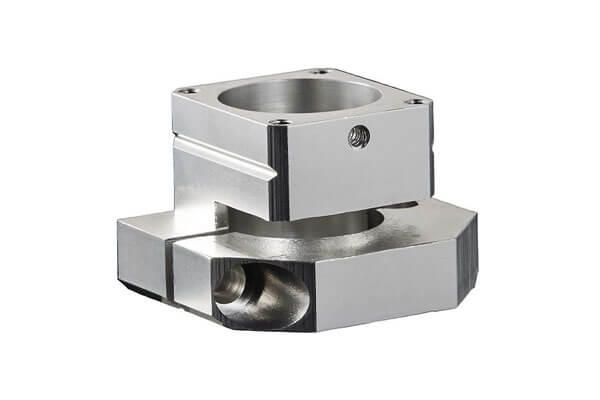
Jednym z najczęstszych problemów w obróbce aluminium są narosty na krawędziach, gdzie materiał przylega do narzędzia tnącego i zniekształca proces cięcia.
Może to pogorszyć wykończenie powierzchni, zmienić przepływ wiórów, i zmniejszyć trwałość narzędzia.
Zagadnienie to jest szczególnie istotne w przypadku stopów miękkich lub w warunkach, gdzie krawędź skrawająca nie jest dostatecznie ostra. Skuteczny płyn chłodzący i czyste powierzchnie narzędzi pomagają zmniejszyć tę tendencję.
Ewakuacja wiórów
Kontrola wiórów jest podstawowym problemem obróbki aluminium, nie jest sprawą drugorzędną.
Jeśli wióry nie zostaną skutecznie usunięte, można je ponownie przyciąć za pomocą narzędzia, porysować powierzchnię, zatykać flety, lub pogorszyć jakość otworu.
Głębokie kieszenie, ślepe dziury, i wiercenie są szczególnie wrażliwe na problemy z odprowadzaniem wiórów. Wewnętrzne chłodzenie i dobrze zaprojektowane ścieżki narzędzia są często niezbędne do utrzymania stabilnych warunków skrawania.
Tworzenie się zadziorów
Aluminium ma silną tendencję do tworzenia zadziorów na krawędziach, skrzyżowania, i otwór wychodzi, jeśli jest podawany, geometria narzędzia, lub strategia wyjścia nie jest odpowiednio kontrolowana.
Zadziory to nie tylko defekty kosmetyczne. Mogą zakłócać montaż, opieczętowanie, koszt gratowania, i bezpieczeństwo części.
W precyzyjnych komponentach, kontrola zadziorów jest częścią projektowania procesu, a nie refleksją po procesie.
Zużycie narzędzi w stopach ściernych
Nie każde aluminium zachowuje się tak samo. Stopy aluminium o wysokiej zawartości krzemu są znacznie trudniejsze w obróbce, ponieważ twarde cząstki krzemu przyspieszają zużycie narzędzi.
Stopy zawierające więcej niż 10% Z tego powodu Si należy do najtrudniejszych w obróbce stopów aluminium.
Wraz ze wzrostem zawartości krzemu, materiał narzędzia, geometria krawędzi, i strategia cięcia stają się znacznie ważniejsze.
Zniekształcenia wymiarowe w częściach cienkościennych
Aluminium jest często stosowane w konstrukcjach cienkościennych i lekkich, ale te same struktury mogą uginać się podczas obróbki, jeśli część nie jest prawidłowo podparta.
Wibracje ściany, ciśnienie mocowania, i nierówne usuwanie naddatku może spowodować powstanie stożka, falistość, lub utratę płaskości.
Dlatego obróbka aluminium o cienkich przekrojach wymaga czegoś więcej niż tylko szybkości; wymaga celowej kontroli sztywności części i obciążenia tnącego.
7. Strategie procesowe zapewniające lepszą skrawalność
Wybierz odpowiednią rodzinę aluminium
Skrawalność zaczyna się od wyboru stopu. Do obróbki CNC często preferowane są gatunki ogólnego przeznaczenia, takie jak stopy serii 6xxx, ponieważ zapewniają dobrą równowagę pod względem obrabialności, wytrzymałość, i elastyczność wykończenia.
Powszechnie stosowane są również stopy 7xxx o wysokiej wytrzymałości, podczas gdy stopy odlewnicze o wysokiej zawartości krzemu wymagają znacznie dokładniejszej kontroli narzędzia ze względu na zużycie ścierne.
Najlepszym stopem jest zatem ten, który odpowiada właściwościom mechanicznym części, termiczny, i wymagania dotyczące wykończenia, a nie tylko tego, które tnie najszybciej.
Zaprojektuj ścieżkę narzędzia wokół przepływu wiórów
Obróbka aluminium jest najbardziej stabilna, gdy wióry mogą swobodnie uciekać. Ścieżki narzędzi powinny unikać pakowania wiórów do kieszeni, ponowne cięcie wiórów w głębokich wgłębieniach, lub zatrzymując materiał na flecie.
W wierceniu i wytaczaniu, odprowadzanie wiórów należy od początku uwzględnić w operacji, nie został rozwiązany później poprzez przeróbkę. Dobrze zaplanowany spływ wiórów poprawia jakość powierzchni, Życie narzędzi, i jakość otworu.
Stosuj agresywne, ale kontrolowane warunki skrawania
Ponieważ aluminium generalnie obsługuje obróbkę z dużą prędkością, proces należy prowadzić zdecydowanie, a nie konserwatywnie aż do momentu tarcia.
Słabe cięcie może sprzyjać tworzeniu się narostu na krawędzi, Słabe wykończenie powierzchniowe, i niestabilne tworzenie się wiórów.
Właściwą strategią jest czyste usuwanie materiału z wystarczającym posuwem i prędkością, aby wytworzyć stabilne wióry, przy jednoczesnym zachowaniu płynnego i przewidywalnego włączania narzędzia.
Dopasuj wykończenie do funkcji końcowej
Jeśli część będzie anodowana, błyszczący, lub piaskowane, strategię obróbki należy wybrać mając na uwadze to wykończenie.
Ślady obróbki, Burrs, zanieczyszczenie, i słaba jakość krawędzi mogą mieć wpływ na ostateczny wygląd i wydajność obróbki powierzchni.
Z tego powodu, wymagania dotyczące wykończenia należy określić przed produkcją, a nie po zakończeniu obróbki.
Wzmocnij podparcie części w przypadku cienkich przekrojów
Cienkościenne części aluminiowe należy mocować i obrabiać w sposób minimalizujący wibracje i lokalne odkształcenia.
Może to oznaczać zmniejszenie zwisu, podpierając część w pobliżu strefy cięcia, lub planowanie przejść zgrubnych i wykańczających, aby zachować sztywność aż do późnej fazy procesu.
W lekkich konstrukcjach, plan obróbki musi uwzględniać ograniczenia strukturalne części podczas produkcji, nie tylko w służbie.
Traktuj płyn chłodzący jako zmienną procesową
Chłodziwo jest przydatne nie tylko do kontroli temperatury, ale także do odprowadzania wiórów i ochrony powierzchni.
W obróbce aluminium, odpowiednie podejście do chłodziwa pomaga zapobiegać rozmazywaniu, wspiera czystsze cięcie, i poprawia trwałość narzędzia w głębszych lub bardziej wymagających operacjach.
Do operacji takich jak wiercenie i gwintowanie, efektywne dostarczanie chłodziwa może zadecydować o stałej wydajności i powtarzających się defektach związanych z wiórami.
Oddzielna logika obróbki zgrubnej i wykańczającej
W przypadku obróbki zgrubnej priorytetem powinno być usuwanie naddatku i kontrola wiórów, podczas wykańczania należy priorytetowo traktować stan powierzchni, dokładność funkcji, i jakość krawędzi.
Próba użycia jednego zestawu parametrów dla obu zwykle daje rezultaty kompromisowe.
Lepszym podejściem jest efektywne szorstkowanie, następnie zakończ, zwiększając kontrolę nad karmieniem, zaręczyny, i stan narzędzia.
To oddzielenie poprawia konsystencję i zmniejsza ryzyko dryftu wymiarowego lub złej tekstury powierzchni.
8. Obróbka, Chłód, i strategii cięcia
Obróbka
Wybór narzędzia ma kluczowe znaczenie dla udanej obróbki aluminium CNC.
Aluminium generalnie najlepiej reaguje na ostre, polerowane krawędzie tnące o dodatniej geometrii, ponieważ materiał tnie czysto, gdy narzędzie ścina, a nie trze.
Narzędzie, które jest zbyt tępe lub zbyt agresywne, może powodować narost na krawędzi, słaby spływ wiórów, i rozmazywanie powierzchni.
Do większości prac aluminiowych, narzędzia węglikowe są standardowym wyborem, podczas gdy narzędzia z końcówkami diamentowymi stają się szczególnie atrakcyjne w zastosowaniach wymagających dużej objętości lub dużej zawartości krzemu.
Kluczem jest nie tylko twardość narzędzia, ale także jakość krawędzi, projekt fletu, i zdolność odprowadzania wiórów.
Chłód
Chłodziwo odgrywa podwójną rolę w obróbce aluminium: kontroluje ciepło i pomaga usunąć wióry.
W wielu operacjach, głównym celem nie jest po prostu obniżenie temperatury, ale zapobiegając ponownemu wycinaniu wiórów i utrzymując czystą strefę skrawania.
Jest to szczególnie ważne podczas wiercenia, stukający, głębokie kieszenie, i frezowanie długocyklowe.
Najbardziej efektywna strategia podawania chłodziwa zależy od obrabianego elementu.
Flood Chłód, chłodziwo wewnętrzne, lub ukierunkowane chłodziwo mogą być odpowiednie, pod warunkiem, że odprowadzanie wiórów pozostaje stabilne, a powierzchnia przedmiotu obrabianego pozostaje czysta.
Strategia cięcia
Aluminium generalnie pozwala na duże prędkości skrawania, ale prędkość działa tylko wtedy, gdy proces pozostaje pod kontrolą.
Strategia cięcia powinna priorytetowo stawiać na stabilne połączenie, wystarczający posuw, aby utworzyć czyste wióry, i ścieżki narzędzia, które zapobiegają zatrzymywaniu wiórów w kieszeniach lub otworach.
Do obróbki zgrubnej, celem jest efektywne usuwanie naddatku. Do wykończenia, cel przesuwa się w stronę generowania czystych powierzchni i precyzji wymiarowej.
Tych dwóch etapów nie należy traktować w ten sam sposób. Dobrze zaplanowany proces aluminium wykorzystuje agresywne cięcie tam, gdzie pozwala na to geometria, następnie przechodzi do ściślejszej kontroli przy ostatnich podaniach.
9. Integralność powierzchni i kontrola jakości
Integralność powierzchni
W obróbce aluminium, integralność powierzchni obejmuje więcej niż tylko chropowatość powierzchni. Obejmuje również zadziory, jakość krawędzi, smarowanie, zadrapania, i lokalne odkształcenia.
Część może spełniać tolerancję na papierze i nadal być nieodpowiednia, jeśli powierzchnia jest uszkodzona lub niespójna.
Ma to szczególne znaczenie w przypadku powierzchni uszczelniających, widoczne powierzchnie, oraz części, które zostaną później anodowane lub powlekane.
Ślady obróbki i zanieczyszczenia mogą pogorszyć ostateczny wygląd i wpłynąć na dalszą obróbkę.
Kontrola zadziorów
Tworzenie się zadziorów jest jednym z najczęstszych problemów związanych z jakością obróbki aluminium CNC. Zadziory często pojawiają się na wylotach otworów, ostre zakątki, i przejścia krawędziowe.
Mogą wydawać się niewielkie, jednak w praktyce mogą zakłócać montaż, zagrozić bezpieczeństwu, i zwiększyć koszty wykończenia.
Dobry proces obróbki zmniejsza zadziory u źródła dzięki odpowiedniej geometrii narzędzia, stabilne cięcie, i odpowiednią strategię wyjścia.
Jako etap wykończeniowy należy następnie zastosować gratowanie, nie jako rozwiązanie podstawowe.
Inspekcja i kontrola procesu
Kontrola jakości powinna sprawdzić wymiary, stan krawędzi, i spójność powierzchni razem.
W częściach aluminiowych, wykończenie wizualne i jakość dotykowa często mają prawie takie samo znaczenie jak dokładność wymiarowa.
Do pracy produkcyjnej, powtarzalność jest szczególnie ważna: proces musi dawać ten sam wynik w każdej części, nie tylko jedną akceptowalną próbkę.
10. Zastosowania aluminiowych części do obróbki CNC
Obróbkę aluminium CNC stosuje się wszędzie tam, gdzie jest niska waga, precyzja, i wydajność produkcji muszą iść w parze.
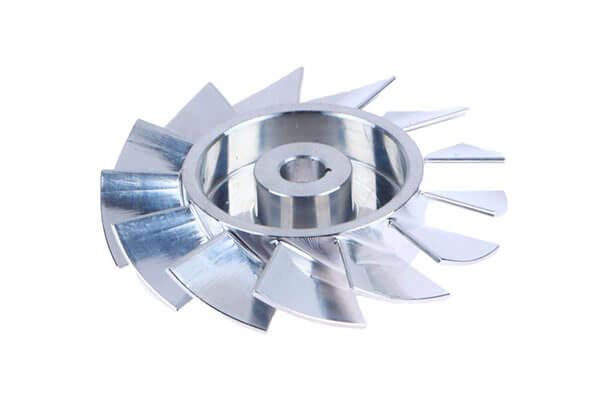
Typowe obszary zastosowań
- Komponenty lotnicze takie jak nawiasy, żeberka, obudowy, i podparcie strukturalne
- Części samochodowe takich jak obudowy związane z silnikiem, wierzchowce, okładki, i lekkie elementy konstrukcyjne
- Obudowy elektroniki i części zarządzające ciepłem
- Oprawy przemysłowe i ramy maszyn
- Produkty konsumenckie które wymagają zarówno wyglądu, jak i wydajności
- Części do robotyki i automatyki gdzie liczy się stosunek sztywności do masy
- Sprzęt medyczny i laboratoryjny która korzysta z precyzji i czystego wykończenia
Atrakcyjność aluminium w tych dziedzinach jest oczywista: to jest światło, Machinowalne, i kompatybilne z szeroką gamą wykończeń końcowych.
Dzięki temu jest to praktyczny wybór zarówno w przypadku komponentów funkcjonalnych, jak i eksponowanych wizualnie.
11. Jak zoptymalizować projekt CNC z aluminium
Zacznij od odpowiedniego stopu
Najlepszy projekt obróbki aluminium zaczyna się od wyboru materiału.
6061 I 6082 są często mocnymi wyborami ogólnego przeznaczenia, 7075 jest lepiej, gdy priorytetem jest siła, i stopy odlewnicze są lepsze, gdy geometria jest bardziej złożona niż wydajność obróbki.
Projekt pod kątem możliwości produkcyjnych
Geometria powinna wspierać obróbkę, nie walcz z tym. Głębokie kieszenie, kruche cienkie ściany, i niedostępne otwory zwiększają koszty i ryzyko.
Projekt uwzględniający dostęp do narzędzi, ewakuacja wiórów, a wsporniki osprzętu będą zwykle łatwiejsze i tańsze w produkcji.
Dopasuj wykończenie do funkcji
Jeśli część będzie anodowana, błyszczący, lub piaskowane, wybór ten powinien mieć wpływ zarówno na obróbkę, jak i kontrolę.
Część należy obrabiać, mając na uwadze ostateczną powierzchnię, szczególnie na widocznych lub funkcjonalnych twarzach.
Kontroluj ścieżkę narzędzia i stabilność konfiguracji
Stabilna oprawa, strategia czystych danych, i konsekwentne wykorzystanie narzędzi są niezbędne.
Wiele problemów związanych z obróbką aluminium nie wynika z samego materiału, ale z ruchu częściowego, słaby spływ wiórów, lub nierówne ładowanie narzędzia.
Zaplanuj etap produkcji
Obróbka prototypowa i obróbka produkcyjna nie są identyczne.
Część jednorazowa może tolerować bardziej ręczne sterowanie, podczas gdy produkcja masowa wymaga powtarzalności, przewidywalny czas cyklu, i kontrolowane wykończenie.
Proces powinien być od początku zaprojektowany zgodnie z zamierzoną skalą produkcji.
12. CNC Mękawka vs.. Precyzyjny odlew aluminiowy
| Aspekt porównawczy | Aluminium obróbki CNC | Precyzyjny odlew aluminiowy |
| Zasada produkcji | Materiał jest usuwany z obróbki plastycznej lub odlewu poprzez kontrolowane operacje cięcia, takie jak frezowanie, obrócenie, wiercenie, i stukanie. Stopy aluminium można obrabiać szybko i ekonomicznie. | Roztopiony stop aluminium wlewa się do formy, tworząc część o kształcie zbliżonym do netto. Stopy odlewnicze aluminium charakteryzują się dużą lejnością, Dobra płynność, Niska temperatura topnienia, szybki transfer ciepła, i dobre wykończenie powierzchni po odlewie. |
| Dokładność wymiarowa | Ogólnie rzecz biorąc, jest to lepszy wybór, gdy wymagane są wąskie tolerancje i precyzyjne powierzchnie funkcjonalne. Jest to wniosek inżynieryjny z kontrolowanej subtraktywnej natury obróbki CNC i natury odlewu o kształcie zbliżonym do netto. | Dobre dla geometrii o kształcie zbliżonym do netto, ale ostateczne wymiary krytyczne często nadal wymagają obróbki, ponieważ odlewanie to przede wszystkim proces kształtowania. |
| Wykończenie powierzchni | Zwykle zapewnia środek czyszczący, bardziej kontrolowana powierzchnia po obróbce, zwłaszcza na powierzchniach uszczelniających, nudy, i precyzyjne interfejsy. | Dobra jakość wykończenia w stanie odlewu jest jedną z głównych zalet aluminiowych stopów odlewniczych, ale krytyczne powierzchnie mogą nadal wymagać wykończenia lub obróbki. |
Złożoność geometryczna |
Najlepsze do kształtów, do których można uzyskać dostęp za pomocą narzędzi i które można uzyskać za pomocą frezów, ćwiczenia, i nudne narzędzia. Złożone formularze wewnętrzne są ograniczone dostępem. To jest wniosek inżynierski. | Lepszy do skomplikowanych konturów, cienkie sekcje, oraz części o kształcie zbliżonym do netto, których obróbka z litego materiału byłaby kosztowna. Stopy odlewnicze aluminium są szczególnie cenione ze względu na lejność. |
| Wykorzystanie materiału | Niższa w przypadku skomplikowanych części, ponieważ usuwa się więcej materiału w postaci wiórów. Obróbka aluminium jest wydajna, ale generowanie chipów jest nieodłącznym elementem tego procesu. | Wyższe w przypadku skomplikowanych części, ponieważ część jest formowana blisko kształtu końcowego, redukcja usuniętego materiału. Wynika to bezpośrednio z natury odlewania o kształcie zbliżonym do siatkowego. |
| Koszt oprzyrządowania i konfiguracji | Niższe koszty początkowe prototypów i iteracji projektu, ponieważ nie są wymagane żadne narzędzia do formowania. | Wyższe koszty początkowe, ponieważ formy lub oprzyrządowanie należy przygotować przed rozpoczęciem produkcji. Jest to wniosek z samego procesu odlewania. |
Czas realizacji |
Zwykle szybciej w przypadku prototypów i małych partii, ponieważ produkcję można rozpocząć bezpośrednio z magazynu. | Zwykle na początku jest wolniejszy, ponieważ przed rozpoczęciem odlewania wymagane jest przygotowanie formy i konfiguracja procesu. |
| Typowe zagrożenia techniczne | Zbudowany krawędź, zużycie narzędzia, problemy z odprowadzaniem wiórów, Burrs, oraz słaba jakość powierzchni, gdy zawartość krzemu jest wysoka lub warunki skrawania nie są kontrolowane. | Wady odlewnicze, takie jak porowatość, skurcz, lub niekompletne wypełnienie to główne problemy, wraz z koniecznością kontrolowania zachowania wodoru i krzepnięcia. |
| Najlepiej nadać | Precyzyjne obudowy, wsporniki, armatura, obrobione interfejsy, prototypy, oraz części, w których priorytetem jest tolerancja i jakość powierzchni. | Pompowanie ciał, obudowy, złożone okładki, Odlewy strukturalne, oraz części, w których priorytetem jest złożoność kształtu i wydajność materiałowa. |
13. Wniosek
Obróbka aluminium CNC jest już dojrzała, wydajny, oraz wysoce elastyczna technologia produkcji subtraktywnej dostosowana do lekkich komponentów metalowych.
Niska gęstość aluminium, Wysoka przewodność cieplna, i doskonała ciągliwość zapewniają mu doskonałą obrabialność,
jednocześnie jego miękka konsystencja, tendencja do przylegania wiórów, i właściwości rozszerzalności cieplnej stwarzają wyjątkowe trudności w przetwarzaniu.
Wraz z szybkim rozwojem pięcioosiowej obróbki połączeń, inteligentne monitorowanie stresu, i ultraprecyzyjna technologia wykańczania, obróbka aluminium CNC jeszcze bardziej poszerzy granice zastosowań w ekstremalnych dziedzinach.
W przyszłej produkcji przemysłowej, inżynierowie powinni wybierać rozsądne gatunki stopów i schematy przetwarzania w oparciu o warunki pracy, porzuć szorstkie empiryczne metody przetwarzania,
i polegają na ustandaryzowanej kontroli parametrów, aby zmaksymalizować zalety lekkości i korzyści ekonomiczne komponentów aluminiowych.
Usługi obróbki aluminium CNC firmy LangHe
.Przemysł ng świadczy usługi precyzyjnej obróbki aluminium CNC dostosowane do szerokiego zakresu zastosowań przemysłowych i produkcyjnych.
Z dużymi możliwościami w zakresie frezowania, obrócenie, wiercenie, stukający, i niestandardowe wykończenie powierzchni, LangHe może produkować komponenty aluminiowe z wąskimi tolerancjami, doskonała zgodność wymiarowa, lekka wydajność, i czyste wykończenie powierzchni.
Od szybkich prototypów po produkcję w małych partiach i produkcję na dużą skalę, usługa jest przeznaczona do obsługi złożonych geometrii, szybki zwrot, i stabilną powtarzalność dla różnych gatunków aluminium.
FAQ
Czy aluminium jest łatwiejsze w obróbce niż stal??
Tak, ogólnie aluminium jest łatwiejsze w obróbce i można je ciąć ze znacznie większymi prędkościami, ale dokładne zachowanie zależy od rodziny stopów i zawartości krzemu.
Które stopy aluminium są najtrudniejsze w obróbce?
Stopy aluminium o wysokiej zawartości krzemu należą do najtrudniejszych, ponieważ twarde cząstki krzemu powodują szybkie zużycie narzędzi.
Dlaczego anodowanie jest tak powszechne w przypadku obrabianych części aluminiowych?
Ponieważ anodowanie wzmacnia naturalną warstwę tlenkową i zwiększa twardość, Odporność na korozję, i odporność na ścieranie, jednocześnie umożliwiając dekoracyjne wykończenie kolorystyczne.
Kiedy odlewanie precyzyjne jest lepsze niż obróbka CNC aluminium??
Odlewanie precyzyjne jest często lepsze, gdy geometria jest złożona, część ma kształt zbliżony do siatkowego, a wykorzystanie materiałów jest priorytetem.
Obróbka CNC jest lepsza, gdy jest precyzyjna, skończyć, i elastyczność projektowania dominują.
Jaki jest największy problem obróbki aluminium?
Zbudowany krawędź, smarowanie, i słabe odprowadzanie wiórów to najczęstsze przyczyny problemów z wykończeniem i zużyciem narzędzi.

