

Wstęp
Wśród wielu wad, które mogą pojawić się w odlewach precyzyjnych, Włączenie piasku I dziura z piaskiem są szczególnie frustrujące, ponieważ często wynikają z małych uchybień w procesie, które mnożą się, prowadząc do poważnych strat jakościowych.
Pojedyncze ziarno materiału ogniotrwałego, małe pęknięcie na skorupie, lub nieostrożny krok podczas odparafinowania lub obsługi skorupy może wprowadzić zanieczyszczenie do wnęki formy i zniszczyć dobrze wykonany odlew.
Wady te nie mają jedynie charakteru kosmetycznego. Mogą zmniejszyć integralność powierzchni, zagrażać dokładności wymiarowej, tworzyć punkty koncentracji naprężeń, a w ciężkich przypadkach wymuszają złomowanie całej partii.
Dlatego wtrącenia piasku i wady otworów piaskowych należy rozumieć nie tylko jako problemy powierzchniowe, ale jako błędy kontroli procesu.
W Casting inwestycyjny, prawdziwym wyzwaniem nie jest po prostu wlewanie metalu do ceramicznej skorupy.
Wyzwaniem jest utrzymanie integralności całej formy, od wzoru woskowego po końcowe wylanie. Wtrącenia piasku i defekty otworów piaskowych ujawniają dokładnie, gdzie została utracona integralność.
1. Czym są wtrącenia piasku i wady otworów piaskowych?
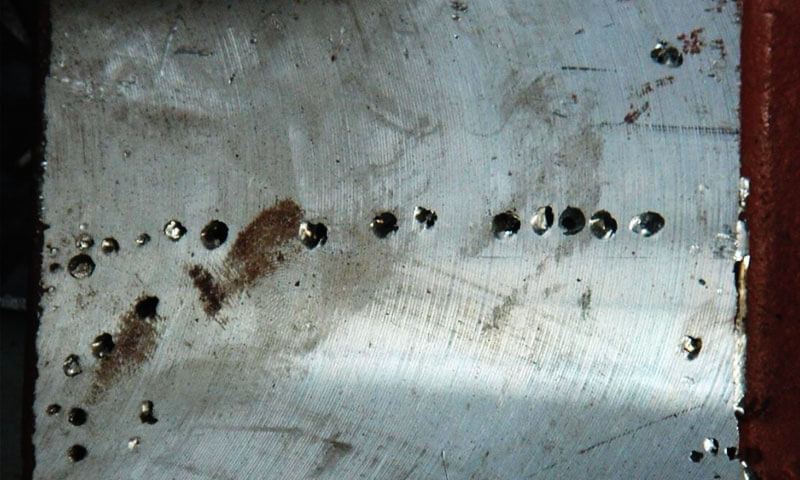
Włączenie piasku
Wtrącenie piasku odnosi się do wady, w której występują cząstki ogniotrwałe, fragmenty skorupy, pozostałości powłoki, lub luźny materiał ceramiczny zostaje uwięziony na powierzchni odlewu lub tuż pod nią podczas zalewania.
Po wstrząsie, wada może wyglądać jak osadzone cząstki lub szorstka, nieregularne obszary na skórze odlewu.
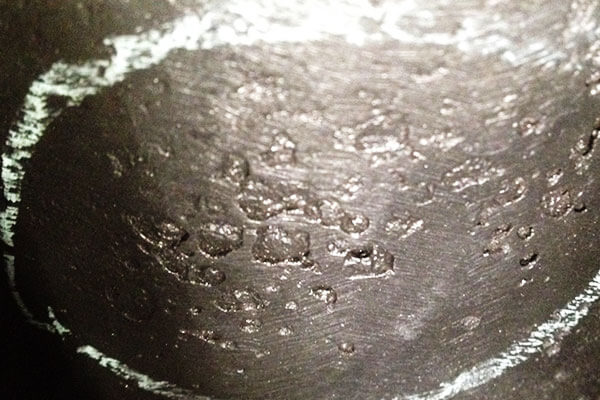
Piaskowa Dziura
Zwykle jest to dziura piaskowa pustka pozostała po usunięciu otaczającego metalu i wadliwego materiału podczas czyszczenia lub obróbki.
W praktyce, to, co początkowo wygląda jak wtrącenie piasku, może później ujawnić się jako dziura lub wgłębienie po usunięciu zanieczyszczonej warstwy powierzchniowej.
Czym się różnią
| Typ wady | Wygląd | Stan korzenia | Typowy etap odkrywania |
| Włączenie piasku | Wbudowany piasek, ceramiczny, lub fragmenty powłoki na powierzchni lub w jej pobliżu | Luźny materiał formy lub rozpad skorupy przedostaje się do wnęki podczas zalewania | Po wytrząsaniu lub czyszczeniu powierzchni |
| Dziura z piaskiem | Powierzchniowa wnęka lub pustka pozostała po usunięciu zanieczyszczonego materiału | W odlewie uwięziony został obcy materiał ogniotrwały, który wypada podczas wykańczania | Po wysadzeniu, szlifowanie, lub obróbka |
Obydwa są ze sobą ściśle powiązane. Wtrącenie piasku jest często przyczyna, podczas gdy dziura piaskowa jest ujawniony wynik.
2. Dlaczego te wady są tak powszechne w odlewach inwestycyjnych
W odlewaniu traconym wykorzystuje się powłokę ceramiczną, a nie formę piaskową, dlatego wiele osób zakłada, że wady związane z piaskiem powinny występować rzadko. W rzeczywistości, system powłoki wprowadza własną lukę.
Chociaż skorupa jest bardziej precyzyjna i gładsza niż konwencjonalna forma piaskowa, jest również delikatniejszy i bardziej zależny od kontrolowanego obchodzenia się.
Wady pojawiają się, gdy:
- skorupa pęka,
- powierzchnia skorupy łuszczy się,
- luźny proszek ogniotrwały wpada do wnęki,
- Defekty wzoru wosku tworzą słabe punkty,
- lub zanieczyszczenia dostają się do formy podczas odparafinowania, ostrzał, lub nalewanie.
Ponieważ odlewanie metodą traconą jest często stosowane w przypadku skomplikowanych i wartościowych części, nawet niewielkie zanieczyszczenie może mieć nieproporcjonalne skutki.
Proces jest precyzyjny, ale precyzja oznacza także mniejszą tolerancję na błąd.
3. Jak tworzą się wtrącenia piasku i dziura piaskowa
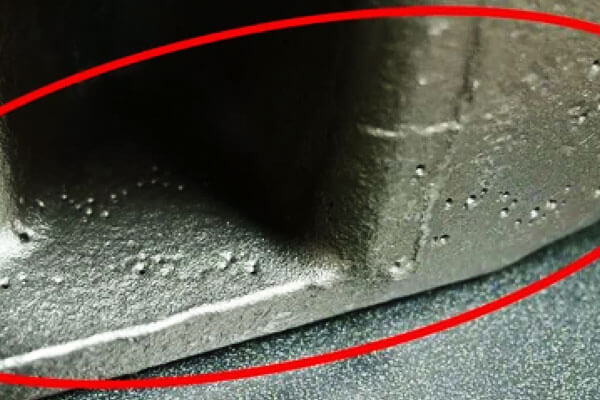
Pękanie skorupy lub lokalne zapadnięcie się
Jeśli na powłoce ceramicznej pojawią się pęknięcia, wypukły, odpryskiwanie, lub lokalny upadek, cząstki ogniotrwałe mogą odłączyć się i wpaść do gniazda formy.
Kiedy wylewa się metal, cząstki te zostają uwięzione w krzepnącym stopie i stają się defektami wtrąceniowymi.
Luźne zanieczyszczenia z kubka do nalewania lub systemu wlewowego
Kubek do nalewania jest pierwszym punktem kontaktu stopionego metalu z wnęką formy.
Jeśli krawędź kubka do nalewania jest szorstka, słaby, lub zanieczyszczony luźnym materiałem skorupy, gruz może odłączyć się i zostać wciągnięty do odlewu.
Wady wzoru, które stają się wadami pleśni
Jeśli wzór wosku zawiera pory, spękanie, rowki, lub nienaprawione szwy, Zawiesina powłokowa może penetrować te defekty podczas budowy powłoki.
Podczas nalewania, cienkie ceramiczne wtrącenie może się zapaść lub odłamać, pozostawiając wgłębienie lub wtrącenie w ostatecznym odlewie.
Wady montażu wosku
Na złączach spawanych w grupie wzorów, szczeliny lub rowki mogą uwięzić materiał powłoki. Jeśli nie zostaną one prawidłowo naprawione, stają się słabymi strefami w powłoce.
Podczas nalewania, obszary te mogą przedostawać się do ubytku materiału i powodować defekty związane z piaskiem.
Zanieczyszczenie podczas odparafinowania
Podczas odwoskowania, luźne cząstki, brud, lub fragmenty mogą wpaść do jamy.
Jeśli skorupa nie zostanie później dokładnie oczyszczona, pozostają jako ukryte zanieczyszczenia. Kiedy wchodzi stopiony metal, są one uszczelnione w odlewie.
Zanieczyszczenia spowodowane wypaleniem lub podgrzewaniem
Jeśli strzelanie pociskami nie jest odpowiednio kontrolowane, luźny proszek ogniotrwały może pozostać we wnęce formy.
Podobnie, jeśli skorupa nie jest prawidłowo zorientowana lub oczyszczona, cząstki mogą osiadać w najniższych punktach, a później zostać uwięzione w odlewie.
Uszkodzenie filtra
Filtry ceramiczne mogą również stać się źródłem problemów, jeśli są pęknięte, złamany, lub nieprawidłowo zainstalowany.
Raz uszkodzony, mogą one wyrzucać fragmenty do strumienia stopu i tworzyć lokalne wtrącenia lub dziury na powierzchni.
4. Główne przyczyny i działania naprawcze
Wtrącenia piasku i defekty otworów piaskowych rzadko są spowodowane pojedynczą dramatyczną awarią.
Częściej, wynikają z A łańcuch drobnych słabości procesów: lekko uszkodzona skorupa, źle uszczelniony kubek do nalewania, niepełne czyszczenie po odparafinowaniu, lub filtr, z którym niewłaściwie obchodzono się przed nalaniem.
W castingu inwestycyjnym, właśnie dlatego te wady są tak frustrujące: podstawowa przyczyna jest często niewielka, ale konsekwencje mogą być poważne.
Najlepszym sposobem kontrolowania tych defektów jest prześledzenie ich aż do punktu, w którym obcy materiał dostaje się do gniazda formy, następnie systematycznie eliminuj tę ścieżkę wejścia.
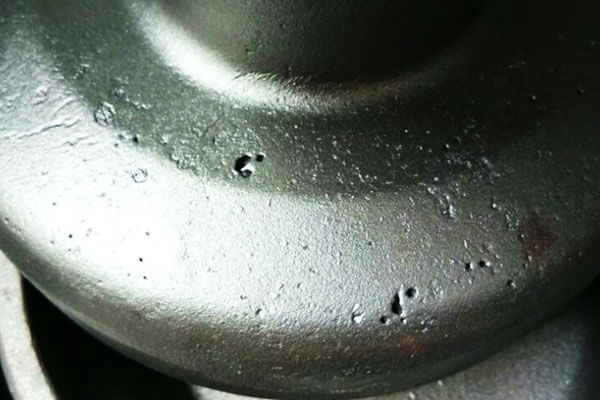
Uszkodzenie powłoki lub lokalne zawalenie się
Pęknięty, spalony, wybrzuszony, lub lokalnie osłabiona powłoka może uwolnić cząstki ogniotrwałe bezpośrednio do wnęki.
Gdy skorupa straci integralność, nawet niewielkie uderzenie lub szok termiczny może spowodować powstanie luźnych zanieczyszczeń, które zostaną uwięzione w odlewie podczas zalewania.
Działanie naprawcze:
- Wzmocnij praktykę budowania skorupy i utrzymuj jednolitą grubość skorupy.
- Popraw kontrolę suszenia i wypalania, aby uniknąć pęknięć termicznych.
- Odrzuć muszle, które wykazują widoczne pęknięcia, wypukły, łuszczenie się, lub lokalny upadek.
- Podczas usuwania wosku należy ostrożnie obchodzić się z muszlami, transport, i podgrzewanie.
Zła konstrukcja kubka do nalewania lub zanieczyszczenie w miejscu wejścia metalu
Kubek do wylewania jest pierwszą strefą kontaktu stopionego metalu z systemem formy.
Jeśli jego krawędź jest szorstka, kruchy, zanieczyszczony, lub źle uszczelnione, luźny materiał może wpaść bezpośrednio do ubytku i stać się wtrąceniem piasku.
Działanie naprawcze:
- Użyj kołnierzowy kubek do nalewania kiedy to możliwe, ponieważ jest gładka, gęsta krawędź jest mniej podatna na zrzucanie materiału.
- Upewnij się, że zakryte kubki są odpowiednio uszczelnione i nie pozwalają na przedostanie się zawiesiny.
- Rozważać prefabrykowane ceramiczne kubki do nalewania dla większej stabilności i mniejszego ryzyka zanieczyszczeń.
- Przed nalaniem oczyść brzeg kubka i sprawdź, czy nie jest uszkodzony lub poluzowany.
Jeśli wzór wosku zawiera pory, spękanie, rowki, lub nienaprawione szwy spawalnicze, Zawiesina z powłoki może wniknąć w te defekty podczas powlekania.
Później, Podczas nalewania, te słabe obszary mogą się zapaść lub odłączyć, pozostawiając dziurę lub wtrącenie w powierzchni odlewu.
Działanie naprawcze:
- Sprawdź każdy wzór wosku przed zbudowaniem skorupy.
- Napraw pęknięcia, rowki, i szczeliny w szwach za pomocą odpowiednich narzędzi do naprawy wosku.
- Upewnij się, że powierzchnia wzoru jest wystarczająco gładka, aby utrzymać jednolitą skorupę.
- Nie wysyłaj wadliwych zespołów woskowych do stanu surowego.
Wady powstałe podczas montażu wzoru
Na stawach skupiska wosku, słabo stopione szwy lub otwarte szczeliny mogą uwięzić gnojowicę i stworzyć słaby mostek skorupowy.
Punkty te często na początku wyglądają nieszkodliwie, ale stają się punktami pęknięć podczas usuwania wosku lub wylewania.
Działanie naprawcze:
- Użyj elektrycznego, gorącego noża, wosk naprawczy, lub podobną metodą, aby całkowicie uszczelnić szwy i rowki.
- Przed przystąpieniem do budowy powłoki dokładnie sprawdź wszystkie złącza spawane.
- Przeszkol operatorów, aby traktowali montaż klastra jako krytyczny etap jakości, nie kosmetyczny.
Zanieczyszczenia przedostające się do jamy podczas usuwania wosku
Podczas odwoskowania, luźne fragmenty wosku, pył, brud, lub resztki skorupy mogą wpaść do wnęki.
Jeśli ubytek nie zostanie później oczyszczony, obcy materiał pozostaje ukryty do czasu wylania metalu.
Działanie naprawcze:
- Przed odparafinowaniem przytnij i oczyść krawędź kubka do nalewania.
- Po dewaxing, usunąć luźne zanieczyszczenia z komory za pomocą czyszczenia powietrzem lub odkurzania.
- Jeśli stosuje się odparafinowanie gorącą wodą, unikać wrzenia lub gwałtownego mieszania, które może spowodować zmycie zanieczyszczeń z powrotem do skorupy.
- Ponownie sprawdź ubytek po odparafinowaniu i przed wypaleniem.
Pył lub cząstki ogniotrwałe przedostające się podczas wypalania i zalewania
Konieczne jest wypalanie i podgrzewanie, ale stwarzają także możliwość osadzenia się luźnych cząstek we wnęce.
Jeśli skorupa nie jest odpowiednio zorientowana lub oczyszczona, drobny pył ogniotrwały może pozostać w niskich obszarach i później osadzić się w metalu.
Działanie naprawcze:
- Odpal łuskę w kontrolowanym i czystym środowisku.
- W razie potrzeby podczas wypalania należy skierować naczynie do nalewania w dół, tak aby luźne cząstki mogły wypaść.
- Jeśli potrzeba, wykonać drugi cykl czyszczenia po pierwszym wypaleniu.
- Użyj Odkurzacz w kształcie litery T lub podobne narzędzie do usuwania cząstek z wlewu lub spodu ścieżki zalewania przed wylaniem.
Uszkodzone filtry ceramiczne
Filtry ceramiczne są przydatne tylko wtedy, gdy pozostają nienaruszone.
Pęknięty lub wyszczerbiony filtr może rozpaść się pod wpływem naprężenia termicznego lub przepływu, a jego fragmenty mogą zostać uwięzione w odlewie lub zablokować drogę podawania w sposób sprzyjający defektom.
Działanie naprawcze:
- Wybierz wysokiej jakości filtry odpowiednie do stopu i warunków odlewania.
- Z filtrami należy obchodzić się delikatnie, aby uniknąć odprysków na krawędziach lub wstępnego uszkodzenia.
- Zainstaluj je ostrożnie, aby nie były naprężone ani źle wyrównane.
- Przed użyciem wyrzuć każdy wyraźnie uszkodzony filtr.
5. Krytyczny wpływ wyboru kubka do nalewania na zapobieganie otworom piaskowym
Kubek wylewowy pełni funkcję pierwszego kanału dla stopionego metalu wchodzącego do gniazda formy, a jego konstrukcja konstrukcyjna i dobór materiałów bezpośrednio determinują ryzyko osypywania się piasku z powłoki ceramicznej.
Większość odlewni ignoruje optymalizację nalewania kubka, powodując powtarzające się wady otworów piaskowych.
Szczegółowo analizujemy trzy popularne kubki do nalewania i ich działanie przeciw defektom:
Kubek do nalewania z kołnierzem
Krawędź kołnierzowa jest repliką wzoru woskowego z powłoką warstwy wierzchniej. Charakteryzuje się zwartą mikrostrukturą i gładką powierzchnią bez wklęsłych szczelin.
W odróżnieniu od zwykłych kubków do nalewania z ostrymi krawędziami, prawie nie gromadzi luźnego piasku i resztek powłok, znacznie zmniejszając prawdopodobieństwo zrzucania piasku.
Jest to najbardziej opłacalny wybór w przypadku standardowych odlewów produkowanych masowo.
Zakryty kubek do nalewania
Szczelność pokrywy jest głównym punktem kontrolnym. Nierówne pokrywy i szczeliny montażowe umożliwiają penetrację zawiesiny powlekającej i zestalenie się w delikatne pozostałości wewnątrz kubka.
Te ukryte zanieczyszczenia zostaną wypłukane podczas zalewania przez stopiony metal o wysokiej temperaturze, tworząc typowe defekty otworów piaskowych.
W celu zwiększenia szczelności zaleca się stosowanie uszczelek i uszczelnianie na gorąco woskiem.
Prefabrykowany ceramiczny kubek do nalewania
Uważany za optymalne akcesorium zapobiegające powstawaniu dziur piaskowych w odlewaniu precyzyjnym, Prefabrykowany ceramiczny kubek do nalewania charakteryzuje się odpornością na wysoką temperaturę, stabilna struktura ogniotrwała, i zerowe ryzyko zrzucania piasku.
Skutecznie zapobiega pękaniu i łuszczeniu miseczek na bazie wosku podczas robienia muszli i pieczenia w wysokiej temperaturze.
Ma szerokie zastosowanie w przypadku złożonych modułów i precyzyjnych odlewów ze stali nierdzewnej o wysokim standardzie, pomimo wyższych kosztów zakupu.
6. Dlaczego wady otworów piaskowych często pojawiają się po czyszczeniu
Dziury po piasku mogą nie być widoczne natychmiast po zestaleniu.
Często stają się one widoczne dopiero po wysadzeniu, szlifowanie, lub obróbka mechaniczna usuwa cienką warstwę powierzchniową, która maskowała defekt.
To czyni je szczególnie niebezpiecznymi, ponieważ odlew może wydawać się solidny aż do późnej fazy procesu wykańczania.
W tym momencie, wada pochłonęła już czas, wydajność maszyny, i często większość wartości dodanej części.
Odlew z ukrytymi zanieczyszczeniami ogniotrwałymi może przejść wstępną kontrolę, ale nie przejść pomyślnie podczas końcowego przygotowania powierzchni. Dlatego kontrolę otworu piaskowego należy rozpocząć na długo przed obróbką końcową.
7. Praktyczne wskazówki dotyczące kontroli
Wtrącenia piasku i defekty otworów piaskowych zwykle pozostawiają charakterystyczne ślady:
- surowy, nieregularna faktura powierzchni,
- osadzone jasne cząstki ogniotrwałe,
- miejscowe wżery powierzchniowe po czyszczeniu,
- kształty wnęk pasujące do konturu uwięzionych śmieci,
- oraz pozostałości przypominające proszek w obszarze uszkodzenia po uderzeniu lub rozbiciu.
Przydatną wskazówką diagnostyczną jest kolor pozostałości. Jeśli proszek lub gruz pasuje do ogniotrwałego koloru łuski, wada jest prawdopodobnie związana z materiałem powłoki, a nie z żużlem metalicznym.
8. Dlaczego te wady mają znaczenie ekonomiczne
Wtrącenia piasku i wady otworów piaskowych są kosztowne, ponieważ często pojawiają się na późnym etapie procesu. Do czasu wykrycia wady, część została już zużyta:
- materiał z wzorem wosku,
- materiał skorupy,
- czas strzelania,
- stopiony metal,
- zasoby do obróbki cieplnej,
- i obróbka skrawaniem.
W wysokowartościowych odlewach ze stali nierdzewnej, nawet jedna wada może zniweczyć marżę zysku partii. Dlatego zapobieganie jest zawsze tańsze niż poprawianie.
9. Niezawodny dostawca przemysłowy: Precyzyjny odlew ze stali nierdzewnej LangHe
W zakresie odlewów precyzyjnych o wysokim standardzie, ustandaryzowane zarządzanie procesami i ścisła kontrola defektów to podstawowa konkurencyjność producentów premium.
LangHe jest profesjonalnym i godnym zaufania dostawcą zajmującym się wysokiej jakości usługami odlewniczymi ze stali nierdzewnej oraz precyzyjną obróbką metali.
Koncentrując się na branżach wymagających ekstremalnej wytrzymałości mechanicznej i odporności na korozję, LangHe przyjmuje zoptymalizowane procesy wytwarzania skorup, znormalizowana konfiguracja kubka do nalewania, oraz rygorystyczne, wieloetapowe procedury wykrywania defektów.
Skutecznie eliminuje typowe defekty, takie jak wtrącenia piasku i dziury po piasku w odlewach ze stali nierdzewnej.
Wyposażony w zaawansowany sprzęt do topienia i precyzyjne warsztaty obróbki końcowej, LangHe zapewnia wysoce spersonalizowane rozwiązania w zakresie odlewów ze stali nierdzewnej, aby spełnić rygorystyczne wymagania zastosowań przemysłowych, dostarczanie stabilnych, niska defektowość, oraz produkty odlewnicze o wysokiej czystości dla klientów na całym świecie.
10. Wniosek
Wtrącenie się piasku i dziura piaskowa nie są przypadkowymi wypadkami. Są widocznym wynikiem procesu odlewania, w wyniku którego dodano obcy materiał ogniotrwały, luźne fragmenty skorupy, lub przedostanie się zanieczyszczeń do gniazda formy.
W castingu inwestycyjnym, gdzie skorupa jest precyzyjna, ale delikatna, kontrola tych wad zależy od dbałości o szczegóły na każdym etapie:
- jakość wzoru wosku,
- integralność powłoki,
- czystość odwoskowa,
- dyscyplina strzelania,
- projekt kubka do nalewania,
- stan filtra,
- i ostateczna kontrola ubytku.
Najważniejsza lekcja jest prosta: wtrącenia piasku i dziura piaskowa nie są rozwiązywane na końcu procesu; zapobiega się im na początku.
Czysta jama, skorupa dźwiękowa, i odpowiednio zaprojektowany system bramkowania są prawdziwą obroną.
FAQ
Jaka jest podstawowa różnica między wtrąceniem piasku a wtrąceniem żużla?
Wtrącenia piasku i otwór piaskowy po stuknięciu dają biały lub żółtawy proszek ogniotrwały, podczas gdy wtrącenia żużla stanowią zanieczyszczenia czarnym stopionym żużlem.
Jest to najprostsza metoda identyfikacji w inspekcji przemysłowej.
Który kubek do nalewania ma najlepsze działanie zapobiegające dziurom piaskowym?
Prefabrykowane ceramiczne kubki do nalewania posiadają stabilną strukturę wysokotemperaturową przy zerowym ryzyku zrzucania piasku, pierwsze miejsce w zapobieganiu defektom; kubki do nalewania z kołnierzem są najbardziej opłacalne w przypadku konwencjonalnej produkcji seryjnej.
Jakie jest najczęstsze miejsce występowania otworów piaskowych?
Otwory piaskowe są najczęściej rozmieszczone w pobliżu miski do nalewania, wlew i wewnętrzny kanał przepływowy, gdzie roztopiony metal intensywnie szoruje ceramiczną powłokę.
Jak usunąć resztki piasku z muszli przed wylaniem?
Urządzenie zasysające piasek w kształcie litery T służy do czyszczenia pływającego piasku na dnie wlewu; W przypadku silnie zanieczyszczonych muszli stosuje się wtórne prażenie i czyszczenie wnęki.

