

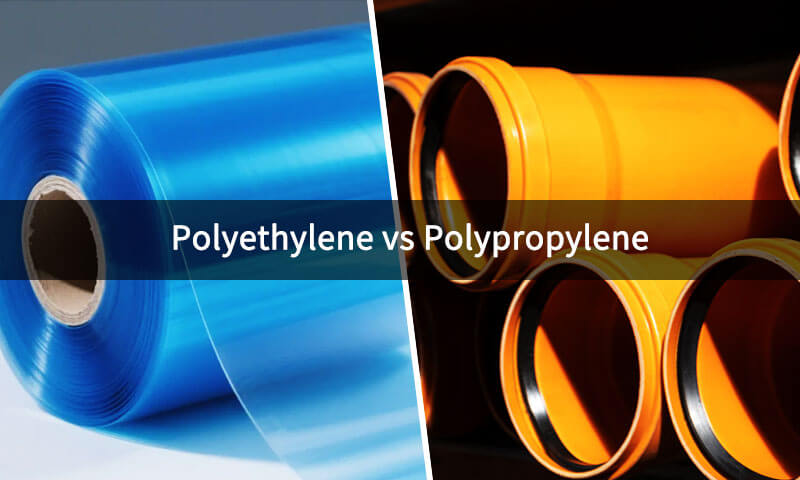
Polyethyleen (Pe) en polypropyleen (PP) zijn de twee meest geproduceerde thermoplastische grondstoffen ter wereld, samen goed voor meer dan 50% van de mondiale plasticproductie.
Ze domineren de verpakking, automobiel, bouw, medisch, en toepassingen voor consumptiegoederen.
Ondanks hun overeenkomsten (beide zijn thermoplastische polyolefinen afgeleid van koolwaterstofgrondstoffen) bezitten ze duidelijk verschillende eigenschappen die de ene geschikter maken dan de andere voor specifieke toepassingen.
Kiezen tussen PE en PP vereist een diepgaand inzicht in hoe deze chemische structuren de prestaties in de techniek bepalen, verpakking, en industriële verwerking.
1. Wat is polyethyleen?
Polyethyleen (Pe) is een thermoplastisch polymeer dat wordt geproduceerd door de polymerisatie van ethyleenmonomeren.
Het is een van de meest gebruikte polymeerfamilies omdat de moleculaire structuur ervan kan worden aangepast om materialen te produceren die variëren van zeer flexibele films tot stijve films, hoge sterkte technische componenten.
De eigenschappen van polyethyleen worden sterk beïnvloed door molecuulgewicht, ketenvertakking, kristalliniteit, dikte, en verwerkingsomstandigheden.
Het verhogen van de moleculaire lineariteit en kristalliniteit verbetert in het algemeen de stijfheid, kracht, chemische weerstand, en dimensionale stabiliteit, terwijl hogere vertakkingen de neiging hebben de flexibiliteit te vergroten en de dichtheid te verminderen.
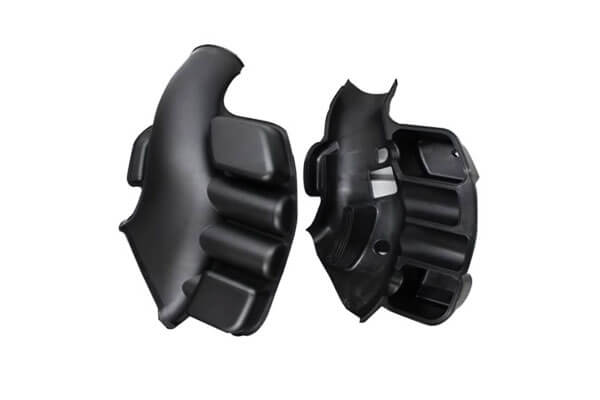
In tegenstelling tot veel technische kunststoffen, PE heeft een zeer lage vochtopname en uitstekende weerstand tegen een breed scala aan chemicaliën.
Het is bovendien licht van gewicht en relatief eenvoudig te verwerken, waardoor het aantrekkelijk is voor zowel producten met een hoog volume als gespecialiseerde industriële componenten.
| Eigendom | Detail |
| Chemische naam | Polyethyleen |
| Chemische formule | (C₂H₄)ₙ |
| Polymeer ruggengraat | –CH₂–CH₂– |
| Monomeer | Ethyleen |
| CAS-nummer | 9002-88-4 |
| Polymeer type | Thermoplastisch |
| Dichtheidsbereik | 0.91–0,96 g/cm³ |
| Smeltpunt | 105–135°C |
Belangrijkste soorten polyethyleen
Polyethyleen wordt gewoonlijk geclassificeerd op basis van dichtheid, moleculaire structuur, en molecuulgewicht.
| Type | Structurele kenmerken | Typische prestaties | Veel voorkomende toepassingen |
| LDPE | Sterk vertakt, relatief lage kristalliniteit | Flexibele, moeilijk, goede verwerkbaarheid | Films, tassen, coatings, kabel isolatie |
| LLDPE | Lineaire ruggengraat met korte ketenvertakking | Hogere trek- en lekweerstand dan LDPE met behoud van flexibiliteit | Verpakkingsfolies, linies, agrarische films |
| MDPE | Gemiddelde dichtheid en kristalliniteit | Evenwichtige stijfheid, taaiheid, en weerstand tegen omgevingsstress en scheuren | Pijpen, containers, industriële producten |
| HDPE | Meer lineaire ketens en hogere kristalliniteit | Hoge stijfheid, kracht, chemische weerstand, en impact taaiheid | Pijpen, tanks, containers, auto-onderdelen |
| UHMWPE | Extreem hoog molecuulgewicht met sterk verstrengelde ketens | Uitzonderlijke slijtvastheid, Impact taaiheid, en lage wrijving | Draag voeringen, lagers, gidsen, medische componenten |
2. Wat is polypropyleen?
Polypropyleen (PP) is een thermoplastisch polymeer geproduceerd door de polymerisatie van propyleenmonomeren.
Het behoort tot dezelfde polyolefinefamilie als polyethyleen, maar heeft een andere moleculaire structuur: A methylgroep is bevestigd aan de polymeerskelet.
Dit structurele verschil heeft invloed op de ketenmobiliteit, kristalliniteit, stijfheid, thermisch gedrag, en vermoeidheidsprestaties.
Als gevolg hiervan, PP biedt over het algemeen een bijzonder aantrekkelijke combinatie van lage dichtheid, stijfheid, chemische weerstand, vermoeidheid weerstand, en verwerkbaarheid.
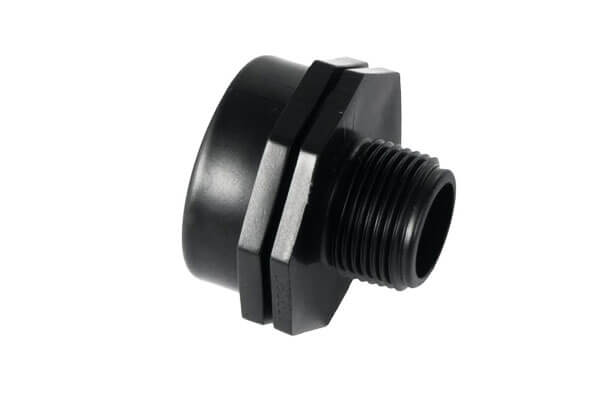
Polypropyleen wordt veelvuldig gebruikt in spuitgegoten componenten, Auto -systemen, verpakking, elektrische producten, laboratoriumapparatuur, medische producten, en industriële apparatuur.
De eigenschappen ervan kunnen ook worden aangepast door middel van copolymerisatie, vulstoffen, vezels, impactmodificatoren, en andere additieven.
| Eigendom | Detail |
| Chemische naam | Polypropyleen |
| Chemische formule | (C₃H₆)ₙ |
| Polymeer ruggengraat | –CH₂–CH(CH₃)- |
| Monomeer | Propeen |
| CAS-nummer | 9003-07-0 |
| Polymeer type | Thermoplastisch |
| Dichtheidsbereik | 0.895–0,92 g/cm³ |
| Smeltpunt | 130–171°C |
Belangrijkste soorten polypropyleen
Commercieel polypropyleen wordt voornamelijk geclassificeerd op basis van zijn moleculaire structuur en comonomeergehalte.
| Type | Structurele kenmerken | Typische prestaties | Veel voorkomende toepassingen |
| PP-homopolymeer | Voornamelijk herhalende eenheden van propyleen | Hoge stijfheid, Goede kracht, goede chemische resistentie, goed temperatuurvermogen | Auto -onderdelen, containers, apparaten, industriële componenten |
| PP willekeurig copolymeer | Propyleen gecombineerd met willekeurig verdeelde comonomeereenheden | Verbeterde flexibiliteit, gedrag beïnvloeden, en vaak betere optische helderheid | Verpakking, medische producten, transparante containers |
PP-blokcopolymeer |
Propeenmatrix die een gedispergeerde rubberrijke fase bevat | Verbeterde slagvastheid, vooral voor veeleisende vormdelen | Automotive componenten, zware containers, industriële behuizingen |
| Versterkte PP | PP gecombineerd met glasvezel, minerale vulstoffen, of andere versterkingen | Verhoogde stijfheid, dimensionale stabiliteit, en load-draging capaciteit | Structurele auto-onderdelen, machinecomponenten, elektrische behuizingen |
3. Mechanische eigenschappen: Polyethyleen versus. Polypropyleen
De onderstaande waarden zijn typische technische bereiken in plaats van universele materiaalspecificaties.
De werkelijke eigenschappen kunnen variëren afhankelijk van de harsleverancier, rangaanduiding, voorbereiding van het monster, vormomstandigheden, oriëntatie, en teststandaard.
Voor materiaalkeuze, het technische gegevensblad van de leverancier en de toepasselijke ASTM/ISO-testmethode moeten als definitieve referentie worden gebruikt.
| Mechanische eigenschap | LDPE | HDPE | PP-homopolymeer | PP-blokcopolymeer |
| Treksterkte bij opbrengst | ~8–15 MPa | ~ 20–32 MPa | ~30–40 MPa | ~ 20–35 MPa |
| Treksterkte bij breuk | ~8–25 MPa | ~ 25–40 MPa | ~ 25–45 MPa | ~ 20–40 MPa |
| Rek bij pauze | ~100–600% | ~500–1.000%* | ~50–600%* | ~100–700%* |
| Trekmodulus | ~150–300 MPa | ~700–1.500 MPa | ~ 1.000–1.800 MPa | ~700–1.500 MPa |
| Buigmodulus | ~150–350 MPa | ~800–1.600 MPa | ~ 1.000–1.800 MPa | ~700–1.500 MPa |
| Hardheid | ~ 40–50 Kust D | ~60-70 Kust D | ~65-75 Kust D | ~ 55-70 Kust D |
| Kruipweerstand | Low -matig | Matig - goed | Matig - goed | Gematigd |
| Vermoeidheid weerstand | Goed | Goed | Uitstekend | Uitstekend |
4. Vergelijking van thermische eigenschappen en temperatuurweerstand
Temperatuurbestendigheid is een belangrijke onderscheidende factor tussen polyethyleen en polypropyleen.
Beide zijn semikristallijne thermoplasten, maar hun moleculaire structuren geven ze een ander smeltgedrag, thermische stabiliteit, en prestaties bij lage temperaturen.
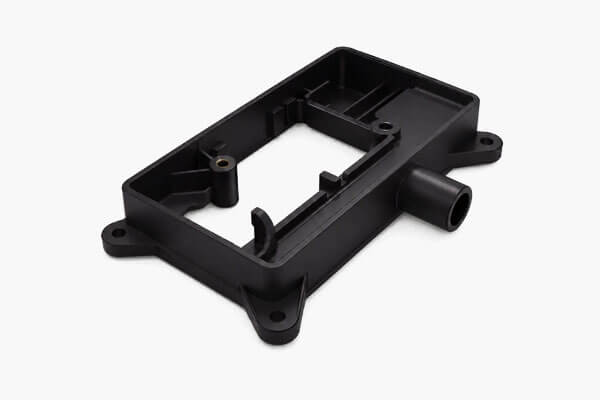
Prestaties van verhoogde temperatuur
PP behoudt over het algemeen zijn stijfheid en mechanische integriteit bij hogere temperaturen dan LDPE en HDPE.
Dit maakt PP-homopolymeer aantrekkelijk voor componenten die worden blootgesteld aan warme vloeistoffen, motorcompartimenten, apparaten, en industriële apparatuur.
LDPE heeft de laagste thermische stijfheid van de beschouwde kwaliteiten. De relatief flexibele moleculaire structuur zorgt ervoor dat het gemakkelijker zacht wordt en vervormt naarmate de temperatuur stijgt.
HDPE presteert beter dan LDPE, maar langdurige blootstelling aan verhoogde temperaturen kan nog steeds resulteren in kruip en dimensionale vervorming.
PP-blokcopolymeer biedt verbeterde slagvastheid, maar kan vanwege de met rubber gemodificeerde structuur een iets lagere stijfheid en hittebestendigheid hebben dan PP-homopolymeer.
Prestaties bij lage temperaturen
Polyethyleen heeft over het algemeen een voordeel in koude omgevingen. HDPE en speciaal op de juiste wijze geformuleerde PE-soorten kunnen bij lage temperaturen een aanzienlijke slagvastheid behouden.
Conventioneel PP, ter vergelijking, kan aanzienlijk brosser worden naarmate de temperatuur daalt. Dit is vooral belangrijk voor componenten die worden blootgesteld aan plotselinge schokken in koude klimaten.
PP-blokcopolymeer is speciaal ontworpen om deze beperking te verbeteren. De gedispergeerde elastomere fase absorbeert impactenergie en biedt een aanzienlijk betere taaiheid bij lage temperaturen dan standaard PP-homopolymeer.
Thermische uitzetting en dimensionele stabiliteit
Zowel PE als PP hebben relatief hoge thermische uitzettingscoëfficiënten vergeleken met metalen. Temperatuurveranderingen kunnen daarom merkbare dimensionale bewegingen veroorzaken, vooral bij precisiecomponenten met lange afmetingen of kleine spelingen.
5. Vergelijking van chemische resistentie: Polyethyleen versus. Polypropyleen
Beide polyethyleen (Pe) en polypropyleen (PP) worden algemeen erkend vanwege hun uitstekende weerstand tegen water, zuren, alkalis, en veel industriële chemicaliën.
Hun niet-polaire koolwaterstofstructuren geven ze een belangrijk voordeel ten opzichte van veel technische kunststoffen: de chemische resistentie is over het algemeen sterk zonder afhankelijk te zijn van beschermende coatings.
Chemische weerstand van polyethyleen
Polyethyleen biedt over het algemeen uitstekende weerstand tegen waterige chemicaliën.
HDPE wordt vooral veel gebruikt voor chemicaliëntanks, trommels, bui, linies, en containers omdat het chemische resistentie combineert met een goede taaiheid en een relatief lage permeabiliteit voor veel stoffen.
PE presteert goed tegen velen:
- Verdunde zuren
- Alkaliën en basen
- Zouten
- Alcoholen
- Water en waterige oplossingen
- Veel wasmiddelen
Echter, polyethyleen is niet bestand tegen elke chemische omgeving.
Zeker sterke oxidatiemiddelen, aromatische verbindingen, en op koolwaterstoffen gebaseerde oplosmiddelen kan PE beïnvloeden, vooral bij verhoogde temperaturen of onder aanhoudende mechanische belasting.
De specifieke PE-kwaliteit is daarom belangrijk wanneer langdurige chemische blootstelling wordt verwacht.
Chemische bestendigheid van polypropyleen
Polypropyleen biedt een vergelijkbare sterke weerstand tegen veel zuren, alkalis, zouten, wasmiddelen, en waterige chemische oplossingen.
Het wordt veel gebruikt in chemische verwerkingsapparatuur, laboratorium producten, opslagtanks, pompen, kleppen, en leidingsystemen.
Een opmerkelijk voordeel van PP is de combinatie van chemische resistentie en hogere temperatuurbestendigheid dan veel conventionele PE-kwaliteiten.
Dit maakt PP bijzonder aantrekkelijk wanneer blootstelling aan chemicaliën plaatsvindt bij matig hoge temperaturen.
Toch kan PP beïnvloed worden door bepaalde aromaten, gechloreerd, en op koolwaterstoffen gebaseerde chemicaliën.
Het risico neemt over het algemeen toe met de temperatuur, concentratie, blootstellingstijd, en mechanische belasting.
Vervolgens, een chemische compatibiliteitsbeoordeling moet altijd gebaseerd zijn op de werkelijke gebruiksomstandigheden en niet alleen op de polymeernaam.
PE versus. PP chemische weerstand
| Chemisch / Omgeving | Polyethyleen (Pe) | Polypropyleen (PP) |
| Water | Uitstekend | Uitstekend |
| Verdunde zuren | Uitstekend | Uitstekend |
| Alkaliën | Uitstekend | Uitstekend |
| Zouten | Uitstekend | Uitstekend |
| Wasmiddelen | Uitstekend | Uitstekend |
| Alcoholen | Over het algemeen goed-uitstekend | Over het algemeen goed-uitstekend |
| Koolwaterstoffen | Variabel | Variabel |
| Aromatische oplosmiddelen | Beperkt | Beperkt |
| Sterke oxidatiemiddelen | Beperkt | Beperkt |
| Chemische dienst op hoge temperatuur | Goed voor geselecteerde PE-kwaliteiten | Over het algemeen beter |
6. Wateropname, Vocht en maatvastheid
Een van de nuttigste overeenkomsten tussen PE en PP is hun zeer lage wateropname.
In tegenstelling tot hygroscopische technische kunststoffen zoals nylon of polyamide, geen van beide materialen absorbeert gemakkelijk aanzienlijke hoeveelheden atmosferisch vocht in zijn polymeerstructuur.
Deze eigenschap is belangrijk omdat vochtopname maatveranderingen kan veroorzaken, veranderde mechanische eigenschappen, en verwerkingsproblemen in andere thermoplastische materialen. PE en PP vermijden deze problemen grotendeels.
Vochtgedrag
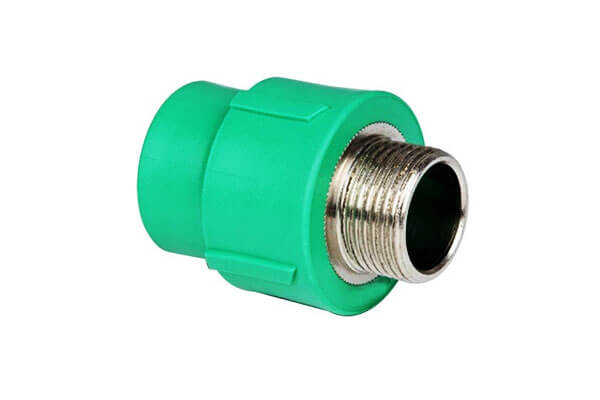
Polyethyleen en polypropyleen zijn beide in essentie hydrofoob, niet-polaire polymeren. Water heeft weinig affiniteit voor hun moleculaire ketens, de wateropname is dus onder normale omstandigheden zeer laag.
Als gevolg hiervan, PE- en PP-onderdelen behouden hun afmetingen en mechanische eigenschappen over het algemeen goed in vochtige omgevingen of tijdens periodieke blootstelling aan water.
| Eigendom | Polyethyleen | Polypropyleen | Praktische betekenis |
| Wateropname | Erg laag | Erg laag | Goede prestaties in vochtige en natte omgevingen |
| Vochtgevoeligheid tijdens verwerking | Laag | Laag | Meestal is geen uitgebreid voordrogen nodig |
| Dimensionale verandering door vocht | Heel klein | Heel klein | Geschikt voor onderdelen die in contact komen met water |
| Hydrolytische stabiliteit | Over het algemeen uitstekend | Over het algemeen uitstekend | Nuttig bij langdurige blootstelling aan water |
| Vochtgerelateerde elektrische isolatie | Uitstekend | Uitstekend | Geschikt voor vele elektrische toepassingen |
Dimensionale stabiliteit: Vocht vs. Temperatuur
Een lage vochtopname betekent niet dat PE en PP onder alle omgevingsomstandigheden maatvast zijn.
Voor precisiecomponenten, thermische uitzetting en kruip zijn over het algemeen veel belangrijker overwegingen dan vochtopname.
Beide polymeren hebben een aanzienlijk hogere thermische uitzetting dan metalen. Temperatuurveranderingen kunnen daarom merkbare dimensionale bewegingen veroorzaken, vooral in grote delen, precisie assemblages, en componenten met nauwe spelingen.
Mechanische belasting op lange termijn introduceert een ander probleem: kruipen. Wanneer PE of PP voortdurend aan spanning wordt blootgesteld, geleidelijke moleculaire beweging kan permanente dimensionale veranderingen veroorzaken.
Het effect wordt groter naarmate de temperatuur en de uitgeoefende spanning toenemen.
Daarom, onderdelen zoals bussen, steunt, gidsen, zeehonden, en structurele kunststofonderdelen moeten worden beoordeeld op basis van hun volledige gebruiksomgeving en niet alleen op basis van hun oorspronkelijke afmetingen.
7. Verwerking en productievergelijking
PE en PP zijn zeer veelzijdige thermoplastische kunststoffen en kunnen via een breed scala aan productieprocessen worden omgezet in eindproducten.
Hun verwerkingsflexibiliteit is een van de belangrijkste redenen waarom ze zo’n groot deel van de kunststofmarkt innemen.
Spuitgieten
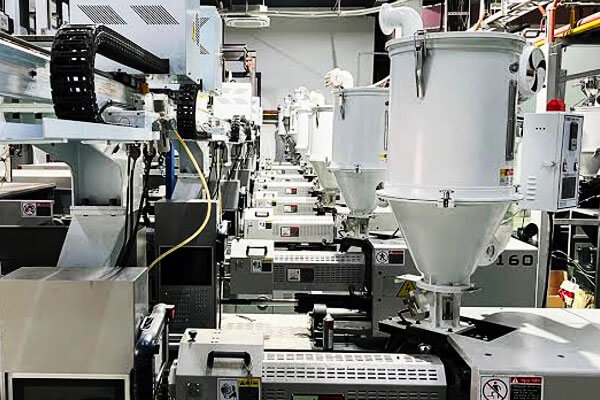
Spuitgieten is vooral belangrijk voor PP, waarbij de vloei-eigenschappen en de relatief hoge stijfheid van het materiaal het geschikt maken voor de productie van complexe materialen, lichtgewicht componenten bij hoge productievolumes.
Auto -onderdelen, elektrische behuizingen, onderdelen van het apparaat, containers, en industriële producten worden vaak op deze manier vervaardigd.
HDPE is ook zeer geschikt voor spuitgieten, vooral voor stijve containers, sluitingen, industriële componenten, en structurele plastic onderdelen.
LDPE wordt over het algemeen gekozen als het eindproduct een grotere flexibiliteit vereist in plaats van een hoge stijfheid.
Extrusie
Extrusie is een belangrijke verwerkingsroute voor beide polymeerfamilies. PE is bijzonder sterk aanwezig in geëxtrudeerde producten, inclusief pijpen, vellen, films, profielen, linies, en kabelisolatie.
HDPE wordt veel gebruikt voor druk- en niet-drukleidingen vanwege de combinatie van taaiheid, chemische weerstand, en de lasbaarheid is zeer geschikt voor vloeistofbehandelingssystemen.
PP wordt ook in buizen geëxtrudeerd, vellen, films, profielen, en gespecialiseerde industriële producten waarbij een grotere stijfheid of temperatuurbestendigheid gunstig is.
Blaasgieten en rotatiegieten
Pe, vooral HDPE, wordt veelvuldig gebruikt voor geblazen flessen, trommels, tanks, containers, en andere holle producten.
Door zijn taaiheid en verwerkbaarheid is het bijzonder geschikt voor grote of slagvaste containers.
Rotatiegieten is een ander belangrijk PE-proces, vooral voor grote tanks, bakken, kanaal, en industriële containers.
PP kan ook worden verwerkt tot holle producten, hoewel het verwerkingsvenster en het toepassingsprofiel verschillen van die van PE.
Thermovormen en fabricage
Zowel PE- als PP-platen kunnen tot hoezen worden gethermoformeerd, bakjes, behuizingen, linies, en andere grote componenten.
Ze kunnen ook via thermisch lassen, kont fusie, extrusie lassen, en mechanische bevestiging, waardoor fabrikanten grote constructies kunnen vervaardigen zonder conventionele vormgereedschappen.
Dit is vooral waardevol voor chemicaliëntanks, kanaalwerk, beschermende voeringen, en op maat gemaakte industriële apparatuur.
CNC -bewerking
PE en PP kunnen ook CNC-gefreesd wanneer de productievolumes te laag zijn om speciaal gereedschap te rechtvaardigen of wanneer uitzonderlijk aangepaste geometrieën vereist zijn.
Bewerking vereist geschikte snijomstandigheden omdat beide materialen een relatief lage stijfheid hebben en kunnen vervormen onder overmatige klem- of snijkrachten.
Onder PE-kwaliteiten, UHMWPE biedt extra bewerkingsuitdagingen vanwege het hoge molecuulgewicht, elasticiteit, en de neiging om warmte te genereren tijdens het snijden.
Correct gereedschap, werkhouding, en thermische controle zijn daarom belangrijk voor het bereiken van consistente afmetingen.
8. Oppervlaktekenmerken en uiterlijk
Het uiterlijk van het oppervlak is doorgaans niet de voornaamste reden om voor polyethyleen of polypropyleen te kiezen, maar het wordt belangrijk wanneer het materiaal wordt gebruikt voor zichtbare componenten, Consumentenproducten, behuizingen, verpakking, of onderdelen die een specifieke tactiele of esthetische afwerking vereisen.
Oppervlaktekenmerken van polyethyleen
Het uiterlijk van polyethyleen hangt sterk af van de kwaliteit en kristalliniteit. LDPE heeft de neiging zachter te zijn, flexibeler uiterlijk, terwijl HDPE over het algemeen een stijver en ondoorzichtiger oppervlak biedt.
HDPE vertoont gewoonlijk een glad tot licht gestructureerd oppervlak met een natuurlijk doorschijnend tot ondoorzichtig uiterlijk.
Het oppervlak kan machinaal worden bewerkt, gepolijst, getextureerd, of anderszins mechanisch afgewerkt, hoewel het bereiken van een zeer glanzend decoratief oppervlak een grotere uitdaging kan zijn dan bij sommige andere kunststoffen.
Oppervlaktekenmerken van polypropyleen
PP biedt over het algemeen een schoon, zacht, en relatief stijf oppervlak, vooral bij spuitgegoten componenten.
Het kan worden geproduceerd in een breed scala aan kleuren en texturen en wordt veel gebruikt waar uiterlijk en functionele prestaties naast elkaar moeten bestaan.
De lage oppervlakte-energie van PP kan conventionele verf maken, lijmverbinding, en printen lastig.
Oppervlaktebehandeling zoals vlam behandeling, corona-behandeling, plasma-behandeling, of gespecialiseerde primers kan nodig zijn om de hechting te verbeteren.
9. Overwegingen voor het milieu en duurzaamheid
| Aspect | Polyethyleen | Polypropyleen |
| Recyclabaliteit | Uitstekend (op grote schaal gerecycled) | Uitstekend (steeds meer gerecycled) |
| Gerecycleerde inhoud beschikbaar | Hoog | Gematigd |
| Biologische afbreekbaarheid | Niet biologisch afbreekbaar | Niet biologisch afbreekbaar |
| Milieupersistentie | Hoog (eeuwen) | Hoog (eeuwen) |
| Energie om te produceren (MJ/kg) | 70–90 | 70–85 |
| Koolstofvoetafdruk (kg CO₂/kg) | 1.5–2.5 | 1.5–2.5 |
| Biogebaseerde kwaliteiten | Beschikbaar (bio-PE) | Beschikbaar (bio-PP) |
| Microplastic bijdrage | Significant | Significant |
10. Toepassingen: Polyethyleen versus. Polypropyleen
PE en PP worden in een uitzonderlijk breed scala aan industrieën gebruikt, maar hun toepassingen weerspiegelen vaak hun verschillende prestatieprofielen.
Toepassingsvoorbeelden van polyethyleen
Verpakkingsindustrie
- LDPE rekfolie: Industriële rekfolie voor pallets en voedselfolie gebruiken LDPE vanwege de extreme rek (200–600%), uitstekende lekbestendigheid en het vermogen om zichzelf te hechten onder spanning.
Dankzij het lage smeltpunt van LDPE kan het ook op hogesnelheidsverpakkingslijnen goed worden afgedicht met hitte. - HDPE melkkannen en wasmiddelflessen: Geblaasvormd HDPE is de standaard voor stijve vloeistofcontainers omdat het een goede stijfheid biedt, uitstekende vochtbarrière-eigenschappen en slagvastheid tegen lage kosten.
Het smeltpunt van 125–135°C is bestand tegen heetvulprocessen voor dranken en industriële chemicaliën. - LLDPE zware transportzakken: Lineair polyethyleen met lage dichtheid wordt gebruikt voor industriële transportzakken omdat het de flexibiliteit van LDPE combineert met een hogere scheursterkte en lekbestendigheid, bestand tegen ruwe behandeling in logistieke ketens.
Infrastructuur en constructie
- HDPE gemeentelijke water- en gasleiding: Polyethyleen met hoge dichtheid is het dominante materiaal voor ondergrondse drinkwaterdistributie en aardgasleidingen.
Zijn uitstekende chemische bestendigheid tegen bodembestanddelen, corrosievrije en flexibele verbindingssystemen verminderen de installatiekosten en het lekrisico in vergelijking met metalen buizen. - HDPE-geomembraan: 0.5–2,5 mm dikke HDPE-platen begrenzen stortplaatsen, mijnvijvers en waterreservoirs als ondoordringbare barrières.
De lage wateropname van HDPE, weerstand tegen bodemchemicaliën en de mogelijkheid om in het veld thermisch te worden gelast, maken het tot de industriestandaard. - LDPE-dampschermen: Dunne LDPE-platen worden achter bouwmuren geïnstalleerd als vocht- en radonbarrière, gebruik te maken van PE's waterdamptransmissiesnelheid van bijna nul.
Elektriciteit en kabel
- LDPE draad- en kabelisolatie: Polyethyleen met lage dichtheid is de standaard primaire isolatie voor laag- en middenspanningskabels en communicatiebedrading.
Zijn uitstekende diëlektrische eigenschappen, flexibiliteit en lage verwerkingskosten maken het ideaal voor snelle extrusiecoating van geleiders. - HDPE-kabelmantels: Medium- en hoogspanningskabels gebruiken HDPE-buitenmantels voor een hogere mechanische bescherming, drukvastheid en weersbestendigheid voor directe ingraving en bovengrondse installaties.
Koude keten en cryogeen
- LDPE-verpakking voor diepvriesproducten: Flexibele LDPE-folie en -zakken domineren diepvriesvoedselverpakkingen omdat LDPE flexibel en slagvast blijft tot -40°C en lager, zonder broos te worden zoals PP dat zou doen.
- HDPE cryogene opslagcontainers: Rotatiegegoten HDPE-tanks en containers slaan vloeibare stikstof en andere cryogene vloeistoffen op bij temperaturen tot -196°C, waar PP zou uiteenvallen.
Consumentengoederen
- HDPE-plastic boodschappentassen en herbruikbare bakken: De combinatie van lage kosten, goede sterkte en waterbestendigheid maken HDPE de standaard voor draagtassen en herbruikbare boodschappentassen.
- Flexibel speelgoed en knijpflessen: Voor zacht wordt LDPE gebruikt, knijpbaar kinderspeelgoed en doseerflessen vanwege de extreme flexibiliteit en het rubberachtige gevoel.
Toepassingsvoorbeelden van polypropyleen
Verpakking en Foodservice
- PP-flesdoppen en sluitingen: Spuitgegoten PP-homopolymeer is het vrijwel universele materiaal voor schroefdoppen voor drankflessen.
Zijn hoge stijfheid, goede kruipweerstand en een smeltpunt van 160°C zorgen voor een goede afdichting zonder vervorming tijdens heet vullen, pasteurisatie en verzending. - Magnetronveilige voedselcontainers: PP is de standaard voor magnetronmaaltijden en voedselbewaarbakken, omdat het bestand is tegen temperaturen van 100–120°C zonder zacht te worden, en wordt algemeen erkend als veilig voor contact met voedsel bij hoge temperaturen.
- Thermogevormde wegwerpbekers en deksels: Dunne PP-platen worden thermogevormd tot stijve wegwerp-drinkbekers en koepeldeksels met een scherpere definitie en betere stijfheid dan vergelijkbare PE-producten.
Auto -industrie
- Bumperboeiboorden van PP-blokcopolymeer: Autobumpers en carrosseriepanelen maken gebruik van impact-gemodificeerd PP-blokcopolymeer.
De ethyleenbloksegmenten verbeteren de slagvastheid bij lage temperaturen, zodat onderdelen de winterkou overleven zonder te barsten, terwijl de inherente stijfheid van PP de structurele vorm behoudt. - Batterijbehuizingen en componenten onder de motorkap: PP-homopolymeer met glasvezelversterking wordt gebruikt voor accubehuizingen en motorcompartimentonderdelen van auto's.
Het is bestand tegen oliën, brandstoffen en verhoogde temperaturen onder de motorkap beter dan PE. - Binnendeurpanelen en bekleding: Met talk gevulde PP vormt lichtgewicht, stijve binnendeurmodules en instrumentenpaneelsubstraten, het aanbieden van goede maatvastheid en lage kosten.
Huishouden en apparaat
- Vaatwasmachinebestendig kookgerei en opbergruimte: PP is de standaard voor voedselbewaarcontainers en keukengerei dat op de markt wordt gebracht als vaatwasmachinebestendig, omdat het herhaalde wascycli van 60-70°C overleeft zonder krom te trekken of te verslechteren, in tegenstelling tot HDPE, dat zacht wordt.
- Wasmachinekuipen en apparaatbehuizingen: Groot spuitgegoten PP-homopolymeer vormt trommels van wasmachines en behuizingen van apparaten, waterbestendigheid combineren, stijfheid en lage kosten.
Industrieel en techniek
- PP-buis voor chemische verwerking: Polypropyleen leidingsystemen zijn geschikt voor agressieve chemische omgevingen, waaronder zuren, basen en zoutoplossingen bij hogere temperaturen dan HDPE-buis kan weerstaan.
- Kunststof tandwielen en lagers: Voor licht wordt homopolymeer PP gebruikt- tot middelzware tandwielen en bussen in industriële machines.
Zijn natuurlijke zelfsmerende eigenschappen, slijtvastheid en maatvastheid maken het geschikt voor bewegingstoepassingen bij lage snelheid.
Vezels en textiel
- PP-tapijtvezels: De meeste synthetische residentiële en commerciële tapijtvezels zijn polypropyleen. Het is bestand tegen vlekken, vocht en schimmel beter dan nylon, tegen lagere kosten.
- Geotextiel en industriële touwen: PP-stapelvezels en monofilament worden gebruikt voor geotextiel in de wegenbouw, mariene touwen en vrachtnetten, gebruik te maken van de goede chemische bestendigheid en de hoge sterkte-gewichtsverhouding van PP.
11. Uitgebreide vergelijkingstabel: Polyethyleen versus. Polypropyleen
| Eigendom | Polyethyleen (Pe) | Polypropyleen (PP) | Selectieoverweging |
| Dikte | ~0,91–0,96 g/cm³ | ~0,895–0,92 g/cm³ | Beide zijn lichtgewicht; PP is over het algemeen iets lichter |
| Stijfheid | Laag tot matig, Afhankelijk van de klas | Over het algemeen hoger | PP verdient de voorkeur wanneer grotere stijfheid vereist is |
| Impactweerstand | Uitstekend, vooral HDPE en UHMWPE | Goed; verminderd bij lage temperaturen | PE heeft vaak de voorkeur voor impactintensieve toepassingen |
| Treksterkte | Matig tot hoog | Matig tot hoog | Sterk afhankelijk van kwaliteit en moleculaire structuur |
| Flexibiliteit | Hoger, vooral LDPE | Gematigd | PE is beter voor flexibele films, buizen, en voeringen |
| Hittebestendigheid | Gematigd; verschilt aanzienlijk per graad | Over het algemeen hoger | PP is voordelig voor gebruik bij hoge temperaturen |
| Prestaties bij lage temperaturen | Over het algemeen uitstekend | Gevoeliger voor lage temperaturen | PE heeft vaak de voorkeur voor koude omgevingen |
| Chemische weerstand | Uitstekend | Uitstekend | Beide zijn bestand tegen veel zuren, alkalis, zouten, en waterige chemicaliën |
| Wateropname | Erg laag | Erg laag | Beide bieden een uitstekende vochtbestendigheid |
| Kruipweerstand | Gematigd; varieert per cijfer | Gematigd | Voor langdurige belastingen kan versterking of keuze van kwaliteit nodig zijn |
UV-bestendigheid |
Vereist stabilisatie voor langdurige blootstelling | Vereist stabilisatie voor langdurige blootstelling | Voor buitengebruik worden UV-gestabiliseerde kwaliteiten aanbevolen |
| Elektrische isolatie | Uitstekend | Uitstekend | Beide worden veel gebruikt als isolatiemateriaal |
| Typische verwerking | Extrusie, Blaasvorming, spuitgieten, rotatiegieten | Spuitgieten, extrusie, Blaasvorming, thermovormen | De selectie is afhankelijk van de onderdeelgeometrie en het productievolume |
| Typische kosten | Over het algemeen zuinig | Over het algemeen zuinig | De marktprijs varieert per kwaliteit en regio |
| Bekendste voordeel | Taaiheid, chemische weerstand, flexibiliteit | Stijfheid, hittebestendigheid, lage dichtheid | Kies op basis van de dominante servicevereiste |
| Typische toepassingen | Containers, pijpen, linies, films, tanks, slijtage onderdelen | Auto -onderdelen, voedsel containers, laboratoriumapparatuur, apparaten, chemische componenten | Beide bedienen een brede industriële en consumentenmarkt |
12. Op maat gemaakte polyethyleen- en polypropyleenonderdelen van LangHe Industry
LangHe Industry biedt op maat gemaakte polymeercomponentoplossingen voor toepassingen die een lichtgewicht constructie vereisen, chemische weerstand, Draag prestatie, lage vochtopname, en betrouwbare dimensionale controle.
PE- en PP-componenten kunnen worden vervaardigd volgens de toepassingsvereisten, technische tekeningen, 3D-modellen, of gespecificeerde materiaalkwaliteiten.
| Vermogen | Details |
| Materialen | LDPE, HDPE, LLDPE, UHMWPE, Homopolymeer PP, Willekeurig copolymeer PP, Blokcopolymeer PP. |
| Verwerking | Spuitgieten, extrusie, blaasvormen, thermovormen, CNC -bewerking. |
| Gedeeltelijk gewicht | 0.01 kg tot 50 kg. |
| Kwaliteit | ISO 9001:2015 gecertificeerd. |
| Doorlooptijd | 2–4 weken voor bewerking; 4–8 weken voor gereedschap en productie. |
13. Conclusie
Polyethyleen is over het algemeen de sterkere keuze als het om taaiheid gaat, flexibiliteit, chemische weerstand, impactprestaties bij lage temperaturen, of slijtvastheid is de primaire vereiste.
HDPE biedt een nuttig evenwicht tussen stijfheid en taaiheid, terwijl UHMWPE PE uitbreidt naar veeleisende toepassingen met slijtage en lage wrijving.
Polypropyleen heeft over het algemeen de voorkeur als het om stijfheid gaat, vermoeidheid weerstand, lichtgewicht constructie, chemische weerstand, en relatief hogere temperatuurmogelijkheden zijn vereist.
PP-homopolymeer is geschikt voor stijve componenten, terwijl PP-blokcopolymeer verbeterde impactprestaties biedt.
Voor aangepaste componenten, de vraag is niet eenvoudig “PE of PP?” maar eerder: “Welke specifieke kwaliteit en welk productieproces zullen de vereiste prestaties leveren gedurende de hele levensduur van het onderdeel??Dat onderscheid is van cruciaal belang voor betrouwbare polymeertechniek.
FAQ's
Dat is sterker, polyethyleen of polypropyleen?
Het hangt af van het specifieke cijfer. PP-homopolymeer biedt over het algemeen een hogere stijfheid en bruikbare treksterkte, terwijl HDPE een uitstekende combinatie van taaiheid en sterkte biedt.
Daarom, sterker moet worden beoordeeld in termen van treksterkte, stijfheid, impactweerstand, of langdurig draagvermogen.
Die een betere chemische resistentie heeft, PE of PP?
Beide zijn uitstekend bestand tegen veel zuren, alkalis, zouten, wasmiddelen, en waterige chemicaliën.
PP heeft vaak een voordeel wanneer chemische blootstelling plaatsvindt bij verhoogde temperaturen, terwijl HDPE veel wordt gebruikt voor algemene opslag van chemicaliën en vloeistofbehandeling.
Is polyethyleen flexibeler dan polypropyleen?
Algemeen, Ja. LDPE is aanzienlijk flexibeler dan conventioneel PP.
HDPE is aanzienlijk stijver, maar PP biedt gewoonlijk een hogere stijfheid dan LDPE en kan worden ontworpen voor stijve structurele toepassingen.
Wat flexibeler is: polyethyleen of polypropyleen?
Polyethyleen is over het algemeen flexibeler dan polypropyleen. LDPE is bijzonder flexibel; HDPE is stijver.
Kunnen polyethyleen en polypropyleen samen worden gerecycled??
Nee. PE en PP hebben verschillende dichtheden en eigenschappen en kunnen in de meeste recyclingstromen niet samen worden gerecycled.
Die een betere duidelijkheid heeft: PE of PP?
LDPE en LLDPE kunnen een goede helderheid hebben. Willekeurig copolymeer PP heeft ook een goede helderheid. HDPE en homopolymeer PP zijn ondoorzichtig.

