1. Introduzzjoni
Polyethylene (PE) huwa polimeru prodott bil-polimerizzazzjoni tal-monomeru etilene (CH₂=CH₂).
L-ewwel ikkummerċjalizzat fis-snin tletin, PE is now available in multiple engineered forms whose properties are defined by molecular weight, chain architecture (branching), and processing (including crosslinking).
PE’s combination of chemical inertness, Proċessabilità, low cost and a spectrum of mechanical behaviors—from flexible films to ultra-tough solids—explains its ubiquity across packaging, kostruzzjoni, trasport, konsumatur, medical and industrial sectors.
2. X'inhu Polyethylene (PE)?
Polyethylene (PE) is a family of semi-crystalline thermoplastics produced by polymerizing ethylene (CH₂=CH₂).
It is the world’s most widely used plastic because of its combination of low cost, Inerness kimika, wide processing window and a tunable range of mechanical behaviours — from soft, flexible films to very tough, wear-resistant solids.
Proprjetajiet ewlenin
- Reżistenza kimika: excellent to most acids, Alkali, solvents and fuels.
- Mekkaniku: wide range — LDPE is soft and extensible; HDPE is stiff and strong; UHMWPE combines high strength with exceptional impact toughness.
- Termali: melting points typically ~105–135 °C depending on grade; service temperatures are generally limited compared with engineering plastics.
- Moisture: essentially non-hygroscopic (negligible water uptake).
- Ilbies & frizzjoni: UHMWPE has outstanding low friction and abrasion resistance.
3. Commercial PE grades and what makes them different
PE is typically categorised as follows:
- LDPE (Low-Density Polyethylene): density ~0.910–0.925 g/cm³; flessibbli, good clarity (films), low tensile strength. Common for squeeze bottles, films, cable jackets.
- LLDPE (Linear Low-Density Polyethylene): density similar to LDPE; superior tensile strength and puncture resistance in films due to short-chain branching. Widely used for stretch film and co-extruded structures.
- MDPE (Medium-Density PE): density ~0.926–0.940 g/cm³; used for gas pipes and some blow moulding.
- HDPE (High-Density Polyethylene): density ~0.940–0.970 g/cm³; stiff, good chemical resistance, used for pipe, kontenituri, rotomoulding parts.
- UHMWPE (Ultra-High-Molecular-Weight PE): Mw typically >3×10⁶ g/mol; outstanding abrasion resistance, very low friction; used for liners, bearings, sliding applications and some medical implants.
- XLPE (Cross-linked PE): PE chemically or radiation crosslinked to improve temperature, creep and chemical resistance; used for high-temperature piping and cable insulation.
- Metallocene-catalysed PE (mPE / mLLDPE): tighter molecular weight distribution and improved mechanical property control — enables high clarity films and tailored mechanical behaviour.
Each grade is optimised for processability and application performance by adjusting Mw, comonomer content and catalysts.
4. Proprjetajiet fiżiċi u mekkaniċi tipiċi
The table below gives representative, typical ranges for common PE grades. Use manufacturer datasheets for design-critical values.
| Proprjetà | LDPE | LLDPE | MDPE | HDPE | UHMWPE |
| Densità (g · cm⁻³) | 0.910–0.925 | 0.915–0.930 | 0.926–0.940 | 0.940–0.970 | 0.930–0.940 |
| Qawwa tat-tensjoni (MPA) | 8–15 | 12–20 | 14–25 | 20–37 | 30–45 |
| It-titwil fil-waqfa (%) | 200–800 | 200–600 | 200–400 | 100–600 | 100–400 |
| Modulus ta’ Young (GPA) | 0.2–0.4 | 0.3–0.6 | 0.6–0.9 | 0.8–1.5 | 0.8–1.5 |
| Punt tat-tidwib (° C.) | 105–115 | 105–120 | 120–130 | 125–135 | 130–138 |
| Izod intaljat (Kj juri mat) | 30–100 (iebsa) | 30–100 | 20–60 | 10–40 | 50–200 (very tough) |
| Reżistenza għall-ilbies | Baxx | Moderat | Moderat | Tajjeb | Eċċellenti |
| Temperatura ta 'servizz kontinwu (° C.) | ~65–80 | ~65–80 | ~80–90 | ~80–110 | ~80–120 |
| Reżistenza kimika | Eċċellenti | Eċċellenti | Eċċellenti | Eċċellenti | Eċċellenti |
| Assorbiment tal-ilma | Negliġibbli | Negliġibbli | Negliġibbli | Negliġibbli | Negliġibbli |
5. Processing methods and manufacturing considerations
PE is processed by almost every thermoplastic technique:
- Estrużjoni — pipes, folji, film, Profili. HDPE and UHMW in pipes and liners are extruded or ram-extruded.
- Blow-molding — bottles and containers (HDPE, LDPE).
- Iffurmar tal-injezzjoni — fittings, housings and components (HDPE, LDPE variants).
- Rotational (rotomoulding) — large hollow parts (Tankijiet, Kayaks).
- Film casting / blown film — packaging films (LDPE, LLDPE, mLLDPE).
- Compression sintering / estrużjoni tal-muntun / iffurmar tal-kompressjoni — UHMWPE often processed this way because of extremely high Mw (no conventional melt flow).
- Crosslinking methods — chemical (peroxides), silane grafting or electron-beam / gamma radiation to produce XLPE for higher temperature or improved creep resistance.
6. Key applications by grade
- LDPE / LLDPE: flexible film, shopping bags, Liners, film packaging, cable sheathing, agricultural films.
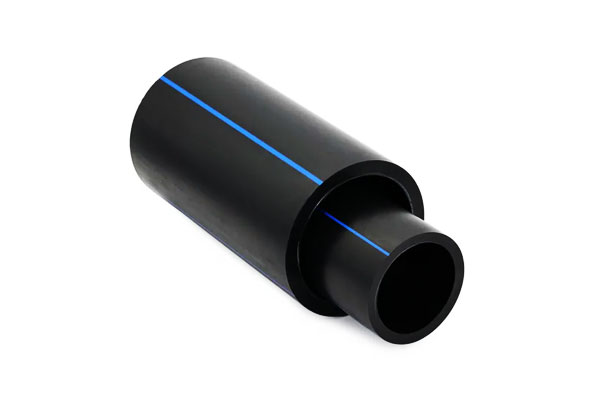
- HDPE: water and gas distribution piping, blow-moulded containers (milk bottles), geomembranes, rotomoulded tanks, komponenti strutturali.
- MDPE: gas distribution pipe, geomembranes.
- UHMWPE: wear strips, chutes and liners, sliding bearings, chain guides, orthopaedic implants (Komponenti tal-ġenbejn u tal-irkoppa), ballistic fibres (UHMWPE fibres like Dyneema® / Spectra®).
- XLPE: high-temperature pipe applications (hot water/industrial), insulazzjoni tal-kejbil.
7. Performance challenges and failure modes
Although chemically robust, PE has several known failure mechanisms to design against:
Environmental stress cracking (ESC)
- Definizzjoni: crack formation and propagation under stress in the presence of specific chemicals or surfactants.
PE’s most critical failure mode — stress levels below yield can cause cracking over time in contact with detergents, glycol, or some hydrocarbons. - Mitigazzjoni: choose ESC-resistant formulations, reduce residual/trapping stress (improve processing and anneal), avoid sharp notches and reduce sustained tensile stresses.
Creep and long-term deformation
- PE exhibits significant creep under sustained load, especially at elevated temperature.
Design for creep with safety factors; use HDPE, XLPE or select UHMW for reduced creep where needed.
UV / oxidative degradation
- Unstabilised PE degrades under UV and oxygen: surface chalking, embrittlement and loss of mechanical properties.
Stabilisation with UV absorbers, carbon black pigmentation and antioxidants is routine for outdoor applications.
Low stiffness at high temperature and dimensional limits
- PE’s modulus falls with temperature; for structural applications approaching service temperature limits select materials with higher stiffness or crosslinking to raise heat deflection.
Fusion / welding considerations (for piping)
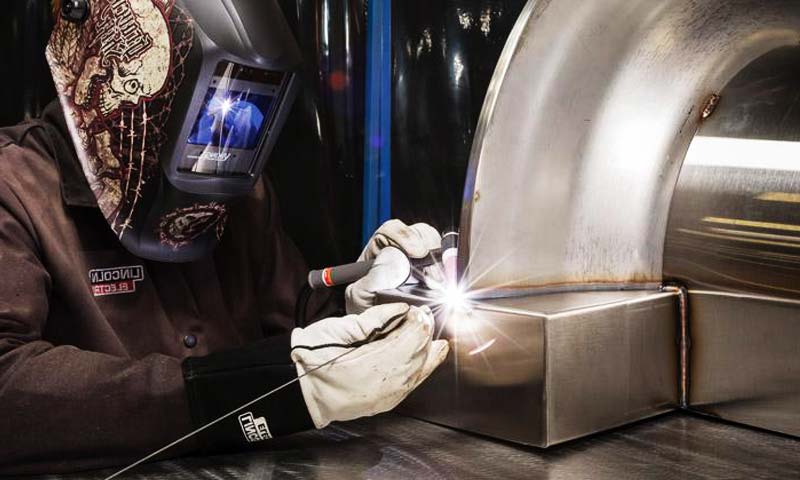
- HDPE piping is typically joined by butt fusion or electrofusion; poor welding leads to weak joints and premature failure — welding procedures and operator qualification are critical.
8. Ambjentali, recycling and sustainability aspects
- Riċiklamat: PE is highly recyclable (mechanical recycling); HDPE and LDPE are commonly reprocessed into packaging and non-critical products. PE is assigned recycling codes: #2 (HDPE) u #4 (LDPE).
- Limitazzjonijiet: kontaminazzjoni, mixed polymers and additives complicate recycling streams. UHMWPE and filled grades are more difficult to reprocess into high-value products.
- Biobased options: ethylene can be produced from bioethanol (bio-PE) with identical properties to fossil-based PE.
- Tmiem tal-ħajja: incineration with energy recovery and chemical recycling (depolymerisation) are technical options; lifecycle analysis depends on application and recovery rates.
- Tħassib ambjentali: microplastics generation from films and wear particles (E.g., from conveyor liners) requires consideration.
9. Comparative Analysis — Polyethylene (PE) vs. other common materials
It-tabella hawn taħt tqabbel PE with several materials engineers commonly consider as alternatives for parts, films, pipes or wear components.
| Proprjetà / Kriterju | PE (LDPE / HDPE) | PP (Polypropylene) | PVC (Riġidu) | POM / Aċetal | Najlon (PA6 / PA66) |
| Densità (g · cm⁻³) | 0.91–0.97 | 0.90–0.91 | 1.34–1.45 | ≈ 1.41 | 1.12–1.15 |
| Qawwa tat-tensjoni (MPA) | 8–37 (LD→HD) | 30–40 | 35–60 | 50–75 | 50–90 |
| Modulus ta’ Young (GPA) | 0.2–1.5 | 1.0–1.8 | 2.7–3.5 | 2.8–3.5 | 2.5–3.5 |
| Tidwib / usable temp (° C.) | Tm ~105–135 / use ≈ 65–110 | Tm ~160–170 / use ≈ 90–120 | Tg/softening ~75–80 / use ≈ 40–60 | Tm ~165–175 / use ≈ 80–100 | Tm ~215–265 / use ≈ 80–120 |
| Reżistenza kimika | Eċċellenti (aċidi, bażijiet, many solvents) | Tajjeb ħafna (similar to PE) | Tajjeb (aċidi, imluħa, many chemicals) | Tajjeb (Karburanti, żjut) | Tajjeb (idrokarburi, żjut) |
| Assorbiment ta 'umdità | Negliġibbli | Negliġibbli | Negliġibbli | ~ 0.2–0.3% | 1–3% (igroskopiku) |
Ilbies / friction behavior |
Tajjeb (HDPE better than LDPE) | Moderat | Moderat | Eċċellenti (frizzjoni baxxa, Ilbies baxx) | Tajjeb |
| Stabbiltà dimensjonali | Moderat (creep under load) | Moderat | Tajjeb | Eċċellenti | Moderat (affected by moisture) |
| Reżistenza UV (unstabilized) | Fqir (needs stabilizers) | Fqir | Aħjar (formulation dependent) | Fqir | Fqir |
| Proċessabilità | Eċċellenti (estrużjoni, blow, injezzjoni, rotomolding) | Eċċellenti | Tajjeb (but narrow processing window) | Tajjeb (injezzjoni, magni) | Tajjeb (requires drying before molding) |
| Riċiklamat | Tajjeb ħafna (HDPE/LDPE widely recycled) | Tajjeb ħafna | Limitat (chlorine content) | Limitat | Moderat |
| Applikazzjonijiet tipiċi | Films, bottles, pajpijiet, Tankijiet, Liners | Trim tal-Karozzi, ċappetti, kontenituri | Pajpijiet, window profiles, Fittings | Gerijiet ta 'preċiżjoni, boxxli, valvi | Gerijiet, bearings, housings, tubi |
10. Konklużjonijiet
Polyethylene is a versatile thermoplastic family whose different grades cover a very wide span of mechanical and processing behaviours.
PE’s strengths are chemical resistance, Proċessabilità, low cost and a capability range from flexible films to ultra-tough sliding parts.
The most common engineering pitfalls are environmental stress cracking, creep and UV degradation — each addressable through grade selection, stabilisation and design.
For most industrial designers, PE remains an economical and robust choice when its limitations are understood and managed through specification and testing.
FAQs
What is the difference between LDPE and HDPE?
LDPE has more chain branching, lower crystallinity and lower density (≈0.91–0.925 g/cm³) → softer, more flexible films.
HDPE has little branching, higher crystallinity (≈0.94–0.97 g/cm³) → stiffer, stronger parts and pipe.
Why does PE crack under mild chemicals sometimes?
That is environmental stress cracking (ESC): certain surfactants and detergents promote slow crack growth under tensile stress. Selecting ESC-resistant grades and reducing stress concentrations mitigates the risk.
Can PE be used for pressure piping?
Yes — HDPE and MDPE are widely used for potable water and gas distribution. Proper fusion welding and qualified materials/processes are essential.
When should I choose UHMWPE?
Choose UHMWPE when very high abrasion resistance, low friction and impact toughness are required (conveyor liners, Ilbes pads, sliding bearings, certain medical implants).
Is polyethylene recyclable?
IVA: HDPE and LDPE are among the most recycled plastics, but contamination and mixed polymers influence recycling quality.
Mechanical recycling and emerging chemical recycling routes are both used.