Materjal tan-najlon (poliamide) hija waħda mill-familji l-aktar użati ta 'polimeri ta' inġinerija.
Mill-introduzzjoni kummerċjali tagħha fis-snin tletin bħala fibra tat-tessuti, il-kimika u l-ipproċessar tan-najlon evolvew fi pjattaforma versatili użata għall-fibri, films, komponenti ta 'inġinerija ffurmati u komposti ta' prestazzjoni għolja.
Dan l-artikolu jipprovdi teknika, analiżi multi-perspettiva tan-najlon: dak li huwa kimikament, gradi prinċipali tagħha, imġieba fiżika u mekkanika ewlenija, rotot tal-ipproċessar, Vantaġġi u limitazzjonijiet, applikazzjonijiet komuni, kwistjonijiet ta’ sostenibbiltà, u direzzjonijiet futuri.
1. X'inhu Nylon?
Materjal tan-najlon huwa l-isem kummerċjali użat komunement għal familja ta 'sintetiċi poliamide polimeri.
Żviluppat fis-snin tletin bħala l-ewwel fibra kompletament sintetika, tan-najlon issa jeżisti f'żewġ flussi kummerċjali wesgħin: fibri tat-tessuti (fibra tan-najlon u filament) u termoplastiku tal-inġinerija (poliamidi iffurmati bl-injezzjoni u estrużi).
Bħala klassi materjali, nylons jgħaqqdu Qawwa mekkanika tajba, ebusija, reżistenza għall-brix u reżistenza kimika bi proċessabilità wiesgħa (għażil, estrużjoni, iffurmar ta 'injezzjoni), li jagħmilhom kullimkien madwar it-tessuti, oġġetti tal-konsumatur u applikazzjonijiet ta 'inġinerija industrijali.
2. Struttura kimika u gradi kummerċjali prinċipali
Kimika bażika
In-nylons huma poliamidi ffurmati billi jirrepetu bonds amide (–CO–NH–) f'sinsla polimeru.
Id-differenzi bejn il-gradi jinqalgħu mill-monomeri użati u l-ispazjar tal-unità ripetuta li jirriżulta, li jikkontrolla l-kristallinità, punt tat-tidwib u stabbiltà idrolitika.
Gradi kummerċjali komuni (abbrevjazzjonijiet u noti qosra)
- PA6 (polycaprolactam / najlon 6): magħmul mill-polimerizzazzjoni tal-ftuħ taċ-ċirku ta 'caprolactam. Tebbieq tajjeb, punt tat-tidwib kemmxejn aktar baxx minn PA66; użat ħafna għal partijiet iffurmati u fibri.
- PA66 (poly(hexamethylene adipamide) / najlon 66): prodotta mill-kondensazzjoni ta 'aċidu adipiku u hexamethylenediamine.
Punt ta 'tidwib ogħla u ebusija u reżistenza tas-sħana kemmxejn ogħla minn PA6. - PA11 / PA12 (nylons b'katina twila): assorbiment aktar baxx ta 'ilma u prestazzjoni aħjar kimika/temperatura baxxa; spiss jintuża għat-tubi, linji tal-fjuwil u partijiet flessibbli. PA11 jista 'jsir minn materja prima b'bażi bijoloġika (żejt tar-riġnu).
- Kopoliamidi (E.g., PA6/66 taħlitiet): kummerċ off proprjetajiet; proċessabilità mtejba jew stabbiltà idrolitika.
- Poliamidi speċjali: nylons b'temperatura għolja (E.g., PA46), poliamidi aromatiċi jew semi-aromatiċi (prestazzjoni ogħla, spiża ogħla).
3. Proprjetajiet fiżiċi u mekkaniċi tipiċi (firxiet tipiċi)
It-tabella hawn taħt tagħti firxiet ta 'inġinerija tipiċi għal mhux mimlija (pulita) nylons kummerċjali. Il-valuri attwali jiddependu fuq il-grad, kondizzjonament (Kontenut ta 'umdità), u l-metodu tat-test.
| Proprjetà | Firxa tipika (pulita PA6 / PA66) | Nota prattika |
| Densità (g · cm⁻³) | 1.12–1.15 | PA6 ≈1.13; PA66 ≈1.14 |
| Qawwa tat-tensjoni (MPA) | 50–90 | Ogħla għal PA66; mili tal-ħġieġ tgħolli għal 100–200+ MPa |
| Modulus ta’ Young (GPA) | 2.5–3.5 | Żidiet bil-mili tal-ħġieġ |
| It-titwil fil-waqfa (%) | 20–150 | Duttili ħafna meta niexef; jonqos bil-ħġieġ |
| Izod intaljat (Kj juri mat) | 20–80 | Toughness ta 'impatt tajjeb |
| Punt tat-tidwib (° C.) | PA6: ~215–220; PA66: ~255–265 | Ipproċessa u uża implikazzjonijiet tat-temp |
| Transizzjoni tal-ħġieġ (° C.) | ≈ 40–70 | L-umdità u l-kristallinità jaffettwaw Tg |
| Assorbiment tal-ilma (ekwilibriju, wt%) | 0.5–3.0 (jiddependi fuq RH & grad) | PA6 tipikament 1.5–2.5% at 50% RH; PA12/11 ferm aktar baxxi |
| HDT (1.82 MPA) (° C.) | 60–120 (pulita) | Il-mili tal-ħġieġ jgħolli l-HDT b'mod sinifikanti |
Nota tad-Disinn: proprjetajiet mekkaniċi elenkati hawn fuq huma għal niexef raża; l-ekwilibriju tal-umdità tipikament inaqqas il-modulu u jżid it-toughness—għalhekk id-dejta tat-test kondizzjonata għandha tintuża għad-disinn.
4. Imġieba termali u stabbiltà dimensjonali
- Imġieba tat-tidwib: PA6 u PA66 huma semi-kristallini; il-kristallinità għolja tagħhom tagħti saħħa u reżistenza termali iżda wkoll jinxtorob anisotropiku.
- Temperatura utli ta 'servizz kontinwu: tipikament sa 80–120 °C għal gradi mhux mimlija; gradi mimlijin bil-ħġieġ jew stabbilizzati bis-sħana jestendu t-temperatura użabbli.
- Stabbiltà dimensjonali: Inxtorob anisotropiku waqt l-iffurmar u nefħa igroskopika huma l-muturi ewlenin tal-bidla dimensjonali.
Id-disinjaturi għandhom iqisu kemm it-tnaqqis tal-ipproċessar kif ukoll l-espansjoni kkaġunata mill-umdità f'munzelli ta 'tolleranza.
5. It-teħid ta' umdità u l-effetti tagħha — ir-restrizzjoni prattika li tiddefinixxi
L-umdità hija l-aktar konsiderazzjoni prattika importanti għall-materjal tan-najlon.
Mekkaniżmu & kobor
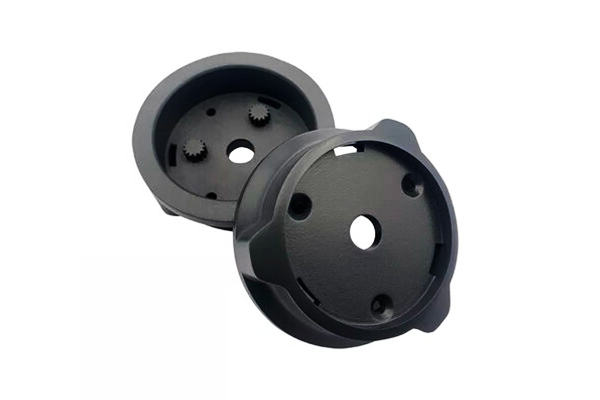
- In-najlon jassorbi l-ilma permezz ta 'diffużjoni f'reġjuni amorfi; kontenut ta 'ekwilibriju jiddependi fuq l-umdità relattiva u t-temperatura.
- It-teħid ta' ilma tipiku ta' ekwilibriju: PA6 ~ 1.5–2.5 wt% (kundizzjonijiet tal-kamra), PA66 kemmxejn ogħla; PA11/PA12 << 1% (vantaġġ tan-najlon ta 'katina twila).
Effetti fuq il-proprjetajiet
- L-ebusija u s-saħħa jonqsu peress li l-ilma jaġixxi bħala plastiċizzant (modulu 'l isfel 10-30% fl-ekwilibriju).
- It-toughness u t-titwil spiss jiżdiedu, tnaqqis tal-fraġilità.
- Bidla dimensjonali (nefħa) jista’ jkun sinifikanti (mijiet ta' µm għal partijiet żgħar) u għandhom jiġu akkomodati bid-disinn jew wara l-kondizzjonament.
- Implikazzjonijiet tal-ipproċessar: partijiet iffurmati għandhom ikunu kkundizzjonati għall-umdità tas-servizz mistennija qabel l-ispezzjoni finali; it-tnixxif qabel l-iffurmar huwa essenzjali biex tiġi evitata l-idroliżi (qass tal-katina) fit-tidwib.
Regoli prattiċi
- Għal partijiet dimensjonali kritiċi, speċifika protokoll ta’ kondizzjonament (E.g., niexef: 0.05% umdità, ikkundizzjonat: 23°C/50% RH sal-ekwilibriju).
- Ikkunsidra nylons b'katina twila (PA11/PA12) jew gradi mimlija biex titnaqqas l-igroskopiċità.
6. Reżistenza kimika u proprjetajiet elettriċi
- Reżistenza kimika: nylons jirreżistu idrokarburi, żjut, grassijiet u ħafna solventi.
Huma attakkat minn aċidi qawwija, ossidanti qawwija u xi solventi aloġenati—speċjalment f'temperatura elevata.
Il-kompatibilità tal-fjuwil u l-idrawlika tiddependi fuq il-kundizzjonijiet tal-grad u tal-espożizzjoni; immersjoni fit-tul teħtieġ validazzjoni. - Proprjetajiet elettriċi: insulazzjoni elettrika tajba meta niexef; kostanti dielettrika u telf tanġent bidla bl-umdità, għalhekk l-applikazzjonijiet elettriċi jeħtieġu ambjenti kkontrollati mill-umdità jew inkapsulament ermetiku.
7. Metodi ta' proċessar u manifattura
Proċessi komuni
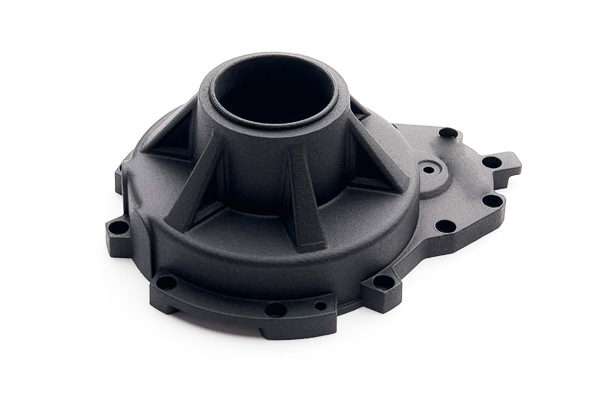
- Iffurmar tal-injezzjoni: dominanti għal forom kumplessi u volum għoli. Ipproċessar temp tat-tidwib: PA6 ~ 230–260°C; PA66 ~ 260–280 °C (punti tal-bidu — valida għal kull grad).
Il-forom tipikament jinżammu sħun (60–90 °C) biex tikkontrolla l-kristallizzazzjoni u tnaqqas is-sink. - Estrużjoni: vireg, tubi, profili u films.
- Blow molding/termoforming: Għal gradi speċifiċi (tubi PA12, linji tal-fjuwil).
- Fibra għażil: fibri tan-najlon għat-tessuti u tejps industrijali.
- Magni: najlon jistgħu jiġu mmaxinjati minn stokk estruż; il-ġeometrija tal-għodda u l-kontroll taċ-ċippa huma importanti minħabba d-duttilità.
Kontrolli ewlenin tal-ipproċessar
- Tnixxif: materjal tan-najlon għandu jkun imnixxef (umdità fil-mira tipika <0.2%) qabel l-ipproċessar tad-dewweb biex jipprevjeni l-idroliżi u finitura ħażina tal-wiċċ; l-iskedi tat-tnixxif ivarjaw (E.g., 80–100 °C għal diversi sigħat).
- Stabbiltà tad-dewweb: tevita ħin ta 'residenza eċċessiv u shear għoli biex tevita d-degradazzjoni.
- Disinn tal-bieb/fluss: jimmaniġġjaw il-linji tal-weldjatura u jimminimizzaw l-orjentazzjoni li twassal għal anisotropija tal-proprjetà.
8. Nylons rinfurzati u speċjali
Fillers u kopolimerizzazzjoni jfasslu l-prestazzjoni tal-materjal tan-najlon:
- Nylons mimlijin bil-ħġieġ (20–50% GF): iżid il-modulu u l-istabbiltà dimensjonali, jgħollu HDT, iżda tnaqqas it-toughness ta 'l-impatt u żżid l-ilbies li joborxu fuq il-partijiet tat-tgħammir.
- Fillers minerali (talc, maca): żieda moderata ta 'ebusija u reżistenza mtejba tal-creep.
- Gradi lubrikati PTFE jew grafita: koeffiċjent ta 'frizzjoni aktar baxx u tnaqqas l-użu fl-applikazzjonijiet li jiżżerżqu.
- Ritardant tal-fjammi, Gradi stabbilizzati bl-UV u stabilizzati bl-idroliżi huma disponibbli għal ambjenti eżiġenti.
- Taħlitiet tal-poliamide u kopolimeri (E.g., PA6/PA66, PA6T) jottimizza l-proċessabilità u l-prestazzjoni termali.
9. Vantaġġi u Limitazzjonijiet tal-Materjal tan-Nylon
Vantaġġi tan-nylon
- Saħħa għolja u ebusija
Is-saħħa tat-tensjoni tipika tvarja minn 50–90 MPa (gradi pulita), b'reżistenza għall-impatt eċċellenti u prestazzjoni tal-għeja. - Ilbes tajjeb u reżistenza għall-brix
Speċjalment effettivi fl-irkaptu, boxxli, u komponenti li jiżżerżqu; gradi lubrikati jtejbu aktar l-imġieba triboloġika. - Ħfief b'ebusija tajba
Id-densità hija baxxa (~ 1.13–1.15 g/cm³), filwaqt li l-ebusija tista 'tiżdied b'mod sinifikanti bl-użu ta' fillers tal-ħġieġ jew minerali. - Reżistenza kimika
Reżistenti għaż-żjut, Karburanti, u ħafna idrokarburi, jagħmlu n-najlon adattat għal ambjenti awtomotivi u industrijali. - Cost-effettiv u faċli biex tipproċessa
Kompatibbli mal-iffurmar tal-injezzjoni u l-estrużjoni, b'firxa wiesgħa ta 'gradi disponibbli kummerċjalment. - Personalizzabbli ħafna
Il-propjetajiet jistgħu jiġu mfassla apposta permezz ta 'fillers, rinforzi, Stabilizzaturi, u lubrikanti.
Limitazzjonijiet tan-nylon
- Assorbiment ta 'umdità (limitazzjoni ewlenija)
In-najlon huwa igroskopiku; assorbiment ta' umdità (tipikament 1–3 wt%) inaqqas l-ebusija u s-saħħa u jikkawża bidliet dimensjonali. - Limiti tat-temperatura
It-temperaturi ta 'servizz kontinwu huma normalment taħt 120°C għal gradi standard; proprjetajiet jiddegradaw f'temperaturi ogħla. - Creep taħt tagħbija sostnuta
Tagħbijiet fit-tul, speċjalment f'temperatura jew umdità elevati, jista 'jwassal għal deformazzjoni. - Instabilità dimensjonali
Struttura semi-kristallina u sensittività għall-umdità jistgħu jikkawżaw warpage u drift tat-tolleranza. - Sensittività kimika
Reżistenza fqira għal aċidi qawwija, ossidanti, u xi solventi aggressivi. - Sensittività tal-ipproċessar
Jeħtieġ tnixxif bir-reqqa qabel l-iffurmar biex jipprevjeni l-idroliżi u t-telf ta 'proprjetajiet mekkaniċi.
10. Applikazzjonijiet ta 'Materjal tan-Nylon
- Automotive: Manifolds tad-dħul (PA6/6T), linji tal-fjuwil u tal-brejk (PA11/PA12), għata tal-magni, gerijiet u berings.
- Makkinarju Industrijali: boxxli, rombli, Ilbes pads, Komponenti tal-conveyor.
- Oġġetti għall-konsumatur & apparat: gerijiet, ċappetti, Qafliet, lanżit tax-xkupilji tas-snien (fibri).
- Elettriku & elettronika: irbit tal-kejbil, konnetturi (meta l-umdità tkun ikkontrollata).
- Tessuti u komposti: fibri, ċwiemi, u matriċi komposti rinfurzati.
- Mediku: PA12 użat għal xi apparat mediku (japplikaw kunsiderazzjonijiet ta' bijokompatibilità u sterilizzazzjoni).
11. Tqabbil ma 'plastiks ta' inġinerija oħra
| Proprjetà / Kriterju | Najlon (PA6 / PA66) | POM (Aċetal) | Ptfe (Teflon) | PEEK | PBT | UHMW-OR |
| Densità (g · cm⁻³) | 1.12–1.15 | ≈1.40–1.42 | ≈2.10–2.16 | ≈1.28–1.32 | ≈1.30–1.33 | ≈0.93–0.95 |
| Qawwa tat-tensjoni (MPA) | 50–90 | 50–75 | 20–35 | 90–110 | 50–70 | 20–40 |
| Modulus ta’ Young (GPA) | 2.5–3.5 | 2.8–3.5 | 0.3–0.6 | 3.6–4.1 | 2.6–3.2 | 0.8–1.5 |
| Tidwib / temperatura tas-servizz tipiku (° C.) | Tm ≈215 (PA6) / servizz ≈80–120 | Tm ≈165–175 / servizz ≈80–100 | Tm ≈327 / servizz sa ≈260 (limiti mekkaniċi) | Tm ≈343 / servizz ≈200–250 | Tm ≈220–225 / servizz ≈120 | Tm ≈130–135 / servizz ≈80–100 |
| It-teħid tal-ilma (wt%, eq.) | ≈1.5–2.5% (PA6) | ≈0.2–0.3% | ≈0% | ≈0.3–0.5% | ≈0.2–0.5% | ≈0.01–0.1% |
| Koeffiċjent tal-frizzjoni (niexef) | 0.15–0.35 | 0.15–0.25 | 0.04–0.15 (baxx ħafna) | 0.15–0.4 | 0.25–0.35 | 0.08–0.20 |
| Ilbies / triboloġija | Tajjeb (jitjiebu bil-mili) | Eċċellenti (gerijiet/boxxli) | Fqir (titjieb bil-mili) | Eċċellenti (mimlija l-aħjar) | Tajjeb | Eċċellenti (reżistenti għall-brix) |
| Reżistenza kimika | Tajjeb għall-idrokarburi; aċidi/ossidanti fqar għal qawwija | Tajjeb għall-fjuwils/solventi | Pendenti (kważi universali) | Eċċellenti (midja aggressiva) | Tajjeb | Tajjeb ħafna |
Makkinabilità |
Tajjeb (makkinarju) | Eċċellenti | Ġust (magni minn billetta) | Tajjeb (iebsa iżda magni) | Tajjeb | Sfida (Gummy) |
| Stabbiltà dimensjonali | Moderat (igroskopiku) | Tajjeb ħafna (igroskopiku baxx) | Eċċellenti | Eċċellenti | Tajjeb | Tajjeb ħafna |
| Applikazzjonijiet tipiċi | Gerijiet, bearings, housings, tubi (PA11/12) | Gerijiet, boxxli ta' preċiżjoni, komponenti tal-fjuwil | Siġilli, inforor kimiċi, uċuħ ta’ frizzjoni baxxa | Berings ta 'temperatura għolja, aerospazjali, Impjanti mediċi | Konnetturi elettriċi, housings | Liners, Ilbes pads, Komponenti tal-conveyor |
| Ħjiel ta 'għażla ta' malajr | Agħżel meta t-toughness u l-ispiża huma importanti; jimmaniġġja l-umdità | Agħżel għall-preċiżjoni, partijiet mekkaniċi ta 'frizzjoni baxxa | Agħżel jekk inertness kimika & huma meħtieġa l-inqas µ | Agħżel għal temperatura għolja & partijiet kritiċi ta 'tagħbija għolja | Agħżel għal stabbiltà dimensjonali tajba u faċilità tal-iffurmar | Agħżel fejn huma meħtieġa reżistenza estrema għall-brix u impatt |
12. Sostenibbiltà, riċiklaġġ u kwistjonijiet regolatorji
- Riċiklaġġ: Materjal tan-najlon huwa mekkanikament riċiklabbli; PA reklamat jista' jiġi degradat għal użu inqas kritiku.
Depolimerizzazzjoni (riċiklaġġ kimiku) rotot jeżistu u qed jiżviluppaw industrijalment—jistgħu jirkupraw il-monomeru (caprolactam) jew materja prima oħra. - Għażliet ibbażati fuq il-bijo: PA11 (minn żejt tar-riġnu) u PA610/1010 (parzjalment ibbażati fuq il-bijo) tnaqqas id-dipendenza fuq il-materja prima fossili.
- Regolatorju: kuntatt mal-ikel u użu mediku jeħtieġu ċertifikazzjoni tal-grad (FDA, Eu) u l-konformità mal-ittestjar tal-materjali estratti/lissija fejn xieraq.
- Tħassib ambjentali: valutazzjoni taċ-ċiklu tal-ħajja tvarja skont il-grad u l-mili; il-mili u l-kontenut tal-ħġieġ jaffettwaw ir-riċiklabbiltà u l-enerġija inkorporata.
13. Konklużjonijiet u rakkomandazzjonijiet prattiċi
Najlon (poliamide) huwa matur, Familja ta 'polimeru ta' inġinerija versatili li tibbilanċja s-saħħa, toughness u reżistenza għall-ilbies bi proċessabilità ekonomika.
Il-paletta wiesgħa ta 'kimiċi - minn PA6 u PA66 għal PA11 u PA12 - flimkien ma' fillers u modifikaturi, jippermetti rfinar għal applikazzjonijiet li jkopru t-tessuti għal sistemi tal-karozzi ta' prestazzjoni għolja.
L-isfidi prinċipali tal-inġinerija huma l-ġestjoni tal-umdità u s-suxxettibilità kimika f'ambjenti aggressivi; dawn huma indirizzati b'għażla xierqa tal-grad (nylons b'katina twila), fillers, konċessjonijiet għat-tnixxif u d-disinn.
Avvanzi kontinwi fir-riċiklaġġ, bio-feedstocks u teknoloġija komposta qed jestendu l-pakkett tas-sostenibbiltà u l-applikazzjoni tan-najlon.
FAQs
Huwa PA6 jew PA66 aħjar?
PA66 tipikament joffri punt tat-tidwib ogħla, ebusija kemmxejn ogħla u reżistenza aħjar għall-creep; PA6 huwa aktar faċli biex jiġi pproċessat u jista 'jkun aktar iebsa. Agħżel ibbażat fuq it-temperatura u r-restrizzjonijiet tal-ipproċessar.
Kif għandi nispeċifika najlon għall-kontroll dimensjonali?
Speċifika l-istat ta 'kondizzjonament għall-ispezzjoni (E.g., “ikkundizzjonat biex 23 ° C., 50% RH sal-ekwilibriju”), u jipprovdu tolleranzi li jammontaw għal nefħa umdità u anisotropija molding.
Jista 'jintuża materjal tan-najlon fil-linji tal-fjuwil?
Iva—PA11 u PA12 huma komuni għall-fjuwil u t-tubi idrawliċi minħabba l-assorbiment baxx ta 'umdità u reżistenza kimika tajba. Dejjem vvalida bil-fluwidu u t-temperatura speċifiċi.
Huma nylons mimlija bil-ħġieġ riċiklabbli?
Mekkanikament, IVA, iżda l-kontenut tal-ħġieġ jibdel il-viskożità tad-dewweb u ż-żamma tal-proprjetà; najlon mimli ħġieġ riċiklat huwa tipikament użat f'applikazzjonijiet inqas impenjattivi sakemm ma jiġix riċiklat kimikament.
Kif nipprevjeni l-idroliżi waqt l-iffurmar?
Nixxef sew ir-reżina skont l-ispeċifikazzjoni tal-fornitur u tillimita l-ħin tar-residenza tat-tidwib u t-temperaturi tal-bittija eċċessivi.