1. Pengenalan
Pembuatan sentiasa menjadi penggerak di sebalik kemajuan perindustrian, tetapi dalam era kejuruteraan maju hari ini, hanya menghasilkan bahagian tidak lagi mencukupi.
Industri moden memerlukan komponen yang bukan sahaja berfungsi tetapi juga sangat tepat, sangat konsisten, dan mampu melaksanakan tugas dengan pasti dalam keadaan operasi yang semakin mencabar.
Sama ada mengeluarkan bilah turbin enjin jet, implan pembedahan, wafer semikonduktor, atau badan injap tekanan tinggi, malah sisihan dimensi mikroskopik boleh menjejaskan prestasi produk, mengurangkan hayat perkhidmatan, atau membawa kepada kegagalan sistem bencana.
Permintaan untuk toleransi yang semakin ketat ini telah menimbulkan pembuatan ketepatan—satu disiplin pembuatan yang sangat khusus
yang mengintegrasikan alat mesin canggih, automasi pintar, teknologi pengukuran yang canggih, Sains Bahan, dan pengurusan kualiti yang rapi untuk menghasilkan komponen dengan ketepatan dimensi yang luar biasa dan kebolehulangan.
Tidak seperti pembuatan konvensional, yang terutamanya memberi tumpuan kepada menghasilkan bahagian yang memenuhi keperluan fungsi asas, pembuatan ketepatan menekankan mengawal setiap pembolehubah sepanjang proses pengeluaran.
Daripada pemilihan bahan dan perancangan proses kepada pemesinan, pemeriksaan, dan Perhimpunan Akhir, setiap langkah dioptimumkan untuk meminimumkan variasi dan memastikan setiap komponen mematuhi spesifikasi kejuruteraan dengan tepat.
2. Apa Itu Pembuatan Ketepatan?
Pembuatan ketepatan ialah disiplin mereka bentuk dan menghasilkan komponen dengan tahap ketepatan dimensi yang sangat tinggi, ketekalan geometri, dan integriti permukaan melalui proses pembuatan yang dikawal ketat.
Ia menggabungkan jentera canggih, teknologi digital, kejuruteraan mahir, dan jaminan kualiti yang ketat untuk memastikan bahawa setiap bahagian yang dikilangkan menepati dengan tepat spesifikasi reka bentuk yang dimaksudkan.
Dari sudut kejuruteraan, pembuatan ketepatan tidak ditakrifkan oleh satu proses pengeluaran.
Sebaliknya, ia dicirikan oleh keupayaan untuk mengeluarkan komponen berulang kali dalam toleransi yang sangat sempit sambil mengekalkan kualiti yang konsisten merentas prototaip volum rendah dan pengeluaran volum tinggi sama..
Tidak seperti pembuatan konvensional, di mana penyelewengan dalam had toleransi yang agak luas mungkin boleh diterima, pembuatan ketepatan berusaha untuk meminimumkan variasi pada setiap peringkat pengeluaran.
Setiap faktor—termasuk ketegaran mesin, Kestabilan terma, keadaan perkakas, ketepatan lekapan, sifat bahan, Parameter pemotongan, dan keadaan persekitaran—dikawal dengan teliti untuk mencapai keputusan yang boleh diramal dan berulang.
Ciri-ciri Teras Pembuatan Ketepatan
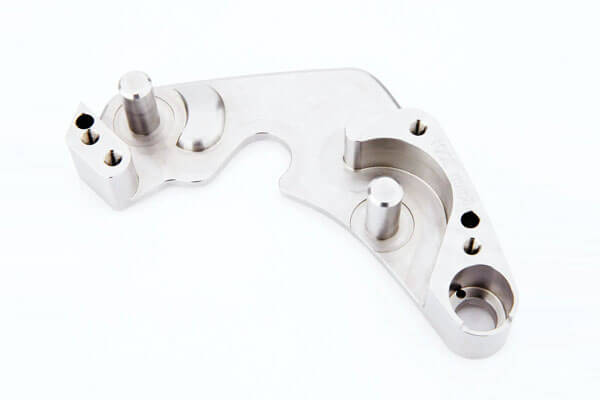
Pengilangan ketepatan dibezakan oleh beberapa ciri penentu yang secara kolektif memastikan kualiti produk yang unggul dan kebolehpercayaan proses.
Ketepatan dimensi yang luar biasa
Objektif utama pembuatan ketepatan adalah untuk menghasilkan komponen yang hampir sepadan dengan dimensi nominalnya.
Alat mesin berketepatan tinggi, sistem perkakas canggih, dan peralatan pengukuran yang canggih digunakan untuk meminimumkan sisihan dimensi.
Toleransi Geometri yang Ketat
Selain saiz, pembuatan ketepatan mengawal ciri geometri seperti:
- Kebosanan
- Bulat
- silinder
- Concentricity
- Perpendicularity
- Paralelisme
- Ketepatan kedudukan
- Profil permukaan
Mengekalkan ciri-ciri ini adalah penting untuk pemasangan yang memerlukan penjajaran sempurna dan gerakan mekanikal yang lancar.
Kemasan permukaan unggul
Banyak komponen ketepatan memerlukan permukaan yang sangat licin untuk mengurangkan geseran, meningkatkan prestasi pengedap, meningkatkan rintangan keletihan, atau memenuhi keperluan optik.
Nilai kekasaran permukaan biasa berjulat dari:
- Ra 1.6 μm untuk pemesinan ketepatan am
- Ra 0.8 μm untuk permukaan pengedap
- Ra 0.2 μm atau lebih rendah untuk aplikasi optik dan perubatan
Proses kemasan lanjutan seperti pengisaran, mengasah, Lapping, menggilap, dan superfinishing kerap digunakan untuk mencapai keperluan ini.
Kebolehulangan Cemerlang
Pembuatan ketepatan menekankan ketekalan proses dan bukannya ketepatan terpencil.
Setiap bahagian yang dihasilkan hendaklah mempamerkan dimensi dan sifat yang hampir sama tanpa mengira kumpulan pengeluaran atau tarikh pembuatan.
Kebolehulangan adalah penting untuk sistem pemasangan automatik dan komponen yang boleh ditukar ganti.
Keupayaan Proses Stabil
Keupayaan proses yang tinggi dicapai melalui:
- Penentukuran mesin
- Pampasan terma
- Pemantauan keadaan alat
- Pengoptimuman proses
- Kawalan kualiti statistik
Pengilang sering memantau indeks keupayaan proses seperti Cp dan Cpk untuk memastikan pengeluaran kekal dalam had toleransi yang ditetapkan.
Kebolehkesanan Lengkap
Pembuatan ketepatan moden mengintegrasikan kebolehkesanan pengeluaran yang komprehensif.
Setiap komponen boleh dikaitkan dengan:
- Sijil bahan
- Rekod rawatan haba
- Parameter pemesinan
- Laporan pemeriksaan
- Sejarah perkakas
- Maklumat pengendali
- Dokumentasi kualiti
Kebolehkesanan sedemikian amat penting dalam aeroangkasa, perubatan, dan industri automotif.
3. Prinsip Asas Pembuatan Ketepatan
Pembuatan ketepatan diasaskan pada satu set prinsip kejuruteraan yang mengawal ketepatan dimensi, kestabilan proses, dan kualiti produk tercapai.
Prinsip-prinsip ini memastikan sistem pembuatan secara konsisten menghasilkan komponen yang memenuhi keperluan prestasi yang ketat sambil meminimumkan variasi dan kecacatan.
Ketepatan lwn. Ketepatan
Walaupun sering digunakan secara bergantian dalam bahasa seharian, ketepatan dan ketepatan mempunyai makna yang berbeza dalam kejuruteraan pembuatan.
Ketepatan merujuk kepada sejauh mana dimensi yang dihasilkan sepadan dengan nilai reka bentuk yang dimaksudkan.
Proses yang sangat tepat menghasilkan bahagian yang sangat hampir dengan spesifikasi sasaran.
Ketepatan, Sebaliknya, menerangkan ketekalan atau kebolehulangan proses pembuatan.
Proses yang sangat tepat menghasilkan bahagian yang hampir sama berulang kali, walaupun terdapat sedikit penyelewengan sistematik daripada dimensi nominal.
Proses pembuatan yang ideal adalah tepat dan tepat, konsisten menghasilkan komponen yang memenuhi spesifikasi reka bentuk dengan variasi yang minimum.
Untuk mencapai keseimbangan ini memerlukan penentukuran yang rapi, kawalan proses, dan pemantauan berterusan.
Toleransi Kejuruteraan
Tiada proses pembuatan boleh menghasilkan dimensi yang sempurna. Sebaliknya, jurutera menentukan had variasi yang boleh diterima dikenali sebagai toleransi.
Pembuatan ketepatan dicirikan oleh keupayaannya untuk beroperasi dalam tingkap toleransi yang sangat ketat.
Kawalan toleransi melangkaui dimensi linear mudah dan termasuk:
- Toleransi dimensi
- Dimensi dan Toleransi Geometrik (Gd&T)
- Toleransi profil permukaan
- Toleransi kedudukan
- Bentuk toleransi
- Toleransi orientasi
- Toleransi kehabisan
Peruntukan toleransi yang betul memastikan komponen dipasang dengan betul sambil mengelakkan proses pembuatan yang tidak perlu mahal.
Integriti permukaan
Pembuatan ketepatan memberi tumpuan bukan sahaja pada dimensi tetapi juga pada pemeliharaan kualiti fungsi permukaan yang dikilangkan.
Integriti permukaan merangkumi pelbagai ciri, termasuk:
- Kekasaran permukaan
- Kegelombang permukaan
- Tekanan sisa
- Kekerasan mikro
- Perubahan mikrostruktur
- Kecacatan permukaan
Integriti permukaan berkualiti tinggi menyumbang kepada:
- Rintangan keletihan yang lebih baik
- Prestasi pengedap yang lebih baik
- Mengurangkan geseran
- Rintangan haus yang dipertingkatkan
- Peningkatan rintangan kakisan
Proses kemasan lanjutan sering digunakan untuk mengoptimumkan ciri permukaan untuk aplikasi yang menuntut.
Kestabilan proses
Ketepatan pembuatan jangka panjang bergantung pada mengekalkan keadaan pengeluaran yang stabil.
Faktor kritikal yang mempengaruhi kestabilan proses termasuklah:
- Ketegaran alat mesin
- Kawalan pengembangan terma
- Penindasan getaran
- Kehausan alat pemotong
- Ketepatan pegangan kerja
- Suhu persekitaran
- Prestasi penyejuk
- Penentukuran mesin
Daripada membetulkan kecacatan selepas ia berlaku, pembuatan ketepatan moden menekankan mencegah variasi melalui kawalan proses proaktif dan penambahbaikan berterusan.
Proses yang stabil akhirnya memberikan kualiti yang lebih tinggi, kos yang lebih rendah, dan kecekapan pembuatan yang lebih tinggi sambil memenuhi permintaan industri kejuruteraan maju yang semakin ketat.
4. Proses Pengilangan Ketepatan Utama
Pemesinan Ketepatan CNC
Kawalan berangka komputer (CNC) pemesinan ketepatan adalah salah satu proses pembuatan yang paling banyak digunakan dan serba boleh dalam industri moden.
Ia mengeluarkan bahan daripada bahan kerja pepejal menggunakan alat pemotong dikawal komputer untuk menghasilkan komponen yang sangat tepat dan kompleks dari segi geometri.
pemesinan CNC menyokong pelbagai jenis operasi—termasuk pengilangan, berpaling, penggerudian, membosankan, mengetuk, dan kontur berbilang paksi—dan mampu menghasilkan segala-galanya daripada bahagian mekanikal ringkas kepada komponen aeroangkasa dan perubatan yang sangat rumit.
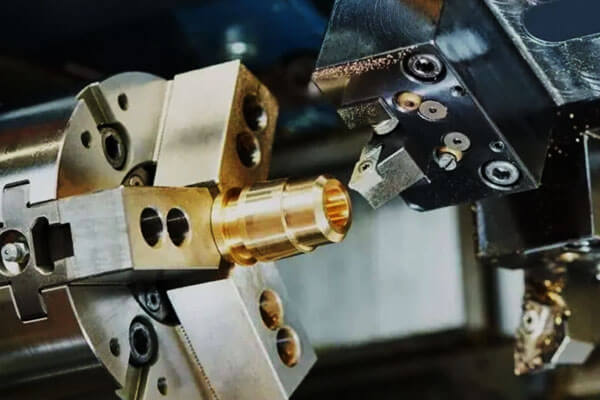
Tidak seperti pemesinan manual konvensional, Sistem CNC melaksanakan laluan alat yang diprogramkan dengan ketepatan dan konsistensi yang luar biasa, meminimumkan kesilapan manusia dan membolehkan pengeluaran berulang merentasi kumpulan pengeluaran kecil dan besar.
| Jenis pemesinan CNC | Keupayaan | Toleransi | Kemasan permukaan (Ra) |
| CNC Milling (3‑paksi, 5‑paksi) | Permukaan 3D yang kompleks, poket, kontur | ±0.005‑0.02 mm | 0.8‑1.6 µm |
| CNC beralih | Bahagian silinder, benang, Tapers | ±0.005‑0.02 mm | 0.8‑1.6 µm |
| CNC Grinding | Bahan keras; kemasan halus | ±0.001‑0.005 mm | 0.1‑0.4 µm |
| Jenis Swiss (berpaling + penggilingan) | Kecil, bahagian kompleks (± 0.01 mm) | ±0.005‑0.01 mm | 0.8‑1.6 µm |
| EDM berbilang paksi | Rongga kompleks, bahan yang dikeraskan | ±0.005‑0.02 mm | 0.4‑1.6 µm |
Pengisaran ketepatan
Pengisaran ketepatan ialah proses penamat yang menggunakan roda pengisar yang kasar untuk mengeluarkan sejumlah kecil bahan daripada bahan kerja, menghasilkan ketepatan dimensi yang luar biasa dan integriti permukaan yang unggul.
Ia biasanya dilakukan selepas pemesinan dan rawatan haba untuk mencapai dimensi akhir, meningkatkan ketepatan geometri, dan memperhalusi kemasan permukaan.

Kerana zarah kasar adalah jauh lebih keras daripada alat pemotong konvensional, pengisaran mampu memesin keluli keras, Seramik, karbida, dan bahan lain yang sukar dimesin dengan ketepatan yang luar biasa.
| Jenis pengisaran | Permohonan | Toleransi | Ra |
| Pengisaran permukaan | Permukaan rata, muka selari | ±0.001‑0.003 mm | 0.1‑0.4 µm |
| Pengisaran silinder | Aci, gulung, membawa jurnal | ±0.001‑0.003 mm | 0.1‑0.4 µm |
| Pengisaran tanpa pusat | Bahagian silinder volum tinggi | ±0.002‑0.005 mm | 0.2‑0.8 µm |
| Pengisaran dalaman | Diameter dalam | ±0.002‑0.005 mm | 0.2‑0.8 µm |
| Jig mengisar | Lubang ketepatan, kontur | ±0.001‑0.002 mm | 0.1‑0.2 µm |
Pemesinan Nyahcas Elektrik (EDM)
Pemesinan Nyahcas Elektrik (EDM) ialah proses pembuatan tanpa sentuhan yang mengeluarkan bahan pengalir elektrik melalui nyahcas elektrik terkawal antara elektrod dan bahan kerja.
Daripada bergantung pada daya pemotongan mekanikal, EDM menggunakan tenaga haba yang dihasilkan oleh percikan api frekuensi tinggi untuk menghakis bahan dengan ketepatan yang luar biasa.

Proses ini amat berharga untuk menghasilkan rongga yang rumit, sudut dalaman yang tajam, slot sempit, ciri-ciri mikro, dan geometri kompleks dalam bahan yang sangat keras yang sukar atau mustahil untuk dimesin secara konvensional.
| Jenis EDM | Permohonan | Toleransi | Ra |
| Sinker EDM | Acuan, mati, Cavities | ±0.005‑0.02 mm | 0.4‑1.6 µm |
| Wire EDM | Kontur, Tapers, lubang kecil | ±0.002‑0.01 mm | 0.4‑1.6 µm |
| EDM lubang kecil | Lubang penyejukan, lubang permulaan | ±0.005‑0.02 mm | 1.6‑3.2 µm |
Pembuatan Laser
Pengilangan laser menggunakan pancaran laser yang sangat pekat untuk memproses bahan melalui pemanasan setempat, lebur, pengewapan, atau ablasi.
Bergantung pada permohonan, laser boleh digunakan untuk memotong, penggerudian, kimpalan, ukiran, tekstur permukaan, pemesinan mikro, dan penandaan ketepatan.

Laser gentian moden, laser femtosaat ultra pantas, dan laser picosecond telah meluaskan secara mendadak keupayaan pemprosesan laser, membolehkan ciri yang sangat halus dengan kerosakan haba yang minimum.
| Proses laser | Permohonan | Saiz ciri | Toleransi |
| Pemotongan laser | Logam lembaran, tiub | Takik 0.1‑0.3 mm | ±0.02‑0.05 mm |
| Penggerudian laser | Lubang kecil pada bahan keras | 0.02‑1 mm | ±0.005‑0.02 mm |
| Penandaan laser / ukiran | Pengenalan, Hiasan | 0.01‑0.05 mm | ±0.01‑0.02 mm |
| Pemesinan mikro laser | Ciri-ciri halus pada bahagian kecil | 0.001‑0.05 mm | ±0.001‑0.005 mm |
| Kimpalan laser | Pencantuman ketepatan | 0.1‑1 mm kimpalan | ±0.02‑0.05 mm |
Pemutus Precision
Pemutus Precision merangkumi teknologi tuangan termaju yang mampu menghasilkan komponen logam berbentuk hampir bersih dengan ketepatan dimensi tinggi, Kemasan permukaan yang sangat baik, dan geometri kompleks.
Tidak seperti tuangan pasir konvensional, tuangan ketepatan meminimumkan elaun pemesinan dan dengan ketara mengurangkan penyingkiran bahan berikutnya.
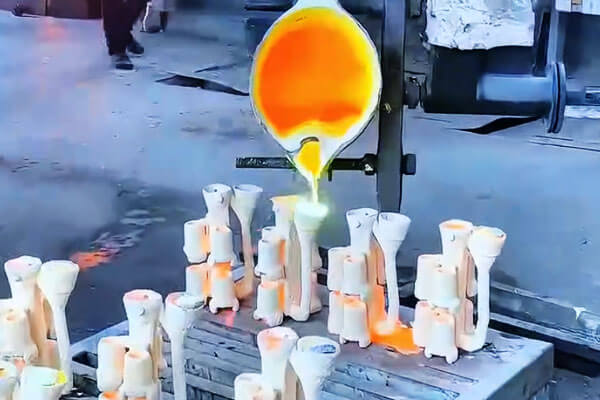
Pemutus pelaburan, Casting acuan shell, Lost Foam Casting, dan tuangan pasir ketepatan adalah antara proses tuangan ketepatan yang paling banyak digunakan.
| Proses Tuangan Ketepatan | Aplikasi biasa | Toleransi Dimensi Biasa* | Kemasan permukaan biasa (Ra) |
| Pelaburan Pelaburan (Casting-casting) | Komponen Aeroangkasa, badan injap rama-rama, bahagian pam, implan perubatan, bilah turbin | ±0.10–0.30 mm setiap 25 mm | 1.6-6.3 μm |
| Pemutus acuan seramik | Komponen automotif, bahagian jentera, perumahan ketepatan, pendesak | ±0.20–0.50 mm setiap 25 mm | 3.2-12.5 μm |
| Casting acuan shell | Badan injap, Perumahan gear, casing pam, komponen hidraulik, bahagian automotif | ±0.20–0.50 mm setiap 25 mm | 3.2-6.3 μm |
| Tuangan Pasir Ketepatan | Injap perindustrian yang besar, casing pam, peralatan perlombongan, jentera berat | ±0.30–0.80 mm setiap 25 mm | 6.3-25 μm |
| Lost Foam Casting (Tuangan Acuan Penuh) | Blok enjin, kepala silinder, perumahan pam kompleks, bahagian struktur automotif | ±0.30–0.80 mm setiap 25 mm | 6.3-12.5 μm |
| Pemutus acuan kekal (Gravity Die Casting) | Komponen injap aluminium, bahagian automotif, perumahan elektrik | ±0.15–0.50 mm setiap 25 mm | 1.6-6.3 μm |
| Casting mati tekanan rendah | Roda automotif, perumah aluminium, bahagian struktur aeroangkasa | ±0.15–0.40 mm setiap 25 mm | 1.6-3.2 μm |
| Pemutus Pelaburan Vakum | Komponen turbin aeroangkasa, implan perubatan, bahagian keluli tahan karat dan titanium berprestasi tinggi | ±0.10–0.20 mm setiap 25 mm | 0.8-3.2 μm |
Ketepatan penempaan
Penempaan ketepatan ialah proses pembentukan logam di mana daya mampatan dikawal dengan teliti membentuk logam yang dipanaskan atau sejuk menjadi komponen bentuk hampir bersih dengan sifat mekanikal yang luar biasa dan ketekalan dimensi..
Tidak seperti pemutus, penempaan memperhalusi struktur butiran bahan melalui ubah bentuk plastik, dengan ketara meningkatkan kekuatan dan rintangan keletihannya.
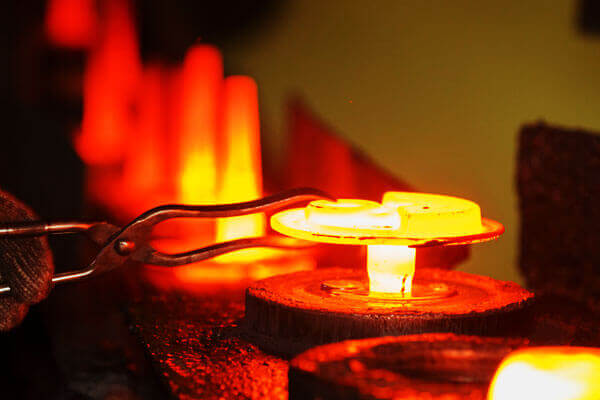
Penempaan ketepatan moden menggabungkan reka bentuk cetakan termaju, simulasi komputer, dan sistem pengeluaran automatik untuk meminimumkan sisa bahan sambil memaksimumkan prestasi komponen.
| Jenis penempaan | Toleransi | Kemasan permukaan | Produk tipikal |
| Penempaan ketepatan panas/panas | ±0.1‑0.3 mm | 1.6‑6.3 µm | Gear, aci, Menyambung rod |
| Penempaan ketepatan sejuk | ±0.05‑0.1 mm | 0.8‑3.2 µm | Pengikat, splines, Bearing Races |
Pembuatan Aditif
Pembuatan Aditif, biasanya dikenali sebagai 3D percetakan, ialah teknologi pembuatan termaju yang membina komponen lapisan demi lapisan terus daripada model tiga dimensi digital.
Tidak seperti pembuatan tolak, yang mengeluarkan bahan daripada bahan kerja pepejal, pembuatan bahan tambahan mencipta bahagian dengan mendepositkan atau mencairkan bahan secara terpilih hanya jika diperlukan.

Teknologi pembuatan aditif logam—termasuk Peleburan Laser Terpilih (SLM), Lebur rasuk elektron (Ebm), Mengarahkan pemendapan tenaga (Ded), dan Binder Jetting—telah menjadi semakin penting dalam pembuatan ketepatan.
| Proses aditif | Bahan | Saiz ciri | Toleransi |
| Pensinteran Laser Terpilih (SLS) | Polimer, logam | 0.1‑0.2 mm | ±0.1‑0.2 mm |
| Sintering laser logam langsung (DMLS) | Tahan karat, titanium, Superalloys | 0.05‑0.1 mm | ±0.05‑0.1 mm |
| Lebur rasuk elektron (Ebm) | Aloi titanium | 0.1‑0.2 mm | ±0.1‑0.2 mm |
| Stereolitografi (SLA) | Fotopolimer | 0.02‑0.05 mm | ±0.02‑0.05 mm |
5. Bahan yang Digunakan dalam Pembuatan Ketepatan
logam
| Bahan | Aplikasi | Sifat utama |
| Keluli karbon | Aci, gear, bolt, lekapan | Kekuatan dan kebolehkerjaan yang baik; ekonomik. |
| Keluli aloi | Gear, aci, Menyambung rod, Pengikat Aeroangkasa | Kekuatan tinggi, ketangguhan, Hardenability. |
| Keluli tahan karat (304, 316, 17--4ph) | Instrumen perubatan, peralatan makanan, Aeroangkasa, Marin | Rintangan kakisan, kekuatan. |
| Aloi aluminium (6061, 7075) | Aeroangkasa, automotif, perumahan elektronik | Ringan, kebolehkerjaan yang baik, kekuatan sederhana. |
| Aloi titanium (Gred 5 Ti -6al -4v) | Aeroangkasa, implan perubatan, automotif berprestasi tinggi | Nisbah kekuatan-ke-berat yang luar biasa, biokompatibiliti, Rintangan kakisan. |
| Aloi tembaga (tembaga, gangsa) | Kenalan elektrik, galas, Kelengkapan paip | Kekonduksian elektrik, Rintangan kakisan, kebolehkerjaan. |
| Aloi magnesium | Aeroangkasa, komponen ringan automotif | Logam struktur yang paling ringan (1.74 g/cm³). |
| Aloi super berasaskan nikel (Inconel, Hastelloy) | Enjin jet, bilah turbin, pemprosesan kimia | Kekuatan suhu tinggi, rintangan pengoksidaan. |
Plastik Kejuruteraan
| Plastik | Aplikasi | Sifat utama |
| MENGINTIP | Implan perubatan, Aeroangkasa, Semikonduktor | Suhu tinggi, rintangan kimia, Pakai rintangan. |
| Ptfe (Teflon) | Anjing laut, galas, Penebat elektrik | Geseran rendah, tidak melekat, rintangan kimia. |
| Nylon | Gear, bushings, komponen mekanikal | Kekuatan yang baik, Pakai rintangan, pelincir sendiri. |
| Delrin (POM) | Gear ketepatan, injap, pengikat | Kekakuan tinggi, geseran rendah, kestabilan dimensi. |
| UHMW-SAHAJA | Komponen penghantar, pakai jalur, pemprosesan makanan | Rintangan haus yang sangat tinggi, geseran rendah. |
Seramik
| Seramik | Aplikasi | Sifat utama |
| Alumina (Al₂o₃) | Penebat elektrik, Alat pemotongan, Pakai bahagian | Kekerasan tinggi, Penebat elektrik, kekonduksian terma. |
| Zirkonia (Zro₂) | Implan pergigian, galas, penderia oksigen | Ketangguhan patah tinggi, Pakai rintangan. |
| Silikon nitrida (Si₃n₄) | Galas, Alat pemotongan, Komponen turbin | Kekuatan tinggi, Kekuatan patah, rintangan kejutan haba. |
Bahan Komposit
| Komposit | Aplikasi | Sifat utama |
| Plastik Bertetulang Gentian Karbon (CFRP) | Aeroangkasa, automotif, barangan sukan | Kekuatan tinggi-ke-berat, kekakuan. |
| Plastik Bertetulang Gentian Kaca (GFRP) | Marin, automotif, pembinaan | Kos yang lebih rendah daripada CFRP, sifat mekanikal yang baik. |
| Komposit karbon-karbon | Aeroangkasa (brek, kon hidung), reaktor gabungan | Ciri suhu tinggi yang sangat baik, ketumpatan rendah. |
6. Pengukuran Ketepatan dan Kawalan Kualiti
Pengukuran adalah asas pembuatan ketepatan. Tanpa ukuran yang tepat, ketepatan tidak dapat disahkan.
Pemeriksaan dimensi
| Instrumen | Keupayaan | Ketepatan tipikal | Permohonan |
| Menyelaras mesin pengukur (Cmm) | 3D pengukuran bahagian kompleks | ±0.001‑0.005 mm | Bahagian prismatik, pengesahan acuan dan die. |
| CMM Optik / Sistem penglihatan | Cepat, pengukuran bukan sentuhan bahagian rata | ±0.001‑0.005 mm | Elektronik, Peranti perubatan, komponen halus. |
| Interferometer laser | Pengukuran panjang ketepatan tinggi | ±0.0005 mm | Penentukuran alatan mesin, pengukuran berskala besar. |
| Pengimbas laser | 3D pemetaan permukaan bahagian bentuk bebas | ±0.01‑0.05 mm | Kejuruteraan terbalik, perbandingan dengan model CAD. |
| Projektor profil (Pembanding optik) | 2D ukuran geometri mudah | ±0.001‑0.005 mm | Bahagian kecil, benang, gear. |
| Mikrometer / caliper | Pengukuran panjang manual | ±0.001‑0.01 mm | Pemeriksaan lantai kedai. |
Ujian Kekasaran Permukaan
| Parameter | Penerangan | Julat tipikal |
| Ra (Rata -rata kekasaran) | Purata aritmetik bagi nilai mutlak | 0.01‑3.2 µm |
| RZ (bermakna kedalaman kekasaran) | Purata puncak tertinggi + lembah paling bawah | 0.05‑10 µm |
| Rt (kekasaran total) | Ketinggian puncak-ke-lembah maksimum | 0.1‑15 µm |
Ujian kekerasan
| Kaedah | Skala | Permohonan | Julat tipikal |
| Rockwell | HRC, HRB | logam | 20‑70 HRC |
| Brinell | Hb | Castings, pemalsuan | 100‑600 HB |
| Vickers | Hv | Bahagian kecil, salutan | 50‑1,000 HV |
| Kekerasan mikro | Hv (beban kecil) | Bahagian nipis, salutan | 10‑3,000 HV |
Analisis Komposisi Bahan
| Kaedah | Permohonan | Keupayaan |
| Spektrometri Pancaran Optik (Oes) | Komposisi logam | Analisis kuantitatif unsur. |
| Pendarfluor X-Ray (Xrf) | Komposisi logam, salutan | Analisis tidak merosakkan. |
| Spektroskopi X-ray Penyerakan Tenaga (Eds) | Analisis setempat, Kemasukan | Analisis unsur pada mikroskop. |
Ujian Tidak Memusnahkan (Ndt)
| kaedah NDT | Mengesan | Permohonan |
| Ujian ultrasonik | Kecacatan dalaman (lompang, retak, Kemasukan) | Pemalsuan, Castings, kimpalan. |
| X -ray / Pengimbasan CT | Lompang dalaman, retak, keliangan | Castings, kimpalan, perhimpunan kompleks. |
| Pewarna penembusan | Retak permukaan, keliangan | Semua logam; Castings, kimpalan. |
| Zarah magnet | Retakan permukaan dalam bahan feromagnetik | Bahagian keluli, kimpalan. |
| Eddy Current | Retak permukaan, perubahan kekonduksian | Tiub, pemeriksaan bahan konduktif. |
7. Kelebihan Pembuatan Precision
Pembuatan ketepatan telah menjadi keupayaan yang sangat diperlukan untuk industri moden kerana ia membolehkan pengeluaran komponen yang menggabungkan ketepatan dimensi yang luar biasa dengan prestasi mekanikal yang cemerlang, kebolehpercayaan, dan konsistensi.
Ketepatan dimensi unggul
Pembuatan ketepatan secara konsisten mencapai toleransi yang ketat yang memastikan kesesuaian sempurna, penjajaran, dan fungsi.
Tahap ketepatan ini adalah penting untuk enjin aeroangkasa, implan perubatan, peralatan semikonduktor, dan pemasangan injap ketepatan, di mana penyelewengan mikroskopik pun boleh menjejaskan prestasi.
Kebolehulangan Cemerlang
Sebaik sahaja proses yang dioptimumkan diwujudkan, ribuan—atau bahkan berjuta—komponen yang sama boleh dihasilkan dengan variasi yang minimum.
Kebolehulangan tinggi menyokong bahagian yang boleh ditukar ganti, pemasangan automatik, dan kualiti produk yang konsisten.
Integriti Permukaan Cemerlang
Teknik pemesinan dan kemasan lanjutan menghasilkan licin, permukaan bebas kecacatan yang mengurangkan geseran, meningkatkan pengedap, meningkatkan rintangan keletihan, dan meningkatkan rintangan haus dan kakisan.
Prestasi Produk yang Dipertingkatkan
Geometri yang tepat dan kualiti permukaan yang unggul diterjemahkan terus kepada prestasi operasi yang lebih baik, termasuk pergerakan yang lebih lancar, getaran yang lebih rendah, aliran bendalir yang lebih baik, penggunaan tenaga berkurangan, dan kecekapan yang lebih tinggi.
Hayat perkhidmatan yang lebih lama
Komponen yang dihasilkan dengan ketepatan mengalami pengagihan tegasan yang lebih seragam, meminimumkan pemakaian setempat, keletihan, dan kegagalan pramatang.
Ini membawa kepada jangka hayat peralatan yang dilanjutkan dan keperluan penyelenggaraan yang dikurangkan.
Mengurangkan sisa bahan
Proses bentuk jaring hampir, laluan alat yang dioptimumkan, dan penyingkiran bahan yang tepat meminimumkan sekerap dan meningkatkan penggunaan bahan.
Ini amat berharga apabila bekerja dengan bahan mahal seperti titanium atau superaloi berasaskan nikel.
Peningkatan Kecekapan Pembuatan
Komponen yang tepat memerlukan kurang pemasangan, pelarasan, dan kerja semula semasa pemasangan.
Pemeriksaan automatik dan kawalan proses digital memperkemaskan lagi pengeluaran, meningkatkan daya pengeluaran sambil mengekalkan kualiti.
Jumlah Kos Pemilikan yang Lebih Rendah
Walaupun pembuatan ketepatan mungkin melibatkan pelaburan awal yang lebih tinggi dalam peralatan dan kepakaran, ia mengurangkan kos kitaran hayat dengan menurunkan kadar kecacatan, tuntutan jaminan, masa henti, dan perbelanjaan penyelenggaraan.
Hasilnya ialah produk yang lebih menjimatkan dan boleh dipercayai sepanjang hayat perkhidmatannya.
Fleksibiliti dan Inovasi yang Lebih Besar
Pembuatan ketepatan moden membolehkan pengeluaran geometri yang semakin kompleks yang akan menjadi mustahil atau sangat mahal menggunakan kaedah konvensional.
Keupayaan ini menyokong inovasi dalam industri seperti aeroangkasa, Teknologi Perubatan, Robotik, dan elektronik.
8. Cabaran dan Had Pembuatan Ketepatan
Walaupun banyak kelebihannya, pembuatan ketepatan juga menunjukkan teknikal yang ketara, ekonomi, dan cabaran operasi.
Mencapai dan mengekalkan ketepatan tahap mikron memerlukan pelaburan yang besar, kawalan proses yang ketat, dan kepakaran khusus.
Pelaburan modal yang tinggi
Pembuatan ketepatan bergantung pada mesin CNC canggih, pusat pemesinan pelbagai paksi, pengisar ketepatan, CMMS, sistem pengukuran optik, dan peralatan automasi.
Teknologi ini memerlukan pelaburan awal yang besar, serta kos berterusan untuk penyelenggaraan, penentukuran, dan peningkatan perisian.
Keperluan Tenaga Kerja Mahir
Mengendalikan peralatan ketepatan memerlukan jurutera terlatih, pengaturcara, ahli mesin, dan pakar kualiti.
Kepakaran dalam CAD/CAM, Gd&T, metrologi, Sains Bahan, dan pengoptimuman proses adalah penting, menjadikan pemerolehan dan pembangunan bakat sebagai cabaran kritikal.
Kerumitan proses
Menghasilkan komponen berketepatan tinggi selalunya melibatkan berbilang operasi berjujukan—termasuk pemesinan, rawatan haba, pengisaran, penamat, dan pemeriksaan—masing-masing memperkenalkan sumber variasi yang berpotensi.
Menyelaraskan proses ini sambil mengekalkan kestabilan dimensi memerlukan perancangan yang teliti.
Pakaian dan penyelenggaraan alat
Alat ketepatan secara beransur-ansur haus semasa operasi, menjejaskan ketepatan dimensi dan kemasan permukaan.
Pemantauan alat yang berkesan, penyelenggaraan ramalan, dan penggantian tepat pada masanya adalah perlu untuk mengelakkan isu kualiti dan masa henti yang tidak dirancang.
Kepekaan alam sekitar
Turun naik suhu, getaran, kelembapan, habuk, dan bekalan kuasa yang tidak stabil semuanya boleh mempengaruhi ketepatan pemesinan.
Mengekalkan persekitaran pengeluaran terkawal meningkatkan kerumitan operasi dan kos.
Kos Pemeriksaan dan Jaminan Kualiti
Mengesahkan toleransi tahap mikron memerlukan peralatan metrologi yang canggih dan kakitangan mahir.
Pemeriksaan menyeluruh, manakala penting, menambah masa dan perbelanjaan kepada proses pembuatan.
Cabaran Material
Bahan lanjutan seperti aloi titanium, Superalloys berasaskan nikel, seramik teknikal, dan bahan komposit selalunya sukar dimesin kerana kekerasan yang tinggi, kekonduksian haba yang lemah, atau ciri-ciri yang melelas.
Bahan ini memerlukan perkakas khusus dan strategi pemesinan yang dioptimumkan.
Rantaian bekalan dan kemampanan
Pembuatan ketepatan semakin bergantung pada rantaian bekalan global untuk bahan mentah berkualiti tinggi, Alat pemotongan, dan komponen elektronik.
Pada masa yang sama, pengilang menghadapi tekanan yang semakin meningkat untuk meningkatkan kecekapan tenaga, mengurangkan sisa, dan mengamalkan amalan pengeluaran yang lebih mampan.
9. Aplikasi Industri Pembuatan Ketepatan
Keupayaan untuk menghasilkan komponen dengan ketepatan dan ketekalan yang luar biasa telah menjadikan pembuatan ketepatan sebagai teknologi asas merentasi hampir setiap industri berprestasi tinggi.
Aeroangkasa dan Penerbangan
Beberapa industri menuntut tahap ketepatan yang lebih tinggi daripada aeroangkasa. Komponen mesti menahan suhu yang melampau, tekanan, dan beban mekanikal sambil mengekalkan kebolehpercayaan mutlak.
Aplikasi biasa termasuk:
- Bilah turbin
- Casing enjin
- Komponen gear pendaratan
- Sistem kawalan penerbangan
- Bahagian kerangka pesawat berstruktur
- Komponen Sistem Bahan Api
Pembuatan ketepatan memastikan ketepatan aerodinamik, Rintangan Keletihan, dan pematuhan piawaian aeroangkasa yang ketat.
Automotif dan Kenderaan Elektrik
Kenderaan moden menggabungkan beribu-ribu komponen kejuruteraan ketepatan, daripada enjin pembakaran dalaman kepada pacuan elektrik termaju.
Aplikasi termasuk:
- Blok enjin
- Kepala silinder
- Gear penghantaran
- Komponen sistem brek
- Perumahan motor elektrik
- Plat penyejuk bateri
- Sistem stereng dan suspensi
Ketepatan tinggi meningkatkan kecekapan, keselamatan, ketahanan, dan konsistensi pembuatan.
Peranti perubatan
Teknologi perubatan bergantung pada pembuatan ketepatan untuk menghasilkan komponen yang memenuhi biokompatibiliti dan keperluan dimensi yang ketat.
Contohnya termasuk:
- Instrumen pembedahan
- Implan ortopedik
- Implan pergigian
- Peranti penetapan tulang belakang
- Peralatan endoskopik
- Instrumen diagnostik
Ketepatan tahap mikron adalah penting untuk memastikan kesesuaian yang betul, keselamatan pesakit, dan pematuhan peraturan.
Semikonduktor dan Elektronik
Industri elektronik menuntut pembuatan ultra ketepatan untuk peranti yang semakin kecil dan berprestasi tinggi.
Komponen biasa termasuk:
- Peralatan pemprosesan semikonduktor
- Acuan ketepatan
- Penyambung
- Tenggelam haba
- Sistem mikroelektromekanikal (MEMS)
- Perkakas papan litar bercetak
Proses pembuatan lanjutan membolehkan penghasilan ciri rumit pada mikro- dan skala nanometer.
Penjanaan tenaga dan kuasa
Pembuatan ketepatan menyokong kedua-dua sistem tenaga konvensional dan boleh diperbaharui dengan menghasilkan komponen yang boleh dipercayai yang mampu beroperasi dalam keadaan yang teruk.
Aplikasi termasuk:
- Komponen turbin gas dan wap
- Peralatan reaktor nuklear
- Kotak gear turbin angin
- Bahagian sistem bahan api hidrogen
- Injap minyak dan gas
- Komponen penukar haba
Pengilangan yang tepat meningkatkan kecekapan, keselamatan, dan umur panjang operasi.
Peralatan Industri dan Kawalan Bendalir
Jentera industri bergantung kepada komponen ketepatan untuk memastikan operasi lancar dan prestasi yang boleh dipercayai.
Produk biasa termasuk:
- Pam
- Pemampat
- Galas
- Silinder hidraulik
- Badan injap rama-rama
- Injap bola
- Gear ketepatan
Toleransi yang ketat meningkatkan pengedap, mengurangkan kebocoran, dan memanjangkan hayat perkhidmatan peralatan.
Robotik dan automasi
Sistem robotik memerlukan ringan, komponen berketepatan tinggi untuk mencapai kedudukan yang tepat dan gerakan boleh berulang.
Pembuatan ketepatan membolehkan:
- Lengan robot
- Kotak gear ketepatan
- Komponen pemacu harmonik
- Sistem kawalan pergerakan
- Kesan akhir
- Himpunan panduan linear
10. Teknologi Muncul Membentuk Pembuatan Ketepatan
| Teknologi | Penerangan | Kesan ke atas pembuatan ketepatan |
| AI dan Pembelajaran Mesin | Penyelenggaraan ramalan, pengoptimuman proses, pengesanan kecacatan. | Mengurangkan masa henti; meningkatkan hasil; membolehkan kawalan kualiti masa nyata. |
| Kembar digital | Replika maya proses/mesin fizikal. | Membenarkan simulasi dan pengoptimuman tanpa prototaip fizikal; mengurangkan sisa. |
| Internet Perindustrian Perkara (Iiot) | Penderia dan ketersambungan untuk pengumpulan dan analisis data. | Mendayakan pemantauan masa nyata, penyelenggaraan ramalan, kebolehkesanan. |
| Pembuatan Aditif (3D Percetakan) | Pengeluaran bahagian lapisan demi lapisan daripada reka bentuk digital. | Membolehkan geometri kompleks, mengurangkan sisa bahan, prototaip cepat. |
| Pembuatan Hibrid | Menggabungkan proses aditif dan tolak (Mis., 3D-cetakan + Penamat CNC). | Menawarkan kebebasan reka bentuk dengan kemasan permukaan; mengurangkan masa memimpin. |
Bahan lanjutan |
Bahan berstruktur nano, aloi entropi tinggi, Bahan pintar. | Mendayakan keupayaan prestasi baharu; sifat yang dipertingkatkan. |
| Pembuatan nano | Pembuatan pada skala atom/molekul. | Mendayakan peranti ultra-tepat; aplikasi baharu dalam elektronik, ubat, bahan. |
| Pembuatan Autonomi | Proses mengoptimumkan diri, pengendalian bahan automatik, pemasangan robotik. | Mengurangkan kesilapan manusia; meningkatkan daya pengeluaran; membolehkan 24/7 pengeluaran. |
| Kawalan Proses Pintar | Pemantauan masa nyata dan kawalan penyesuaian pembolehubah pembuatan. | Meningkatkan kualiti; mengurangkan kebolehubahan; membolehkan pembuatan gelung tertutup. |
11. Kesimpulan
Pembuatan ketepatan telah berkembang daripada ketukangan tradisional menjadi salah satu tiang industri moden yang paling canggih dan strategik..
Ia jauh lebih daripada keupayaan untuk menghasilkan bahagian dengan toleransi yang ketat; ia mewakili falsafah kejuruteraan komprehensif yang berpaksikan ketepatan, konsistensi, kestabilan proses, dan peningkatan berterusan.
Dengan mengintegrasikan jentera canggih, automasi pintar, Bahan berprestasi tinggi, teknologi digital, dan pengurusan kualiti yang rapi,
pembuatan ketepatan membolehkan pengeluaran komponen yang memenuhi keperluan yang semakin menuntut industri teknologi tinggi masa kini.
Akhirnya, organisasi yang melabur dalam pembuatan ketepatan melabur dalam kecemerlangan produk, kecekapan operasi, dan kepimpinan teknologi.
Dengan menggabungkan kepakaran kejuruteraan dengan keupayaan pembuatan termaju dan sistem kualiti yang mantap, pembuatan ketepatan bukan sahaja memberikan komponen ketepatan yang luar biasa tetapi juga memacu inovasi, mengurangkan kos kitaran hayat, meningkatkan kepuasan pelanggan, dan menyokong kemajuan berterusan industri moden.
Soalan Lazim
Apakah perbezaan antara pembuatan ketepatan dan pembuatan am?
Pengilangan ketepatan memberi tumpuan kepada toleransi yang ketat (±0.001‑0.1 mm), kemasan permukaan yang unggul (Ra <1.6 μm), dan kebolehulangan yang konsisten.
Pengilangan am mungkin bertolak ansur dengan toleransi yang lebih longgar (±0.1‑1.0 mm) dan kemasan yang lebih kasar untuk aplikasi yang kurang kritikal.
Bagaimanakah saya tahu jika sesuatu bahagian memerlukan pembuatan ketepatan?
Pertimbangkan fungsinya, toleransi, kemasan permukaan, bahan, dan kelantangan.
Jika bahagian tersebut berinteraksi dengan komponen lain, mempunyai keperluan kesesuaian yang ketat, atau mesti menahan tekanan yang tinggi, pembuatan ketepatan biasanya diperlukan.
Apakah kecacatan yang paling biasa dalam pembuatan ketepatan?
Ralat dimensi (pemesinan kepada saiz yang salah), kecacatan permukaan (calar, burrs, Tanda alat), ralat geometri (kebosanan, bulat, Concentricity), dan kecacatan material (keliangan, Kemasukan, retak).
Ini dikesan dan dicegah melalui pemeriksaan, kawalan proses, dan Ndt.
Mengapa Kemasan Permukaan Penting?
Kemasan permukaan secara langsung mempengaruhi geseran, Pakai rintangan, prestasi pengedap, Kehidupan Keletihan, Rintangan kakisan, dan kualiti estetik.
Proses penamat ketepatan seperti pengisaran, mengasah, Lapping, dan penggilap sering digunakan untuk mencapai integriti permukaan yang diperlukan.