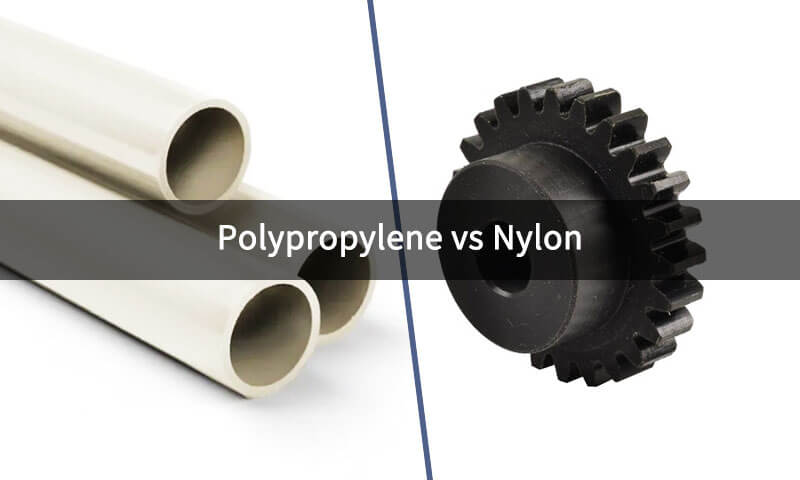
Polipropilena ialah poliolefin separa kristal yang terkenal dengan ketumpatannya yang rendah, rintangan kelembapan yang sangat baik, rintangan kimia, Rintangan Keletihan, dan pemprosesan yang agak mudah.
Nylon, keluarga poliamida, umumnya diiktiraf kerana kekuatan dan kekakuannya yang lebih tinggi, Ketangguhan yang sangat baik, geseran rendah, Pakai rintangan, dan prestasi suhu tinggi yang lebih baik.
Ia juga penting untuk mengelak daripada menganggap mana-mana bahan sebagai satu, spesifikasi tetap. PP dan nilon adalah keluarga material dan bukannya gred individu.
PA6, PA66, PA12, nilon berisi kaca, homopolimer PP, Kopolimer PP, PP yang dipenuhi mineral, dan PP bertetulang kaca boleh mempunyai sifat yang jauh berbeza.
Therefore, yang bermakna polipropilena vs nilon perbandingan harus mempertimbangkan bukan sahaja kekuatan dan rintangan suhu, tetapi juga penyerapan lembapan, keserasian kimia, geseran dan haus, prestasi elektrik, kestabilan dimensi, tingkah laku pengacuan suntikan, kos pembuatan, dan keadaan perkhidmatan sebenar.
1. Apa Itu Polipropilena?
Polipropilena (PP) ialah polimer termoplastik yang digunakan secara meluas kepunyaan keluarga poliolefin.
Ia dihargai kerana ketumpatannya yang rendah, Rintangan kimia yang sangat baik, penyerapan lembapan yang sangat rendah, prestasi keletihan yang baik, Penebat elektrik, dan kebolehprosesan yang cekap.
Polipropilena amat menarik apabila komponen plastik perlu menggabungkan berat rendah, rintangan kimia dan kelembapan, ketangguhan yang baik, prestasi lenturan berulang, dan pembuatan kos efektif.
Polipropilena secara asasnya berbeza daripada nilon dalam kimia molekulnya. Tulang belakang polimernya terdiri terutamanya daripada rantai hidrokarbon dengan kumpulan metil berulang (-CH₃) dilekatkan pada tulang belakang karbon.
Tidak seperti nilon, PP tidak mengandungi kumpulan amida polar yang mampu membentuk ikatan hidrogen yang kuat dengan molekul air.
Struktur molekul yang agak bukan kutub ini bertanggungjawab untuk banyak ciri kejuruteraan penting polipropilena.
Ia menyumbang kepada penyerapan air yang sangat rendah, rintangan yang sangat baik terhadap banyak bahan kimia, penebat elektrik yang stabil, ketumpatan rendah, dan rintangan yang baik terhadap perubahan dimensi yang berkaitan dengan kelembapan.
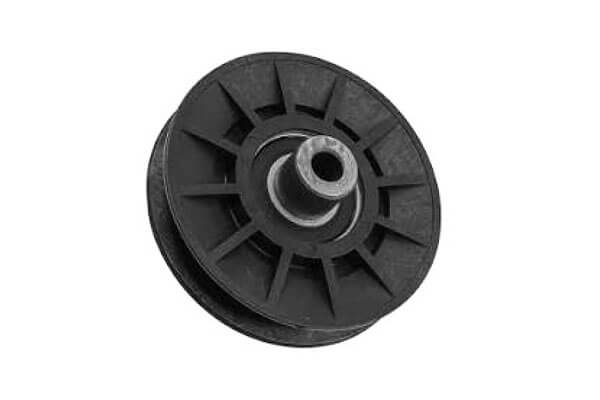
Formulasi yang berbeza boleh direka bentuk untuk aplikasi yang berbeza.
Kategori polipropilena biasa termasuk:
- homopolimer PP
- PP kopolimer rawak
- Kopolimer impak PP
- PP bertetulang gentian kaca
- PP yang dipenuhi mineral
- PP yang dipenuhi talkum
- PP yang distabilkan UV
- PP kalis api
- PP yang diubah suai secara elektrik
Keupayaan untuk mengubah suai PP melalui kopolimerisasi, pengisi, gentian, dan bahan tambahan membolehkan pengeluar mengimbangi kekakuan, kekuatan impak, rintangan kimia, penampilan, tingkah laku pemprosesan, dan kos.
Kelebihan dan Had Polipropilena
Kelebihan utama polipropilena termasuk:
- Ketumpatan rendah: PP menghasilkan komponen ringan.
- Rintangan kelembapan yang sangat baik: Penyerapan air sangat rendah.
- Rintangan kimia yang baik: Terutamanya berkesan terhadap banyak asid akueus, Alkalis, garam, dan detergen.
- Rintangan keletihan yang sangat baik: Sesuai untuk lenturan berulang dan engsel hidup.
- Penebat elektrik yang baik: Berguna untuk perumah elektrik dan komponen penebat.
- Ciri-ciri pengacuan suntikan yang sangat baik: Kelikatan cair yang rendah dan aliran yang baik memudahkan pengeluaran volum tinggi.
- Kos bahan yang rendah: PP biasanya lebih menjimatkan daripada nilon gred kejuruteraan.
- Fleksibiliti reka bentuk yang baik: Ia boleh dihasilkan dalam pelbagai warna, rumusan, dan rupa permukaan.
Namun begitu, polipropilena juga mempunyai batasan.
Standard PP umumnya menyediakan kekakuan yang lebih rendah dan prestasi mekanikal suhu tinggi daripada nilon.
Di bawah beban mekanikal yang berterusan, terutamanya pada suhu tinggi, PP boleh mengalami rayapan dan ubah bentuk.
Pekali pengembangan haba yang agak tinggi juga boleh menjadi penting dalam aplikasi ketepatan.
Di samping itu, PP yang tidak diubah suai boleh merosot di bawah pendedahan ultraviolet yang berpanjangan, jadi aplikasi luar mungkin memerlukan penstabil UV atau langkah perlindungan lain.
2. Apa itu nilon?
Nylon ialah keluarga termoplastik kejuruteraan kepunyaan poliamida (PA) kumpulan.
Ia digunakan secara meluas apabila komponen plastik mesti memberikan gabungan kekuatan tinggi, kekakuan, ketangguhan, Pakai rintangan, geseran rendah, prestasi keletihan, dan keupayaan suhu tinggi.
Nilon berbeza secara asasnya daripada polipropilena dalam kimia molekulnya.
Tulang belakang polimer mengandungi berulang kumpulan amida (-CONH-), yang mewujudkan interaksi antara molekul yang lebih kuat daripada yang terdapat dalam struktur hidrokarbon bukan kutub PP.
Kumpulan amida ini bertanggungjawab untuk banyak sifat kejuruteraan nilon yang diingini.
Mereka menyumbang kepada kekuatan mekanikalnya, kekakuan, ketangguhan, dan keupayaan untuk menahan geseran dan beban berulang.
Pada masa yang sama, sifat polar kumpulan amida menyebabkan nilon menyerap lembapan. Ini adalah salah satu pertimbangan yang paling penting apabila membandingkan nilon vs polipropilena.
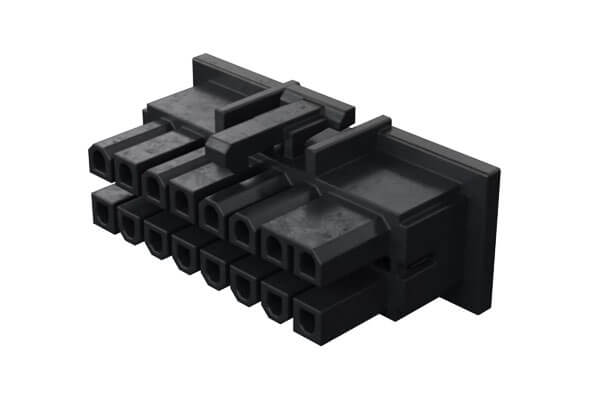
Nylon bukan satu bahan. Beberapa keluarga poliamida yang penting secara komersial wujud,
termasuk:
- PA6
- PA66
- PA11
- PA12
- PA46
- Pelbagai gred PA bertetulang gentian kaca
- Gred PA yang dipenuhi mineral
- Gred PA kalis api
- Gred PA yang distabilkan haba
Antara ini, PA6 dan PA66 adalah perkara biasa dalam aplikasi kejuruteraan.
Nylon digunakan secara meluas untuk komponen mekanikal kerana ia boleh menggabungkan prestasi struktur dengan geseran yang agak rendah.
Tidak seperti kebanyakan logam, ia juga boleh memberikan alternatif yang ringan untuk gear, bushings, Rollers, panduan, dan komponen bergerak lain.
Kelebihan dan Had Nilon
Kelebihan utama nilon termasuk:
- Kekuatan tegangan yang tinggi
- Kekakuan tinggi
- Ketangguhan yang sangat baik
- Rintangan keletihan yang baik
- Rintangan haus yang sangat baik
- Geseran rendah
- Rintangan yang baik terhadap beban mekanikal berulang
- Prestasi suhu tinggi yang lebih baik daripada PP standard
- Kesesuaian yang kuat untuk komponen mekanikal
Batasannya termasuk:
- Penyerapan lembapan yang lebih tinggi
- Perubahan dimensi yang berkaitan dengan kelembapan
- Keperluan pengeringan yang lebih menuntut
- Suhu pemprosesan yang lebih tinggi
- Kepekaan yang lebih besar kepada keadaan pemprosesan
- Kos bahan yang lebih tinggi
- Perubahan sifat berpotensi antara keadaan kering dan berhawa lembap
3. Polipropilena lwn Kekuatan Nilon
Kekuatan dan Kekakuan Nilon yang Lebih Tinggi
Apabila membandingkan polipropilena vs nilon untuk kekuatan mekanikal, nilon secara amnya memberikan kekuatan tegangan yang lebih tinggi, kekakuan, dan keupayaan menanggung beban daripada polipropilena tidak terisi.
Gred PP biasa yang tidak diisi mempunyai kekuatan tegangan lebih kurang 25–40 MPa, manakala gred PA6 dan PA66 biasa biasanya boleh mencapai sekitar 50-90 MPa, bergantung pada gred dan keadaan ujian tertentu.
Perbezaannya berkait rapat dengan struktur molekul. Polipropilena mempunyai tulang belakang hidrokarbon yang agak non-polar, manakala nilon mengandungi kumpulan amida polar yang mewujudkan interaksi antara molekul dan ikatan hidrogen yang lebih kuat.
Interaksi ini menyekat pergerakan molekul dan membenarkan nilon untuk menentang ubah bentuk dengan lebih berkesan di bawah beban mekanikal.
Prestasi Keletihan Lentur Cemerlang Polipropilena
Walaupun nilon umumnya lebih kuat, polipropilena mempunyai kelebihan mekanikal yang penting dalam lenturan berulang.
PP boleh menahan lenturan kitaran yang meluas tanpa retak apabila komponen direka bentuk dengan betul.
Ini menjadikannya sangat sesuai untuk engsel hidup, penutupan fleksibel, ciri snap-fit, dan komponen dibengkokkan berulang kali.
Therefore, kekuatan tegangan yang lebih tinggi tidak secara automatik menjadikan nilon sebagai bahan yang lebih baik untuk setiap aplikasi mekanikal.
Mod pemuatan mesti dipertimbangkan bersama-sama dengan kekuatan, kekakuan, keletihan, kesan, dan keperluan rayap.
Peningkatan Kekuatan dengan Pengukuhan
Kedua-dua polimer boleh diperkukuh untuk mencapai prestasi mekanikal yang jauh lebih tinggi.
PP bertetulang gentian kaca boleh mencapai kekuatan tegangan lebih kurang 70-90 MPa dalam gred perwakilan, manakala 30% PA6 bertetulang gentian kaca boleh mencapai secara kasar 130–170 MPa, bergantung kepada rumusan dan keadaan ujian.
Tetulang juga meningkatkan kekakuan dan rintangan rayapan, walaupun ia boleh memperkenalkan anisotropi yang lebih besar, perbezaan pengecutan acuan, dan pertimbangan pemprosesan.
4. Polipropilena vs Rintangan Suhu Nilon
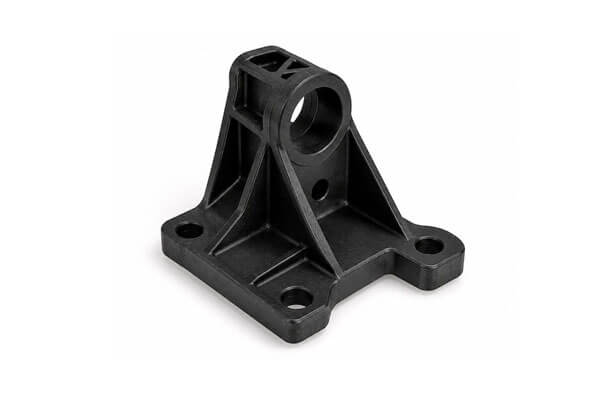
Rintangan Suhu Tinggi Nilon
Nilon umumnya memberikan rintangan suhu yang lebih baik daripada polipropilena, terutamanya apabila bahan mesti mengekalkan kekuatan mekanikal dan kekakuan pada suhu tinggi.
Gred polipropilena biasa mempunyai suhu lebur lebih kurang 160-170 ° C., manakala PA6 cair di sekeliling 220° C. dan PA66 pada kira-kira 255° C..
Namun begitu, suhu lebur tidak boleh dikelirukan dengan suhu operasi berterusan.
Komponen termoplastik biasanya kehilangan kekakuan dan keupayaan menanggung beban dengan baik sebelum mencapai takat leburnya.
Nilon secara amnya mengekalkan sifat mekanikal yang berguna pada suhu yang lebih tinggi.
Bergantung kepada gred dan pengukuhan, nilon boleh memberikan prestasi pesongan haba yang jauh lebih baik dan rintangan kepada ubah bentuk.
Keupayaan Suhu Sederhana Polipropilena
Polipropilena kekal sangat berkesan dalam banyak aplikasi yang beroperasi pada suhu sederhana.
Kosnya yang rendah, rintangan kimia, dan penyerapan lembapan yang rendah boleh menjadikannya lebih menjimatkan daripada nilon apabila rintangan suhu melampau tidak diperlukan.
Contohnya, PP digunakan secara meluas untuk bekas, Saluran, perumahan, komponen paip, dan bahagian dalaman automotif di mana suhu operasi kekal dalam julat praktikal bahan.
5. Polipropilena lwn Nilon Kelembapan dan Rintangan Kimia
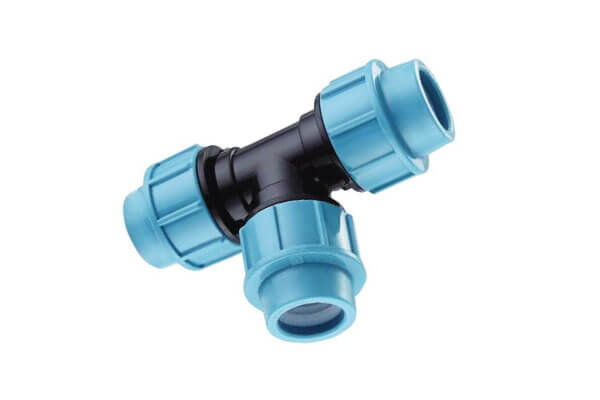
Rintangan Kelembapan Unggul Polipropilena
Polipropilena mempunyai kelebihan utama berbanding nilon dalam rintangan kelembapan. Struktur molekulnya kebanyakannya bukan kutub, jadi air mempunyai interaksi yang sangat terhad dengan rantai polimer.
Gred polipropilena biasa menunjukkan penyerapan air yang sangat rendah, sering di sekeliling 0.01% atau kurang selepas itu 24 jam, bergantung kepada gred dan kaedah ujian.
Penyerapan lembapan yang rendah ini membolehkan komponen PP mengekalkan dimensi yang agak stabil, berat, sifat mekanikal, dan ciri elektrik dalam persekitaran lembap atau basah.
Penyerapan Lembapan Nilon yang Lebih Tinggi
Nilon berkelakuan berbeza kerana tulang belakang molekulnya mengandungi kumpulan amida polar.
Kumpulan ini mudah berinteraksi dengan molekul air, membenarkan nilon menyerap lebih banyak lembapan.
Bergantung pada jenis poliamida dan keadaan persekitaran, nilon boleh menyerap beberapa peratus beratnya dalam air pada keseimbangan.
PA6 dan PA66 amat sensitif kepada lembapan berbanding dengan polipropilena.
Kelembapan bertindak sebagai pemplastik dalam nilon. Apabila kandungan air meningkat, nilon secara amnya menjadi lebih mulur manakala kekakuan dan kekuatannya berkurangan. Pada masa yang sama, pengembangan dimensi boleh berlaku.
Tingkah laku ini amat penting untuk komponen ketepatan seperti gear, bushings, penyambung, dan perumahan toleransi ketat.
Rintangan Kimia Cemerlang Polipropilena
Polipropilena juga menawarkan ketahanan yang sangat baik terhadap banyak bahan kimia, terutamanya cairkan asid, Alkalis, garam, bahan pencuci, dan larutan kimia akueus.
Gabungan rintangan kimia dan penyerapan lembapan yang rendah ini menjadikan PP digunakan secara meluas untuk bekas kimia, kereta kebal, paip, peralatan makmal, pelapik, dan komponen pengendalian bendalir.
Baik tetapi Lebih Banyak Ketahanan Kimia Bergantung pada Aplikasi Nylon
Nylon memberikan rintangan yang berguna kepada banyak minyak, Bahan api, gris, dan bahan kimia perindustrian. Namun begitu, rintangan kimianya lebih bergantung kepada kimia tertentu dan keadaan perkhidmatan.
Asid kuat tertentu dan persekitaran kimia yang agresif boleh menyerang bahan poliamida. Suhu tinggi dan tekanan mekanikal boleh mempengaruhi lagi keserasian kimia.
Akibatnya, nilon tidak boleh dipilih semata-mata berdasarkan klasifikasi rintangan kimia am.
Yang sebenarnya kepekatan kimia, suhu, tempoh pendedahan, tahap tekanan, dan gred nilon patut dinilai.
6. Polipropilena lwn Nilon Geseran dan Rintangan Haus
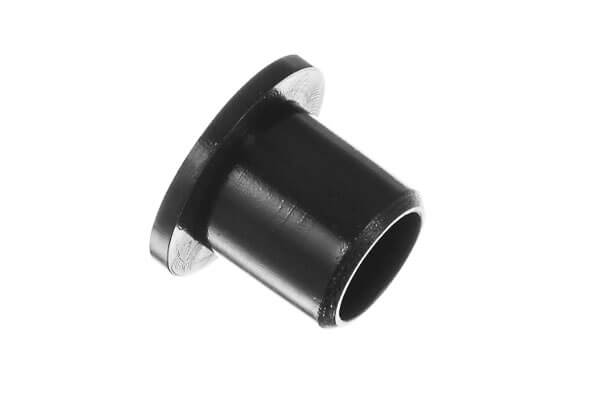
Prestasi Pemakaian Mekanikal Nilon yang Lebih Baik
Nylon diiktiraf secara meluas sebagai bahan kejuruteraan yang berguna untuk aplikasi yang melibatkan geseran, gelongsor, dan sentuhan mekanikal berulang.
Gabungan kekuatannya, ketangguhan, kekakuan, dan geseran yang agak rendah menjadikannya sesuai untuk gear, bushings, galas, Rollers, pakai jalur, dan komponen panduan.
Pekali geseran kering biasa untuk nilon boleh jatuh dalam julat anggaran 0.2-0.4, sangat bergantung pada gred, muka balas, memuatkan, kelajuan gelongsor, kemasan permukaan, dan kaedah ujian.
Kekuatan mekanikal nilon yang agak tinggi membolehkannya menahan tekanan sentuhan tanpa ubah bentuk yang berlebihan, yang amat penting dalam komponen gelongsor yang dimuatkan.
Ciri-ciri Geseran Rendah Polipropilena
Polipropilena juga boleh menunjukkan geseran yang agak rendah dan boleh berfungsi dengan baik dalam aplikasi gelongsor terpilih.
Gred PP tertentu digunakan di mana yang ringan, tahan kimia, dan bahan gelongsor kos rendah diperlukan.
Namun begitu, pekali geseran dan rintangan haus bukanlah sifat yang sama.
Bahan mungkin mempunyai pekali geseran yang rendah sementara masih mengalami kehilangan bahan yang agak tinggi di bawah sentuhan mekanikal yang berterusan.
Untuk komponen yang dimuatkan dengan berat atau bergerak secara berterusan, nilon selalunya memberikan gabungan kapasiti beban mekanikal dan rintangan haus yang lebih baik.
Kompaun Khusus Boleh Meningkatkan Rintangan Haus
Kedua-dua bahan boleh diubah suai untuk aplikasi tribologi.
Sebatian nilon mungkin mengandungi PTFE, grafit, molibdenum disulfida, pelincir berasaskan silikon, atau bahan tambahan lain untuk mengurangkan geseran dan meningkatkan rintangan haus.
Polipropilena juga boleh dirumus dengan pengisi dan bahan tambahan pelincir untuk aplikasi geseran rendah khusus.
Namun begitu, peneguhan mesti dipilih dengan teliti. Gentian kaca boleh meningkatkan kekakuan dan kapasiti galas beban dengan ketara, tetapi mereka juga boleh mempengaruhi mekanisme haus dan kelakuan permukaan mengawan.
7. Polipropilena vs Sifat Elektrik Nilon
Penebat Elektrik Polipropilena Cemerlang
Polipropilena ialah bahan penebat elektrik yang sangat baik dan amat berharga apabila prestasi dielektrik yang stabil diperlukan.
Gred PP wakil boleh mempunyai pemalar dielektrik lebih kurang 2.2-2.6 dan kerintangan isipadu mengikut susunan 10¹⁶ Ω·cm, walaupun nilai berbeza mengikut kekerapan, suhu, rumusan, dan keadaan ujian.
Gabungan kerintangan elektrik yang tinggi, pemalar dielektrik rendah, dan penyerapan lembapan yang sangat rendah menjadikan polipropilena berguna untuk penebat elektrik, filem kapasitor, komponen kabel, bahagian elektronik, dan aplikasi dielektrik lain.
Penebat Elektrik Nilon yang Baik
Nylon juga merupakan penebat elektrik yang berkesan, terutamanya dalam keadaan kering.
Gred nilon perwakilan boleh mempunyai pemalar dielektrik di sekelilingnya 3.5-4.0, walaupun nilai yang tepat sangat bergantung pada jenis polimer, kekerapan, suhu, dan kandungan lembapan.
Kelebihan nilon ialah ia menggabungkan penebat elektrik dengan kekuatan mekanikal dan keliatan yang jauh lebih tinggi daripada polipropilena konvensional..
Ini menjadikannya berguna untuk penyambung elektrik, perumahan, komponen pengurusan kabel, dan bahagian penebat yang menuntut secara mekanikal.
8. Polipropilena lwn Nilon untuk Pengacuan Suntikan
Kebolehprosesan Pengacuan Suntikan Cemerlang Polipropilena
Polipropilena adalah salah satu termoplastik acuan suntikan yang paling meluas kerana ia menggabungkan aliran cair yang baik, keperluan pemprosesan yang agak rendah, sensitiviti kelembapan rendah, dan masa kitaran yang singkat.
Kelikatan cairnya yang agak rendah membolehkan PP cair mengisi rongga acuan kompleks dengan cekap, menjadikannya sesuai untuk komponen dinding nipis, ciri snap-fit, engsel hidup, bekas, perumahan, dan produk volum tinggi yang lain.
Kelebihan pemprosesan utama PP ialah resin biasanya tidak memerlukan pra-pengeringan yang meluas yang diperlukan oleh nilon.
Kerana polipropilena menyerap kelembapan yang sangat sedikit, pengilang secara amnya boleh memproses PP yang disimpan dengan betul secara langsung atau dengan prosedur penyaman bahan yang agak mudah.
PP juga mempunyai tetingkap pemprosesan yang agak luas.
Suhu cair biasa selalunya dalam julat lebih kurang 200-250 ° C., bergantung pada gred dan permohonan, manakala suhu acuan biasanya dikawal pada suhu yang jauh lebih rendah.
Keadaan yang tepat mesti ditetapkan daripada cadangan pemprosesan pengeluar resin.
Sensitiviti Lembapan Nilon yang Lebih Tinggi
Nylon juga sangat sesuai untuk pengacuan suntikan, tetapi keperluan pemprosesannya lebih menuntut.
Kebanyakan resin nilon adalah higroskopik dan boleh menyerap kelembapan atmosfera semasa penyimpanan.
Sebelum dibentuk, nilon secara amnya perlu dikeringkan dengan betul pada tahap lembapan yang ditentukan.
Jika kelembapan berlebihan kekal dalam resin, gabungan air dan suhu cair yang tinggi boleh menyebabkan degradasi hidrolitik, mengurangkan berat molekul dan berpotensi menurunkan prestasi mekanikal komponen siap.
Ini menjadikan pengendalian bahan amat penting apabila memproses nilon.
Resin hendaklah disimpan dalam bungkusan tahan lembapan, dan keadaan pengeringan hendaklah dikawal mengikut gred PA tertentu.
Suhu Pemprosesan yang Lebih Tinggi untuk Nilon
Nilon secara amnya memerlukan suhu cair yang lebih tinggi daripada polipropilena.
PA6 biasanya diproses pada suhu cair sekitar 240–280°C, manakala PA66 boleh memerlukan lebih kurang 260-300 ° C., bergantung kepada gred dan teknologi pemprosesan.
Suhu pemprosesan yang lebih tinggi meningkatkan keperluan tenaga dan meletakkan permintaan yang lebih besar pada peralatan pengacuan, komponen acuan, dan kawalan proses.
Namun begitu, suhu pemprosesan nilon yang lebih tinggi juga mencerminkan takat leburnya yang lebih tinggi dan membolehkan pengeluaran komponen yang mampu memberikan prestasi mekanikal dan haba yang lebih tinggi.
9. Polipropilena lwn Nilon Kestabilan Dimensi
| Aspek | Polipropilena | Nylon |
| Penyerapan kelembapan | Sangat rendah | Tinggi |
| Perubahan dimensi dengan kelembapan | Minimum | Penting |
| Pengecutan acuan (%) | 1.0-2.5 | 0.5-2.0 |
| Pengecutan selepas acuan | Sederhana | Penting (penyaman lembapan) |
| Rintangan Creep | Sederhana | Baik |
Sifat hidrofobik polipropilena memberikannya kestabilan dimensi yang sangat baik dalam persekitaran lembap.
Nilon menyerap kelembapan, menyebabkan bahagian membengkak dan dimensi berubah. Namun begitu, bahagian nilon boleh berhawa dingin untuk mencapai dimensi yang stabil.
10. Polipropilena vs Nilon: Kos dan Pertimbangan Pembuatan
Kos Bahan
Polipropilena secara amnya lebih menjimatkan daripada nilon. Ketumpatannya yang rendah juga bermakna bahawa bahan yang lebih sedikit mengikut berat mungkin diperlukan untuk menghasilkan komponen dengan isipadu yang setanding.
Untuk produk volum tinggi, ini boleh memberikan kelebihan kos yang ketara.
Nilon biasanya lebih mahal kerana ia adalah termoplastik kejuruteraan dengan prestasi mekanikal dan haba yang lebih tinggi.
Namun begitu, kekuatan dan kekakuannya yang lebih besar mungkin membolehkan pereka bentuk mengurangkan ketebalan dinding atau saiz komponen, mengimbangi sebahagian kos resin yang lebih tinggi.
Pertimbangan pembuatan
| Faktor | Polipropilena | Nylon |
| Kos bahan | Umumnya lebih rendah | Umumnya lebih tinggi |
| Ketumpatan | Lebih rendah | Lebih tinggi |
| Suhu pemprosesan | Lebih rendah | Lebih tinggi |
| Keperluan pengeringan | Minimum | Selalunya kritikal |
| Pengacuan suntikan | Agak mudah | Lebih sensitif proses |
| Kecekapan kitaran | Cemerlang | Baik |
| Sensitiviti kelembapan | Sangat rendah | Tinggi |
| Kerumitan alatan/proses | Umumnya lebih rendah | Umumnya lebih tinggi |
| Ekonomi aplikasi biasa | Volum tinggi, bahagian sensitif kos | Komponen kritikal prestasi |
Polipropilena biasanya lebih mudah dan lebih murah untuk diproses.
Kepekaan kelembapannya yang rendah memudahkan pengendalian bahan, manakala ciri alirannya yang baik menyokong pengacuan suntikan yang cekap dan jumlah pengeluaran yang tinggi.
Nylon memerlukan kawalan pembuatan yang lebih berhati-hati. Sebelum acuan suntikan, banyak resin nilon mesti dikeringkan dengan betul untuk mengelakkan degradasi yang berkaitan dengan kelembapan dan kecacatan pengacuan.
Suhu acuan, suhu cair, masa tinggal, dan keadaan penyejukan juga memerlukan kawalan yang lebih rapat.
11. Aplikasi Polipropilena vs Nilon
Julat aplikasi daripada polipropilena (PP) dan nilon (PA) bertindih dalam banyak bidang, tetapi setiap bahan lebih sesuai dengan keadaan operasi yang berbeza.
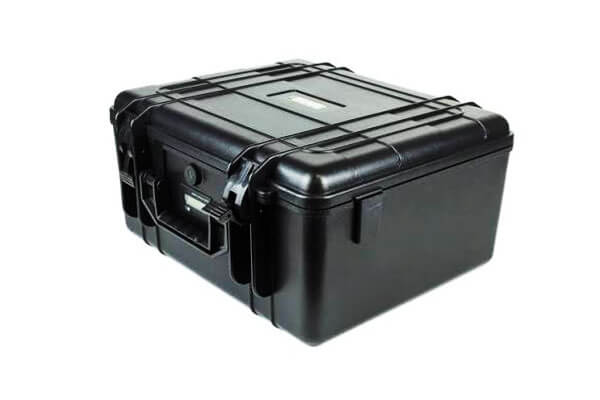
Aplikasi Polipropilena
Polipropilena digunakan secara meluas di mana ketumpatan rendah, penyerapan lembapan yang rendah, rintangan kimia, Rintangan Keletihan, dan pemprosesan volum tinggi yang menjimatkan penting.
| Sektor permohonan | Komponen PP biasa | Mengapa PP Dipilih |
| Pembungkusan | Bekas, penutup botol, penutupan, dulang, Pembungkusan makanan | Ketumpatan rendah, Rintangan kelembapan, rintangan kimia, Processability |
| Automotif | Bampar, hiasan dalaman, panel pintu, kes bateri, takungan bendalir | Ringan, prestasi impak, rintangan kimia, kecekapan kos |
| Paip & Sistem Air | Paip, kelengkapan, komponen pam, bahagian pengairan | Penyerapan air yang rendah dan rintangan kepada banyak bahan kimia |
Produk pengguna |
Tong penyimpanan, perabot, perumahan perkakas, peralatan rumah | Ringan, tahan lama, ekonomik |
| Elektrik & Elektronik | Komponen penebat, bahagian berkaitan kabel, filem kapasitor, perumahan | Penebat elektrik yang baik dan sensitiviti kelembapan yang rendah |
| Perubatan & Produk Makmal | Bekas, dulang, picagari, peralatan makmal | Rintangan kimia, penyerapan lembapan yang rendah, gred yang sesuai tersedia |
| Peralatan perindustrian | Kereta kebal, Saluran, bekas, penutup, komponen pengendalian bendalir | Rintangan kimia, Berat rendah, pemprosesan ekonomi |
Aplikasi Nilon
Nilon digunakan terutamanya di mana kekuatan, kekakuan, ketangguhan, geseran rendah, Pakai rintangan, dan prestasi suhu tinggi adalah lebih penting daripada kos bahan minimum dan penyerapan lembapan.
| Sektor permohonan | Komponen Nilon Biasa | Mengapa Nylon Dipilih |
| Automotif | Gear, galas, bushings, Komponen enjin, penyambung, kurungan | Kekuatan tinggi, kekakuan, Pakai rintangan, keupayaan suhu |
| Elektrik & Elektronik | Perumahan penyambung, blok terminal, komponen pemutus litar | Kekuatan mekanikal, Penebat, prestasi dimensi |
| Jentera Perindustrian | Gear, Rollers, komponen galas, Pakai plat, bahagian penghantar | Geseran rendah, Pakai rintangan, keupayaan menanggung beban |
Pengikat & Perkakasan |
Pengikat kabel, kacang, klip, pengikat, komponen snap-fit | Kekuatan, ketangguhan, Rintangan Keletihan |
| Komponen mekanikal | Bushings, kendi, panduan, gear, kurungan struktur | Kekakuan tinggi dan prestasi tribologi yang baik |
| Serabut & Tekstil | Gentian industri, tali tayar, tali pancing, filamen berus, tekstil teknikal | Kekuatan tegangan yang tinggi, ketangguhan, Rintangan lelasan |
| Produk pengguna | Zip, gesper, perumah alat, komponen mekanikal | Ketangguhan, kekuatan, Pakai rintangan |
Polipropilena vs Nilon: Pemilihan Permohonan
Pilihan antara PP dan nilon boleh dipermudahkan dengan mengenal pasti keperluan perkhidmatan yang dominan:
- Pilih polipropilena apabila berat badan rendah, Rintangan kelembapan, rintangan kimia, prestasi keletihan, dan kos pembuatan yang rendah adalah keperluan utama.
- Pilih nilon apabila kekuatan tinggi, kekakuan, Pakai rintangan, geseran rendah, ketangguhan, atau prestasi suhu tinggi adalah lebih penting.
- Pertimbangkan PP diperkukuh apabila pembinaan ringan adalah penting tetapi kekakuan dan kekuatan yang lebih tinggi diperlukan.
- Pertimbangkan nilon bertetulang apabila komponen mesti menahan beban mekanikal yang tinggi, tekanan berterusan, atau menuntut keadaan terma.
12. Kesimpulan
Polipropilena dan nilon adalah bahan kejuruteraan pelengkap, bukan pesaing langsung.
Masing-masing menduduki niche prestasi tersendiri yang ditakrifkan oleh kimia asasnya:
polipropilena memberikan kos rendah, kestabilan dimensi yang sangat baik dan ketidakpekaan kelembapan dengan mengorbankan kekuatan yang lebih rendah dan prestasi haus;
nilon memberikan kekuatan tinggi, rintangan haus yang sangat baik dan toleransi minyak dengan mengorbankan kos yang lebih tinggi, kepekaan kelembapan dan kerumitan pemprosesan.
Kedua-duanya tidak unggul secara universal. PP ialah pilihan optimum untuk komponen komoditi, bahagian ketepatan dalam kelembapan berubah-ubah, aplikasi air panas dan produk sensitif kos.
Nylon adalah pilihan yang lebih baik untuk komponen struktur beban tinggi, Pakai bahagian, komponen bawah hud terdedah minyak dan aplikasi suhu tinggi dengan tetulang kaca.
Kesilapan pemilihan yang paling biasa ialah menentukan nilon apabila PP akan berprestasi secukupnya pada jumlah kos 40–60% lebih rendah, atau menentukan PP untuk aplikasi haus beban tinggi di mana kegagalan pramatang akan berlaku.
Perbandingan sistematik terhadap keadaan operasi sebenar — tidak lalai kepada bahan biasa — memastikan prestasi optimum pada jumlah kos minimum.
Soalan Lazim
Bolehkah polipropilena dan nilon dikitar semula?
Ya, kedua-dua bahan boleh dikitar semula. Polipropilena dikitar semula secara meluas (kod resin #5). Nilon boleh dikitar semula tetapi kurang dikitar semula berbanding polipropilena.
Adakah nilon atau polipropilena lebih rapuh pada suhu rendah?
Polipropilena lebih rapuh pada suhu rendah. Ia mempunyai suhu peralihan kaca -10 hingga 0°C, di bawahnya ia menjadi rapuh. Nilon kekal keras hingga -30 hingga -40°C.
Adakah polipropilena lebih kuat daripada nilon?
Secara amnya, tidak. Nilon standard biasanya mempunyai kekuatan tegangan yang lebih tinggi, kekakuan, dan keupayaan menanggung beban daripada polipropilena tidak terisi. Namun begitu, polipropilena mempunyai ketumpatan yang lebih rendah dan rintangan keletihan dan kelembapan yang sangat baik.
PP bertetulang juga boleh mencapai prestasi mekanikal yang jauh lebih tinggi dan mungkin mengatasi prestasi nilon yang tidak diisi dalam aplikasi tertentu.
Adakah polipropilena lebih tahan haba daripada nilon?
Secara amnya, nilon mempunyai rintangan haba yang lebih baik daripada polipropilena standard.
Gred nilon biasa mempunyai suhu lebur yang lebih tinggi dan secara amnya mengekalkan kekuatan mekanikal dan kekakuan lebih baik pada suhu tinggi.
Gred bertetulang boleh meningkatkan lagi prestasi suhu tinggi kedua-dua bahan.
Yang menyerap lebih banyak air, polipropilena atau nilon?
Nilon menyerap lebih banyak air daripada polipropilena. Polipropilena mempunyai penyerapan lembapan yang sangat rendah, manakala nilon adalah higroskopik kerana kumpulan amida polarnya.
Penyerapan lembapan boleh menjejaskan dimensi nilon, kekakuan, ketangguhan, dan sifat elektrik.
Yang lebih murah, polipropilena atau nilon?
Polipropilena biasanya lebih murah daripada nilon. PP juga mempunyai ketumpatan yang lebih rendah, yang boleh mengurangkan lagi penggunaan bahan mengikut berat komponen.
Namun begitu, jumlah kos hendaklah termasuk pemprosesan, perkakas, reka bentuk bahagian, pengukuhan, sekerap, dan hayat perkhidmatan.
Komponen nilon yang lebih mahal akhirnya mungkin lebih menjimatkan jika ia memberikan hayat perkhidmatan yang lebih lama atau membenarkan yang lebih kecil, reka bentuk komponen yang lebih kukuh.
Yang mempunyai kestabilan dimensi yang lebih baik, polipropilena atau nilon?
Jawapannya bergantung kepada persekitaran.
Polipropilena mempunyai kelebihan utama dalam kestabilan dimensi berkaitan kelembapan kerana ia menyerap sangat sedikit air. Nilon boleh mengalami perubahan dimensi kerana ia menyerap lembapan.
Namun begitu, PP mempunyai pengembangan haba yang agak tinggi, manakala nilon bertetulang boleh memberikan kestabilan dimensi yang sangat baik berbanding suhu apabila dirumus dengan betul.
Untuk aplikasi ketepatan, jurutera harus menilai kedua-dua perubahan dimensi yang disebabkan oleh kelembapan dan suhu.