1. Ievads
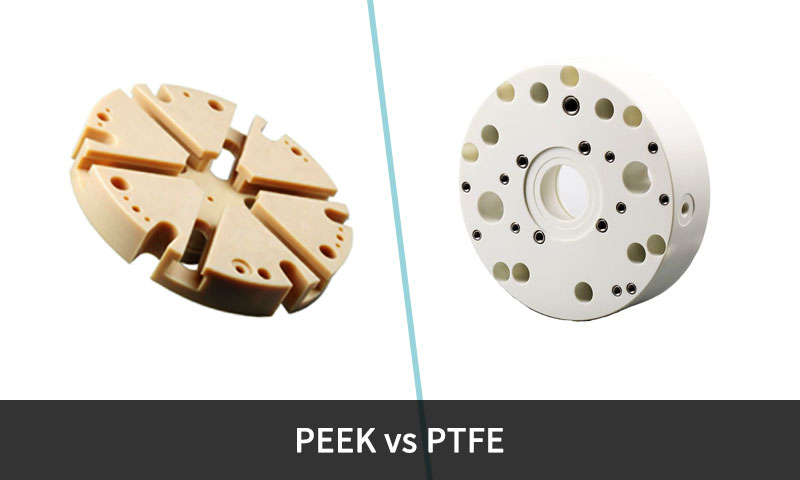
Palūrēt (polietereterketons) un PTFE (politetrafluoretilēns) ir augstas veiktspējas inženiertehniskie polimēri, taču tiem ir ļoti dažādas stiprās un vājās puses.
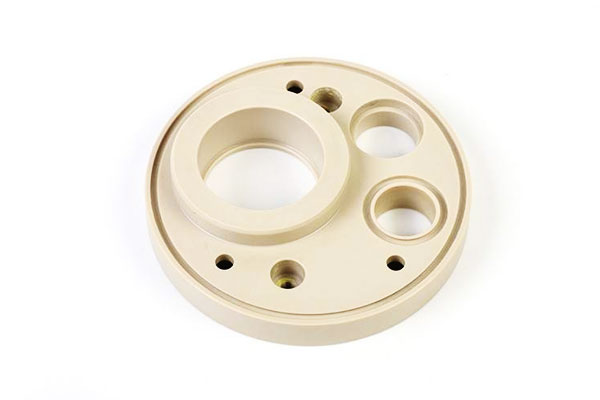
Palūrēt ir daļēji kristālisks, lielas izturības, augstas stingrības termoplasts ar izcilu šļūdes pretestību, izmēru stabilitāte un augstas temperatūras mehāniskā veiktspēja; to izmanto, kur struktūra, nepieciešama ilgstoša mehāniskā uzticamība un sterilizējamība.
Ptfe ir īpaši inerts fluorpolimērs, kas slavens ar īpaši zemu berzi, praktiski universāla ķīmiskā inerce un izcila dielektriskā veiktspēja, taču tai ir zema mehāniskā izturība, augsta šļūde (aukstā plūsma) un jutība pret nodilumu.
Īsi: izvēlieties PEEK, ja konstrukcija ir stipra, stīvums un zema šļūdes viela; izvēlieties PTFE, ja galvenās prasības ir nepārspējama ķīmiskā inerce un berzes samazināšana.
2. Materiālie pamati
Kas ir PEEK (PolyEtherEtherKetone)
- Puskristālisks termoplasts (aromātiskā poliarilēterketona saime).
- Kušanas temperatūra ≈ 343 ° C; stikla pāreja ≈ 143 ° C.
- Apstrādājams ar standarta termoplastiskām metodēm (iesmidzināšana, ekstrūzija, saspiešanas liešana), mehāniski apstrādājams un metināms (sildvirsmas, ultraskaņas, vibrācija vai lāzers kontrolētos iestatījumos).
- Tipiski lietojumi: gultņi un dilstošās daļas (aizpildītas atzīmes), strukturālās sastāvdaļas, medicīniskie implanti, karstās eļļas sistēmas daļas, savienotāji.
Kas ir PTFE (Politetrafluoretilēns)
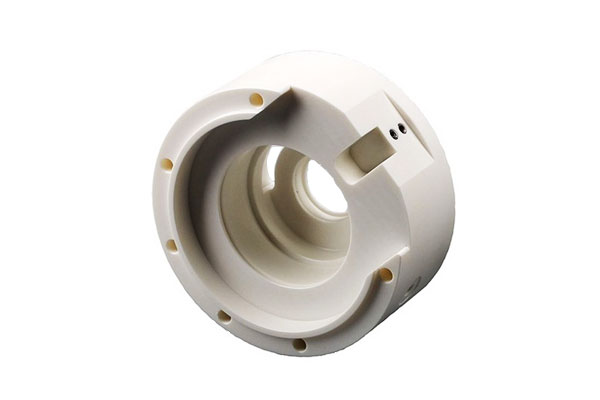
- Fluorpolimērs ar pilnībā fluorētu oglekļa mugurkaulu; ļoti simetrisks un ļoti ķīmiski inerts.
- Kušanas temperatūra ≈ 327 ° C, bet tas nav kausējams tradicionālajās termoplastiskajās iekārtās — to apstrādā ar pastas ekstrūzijas palīdzību, aunu ekstrūzija, kompresijas formēšana un saķepināšana.
- Izcila ķīmiskā inerce, ļoti zems berzes koeficients un lieliskas dielektriskās īpašības.
- Tipiski lietojumi: roņi, blīves, ķīmiskie oderējumi, zemas berzes pārklājumi, elektriskā izolācija.
3. Galvenās īpašības — datu tabula (Tipiski diapazoni) un praktiskas piezīmes
Visi ciparu diapazoni ir tipiski inženiertehniskie norādījumi parastajām komerciālajām kategorijām (tīrs polimērs). Kompozītu/pildvielu kategorijas (ogleklis, stikls, bronza, MoS₂) būtiski mainīt vērtības.
| Īpašums | Palūrēt (neaizpildīts, tipisks) | Ptfe (jaunava) | Praktiskā nozīme |
| Blīvums (g · cm⁻³) | ≈ 1.30 | ≈ 2.12 | PTFE tilpumā ir ievērojami smagāks. |
| Stiepes izturība (MPA) | ~90–110 | ~20-35 | PEEK ir strukturāli spēcīgs; PTFE ir vājš spriegums. |
| Younga modulis (GPA) | ~3,6–4,1 | ~0,5 | PEEK stīvs; PTFE ļoti elastīgs/zemas stingrības. |
| Pagarinājums pārtraukumā (%) | ~20-50 | ~200–400 | PTFE pirms plīšanas ļoti deformējas. |
| Cietība (Krasts/citi) | Mērens (~80–90 Rokvela/var) | Ļoti zems | PEEK labāk iztur ievilkumu. |
| Stikla pāreja (° C) | ~143 | amorfs/ļoti zems | PEEK ir definējis Tg — ietekmē izmēru stabilitāti. |
Kušanas temperatūra (° C) |
~343 | ~327 | Gan augstas kušanas, bet apstrādes atšķiras. |
| Nepārtraukta apkalpošanas temp (° C) | ~ 250 (tipisks) | -200 līdz +260 (īstermiņa) | PEEK saglabā mehānisko izturību pie augsta T; PTFE saglabā ķīmiju un triboloģiju, bet ložņā. |
| Siltumvadītspēja (W·m⁻¹K⁻¹) | ~0,25 | ~0,25 | Līdzīga zema siltumvadītspēja. |
| Berzes koeficients (izžūt) | ~0,15–0,4 (veikls) | ~0,04–0,15 | PTFE piedāvā daudz zemāku berzi (lieliska slīdēšana). |
| Nodilums pretestība | Labi (lieliski, ja ir piepildīta) | Nabadzīgs (uzlabojas, piepildot ar bronzu/stiklu) | PTFE bieži ir vajadzīgas pildvielas nodiluma lietojumiem. |
| Rāpot & aukstā plūsma | Zems vidējs (laba pretestība) | Augsts (no laika atkarīga deformācija) | PTFE deformējas (creeps) zem slodzes — slikta statiskām blīvēm zem spiediena. |
Ķīmiska izturība |
Lieliski piemērots daudziem šķīdinātājiem; uzbrūk spēcīgi oksidētāji / koncentrēti halogēni | Gandrīz universāls (iztur gandrīz visas ķīmiskās vielas) | PTFE ir ķīmiskās inerces zelta standarts. |
| Elektriskās īpašības (εr) | ~3,0–3,5, labs | ~2,0 (ļoti zems), lielisks | PTFE priekšroka tiek dota augstfrekvences dielektriskai lietošanai. |
| Apstrādājamība | Formējams ar iesmidzināšanu, apstrādājams, metināts | Nevar iesmidzināt; saķepināta/izspiesta pasta; mehāniski apstrādājams no sagatavēm | PEEK vieglāk parastajai termoplastu ražošanai. |
| Bioloģiskā savietojamība | Daudzas kategorijas, ko izmanto medicīniskajos implantos (labs) | Izmanto medicīnas ierīcēs, bet nav izplatīts kā pastāvīgs implants | PEEK ir implantējams; Dažos gadījumos PTFE izmanto potzaru/porainā veidā. |
| Maksāt (radinieks) | Augsts | Augsts, bet bieži zemāks par medicīniskās kvalitātes PEEK | Abi ir augstākās kvalitātes polimēri; PEEK bieži vien dārgāks. |
Piezīmes: aizpildītas atzīmes (CF-PEEK, ar stiklu/bronzu pildīts PTFE) mainīt daudzus ierakstus: ar oglekli pildīts PEEK palielina stingrību un samazina nodilumu; ar bronzu pildītais PTFE palielina kravnesību un nodilumizturību, bet palielina berzi un blīvumu.
4. Termiskā uzvedība & augstas temperatūras veiktspēja
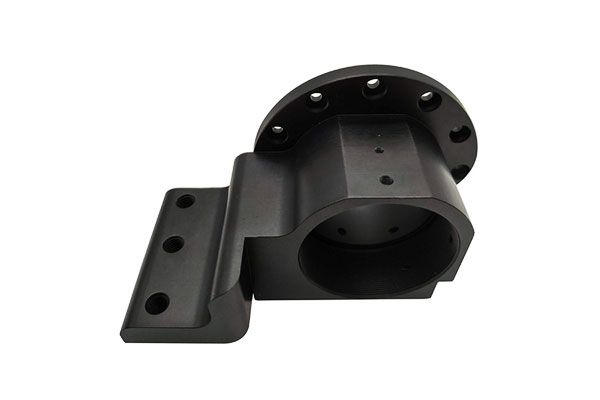
- Palūrēt: saglabā mehānisko izturību paaugstinātā temperatūrā; tipisks nepārtraukts serviss līdz ~200–250 °C, īsas ekskursijas augstāk. Zema termiskā izplešanās salīdzinājumā ar daudziem polimēriem; laba izmēru stabilitāte un zema šļūde pie paaugstināta T, salīdzinot ar PTFE.
Sadalās virs ~400 °C — termiskā oksidācija ir jākontrolē. PEEK var atkārtoti sterilizēt ar tvaiku (autoklāvs) — svarīgi medicīniskai lietošanai. - Ptfe: ķīmiski stabils augstā temperatūrā un saglabā zemu berzi līdz ~250–260 °C; virs ~260–300 °C notiek sadalīšanās un toksiskas fluorētas sugas (Piem., Hf, lai gan precīzi sadalīšanās produkti atšķiras) tiek emitēti — ir jāņem vērā termiskā drošība.
Tā kā PTFE ložņā, tā izmantojamā mehāniskā darba temperatūra zem slodzes bieži ir zemāka, nekā liecina tā termiskā stabilitāte.
Praktiskā nozīme: Par strukturālās sastāvdaļas darbojas zem slodzes augstā temperatūrā izvēlēties Palūrēt; par ķīmiskās vai bīdāmās virsmas pakļauti augstām temperatūrām, bet zema mehāniskā slodze, Ptfe ir pieņemams.
5. Ķīmiska izturība & elektriskās īpašības
- Ķīmiska izturība:Ptfe tuvina "izturīgs pret visu" - tas iztur stipras skābes, bāzes, šķīdinātāji, oksidētāji un bieži tiek izvēlēti tur, kur neviens cits polimērs neizdzīvos.
Palūrēt piedāvā izcilu izturību pret ogļūdeņražiem, eļļas, tvaiks un daudzi šķīdinātāji; lai arī, koncentrēti spēcīgi oksidētāji un elementārais fluors uzbrūk PEEK.
Daudziem ķīmiskās apstrādes lietojumiem PEEK ir piemērots; Agresīvākajām ķīmiskajām vielām PTFE ir drošāks. - Dielektrisks & RF izmantošana:Ptfe ir zema dielektriskā konstante (~2,0), ārkārtīgi zemu zudumu tangenss — ideāls RF/mikroviļņu lietojumiem.
Palūrēt ir labs elektriskais izolators, bet ar lielāku dielektrisko konstanti un zudumiem; izvēlēts, ja mehāniskās un termiskās prasības pārsniedz vajadzību pēc īpaši zemiem dielektriskiem zudumiem.
6. Triboloģija, valkāt, blīvējums un dinamiska uzvedība
- Berze: PTFE ir ārkārtīgi zems berzes koeficients un nodrošina lielisku eļļošanu.
Palūrēt (veikls) ir lielāka berze, bet piepildīta PEEK (ogleklis, PTFE maisījumi) var ievērojami samazināt berzi. - Valkāt: PEEK parasti ir augstāka nodiluma pretestība attiecībā pret tīru PTFE; bīdāmām lietojumprogrammām zem slodzes PEEK (vai aizpildīta PEEK) bieži pārsniedz PTFE.
PTFE priekšrocība ir eļļošana un atbilstība — tiek izmantoti daudzi gultņi un zemas berzes bukses Izklāts ar PTFE konstrukcijas vai pildīts PTFE (bronza/PTFE) lai uzlabotu nodiluma ilgumu. - Rāpot & statiskās plombas:PTFE ložņā un auksti plūst ievērojami pie ilgstošas slodzes — nav ideāli piemērots statiskām nesošajām detaļām, kurām nepieciešama izmēru stabilitāte.
Palūrēt uzrāda daudz labāku šļūdes pretestību, un tas ir vēlams vietās, kur blīvēm vai starplikām ir jāsaglabā priekšslodze laika gaitā. - Blīvējums: Zemam spiedienam, atbilstošs blīvējums PTFE ir lielisks; dinamiski noslogotām blīvēm, kurām nepieciešama formas saglabāšana un izturība augstā temperatūrā, Palūrēt (bieži kombinē ar elastomēriem vai izmanto kā rezerves gredzenus) priekšroka dodama pildītiem PEEK kompozītmateriāliem.
7. Apstrāde, izgatavošana, pievienošanās, sagatavošana virsmai
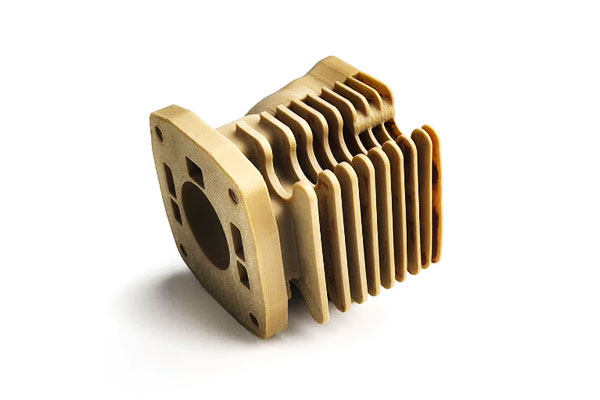
Palūrēt
- Apstrāde: iesmidzināšana, ekstrūzija, kompresijas formēšana, apstrāde (CNC). Augstai kušanas temperatūrai nepieciešama kontrolēta apstrāde (žāvēšana, augsta pelējuma temperatūra).
- Pievienošanās: PEEK var metināt (sildvirsmas, ultraskaņas) un adhezīvu saķere pēc virsmas sagatavošanas.
- Apdare: diezgan viegli apstrādājams līdz šaurām pielaidēm; virsmas apstrāde var uzlabot nodilumu vai berzi.
Ptfe
- Apstrāde: PTFE nav plūstošs termoplastu izpratnē; to apstrādā ar pastas ekstrūzijas palīdzību, aunu ekstrūzija, kompresijas formēšana un sekojoša saķepināšana. Smalka kontrole nepieciešama porainībai un blīvēšanai.
- Pievienošanās & savienošana: PTFE slikti saistās ar līmēm, ja vien tas nav ķīmiski kodināts (Piem., Na/naftalīda kodināšana) vai plazmas apstrādāts un gruntēts. Mehāniska stiprināšana vai pārveidošana ir izplatīta.
- Izgatavošana: lielas detaļas bieži tiek apstrādātas no ekstrudētiem/saķepinātiem blokiem vai plēves. PTFE pārklājumus uzklāj, izsmidzinot dispersijas un cepot.
Praktiska ietekme: Ja parastā liela apjoma termoformēšana (iesmidzināšana) Nepieciešams, Palūrēt ir vienkāršāka. Ptfe prasa specializētas apstrādes iekārtas un saķepināšanu.
8. Maksāt, piegādes ķēde, regulējošas & Ilgtspējības apsvērumi
- Maksāt: abi ir augstākās kvalitātes polimēri. Palūrēt pakāpes (īpaši medicīniskās vai aizpildītās atzīmes) parasti ir dārgāki par kg nekā standarta PTFE, bet izmaksas ir atkarīgas no pakāpes un apjoma.
Kopējām detaļu izmaksām ir jāņem vērā apstrādes sarežģītība — PTFE apstrāde un saķepināšana var būt dārga. - Piegāde & Laiks: PEEK piedāvājumu var ierobežot (daži ražotāji), savukārt PTFE plaši ražo vairāki piegādātāji visā pasaulē.
- Regulējošais & drošība: PEEK tiek izmantots medicīniskie implanti (bioloģiski saderīgas pakāpes, ISO/USP apsvērumi).
PTFE tiek plaši izmantots saskarē ar pārtiku un medicīnas ierīču komponentos, bet PFAS ir saistīts ar vidi (saistībā ar apstrādes palīglīdzekļiem un dzīves ciklu) ir vadījušas regulatīvo pārbaudi;
PTFE termiskā sadalīšanās var radīt toksiskus izgarojumus — ražošanai un lietošanai ir jāpārvalda izgarojumu risks. - Vide: PTFE un saistītie fluorpolimēri ir noturīgi vidē (PFAS ģimenes bažas).
Noteiktās plūsmās ir iespējama abu polimēru pārstrāde, taču abus pārstrādāt ir grūtāk nekā plastmasu. PEEK ir vieglāk pārstrādājams termoplastiski.
9. Lietojumprogrammu salīdzinājums: PEEK pret PTFE
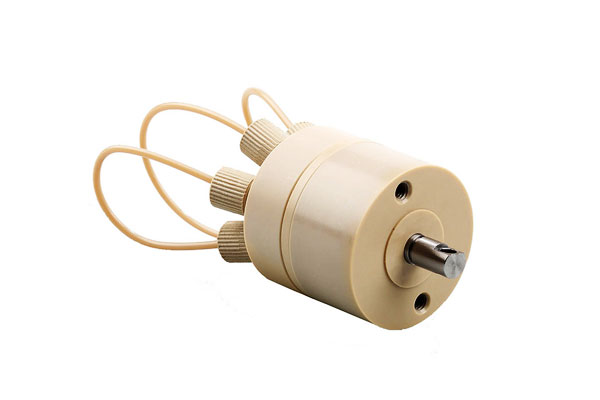
Gultņi, bukses un bīdāmās sastāvdaļas
- Prasības: Zema berze, nodilums pretestība, Izmēra stabilitāte, ilgs mūžs zem slodzes.
- Palūrēt: priekšroka nesošie gultņi (Piem., vilces mazgātāji, gultņi sūkņos/motoros) kad nepieciešams stingums un zema šļūde; ogleklis- vai ar stiklu pildītu PEEK piedāvā uzlabotu moduli un mazāku nodilumu. PEEK pieļauj apstrādi līdz šaurām pielaidēm.
- Ptfe: izvēlēts zemas slodzes slīdēšana un pielāgojamas bukses; bronza/PTFE kompozītmateriāli nodrošina uzlabotu kravnesību salīdzinājumā ar neapstrādātu PTFE.
- Dizaina padoms: izmantojiet PEEK, kur vārpstas atbalsts un minimāls priekšslodzes zudums ir ļoti svarīgs; izmantojiet PTFE (vai ar PTFE oderētu dizainu) kur slīdēšanas berze ir jāsamazina un slodze ir zema.
Blīves un blīves
- Prasības: blīvējums zem saspiešanas, ķīmiska iedarbība, temperatūras cikls.
- Ptfe: lieliski priekš statiskās ķīmiskās plombas, vārstu sēdekļi, blīves agresīvos medijos.
Uzmanies: PTFE aukstās plūsmas — izstrādājiet kompresijas komplektu un apsveriet rezerves gredzenus vai blīvējuma ģeometriju, kas samazina ilgstošu spiedes deformāciju. - Palūrēt: izmantots rezerves gredzeni, mehāniskie atbalsta gredzeni, un augstspiediena blīvējuma nesēji kur nepieciešama šļūdes pretestība.
- Praktisks noteikums: savienojiet PTFE blīvējuma virsmas ar PEEK rezerves komponentiem, lai apvienotu ķīmisko inerci un izmēru stabilitāti.
Ķīmisko procesu rūpniecība (oderējums, vārstu komponenti, diafragmas)
- Prasības: gandrīz universāla ķīmiskā izturība, termiskais diapazons, atloka/vārsta ģeometrija.
- Ptfe ir noklusējuma vērtība starplikas, būru pārklājumi, vārstu sēdekļi; neapstrādātas vai speciāli pildītas PTFE kategorijas atkarībā no nobrāzuma un spiediena.
- Palūrēt var izmantot konstrukciju daļām ķīmiskajās rūpnīcās, ja ķīmiskās vielas ir savietojamas un mehāniskās slodzes ir augstas (Piem., stiprinājumi, apvalki).
- Kvalifikācija: izmantojiet iegremdēšanas un stiepes noturības testus atbilstoši paredzamajai ekspluatācijas videi un temperatūrai.
Elektrības / Rf / mikroviļņu sastāvdaļas
- Prasības: zema dielektriskā konstante, zemu zudumu tangenss, Izmēra stabilitāte.
- Ptfe priekšroka tiek dota dielektriskie substrāti, koaksiālie starplikas, RF izolatori.
- Palūrēt ir pieņemams konstrukciju sastāvdaļu izolācijai, kur dielektriskās īpašības ir sekundāras attiecībā uz mehāniskām vajadzībām.
Kosmosa un augstas temperatūras mehāniskās sastāvdaļas
- Prasības: svars, izmēru stabilitāte visā temperatūrā, šļūdes pretestība, liesmas/oksidācijas izturība.
- Palūrēt (ieskaitot ar oglekli pildītas kategorijas) tiek plaši izmantots strukturālās iekavas, gultņu būri, savienotāju korpusi, un daļas dzinēja piederumu sistēmās.
PEEK spēka kombinācija, zemā šļūdes un termiskā spēja padara to piemērotu daudziem gaisa kuģu iekšējiem un zem pārsega darbiem. - Ptfe tiek izmantots zemas berzes uzlikas un blīves kosmosa degvielas/padeves līnijās, kur ķīmiskā inerce un berze ir vissvarīgākā, bet slodze ir zema.
Medicīnas ierīces un implanti
- Prasības: bioloģiskā savietojamība, sterilizācija (autoklāvs / gamma), Noguruma pretestība.
- Palūrēt (medicīniskās pakāpes) ir izveidota priekš implantējamās sastāvdaļas (mugurkaula būri, ortopēdiskās ierīces) pateicoties bioloģiskajai saderībai un modulim, kas ir tuvāk kaulam.
- Ptfe (paplašināts PTFE, ePTFE) tiek izmantots asinsvadu potzari, mīksto audu plāksteri un daži implantējami audumi, bet ir mazāk raksturīgs nesošajiem implantiem.
- Regulējošais: atlasiet USP/ISO saderīgas pakāpes un saglabājiet izsekojamību.
Pārtika, virtuves piederumi un patēriņa preces
- Prasības: drošība saskarē ar pārtiku, temperatūras ekskursijas, tīrīšanas cikli.
- Ptfe pārklājumi ir dominējošā izvēle nepiedegošas virsmas; PTFE plēves vai pārklājumi ir izplatīti. Palūrēt tiek izmantots strukturāli, kur tas ir atļauts un ja nepieciešama lielāka stingrība/temperatūras izturība.
- Piezīme par drošību: Lai izvairītos no sadalīšanās, PTFE pārklājumi jāizmanto ieteicamajās termiskajās robežās; PEEK piedāvā labu stabilitāti autoklāvā/krāsnī.
Eļļas & gāze / urbumu lietojumprogrammas
- Prasības: spiediens, temperatūra, kodīgi šķidrumi, nodilums.
- Palūrēt (piepildīts) bieži izmanto iepakotāju sastāvdaļas, instrumentu daļas, centralizatora elementi kur ir svarīga slodze un nodilums.
- Ptfe tiek izmantots starplikas, saslapinātas blīves, ķīmiskās barjeras kur izturība pret koroziju pārsniedz mehāniskās prasības.
- Dizaina piesardzība: urbumu prasības var pārsniegt standarta kategorijas; novērtēt augstas temperatūras PEEK variantus un speciālos PTFE kompozītmateriālus.
Pusvadītājs, laboratorijas un īpaši tīras sistēmas
- Prasības: ķīmiskā tīrība, zema izplūde, jonu mobilitāte, daļiņu tīrība.
- Ptfe bieži tiek izvēlēts ķīmiskās transportēšanas starplikas, blīves un vārsti ķīmiskās inerces un zemu ekstrahējamo vielu dēļ.
Palūrēt tiek izmantots strukturālie turētāji, savienotāji un izolatori kur nepieciešama mehāniskā stabilitāte. - Apstrādes piezīme: rīkoties ar abiem polimēriem tīrā vidē; izvēlieties zemu pelnu saturu, zemas izplūdes gāzes pakāpes.
10. Salīdzinošs kopsavilkums — PEEK vs PTFE
Kompakts, inženierijas līmeņa salīdzinājums, kas izceļ lēmumu pieņemšanai kritiskās atšķirības starp Palūrēt (polietereterketons) un Ptfe (politetrafluoretilēns).
Izmantojiet to kā praktisku kontrolsarakstu, izvēloties materiālus detaļām, roņi, oderējums, gultņi vai elektriskās sastāvdaļas.
| Piedēvēt | Palūrēt | Ptfe |
| Primārais lietošanas gadījums | Struktūras / augstas temperatūras inženiertehniskais polimērs | Īpaši inerts, fluorpolimērs ar zemāko berzi |
| Blīvums (g · cm⁻³) | ≈ 1.30 | ≈ 2.12 |
| Stiepes izturība (MPA) | ~90–110 | ~20-35 |
| Younga modulis (GPA) | ~3,6–4,1 | ~0,4–0,6 |
| Pagarinājums pārtraukumā (%) | ~20-50 | ~200–400 |
| Nepārtraukta apkalpošanas temp (° C) | ~200–250 (mehāniskā aizturēšana) | līdz ~260 (ķīmiskā/termiskā stabilitāte; mehānisko servisu ierobežo šļūde) |
| Berzes koeficients (izžūt) | ~0,15–0,4 | ~0,04–0,15 (ļoti zems) |
| Rāpot / aukstā plūsma | Zems (laba ilgtermiņa izmēru stabilitāte) | Augsts (būtiska ilgstoša deformācija zem slodzes) |
| Ķīmiska izturība | Lieliski piemērots daudziem medijiem; neaizsargāti pret spēcīgiem oksidētājiem/fluorētājiem | Izcila — gandrīz universāla ķīmiskā inerce |
Dielektriskās īpašības |
Labi (εr ~3–3,5) | Lielisks (εr ~2,0; ļoti zemi zaudējumi) |
| Apstrādājamība | Veidojams ar iesmidzināšanu, ekstrudējams, apstrādājams, metināts | Nav iesmidzināms; saķepināts/ekstrudēts/apstrādāts ar pastas palīdzību; mehāniski apstrādājams no sagatavēm |
| Tipiski pildvielas/varianti | Ogleklis/stikls/grafīts stingrībai/nolietojumam; pieejamas medicīniskās pakāpes | Bronza, stikls, ogleklis pildīts nodilumam/slodzei; paplašināts PTFE membrānām |
| Relatīvās izmaksas | Augsts (prēmija) | Augsts (bet PTFE bieži lētāk/kg nekā medicīniskais/pildītais PEEK) |
| Vide / normatīvās piezīmes | Labi izveidotas medicīniskās akreditācijas sertifikāti noteiktām pakāpēm | PFAS/fluorpolimēra dzīves cikls & dekompozīcijas problēmas — regulatīvā pārbaude |
11. Secinājums — PEEK pret PTFE
Gan PEEK, gan PTFE ir augstākās kvalitātes inženiertehniskie polimēri, bet tie atrisina dažādas problēmas.
Pareizā izvēle pirmām kārtām ir atkarīga no primārā funkcionālā prasība daļu vai sistēmu.
- Palūrēt ir augstas veiktspējas strukturāla termoplastika: augsta izturība un stingrība, zema šļūde, lieliska izmēru stabilitāte paaugstinātā temperatūrā, apstrādājamība un metināmība.
Tā ir vēlamā izvēle mehāniskās integritātes gadījumā, nepieciešama ilgstoša slodzes saglabāšana un stingras pielaides (Piem., strukturālās daļas, augstas temperatūras gultņi, medicīniskie implanti). - Ptfe ir īpaši inerts fluorpolimērs: izcila ķīmiskā izturība, zemākais praktiskais berzes koeficients un izcilas dielektriskās īpašības, bet ar zema mehāniskā izturība un izteikta aukstuma plūsma (rāpot).
Tas ir izvēlētais materiāls atbilstošām blīvēm, ķīmiskie oderējumi, zemas berzes virsmas un RF/mikroviļņu dielektriskie pielietojumi. - Tie ir papildinoši, nav savstarpēji aizvietojami. Daudzi izturīgi inženiertehniskie risinājumi apvieno abus materiālus (Piem., PTFE blīvējuma virsmas uz PEEK rezerves gredzeniem, PTFE starplikas PEEK korpusos, aizpildīti katra varianti, lai pielāgotu īpašības).
FAQ
Vai PTFE blīvēs var aizstāt ar PEEK?
Tikai tad, ja blīvējumam ir nepieciešama konstrukcijas stingrība un zema šļūde — PEEK var darboties dažās konstruētās blīvēs, bet tai būs lielāka berze. Lai atbilstu, zemspiediena blīves PTFE bieži ir pārāka.
Vai PEEK un PTFE var savienot kopā?
PTFE līmēšana ar jebko ir sarežģīta; nepieciešama īpaša virsmas apstrāde un gruntējums. Pēc virsmas sagatavošanas PEEK savienojas ar daudzām līmēm.
Kurš polimērs ir drošāks ļoti augstā temperatūrā?
Abi galu galā sadalās. PEEK pieļauj augstāku mehānisko darba temperatūru; PTFE var ķīmiski izdzīvot ar augstu T, bet var izdalīt toksiskus sadalīšanās produktus, ja tas tiek pārkarsēts — abiem ir nepieciešama siltuma pārvaldība.