1. Ievads
UNS C86300 ir viens no raksturīgākajiem vara sakausējumiem rūpnieciskajā apkalpošanā, jo tas nav paredzēts elektrovadītspējai vai vienkāršai apstrādei, bet par lielas izturības, nodilums pretestība, un izturība pret koroziju pie lielas slodzes.
Tas pieder ģimenei, kas formāli aprakstīta kā mangāna bronzas un svina mangāna bronzas sakausējumi, saukts arī par augstas stiprības dzeltenie misiņi,
kas jau signalizē par savu pozīciju vara sakausējuma ainavā: tā ir konstrukcijas bronza ar nopietnu slodzi nestošu nolūku, nav vispārējas nozīmes misiņš.
C86300 īpaši vērtīgu padara tā spēja strādāt lēnā ātrumā, augstas slodzes apstākļos, kur virsmas izturība ir svarīgāka par vadītspēju, un kur materiālam ir jāiztur gan mehānisks nodilums, gan korozija.
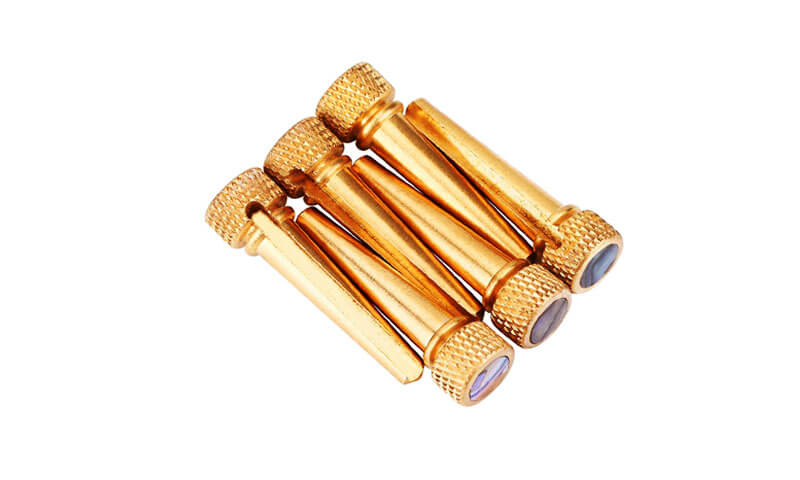
Tāpēc tas parādās tādās lietojumprogrammās kā tilta tapas, bukses, izcirtņi, pārnesumi, hidraulisko cilindru daļas, lieli vārstu kāti, propelleri, un lēna ātruma lielas slodzes gultņi.
2. Kas ir C86300 mangāna bronza?
UNS C86300 ir a mangāns bronza, parasti aprakstīts arī kā a augstas stiprības dzeltenais misiņš lielas slodzes dienestam.
Tas nav izvēlēts vadītspējai vai vienkāršai apstrādei; tas ir atlasīts, jo tas apvieno lielas izturības, laba izturība pret koroziju, un spēcīga nestspēja prasīgās mehāniskās vidēs.
Vara izstrādes literatūrā C86300 ir iekļauta augstas stiprības misiņa grupā, kas var darboties zem ļoti lielas slodzes un vidēji liels ātrums, vienlaikus atzīmējot, ka šiem sakausējumiem ir nepieciešams rūdīts, labi izlīdzinātas vārpstas un uzticama eļļošana.
Praktiski, C86300 ir a liets vara sakausējums smagas ekspluatācijas mehāniskajām daļām.
To plaši izmanto tilta tapas, bukses, izcirtņi, pārnesumi, hidraulisko cilindru daļas, lieli vārstu kāti, propelleri, un lēna ātruma lielas slodzes gultņi,
kas stāsta gandrīz visu par tā dizaina nolūku: šī ir strukturāla bronza, kas paredzēta nolietojumam, slodze, un korozija, nevis vispārējas nozīmes ražošanas sakausējums.
Funkcijas
Augsta izturība un nodilumizturība.
C86300 ir paredzēts, lai pārvadātu slodzi un izturētu virsmas bojājumus lēna ātruma vai robežeļļotās sistēmās.
Vara sakausējuma atsauces raksturo šo saimi kā spējīgu izturēt ļoti lielas slodzes, ar stiepes izturību krietni augstāk 800 MPa sakausējuma klasei, un ar īpašībām, kas piemērotas lieljaudas gultņu un zobratu apkalpošanai.
Laba izturība pret koroziju.
C86300 tiek izmantots jūras aparatūrā, laivu daļas, skavas, aptver, stūres, un citas korozijai pakļautas apkopes daļas, kas atspoguļo tā spēju agresīvā vidē darboties labāk nekā daudzi parastie misiņi.
Lieliska strukturālā lietderība, bet zema apstrādājamība.
The alloy is strong enough to be used as a machine part in its own right, but its published machinability rating is only 8, so it should be treated as a performance bronze rather than an easy-cutting alloy.
Vislabāk piemērots lēnam ātrumam, augstas slodzes pakalpojums.
The alloy family is specifically recommended for high-load applications where shaft alignment and lubrication are well controlled.
Copper-bearing-material guidance also notes that these high-strength brasses have moderate fatigue resistance and do not tolerate dirty lubricants well because they have little capacity to embed particles.
Lietais sakausējums ar vairākām piegādes formām.
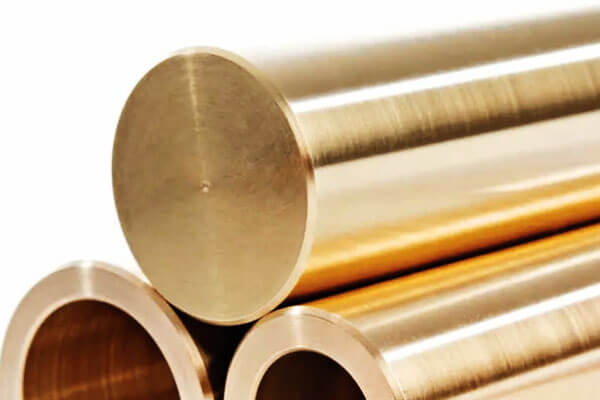
C86300 is available as continuous cast, centrbēdze, sand cast, and precision cast material, which makes it usable both as finished cast components and as semi-finished stock for further machining or fabrication.
Apzīmējumi, kas atbilst UNS C86300
Atzīmēt: these are published equivalent or associated specification designations for C86300; vairākos gadījumos, tie attiecas uz produktu standartiem, nevis identiskiem tikai ķīmijas aizstājvārdiem.
| Standarta ģimene | Līdzvērtīgs / saistītie apzīmējumi UNS C86300 |
| AMS | AMS 4860 |
| ASTM | ASTM B22, ASTM B271, ASTM B30, ASTM B505, ASTM B584, ASTM B763 |
| MIL | MIL-C-11866 |
| QQ-C-390, QQ-C-523 | |
| Sae | SAE J461, SAE J462 |
3. C86300 mangāna bronzas ķīmiskais sastāvs
| Elements | C86300 kompozīcijas diapazons | Metalurģijas loma |
| Cu | 60.0–66,0% | Bāzes matrica un korozijizturīgs vara pamats. |
| Pbe | līdz 0.20% | Tikai atlikušais svins; C86300 nav brīvi apstrādājama bronza ar svinu. |
| Sn | līdz 0.20% | Neliels atlikušais elements; nevis alvas-bronzas dizains. |
| Zn | 22.0–28,0% | Galvenais matricas partneris; palīdz definēt misiņam līdzīgo raksturu. |
| Fe | 2.0–4,0% | Stiprinošs un nodilumizturīgs elements. |
Iekšā |
līdz 1.0% | Niķeļa vērtība ietver kobaltu; atbalsta izturību un korozijas veiktspēju. |
| Al | 5.0–7,5% | Galvenais stiprinošais elements mangāna bronzā. |
| Nojaukšanās | 2.5–5,0% | Galvenais stiprinošais un fāzes stabilizējošais elements. |
| Cu + nosauktie elementi | 99.0% minimāls. | Lietas konstrukcijas bronzas sastāva kontrole ir salīdzinoši stingra. |
4. UNS C86300 fizikālās un mehāniskās īpašības
Tālāk sniegtie dati ir publicēti nepārtraukta liešana vērtības standarta krājumam C86300, mērīts plkst 68° F / 20° C ja vien nav norādīts citādi.
C86300 parasti tiek uzskatīts arī par a neapmierināms sakausējums, tāpēc tā veiktspēju galvenokārt nosaka sastāvs un liešanas stāvoklis, nevis parastās stiprināšanas termiskās apstrādes.
Fizikālās īpašības
| Īpašums | ASV ierasts | Metrisks | Inženiertehniskā nozīme |
| Kušanas temperatūra - šķidrums | 1693 ° F | 923 ° C | Augsta izliešanas temperatūra; nepieciešama rūpīga kausēšanas un pelējuma kontrole. |
| Kušanas temperatūra – ciets | 1625 ° F | 885 ° C | Norāda salīdzinoši šauru sasalšanas diapazonu atlietai bronzai. |
| Blīvums | 0.283 lb/in³ | 7.83 G/cm³ | Blīvs, izturīgs sakausējums, kas piemērots nesošajām daļām. |
| Īpatnējais svars | 7.83 | 7.83 | Apstiprina blīvuma līmeni. |
| Elektrovadītspēja | 8% IACS | 0.046 MS/M | Zema vadītspēja; nav paredzēts kā elektriski vadošs sakausējums. |
| Siltumvadītspēja |
20.5 Btu/ft²·hr·°F |
35.5 Ar m/m · k | Mērena siltuma pārnese, tālu zem vara. |
| Termiskās izplešanās koeficients | 12 × 10⁻⁶ /°F (68–572°F) | 20.7 × 10⁻⁶ /° C (20–300 ° C) | Mērena termiskā izaugsme; svarīgi piemērotības un klīrensa dizainam. |
| Īpatnējā siltuma jauda | 0.09 Btu/lb·°F | 377.1 J/kg · k | Tipiska vara sakausējuma siltuma uzglabāšanas uzvedība. |
| Spriegojuma elastības modulis | 14,200 ksi | 97,900 MPA | Pietiekami stīvs strukturālajam dienestam, lai gan mazāk stingrs nekā tērauds. |
| Magnētiskā caurlaidība* | 1.09 | 1.09 | Būtībā vāji magnētisks praktiskajā darbībā. |
Mehāniskās īpašības
Tālāk publicētās mehāniskās vērtības ir paredzētas ASTM B505/B505M-23 nepārtraukta liešana C86300 istabas temperatūrā.
| Mehāniskais īpašums | ASV ierasts | Metrisks |
| Stiepes izturība, minimāls. | 110 ksi | 758 MPA |
| Ražas spēks plkst 0.5% pagarinājums zem slodzes, minimāls. | 62 ksi | 427 MPA |
| Pagarināšana 2 iekšā. vai 50 mm, minimāls. | 14% | 14% |
| Brinela cietība (3000 kg slodze), tipisks | 223 Bnēt | 223 Bnēt |
| Kompresijas deformācijas robeža, minimāls. | 55 ksi | 380 MPA |
| Apstrādājamības vērtējums | 8 | 8 |
5. C86300 mangāna bronzas apstrāde un ražošana
Liešana
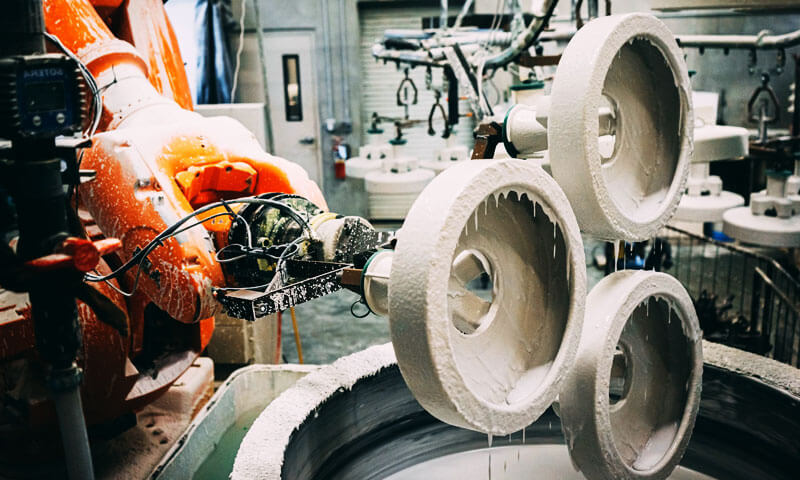
C86300 būtībā ir a uz liešanu orientēts sakausējums, un tas tiek komerciāli piegādāts kā nepārtraukta loma, centrbēdze, un smilšu liešana materiāls.
Uz to attiecas arī vairākas ar lietuvēm saistītas specifikācijas, ieskaitot ASTM B505/B505M nepārtrauktai liešanai, ASTM B271/B271M centrbēdzes lējumiem, ASTM B584 smilšu lējumiem, un ASTM B763/B763M vārstu lējumiem.
Šis specifikācijas platums ir spēcīgs signāls, ka C86300 ir paredzēts nopietnām strukturālām un nodiluma lietām sastāvdaļām, nevis vienkāršām dekoratīvām vai vispārējas nozīmes misiņa daļām..
No lietuvju viedokļa, C86300 nav īpaši piedodošs sakausējums.
Tās publicētie liešanas raksturlielumi liecina zema liešanas raža, augsta piesārņojuma pakāpe, vidēja plūstamība, zema gāzēšana, zema sekcijas izmēra ietekme, un augsta saraušanās sacietēšanā.
Praktiski, tas nozīmē, ka veiksmīga ražošana lielā mērā ir atkarīga no kausējuma tīrības, kontrolēta liešanas prakse, un labi izstrādāta vārtu un barošanas sistēma.
No sakausējuma var iegūt izcilus lējumus, bet tikai tad, ja lietuve oksīda kontroli un saraušanās kompensāciju uzskata par pirmās kārtas mainīgajiem.
Apstrāde
C86300 ir mehāniski apstrādājams, bet ne brīvā nozīmē. Tā ir publicēta apstrādājamības vērtējums ir 8, kas ir ļoti zems salīdzinājumā ar brīvi apstrādājamiem misiņiem.
Praktiski, tas nozīmē apstrāde ir iespējams, bet instrumentu nodilums, mikroshēmu kontrole, un virsmas apdarei ir jāpievērš lielāka uzmanība, nekā to darītu misiņam ar svinu.
Tāpēc C86300 vispirms ir jāizvēlas veiktspējai, nevis apstrādes ērtībai.
Pievienošanās
Pievienošanās uzvedība ir vēl viena joma, kurā C86300 parāda savu "veiktspējas sakausējuma" raksturu.
Publicētie ražošanas norādījumi lodēšana kā slikta, lodēšana kā slikta, oksiacetilēna metināšana kā slikta, un ar gāzi aizsargāta loka metināšana kā slikta, kamēr pārklāta metāla loka metināšana ir novērtēta kā laba.
Citiem vārdiem sakot, tas nav sakausējums, kas atalgo gadījuma savienošanas metodes.
Tam ir nozīme dizainā. Ja komponents, visticamāk, tiks montēts ar mīkstlodēšanu vai cietlodēšanu, C86300 parasti ir nepareiza izvēle.
Ja pievienošanās ir neizbēgama, dizains un procedūra jāizstrādā vienā skaidri pieņemamā maršrutā: pārklājuma metāla loka metināšana, ar atbilstošu kvalifikāciju un uzmanību izkropļojumiem, siltuma ievade, un savienojuma dizains.
Termiskā apstrāde
C86300 to dara nereaģē uz parasto termisko apstrādi tādā veidā, kā to dara nokrišņos cietošie sakausējumi.
Tās spēku nodrošina kompozīcija un lējuma struktūra, nevis no sacietēšanas cikla, kas būtiski palielina mehāniskās īpašības.
Tas nozīmē, ka jums nevajadzētu gaidīt, ka termiskās apstrādes darbība pārveidos C86300 par būtiski atšķirīgu stiprības klasi..
Ko var izmantot, lai arī, ir stresa mazināšana. Publicētie dati liecina par stresa mazināšanas stāvokli 500° F / 260° C, ar laiku temperatūrā 1 stunda uz sienas biezuma collu.
Šis ir atlikušā stresa pārvaldības solis, nav stiprinoša ārstēšana.
Tas ir noderīgi, ja pēc smagas apstrādes vai izgatavošanas liešanai vai apstrādātajai detaļai ir nepieciešama uzlabota izmēru stabilitāte, taču to nevajadzētu sajaukt ar īpašuma uzlabošanas procesu.
6. C86300 mangāna bronzas priekšrocības un ierobežojumi
Galvenās priekšrocības
Augsta izturība vara sakausējumam.
C86300 ir veidots kā izturīga bronza, nav vispārējas nozīmes misiņš.
Tā sakausējuma sistēma nodrošina ļoti augstu nestspēju, un atsauces uz vara sakausējumu ierindo to starp materiāliem, kas piemēroti lielām slodzēm un triecienslodzēm zemā ātrumā.
Lieliska nodiluma un pret žāvēšanas izturēšanās.
Šis sakausējums labi darbojas slīdkontaktu lietojumos, kur virsmas izturība ir svarīgāka par elektrovadītspēju vai vieglu apstrādi.
Tā izmantošana lēna ātruma lielas slodzes gultņos un komponentos, kas ir pakļauti nodilumam, atspoguļo šo stiprības un nodiluma profilu.
Laba izturība pret koroziju.
C86300 ir vairākkārt aprakstīts kā izturīgs pret koroziju, kas ir viens no iemesliem, kāpēc to izmanto jūras aparatūrā, ar dzenskrūvi saistītie komponenti, stūres, un citas daļas, kas pakļautas iedarbībai.
Servisā, šī izturība pret koroziju ir īpaši vērtīga, ja to apvieno ar tās izturību un nodilumizturību.
Spēcīga veiktspēja lēnā ātrumā, augstas slodzes pakalpojums.
Sakausējumu saime ir īpaši piemērota lēnam ātrumam, lielas slodzes gultņi, ar nosacījumu, ka vārpsta ir cieta un vide nav abrazīva.
Vara gultņu materiāla norādījumi arī norāda, ka šīs mangāna bronzas var darboties ar lielu slodzi, bet tiem ir nepieciešama laba eļļošana un neabrazīvi darbības apstākļi.
Pieejams vairākos liešanas maršrutos.
C86300 var ražot kā nepārtrauktu liešanu, centrbēdze, sand cast, and precision cast material, kas nodrošina inženieriem elastību attiecībā uz detaļu izmēru, ģeometrija, un ražošanas ceļš.
Galvenie ierobežojumi
Zema apstrādājamība.
C86300 nav brīvi apstrādājams sakausējums. Tās apstrādājamības vērtējums ir tikai 8, kas nozīmē instrumentu nodilumu, mikroshēmu kontrole, un virsmas apdare ir rūpīgi jāpārvalda.
Tā ir izpildījuma bronza, nav veikalam draudzīgs misiņš.
Liešana ir prasīga.
Sakausējums parāda zema liešanas raža, augsta piesārņojuma pakāpe, vidēja plūstamība, zema gāzēšana, un augsta saraušanās sacietēšanā.
Šī kombinācija nozīmē, ka skaņas liešanai ir nepieciešama stingra procesa disciplīna, labs barošanas dizains, un rūpīga kušanas kontrole.
Pievienošanās iespējas ir ierobežotas.
Publicētas ražošanas vadlīnijas likmes lodēšanai, cietsirdība, oksiacetilēna metināšana, un ar gāzi aizsargātā loka metināšana kā slikta, savukārt pārklājuma metāla loka metināšana ir praktisks izņēmums.
Citiem vārdiem sakot, C86300 nav ērts sakausējums vienkāršai darbplūsmu savienošanai.
Nav ideāli piemērots netīriem vai abrazīviem ekspluatācijas apstākļiem.
Vara gultņu materiāla norādījumi brīdina, ka mangāna bronzas gultņiem ir nepieciešami augsta vārpstas cietība un neabrazīvie darbības apstākļi,
un ka tie slikti panes netīru eļļošanu, jo tiem ir maza spēja iestrādāt gružus.
7. C86300 mangāna bronzas pielietojumi
Lieljaudas jūras komponenti
C86300 plaši izmanto ar jūrniecību saistītā aparatūrā, jo tā apvieno izturību pret koroziju ar nodilumizturību un konstrukcijas izturību.
Tipiski piemēri ietver propelleri, stūres, skavas, aptver, un laivu aparatūru.
Gultņi un bukses
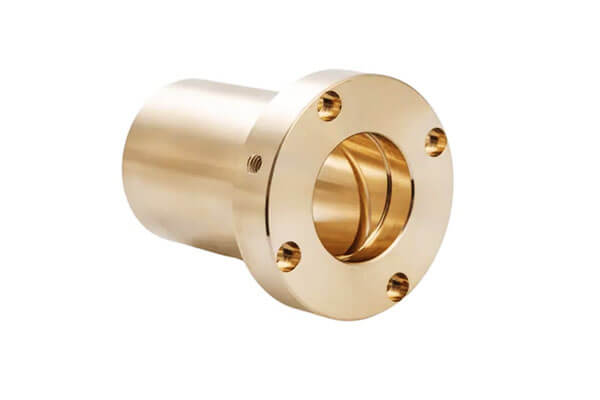
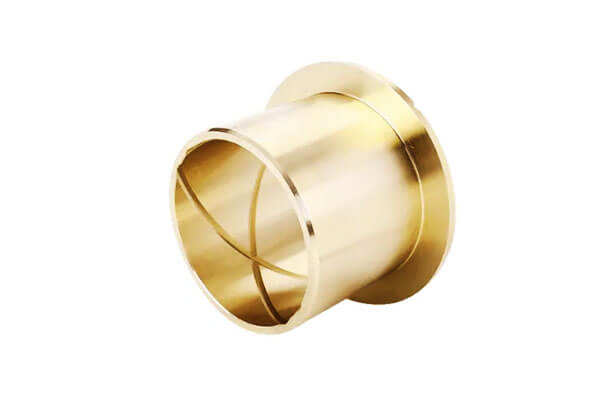
Ir viena no sakausējuma klasiskajām lomām lēns ātrums, lielas slodzes gultņi un bukses. Šī ir viena no svarīgākajām sakausējuma inženiertehniskajām nišām.
Pārnesumi, Kameras, un kustības transmisijas daļas
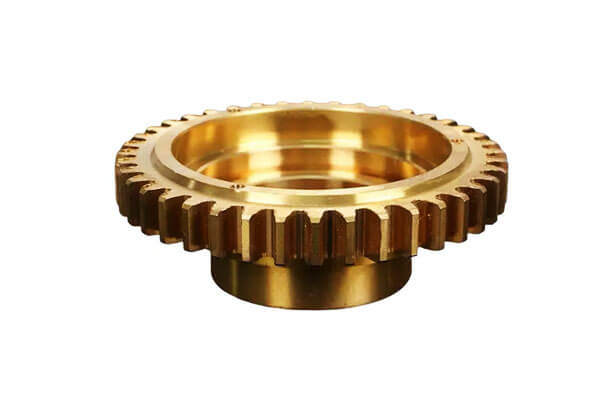
C86300 parasti izmanto pārnesumi, izcirtņi, un mašīnu sastāvdaļas kam nepieciešama virsmas izturība augsta kontakta sprieguma apstākļos.
Hidrauliskās un vārstu sastāvdaļas
Sakausējums ir bieža izvēle hidraulisko cilindru daļas, lieli vārstu kāti, un skrūvējamie uzgriežņi.
Šiem lietojumiem ir nepieciešama laba spiedes izturība, nodilums pretestība, un izturība pret koroziju, īpaši, ja kustība atkārtojas un eļļošana ir nepilnīga.
Strukturālā un rūpnieciskā aparatūra
C86300 parādās arī tilta tapas, statņi, rāmji, iekavas, stiprinājumi, un celtnieku aparatūru.
Īpašas slodzes un lielas servisa iekārtas
Vara sakausējuma atsauces savieno mangāna bronzas ar lielas slodzes un triecienslodzes zemā ātrumā,
ieskaitot lidmašīnu šasijas gultņi un citas vadības virsmas vai strukturālās daļas, kur izmēru integritāte ir kritiska.
8. C86300 vs. Konkurējošie sakausējumi: Kas to atšķir
| Salīdzinājuma vienums | C86300 | C95400 | C95500 |
| Sakausējuma ģimene / pozicionēšana | Mangāna bronza; augstas stiprības dzeltens misiņš, kas paredzēts lieljaudas mehāniskai apkopei. | Alumīnija bronza; plaša pielietojuma konstrukcijas bronza, ko plaši izmanto nodiluma un slodzes apkalpošanai. | Niķeļa alumīnija bronza; a severe-service alloy with stronger marine and wear-oriented positioning. |
| Representative continuous-cast tensile strength | 110 ksi minimum. | 85 ksi minimum. | 95 ksi minimum. |
| Representative continuous-cast yield strength | 62 ksi minimum. | 32 ksi minimum.
) |
42 ksi minimum. |
| Representative continuous-cast elongation | 14% minimums. | 12% minimums.
) |
10% minimums. |
| Blīvums | 0.283 lb/cu in; specific gravity 7.83. | 0.269 lb/cu in; specific gravity 7.45. | 0.272 lb/cu in; specific gravity 7.53. |
| Elektrovadītspēja | 8% IACS. | 13% IACS. | 8% IACS. |
| Siltumvadītspēja | 20.5 Btu/sq ft/hr/°F. | 33.9 Btu/sq ft/hr/°F. | 24.2 Btu/sq ft/hr/°F. |
| Elastības modulis | 14,200 ksi. | 15,500 ksi. | 16,000 ksi. |
| Apstrādājamības vērtējums | 8. | 60. | 50. |
| Casting behavior | Low casting yield, augsta piesārņojuma pakāpe, vidēja plūstamība, zema gāzēšana, augsta saraušanās sacietēšanā. | Low casting yield, augsta piesārņojuma pakāpe, vidēja plūstamība, medium gassing, augsta saraušanās sacietēšanā. | Low casting yield, augsta piesārņojuma pakāpe, vidēja plūstamība, medium gassing, augsta saraušanās sacietēšanā. |
Pievienošanās / izgatavošana |
Soldering poor, brazing poor, oxyacetylene welding poor, gas-shielded arc welding poor, coated metal arc welding good. | Soldering good, brazing good, oxyacetylene welding not recommended, gas-shielded arc welding good, coated metal arc welding good. | Soldering good, brazing fair, oxyacetylene welding not recommended, gas-shielded arc welding good, coated metal arc welding good. |
| Typical service emphasis | Slow-speed heavy-load bearings, bukses, pārnesumi, izcirtņi, hidraulisko cilindru daļas, tilta tapas, propelleri, vārsta kāti, un jūras aparatūra. | Gultņi, bukses, pārnesumi, vārstu ķermeņi, sūkņa daļas, hot mill guides, Nolaišanās pārnesumu daļas, and industrial wear components. | Jūras aparatūra, vārstu ķermeņi, gultņi, bukses, pārnesumi, propeller-related parts, valkāt plāksnes, and severe-service industrial parts. |
9. Secinājums
C86300 manganese bronze is a testament to the power of material engineering, combining the castability of brass, the strength of steel, un alumīnija bronzas izturība pret koroziju vienā, daudzpusīgs materiāls.
Tā rūpīgi sabalansētais ķīmiskais sastāvs – varš, cinks, mangāns, alumīnijs, un dzelzs — veido daudzfāzu mikrostruktūru
kas nodrošina izcilu spēku, nodilums pretestība, un elastība, padarot to par labāko izvēli visprasīgākajiem lieljaudas lietojumiem.
No tās lomas smagās tehnikas gultņos un kuģu dzenskrūves rumbās līdz kosmosa šasijai un civilajai infrastruktūrai, C86300 atrisina tradicionālo vara sakausējumu un pat dažu tēraudu ierobežojumus.
Tās spēja izturēt lielas slodzes, skarba vide, un cikliskā iekraušana, vienlaikus saglabājot liešanu un apstrādājamību, izceļ to kā īstu darba zirgu inženierzinātnēs.
Ikvienam, kurš meklē materiālu, kas līdzsvaro spēku, nodilums pretestība, un izturība pret koroziju lielas slodzes lietošanai, C86300 nav tikai izvēle — tas ir standarts.
FAQ
Vai C86300 var izmantot pašeļļojošos lietojumos?
Jā, bet tikai modificējot.
C86300 bieži izmanto kā parasto metālu ar grafītu savienotiem gultņiem, kur bronzā ir ievietoti cietie smērvielas aizbāžņi, lai skarbos apstākļos varētu darboties bez eļļas.
Vai C86300 ir tas pats, kas "Mangāna bronza"?
C86300 ir visizplatītākā “augstas stiprības” mangāna bronza. Tomēr, ir arī citas kategorijas, piemēram, C86200 un C86500 ar mazāku stiprību.
Vienmēr norādiet UNS numuru, lai nodrošinātu pareizas mehāniskās īpašības.
Kā C86300 atšķiras no alumīnija bronzas (C95400)?
Abi ir augstas stiprības sakausējumi. C86300 parasti piedāvā augstāku stiepes izturību un cietību, savukārt C95400 (Alumīnija bronza) nodrošina labāku izturību pret kavitāciju un triecienslodzi.