1. Ievads
Precīzijas mehānisko komponentu jomā, līdz misiņa gultņu fiksators spēlē izšķirošu, bet bieži vien nepietiekami novērtētu lomu.
Kalpo kā konstrukcijas karkass rites gultņos, tas nodrošina vienmērīgu attālumu starp rites elementiem (bumbiņas vai rullīši), saglabā izlīdzinājumu, un samazina berzes siltuma veidošanos.
Tās ieguldījums ir ļoti svarīgs gultņu komplekta darbības stabilitātei un kalpošanas laikam.
Vēsturiski, gultņu fiksatori ir attīstījušies no elementāriem tērauda vai bronzas sprostiem līdz precīzi izstrādātiem komponentiem, kas izgatavoti no uzlabotiem sakausējumiem.
Starp šiem, misiņš kļuva par vēlamo materiālu, pateicoties tās izcilajam spēka sajaukumam, mašīnīgums, izturība pret koroziju, un pretsaķeršanās īpašības.
Šīs īpašības padara misiņa stiprinājumus par neaizstājamiem augstas precizitātes nodrošināšanai, ar lielu slodzi, un ātrgaitas vidēs.
Tādas nozares kā autobūves, avi kosmosa, dzelzceļi, vēja turbīnas, rūpnieciskā mašīna, un jūras pielietojums visi paļaujas uz misiņa fiksatoru konsekventu darbību.
Šajā rakstā, mēs pētām misiņa gultņu fiksatorus, izmantojot daudznozaru lēcas — materiālu zinātni, inženierzinātņu dizains, ražošanas procesi, kvalitātes pārbaude, rūpniecības pielietojumi, un inovāciju tendences — piedāvājot visaptverošu tehnisko ceļvedi.
2. Fons un definīcija
Kas ir misiņa gultņu fiksators?
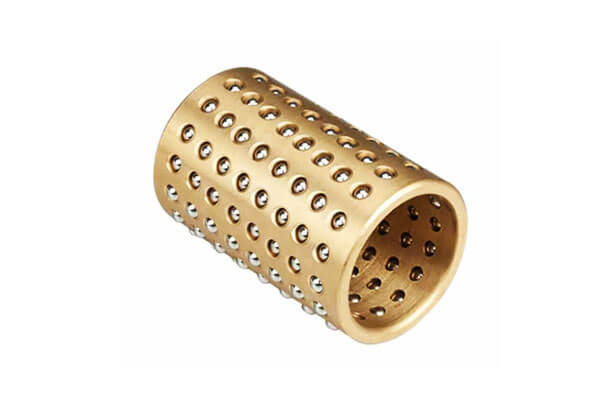
Izšķirt misiņa gultņu fiksators— pazīstams arī kā sprosts vai separators — ir gultņa iekšpusē esoša sastāvdaļa, kas fiziski atdala rites elementus, vienlaikus saglabājot vienmērīgu atstarpi un kustības kontroli..
Tas novērš metāla saskari ar metālu, tādējādi samazinot berzi, troksnis, un siltuma veidošanās rotācijas laikā.
Galvenās sastāvdaļas un funkcionalitāte
Turētājs parasti sastāv no precīzi apstrādātas kabatas vai logi kurā atrodas atsevišķas bumbiņas vai rullīši. Šīs dizaina iezīmes:
- Novērst elementu sašķiebšanos un pārklāšanos.
- Atbalstiet vienmērīgu slodzes sadalījumu.
- Veicināt optimālu eļļošanas plūsmu starp rites komponentiem.
3. Materiāla īpašības un sastāvs
Misiņa sastāvs un sakausējumi
Misiņš ir vara sakausējums (Cu) un cinks (Zn), bieži papildināts ar mikroelementiem, piemēram, svinu (Pbe), alvas (Sn), vai alumīnijs (Al) uzlabotai veiktspējai.
Visbiežāk izmantotās kategorijas gultņu fiksatoriem ietver:
| Misiņa pakāpe | Tipisks kompozīcija | Raksturojums |
|---|---|---|
| Kasetnes misiņš (C26000) | 70% Cu, 30% Zn | Lieliska lokanība un izturība |
| Brīvi griežams misiņš (C36000) | 61.5% Cu, 35.5% Zn, 3% Pbe | Izcila apstrādājamība un precizitāte |
| Augstas izturības misiņš (C48500) | 58-60% Cu, atpūta Zn & Sn | Laba nodilumizturība un noguruma izturība |
Standarti un specifikācijas
Misiņa gultņu fiksatoriem jāatbilst starptautiskajiem materiālu un izmēru standartiem, piemēram,:
- ASTM B124/B16 misiņa stienim un kalšanai.
- Iso 683-17 vara sakausējumiem mehāniskajās detaļās.
- ROHS un Sasniegt direktīvas par atbilstību vides prasībām.
4. Dizains un funkcionalitāte
Misiņa gultņu fiksatora dizains nav tikai formas un izmēra jautājums — tā ir būtiska veiktspējas inženierijas sastāvdaļa..
Katrs fiksatora ģeometriskais aspekts tieši ietekmē gultņa slodzes sadalījumu, karstuma izkliede, vibrācijas slāpēšana, un ekspluatācijas laiku.
Misiņš, līdzsvarotās mehāniskās izturības kombinācijas dēļ, mašīnīgums, un termiskā stabilitāte, ļauj inženieriem optimizēt dizainu tā, lai citi materiāli varētu ierobežot.
Strukturālās projektēšanas apsvērumi
Galvenie misiņa gultņu fiksatora dizaina elementi ietver:
- Kabatas ģeometrija (lodīšu vai rullīšu ierobežošanai)
- Rievu un tilta biezums
- Būra gredzena izmēri
- Klīrensa pielaides
- Eļļošanas kanālu integrācija
Katra funkcija ir pielāgota gultņa funkcijai, vai tas darbojas zem aksiālās slodzes, radiālā slodze, vai abu kombinācija.
Piemēram, dziļo rievu lodīšu gultņos, ko izmanto elektromotoros, izšķirt kroņa tipa misiņa fiksators bieži izmanto, lai novērstu lodītes slīdēšanu liela ātruma rotācijas laikā — tas var sasniegt līdz 20,000 Rpm dažos rūpnieciskos lietojumos.
Precizitātes ziņā, kabatas koncentriskuma un sienu biezuma pielaides var būt tikpat stingras kā ± 0,01 mm, nodrošinot, ka bumbiņas paliek vienādā attālumā dinamiskas darbības laikā.
Misiņa apstrādes vienkāršība atvieglo šādu augstas precizitātes prasību sasniegšanu bez ievērojama instrumenta nodiluma vai deformācijas riska.

Loma gultņu mezglos
Pārsniedzot vienkāršu atstarpi, misiņa gultņu fiksators veic vairākas sarežģītas funkcijas, kas tieši ietekmē gultņu efektivitāti:
- Slodzes sadalījums:
Saglabājot vienmērīgu attālumu starp rites elementiem, fiksators nodrošina, ka pieliktās slodzes tiek vienmērīgi pārnestas caur gultņu ceļiem, samazinot punktu stresu, kas izraisa agrīnu nogurumu. - Berzes samazināšana:
Misiņa zemais berzes koeficients (parasti ~0,35 pret tēraudu zem eļļošanas) palīdz samazināt iekšējo pretestību, ļoti svarīgi liela ātruma vai zema griezes momenta apstākļos. - Vibrācijas slāpēšana:
Misiņa amortizācijas spēja ir ievērojami augstāka nekā tērauda vai polimēru slāpēšanas spēja, kas palīdz samazināt troksni un mikrovibrācijas, kas var izraisīt sašutumu vai bedru veidošanos. - Eļļošanas plūsma:
Aiztures dizainā var būt iekļauti eļļas kanāli vai spraugas, lai veicinātu smērvielas cirkulāciju.
Šī dizaina iezīme, pārī ar misiņa siltumvadītspēju (~109 W/m·K), palīdz stabilizēt darba temperatūru un novērst smērvielas sadalīšanos. - Izlīdzināšanas apkope:
Īpaši termisku vai mehānisku triecienu gadījumā, stingrs misiņa fiksators palīdz saglabāt rites elementu aksiālo un radiālo izlīdzināšanu, novēršot sašķiebšanos vai novirzi, kas var izraisīt katastrofālu atteici.
Projektēšanas optimizācija
Lai apmierinātu īpašas darbības vajadzības, inženieri izmanto dažādas stratēģijas, lai uzlabotu fiksatora dizainu. Tie ietver:
- Galīgo elementu analīze (Drudzis): Simulē mehānisko spriegumu un termiskos efektus slodzes apstākļos.
Šie dati nosaka struktūras uzlabojumus, piemēram, ribu pastiprināšanu vai kabatas pārveidošanu. - Skaitļošanas šķidruma dinamika (CFD): Liela ātruma vai iegremdētās lietojumprogrammās, CFD tiek izmantots, lai novērtētu smērvielas plūsmas modeļus caur sprostu, lai nodrošinātu labāku siltuma izkliedi.
- Materiālu savienošanas pārī apsvērumi: Inženieri ņem vērā fiksatora mijiedarbību ar sacīkšu ceļa un rites elementu materiāliem.
Misiņš īpaši labi darbojas ar nerūsējošo tēraudu un hroma tēraudu, jo tas ir nežēlīgs. - Masas un inerces līdzsvarošana: Rotējošajos mezglos, asimetrisks fiksatora masas sadalījums var izraisīt nelīdzsvarotību.
Tāpēc, svara optimizācija, izmantojot kabatas dizainu un sienu retināšanu (kur tas ir strukturāli iespējams) ir izplatīta taktika. - Virsmas procedūras: Precīzās kosmosa vai medicīniskās klases gultņos, sausās plēves smērvielas vai plazmas nitrēšana var uzklāt uz fiksatoru virsmām, lai vēl vairāk samazinātu nodilumu un berzi.
5. Misiņa gultņu fiksatoru ražošanas un apstrādes metodes
Misiņa gultņu fiksatoru ražošana ir rūpīgi izstrādāts process, kas līdzsvaro precizitāti, efektivitāte, un veiktspējas prasības.
No izejmateriālu izvēles līdz virsmas apdarei, katrs solis ir optimizēts, lai nodrošinātu, ka gala sastāvdaļa var izturēt prasīgas mehāniskās darbības, termisks, un vides apstākļi.
Ražošanas metodes izvēle bieži ir atkarīga no fiksatora ģeometrijas sarežģītības, apjoma prasības, un konkrēto pielietojumu, kuram fiksators paredzēts.
Kopējās ražošanas metodes
CNC apstrāde
CNC (Datora ciparu vadība) apstrāde tiek plaši izmantots precīzu misiņa fiksatoru ražošanai, īpaši maziem līdz vidējiem ražošanas apjomiem un sarežģītām ģeometrijām.
Misiņa sakausējumu, piemēram, C36000, raksturīgā apstrādājamība (Brīvi griežams misiņš) ar apstrādājamības reitingu 100%- padara CNC pagrieziens un frizēšana ideālas izvēles.
Apstrāde pieļauj stingras izmēru pielaides, bieži iekšā ± 0,01 mm, kas ir ļoti svarīgi ātrgaitas vai lielas slodzes gultņu mezgliem.

Štancēšana un štancēšana
Liela apjoma vienkāršāku fiksatoru konstrukciju ražošanai, štancēšana ir rentabla metode.
Misiņa loksnes tiek perforētas formā, izmantojot ātrgaitas štancēšanas preses, ražo fiksatorus ar nemainīgu ģeometriju un minimālu materiālu atkritumu daudzumu.
Atkarībā no sakausējuma un fiksatora biezuma, ražošanas rādītāji var pārsniegt 200 daļas minūtē, padarot šo metodi labi piemērotu automobiļu un ierīču rūpniecībai.
Liešana
Mirkšana tiek izmantots, ja dizains ietver sarežģītas 3D kontūras vai ražo fiksatorus lielos daudzumos.
Izkausētu misiņu iesmidzina rūdīta tērauda veidnēs zem augsta spiediena, ļauj ātri ražot gandrīz tīkla formas komponentus ar labu virsmas apdari.
Tomēr, Preslējumam var būt nepieciešama papildu apstrāde vai apgriešana, lai nodrošinātu smalkas pielaides.
Precīzijas investīciju liešana (Retāk izplatīts)
Specializētos lietojumos, kam nepieciešamas sarežģītas dizaina iezīmes vai dobas formas, investīciju liešana (zaudēto vaska liešana) var izmantot.
Lai gan tas ir retāk sastopams izmaksu un izpildes laika dēļ, tas piedāvā augstas dimensijas precizitāti un labu virsmas kvalitāti nišas kosmosa vai aizsardzības vajadzībām.
Virsmas apdare un pārklājumi
Misiņa fiksatori gūst ievērojamu labumu no sekundārajiem virsmas apstrādes procesiem, kas uzlabo to funkcionālās un estētiskās īpašības.
- Pulēšana: Sasniedz gludu apdari (Ra < 0.2 μm), kas ir būtiski, lai līdz minimumam samazinātu berzi un nodilumu starp fiksatoru un rites elementiem.
- Niķeļa pārklājums: Uzlabo izturību pret koroziju un var palielināt virsmas cietību. Bieži tiek izmantots fiksatoriem, ko izmanto mitrā vai ķīmiski agresīvā vidē.
- Galvanizācija un alvas pārklājums: Šie procesi tiek izmantoti oksidācijas samazināšanai, īpaši lietojumiem, kur gultnis darbojas sāls šķīdumā vai skābos apstākļos.
- Atstarpju noņemšana un ultraskaņas tīrīšana: Pēdējās tīrīšanas darbības noņem asas malas un piesārņotājus, kas citādi varētu izraisīt mikronolietojumu vai priekšlaicīgu bojājumu.
Kvalitātes kontrole un pielaides
Lai nodrošinātu optimālu veiktspēju, misiņa gultņu fiksatoriem visā ražošanas procesā tiek veiktas stingras kvalitātes pārbaudes:
- Dimensiju pārbaude: Koordinēt mērīšanas mašīnas (CMMS) un digitālie suporti pārbauda kabatas koncentriskumu, sienas biezums, un gredzena apaļums ar precizitāti mikronu līmenī.
- Cietības pārbaude: Misiņa fiksatorus var pārbaudīt, izmantojot Rockwell vai Vickers metodes, ar tipiskām cietības vērtībām, kas svārstās no HB 80–110, atkarībā no sakausējuma un apstrādes.
- Virsmas raupjuma mērīšana: Lai apstiprinātu gludumu, tiek izmantoti profilometri, īpaši ātrgaitas gultņu lietojumos, kur raupjas virsmas var izjaukt smērvielu plēves.
- Rentgenstaru un krāsu caurlaidības pārbaude (lietiem komponentiem): Nodrošina, lai nebūtu iekšēju porainību, tukšumi, vai plaisas, kas varētu apdraudēt konstrukcijas integritāti.
6. Veiktspējas analīze un pārbaude
Misiņa gultņu fiksatoru uzticamību un ilgmūžību tieši ietekmē to mehāniskās īpašības, termisks, un vides raksturlielumi.
Lai nodrošinātu šo komponentu optimālu darbību dažādos ekspluatācijas apstākļos, tiek izmantota visaptveroša veiktspējas pārbaude.

Mehāniskā veiktspēja
Misiņa gultņu fiksatori darbības laikā ir pakļauti ievērojamai mehāniskai slodzei. Galvenie novērtētie parametri ietver:
- Nodilums pretestība: Misiņa fiksatori, īpaši tie, kas izgatavoti no sakausējumiem ar augstu vara saturu
piemēram, C93200 vai C36000, piemīt izcilas nodiluma īpašības, pateicoties to raksturīgajai eļļošanai un zemam berzes koeficientam (parasti starp 0.25–0,35 kad nav ieeļļots).
Tas padara tos labi piemērotus liela ātruma un lielas slodzes lietojumiem. - Noguruma spēks: Cikliska slodze, ko piedzīvo fiksatori, īpaši rotējošās iekārtās, prasa labu noguruma veiktspēju.
Misiņa sakausējumi parasti piedāvā noguruma stiprumu diapazonā 170–270 MPa, atkarībā no konkrētā sastāva un termiskās apstrādes. - Nestspēja: Lai gan tas nav tik augsts kā tērauds, misiņa stiprinājumi var izturēt ievērojamas radiālās un aksiālās slodzes.
Piemēram, kasetnes misiņš (C26000) var izturēt statiskas slodzes līdz 140 MPA, atkarībā no konstrukcijas un sienu biezuma.
Termiskā un korozijas veiktspēja
Misiņa gultņu fiksatori bieži darbojas paaugstinātā temperatūrā un potenciāli korozīvos apstākļos, kas prasa stingru novērtējumu.
- Siltumvadītspēja: Viena no misiņa priekšrocībām ir tā augstā siltumvadītspēja, vidējā vērtība 110–130 W/m·K,
kas palīdz efektīvi izkliedēt siltumu no gultņu bloka, tādējādi samazinot termisko deformāciju vai smērvielas sabojāšanās risku. - Termiskā stabilitāte: Misiņa fiksatori parasti saglabā struktūras integritāti līdz 250° C. Virs šī sliekšņa, mehāniskā izturība un izmēru stabilitāte sāk pasliktināties,
padarot tos mazāk piemērotus augstas temperatūras kosmosa vai iekšdedzes dzinēju zonām bez izmaiņām. - Izturība pret koroziju: Pateicoties vara saturam, misiņš nodrošina izcilu izturību pret rūsu un oksidāciju neitrālā un viegli skābā vidē.
Tomēr, sāļos vai ļoti skābos apstākļos, selektīva izskalošanās (dezinfekcija) var rasties. Par šādām lietojumprogrammām, izturīgs pret cinkošanu (RDA) misiņa sakausējumi ir ieteicams.
Šo atribūtu testēšanas metodes ietver sāls aerosola pārbaude (ASTM B117), oksidācijas stabilitātes novērtējums, un termiskā cikla testi.
Testēšanas standarti un metodes
Lai nodrošinātu veiktspējas konsekvenci, parasti tiek piemēroti šādi starptautiski atzīti standarti:
| Pārbaudes kategorija | Attiecīgie standarti | Mērķis |
|---|---|---|
| Izmēru pielaides | Iso 286 / ANSI B4.1 | Nodrošina precīzu saderību ar gultņu skrējieniem un sprostiem |
| Nodiluma pārbaude | ASTM G99 (Pin-on-Disk) | Mēra berzi un materiālu zudumus laika gaitā |
| Izturība pret koroziju | ASTM B117 (Sāls aerosols) | Novērtē izturību pret oksidāciju un sāļu vidi |
| Cietības pārbaude | ASTM E18 (Rokvels) / ASTM E384 (Vikers) | Pārbauda virsmas un serdes cietību |
| Noguruma pārbaude | Iso 281 | Novērtē paredzamos dzīves ciklus pie rotējošām slodzēm |
7. Misiņa gultņu fiksatoru rūpnieciskie pielietojumi
| Rūpniecība | Pieteikums | Pabalsti |
|---|---|---|
| Automašīna | Dzinēja kloķvārpstas gultņi, pārnesumkārbas | Augsta siltuma vadītspēja, zems nodilums |
| Aviācija | Piezemēšanās piederumi, lidojuma vadības gultņi | Izmēra stabilitāte, vibrācijas slāpēšana |
| Rūpnieciskās iekārtas | Sūkņi, motori, kompresori | Izturība pret triecienslodzēm un eļļas piedevām |
| Sliede & Jūras | Vilces motori, propellera vārpstas | Izturība pret koroziju un uzticamība |
8. Priekšrocības un ierobežojumi
Misiņa gultņu fiksatori ir ieguvuši ilgstošu reputāciju ar uzticamību un daudzpusību vairākās rūpniecības nozarēs.
To atšķirīgās materiāla īpašības piedāvā līdzsvarotu mehāniskās integritātes kombināciju, mašīnīgums, un izturība pret vides stresa faktoriem.
Tomēr, tāpat kā visas inženiertehniskās sastāvdaļas, misiņa fiksatoriem ir gan stiprās puses, gan ierobežojumi atkarībā no konkrētās pielietojuma vides.
Šo aspektu izpratne ir būtiska, lai projektēšanas inženierijā izvēlētos optimālo fiksatora materiālu.

Misiņa gultņu fiksatoru priekšrocības
Lieliska izturība pret koroziju
Viena no ievērojamākajām misiņa priekšrocībām ir tā dabiskā izturība pret koroziju, īpaši neitrālā un viegli kodīgā vidē.
Tas padara misiņa fiksatorus ideāli piemērotus lietojumiem, kas pakļauti mitruma iedarbībai, smērvielas, un vieglas skābes, piemēram, kuģu iekārtas un pārtikas tehnikas.
- Piemērs: C36000 brīvi apstrādājama misiņa izturība pret koroziju ir salīdzināma ar nerūsējošā tērauda izturību iekštelpās vai daļēji atklātās vietās, ar minimālu bedrēm pēc 72 stundas ASTM B117 sāls izsmidzināšanas testos.
Augstāka mehāniskums
Misiņš tiek plaši uzskatīts par vienu no visvairāk apstrādājamajiem metāliem.
Tā zemā griešanas pretestība ļauj precīzi izgatavot sarežģītas fiksatoru ģeometrijas ar stingrām pielaidēm, samazinot ražošanas laiku un instrumentu nodilumu.
- Mašīnas vērtējums: Misiņš (C36000) punktu skaitu 100 par apstrādājamības indeksu, kas ir bāzes līnija visu pārējo metālu salīdzināšanai, ievērojami pārspēj nerūsējošo tēraudu (C304 = 45).
Laba siltumvadītspēja
Ar siltumvadītspējas vērtībām starp 110–130 W/m·K, misiņa fiksatori palīdz izkliedēt siltumu prom no gultņa saskarnes, uzlabojot eļļošanas stabilitāti un samazinot termiskās atteices risku lielā ātrumā.
Zema berzes un trokšņu samazināšana
Misiņa gultņu fiksatoriem ir dabiski zems berzes koeficients, un tiem ir lieliskas amortizācijas īpašības.
Šīs īpašības samazina vibrācijas un trokšņa līmeni rotējošajos mezglos, īpaši augstas precizitātes un ātrgaitas mašīnās.
Mērens stiprums ar strukturālu stabilitāti
Lai gan tas nav tik izturīgs kā rūdīts tērauds, misiņš nodrošina pietiekamu izturību vidējas slodzes lietojumiem.
Tādi sakausējumi kā C26000 un C93200 var izturēt tipiskus darba spriegumus automobiļu un rūpniecības sistēmās, vienlaikus saglabājot izmēru stabilitāti laika gaitā.
Estētika un izturēšanās pret gallingu
Papildus veiktspējas priekšrocībām, misiņa fiksatori nodrošina tīru, pievilcīgs izskats un lieliska izturība pret žāvēšanu,
kas ir īpaši noderīgi pārošanās virsmām, kur notiek atkārtota kustība un kontakts.
Misiņa gultņu fiksatoru ierobežojumi
Neskatoties uz to daudzajām priekšrocībām, misiņa fiksatori nav universāli piemēroti visiem darbības apstākļiem. Daži no to ierobežojumiem ietver:
Zemāka augstas temperatūras izturība
Augstākā temperatūrā misiņš sāk mīkstināt 250° C, kas var apdraudēt mehānisko izturību un izmēru integritāti augsta karstuma vidēs, piemēram, iekšdedzes dzinējos vai turbīnās.
- Mīkstināšanas temperatūra: Apkārt 300° C, atkarībā no sakausējuma un slodzes stāvokļa.
Dezincifikācija agresīvā vidē
Pakļaušana augsta hlorīda vai skābas vides iedarbībai var izraisīt dezinfekcija, korozijas veids, kurā cinks izskalojas no sakausējuma, atstājot aiz sevis novājinātu, poraina vara struktūra.
- Šķīdums: Izmantot RDA (Izturīgs pret dezincifikāciju) misiņš, piemēram, CZ132 vai CW602N, šādās vidēs.
Zemāka stiepes izturība salīdzinājumā ar tēraudu
Lai gan pietiek mērenām slodzēm, misiņam parasti ir stiepes izturības diapazons 300–550 MPa, kas ir ievērojami zemāks nekā rūdītiem tēraudiem (bieži vien augstāk 800 MPA).
Tas padara to mazāk piemērotu lietojumiem, kuriem nepieciešama ārkārtēja mehāniskā slodze.
Izmaksu nepastāvība
Misiņš galvenokārt sastāv no vara, kas ir pakļauts pasaules preču cenu svārstībām. Tas var radīt izmaiņas izejvielu izmaksās un kopējos ražošanas budžetos.
Ierobežota lietošana ļoti abrazīvos apstākļos
Lai gan misiņš ir nodilumizturīgs, tas ir mīkstāks par daudziem citiem metāliem.
Vidēs ar abrazīvām daļiņām vai spēcīgu dinamisku kontaktu, nodilums var paātrināties, ja vien to nepastiprina pārklājumi vai eļļošanas sistēmas.
9. Salīdzinošā analīze ar citiem gultņu fiksatoriem
Gultņa stiprinājuma materiāla izvēle ir ļoti svarīga, lai sasniegtu optimālu veiktspēju rotējošās un nesošās sistēmās.
Lai gan misiņš ir labi izveidots materiāls, inženierzinātņu speciālisti to bieži salīdzina ar alternatīvām, piemēram, nerūsējošais tērauds, alumīnijs, fiksatori uz polimēru bāzes, un uzlaboti kompozītmateriāli.
Šajā sadaļā ir sniegta galveno veiktspējas parametru salīdzinoša analīze, lai palīdzētu veikt apzinātu materiālu izvēli.
Materiālu salīdzinājumi
| Parametrs | Misiņš | Nerūsējošais tērauds | Alumīnijs | Inženierplastika (Piem., Ptfe, Palūrēt) |
|---|---|---|---|---|
| Blīvums (G/cm³) | 8.4–8.7 | 7.8–8,0 | 2.7 | 1.3–1.5 |
| Stiepes izturība (MPA) | 300–550 | 500–900 | 100–400 | 50–150 |
| Siltumvadītspēja (Ar m/m · k) | 110–130 | 15–25 | 200–235 | 0.25–0.30 |
| Mašīnas indekss | 100 (lielisks) | 45–50 (mērens) | 60–75 | Zema vai mērena |
| Izturība pret koroziju | Augsts (ar zināmu dezincifikāciju) | Lielisks (it īpaši 316 pakāpe) | Mērens | Lielisks (ķīmiski izturīgi veidi) |
| Svara priekšrocība | Smagāks | Smagāks | Viegls | Ļoti viegls |
| Maksāt (radinieks) | Mērens | Augsts | Zema vai mērena | Mainīgs (var būt augsts) |
| Darba temperatūras diapazons | -100°C līdz +250 °C | Līdz 600°C | Līdz 200°C | Atšķiras atkarībā no materiāla (līdz 250-300°C) |
| Trokšņa slāpēšana | Labi | Nabadzīgs | Mērens | Lielisks |
Veiktspējas kompromisi
Mehāniskā izturība vs. Mašīnīgums
Nerūsējošais tērauds nodrošina izcilu izturību un izturību pret nogurumu, padarot to vēlamāku lielas slodzes vai ekstrēmās vidēs, piemēram, aviācijas un kosmosa turbīnu gultņiem.
Tomēr, tā zemā apstrādājamība (45 uz indeksu) palielina ražošanas laiku un instrumentu izmaksas.
Turpretī, misiņš līdzsvaro mērenu mehānisko izturību ar izcilu apstrādājamību, precīzas ražošanas racionalizēšana.
Siltumvadītspēja un siltuma pārvaldība
Alumīnijs pārspēj visus metālus siltumvadītspējas ziņā, kas var būt ļoti svarīgi karstuma intensīvos lietojumos, piemēram, elektromotoru korpusos.
Tomēr, alumīnija zemākā izturība un uzņēmība pret slīdēšanu ierobežo tā izmantošanu precīzijas gultņu komplektos.
Misiņš, ar stabilu siltumvadītspēju un pretdrudža darbību, piedāvā vidusceļu gan veiktspējas, gan izturības ziņā.
Izturība pret koroziju un piemērotība videi
Darbojoties skarbos apstākļos, sāls, vai ķīmiski agresīvā vidē, nerūsējošais tērauds un mākslīgā plastmasa pārspēj misiņu, pateicoties to izturībai pret cinkošanu un virsmas degradāciju.
Iekštelpām, viegli kodīgs, vai ieeļļotas aplikācijas, lai arī, misiņš nodrošina izcilu izturību pret koroziju ar zemākām materiāla izmaksām.
Svara apsvērumi
Svaram jutīgos konstrukcijās, piemēram, bezpilota lidaparātos vai precīzās optiskās ierīcēs, inženiertehniskā plastmasa un alumīnijs piedāvā nepārprotamas priekšrocības.
Tomēr, to zemāka izmēru stabilitāte un lielāka jutība pret termisko izplešanos var ietekmēt gultņu izlīdzināšanu un kalpošanas ilgumu.
Misiņš labāk saglabā formu un pielaides mehāniskās slodzes un mērenu termisko svārstību apstākļos.
Trokšņu un vibrāciju slāpēšana
Gan misiņš, gan inženierplastmasa labi slāpē vibrācijas un samazina darbības troksni, kas ir ļoti svarīgi medicīnas ierīcēs un ātrgaitas iekārtās.
Nerūsējošais tērauds un alumīnijs, ir mazāk atbilstošs, bieži vien ir nepieciešamas papildu slāpēšanas sistēmas.
10. Secinājums
Līdz misiņa gultņu fiksators joprojām ir būtisks augstas veiktspējas gultņu sistēmu veicinātājs vairākās nozarēs.
Apvienojot izcilas materiāla īpašības ar dizaina elastību un ražošanas daudzpusību, tas atbalsta mūsdienu inženiertehniskās prasības attiecībā uz uzticamību, ilgmūžība, un ilgtspējība.
Nozarēm pārejot uz digitālo ražošanu un videi nekaitīgākiem materiāliem, misiņa fiksatori ir gatavi attīstīties ar jauniem formulējumiem un viedākām ražošanas tehnoloģijām, nostiprināt savu vietu kustību sistēmu nākotnē.
LangHe ir ideāla izvēle jūsu ražošanas vajadzībām, ja jums nepieciešama augstas kvalitātes misiņš gultņu fiksatori.