1. Introduzione
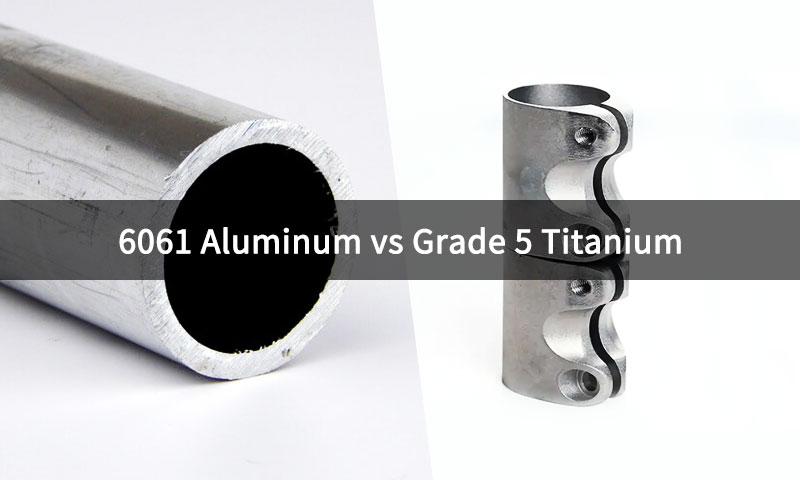
6061 alluminio e grado 5 titanio are both high-value engineering materials, but they occupy very different positions in the design space.
6061 is a heat-treatable 6xxx-series aluminum alloy built for versatility, estrudibilità, saldabilità, and broad structural use.
Grado 5 titanio, also known as Ti-6Al-4V, is the most widely used titanium alloy and is chosen when high strength, Peso basso, Resistenza alla corrosione, and elevated-performance capability are required.
The key question is not which material is “better” in the abstract. The real engineering question is which material is better for a specific load case, ambiente, manufacturing route, and cost target.
In questo senso, 6061 e grado 5 are often substitutes only at the level of broad design intent, not at the level of exact performance.
2. Cosa è 6061 Alluminio?
6061 alluminio is one of the most widely used heat-treatable aluminum alloys in the 6xxx series.
Its principal alloying elements are magnesium and silicon, which combine to form strengthening precipitates during heat treatment.
Because of this chemistry, 6061 is classified as a precipitation-hardenable alloy.
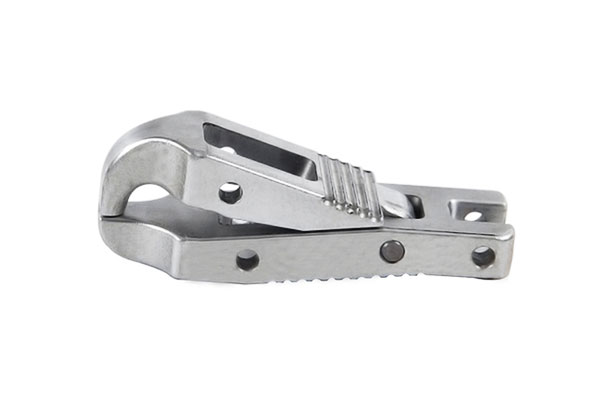
Nella pratica ingegneristica, 6061 is often regarded as the benchmark “structural aluminum” because it offers a highly practical balance of properties: moderate-to-high strength, Buona saldabilità, solid corrosion resistance, and reliable formability.
It is not the strongest aluminum alloy available, but it is one of the most versatile, which explains its broad use across transportation, costruzione, macchinari, hardware marino, and general fabricated components.
Caratteristiche chiave
- Precipitation hardening as the main strengthening mechanism
- Ottima saldabilità
- Forte resistenza alla corrosione
- Good formability and machinability
- Excellent Anodizing Capability
3. What Is Grade 5 Titanio?
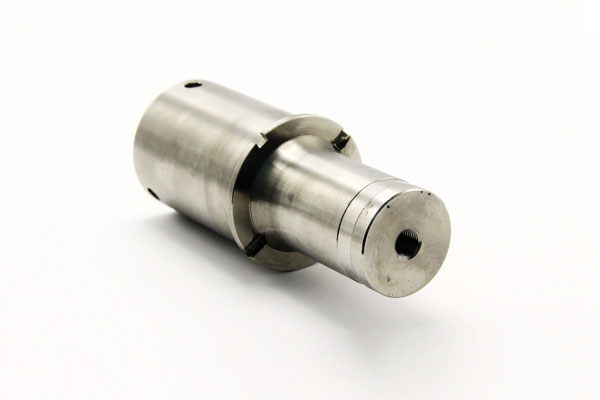
Grado 5 titanio, formally known as Ti-6al-4v, is the most widely used titanium alloy in the world and the standard reference alloy for high-performance titanium applications.
È una lega alfa-beta, meaning its microstructure contains both alpha phase and beta phase.
This dual-phase structure is the foundation of its exceptional mechanical performance.
Grado 5 is often treated as the “gold standard” of titanium alloys because it combines very high specific strength, Eccellente resistenza alla corrosione, Buona tenacità della frattura, and useful temperature capability.
È ampiamente usato nell'aerospaziale, medico, Offshore, chimico, and performance-critical industrial applications.
Caratteristiche chiave
- Exceptional Specific Strength (Rapporto forza-peso)
- Eccezionale biocompatibilità
- Capacità ad alta temperatura
- Resistenza alla corrosione superiore
- Good fracture toughness
- Heat-treatable alpha-beta alloy
4. Standard, Chimica, and Microstructure
The performance contrast between 6061 aluminum and Grade 5 titanium begins at the level of chemistry and is then amplified by microstructure.
Both alloys are tightly controlled by industrial specifications, and their property profiles are not accidental: they are the direct result of composition, phase balance, and heat-treatment response.
| Elemento | 6061 Alluminio (WT%) | Grado 5 Titanio (Ti-6al-4v) (WT%) | Primary Role/Impact |
| Alluminio (Al) | Bal. | 5.5–6.75% | Base metal for 6061; Alpha-stabilizer in Ti-6Al-4V, increasing strength. |
| Titanio (Di) | Max 0.15% | Bal. | Base metal for Grade 5; Minor impurity in 6061. |
| Magnesio (Mg) | 0.8–1,2% | Max 0.01% | Primary strengthening element in 6061 (forms Mg₂Si precipitates); Minor impurity in Ti-6Al-4V. |
| Silicio (E) | 0.4–0,8% | Max 0.08% | Forms Mg₂Si precipitates in 6061; Minor impurity in Ti-6Al-4V. |
Vanadio (V) |
- | 3.5–4.5% | Beta-stabilizer in Ti-6Al-4V, improving ductility and heat-treatability. |
| Rame (Cu) | 0.15–0.40% | Max 0.01% | Enhances strength in 6061; Minor impurity in Ti-6Al-4V. |
| Cromo (Cr) | 0.04–0.35% | Max 0.01% | Contributes to strength and corrosion resistance in 6061; Minor impurity in Ti-6Al-4V. |
| Ferro (Fe) | Max 0.7% | Max 0.3% | Impurity in both; can form brittle intermetallics if excessive. |
Ossigeno (O) |
- | Max 0.2% | Interstitial impurity in Ti-6Al-4V, acts as an alpha-stabilizer and strengthens the alloy, but too much can reduce ductility. |
| Carbonio (C) | Max 0.15% | Max 0.08% | Impurity in both; can form carbides, affecting properties. |
| Azoto (N) | - | Max 0.05% | Interstitial impurity in Ti-6Al-4V, strengthens the alloy. |
| Idrogeno (H) | - | Max 0.015% | Interstitial impurity in Ti-6Al-4V, può causare abbracciti. |
Microstructural interpretation
6061 Alluminio is best understood as a precipitation-hardenable Al-Mg-Si alloy.
In termini pratici, its most useful strength is developed when the alloy is solution heat treated and artificially aged, producing a fine distribution of Mg-Si precipitates that impede dislocation motion.
That is why the T6 temper is so widely used: it gives 6061 its characteristic balance of moderate-to-high strength, saldabilità, e produzione.
Grado 5 Titanio, al contrario, is an alpha-beta titanium alloy whose performance comes from phase control rather than from a single precipitation sequence.
The alpha phase contributes strength and creep resistance, while the beta phase improves hardenability and helps tune ductility and heat-treat response.
5. Physical and Mechanical Comparison
For a fair engineering comparison, the table below uses representative room-temperature datasheet values: 6061 in T6 temper and Grade 5 in annealed/standard commercial condition.
Exact numbers vary with product form and standard, so these should be read as reference values, not absolute constants.
Proprietà fisiche
| Proprietà | 6061 Alluminio (T6) | Grado 5 Titanio (Ti-6al-4v) | Cosa significa |
| Densità | 2.70 g/cm³ | 4.45 g/cm³ | 6061 is much lighter by volume. |
| Modulo di Young | 70 GPA | 114 GPA | Grado 5 is stiffer, so it deflects less at the same geometry. |
| Conducibilità termica | 170–220 W/m·K | 7.1 W/m · k | 6061 moves heat far more efficiently. |
Resistività elettrica |
not given in the thyssenkrupp sheet | 1.71 μω · m | Titanium is far less conductive electrically than aluminum. |
| Coefficiente di espansione termica | 23.0 ×10⁻⁶/K | 8.6 ×10⁻⁶/K | 6061 changes dimensions much more with temperature. |
| Punto di fusione | ~580–650 | ~1600–1660 | |
| Comportamento magnetico | not highlighted in the cited sheet | Non magnetico | Grado 5 is suitable where magnetic neutrality matters. |
Proprietà meccaniche
| Proprietà | 6061 Alluminio (T6) | Grado 5 Titanio (Ricotto) | Cosa significa |
| Forza di snervamento | ≥ 240 MPA | 830–1000 MPA | Grado 5 resists permanent deformation far better. |
| Resistenza alla trazione | ≥ 290 MPA | 900–1070 MPa | Grado 5 has much higher ultimate strength. |
| Allungamento | ≥ 10% | ≥ 10% | Both retain useful ductility. |
| Durezza | 95 HBW | ca.. 330 HV | Grado 5 is much harder and more wear-resistant in many situations. |
| Service temperature indication | heat-treatable alloy, not a high-temperature titanium-class alloy | mechanically stable up to approx. 400° C. | Grado 5 is the stronger choice where heat performance matters. |
6. Corrosion Resistance and Environmental Behavior
Entrambi 6061 Aluminum and Grade 5 Titanium are highly valued for their exceptional corrosion resistance, a property critical for their widespread use in diverse and often aggressive environments.
Tuttavia, the mechanisms by which they achieve this durability, and their specific vulnerabilities, differiscono in modo significativo .
6061 Alluminio: Strato di ossido passivo
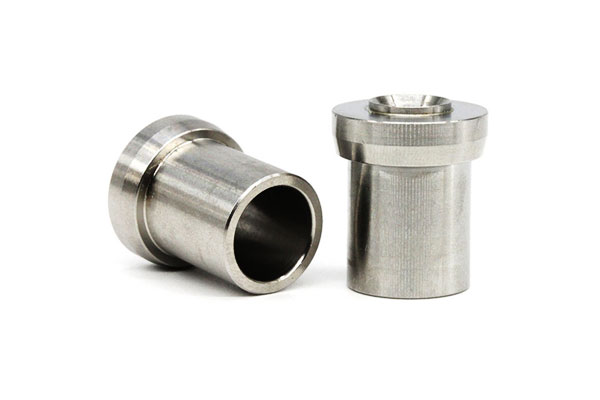
6061 Aluminum derives its corrosion resistance from the rapid formation of a thin, denso, and highly adherent passive oxide layer (Al₂o₃) on its surface when exposed to oxygen.
This layer acts as a protective barrier, preventing further oxidation and corrosion of the underlying aluminum metal.
Key characteristics include:
- Self-Repairing: If the oxide layer is mechanically damaged or scratched, it quickly reforms upon re-exposure to oxygen, providing continuous protection.
- General Atmospheric and Marine Resistance: It offers excellent resistance to general atmospheric corrosion, including industrial and urban environments, and performs well in many marine environments, particularly in the absence of stagnant conditions or crevices.
Limitations and Vulnerabilities
Despite its overall reliability, 6061 aluminum is susceptible to localized corrosion mechanisms, particularly in aggressive environments:
- Mettono la corrosione: In environments containing chloride ions (PER ESEMPIO., acqua salata) or in highly acidic or alkaline solutions (pH outside the 4.5-8.5 allineare), the passive layer can break down, leading to localized pitting corrosion.
- Corrosione galvanica: When in electrical contact with more noble metals (PER ESEMPIO., rame, acciaio) In presenza di un elettrolita, 6061 Aluminum can act as the anode and corrode preferentially.
- Corrosione della fessura: Can occur in narrow, stagnant gaps where oxygen depletion prevents the repassivation of the oxide layer.
Grado 5 Titanio: Tenacious Passive Film
Grado 5 Titanium exhibits truly superior corrosion resistance, often considered one of the most corrosion-resistant engineering metals available.
This is due to the formation of an extremely stable, tenacious, and highly protective titanium dioxide (Tio₂) passive film on its surface.
This film is even more robust and resistant to breakdown than aluminum’s oxide layer.
Key characteristics include:
- Extreme Chemical Inertness: The TiO₂ film provides outstanding resistance to a vast array of aggressive chemical environments, including oxidizing acids, cloruri, and many organic compounds.
It is virtually immune to attack by seawater, salamoia, and other chloride-containing solutions, making it the material of choice for deep-sea applications, apparecchiature per il trattamento chimico, and offshore oil and gas industries. - Resistance to Localized Corrosion: A differenza dell'alluminio, titanium is highly resistant to pitting corrosion, corrosione della fessura, e stress corrosione cracking,
even in highly aggressive chloride-rich environments, which are notorious for causing failure in many other metals. - Biocompatibilità: Its exceptional corrosion resistance in physiological environments is a primary reason for its widespread use in medical and dental implants, as it does not leach ions or react with body fluids.
- Stabilità ad alta temperatura: The passive film remains stable and protective at elevated temperatures, contributing to titanium’s high-temperature strength and corrosion resistance.
7. Comportamento di fabbricazione: Formazione, Saldatura, Lavorazione, Trattamento termico
The fabrication characteristics of 6061 Alluminio E Grado 5 Titanio (Ti-6al-4v) differ significantly due to their intrinsic physical and metallurgical properties.
These differences influence not only processing routes and tooling requirements but also production cost, Controllo dimensionale, and achievable component complexity.
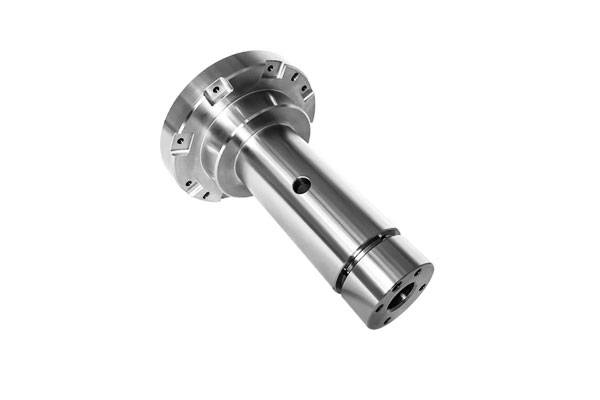
Generalmente, 6061 aluminum is considered highly manufacturable and production-friendly, whereas Grade 5 titanium requires stricter process control and more advanced manufacturing expertise.
Lavorazione
6061 Alluminio: Generally considered to have excellent machinability, especially in the T6 temper. It produces well-broken chips, allowing for high cutting speeds and feed rates.
Standard lavorazione practices and tooling (PER ESEMPIO., high-speed steel or carbide tools) are typically sufficient.
The relatively low hardness and good thermal conductivity of aluminum help dissipate heat from the cutting zone, minimizing tool wear and ensuring good surface finish .
Grado 5 Titanio (Ti-6al-4v): Is notoriously challenging to machine, often earning the moniker “difficult-to-machine material.” This difficulty stems from several factors:
- Bassa conducibilità termica: Titanium dissipates heat poorly, leading to rapid heat buildup at the cutting edge.
This high temperature softens the tool material, causing accelerated wear and cratering. - High Strength at Elevated Temperatures: Titanium retains significant strength at the high temperatures generated during machining, increasing cutting forces.
- Reattività chimica: A temperature elevate, titanium can chemically react with cutting tool materials, leading to adhesion and diffusion wear.
- Low Elastic Modulus (Springback): Its relatively low elastic modulus compared to its strength causes “springback,"
where the material deforms away from the tool and then springs back, leading to chatter and poor surface finish if not properly managed. - Raccomandazioni: Machining Grade 5 Titanium requires specialized practices, including rigid machine tools, sharp carbide tooling, basse velocità di taglio, alte velocità di feed (to ensure the tool is always cutting fresh material), and copious amounts of high-pressure coolant to manage heat and chip evacuation .
Saldatura
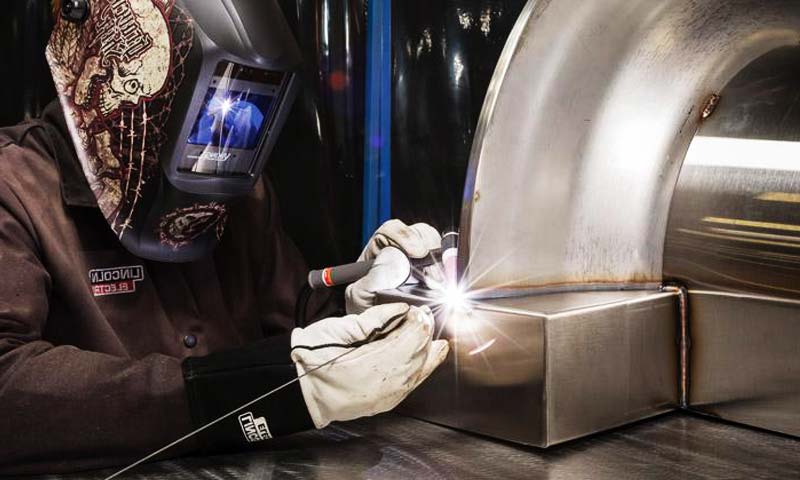
- 6061 Alluminio: Exhibits good weldability using common fusion welding processes such as Gas Tungsten Arc Welding (Gtaw / turno) and Gas Metal Arc Welding (GMAW/MIG).
Tuttavia, a significant consideration is the formation of a softened heat-affected zone (Haz) adjacent to the weld.
This HAZ experiences a reduction in strength due to the dissolution of strengthening precipitates.
To restore optimal mechanical properties, Trattamento termico post-salvato (solution heat treatment and artificial aging) is often required, which can add cost and complexity. - Grado 5 Titanio (Ti-6al-4v): Is readily weldable, but requires absolute atmospheric shielding during welding to prevent contamination.
Titanium has a strong affinity for oxygen, azoto, e idrogeno a temperature elevate.
Exposure to these elements during welding leads to severe embrittlement of the weld metal and HAZ, rendering the joint brittle and prone to failure.
Perciò, welding must be performed in an inert atmosphere (PER ESEMPIO., pure argon) using specialized techniques such as vacuum chambers, glove boxes, or trailing shields to protect the molten weld pool and the cooling metal from atmospheric gases.
This makes titanium welding a highly skilled and technically demanding process.
Formazione
- 6061 Alluminio: Possesses good formability, particularly in its annealed (O) or T4 temper.
It can be readily bent, disegnato, and extruded into complex shapes. Cold forming is generally preferred, but warm forming can be used to achieve more intricate geometries or reduce springback.
The work hardening during forming can be subsequently relieved or enhanced through appropriate heat treatments. - Grado 5 Titanio (Ti-6al-4v): Has limited cold formability due to its high strength and low ductility at room temperature.
Most forming operations for Grade 5 Titanium are performed at elevated temperatures (warm or hot forming) to increase ductility and reduce springback.
Techniques like superplastic forming, where the material is formed at very high temperatures (PER ESEMPIO., 900-950° C.) and low strain rates, are often employed for complex aerospace components, allowing for significant deformation without fracture.
Trattamento termico
- 6061 Alluminio: The primary heat treatment for 6061 is solution heat treatment and artificial aging (Temperatura T6).
Solution treatment involves heating the alloy to a specific temperature (PER ESEMPIO., 530° C.) to dissolve alloying elements, seguito da rapida spegnimento.
Artificial aging then involves heating to a lower temperature (PER ESEMPIO., 175° C.) for several hours to precipitate the strengthening Mg₂Si particles.
Other tempers like T4 (solution treated and naturally aged) or O (ricotto) are also used depending on the desired properties. - Grado 5 Titanio (Ti-6al-4v): Can be heat-treated to optimize its mechanical properties.
Common heat treatments include solution treatment and aging (Sta), which involves heating into the alpha-beta phase field, spegnimento, and then aging at an intermediate temperature.
This process can significantly increase strength and hardness. Annealing is also used to improve ductility and reduce residual stresses.
The specific heat treatment parameters (temperatura, tempo, Tasso di raffreddamento) are critical for controlling the alpha and beta phase morphology and distribution, thereby tailoring the final mechanical properties.
8. Costo, Produzione, and Lifecycle Perspective
Dal punto di vista produttivo, 6061 usually has the lower barrier to entry.
It is broadly available, facilmente estruso, più facile da macchina, and weldable with conventional aluminum processes.
Those traits typically reduce fabrication complexity and production cost. This is an engineering inference drawn from the material’s documented processing behavior and industrial ubiquity.
Grado 5 is more expensive to buy and more expensive to process in practice because it requires tighter machining discipline, more careful welding, and more controlled thermal handling.
Its cost burden is not only raw stock price; it is also the extra process control needed to preserve properties.
Lifecycle economics can favor either material depending on service severity. 6061 can be the more economical choice in benign environments and high-volume products.
Grado 5 can justify its cost in corrosive, alto carico, or weight-critical systems where longer service life, lower replacement frequency, or reduced mass offset the higher upfront cost.
9. Applicazioni tipiche: 6061 Aluminum vs Grade 5 Titanio
The application profiles of 6061 Alluminio E Grado 5 Titanio (Ti-6al-4v) reflect their fundamental engineering trade-offs.
Alluminio 6061 is favored where forza moderata, excellent fabricability, Resistenza alla corrosione, ed efficienza dei costi are the primary requirements.
Grado 5 titanium is selected when the design demands maximum specific strength, superior environmental durability, elevated-temperature capability, e una lunga durata di servizio, even at a significantly higher material and processing cost.
Applicazioni tipiche di 6061 Alluminio
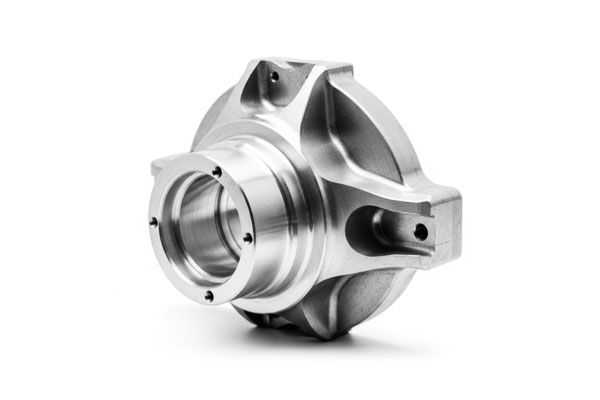
6061 aluminum is one of the most versatile structural alloys in modern manufacturing. It is widely used in applications where a lightweight but durable material is needed, and where the part must be easy to form, saldare, macchina, e finire.
Transportation Industry
6061 aluminum is extensively used in transportation because it helps reduce mass while maintaining sufficient structural integrity.
- Automobilistico and commercial vehicles: corpi di camion, bus structures, trailer frames, Componenti del telaio, and support brackets.
- Rail transportation: rail car structures, pannelli del corpo, interior support elements, and lightweight framing.
- Marine transportation: small boat hulls, deck structures, sovrastrutture, gangways, scale, e hardware marino.
Cycling and Sports Equipment
- Cornici per biciclette
- Handlebar and seat post components
- Sports gear frames and supports
- Lightweight load-bearing parts
Aerospace Secondary Structures
- Seat frames
- Interior support panels
- Non-critical brackets
- Access structures
- Equipment housings
Architectural and Construction Uses
- Window frames
- Door frames
- Curtain wall components
- Facade elements
- Lightweight structural framing
- Decorative architectural elements
Beni di consumo ed elettronica
- Involucri per laptop
- Smartphone frames
- Corpi della telecamera
- Flashlight housings
- Enclosures for portable devices
- Precision consumer product frames
General Engineering and Machinery
- Parti della macchina
- Fixtures and jigs
- Tooling plates
- Hydraulic parts
- General-purpose brackets and supports
- Structural fabricated assemblies
Typical Applications of Grade 5 Titanio
Grado 5 titanium is reserved for applications where ordinary structural materials are no longer adequate.
It is chosen when engineers need a combination of alta resistenza, bassa densità, Resistenza alla corrosione, prestazioni a fatica, e stabilità termica that is difficult to match with more conventional alloys.
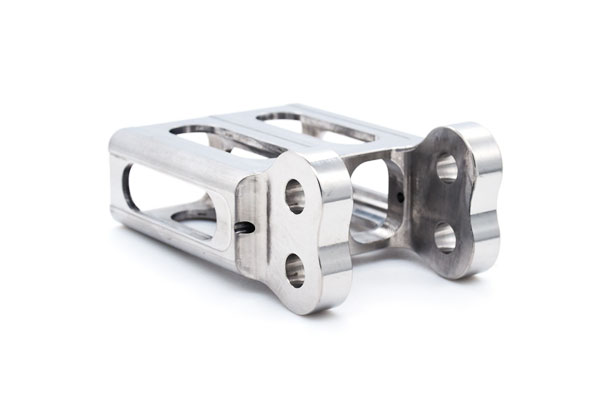
Industria aerospaziale
- Airframe structural components
- Wing spars and high-strength brackets
- Landing gear elements
- Dispositivi di fissaggio
- Compressor blades
- Compressor discs
- Engine casings and structural hot-zone parts
- Rocket motor casings
- Spacecraft pressure vessels
- Structural hardware for extreme environments
Applicazioni mediche e biomediche
- Impianti ortopedici
- Hip replacements
- Knee replacements
- Spinal fixation devices
- Piatti ossei
- Impianti dentali
- Abutments
- Strumenti chirurgici
Marine and Subsea Engineering
- Submersible structures
- Remotely operated vehicle (ROV) componenti
- Pressure housings
- Scientific underwater equipment
- Offshore oil and gas hardware
- Scambiatori di calore
- Componenti della valvola
- Risers and connectors
High-Performance Sports and Automotive Engineering
- Motorsports connecting rods
- Performance valves
- Exhaust system components
- Suspension hardware
- Racing fasteners
- High-end bicycle frames
- Competition bicycle components
Chemical Processing and Industrial Equipment
- Scambiatori di calore
- Carri armati
- Sistemi di tubazioni
- Process vessels
- Raccordi resistenti alla corrosione
- Specialized chemical plant equipment
10. Confronto completo: 6061 Aluminum vs Grade 5 Titanio
| Dimensione | 6061 Alluminio | Grado 5 Titanio (Ti-6al-4v) |
| Classe materiale | Heat-treatable aluminum alloy, EN AW-6061 / Al Mg1SiCu. It is widely used for structural extrusions, foglio, piatto, asta, tubo, e profili. | Lega di titanio alfa-beta, US R56400 / ASTM B348 Grade 5. It is the most widely used high-strength titanium alloy. |
| Densità | 2.70 g/cm³. | 4.42–4.45 g/cm³. |
| Modulo elastico | Di 70 GPA. | Di 114 GPA. |
| Conducibilità termica | About 170–220 W/m·K. | About 6.7–7.1 W/m·K. |
| Chimica di base | Aluminum balance with Mg 0.8–1.2%, Si 0.40–0.80% | Titanium balance with Al 5.5–6.75%, V 3.5–4.5% |
| Microstruttura | Precipitation-hardened aluminum matrix; strength comes from Mg-Si precipitates in aged tempers such as T6. | Alfa + beta two-phase titanium structure; heat-treatable to tune phase morphology and strength. |
Forza di snervamento |
≥ 240 MPa in T6 extruded products; sheet/plate values are similar or slightly vary by thickness. | 0.2% proof strength minimum 828 MPA. |
| Resistenza alla trazione | ≥ 290 MPa in T6 extruded products. | Ultimate tensile strength minimum 895 MPA, typical around 1000 MPA. |
| Allungamento | ≥ 8–10% in T6 extruded products, depending on section size. | Minimum elongation 10%, tipico 18% in the cited datasheet. |
| Durezza | Di 95 HBW in T6. | Di 36 HRC. |
Comportamento della corrosione |
Good atmospheric and seawater corrosion resistance; protected by a stable aluminum-oxide passive film, but vulnerable to pitting, corrosione galvanica, and crevice corrosion in aggressive conditions. | Excellent corrosion resistance in many media; strong performance in marine and offshore environments, with good resistance to many acids, though not universal immunity. |
| Saldabilità | Good weldable with conventional MIG and TIG processes. | Weldability is rated fair; strict inert-gas shielding is required to prevent contamination. |
| Machinabilità | Machinability improves with ageing; machining is generally straightforward in the T6 condition. | Machining requires slow speeds, heavy feeds, rigid tooling, and abundant non-chlorinated coolant. |
Trattamento termico |
Solution heat treatment at 525–540°C, spegnimento, and artificial ageing at 155–190°C are standard strengthening routes. | Fully heat treatable; common treatments include annealing, sollievo da stress, solution treatment at 913–954°C, and ageing at 524–552°C. |
| Temperatura di servizio | Standard structural alloy; not typically selected for high-temperature strength retention. | Can be employed up to around 400°C in the cited datasheet. |
| Applicazioni tipiche | Architettura, automotive and railway structures, hardware marino, estrusioni, parti della macchina, infissi, consumer housings. | Aerospaziale, marine and offshore equipment, Attrezzatura medica, componenti automobilistici ad alte prestazioni, pressure-related and corrosive-service components. |
11. Conclusione
6061 aluminum and Grade 5 titanium are two of the most influential lightweight materials in modern engineering, each with distinct strengths that make them irreplaceable in their respective domains.
6061 aluminum is the cost-effective, processable workhorse—ideal for general-purpose, low-to-moderate performance applications where cost and ease of production are prioritized.
Grado 5 titanium is the premium, high-performance material—indispensable for critical, Stress, and harsh-environment applications where strength, Resistenza alla corrosione, and biocompatibility justify higher costs.
In sostanza, 6061 aluminum and Grade 5 titanium are complementary materials, each filling a unique niche in the material landscape.
Understanding their differences—from composition and properties to processing and applications—enables engineers, designer, and manufacturers to make informed decisions that balance performance, costo, and feasibility, ensuring optimal outcomes for every project.
FAQ
Which material is more corrosion-resistant?
Grado 5 titanium is far more corrosion-resistant than 6061 alluminio.
It forms a stable TiO₂ oxide layer that resists seawater, prodotti chimici, and body fluids,
Mentre 6061 aluminum is prone to pitting in saltwater and corrosion in strong acids/alkalis (requiring coatings for harsh environments) .
È 6061 aluminum easier to machine than Grade 5 titanio?
SÌ, 6061 aluminum is much easier to machine.
It can be machined with standard HSS tools, high cutting speeds, and minimal coolant, while Grade 5 titanium requires carbide tools, basse velocità di taglio, and high-pressure coolant.
Machining costs for Grade 5 are 5–10x higher than 6061.
When should I use 6061 aluminum instead of Grade 5 titanio?
Utilizzo 6061 aluminum if cost, Processobilità, or lightweight design (for low-load applications) is a priority.
It is ideal for consumer electronics, parti del corpo automobilistico, cornici architettoniche, and other non-critical applications where moderate strength is sufficient.
When should I use Grade 5 titanium instead of 6061 alluminio?
Use Grade 5 titanium if high strength, Resistenza alla corrosione, biocompatibilità, or high-temperature performance is critical.
It is ideal for aerospace structural components, Impianti medici, equipaggiamento marittimo, and other critical applications where performance and reliability are non-negotiable.