1. Bevezetés
Sárgaréz vs rozsdamentes acél is a common comparison in material selection for industries such as plumbing, építészet, tengeri tervezés, and mechanical manufacturing.
These two metals, though often used interchangeably in some applications, offer significantly different properties in terms of strength, korrózióállóság, megmunkálhatóság, megjelenés, és a költségek.
Brass is a copper-based alloy known for its excellent conductivity, meleg esztétika, és a megmunkálás könnyűsége.
Rozsdamentes acél, másrészt, is an iron-based alloy renowned for its superior corrosion resistance, erő, és tartósság.
2. What Is Brass?
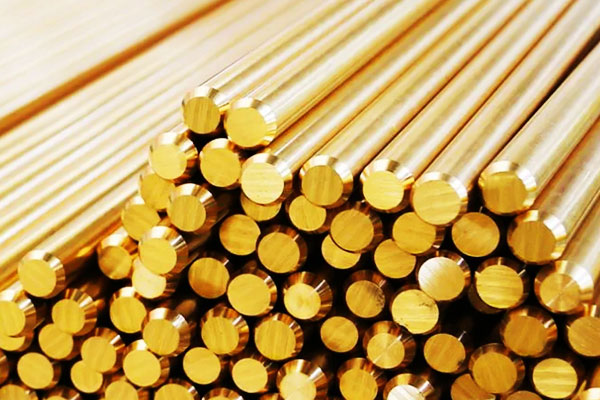
Sárgaréz is a versatile and widely used metal alloy composed primarily of réz (CU) és cink (Zn).
The proportions of these two elements can be varied to achieve different mechanical, fizikai, és kémiai tulajdonságok,
making brass suitable for a wide range of applications, from decorative fixtures to precision components in electronics and machinery.
Kémiai összetétel & Osztályozás
Brass typically contains:
- Réz (CU): 55–70%
- Cink (Zn): 30–45%
- Optional elements:
-
- Ólom (PB): Hozzáadott (ig 3%) in machinable brasses such as C36000 to improve chip-breaking during machining
- Ón (SN), Alumínium (Al), Szilícium (És): Added in specific grades (PÉLDÁUL., haditengerészeti réz, szilikon sárgaréz) to improve corrosion resistance or strength
Common Types of Brass:
| Fokozat (MINKET) | Tipikus összetétel (Cu/Zn/Other) | Kulcsfontosságú jellemzők | Tipikus alkalmazások |
| C26000 (Serpenyő) | 70% CU / 30% Zn | Kiváló rugalmasság, cold workability | Ammunition casings, deep-drawn parts, hűtőmag |
| C36000 (Szabadon vágó sárgaréz) | 61.5% CU / 35.5% Zn / 3% PB | Outstanding machinability (rated 100%) | Pontossággal megmunkált alkatrészek, szerelvények, rögzítőelemek |
| C46400 (Haditengerészeti réz) | 60% CU / 39% Zn / 1% SN | Good corrosion resistance in saltwater | Tengeri hardver, légcsavar tengely, seawater valves |
| C23000 (Vörös sárgaréz) | 85% CU / 15% Zn | Erős, korrózióálló, reddish hue | Vízvezeték -szerelő, pump cylinders, építészeti panelek |
| C27200 (Sárga sárgaréz) | 63% CU / 37% Zn | Jó erő, mérsékelt rugalmasság, olcsó költség | Plumbing tubes, hangszerek, dekoratív cikkek |
| C38500 (Architectural Brass) | 57% CU / 40% Zn / 3% PB | Excellent for hot forging and machining | Ornamental fixtures, zsanérok, építészeti burkolat |
| C35300 (High-Leaded Brass) | ~62% Cu / ~35% Zn / ~ 3% PB | Superior machinability and pressure tightness | Szelepszár, lock bodies, screw machine products |
| C28000 (Muntz Metal) | 60% CU / 40% Zn | Nagy szilárdság, used for hot working and rolling | Marine cladding, kondenzátorcsövek, architectural sheet |
| C44300 (Admiralty Brass) | 70% CU / 29% Zn / 1% SN | Jó korrózióállóság, especially to seawater | Hőcserélők, kondenzátorcsövek, desalination units |
Advantages of Brass
- Kiváló megmunkálhatóság: Especially in leaded grades, brass machines 2–3 times faster than mild steel
- Jó korrózióállóság: Particularly in freshwater and mild atmospheric conditions
- Nagy termikus és elektromos vezetőképesség: Suitable for heat exchangers, terminál, és a csatlakozók
- Esztétikai vonzerő: Attractive golden-yellow color, often used for decorative and architectural applications
- Non-magnetic and non-sparking: Useful in sensitive electronic or hazardous environments
A sárgaréz hátrányai
- Lower strength compared to stainless steel: Typical tensile strength ranges from 300–500 MPa
- Prone to dezincification: In certain environments (PÉLDÁUL., stagnant water, acidic or high-chloride conditions), zinc can leach out, weakening the alloy
- Viszonylag puha: Can deform under heavy loads or high-stress applications
- Copper-based cost volatility: Brass prices are sensitive to fluctuations in the global copper market
3. Mi a rozsdamentes acél?
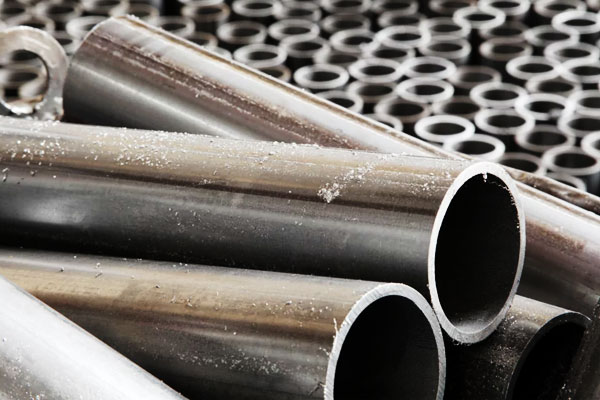
Rozsdamentes acél is a corrosion-resistant iron-based alloy primarily composed of vas (FE), króm (CR) (legalább 10.5%), and often other elements like nikkel (-Ben), molibdén (MO), mangán (MN), és szén (C).
Its defining feature is the formation of a passzív króm -oxid (Cr₂o₃) réteg felszínen, which protects the metal from oxidation and chemical attack.
Kulcsfontosságú jellemzők:
- Korrózióállóság: Excellent resistance to oxidation, savak, lúg, és kloridok.
- Mechanikai erő: High strength and toughness across a wide range of temperatures.
- Aesthetic Finish: Sleek, clean appearance with various surface finishes.
- Higiénikus: Könnyen tisztítható, non-porous surface suitable for food and medical industries.
Kémiai összetétel & Osztályozás
Stainless steels are classified into Öt fő család, each offering unique properties and suitable for different applications:
| Család | Elsődleges ötvöző elemek | Legfontosabb tulajdonságok | Tipikus osztályok |
| Austenit | CR (16–26%), -Ben (6–22%), alacsony C | Nem mágneses, Kiváló korrózióállóság, Hercegek | 304, 316, 321, 310 |
| Ferritikus | CR (11–18%), low Ni or none | Mágneses, mérsékelt korrózióállóság, jó formálhatóság | 409, 430, 446 |
| Martenzitikus | CR (12–18%), higher C | Mágneses, megkeményíthető, mérsékelt korrózióállóság | 410, 420, 440ABC |
| Duplex | CR (18–28%), -Ben (4–8%), MO | Mixed austenite/ferrite structure, nagy szilárdság & ellenállás | 2205, 2507 |
| Csapadék keményedés (PH) | CR, -Ben, CU, Földrajzi jelzés, Al | High strength via heat treatment, jó korrózióállóság | 17-4 PH, 15-5 PH |
A rozsdamentes acél előnyei
- Magas korrózióállóság, Különösen agresszív környezetben.
- Kiváló erő-súly arány.
- Wide range of surface finishes (csiszolt, tükör, matt, stb.).
- Non-reactive and safe for food and pharmaceutical applications.
- Long service life with low maintenance.
- 100% újrahasznosítható.
Disadvantages of Stainless Steel
- More expensive than carbon steels and some copper alloys.
- Difficult to machine (especially austenitic grades).
- Requires specific knowledge for welding and fabrication.
- Lower thermal and electrical conductivity than brass or copper.
4. Mechanical Properties of Brass vs Stainless Steel
Amikor összehasonlítva sárgaréz és rozsdamentes acél, understanding their mechanikai tulajdonságok is essential for selecting the right material for load-bearing, kopásálló, or structurally demanding applications.
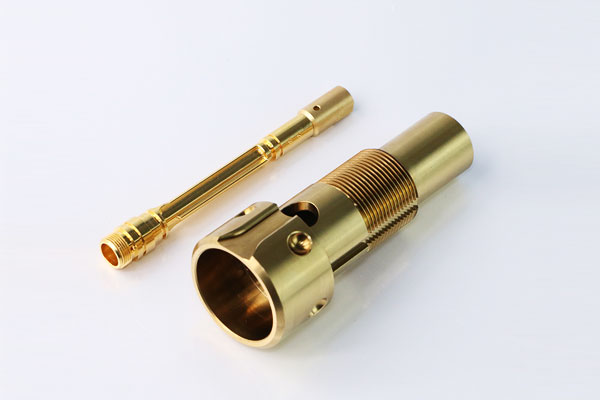
Key Mechanical Properties Comparison
| Ingatlan | Sárgaréz (PÉLDÁUL., C36000 Free-Cutting) | Rozsdamentes acél (PÉLDÁUL., 304, 316) | Megjegyzések |
| Szakítószilárdság | 300–500 MPa | 500–1000 MPA | Stainless steel is significantly stronger, suitable for structural use. |
| Hozamszilárdság | 100–350 MPA | 200–600 MPa | Stainless offers higher yield strength; better at withstanding stress loads. |
| Keménység (Brinell) | 55-100 HB | 150–250 HB | Stainless steel is harder, offering better wear resistance. |
| Keménység (Rockwell B/C) | B35–B80 | B80–C30 (fokozatonként változik) | Brinell and Rockwell hardness tests confirm stainless is more resistant. |
| Meghosszabbítás a szünetben | 25–50% | 40–60% | Both are ductile, but stainless is more elastic under stress. |
| Kifáradási szilárdság | ~100-200 MPa | ~200–600 MPa | Stainless steel performs better under cyclic loading. |
| Rugalmassági modulus | ~97 GPa | ~ 190–210 GPA | Stainless is stiffer and less prone to deformation under load. |
| Ütköző ellenállás | Mérsékelt | Magas (especially austenitic grades) | Stainless steels absorb more energy before fracturing. |
5. Physical Properties of Brass vs Stainless Steel
Megérteni a fizikai tulajdonságok of brass and stainless steel is essential when evaluating materials for applications involving thermal cycling, elektromos rendszerek, és szerkezeti stabilitás.
These intrinsic characteristics influence performance in real-world environments such as plumbing, elektronika, hőcserélők, and marine structures.
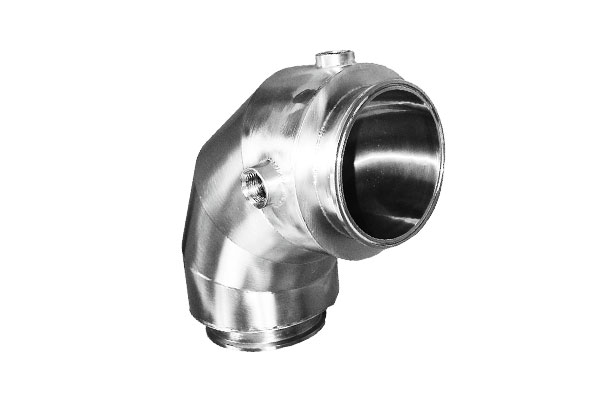
Key Physical Property Comparison
| Ingatlan | Sárgaréz(PÉLDÁUL., C36000) | Rozsdamentes acél(PÉLDÁUL., 304 / 316) | Megjegyzés |
| Sűrűség | ~8.4–8.7 g/cm³ | ~7,9–8,0 g/cm³ | Brass is slightly denser, which can impact weight-sensitive designs. |
| Olvadáspont | 900–940 °C | 1375–1450 ° C | Stainless steel has a significantly higher melting point. |
| Hővezető képesség | 100–120 W/m·K | 15–25 w/m · k | Brass conducts heat much better—important for heat exchangers, szerelvények. |
| Fajlagos hőkapacitás | ~0.377 J/g·K | ~0.500 J/g·K | Stainless steel can absorb slightly more heat per unit mass. |
| Elektromos vezetőképesség | 28%–56% IACS | ~1.2%–3% IACS | Brass is a far better electrical conductor than stainless steel. |
| Termikus tágulási együttható | ~20 × 10⁻⁶ /°C | ~ 16–17 × 10⁻⁶ /° C | Brass expands more with temperature—may affect precision assemblies. |
| Rugalmassági modulus | ~97 GPa | ~ 190–210 GPA | Stainless steel is stiffer and more resistant to elastic deformation. |
| Mágneses tulajdonságok | Nem mágneses | Változó: 304 is non-magnetic; 430 is magnetic | Stainless can be magnetic or not, a fokozattól függően; brass is always non-magnetic. |
6. Korrózióállóság: Sárgaréz vs rozsdamentes acél
Corrosion resistance is one of the most critical factors in material selection, especially for applications in vízvezeték -szerelő, tengeri környezet, vegyi feldolgozás, és outdoor installations.
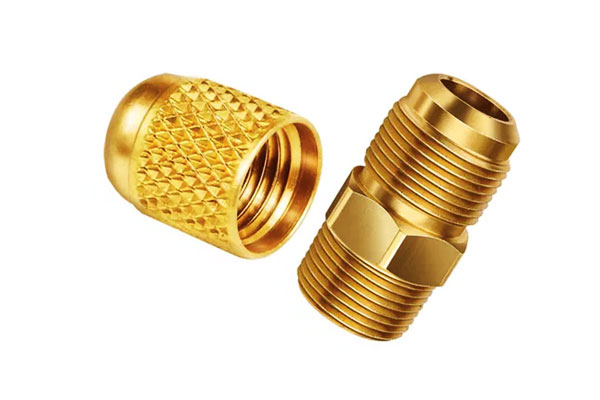
Sárgaréz: Corrosion Resistance Overview
| Erősség | Korlátozások |
| Good resistance to water, gőz, és nem oxidáló savak | Susceptible to fertőtlenítés in certain environments |
| Performs well in low-chloride, indoor, or dry conditions | Can stress-corrode in presence of ammonia or moist environments |
| Naturally forms a patina that can protect against surface corrosion | Patina may not be acceptable for aesthetic or sanitary use |
Fertőtlenítés
A selective leaching process where zinc is removed from the alloy, leaving behind a porous, copper-rich structure.
It weakens the part and is particularly problematic in plumbing systems. Some brass grades are “dezincification-resistant” (DZR brass, PÉLDÁUL., CW602N).
Rozsdamentes acél: Corrosion Resistance Overview
| Fokozat | Korróziós viselkedés |
| 304 Rozsdamentes acél | Jó általános korrózióállóság, vulnerable to kloridcsomó |
| 316 Rozsdamentes acél | Superior resistance due to molibdén (2–3%), excellent in tengeri és savas környezet |
| 410/420 (Martenzitikus) | Mérsékelt korrózióállóság, suitable for low-moisture environments |
Chromium Oxide Layer
All stainless steels form a passive chromium oxide film that protects the underlying metal.
When scratched or damaged, this layer self-heals in the presence of oxygen, making stainless steel highly durable in corrosive environments.
7. Manufacturing Processes of Brass vs Stainless Steel
Kialakítás és gyártás
Both brass and stainless steel are widely used in forming operations, but their behaviors during fabrication differ significantly.
- Sárgaréz, particularly in its annealed state, exhibits excellent ductility and is easily formed into complex shapes using standard metalworking processes.
Its low yield strength enables forming with minimal force, ideálisvá teszi a mély rajzhoz, bélyegzés, és hajlítás. - Rozsdamentes acél, while also formable, requires greater forming forces due to its higher strength and inherent stiffness.
It tends to work harden during deformation, which may necessitate közbenső lágyítás to restore ductility and prevent cracking during multi-stage forming.
Öntvény
- Sárgaréz alloys have excellent castability, characterized by high fluidity, alacsony zsugorodás, and minimal gas absorption.
These properties enable the production of complex, high-precision components through conventional casting methods such as sand casting, fröccsöntés, és befektetési casting. - Stainless steel casting is more demanding due to its magasabb olvadáspont (~1370–1450 °C) and susceptibility to shrinkage, porozitás, and hot cracking.
Precision casting techniques like befektetési casting vagy centrifugális casting gyakran alkalmazzák, and careful kapu, emelkedő kialakítás, and temperature control are essential for high-quality results.
Megmunkálás
- Sárgaréz is renowned for its Kiváló megmunkálhatóság, particularly in free-megmunkálás Osztályok kedvelik C36000, which contain small amounts of lead.
It machines easily, produces smooth surface finishes, and exhibits low tool wear, making it ideal for high-speed, high-volume manufacturing. - Rozsdamentes acél, ezzel szemben, is more challenging to machine.
Az tendency to work-harden, coupled with low thermal conductivity and high strength, leads to increased tool wear and heat generation.
Optimal machining of stainless steel requires rigid setups, coolant use, és carbide or coated high-speed steel tools, with carefully controlled speeds and feeds.
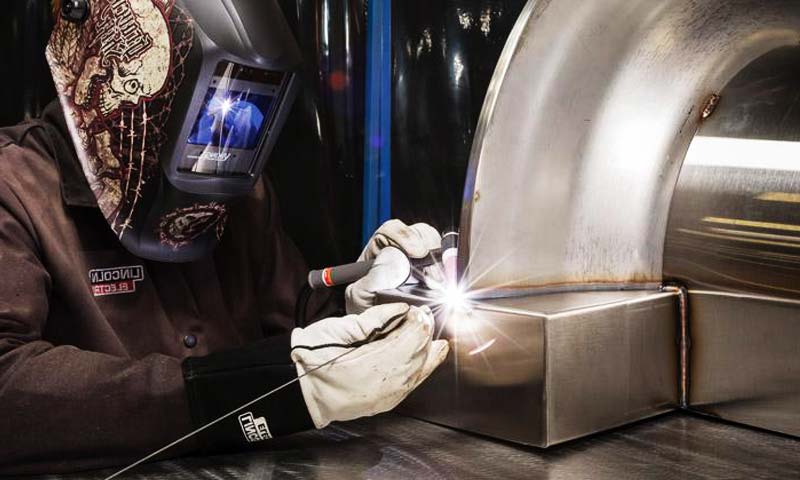
Hegesztés
- Brass welding is difficult due to the high zinc content, which can volatilize under heat and lead to porosity, reccsenés, or fumes.
Technikák kedvelik gas brazing, forrasztás, vagy TIG welding with low-zinc filler rods általában használják, often with pre-heating to minimize thermal shock. - Rozsdamentes acél is generally weldable using methods such as FOGÓCSKAJÁTÉK (GTAW), NEKEM (Harapás), és Sápad, az osztálytól függően.
To maintain corrosion resistance and mechanical properties, it is crucial to select matching filler materials, ellenőrzés hőbevitel, és, Bizonyos esetekben, előadni hegesztést követő hőkezelés vagy passziválás to restore the protective oxide layer.
8. Aesthetic & Felszíni megjelenés
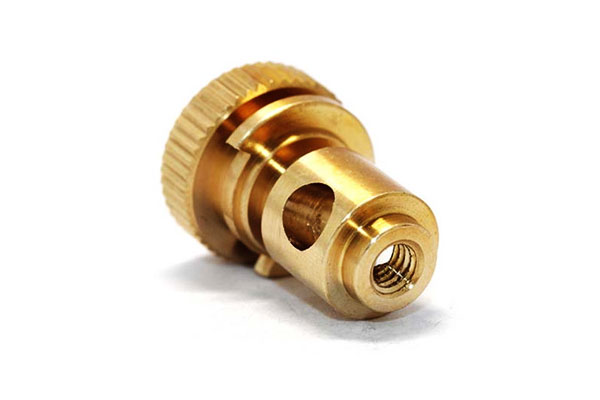
Sárgaréz
Brass is prized for its warm, rich golden hue, making it a popular choice for decorative and architectural applications such as furniture hardware, ajtófogantyúk, and ornamental sculptures.
Idővel, brass naturally develops a patina—a surface layer that can range from subtle aging to verdigris, which some appreciate for its vintage or antique appeal.
Viszont, this tarnishing can be undesirable in certain contexts, követelő rendszeres polírozás to restore and maintain its original bright, fényes kivitel.
Rozsdamentes acél
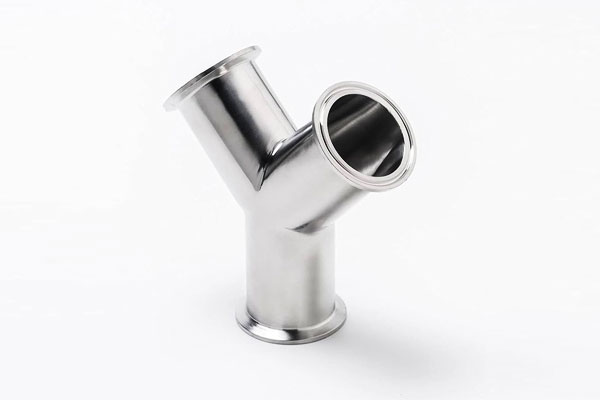
Ezzel szemben, stainless steel offers a sleek, modern appearance characterized by its cool, silver-gray luster.
Its versatility in surface finishing allows for a variety of aesthetic effects: A highly polished finish provides a mirror-like reflective quality, Míg a brushed or satin finish creates a subtle, texturált, and understated look.
Stainless steel is highly resistant to staining and corrosion, enabling it to maintain its clean, attractive appearance over extended periods with minimal maintenance.
These qualities make stainless steel a preferred material for contemporary architectural features, konyhai készülékek, and decorative elements where durability and longevity are essential.
9. Applications of Brass vs Stainless Steel
Brass Applications:
- Vízvezeték -szerelő: csaptelep, szelepek, szerelvények, pipe connectors, water meters
- Építészeti & Dekoratív: ajtófogantyúk, zár, világítótestek, hangszerek, szobrok
- Tengeri Ipar: tengeri hardver, hajóképesség, hajtókészülékek
- Elektromos & Elektronika: csatlakozók, terminál, elektromos kapcsolók
- Mechanikai alkatrészek: fogaskerék, csapágyak, perselyek, szelepülések, rögzítőelemek
- Fogyasztási cikkek: ékszerek, hangszerek, dekoratív hardver
- Ipari felszerelés: instrumentation components, hőcserélők, szabályozó szelepek
- Autóipar: radiátorok, dekoratív burkolat, carburetor parts
Rozsdamentes acél alkalmazások:
- Vízvezeték -szerelő: csövek, szelepek, szivattyúk, egészségügyi szerelvények, food and pharmaceutical piping
- Építészeti & Dekoratív: burkolat, kapaszonyok, konyhai készülékek, munkalap, liftpanelek
- Tengeri Ipar: tengeri rögzítők, tengelyek, ship fittings, kipufogórendszerek, hőcserélők
- Elektromos & Elektronika: szerkezeti keretek, házak, corrosion-resistant connectors
- Mechanikai alkatrészek: tengelyek, rugó, rögzítőelemek, szivattyúk, kompresszorok, turbina alkatrészek
- Fogyasztási cikkek: konyhaedények, Evőeszköz, főzőedény, orvostechnikai eszközök, műtéti eszközök
- Ipari felszerelés: vegyi reaktorok, gyógyszerkészítmény, food processing machinery
- Autóipar: kipufogórendszerek, szerkezeti részek, rögzítőelemek
10. Átfogó összehasonlító táblázat: Sárgaréz vs rozsdamentes acél
| Ingatlan / Vonatkozás | Sárgaréz | Rozsdamentes acél |
| Kémiai összetétel | Réz (CU) + Cink (Zn), may include Lead (PB), Ón, Alumínium | Vas (FE) + Króm (≥10,5%) + Nikkel + Molibdén + Mások |
| Sűrűség | ~8.4 – 8.7 G/cm³ | ~ 7,7 - 8.0 G/cm³ |
| Szakítószilárdság | 300 - - 600 MPA | 500 - - 1000 MPA |
| Hozamszilárdság | 100 - - 400 MPA | 200 - - 900 MPA |
| Keménység (Brinell) | 55 - - 110 HB | 150 - - 600 HB |
| Korrózióállóság | Good in water and mild chemicals; susceptible to dezincification | Kiváló; főleg 316 grade with Mo; highly resistant to acids, kloridok, és a tengeri környezetek |
| Hővezető képesség | Magas (~100–120 W/m·K) | Alacsony (~ 15–25 w/m · k) |
| Elektromos vezetőképesség | Magas; good electrical conductor | Alacsony; poor electrical conductor |
| Megmunkálhatóság | Kiváló, especially leaded brasses | Közepestől a nehézig; work-hardening requires care |
| Megfogalmazhatóság | Nagyon jó; easy to cold and hot form | Good but requires higher forces and sometimes annealing |
| Hegesztés | Kihívást jelentő; zinc vapor can cause porosity; brazing preferred | Kiváló; multiple welding methods with proper procedures |
| Esztétikai megjelenés | Warm golden color; tarnishes and patinas over time | Modern silver-gray luster; maintains finish longer; available polished or brushed |
| Költség | Generally lower | Generally higher due to alloying elements and processing |
| Alkalmazások | Dekoratív hardver, vízvezeték -szerelő, tengeri szerelvények, elektromos alkatrészek | Szerkezeti, építészeti, élelmiszer -feldolgozás, orvosi, tengeri, vegyipar |
| Fenntarthatóság & Újrafeldolgozás | Nagyon újrahasznosítható; lower energy in processing | Nagyon újrahasznosítható; corrosion resistance extends lifecycle |
| Tipikus osztályok / Ötvözetek | C36000 (free machining), C46400 (architectural brass) | 304, 316, 430, 410 rozsdamentes acél |
11. Következtetés
Sárgaréz offers exceptional machinability, vonzó megjelenés, and high conductivity—making it ideal for decorative, elektromos, and heat-related applications.
Rozsdamentes acél, másrészt, provides superior strength, korrózióállóság, and hygienic properties suited to structural, tengeri, and medical uses.
Material selection hinges on prioritizing strength, corrosion environment, megmunkálhatóság, vezetőképesség, költség, és megjelenés.
For functional elegance, brass is the go-to choice; for performance and longevity, stainless steel prevails.
GYIK
Is brass better than stainless steel?
It depends on the application. Brass offers excellent machinability, termikus és elektromos vezetőképesség, and an attractive golden appearance, making it ideal for decorative and electrical uses.
Stainless steel excels in strength, korrózióállóság, és tartósság, making it better for harsh environments and structural applications.
Mi tart tovább, stainless steel or brass?
Stainless steel generally lasts longer, especially in corrosive or marine environments, due to its superior corrosion resistance and strength.
Brass may corrode or tarnish faster under certain conditions, like dezincification.
Ami jobb, brass or stainless steel valves?
Stainless steel valves are usually preferred in demanding, maró hatású, or high-pressure applications due to their durability and corrosion resistance.
Brass valves work well for moderate pressures and non-corrosive fluids and are often chosen for cost-effectiveness and ease of machining.