1. مقدمه
مس در مقابل فولاد ضد زنگ—this comparison lies at the heart of countless decisions in engineering, ساخت و ساز, تولید, and consumer product design.
Both are highly valued industrial metals, each offering a unique combination of properties that suit a broad range of applications.
Understanding their differences in terms of performance, هزینه, مقاومت در برابر خوردگی, قابلیت تغییر, and environmental compatibility is essential for professionals across industries.
Copper is known for its superior electrical and thermal conductivity, natural antimicrobial properties, و شکل گیری عالی.
It has been used for millennia in plumbing, معماری, و سیستم های الکتریکی.
فولاد ضد زنگ, در مقابل, است modern engineered alloy celebrated for its قدرت, مقاومت در برابر خوردگی, و بهداشت, particularly in food processing, تجهیزات پزشکی, اجزای دریایی, و کاربردهای ساختاری.
2. مس چیست?
مس is a reddish-brown metallic element with the chemical symbol Cu (from Latin Cuprum) وت عدد اتمی 29.

It is one of the earliest metals used by humans, with evidence of use dating back over 10,000 سال.
Copper is primarily extracted from ores such as chalcopyrite (CuFeS₂), which is the most abundant copper-bearing mineral. Other sources include bornite, malachite, and cuprite.
به عنوان یک خالص, غیر عاقلانه فلزی, copper is renowned for its combination of high electrical and thermal conductivity, قابلیت تشکیل, وت جذابیت زیبایی, making it indispensable across multiple industries.
Key Characteristics of Copper
Exceptional Electrical Conductivity
Copper has an electrical conductivity of about 58 خانم/متر (megasiemens per meter), دوم فقط به نقره.
This makes it the global standard for electrical wiring, قوطی, انتقال قدرت, and electronic connectors.
هدایت حرارتی بالا
With a thermal conductivity of 401 w/m · k, copper is ideal for مبدلهای حرارتی, سیستم های HVAC, cooking vessels, وت industrial thermal equipment.
Excellent Ductility and Malleability
Copper can be stretched into fine wires or pressed into thin sheets without breaking. Its ductility and malleability support complex manufacturing processes including drawing, نورد, و تمبر.
مقاومت در برابر خوردگی
Copper naturally resists corrosion in non-acidic environments.
با گذشت زمان, it forms a protective greenish layer called پتینه (یا verdigris), which helps prevent further oxidation and material loss.
خواص ضد میکروبی
Copper and many of its alloys possess intrinsic antimicrobial activity, capable of eliminating bacteria, ویروس, and fungi.
This makes copper surfaces effective in hospitals, kitchens, سیستم های آب, and public infrastructure.
Non-Magnetic and Fully Recyclable
Copper is non-magnetic, making it ideal for sensitive electromagnetic applications.
علاوه بر, این است 100% قابل بازیافت without degradation of properties, significantly reducing environmental impact.
Forms and Alloys
While pure copper is used in many applications, it is also alloyed with other elements to enhance strength, سختی, یا مقاومت در برابر خوردگی:
- برنج (مس + روی): ماشینی پیشرفته, used in fittings and decorative items.
- برنز (مس + قلع): Superior hardness and wear resistance, used in bearings and sculptures.
- Cu-Ni Alloys (به عنوان مثال, 90/10, 70/30): Excellent resistance to seawater corrosion, used in marine applications.
3. فولاد ضد زنگ چیست?
فولاد ضد زنگ is a family of corrosion-resistant آلیاژهای مبتنی بر آهن that contain a حداقل 10.5% chromium by mass, which is essential for forming a passive chromium oxide film on the surface that protects the material from corrosion.

This property, همراه با قدرت آن, دوام, and hygienic characteristics, makes stainless steel one of the most widely used engineering materials in the world today.
برخلاف مس, which is a pure element, stainless steel is a complex alloy, در درجه اول از اتو کردن (با), کروم (کلوچه), and often nickel (در), مولیبدن (مس), منگنز (منگنه), نیتروژن (حرف) depending on the specific grade and application.
Key Characteristics of Stainless Steel
مقاومت در برابر خوردگی
The standout feature of stainless steel is its resistance to corrosion in a wide range of environments.
Chromium is the key element, forming a self-healing oxide layer that protects the metal.
Higher alloy grades (مانند 316 or duplex steels) offer enhanced resistance to chlorides and acidic conditions.
قدرت و سختی
Stainless steels have high tensile and yield strength, making them suitable for structural applications, رگهای فشار, and load-bearing components.
Some duplex and martensitic stainless steels exhibit mechanical strength levels up to twice that of carbon steel.
Hygienic and Non-Reactive Surface
Stainless steel is non-porous, تمیز کردن آسان, and does not support microbial growth, making it the material of choice in فرآوری مواد غذایی, دارویی, وت medical industries.
Heat and Oxidation Resistance
Many stainless steels maintain mechanical properties and oxidation resistance at elevated temperatures, به خصوص نمرات آستنیتی.
تطبیق پذیری زیبایی
With finishes ranging from mirror-polished to matte brushed, stainless steel offers a sleek, modern look prized in architectural and consumer product design.
Common Types of Stainless Steel
| نوع | ساختار | عناصر اصلی آلیاژ | برنامه های معمولی |
| وابسته به اوستن | FCC (غیر عجیبی) | کلوچه, در | 304, 316 – kitchenware, لوله کشی, مخازن |
| وابسته به فری | سال قبل از میلاد (مغناطیسی) | کلوچه | 430 – appliances, تریم خودرو |
| وابسته به مارتنز | باکتری (مغناطیسی) | کلوچه, جف | 410, 420 – cutlery, سازهای جراحی |
| دوتایی | مخلوط (وابسته به اوستن + فریت) | کلوچه, در, مس, حرف | 2205, 2507 – marine, پردازش شیمیایی |
| بارش (PH) | قابل درمان حرارتی | کلوچه, در, با هم, مس | 17-4PH – aerospace, اجزای با استحکام بالا |
4. Physical Properties of Copper vs Stainless Steel
| دارایی | مس (C11000, ~99.9% Cu) | فولاد ضد زنگ (304 درجه) |
| تراکم | 8.96 g/cm³ | 7.90 g/cm³ |
| نقطه ذوب | 1,085درجه سانتیگراد (1,985° F) | ~1,400–1,450°C (2,550–2,640°F) |
| هدایت حرارتی | 401 w/m · k | 16 w/m · k |
| هدایت الکتریکی | ~58 MS/m | ~1.45 MS/m |
| ضریب انبساط حرارتی | 16.5 میکرومتر در متر · درجه سانتیگراد | 16–17 µm/m·°C |
| ظرفیت گرمای خاص | 0.385 j/g · k | 0.500 j/g · k |
| مدول خاصیت خاصیت ارتجاعی (جوان) | 110–128 GPa | 193–200 GPa |
| نسبت پواسون | ~0.34 | ~0.30 |
| سختی (برینل) | ~40 HB | 170–200 HB |
| رنگ / ظاهر | قرمز مایل به زرد, lustrous | Silvery-gray, منعکس کننده |
| مغناطیسی | غیر عجیبی | متفاوت است: 304 (غیر عجیبی), others may be magnetic |
5. Mechanical Properties of Stainless Steel vs Copper
Mechanical properties determine how a material behaves under various forces and stress conditions.
These characteristics are crucial in selecting materials for structural, بار, or dynamic applications.

جدول مقایسه ای: خصوصیات مکانیکی
| دارایی | مس (C11000) | فولاد ضد زنگ (304 درجه) |
| استحکام کششی | 210–250 MPa | 515-750 MPa |
| قدرت عملکرد | ~33–70 MPa | ~ 205-310 MPa |
| کشیدگی در زمان استراحت | 30-40٪ | ~40–60% |
| مدول خاصیت خاصیت ارتجاعی (جوان) | 110–128 GPa | 193–200 GPa |
| سختی (برینل) | ~40 HB | 170–200 HB |
| قدرت خستگی (Endurance Limit) | ~100 MPa (approximate) | 240 پوند MPa (depending on grade and condition) |
| سختی (charpy v-notch) | عالی (دوک) | متوسط تا زیاد, بر اساس درجه متفاوت است |
| Work Hardening Ability | High – significant increase with cold work | High – especially in austenitic grades |
| مقاومت در برابر خزش | Poor above 200°C | Good up to ~600°C (بستگی به درجه دارد) |
6. Corrosion Resistance of Copper vs Stainless Steel
Corrosion resistance is a vital factor when selecting materials for use in harsh environments, especially in industries such as construction, دریایی, پردازش شیمیایی, and food production.

Copper Corrosion Resistance
Copper is naturally corrosion-resistant in many environments due to the formation of a protective oxide layer on its surface.
This layer acts as a barrier, slowing further oxidation and degradation. Some key points include:
- Patina Formation: وقتی در معرض هوا و رطوبت قرار گرفت, copper develops a greenish-blue patina (verdigris), primarily composed of copper carbonate compounds.
While this patina protects the underlying metal, it alters the aesthetic appearance, which may be undesirable in some applications. - Resistance to Atmospheric and Freshwater Corrosion: Copper performs well in outdoor and freshwater environments, maintaining integrity over long periods without significant corrosion.
- Susceptibility in Aggressive Environments: Copper is vulnerable to acidic conditions and environments with high ammonia concentrations.
It can also corrode under exposure to sulfide-containing atmospheres. - Marine Environment: While copper resists general corrosion in seawater, it is susceptible to خوردگی وت ترک خوردگی استرس تحت شرایط خاص, especially in warm, stagnant saltwater.
Stainless Steel Corrosion Resistance
Stainless steel is renowned for its excellent corrosion resistance, primarily due to the presence of کروم (minimum ~10.5%),
which forms a passive oxide layer on the surface that protects the metal beneath. Important aspects include:
- Passive Film: The chromium oxide film is self-healing if damaged, providing ongoing protection against corrosion.
- Grade Variations:
-
- 304 فولاد ضد زنگ: Offers good corrosion resistance in many environments but is less effective against chloride-induced corrosion.
- 316 فولاد ضد زنگ: Enhanced with molybdenum, it provides superior resistance to chloride pitting and crevice corrosion, making it ideal for marine and chemical environments.
- فولاد ضد زنگ دوبلکس: Combines austenitic and ferritic structures for even better corrosion resistance and strength.
- Chloride Sensitivity: Stainless steels can suffer from ترک خوردگی استرس کلرید (SCC), especially under high stress and temperature in chloride-rich environments.
- Resistance to Various Corrosive Agents: Stainless steel withstands a wide range of corrosive media including acids, قلیایی, و عوامل اکسید کننده.
7. ساخت و ماشینکاری
Understanding the fabrication and machinability characteristics of copper vs stainless steel is essential for selecting the right material for manufacturing processes.
Both metals have unique properties that influence how they are worked, shaped, and joined.

Copper Fabrication and Machinability
- Ease of Forming:
Copper is highly ductile and malleable, making it easy to form into complex shapes through processes like bending, نورد, مهر زنی, and drawing.
Its excellent cold-working capabilities allow for the production of thin sheets, سیم, and intricate components without cracking. - قابلیت تغییر:
Copper machines well due to its softness and thermal conductivity, which helps dissipate heat during cutting. It allows for high cutting speeds and produces smooth finishes.
هر چند, pure copper can be prone to چلیک (سایش چسب), so tool coatings and lubricants are often used to improve tool life. - جوش:
Copper can be welded using various methods, including gas tungsten arc welding (gtaw) and gas metal arc welding (گون).
هر چند, it has high thermal conductivity, which can lead to heat dissipation and challenges in maintaining the weld pool temperature.
Preheating is sometimes necessary to prevent cracking. - پیوستن:
Copper is also easily joined by soldering and brazing, which are common techniques in plumbing and electrical applications.
Stainless Steel Fabrication and Machinability
- قابلیت تشکیل:
Stainless steel varies in formability depending on the grade.
فولادهای ضد زنگ آستنیتی مانند 304 وت 316 have excellent ductility and can be cold-worked effectively, while ferritic and martensitic grades are less ductile and more prone to cracking during forming. - قابلیت تغییر:
Stainless steel is generally harder to machine than copper due to its higher strength and work-hardening properties.
Its low thermal conductivity means heat builds up during machining, افزایش سایش ابزار.
Specialized carbide tooling, slower cutting speeds, and copious cooling fluids are often required to maintain tool life and surface finish. - جوش:
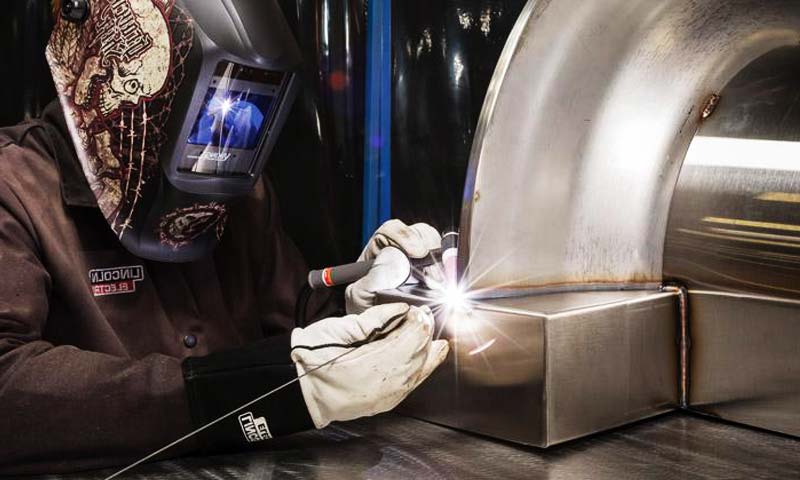
Welding stainless steel is generally easier than copper, with many suitable techniques such as GTAW, گون, and submerged arc welding (اره).
Preheating is typically unnecessary for austenitic grades, but controlling heat input is important to avoid distortion and maintain corrosion resistance.
Filler metals closely matching the base metal chemistry are essential. - پیوستن:
Stainless steel components are frequently joined by welding, but brazing and soldering are less common due to the material’s high melting point.
8. Hygiene and Antimicrobial Properties
When evaluating stainless steel and copper for applications in healthcare, فرآوری مواد غذایی, and water systems, their hygiene and antimicrobial characteristics are crucial considerations.

Copper Hygiene and Antimicrobial Properties
- Natural Antimicrobial Action:
Copper is well-known for its intrinsic antimicrobial properties.
It can kill a broad spectrum of bacteria, ویروس, and fungi on contact through a process called oligodynamic effect, where copper ions disrupt microbial cell membranes and interfere with vital enzymatic processes.
Studies show copper surfaces can reduce bacterial contamination by over 99% ظرف چند ساعت. - برنامه:
Due to this property, copper and its alloys (مانند برنج و برنز) are widely used in high-touch surfaces like door handles, hospital bed rails, شیر, and water pipes to reduce the risk of healthcare-associated infections (HAIs). - Self-Sanitizing Surfaces:
Copper does not require chemical disinfectants to maintain its antimicrobial effectiveness, making it a sustainable and passive hygiene solution. - Patina Formation and Cleaning:
با گذشت زمان, copper develops a greenish patina (verdigris), which does not diminish its antimicrobial properties but may affect aesthetics.
Regular cleaning is needed to maintain surface appearance without compromising antimicrobial action.
Stainless Steel Hygiene and Antimicrobial Properties
- Non-Porous, Easy-to-Clean Surface:
Stainless steel is valued for its smooth, non-porous surface that resists dirt and microbial adhesion, making it easy to clean and disinfect.
This property makes it a preferred material in food processing, دارویی, and medical environments. - Lack of Active Antimicrobial Effect:
برخلاف مس, stainless steel does not inherently kill microbes. Pathogens can survive on its surface for extended periods unless regularly cleaned and disinfected. - Chemical Resistance and Hygiene:
Stainless steel’s corrosion resistance ensures it does not degrade with repeated sanitation using harsh chemicals, maintaining a sterile environment over time. - Is Stainless Steel Toxic?
هیچ, stainless steel is generally considered safe and non-toxic for use in food and medical applications. It does not leach harmful substances under normal conditions.
9. Aesthetics and Surface Finishing
The visual appeal and surface treatment options of copper vs stainless steel play a significant role in their selection for architectural, تزئینی, و برنامه های مصرف کننده.

Copper Aesthetics and Surface Finishing
- Distinctive Warm Appearance:
Copper is renowned for its rich, reddish-brown hue that adds warmth and elegance to any design.
This unique coloration makes it popular for decorative elements, جواهرات, بام, and art. - Patina Development:
با گذشت زمان, copper naturally oxidizes, developing a greenish-blue patina known as verdigris.
This patina is often prized for its vintage and rustic aesthetic, used intentionally in architecture and sculpture to evoke character and history.
هر چند, some applications may require patina prevention or removal to maintain its original shine. - گزینه های تکمیل سطح:
Copper can be polished to a bright, reflective surface or given various chemical or mechanical treatments to control the rate and pattern of patina formation.
پوشش های محافظ, such as lacquers or waxes, can be applied to preserve its original luster. - نگهدار:
بدون پوشش محافظ, copper requires periodic cleaning to prevent tarnishing and maintain its aesthetic appeal, especially in interior or decorative uses.
Stainless Steel Aesthetics and Surface Finishing
- Modern and Sleek Look:
Stainless steel’s naturally bright, silvery-gray appearance conveys a modern, تمیز, and professional look, widely favored in contemporary architecture, وسایل آشپزخانه, و ابزارهای پزشکی. - Variety of Finishes:
Stainless steel offers versatile finishing options, از جمله:
-
- Polished Mirror Finish: بسیار بازتابنده, used for decorative panels and luxury products.
- Brushed or Satin Finish: Matte texture that reduces glare and hides fingerprints, popular in appliances and automotive trim.
- مهره بلست شده or Matte Finish: Creates a uniform, low-gloss surface suitable for architectural cladding.
- Patterned or Embossed Finishes: Used for aesthetic or functional purposes such as slip resistance.
- Durability of Finishes:
Stainless steel finishes are highly resistant to corrosion, پوشیدن, و رنگ آمیزی, making them ideal for environments requiring low maintenance and long-term aesthetic retention.
10. Applications of Copper vs Stainless Steel
Stainless steel vs copper serve distinct yet sometimes overlapping roles across various industries due to their unique physical, شیمیایی, و خصوصیات مکانیکی.

Copper Applications
- Electrical Wiring and Electronics:
Due to its outstanding electrical conductivity (~58 MS/m), copper is the preferred material for electrical wiring, cables, موتوری, ترانسفورماتور, and printed circuit boards. - Plumbing and HVAC Systems:
Copper’s corrosion resistance, سهولت ساختگی, and antimicrobial properties make it ideal for water supply pipes, وسایل لوله کشی, and heating, تهویه, و تهویه هوا (HVAC) اجزای. - Roofing and Architectural Elements:
Copper is widely used for roofing, ناودان, چشمک زن, and decorative architectural accents. Its patina development offers a natural protective layer and an aesthetic appeal. - Industrial Heat Exchangers and Cooling Systems:
هدایت حرارتی بالا (~401 W/m·K) enables copper to efficiently transfer heat, making it suitable for heat exchangers, کندانسر, and cooling coils. - Antimicrobial Surfaces:
Hospitals, public transport, and food preparation areas utilize copper and copper alloys for touch surfaces like door handles and railings to reduce microbial contamination. - Art and Jewelry:
Copper’s warm color and workability make it popular for sculptures, جواهرات, و برنامه های هنری.
برنامه های فولاد ضد زنگ
- Food Processing and Kitchen Equipment:
Stainless steel’s corrosion resistance, بهداشت, and ease of cleaning make it ideal for cookware, کارد و چنگال, غرق, and food processing machinery. - تجهیزات پزشکی و دارویی:
Sterilizable, corrosion-resistant stainless steel is essential for surgical tools, کاشت, hospital fixtures, and pharmaceutical processing equipment. - صنایع شیمیایی و پتروشیمی:
Stainless steel’s resistance to harsh chemicals and high temperatures suits reactors, مخازن ذخیره سازی, خط لوله, and heat exchangers in aggressive environments. - معماری و ساخت و ساز:
Stainless steel is extensively used for structural components, روکش دار, نرده, and architectural details where strength and aesthetic durability are critical. - خودرو and Aerospace:
It provides corrosion resistance and structural integrity in exhaust systems, شاسی, قطعات موتور, و اجزای هوافضا. - Water Treatment and Marine Applications:
نمرات مانند 316 stainless steel offer corrosion resistance in marine and desalination plants, خط لوله, و پمپ ها.
11. Comprehensive Comparison of Copper vs Stainless Steel
To thoroughly understand the differences and advantages of copper vs stainless steel, it is essential to compare their key attributes side by side.
| دارایی/جنبه | مس | فولاد ضد زنگ |
| ترکیب شیمیایی | Pure metal, قرمز مایل به زرد, عدد اتمی 29 | Iron-based alloy with chromium, نیکل, و عناصر دیگر |
| قدرت مکانیکی | Moderate tensile strength (210 پوند MPa) | مقاومت کششی بالاتر (304 SS ~515 MPa, 316 SS ~580 MPa) |
| انعطاف پذیری & قابلیت انعطاف پذیری | Highly ductile and malleable | انعطاف پذیری خوب; varies by grade and treatment |
| هدایت حرارتی | عالی (~401 W/m·K) | کم (~15-25 W/m·K) |
| هدایت الکتریکی | عالی (~58 MS/m) | ضعیف (1-2 خانم/متر, بستگی به درجه دارد) |
| مقاومت در برابر خوردگی | Naturally corrosion-resistant but forms patina; vulnerable to acid attack | مقاومت در برابر خوردگی برتر, especially in harsh environments and marine applications |
| خواص ضد میکروبی | Natural antimicrobial agent, kills bacteria and viruses on contact | سطح بهداشتی, but no antimicrobial action |
| قابلیت تغییر | Easy to machine and form | ماشین سازی دشوارتر است; requires specialized tools and techniques |
| جوش | به طور کلی جوشکاری آسان است | More complex welding, requiring shielding gases and precautions |
| انبساط حرارتی | Higher coefficient (~16.5 × 10⁻⁶ /°C) | پایین (~10-17 × 10⁻⁶ /°C depending on grade) |
| زیبایی شناسی | Warm reddish tones; develops patina over time | مدرن, polished or brushed metallic look; retains shine |
| Weight/Density | 8.96 g/cm³ | چگالی پایین (~7.7-8.0 g/cm³) |
| هزینه | Generally more expensive for large quantities | Often more cost-effective depending on grade and application |
| Environmental Suitability | Suitable for electrical, تزئینی, and plumbing uses; less suited for highly acidic or marine environments | Highly versatile; ideal for chemical, دریایی, and structural uses |
| برنامه های مشترک | سیم کشی الکتریکی, لوله کشی, بام, antimicrobial surfaces, مبدلهای حرارتی | فرآوری مواد غذایی, تجهیزات پزشکی, گیاهان شیمیایی, ساخت و ساز, خودرو |
غذای اصلی
- عمل: Copper excels in electrical and thermal conductivity and antimicrobial performance, making it indispensable for electronics, لوله کشی, and hygiene-critical environments.
- دوام: Stainless steel offers superior strength and corrosion resistance, making it the material of choice for structural applications, harsh chemical environments, and food-grade equipment.
- ساختگی: Copper is easier to form and machine, whereas stainless steel requires more specialized equipment but provides stronger, longer-lasting components.
- هزینه و در دسترس بودن: Both materials are widely available, but cost varies depending on grade and application.
Copper’s price can be higher for bulk use, whereas stainless steel grades offer flexible options tailored to budgets and requirements. - Aesthetic and Design: Copper provides a classic, warm appearance with natural aging, while stainless steel suits modern, sleek designs with lasting shine.
12. پایان
Copper vs stainless steel, each offers unique advantages: copper excels in conductivity, antimicrobial properties, و سهولت ساخت, while stainless steel provides superior strength, مقاومت در برابر خوردگی, و دوام.
The choice depends on application needs like environment, mechanical demands, و هزینه.
Understanding their differences helps ensure the best material selection for optimal performance and longevity. Both remain essential materials across diverse industries.
متداول
Which material has better corrosion resistance, copper or stainless steel?
Stainless steel generally offers superior corrosion resistance, especially in harsh environments like marine or chemical exposure.
Copper resists corrosion too but can develop a greenish patina over time.
Is copper or stainless steel better for electrical applications?
Copper is vastly superior due to its excellent electrical conductivity, making it the preferred choice for wiring and electronics.
Is copper better than stainless steel for a still?
بله, copper is preferred for distillation stills (به عنوان مثال, in alcohol production) because it reacts with sulfur compounds and improves the purity and flavor of the distillate.
هر چند, stainless steel is more durable and easier to maintain.
Does copper have antimicrobial properties?
بله, copper naturally kills bacteria and viruses on contact, making it valuable in healthcare and hygiene-sensitive environments. Stainless steel is hygienic but does not actively kill microbes.
What are common applications for stainless steel and copper?
Copper is used in electrical wiring, لوله کشی, و وسایل تزئینی. Stainless steel is common in construction, وسایل آشپزخانه, دستگاه های پزشکی, و پردازش شیمیایی.
آیا زنگ زدگی فولاد ضد زنگ می تواند?
Stainless steel is highly corrosion resistant but can rust under extreme conditions or if the protective chromium oxide layer is damaged.