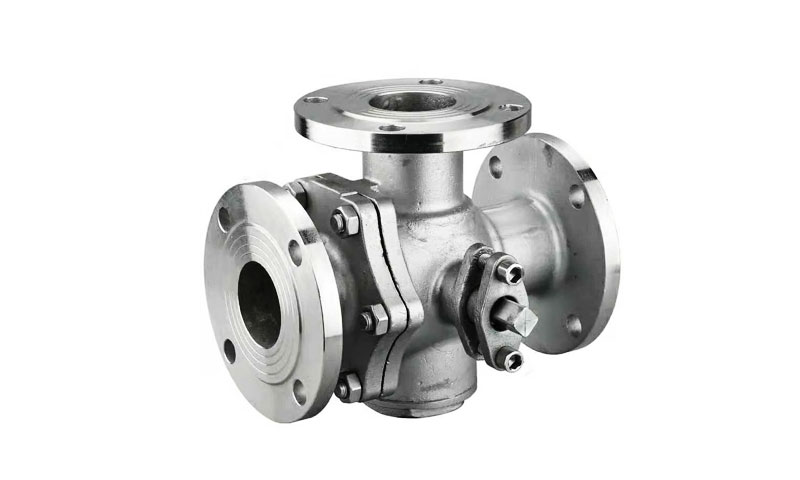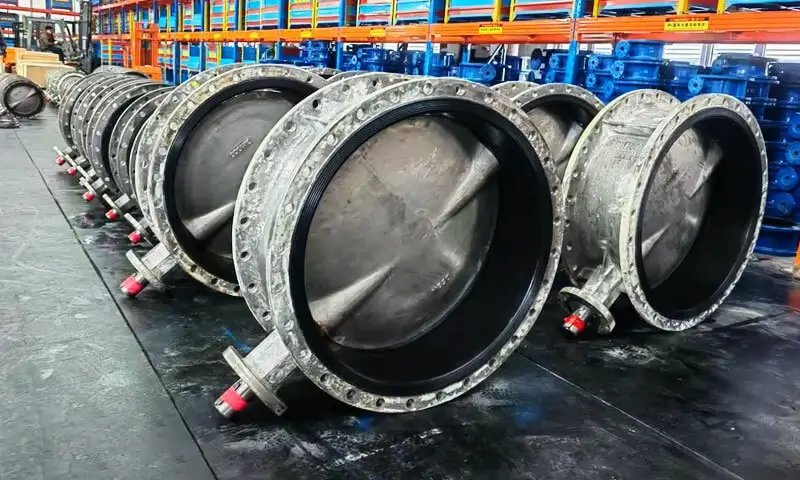
1. Introducción
Las válvulas de mariposa se encuentran entre los dispositivos de control de flujo más utilizados en sistemas de tuberías industriales..
Su diseño simple pero efectivo (un disco giratorio que regula el flujo) los hace indispensables en el tratamiento del agua., procesamiento químico, petróleo y gas, comida y bebida, y generación de energía.
En el corazón de cada válvula de mariposa se encuentra el cuerpo de la válvula., la carcasa estructural que contiene el disco, asiento, provenir, y actuadores, y debe soportar la presión interna, temperatura, y medios corrosivos.
La producción de cuerpos de válvulas de mariposa se ha basado tradicionalmente en la fundición en arena., forja, o fabricación a partir de placa.
Sin embargo, La fundición a la cera perdida ha surgido como una ruta de fabricación superior para cuerpos de válvulas de mariposa de alto rendimiento, particularmente en acero inoxidable y aleaciones dúplex, ofreciendo una precisión dimensional incomparable., acabado superficial, e integridad material.
2. ¿Qué es un cuerpo de válvula de mariposa??
A válvula de mariposa regula el flujo de fluido girando un disco circular aproximadamente 90 grados alrededor de un eje central.
En comparación con las válvulas de compuerta, válvulas de globo, y válvulas de bola, Las válvulas de mariposa ofrecen una estructura mucho más compacta y un menor peso., haciéndolos particularmente adecuados para sistemas de tuberías de gran diámetro.
Aunque la válvula parece relativamente simple, Cada componente realiza una función mecánica crítica..
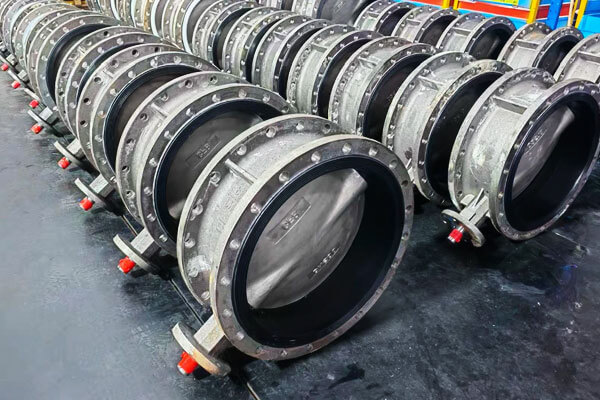
Un cuerpo de válvula de mariposa es la carcasa principal que contiene presión de una válvula de mariposa..
Soporta los cojinetes del vástago., Se adapta al asiento de la válvula., Proporciona las superficies de sellado para conexiones de tuberías., y resiste tanto la presión interna del fluido como las cargas mecánicas externas.
Componentes básicos de una válvula de mariposa
| Componente | Función |
| Cuerpo | Alberga el disco y los asientos.; proporciona conexiones de tubería (con bridas, arrastrar, oblea, o extremos soldados a tope). |
| Desct | El miembro de cierre giratorio que regula el flujo.; normalmente fundido integralmente con o por separado del vástago. |
| Provenir / eje | Transmite torque desde el actuador al disco.. |
| Asiento | Proporcionar un sello hermético entre el disco y el cuerpo.. |
| Solenoide | Manual (palanca, volante) o automatizado (neumático, eléctrico, hidráulico). |
| Capó / brida superior | Aloja el vástago y proporciona montaje para el actuador.. |
Tipos de diseños de cuerpos de válvulas de mariposa
| tipo de cuerpo | Descripción | Aplicaciones típicas |
| Estilo oblea | Cuerpo delgado con orificios para pernos pasantes; intercalado entre bridas de tubería. | Baja presión, sistemas compactos. |
| Estilo asa | Inserciones roscadas en cada lado.; Se puede utilizar como válvula de final de línea.. | Presión moderada; acceso de mantenimiento. |
| Con bridas | Bridas integrales en ambos extremos.; atornillado directamente a las bridas de la tubería. | Alta presión, sistemas de gran diámetro. |
| Soldadura a tope | Extremos diseñados para soldar directamente en tubería.. | Alta temperatura, alta presión, sistemas críticos para fugas. |
| Compensar / excéntrico | Disco desplazado desde el centro para un mejor sellado y un par reducido. | Alto rendimiento, aplicaciones de cierre hermético. |
Requisitos funcionales críticos
| Requisito | Implicación de ingeniería |
| Integridad de la presión | Debe soportar la presión interna sin fugas ni deformaciones. (hasta ASME Clase 150‑2500). |
| Resistencia a la corrosión | Resiste los medios (agua, químicos, gases, agua de mar) sin degradación. |
| Precisión dimensional | Diámetro de orificio preciso y dimensiones cara a cara para compatibilidad con bridas. |
| Acabado superficial | Las caras lisas del orificio y de la brida reducen la resistencia al flujo y garantizan el sellado.. |
| Rigidez estructural | Mantiene la alineación del disco y los asientos bajo ciclos térmicos y de presión.. |
| Resistencia a la fatiga | Resiste ciclos repetidos y fluctuaciones de presión.. |
3. ¿Por qué elegir la fundición a la cera perdida para los cuerpos de válvulas de mariposa??
El método de fabricación seleccionado para el cuerpo de una válvula de mariposa tiene un profundo impacto en su precisión dimensional., rendimiento mecánico, resistencia a la corrosión, eficiencia de producción, y costo total.
Entre los diversos procesos de fabricación disponibles, casting de inversión se ha convertido en una de las opciones preferidas para producir cuerpos de válvulas de mariposa de alta calidad., particularmente aquellos utilizados en aplicaciones industriales exigentes.
A diferencia de los métodos de fundición convencionales, La fundición a la cera perdida emplea patrones de cera desechables y moldes cerámicos de precisión para producir componentes con una forma casi neta con una precisión dimensional y un acabado superficial excepcionales..
El proceso es capaz de reproducir geometrías intrincadas que serían difíciles, costoso, o incluso imposible de fabricar mediante fundición en arena tradicional o mecanizado intensivo.
Como resultado, La fundición a la cera perdida no solo mejora la calidad del producto sino que también mejora la eficiencia de fabricación y reduce el desperdicio de material..
Para cuerpos de válvulas de mariposa, que incorporan pasajes de flujo complejos, superficies de sellado, orificio, y conexiones de brida, La fundición a la cera perdida ofrece una combinación única de flexibilidad de diseño., integridad estructural, y consistencia en la producción.
Ventajas clave de la fundición a la cera perdida para cuerpos de válvulas
| Ventaja | Explicación |
| Geometría interna compleja | Pasajes de flujo, costillas, y las características de montaje se pueden fundir directamente, eliminando la fabricación de varias piezas. |
| Forma casi neta | El mecanizado mínimo reduce el desperdicio de material y reduce el costo de producción.. |
| Excelente acabado superficial | As‑cast Ra 1,6‑6,3 µm reduce la resistencia al flujo y mejora el sellado del asiento. |
| Tolerancias dimensionales ajustadas | Garantiza la alineación de las bridas, concentricidad del asiento, y montaje estanco. |
Versatilidad de aleaciones |
Funde cualquier acero inoxidable moldeable, dúplex, superaleación, o aleación de níquel. |
| Integridad de la presión | Las piezas fundidas sólidas con la compuerta adecuada logran un rendimiento hermético a la presión hasta la clase ANSI. 2500. |
| Microestructura uniforme | La estructura fundida de grano fino proporciona propiedades mecánicas consistentes. |
| Rentabilidad en volúmenes medios | 100-10.000 piezas/año; ideal para tamaños personalizados y estándar. |
4. Selección de materiales para cuerpos de válvulas de mariposa de fundición a la cera perdida
La selección de un material apropiado es una de las decisiones más críticas en el diseño y fabricación de un cuerpo de válvula de mariposa de fundición a presión..
Mientras que el proceso de fundición a la cera perdida determina la calidad dimensional y la complejidad geométrica del componente., la aleación determina sus propiedades mecánicas, resistencia a la corrosión, capacidad de presión, rango de temperatura, y vida útil esperada.
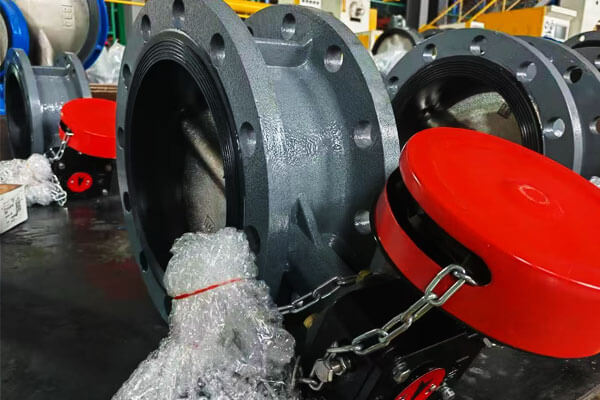
Acero inoxidable
Acero inoxidable Es el material más comúnmente utilizado para cuerpos de válvulas de mariposa de fundición a la cera perdida debido a su excelente equilibrio de resistencia a la corrosión., resistencia mecánica, fabricación, y confiabilidad a largo plazo.
La película de óxido pasivo rica en cromo que se forma en la superficie proporciona una protección eficaz contra la corrosión atmosférica y muchos productos químicos industriales..
CF8 (Equivalente a ASTM A351 Grado CF8)
CF8 es el equivalente fundido del tipo forjado. 304 acero inoxidable y contiene aproximadamente 18% cromo y 8% níquel.
Ofrece buena resistencia a la corrosión en agua., vapor, productos alimenticios, y muchos productos químicos ligeramente corrosivos.
Sus ventajas incluyen:
- Buena resistencia a la corrosión general
- Excelente capacidad de fundición
- Buena soldadura
- Propiedades mecánicas estables
- Costo de material competitivo
CF8 se utiliza ampliamente en:
- Sistemas de tratamiento de agua.
- Procesamiento de alimentos
- equipos de climatización
- Tuberías industriales generales
- Servicios químicos de baja corrosión.
Sin embargo, CF8 no se recomienda para ambientes que contengan altas concentraciones de cloruros., donde pueden ocurrir picaduras localizadas y corrosión por grietas.
CF8M (Equivalente a ASTM A351 Grado CF8M)
CF8M corresponde al tipo forjado 316 acero inoxidable pero incluye aproximadamente 2-3% de molibdeno.
La adición de molibdeno mejora significativamente la resistencia a:
- picaduras de cloruro
- Corrosión por grietas
- Ambientes marinos
- Ácidos orgánicos
- Fluidos de proceso químico
Las aplicaciones típicas incluyen:
- Ingeniería costa afuera
- Sistemas de refrigeración de agua de mar
- Plantas químicas
- Equipo farmacéutico
- Industrias de pulpa y papel
Aunque el CF8M es generalmente más caro que el CF8, Su resistencia mejorada a la corrosión a menudo resulta en costos de mantenimiento sustancialmente más bajos durante la vida útil de la válvula..
Aceros inoxidables bajos en carbono (CF3 y CF3M)
CF3 y CF3M son versiones bajas en carbono de CF8 y CF8M, respectivamente.
Su reducido contenido de carbono minimiza la precipitación de carburo durante la soldadura., mejorando así la resistencia a la corrosión intergranular en zonas afectadas por el calor.
Estos grados se seleccionan comúnmente para:
- Sistemas de tuberías soldadas
- Fabricación farmacéutica
- Equipo de procesamiento de alimentos
- Sistemas químicos de alta pureza
Donde se prevé una soldadura extensa, Los aceros inoxidables con bajo contenido de carbono generalmente se prefieren a los grados estándar..
Acero carbono
Aunque el acero inoxidable domina las aplicaciones corrosivas, El acero al carbono sigue siendo una opción económica para muchos cuerpos de válvulas de mariposa que funcionan en condiciones no corrosivas o ligeramente corrosivas..
Acero al carbono WCB
ASTM A216 WCB es uno de los aceros al carbono fundido más utilizados en la industria de válvulas..
Sus ventajas incluyen:
- Alta resistencia mecánica
- Buena tenacidad al impacto
- Excelente maquinabilidad
- Bajo costo de material
- Buena resistencia a la presión
Las aplicaciones típicas incluyen:
- Oleoductos
- Transmisión de gas natural
- Sistemas de vapor
- Protección contra incendios
- Servicios industriales
Sin embargo, WCB requiere recubrimientos protectores o revestimientos internos cuando se expone a ambientes corrosivos.
Acero al carbono de baja temperatura LCC
LCC está desarrollado específicamente para servicio de baja temperatura..
Comparado con WCB, Presenta una resistencia al impacto mejorada a temperaturas bajo cero y se utiliza comúnmente en:
- Instalaciones de GNL
- Almacenamiento criogénico
- Sistemas de refrigeración
- Infraestructura de oleoductos en el Ártico
Acero inoxidable dúplex
A medida que los entornos industriales se vuelven cada vez más agresivos, Los aceros inoxidables dúplex han ganado una amplia aceptación para los cuerpos de válvulas de mariposa de alto rendimiento..
Los aceros inoxidables dúplex contienen proporciones aproximadamente iguales de ferrita y austenita., combinando las ventajas de ambas microestructuras.
Sus características incluyen:
- Muy alta resistencia a la tracción
- Excelente resistencia al cloruro
- Excelente resistencia al agrietamiento por corrosión bajo tensión
- Buen rendimiento ante la fatiga
- Excelente resistencia a la erosión
Comparado con los aceros inoxidables austeníticos convencionales, Las aleaciones dúplex a menudo proporcionan casi el doble del límite elástico y al mismo tiempo mantienen una excelente resistencia a la corrosión..
Los grados comunes de fundición a la cera perdida incluyen:
- CD4MCU
- ASTM A890 Grado 4A
- ASTM A890 Grado 5A
Las aplicaciones típicas incluyen:
- Plataformas petroleras marinas
- Plantas de desalinización
- Tuberías marinas
- Reactores químicos
- Sistemas de refrigeración de agua de mar
Aunque las aleaciones dúplex son más caras que los aceros inoxidables convencionales, su vida útil prolongada a menudo justifica la inversión adicional.
Aleaciones a base de níquel
Algunos procesos industriales operan en condiciones que exceden las capacidades de los aceros inoxidables..
Ácidos altamente concentrados, temperaturas elevadas, químicos oxidantes, y los entornos reductores requieren aleaciones especializadas con una resistencia a la corrosión excepcional.
La fundición a la cera perdida permite fabricar cuerpos de válvulas de mariposa a partir de aleaciones a base de níquel, como:
Hastelloy
Las aleaciones de Hastelloy exhiben una excelente resistencia a:
- Ácido clorhídrico
- Ácido sulfúrico
- ácido fosfórico
- Cloruros
- Productos químicos oxidantes
Se utilizan ampliamente en plantas de procesamiento de productos químicos donde los aceros inoxidables convencionales se corroerían rápidamente..
Incomparar
Las aleaciones de Inconel proporcionan:
- Excelente resistencia a altas temperaturas
- Resistencia a la oxidación
- Resistencia a la fatiga térmica
- Resistencia a la presión a temperaturas elevadas.
Las aplicaciones incluyen:
- Generación de energía
- Procesamiento petroquímico
- Sistemas de apoyo aeroespacial
- Plantas químicas de alta temperatura
Monel
Las aleaciones de Monel poseen una resistencia excepcional a:
- Agua de mar
- ácido fluorhídrico
- Soluciones salinas
- Bioincrustación marina
Se seleccionan con frecuencia para válvulas de mariposa marinas y costa afuera..
Aunque las aleaciones de níquel representan una importante inversión en materiales, Pueden reducir drásticamente los costos de mantenimiento y el tiempo de inactividad en entornos de servicio severos..
5. Rendimiento mecánico de cuerpos de válvulas de mariposa de fundición a la cera perdida
El objetivo principal de cualquier cuerpo de válvula de mariposa es proporcionar soporte mecánico confiable en condiciones operativas exigentes..
Si bien la fundición a la cera perdida es a menudo reconocida por su excelente precisión dimensional y acabado superficial, su capacidad para producir componentes con un rendimiento mecánico excepcional es igualmente importante.
Resistencia a la presión
La contención de presión es la función fundamental de todo cuerpo de válvula..
Durante la operación, El cuerpo experimenta presión hidrostática interna que genera tensiones de tracción en todo el molde..
Las regiones de estrés crítico incluyen:
- Aberturas del tallo
- Raíces de brida
- Orificios para pernos
- Transiciones de pared
- Intersecciones de nervaduras de refuerzo
La fundición a la cera perdida contribuye a un rendimiento de presión superior a través de:
- Espesor de pared uniforme
- Reducción del estrés inducido por el mecanizado
- Transiciones geométricas suaves
- Alta consistencia dimensional
La capacidad de presión se verifica en última instancia mediante pruebas de presión hidrostática de acuerdo con los estándares industriales aplicables..
Resistencia estructural
La resistencia estructural se refiere a la capacidad del cuerpo de la válvula para resistir la deformación permanente bajo carga mecánica..
Las propiedades materiales importantes incluyen:
- Fuerza de rendimiento
- Resistencia a la tracción
- módulo elástico
- Dureza
Los aceros inoxidables moldeados a la cera perdida suelen ofrecer excelentes combinaciones de resistencia y ductilidad., permitiendo que el cuerpo de la válvula resista:
- Cargas de tubería
- Par del actuador
- Fuerzas de instalación
- Tensiones de expansión térmica
Un tratamiento térmico adecuado mejora aún más la resistencia al refinar la microestructura de la aleación..
Resistencia a la fatiga
A diferencia de los recipientes a presión estáticos, Las válvulas de mariposa a menudo experimentan cargas repetidas a lo largo de su vida útil..
Cada ciclo de operación genera:
- Fluctuaciones de presión
- Torsión del vástago
- Vibración
- Expansión térmica
- Impacto mecánico
Más de miles, o incluso millones, de ciclos, Pueden desarrollarse grietas microscópicas por fatiga..
La fundición a la cera perdida mejora el rendimiento ante la fatiga mediante:
- Acabado superficial liso
- Concentración de estrés reducida
- Microestructura uniforme
- Alta precisión dimensional
Las características de diseño, como los filetes generosos y la ubicación optimizada de las nervaduras, mejoran aún más la resistencia a la fatiga al distribuir las tensiones de manera más uniforme..
Dureza de impacto
Las válvulas industriales pueden estar expuestas a impactos mecánicos repentinos durante el transporte., instalación, o operación. En ambientes de baja temperatura, Una tenacidad inadecuada puede provocar una fractura frágil..
Por lo tanto, la tenacidad al impacto es una propiedad esencial., particularmente para:
- sistemas de GNL
- Tuberías criogénicas
- Instalaciones marinas
- Infraestructura de clima frío
Materiales como el acero al carbono LCC y el acero inoxidable dúplex conservan una excelente tenacidad a temperaturas reducidas, haciéndolos adecuados para aplicaciones exigentes.
Resistencia al desgaste y a la erosión
Aunque el cuerpo de la válvula generalmente no está sujeto a contacto deslizante directo como el disco o el asiento, todavía puede experimentar erosión debido a fluidos de alta velocidad que transportan partículas abrasivas.
Los medios erosivos típicos incluyen:
- Lodos
- Agua cargada de arena
- Relaves mineros
- Cenizas volantes
- suspensiones químicas
Los aceros inoxidables dúplex moldeados a la cera perdida y las aleaciones a base de níquel proporcionan una resistencia superior a la erosión debido a su mayor dureza y microestructuras más fuertes..
Los conductos de flujo internos optimizados también reducen la turbulencia localizada., Minimizar la erosión durante períodos de servicio prolongados..
Resistencia a la corrosión
La corrosión sigue siendo una de las principales causas de fallas de válvulas en sistemas industriales..
Dependiendo del entorno operativo, Los cuerpos de las válvulas de mariposa pueden encontrar:
- Corrosión general
- Corrosión de picadura
- Corrosión por grietas
- Corrosión galvánica
- Corrosión intergranular
- Agrietamiento de la corrosión del estrés
La fundición a la cera perdida admite el uso de aleaciones altamente resistentes a la corrosión y al mismo tiempo produce densidades, Piezas fundidas de alta calidad con defectos superficiales mínimos..
Los tratamientos superficiales adecuados, como la pasivación o el electropulido, pueden mejorar aún más la resistencia a la corrosión al fortalecer la capa protectora de óxido en las superficies de acero inoxidable..
Rendimiento de alta temperatura
El servicio de alta temperatura presenta desafíos de ingeniería adicionales.
A medida que aumenta la temperatura:
- El límite elástico disminuye
- La resistencia a la fluencia se vuelve importante
- La oxidación se acelera
- Se puede desarrollar fatiga térmica.
Para aplicaciones de temperatura elevada, Los cuerpos de válvulas de fundición a la cera perdida se fabrican comúnmente con aceros inoxidables resistentes al calor o superaleaciones a base de níquel capaces de mantener propiedades mecánicas bajo exposición térmica prolongada..
Estabilidad dimensional
La estabilidad dimensional es particularmente importante porque las válvulas de mariposa dependen de una alineación precisa entre el cuerpo, provenir, desct, y asiento.
Una mala estabilidad dimensional puede provocar:
- Mayor par de operación
- Desgaste del asiento
- Fuga
- Fallo prematuro del rodamiento
La fundición a la cera perdida proporciona una excelente repetibilidad dimensional al minimizar la distorsión durante la fabricación..
El tratamiento térmico controlado y el mecanizado de precisión garantizan aún más que las dimensiones críticas permanezcan dentro de las tolerancias especificadas..
Este alto nivel de estabilidad dimensional contribuye directamente al buen funcionamiento de la válvula., rendimiento de sellado confiable, y larga vida útil.
6. Tratamiento térmico y acabado superficial del cuerpo de válvula de mariposa de fundición a la cera perdida
El tratamiento térmico y el acabado de superficies no son pasos secundarios de posprocesamiento en la fabricación de válvulas.;
bastante, son etapas críticas que determinan directamente la confiabilidad mecánica, resistencia a la corrosión, estabilidad dimensional, y vida útil de cuerpos de válvulas de mariposa de fundición a presión.
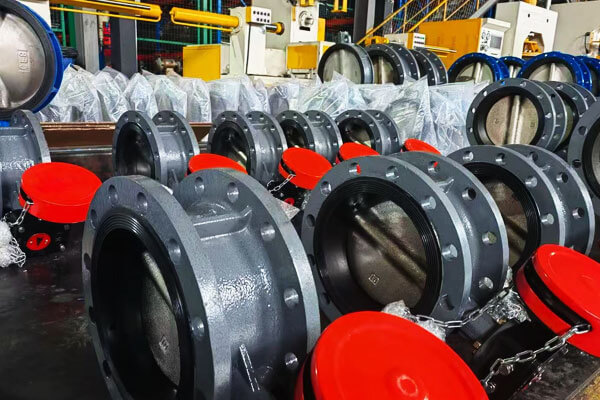
Tratamiento térmico: Ingeniería de microestructura para la optimización del rendimiento
Se aplica un tratamiento térmico para modificar la microestructura de la aleación fundida., eliminar tensiones residuales, y lograr el equilibrio de fuerzas requerido, tenacidad, y resistencia a la corrosión.
Tratamiento térmico de la solución (Aceros inoxidables austeníticos)
Para grados de acero inoxidable como CF8, CF8M, CF3, y CF3M, El tratamiento con solución es el proceso más crítico..
El proceso involucra:
- Calentar la fundición a aproximadamente 1040°C–1120°C
- Mantener a temperatura para disolver los carburos y homogeneizar la estructura.
- Apagado rápido (normalmente refrigeración por agua)
Los resultados clave incluyen:
- Eliminación de la precipitación de carburo de cromo.
- Restauración de la resistencia a la corrosión.
- Mejora ductilidad y dureza
- Microestructura austenítica homogeneizada.
Sin tratamiento de solución adecuado, Los cuerpos de válvulas de acero inoxidable pueden sufrir corrosión intergranular y fallas prematuras en ambientes ricos en cloruro..
Tratamiento térmico para aliviar el estrés (Aceros de carbono y aleación)
Cuerpos de válvulas de acero al carbono fundido. (P.EJ., WCB, LCC) A menudo retienen tensiones residuales de la solidificación y el enfriamiento..
El alivio del estrés se realiza en 550°C–650°C a:
- Reducir las tensiones residuales internas.
- Mejorar la estabilidad dimensional
- Minimizar la distorsión durante el mecanizado y el servicio.
- Mejorar la resistencia a la fatiga
Este proceso es particularmente importante para cuerpos de válvulas de mariposa de gran diámetro donde los gradientes de enfriamiento desiguales son más pronunciados..
Normalización y extinción & Templado
Para aceros al carbono y de baja aleación que requieren mayor resistencia:
- Normalización refina la estructura del grano y mejora la uniformidad
- Apagado y templado Mejora significativamente la resistencia y la dureza manteniendo la tenacidad adecuada.
Estos tratamientos se utilizan comúnmente en aplicaciones de alta presión, como oleoductos y sistemas de vapor..
Acabado superficial: Mejora funcional y protectora
El acabado de la superficie es igualmente importante ya que afecta directamente la resistencia a la corrosión., limpieza, rendimiento hidráulico, y calidad estética.
Granallado y Limpieza
El granallado suele ser el primer paso de acabado después de retirar la pieza fundida..
Sus funciones incluyen:
- Eliminación de restos de cerámica
- Eliminación de incrustaciones de óxido
- Texturado superficial uniforme
- Preparar la superficie para un tratamiento posterior.
Para piezas fundidas de acero al carbono, Se utiliza comúnmente perdigones de acero., mientras que los componentes de acero inoxidable a menudo utilizan perdigones de acero inoxidable o medios controlados para evitar la contaminación..
Decapado y Descalcificación
El decapado es un proceso químico utilizado principalmente para piezas fundidas de acero inoxidable..
Se quita:
- tinte de calor
- Capas de óxido
- Contaminación de superficies por procesamiento a alta temperatura
Mezclas ácidas (típicamente nítrico + sistemas de ácido fluorhídrico) restaurar una superficie metálica limpia, que es esencial para la resistencia a la corrosión.
Tratamiento de pasivación
La pasivación mejora la resistencia natural a la corrosión del acero inoxidable al promover la formación de una capa estable de óxido de cromo..
Los beneficios incluyen:
- Resistencia mejorada a las picaduras
- Estabilidad química mejorada
- Protección de superficies a largo plazo
- Riesgo reducido de corrosión localizada.
Este paso es fundamental para los cuerpos de válvulas CF8M utilizados en entornos marinos y químicos..
Electropulencia (Aplicaciones de alta gama)
El electropulido es un proceso de acabado electroquímico que elimina picos microscópicos de la superficie., dando como resultado una superficie extremadamente suave y limpia.
Las ventajas incluyen:
- Rugosidad superficial ultrabaja
- Rendimiento higiénico mejorado
- Adhesión bacteriana reducida
- Resistencia a la corrosión mejorada
- Características de flujo mejoradas
Se usa ampliamente en:
- Sistemas farmaceuticos
- Tuberías de biotecnología
- Equipos de procesamiento de calidad alimentaria.
- Sistemas de agua ultrapura
Recubrimientos protectores (Aplicaciones de acero al carbono)
Para cuerpos de válvulas de acero al carbono, Los revestimientos protectores son esenciales para prevenir la corrosión ambiental..
Los sistemas de recubrimiento comunes incluyen:
- Epoxi adherido por fusión (Fbe)
- Recubrimientos de poliuretano
- Imprimaciones ricas en zinc
- Sistemas de recubrimiento en polvo
Estos recubrimientos proporcionan resistencia a largo plazo contra la humedad., químicos, y corrosión atmosférica.
7. Mecanizado de cuerpos de válvulas moldeados a la cera perdida
La fundición a la cera perdida produce cuerpos con una forma casi neta, pero las dimensiones críticas requieren mecanizado.
Operaciones de mecanizado típicas
| Operación | Objetivo | Tolerancia |
| Fresado frontal de bridas | Lograr planitud y paralelismo. | ± 0.05 mm |
| Torneado | Logre un diámetro interno preciso | ±0,05‑0,10 mm |
| Perforación de agujeros para pernos | Crear orificios para pernos de brida | ±0,1‑0,2 mm |
| Roscando el hilo (terminales) | Cree roscas para válvulas tipo lug | ISO / estándar ASME |
| Giro de la ranura del asiento | Hueco de precisión para anillo de asiento | ±0,02‑0,05 mm |
| Perforación del agujero del tallo | Para vástago de válvula | ±0,02‑0,05 mm |
| Mecanizado de almohadillas de montaje | Para montaje de actuador | ±0,05‑0,10 mm |
Desafíos de mecanizado
| Desafío | Causa | Solución |
| Trabajar endureciendo | El acero inoxidable austenítico se endurece | Herramientas de carburo afiladas; avances/velocidades apropiadas. |
| Desgaste de herramientas | El acero inoxidable es abrasivo. | Carburo recubierto (Tialn, Pvd); refrigerante. |
| Charla / vibración | Secciones de paredes delgadas | Utilice pausas constantes; aumentar la rigidez; reducir el voladizo. |
| Estabilidad dimensional | Tensión residual de la fundición | Alivio del estrés; mecanizado en desbaste → envejecimiento → mecanizado de acabado. |
8. Control e inspección de calidad
Los cuerpos de válvulas de mariposa de fundición a presión requieren un control de calidad riguroso para cumplir con los estándares de la industria..
Prueba no destructiva (NDT)
| método END | Detecta | Estándar | Frecuencia |
| Inspección visual | Defectos de la superficie | ASTM E430 | 100% |
| Penetrante de tinte (PT) | Grietas superficiales, porosidad | ASTM E165 | 100% (áreas críticas) |
| Radiografía (Radiografía) | Porosidad interna, inclusiones | ASTM E94 | 10-25% (lote) |
| Ultrasónico | Defectos internos, espesor de la pared | Norma ASTM E114 | 10-25% (lote) |
| Prueba de presión | Estanqueidad | API 598 | 100% |
Inspección dimensional
| Medición | Equipo | Tolerancia |
| Diámetro del agujero | CMM o calibre de diámetro | ± 0.05 mm |
| Planicidad de la cara de la brida | Medidor óptico o de cuadrante | ≤0,05 mm/m |
| Dimensión cara a cara | CMM o cinta métrica | ±0,5‑1,0 mm |
| Patrón de orificios para pernos de brida | CMM o plantilla | ±0,1‑0,2 mm |
| Dimensiones de la ranura del asiento | CMM o calibre especial | ±0,02‑0,05 mm |
Prueba mecánica
| Prueba | Objetivo | Estándar |
| De tensión | Producir, de tensión, alargamiento | ASTM E8 / EN 10002 |
| Dureza | HB o HRB | ASTM E10 / ASTM E18 |
| Impacto (Charby) | Tenacidad | ASTM E23 |
| Prueba hidrostática | Integridad de la presión | API 598 / ASME B16.34 |
9. Aplicaciones industriales del cuerpo de válvula de mariposa de fundición a la cera perdida
Los cuerpos de válvulas de mariposa de fundición a la cera perdida se utilizan ampliamente en numerosas industrias porque combinan una alta precisión dimensional., Excelentes propiedades mecánicas, y excelente resistencia a la corrosión.
Su capacidad para adaptarse a geometrías complejas y al mismo tiempo mantener la integridad de la presión los hace adecuados tanto para servicios industriales estándar como para entornos operativos altamente exigentes..
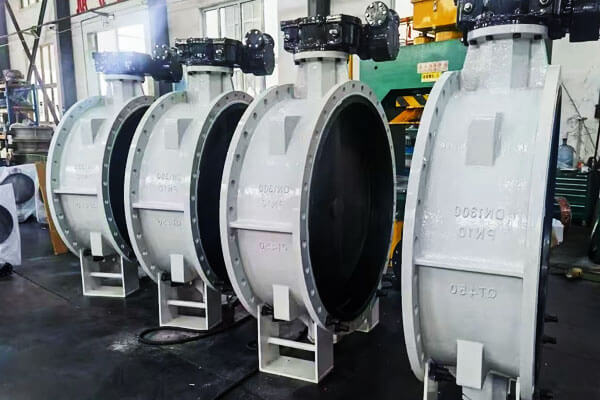
Tratamiento y distribución de agua
El tratamiento de agua es uno de los mayores sectores de aplicación de las válvulas de mariposa..
Plantas de agua municipales, instalaciones de desalinización, estaciones de tratamiento de aguas residuales, y los sistemas de riego requieren equipos de control de flujo confiables capaces de operar continuamente con un mantenimiento mínimo..
Los cuerpos de válvulas de mariposa de fundición a la cera perdida son particularmente ventajosos porque proporcionan:
- Excelente consistencia dimensional para un sellado confiable
- Superficies internas lisas que reducen la resistencia al flujo.
- Buena resistencia a la corrosión en agua potable y tratada.
- Larga vida útil bajo ciclos operativos frecuentes
Dependiendo de la calidad del agua y las condiciones de funcionamiento., Los materiales comúnmente utilizados incluyen:
- Acero inoxidable CF8
- acero inoxidable CF8M
- Hierro dúctil con revestimientos protectores.
- Acero inoxidable dúplex para aplicaciones de agua de mar
Para plantas desalinizadoras, A menudo se prefiere el acero inoxidable dúplex debido a su resistencia superior a la corrosión por picaduras y grietas inducida por cloruro..
Industria de petróleo y gas
La producción de petróleo y gas somete a los cuerpos de válvulas a algunas de las condiciones de servicio más duras que se encuentran en las aplicaciones industriales..
Los desafíos operativos típicos incluyen:
- Presión alta
- Temperaturas elevadas
- sulfuro de hidrógeno (H₂S)
- Dióxido de carbono (Co₂)
- Partículas abrasivas
- Ambientes marinos marinos
Los cuerpos de las válvulas de mariposa de fundición a la cera perdida ofrecen una excelente contención de la presión y, al mismo tiempo, admiten aleaciones resistentes a la corrosión diseñadas específicamente para servicios ácidos..
Los materiales comunes incluyen:
- acero al carbono WCB
- acero inoxidable CF8M
- Acero inoxidable dúplex
- Acero inoxidable súper dúplex
- Aleaciones a base de níquel
Las aplicaciones típicas incluyen:
- Oleoductos
- Plataformas en alta mar
- Unidades de proceso de refinería
- Transmisión de gas natural
- terminales de GNL
- Plantas petroquímicas
La precisión de la fundición a la cera perdida también mejora la fiabilidad del sellado., Lo cual es fundamental para prevenir emisiones fugitivas y garantizar el cumplimiento ambiental..
Procesamiento químico
Las plantas químicas manejan medios altamente agresivos que pueden degradar rápidamente los materiales de ingeniería convencionales..
Los productos químicos típicos incluyen:
- Ácido sulfúrico
- Ácido clorhídrico
- Ácido nítrico
- hidróxido de sodio
- Soluciones de cloruro
- Solventes orgánicos
La fundición a la cera perdida permite a los fabricantes producir cuerpos de válvulas de mariposa a partir de aleaciones altamente resistentes a la corrosión manteniendo al mismo tiempo una excelente precisión dimensional..
Dependiendo de la química del proceso., Los materiales adecuados incluyen:
- acero inoxidable CF8M
- Acero inoxidable dúplex
- Hastelloy
- Incomparar
- Monel
El excelente acabado superficial producido por la fundición a la cera perdida también minimiza la formación de grietas., reduciendo la corrosión localizada y facilitando la limpieza del equipo.
Generación de energía
Las centrales eléctricas requieren válvulas capaces de funcionar continuamente en condiciones térmicas y mecánicas exigentes..
Las aplicaciones incluyen:
- Sistemas de agua de alimentación de calderas
- Distribución de vapor
- Sistemas de agua de refrigeración
- Desulfurización de gases de combustión
- Sistemas de condensado
Los cuerpos de las válvulas deben resistir:
- Presión alta
- Ciclismo térmico
- Temperaturas elevadas
- Condensados corrosivos
Para estas aplicaciones se seleccionan comúnmente aceros inoxidables resistentes al calor y aleaciones a base de níquel..
La estabilidad dimensional proporcionada por la fundición a la cera perdida contribuye al rendimiento constante de la válvula durante ciclos repetidos de expansión y contracción térmica..
Industria de alimentos y bebidas
Los equipos de procesamiento de alimentos deben cumplir estrictos estándares de higiene y al mismo tiempo mantener una excelente resistencia a la corrosión..
Las aplicaciones típicas incluyen:
- producción de bebidas
- Procesamiento de lácteos
- Fabricación de cerveza
- refinación de azúcar
- Producción de aceite comestible
Los cuerpos de válvulas de mariposa de acero inoxidable fundido a presión ofrecen varias ventajas importantes:
- Liso, superficies limpiables
- Baja adhesión bacteriana
- Excelente resistencia a la corrosión
- Alta precisión dimensional
- Compatibilidad con procedimientos de limpieza sanitaria.
Los aceros inoxidables CF3 y CF3M electropulidos se utilizan con frecuencia en sistemas de procesos higiénicos donde la pureza del producto es esencial..
Industrias farmacéutica y biotecnológica
La fabricación farmacéutica impone requisitos aún más estrictos que el procesamiento de alimentos.
Los cuerpos de válvulas deben exhibir:
- Superficies extremadamente lisas
- Riesgo de contaminación mínimo
- Excelente facilidad de limpieza
- Resistencia a productos químicos de esterilización agresivos.
- Cumplimiento de las normas GMP
La fundición a la cera perdida proporciona una precisión geométrica excepcional al tiempo que minimiza las imperfecciones de la superficie que podrían albergar microorganismos..
El electropulido adicional mejora aún más:
- Aspereza de la superficie
- Resistencia a la corrosión
- Esterilidad
- Pureza del producto
Estas características hacen que los cuerpos de válvulas de mariposa de fundición a la cera perdida sean muy adecuados para sistemas de procesamiento estériles..
Ingeniería marina
Los entornos marinos combinan varios factores agresivos:
- Corrosión del agua salada
- Alta humedad
- Incrustaciones biológicas
- Vibración mecánica
- Carga cíclica
Cuerpos de válvulas utilizados a bordo de barcos., plataformas en alta mar, y las instalaciones costeras requieren una excelente resistencia a la corrosión.
Los materiales comunes incluyen:
- Acero inoxidable dúplex
- Acero inoxidable súper dúplex
- Monel
- Aleaciones de bronce
La fundición a la cera perdida permite diseños complejos de válvulas marinas al tiempo que garantiza una excelente integridad mecánica bajo exposición continua al agua de mar..
Minería y procesamiento de minerales
Las operaciones mineras presentan desafíos únicos debido a lodos altamente abrasivos que contienen sólidos suspendidos.
Los cuerpos de válvula deben resistir:
- Desgaste abrasivo
- Carga de impacto
- Corrosión
- Altas velocidades de flujo
El acero inoxidable dúplex moldeado a la cera perdida ofrece una excelente combinación de resistencia al desgaste., fortaleza, y resistencia a la corrosión, haciéndolo adecuado para sistemas de transporte de purines.
HVAC y servicios de construcción
Los grandes edificios comerciales utilizan con frecuencia válvulas de mariposa para:
- Agua fría
- Sistemas de calefacción
- Torres de enfriamiento
- Protección contra incendios
- Distribución de agua
Los cuerpos de válvulas moldeados a la cera perdida proporcionan una construcción liviana, dimensiones precisas, y sellado confiable al tiempo que reduce los costos de mantenimiento durante largos períodos de operación.
10. Tendencias de desarrollo futuras
| Tendencia | Descripción | Impacto en los cuerpos de válvulas de fundición a la cera perdida |
| Fabricación aditiva de patrones de cera. | 3Los patrones impresos en D eliminan las herramientas para volúmenes bajos. | Permite la creación rápida de prototipos; tamaños personalizados sin costo de troquel. |
| Gemelo digital y simulación | Simulación en tiempo real de fundición y mecanizado. | Reduce defectos; optimiza el proceso. |
| Predicción de defectos basada en IA | El aprendizaje automático predice la porosidad y las inclusiones. | Mejora el rendimiento; reduce la inspección. |
Aleaciones dúplex de alto rendimiento |
Nuevas aleaciones dúplex con mayor solidez y resistencia a la corrosión. | Permite secciones más delgadas; reducción de peso. |
| Materiales de carcasa sostenibles | Aglutinantes de base biológica; cáscara reciclable. | Reduce el impacto ambiental. |
| Cuerpos de válvulas inteligentes | Sensores integrados para temperatura., presión, corrosión. | Permite el mantenimiento predictivo; monitoreo de condición. |
| Fundición a la cera perdida de gran diámetro | Tamaños de fundición hasta DN1200 / 48″. | Amplía el rango de aplicaciones a grandes tuberías. |
| Electrificación de la fusión. | Fusión por inducción con electricidad renovable. | Reduce la huella de carbono. |
11. Conclusión
La fundición a la cera perdida es el principal proceso de fabricación de cuerpos de válvulas de mariposa de alto rendimiento., particularmente en acero inoxidable y aleaciones dúplex.
Ofrece una combinación única de complejidad geométrica, precisión dimensional, acabado superficial, e integridad material incomparable con la fundición en arena, forja, o fabricación.
El proceso ofrece componentes casi en forma con un mecanizado mínimo, excelente integridad de la presión, y propiedades mecánicas consistentes.
Para cuerpos de válvulas que requieren resistencia a la corrosión., tolerancias apretadas, y larga vida útil, ya sea en plantas químicas, plataformas en alta mar, o líneas de procesamiento de alimentos: el casting de inversión es el método de elección.
El éxito de los cuerpos de válvulas de mariposa de fundición a la cera perdida depende de un control riguroso en toda la cadena de producción: selección de aleación, diseño de patrones, edificio de conchas, fusión, torrencial, tratamiento térmico, mecanizado, e inspección.
Avances en simulación, automatización, y los materiales sostenibles están mejorando aún más el proceso, haciéndolo más eficiente, confiable, y respetuoso con el medio ambiente.
A medida que las industrias exigen un mayor rendimiento, peso más ligero, y una vida más larga del equipo de control de flujo, El casting de inversión seguirá desempeñando un papel central para afrontar estos desafíos..
Preguntas frecuentes
¿Cuál es el tamaño máximo de un cuerpo de válvula de mariposa que se puede fundir??
Capacidad típica de fundición a la cera perdida: arriba a 600 mm (24″) diámetro para cuerpos de oblea/lug; tamaños más grandes hasta 900 mm (36″) son posibles con la construcción de armazones especializados.
Para válvulas muy grandes (>48″), La fundición o fabricación en arena es más económica..
¿Cuál es la diferencia entre los cuerpos de válvulas tipo oblea y tipo lug??
Los cuerpos tipo oblea son delgados y están sujetos entre bridas.; Los cuerpos estilo orejeta tienen inserciones roscadas en cada lado y se pueden usar como válvulas de final de línea.. Ambos son moldeables por inversión.
¿Se pueden reparar los cuerpos de válvulas de fundición a la cera perdida??
Los defectos menores de fundición se pueden reparar mediante soldadura. (con relleno adecuado y precalentar), pero los defectos grandes generalmente resultan en desechos. HIP puede eliminar la porosidad pero no puede reparar defectos de la superficie..
¿Cuál es el plazo de entrega típico para los cuerpos de válvulas de fundición a la cera perdida??
8-12 semanas para herramientas y primeros artículos; 2-4 semanas para pedidos repetidos (con herramientas existentes). Los pedidos urgentes pueden acelerarse por un costo adicional.