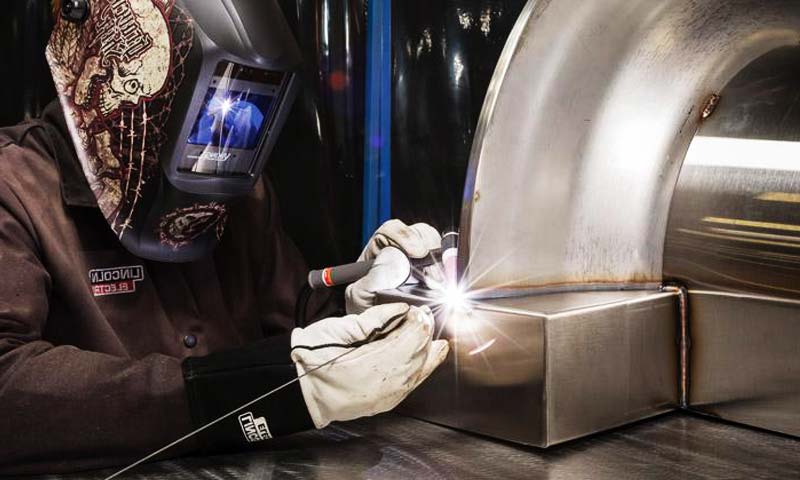
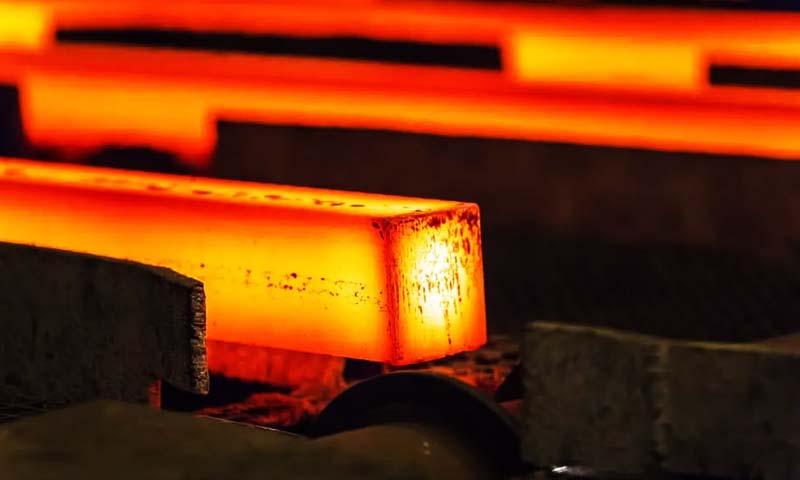
Heavy equipment castings are structural and functional components produced by pouring molten metal into molds to create parts that combine complex geometries, Visoka mehanička čvrstoća, and cost-effective production at scale.
They are indispensable in industries such as construction, rudarstvo, poljoprivreda, rail, marine and energy.
Proper material selection, proces livenja, thermal and mechanical post-processing, and rigorous quality control determine service life and lifecycle cost.
1. What are Heavy Equipment Castings
Heavy-equipment castings are near-net-shape metallic components produced by casting processes (npr., livenje pijeska, Izgubljeni kasting, Investicijska livenja, Centrifugalno livenje) intended for structural or functional load-bearing service in mobile or stationary heavy machinery.

Distinctive characteristics
- Veličina & skala. Masses typically range from tens of kilograms (npr., compact gearbox housings ≈ 50 kg) up to many tonnes (large mining truck frames and mill housings — tens to hundreds of tonnes).
Linear dimensions commonly exceed several metres for large assemblies. - Load-bearing function. These parts transmit static and dynamic loads (savijanje, torzion, axial forces and impact) and therefore require a controlled combination of strength, toughness and stiffness.
Typical components include booms, Okviri, Kućišta, couplers and hubs. - Environmental resilience. Designed for exposure to dust, vlaga, Korozivne hemikalije (gnojiva, soli),
abrasives and broad temperature ranges (example service window: −40 °C to +150 ° C; extremes may require specialized alloys or surface protection). - Design trade-off — cost vs durability. Castings often cost more to produce per part than simple fabricated weldments but provide integrated geometry,
fewer assemblies and elimination of weld crotches (common crack initiation sites), resulting in longer field life and lower total cost of ownership for many heavy-duty applications.
Representative performance targets (tipičan, by application)
- Zatezna čvrstoća (Rm): structural cast components: ≥ 400 MPa (common for ductile iron, medium-strength cast steels);
Komponente visokog stresa (crane hooks, lifting eyes): up to 700–900 MPa for quenched & tempered alloy steels. - Utjecaj žilavost (Charpy V): navesti absolute energy at temperature, npr., ≥ 20 J at −20 °C (quoted as “CVN ≥ 20 J @ −20 °C”), with acceptance according to ASTM E23 / ISO 148.
- Otpornost na habanje: define either hardness or standardized wear test; npr., Brinell hardness HB ≥ 200 for abrasion-resistant components, or specify ASTM G65 sand-rubber wheel mass loss limits.
- Dimenzijska stabilnost / tolerancije: large structural castings typically accept ±1–3 mm per metre depending on feature criticality;
specify tighter tolerances (npr., ± 0,1-0,5 mm) only for precision mounting surfaces after finish machining.
2. Market & Application of Heavy Equipment Castings
Heavy equipment castings serve diverse heavy-duty applications:

- Izgradnja & zemljani radovi: kašike, bums, Spojnice, pin housings.
- Rudarstvo: čeljusti drobilice, grinding media, mill housings.
- Poljoprivreda: plugovi, Kućišta zupčanika, tractor components.
- Šina & transport: Spojnice, Kočnica kočnih kočnica, truck frames.
- Marinac & offshore: HUBS, Kupite za pumpe, Zalihe kormila.
- Generacija energije & ulja & plin: Kućišta turbine, Tijela ventila, Kupite za pumpe.
Each sector imposes distinct requirements: wear resistance and impact toughness in mining; corrosion resistance in marine; fatigue endurance in rail; and tight tolerances and smooth finishes in hydraulic and rotating equipment.
3. Common Materials Selection — Heavy-Equipment Castings
Cast Irons
- Sivo liveno gvožđe (GI)
-
- Why used: Odlično prigušivanje, good compressive strength, niska cijena, easy to cast for large complex shapes.
- Tipična upotreba: Base mašina, Kućišta, non-structural covers.
- Nekretnine: Moderate tensile strength, Dobra obrada, poor ductility/toughness.
- Ductile/Nodular Cast Iron (SG / Duktilno gvožđe, ASTM A536)
-
- Why used: Combination of strength and toughness with lower cost than steel; graphite spheroids give ductility.
- Tipična upotreba: Spojnice, certain structural castings, zupčanici, mid-duty components.
- Nekretnine: Dobra otpornost na umora, weldable with caution, responds to austempering (Adi) for higher performance.
- Kompatirano grafitno gvožđe (CGI)
-
- Why used: Between gray and ductile iron—better strength and fatigue than GI, better thermal conductivity than ductile iron.
- Tipična upotreba: Blokovi motora, medium-stress structural parts where vibration damping plus strength are needed.
- Bijelo gvožđe & Alloyed White Iron
-
- Why used: Izuzetno otporan na tvrdu i trošenje (often surface hardened by heat treatment), brittle unless alloyed/treated.
- Tipična upotreba: Mill Liners, čeljusti drobilice, high-abrasion inserts (can be cast as replaceable wear parts).
Cast Steels
- Ugljik & Low-Alloy Cast Steels (npr., ASTM A216 WCB, A350 L0 etc.)
-
- Why used: Higher tensile strength and toughness than irons; better impact and fatigue behavior; weldable and repairable.
- Tipična upotreba: Strukturni, Kućišta pod pritiskom, crane hooks, highly loaded frames.
- Alloy Cast Steels (CR-MO, In-cr-i, itd.)
-
- Why used: Tailored for high strength, elevated temperature, wear or impact resistance. Heat treatable to high strength/toughness combinations.
- Tipična upotreba: Ugašen & tempered components in high-stress applications.
Posebne legure & Nehrđajući
- Austenitic and Ferritic Stainless Castings (CF8 / CF8M, ASTM A351 / A743)
-
- Why used: Otpornost na koroziju (morska voda, hemijska izlaganja), dobra duktilnost.
- Tipična upotreba: Kućišta pumpe, Morski dijelovi, corrosive environment structural pieces.
- Dupleks & Super-dupleks (npr., 2205, 2507 Ekvivalenti)
-
- Why used: Higher strength than austenitic stainless and superior resistance to chloride stress-corrosion cracking; used when corrosion + strength are required.
- Tipična upotreba: Seawater equipment, offshore komponente.

- High-nickel & Legure otpornih na toplinu (Hastelloy, Inconel, Legura 20, itd.)
-
- Why used: Exceptional corrosion or high-temperature resistance; expensive—used only where necessary.
- Tipična upotreba: Hemijska obrada, severe corrosive environments, high-temperature housings.
Engineered & Composite Approaches
- Austemper duktilno gvožđe (Adi) - Duktilno gvožđe processed to bainitic matrix (veća snaga + otpornost na habanje).
- White-iron overlays, tvrdoglav, ceramic/metallic linings — used to give wear zones very high abrasion resistance while keeping the bulk casting tougher and cheaper.
- Functionally graded or bimetal castings — combine tough base metal with hard surface alloys or replaceable wear inserts.
Typical mechanical property ranges — illustrative table
Values are indicative. Final design must use certified MTR/test data and supplier-specific heat-treatment results.
| Material Family | Typical Tensile Rm (MPa) | Izduženje (%) | Tipična tvrdoća (HB) | Tipična upotreba |
| Sivo liveno gvožđe (ASTM A48) | 150-350 | 0.5-2 | 120-260 | Kućišta, baza |
| Duktilno gvožđe (ASTM A536) | 400-700 | 2-18 | 140-260 | Structural/medium duty parts |
| Austemper duktilno gvožđe (Adi) | 700-1,100 | 2-6 | 200-350 | Visoka čvrstoća + Nosite dijelove |
| Kompatirano grafitno gvožđe (CGI) | 350-600 | 1-8 | 160-280 | Blokovi motora, strukturni |
| White/Alloy White Iron | 300-900 (krhka) | <1 | 400–700+ | Abrasive liners, jaws |
| Carbon/Low Alloy Cast Steel | 400-800 | 8-20 | 150-320 | Strukturni, dijelovi pod pritiskom |
| Ugašen & Tempered Alloy Steel | 700–1,300 | 8-18 | 250-450 | High-stress hooks, osovine |
| Austenitic Stainless Cast (CF8 / CF8M) | 450-700 | 20-45 | 120-250 | Corrosion environments |
| Duplex/Super-Duplex | 600-1.000 | 10-25 | 200-350 | Morska voda, offshore |
4. Procesi lijevanja & Tehnologije
Selecting the right casting process is among the earliest and most consequential choices in producing heavy-equipment components.
The choice determines achievable geometry, metallurgical quality, Površinski finiš, Dimenzionalna tolerancija, tooling cost and lead time — and it strongly influences downstream needs for heat treatment, machining and NDT.
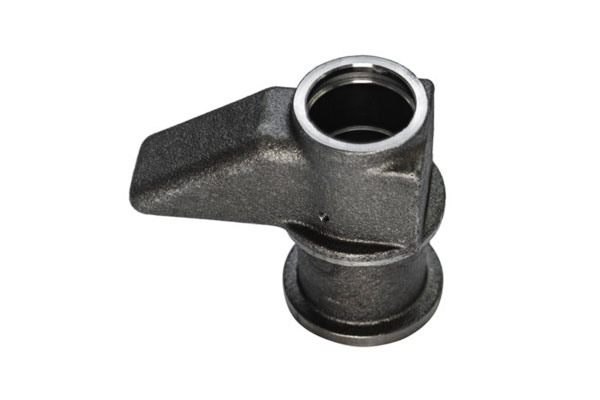
key process drivers
When choosing a casting route, weigh these primary drivers:
- Part size and weight (kg → tonnes), and whether one piece is required or several assemblies.
- Složenost geometrije (Podrezi, tanke mreže, Unutarnje šupljine).
- Material family (ferrous vs non-ferrous; nehrđajući, dupleks, Ni-alloys).
- Required mechanical properties (žilavost, umor, wear zones).
- Dimenzionalna tolerancija & Površinski finiš (as-cast vs finish-machined faces).
- Production volume & jedinični trošak (tooling amortization).
- Inspection and metallurgical cleanliness needs (critical fatigue or pressure zones).
- Ekološki, energy and safety constraints (emisije, Reklamacija pijeska).
Green-sand (conventional sand) livenje
- Kako to radi: Patterns press into sand molds bound with clay/organic binders; cores form internal cavities.
- Materijali: Wide range — gray iron, Duktilno gvožđe, Liveni čelici.
- Snage: Lowest tooling cost, flexible for very large parts, easy to modify patterns. Ideal for single pieces and low-to-medium volumes.
- Ograničenja: Grugač površine, larger tolerances, higher porosity risk if gating/riser not optimized.
- Typical scales & metrics: part weights from <10 kg do 100+ Tons; surface finish ~Ra 6–20 µm (otprilike); Dimenzionalna tolerancija: ±1–5 mm/m (application dependent).
- Prijave: Velika kućišta, mill bases, truck frames, very large pump casings.
Oblikovanje školjkama (pijesak obložen smolom) livenje
- Kako to radi: Resin-coated sand shells formed on heated patterns; two halves assembled with cores as needed.
- Materijali: Iron and some steels; increasingly used with ductile irons and certain steels.
- Snage: Better dimensional accuracy and finer surface finish than green sand; thinner sections possible. Good for medium volumes.
- Ograničenja: Higher tooling cost than green sand; lower maximum size than green sand.
- Typical scales & metrics: part weights up to a few tonnes; surface finish ~Ra 1–6 µm; tolerancije ±0.3–2 mm/m.
- Prijave: Kućišta zupčanika, medium structural castings, parts needing improved finish.
Investiciono livenje (izgubljeni vosak)
- Kako to radi: Wax pattern(s) assembled into tree, ceramic shell built around pattern, wax removed, ceramic shell fired and filled with molten metal.
- Materijali: Feasible for steels and stainless; widely used for non-ferrous (U, Cu, Al); larger castings possible with special setups.
- Snage: Excellent detail, Fina površinska obrada, Tanke presjeke, Neto oblik. Low machining.
- Ograničenja: High tooling and process cost; traditionally for small-to-medium parts, though large Investicioni odljevci are possible with special equipment.
- Typical scales & metrics: weights from a few grams to a few tonnes; surface finish ~Ra 0.4–1.6 µm; tolerancije ±0.05–0.5 mm.
- Prijave: Precizna kućišta, complex stainless parts, components where tight geometry and finish reduce machining.
Izgubljeni kasting
- Kako to radi: EPS foam pattern placed in unbonded sand; molten metal vaporizes foam, filling the cavity.
- Materijali: Ferrous and non-ferrous; attractive for near-net shape ferrous parts.
- Snage: Eliminates cores for complex internal geometry; lower tooling cost vs. investicija; good for complex large castings.
- Ograničenja: Process control needed to prevent gas defects; surface finish and tolerance depend on sand compaction.
- Typical scales & metrics: medium-to-large parts (tens to thousands kg); surface finish similar to sand casting ~Ra 2–10 µm; tolerancije ±0.5–2 mm/m.
- Prijave: Složene kućišta, pump casings with internal passages, automotive and equipment components where cores would be difficult.
Centrifugalno livenje
- Kako to radi: Molten metal poured into a rotating mold; centrifugal force distributes metal and minimizes gas/slag entrapment.
- Materijali: Širok raspon; commonly used for irons, čelici, Bronzes.
- Snage: Gust, sound castings with good mechanical properties axially (excellent for rings, čahure, rukavi). Low inclusion/porosity.
- Ograničenja: Geometry limited to round/axisymmetric parts; tooling specialized.
- Typical scales & metrics: prstenovi & cylinders from small diameters to multiple metres; excellent internal soundness; tolerancije ±0.1–1 mm depending on finish.
- Prijave: Cylindrical components: bearing sleeves, čahure, cijev, large rings and cylindrical housings.
Trajni kalup & livenje pod pritiskom (mostly non-ferrous)
- Kako to radi: Molten metal poured or injected into reusable metal molds (Trajni kalupi) or high-pressure die casting.
- Materijali: Mostly non-ferrous (Al, Cu legure); some low-pressure permanent molds for certain steels/bronzes.
- Snage: Odlična površinska obrada, uske tolerancije, fast cycle times for high volumes.
- Ograničenja: Visoki trošak alata, not typical for very large ferrous heavy-equipment parts.
- Typical scales & metrics: Mali do srednjih dijelova; surface finish Ra 0.4–1.6 µm; tolerancije ±0.05–0.5 mm.
- Prijave: Non-structural housings, components where weight reduction via aluminium is desired.
Kontinuirano livenje (upstream feed)
- Kako to radi: Produces billets/slabs for downstream forging/machining; not a finishing process for actual heavy components but relevant to material supply.
- Relevantnost: Quality of upstream feedstocks affects inclusion content and alloy homogeneity for downstream foundries.
5. Toplotni tretman & Thermal Processing
Toplotni tretman is the primary lever foundries and heat-treat shops use to convert as-cast microstructures into the combinations of snaga, žilavost, wear resistance and dimensional stability required by heavy-equipment castings.
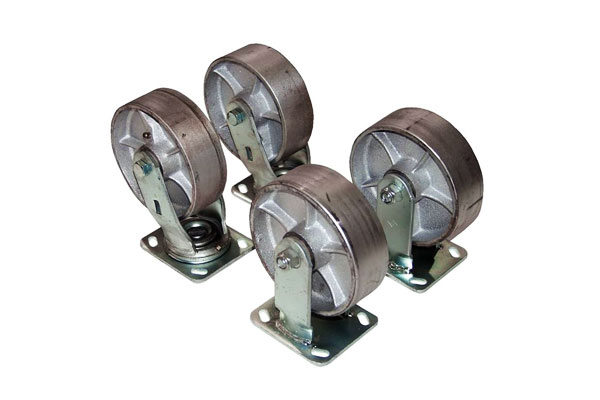
Common heat-treatment processes and when to use them
Temperatures and times below are typical engineering ranges. Final cycles must be validated for the specific alloy, section size and part geometry and recorded in the supplier’s process sheet.
Žarenje za ublažavanje stresa (olakšanje stresa)
- Svrha: Reduce residual stresses from solidification, rough machining or welding.
- Tipičan ciklus: Toplina do ~500–700 °C, hold to equalize (time depends on section thickness), sporo hlađenje.
- Kada se koristi: Standard after heavy rough machining or multi-pass welding; before finish machining for dimensional stability.
- Efekat: Lowers yield of distortion without major microstructure change.
Normalizacija
- Svrha: Refine coarse as-cast grain and homogenize the matrix to improve toughness and prepare for subsequent tempering/quench.
- Tipičan ciklus: Toplina do ~850–980 °C (above austenitizing for steels), air-cool to refine grain.
- Kada se koristi: Cast steels prior to quench & teme, or when cast microstructure is coarse.
- Efekat: Produces finer, more uniform ferrite/pearlite microstructure and dimensional stabilization.
Utapati & teme (Q&T)
- Svrha: Produce high strength plus toughness for high-stress or fatigue-critical components.
- Tipičan ciklus: Austenitize ~840–950 °C depending on alloy → quench (oil/water/polymer or gas) → temper ~450–650 °C to achieve required toughness/hardness.
- Kada se koristi: Kuke za dizalice, high-stress frames, safety-critical forged/cast steels requiring Rm >> 600 MPa.
- Critical controls: Quench severity and part fixturing to avoid cracking/distortion; tempering schedule tailored to balance hardness vs toughness.
Istočni kaljenje (for ADI — Austempered Ductile Iron)
- Svrha: Produce ausferritic matrix (bainitni ferit + stabilized carbon in austenite) za visoku čvrstoću + good ductility/wear resistance.
- Tipičan ciklus: Austenitize (npr., ~900–950 °C) → quench to austempering bath at 250–400 °C and hold until transformation completed → cool.
- Kada se koristi: Wear components requiring a combination of toughness and wear resistance (npr., impeleri, some wear rails).
- Efekat: ADI attains high Rm (often 700–1100 MPa) with useful ductility; process control and cleanliness are critical.
Žarljivost (full anneal, spheroidize)
- Svrha: Soften for machinability (spheroidize), ublažiti stres, or restore ductility after high-temperature processing.
- Tipičan ciklus: Heat to subcritical or low austenitizing temperatures (zavisi od legure) and hold long times; controlled slow cooling.
- Kada se koristi: To ease machining of hard as-cast white irons or high-carbon steels, or to produce spheroidized carbides.
Rješenje Annial / Liječenje rješenja (nehrđajući & dupleks)
- Svrha: Dissolve precipitates and restore corrosion resistance; za dupleks, achieve balanced austenite/ferrite.
- Tipičan ciklus:900-1150 ° C (ovisni o materijalu) → rapid cooling (quench/water) to avoid sigma phase or carbide precipitation.
- Kada se koristi: Stainless castings and duplex parts after casting/welding. Requires strict control to avoid sensitization.
Otvrdnjavanje površine & specialized thermal processes
- Indukcijsko očvršćivanje, flame hardening, karburizacija, nitrizam, laser cladding, Termalni sprej — used when wear resistance is needed only at specific local zones.
- Salt baths / molten salt quench historically used (especially for austempering); environmental and handling considerations may favor fluidized beds or gas quenching alternatives.
Process selection by material family (practical guidance)
- Sivo liveno gvožđe: obično stress-relief or anneal to stabilize; no Q&T. Use ADI process if higher strength is needed.
- Duktilno gvožđe: stress-relief or Istočni kaljenje (to make ADI) depending on required Rm/toughness. Ductile irons may be temper-hardened or annealed for machinability.
- Cast Steels (slabo legura):Normalize for as-cast refinement; utapati & teme za visoku čvrstoću; olakšanje stresa for dimensional control. PWHT may be required for pressure parts.
- Legura čeli (CR-MO, In-cr-i): Q&T to obtain high strength/toughness; strict control of austenitizing and tempering needed.
- Nehrđajući (austenitan):Rješenje Annial and controlled quench to maintain corrosion resistance; avoid tempering ranges that cause sensitization.
- Duplex Stainless: solution anneal at specified temperature followed by rapid cooling to preserve duplex balance; require controlled cooling to avoid sigma phase.
- Bijelo gvožđe / High-Cr Iron: obično as-cast for wear; local heat treatment or hardfacing may be preferred to avoid embrittling whole casting.
6. Obrada & Finish Operations — Heavy-Equipment Castings
Heavy-equipment castings—from 50 kg tractor transmission housings to 150-ton mining truck frames—require specialized machining and finish operations to transform rough castings into functional, izdržljive komponente.

Pre-Machining Preparation — Ensuring Precision
Svrha: Remove defects, Smanjite varijabilnost, and relieve residual stress before formal machining.
Defect Removal & Površinski kondicioniranje
- Riser/Gate Removal: Flame cutting (oxy-acetylene, ~3100°C) for carbon steel/cast iron; carbon arc gouging (30–50 V) for alloy steels. Target ≤2 mm transition step to avoid stress risers.
- Bljesak & Burr Grinding: Angle grinders (15–20 kW) or wide-belt sanders (1.2 m) to achieve Ra 25–50 μm, removing inclusions to prevent chatter.
- Crack & Porosity Repair: Ja (Carbon čelik) or TIG (legura čelika) welding with matching filler metal; post-weld grinding + MPI inspection.
Oslobađanje za preostale napone
- Toplotni tretman: 600-700 ° C (liveno gvožđe) or 800–900°C (čelik), 2–4 h per 25 Debljina mm; reduces stress by 60–80%.
- Prirodno starenje: 7–14 days at ambient temperature for ductile iron with low stress requirements.
Core Machining — Targeted Precision
Only critical functional areas (Bolt rupe, Sedišta sa ležajevima, spojne površine) are precision-machined.
Strukturne komponente (Excavator Booms, Bulldozer Frames)
- Flat Surface Milling: Floor-type boring mills, carbide inserts, flatness ≤0.1 mm/m, RA 6.3-12.5 μm.
- Hole Drilling & Tapkanje: M20–M60 with internal coolant drills, TiN-coated HSS-E taps, ISO 6H threads.
Transmission/Drive Components (Gearbox & Axle Housings)
- Bearing Seat Boring: Ø200–500 mm, CBN alati, ±0.02 mm diameter, roundness ≤0.01 mm, RA 1,6-3,2 μm.
- Spigot Turning: Coaxiality ≤0.03 mm using live tooling on VTLs.
Wear-Resistant Components (Crusher Liners, Zubi kašike)
- Mljevenje: Diamond wheels (120-180 grit), 20–30 m/min, depth ≤0.05 mm.
- Žica EDM: ±0.01 mm tolerance, stress-free machining for complex shapes.
Tooling Selection — Material Compatibility
| Casting Material | Machining Operation | Materijal alata / Premaz | Brzina rezanja (m / moj) | Život alata (PCS) |
| Sivo liveno gvožđe | Milling/Drilling | Wc-co + Tialn | 200-300 | 50-100 |
| Duktilno gvožđe | Dosadno | 60% CBN + keramika | 100-150 | 20-50 |
| Carbon čelik | Okretanje | HSS-E + Ticn | 150-200 | 30-80 |
| High-Cr White Iron | Mljevenje | Dijamant (resin bond) | 20-30 | 10-20 |
Surface Finish Operations: Enhancing Durability & Compatibility
Surface finishing for heavy-equipment castings serves three core purposes: Otpornost na koroziju (for outdoor/harsh environments), Zaštita od habanja (for abrasive applications), i assembly compatibility (for mating parts).
Corrosion-Resistant Finishes
- Slikanje: The most common finish for structural castings (npr., Okviri bagera). The process includes:
-
- Pre-Treatment: Pucanj (using steel grit, 0.5-1,0 mm) to achieve Sa 2.5 čistoća (za ISO 8501-1) and a surface profile of 50–80 μm for paint adhesion.
- Primer: Epoxy primer (60–80 μm dry film thickness, DFT) for corrosion barrier.
- Topcoat: Polyurethane topcoat (80–120 μm DFT) for UV resistance. Total system DFT: 140-200 μm, postizanje 5+ years of corrosion protection in industrial environments.
- Vruće pocinčavanje: Used for cast iron components (npr., agricultural tractor parts) exposed to salt or chemicals.
Castings are dipped in molten zinc (450° C) to form a 80–120 μm zinc-iron alloy layer, providing salt spray resistance ≥500 hours (po ASTM B117).
Wear-Enhancing Finishes
- Tvrdoglav (Weld Overlay): Critical for high-wear areas (npr., bucket lips, čeljusti drobilice).
Alloy wires (npr., Chromium karbid, Cr₃C₂) are deposited via MIG welding, creating a 3–5 mm thick layer with HB 550–650. This extends wear life by 3–5× vs. uncoated cast steel. - Indukcijsko očvršćivanje: Bearing seats and axle journals (npr., mining truck axles) are heated via induction coils (20–50 kHz) to 850–900°C,
zatim ugašen, creating a 2–4 mm deep martensitic layer with HRC 50–55. This improves surface hardness while retaining core toughness.
Precision Surface Finishes
- Lazanje: For ultra-tight bearing seats (npr., wind turbine hub bearings), lapping uses abrasive compounds (Alumina, 0.5 μm) and a rotating lap plate
to achieve surface finish Ra 0.025–0.05 μm and flatness ≤0.005 mm—critical for minimizing bearing noise and extending service life. - Honing: Hydraulic cylinder bores (npr., excavator lift cylinders) are honed with diamond honing stones, creating a crosshatched surface (RA 0,2-0,4 μm) that retains oil, reducing friction and improving seal performance.
7. Market Trends and Future Directions
The heavy equipment casting industry is evolving to meet sustainability goals, Tehnološki napredak, and global demand:
- Lightweighting: OEMs are replacing cast iron with high-strength steel and aluminum castings to reduce equipment weight (npr., 10–15% lighter excavators), cutting fuel consumption by 5–8%.
- Green Manufacturing: Foundries are adopting low-emission melting (electric arc furnaces vs. coke-fired cupolas) and recycling scrap (90% of cast iron scrap is recycled, reducing CO₂ emissions by 30%).
- Smart Castings: Embedding sensors (temperatura, naprezanje) in castings to monitor real-time performance (npr., wind turbine hubs with load sensors) enables predictive maintenance, extending service life by 20–30%.
8. Izazovi i rješenja
Heavy equipment casting faces persistent challenges, with innovative solutions emerging to address them:
- Large Casting Defects: Shrinkage cavities in thick-walled parts (npr., 100 mm mining truck frames) are mitigated via simulation software (optimizing riser design) and sequential pouring (filling the mold in stages).
- Cost Pressure: Rising raw material prices (npr., steel scrap up 20% u 2024) are offset by modular casting designs (combining 2–3 welded parts into one casting) and 3D-printed molds (reducing tooling costs by 40%).
- Skilled Labor Shortage: Automated pouring systems (robotic ladles) and AI-powered NDT (machine learning to detect defects) are replacing manual labor, improving consistency and reducing reliance on skilled workers.
Choose LangHe for Heavy Equipment Castings
Langhe offers comprehensive Heavy Equipment Castings services, covering the full process from 3D design, casting simulation, and mold making to large steel casting melting, izlijevanje, toplotni tretman, Precizna obrada, and surface protection.
The company produces single castings ranging from 50 kg do 150 Tons, serving industries such as construction machinery, Rudarska oprema, energija, i marine inženjering.
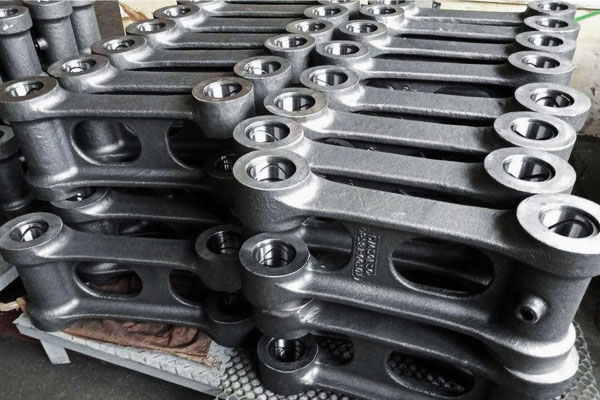
With multiple process capabilities (livenje pijeska, Izgubljeni kasting pjene, resin sand casting, itd.) and a wide range of materials (Carbon čelik, čelik nisko legure, wear-resistant steel, nehrđajući čelik, and special alloys),
Langhe provides strict quality assurance through chemical composition analysis, Nerazorno ispitivanje (UT/RT/MT/PT), and dimensional inspection to meet ASTM, U, and ISO standards, ensuring long-term reliability under the most demanding operating conditions.
Zaključak
Heavy equipment castings embody a paradox—massive yet precise, traditional yet high-tech.
As digitalization collides with metallurgical science, these components will grow stronger, upaljač, and more sustainable.
The industry’s future lies not in abandoning casting, but in elevating it through physics-based modeling and closed-loop material flows.
When the next generation of mining shovels digs deeper or wind turbines reach higher, their cast hearts will beat with algorithmic intelligence and ecological responsibility.
“We shape iron; then iron shapes the world.”
— Foundry proverb inscribed on the Gates of the American Foundry Society