1. Uvod
Copper vs Stainless Steel—this comparison lies at the heart of countless decisions in engineering, izgradnja, proizvodnja, and consumer product design.
Both are highly valued industrial metals, each offering a unique combination of properties that suit a broad range of applications.
Understanding their differences in terms of performance, trošak, Otpornost na koroziju, obratnost, and environmental compatibility is essential for professionals across industries.
Copper is known for its superior electrical and thermal conductivity, natural antimicrobial properties, i odlična formabilnost.
It has been used for millennia in plumbing, arhitektura, i električni sustavi.
Nehrđajući čelik, Suprotno tome, je a modern engineered alloy celebrated for its snaga, Otpornost na koroziju, i higijena, particularly in food processing, Medicinska oprema, Morske komponente, i strukturne aplikacije.
2. Šta je bakar?
Bakar is a reddish-brown metallic element with the chemical symbol Cu (from Latin Cuprum) i Atomski broj 29.

It is one of the earliest metals used by humans, with evidence of use dating back over 10,000 godina.
Copper is primarily extracted from ores such as chalcopyrite (CuFeS₂), which is the most abundant copper-bearing mineral. Other sources include bornite, malachite, and cuprite.
Kao a čist, nerezovan metalni, copper is renowned for its combination of high electrical and thermal conductivity, Formalnost, i estetska privlačnost, making it indispensable across multiple industries.
Key Characteristics of Copper
Exceptional Electrical Conductivity
Copper has an electrical conductivity of about 58 MS / M (megasiemens per meter), drugi samo srebro.
This makes it the global standard for electrical wiring, Busbari, Prijenos snage, and electronic connectors.
Visoka toplotna provodljivost
With a thermal conductivity of 401 W / m · K, copper is ideal for Izmjenjivači topline, HVAC sistemi, cooking vessels, i industrial thermal equipment.
Excellent Ductility and Malleability
Copper can be stretched into fine wires or pressed into thin sheets without breaking. Its ductility and malleability support complex manufacturing processes including drawing, kotrljanje, i žigosanje.
Otpornost na koroziju
Copper naturally resists corrosion in non-acidic environments.
S vremenom, it forms a protective greenish layer called patina (ili verdigris), which helps prevent further oxidation and material loss.
Antimikrobna svojstva
Copper and many of its alloys possess intrinsic antimicrobial activity, capable of eliminating bacteria, virusi, and fungi.
This makes copper surfaces effective in hospitals, kitchens, Vodeni sistemi, and public infrastructure.
Non-Magnetic and Fully Recyclable
Copper is non-magnetic, making it ideal for sensitive electromagnetic applications.
Dodatno, to je 100% reciklirati without degradation of properties, significantly reducing environmental impact.
Forms and Alloys
While pure copper is used in many applications, it is also alloyed with other elements to enhance strength, tvrdoća, ili otpornost na koroziju:
- Mesing (Bakar + Cink): Enhanced machinability, used in fittings and decorative items.
- Bronza (Bakar + Limenka): Superior hardness and wear resistance, used in bearings and sculptures.
- Cu-Ni Alloys (npr., 90/10, 70/30): Excellent resistance to seawater corrosion, used in marine applications.
3. Šta je nehrđajući čelik?
Nehrđajući čelik is a family of corrosion-resistant Legure na bazi željeza that contain a minimum 10.5% chromium by mass, which is essential for forming a passive chromium oxide film on the surface that protects the material from corrosion.

This property, u kombinaciji sa svojom snagom, trajnost, and hygienic characteristics, makes stainless steel one of the most widely used engineering materials in the world today.
Za razliku od bakra, which is a pure element, stainless steel is a complex alloy, prvenstveno sastavljen od gvožđe (FE), hrom (CR), and often nickel (U), molibdenum (Mo), mangan (MN), i azot (N) depending on the specific grade and application.
Key Characteristics of Stainless Steel
Otpornost na koroziju
The standout feature of stainless steel is its resistance to corrosion in a wide range of environments.
Chromium is the key element, forming a self-healing oxide layer that protects the metal.
Higher alloy grades (poput 316 or duplex steels) offer enhanced resistance to chlorides and acidic conditions.
Snaga i žilavost
Stainless steels have high tensile and yield strength, making them suitable for structural applications, Plodovi pod pritiskom, and load-bearing components.
Some duplex and martensitic stainless steels exhibit mechanical strength levels up to twice that of carbon steel.
Hygienic and Non-Reactive Surface
Stainless steel is non-porous, lako čišćenje, and does not support microbial growth, making it the material of choice in prerada hrane, farmaceutski, i medical industries.
Heat and Oxidation Resistance
Many stainless steels maintain mechanical properties and oxidation resistance at elevated temperatures, posebno austenitne ocjene.
Estetska svestranost
With finishes ranging from mirror-polished to matte brushed, stainless steel offers a sleek, modern look prized in architectural and consumer product design.
Common Types of Stainless Steel
| Vrsta | Struktura | Ključni legirani elementi | Tipične aplikacije |
| Austenitan | FCC (ne-magnetni) | CR, U | 304, 316 – kitchenware, cjevovod, tenkovi |
| Feritan | BCC (magnetski) | CR | 430 – appliances, Automobilska oprema |
| Martensitski | Bct (magnetski) | CR, C | 410, 420 – cutlery, Hirurški instrumenti |
| Dupleks | Pomiješan (Austenite + ferita) | CR, U, Mo, N | 2205, 2507 – marine, Hemijska obrada |
| Oborine - očvrsnuta (Ph) | Termička obrada | CR, U, Al, Cu | 17-4PH – aerospace, Komponente velike čvrstoće |
4. Physical Properties of Copper vs Stainless Steel
| Nekretnina | Bakar (C11000, ~99.9% Cu) | Nehrđajući čelik (304 Razred) |
| Gustina | 8.96 g / cm³ | 7.90 g / cm³ |
| Talište | 1,085° C (1,985° F) | ~1,400–1,450°C (2,550–2,640°F) |
| Toplotna provodljivost | 401 W / m · K | 16 W / m · K |
| Električna provodljivost | ~58 MS/m | ~1.45 MS/m |
| Koeficijent toplotnog proširenja | 16.5 μm / m · ° C | 16–17 µm/m·°C |
| Specifični toplinski kapacitet | 0.385 J / G · K | 0.500 J / G · K |
| Modul elastičnosti (Young’s) | 110–128 GPa | 193–200 GPa |
| Poissonov omjer | ~0.34 | ~0.30 |
| Tvrdoća (Brinell) | ~40 HB | 170-200 HB |
| Boja / Izgled | Crvenkasto-smeđe, lustrous | Silvery-gray, reflektirajuće |
| Magnetski | Ne-magnetni | Varira: 304 (ne-magnetni), others may be magnetic |
5. Mechanical Properties of Stainless Steel vs Copper
Mechanical properties determine how a material behaves under various forces and stress conditions.
These characteristics are crucial in selecting materials for structural, nosiv, or dynamic applications.

Uporedni stol: Mehanička svojstva
| Nekretnina | Bakar (C11000) | Nehrđajući čelik (304 Razred) |
| Zatezna čvrstoća | 210-250 MPa | 515-750 MPa |
| Snaga prinosa | ~33–70 MPa | ~ 205-310 MPa |
| Izduženje na pauzi | ~30–40% | ~40–60% |
| Modul elastičnosti (Young’s) | 110–128 GPa | 193–200 GPa |
| Tvrdoća (Brinell) | ~40 HB | 170-200 HB |
| Snaga umora (Granica izdržljivosti) | ~100 MPa (approximate) | ~ 240 MPa (depending on grade and condition) |
| Utjecaj žilavost (Charpy v-zarez) | Visoko (Dukes) | Umjeren do visokog, varira po razredu |
| Work Hardening Ability | High – significant increase with cold work | High – especially in austenitic grades |
| Otpornost na puzanje | Poor above 200°C | Good up to ~600°C (ovisno o ocjeni) |
6. Corrosion Resistance of Copper vs Stainless Steel
Corrosion resistance is a vital factor when selecting materials for use in harsh environments, especially in industries such as construction, marine, Hemijska obrada, and food production.

Copper Corrosion Resistance
Copper is naturally corrosion-resistant in many environments due to the formation of a protective oxide layer on its surface.
This layer acts as a barrier, slowing further oxidation and degradation. Some key points include:
- Patina Formation: Kada su izloženi vazduhu i vlazi, copper develops a greenish-blue patina (verdigris), primarily composed of copper carbonate compounds.
While this patina protects the underlying metal, it alters the aesthetic appearance, which may be undesirable in some applications. - Resistance to Atmospheric and Freshwater Corrosion: Copper performs well in outdoor and freshwater environments, maintaining integrity over long periods without significant corrosion.
- Susceptibility in Aggressive Environments: Copper is vulnerable to acidic conditions and environments with high ammonia concentrations.
It can also corrode under exposure to sulfide-containing atmospheres. - Marine Environment: While copper resists general corrosion in seawater, it is susceptible to pitting korozija i Stresna pukotina korozije pod određenim uslovima, especially in warm, stagnant saltwater.
Stainless Steel Corrosion Resistance
Stainless steel is renowned for its excellent corrosion resistance, primarily due to the presence of hrom (minimum ~10.5%),
which forms a passive oxide layer on the surface that protects the metal beneath. Important aspects include:
- Passive Film: The chromium oxide film is self-healing if damaged, providing ongoing protection against corrosion.
- Grade Variations:
-
- 304 Nehrđajući čelik: Offers good corrosion resistance in many environments but is less effective against chloride-induced corrosion.
- 316 Nehrđajući čelik: Enhanced with molybdenum, it provides superior resistance to chloride pitting and crevice corrosion, making it ideal for marine and chemical environments.
- Duplex nerđajući čelik: Combines austenitic and ferritic structures for even better corrosion resistance and strength.
- Chloride Sensitivity: Stainless steels can suffer from Klorid stresa korozijska pucanja (SCC), especially under high stress and temperature in chloride-rich environments.
- Resistance to Various Corrosive Agents: Stainless steel withstands a wide range of corrosive media including acids, Alkalis, i oksidanti.
7. Izrada i obrada
Understanding the fabrication and machinability characteristics of copper vs stainless steel is essential for selecting the right material for manufacturing processes.
Both metals have unique properties that influence how they are worked, shaped, and joined.

Copper Fabrication and Machinability
- Ease of Forming:
Copper is highly ductile and malleable, making it easy to form into complex shapes through processes like bending, kotrljanje, žigosanje, and drawing.
Its excellent cold-working capabilities allow for the production of thin sheets, žice, and intricate components without cracking. - Obratnost:
Copper machines well due to its softness and thermal conductivity, which helps dissipate heat during cutting. It allows for high cutting speeds and produces smooth finishes.
Međutim, pure copper can be prone to galing (habanje lepka), so tool coatings and lubricants are often used to improve tool life. - Zavarivanje:
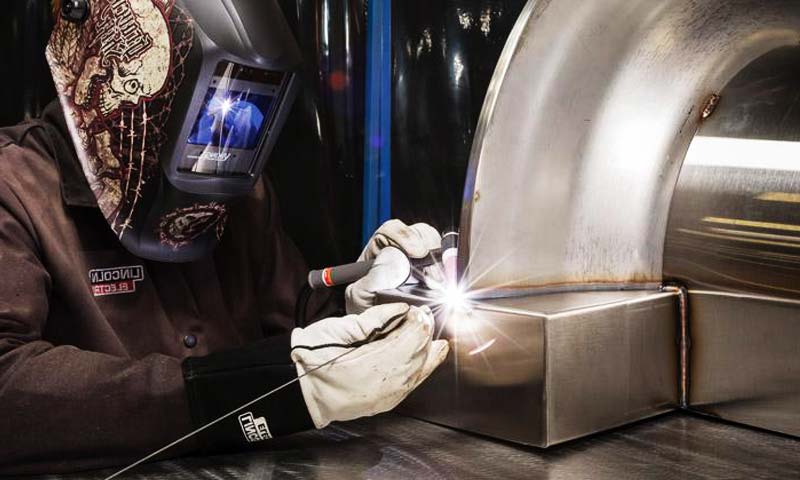
Copper can be welded using various methods, including gas tungsten arc welding (GTAW) and gas metal arc welding (Zasjeniti).
Međutim, it has high thermal conductivity, which can lead to heat dissipation and challenges in maintaining the weld pool temperature.
Preheating is sometimes necessary to prevent cracking. - Pridruživanje:
Copper is also easily joined by soldering and brazing, which are common techniques in plumbing and electrical applications.
Stainless Steel Fabrication and Machinability
- Formalnost:
Stainless steel varies in formability depending on the grade.
Austenitni nehrđajući čelici poput 304 i 316 have excellent ductility and can be cold-worked effectively, while ferritic and martensitic grades are less ductile and more prone to cracking during forming. - Obratnost:
Stainless steel is generally harder to machine than copper due to its higher strength and work-hardening properties.
Its low thermal conductivity means heat builds up during machining, Povećanje nošenja alata.
Specialized carbide tooling, slower cutting speeds, and copious cooling fluids are often required to maintain tool life and surface finish. - Zavarivanje:
Welding stainless steel is generally easier than copper, with many suitable techniques such as GTAW, Zasjeniti, and submerged arc welding (Viđen).
Preheating is typically unnecessary for austenitic grades, but controlling heat input is important to avoid distortion and maintain corrosion resistance.
Filler metals closely matching the base metal chemistry are essential. - Pridruživanje:
Stainless steel components are frequently joined by welding, but brazing and soldering are less common due to the material’s high melting point.
8. Hygiene and Antimicrobial Properties
When evaluating stainless steel and copper for applications in healthcare, prerada hrane, and water systems, their hygiene and antimicrobial characteristics are crucial considerations.

Copper Hygiene and Antimicrobial Properties
- Natural Antimicrobial Action:
Copper is well-known for its intrinsic antimicrobial properties.
It can kill a broad spectrum of bacteria, virusi, and fungi on contact through a process called oligodynamic effect, where copper ions disrupt microbial cell membranes and interfere with vital enzymatic processes.
Studies show copper surfaces can reduce bacterial contamination by over 99% u roku od sati. - Prijave:
Due to this property, copper and its alloys (kao što su mesinga i bronza) are widely used in high-touch surfaces like door handles, hospital bed rails, slavine, and water pipes to reduce the risk of healthcare-associated infections (HAIs). - Self-Sanitizing Surfaces:
Copper does not require chemical disinfectants to maintain its antimicrobial effectiveness, making it a sustainable and passive hygiene solution. - Patina Formation and Cleaning:
S vremenom, copper develops a greenish patina (verdigris), which does not diminish its antimicrobial properties but may affect aesthetics.
Regular cleaning is needed to maintain surface appearance without compromising antimicrobial action.
Stainless Steel Hygiene and Antimicrobial Properties
- Non-Porous, Easy-to-Clean Surface:
Stainless steel is valued for its smooth, non-porous surface that resists dirt and microbial adhesion, making it easy to clean and disinfect.
This property makes it a preferred material in food processing, farmaceutski, and medical environments. - Lack of Active Antimicrobial Effect:
Za razliku od bakra, stainless steel does not inherently kill microbes. Pathogens can survive on its surface for extended periods unless regularly cleaned and disinfected. - Chemical Resistance and Hygiene:
Stainless steel’s corrosion resistance ensures it does not degrade with repeated sanitation using harsh chemicals, maintaining a sterile environment over time. - Is Stainless Steel Toxic?
Ne, stainless steel is generally considered safe and non-toxic for use in food and medical applications. It does not leach harmful substances under normal conditions.
9. Aesthetics and Surface Finishing
The visual appeal and surface treatment options of copper vs stainless steel play a significant role in their selection for architectural, ukrasni, i potrošačke aplikacije.

Copper Aesthetics and Surface Finishing
- Distinctive Warm Appearance:
Copper is renowned for its rich, reddish-brown hue that adds warmth and elegance to any design.
This unique coloration makes it popular for decorative elements, nakit, krov, and art. - Patina Development:
S vremenom, copper naturally oxidizes, developing a greenish-blue patina known as verdigris.
This patina is often prized for its vintage and rustic aesthetic, used intentionally in architecture and sculpture to evoke character and history.
Međutim, some applications may require patina prevention or removal to maintain its original shine. - Opcije završne obrade površine:
Copper can be polished to a bright, reflective surface or given various chemical or mechanical treatments to control the rate and pattern of patina formation.
Zaštitni premazi, such as lacquers or waxes, can be applied to preserve its original luster. - Održavanje:
Bez zaštitnih premaza, copper requires periodic cleaning to prevent tarnishing and maintain its aesthetic appeal, especially in interior or decorative uses.
Stainless Steel Aesthetics and Surface Finishing
- Modern and Sleek Look:
Stainless steel’s naturally bright, silvery-gray appearance conveys a modern, čist, and professional look, widely favored in contemporary architecture, Kuhinjski uređaji, i medicinski instrumenti. - Variety of Finishes:
Stainless steel offers versatile finishing options, uključujući:
-
- Polished Mirror Finish: Vrlo reflektirajući, used for decorative panels and luxury products.
- Brushed or Satin Finish: Matte texture that reduces glare and hides fingerprints, popular in appliances and automotive trim.
- Bead Blasted or Matte Finish: Creates a uniform, low-gloss surface suitable for architectural cladding.
- Patterned or Embossed Finishes: Used for aesthetic or functional purposes such as slip resistance.
- Durability of Finishes:
Stainless steel finishes are highly resistant to corrosion, nositi, i bojenje, making them ideal for environments requiring low maintenance and long-term aesthetic retention.
10. Applications of Copper vs Stainless Steel
Stainless steel vs copper serve distinct yet sometimes overlapping roles across various industries due to their unique physical, hemikalija, i mehanička svojstva.

Copper Applications
- Electrical Wiring and Electronics:
Due to its outstanding electrical conductivity (~58 MS/m), copper is the preferred material for electrical wiring, cables, motori, transformatori, and printed circuit boards. - Plumbing and HVAC Systems:
Copper’s corrosion resistance, Jednostavnost izrade, and antimicrobial properties make it ideal for water supply pipes, Vodovodni čvorovi, and heating, ventilacija, i klima uređaj (Hvac) komponente. - Roofing and Architectural Elements:
Copper is widely used for roofing, oluti, treperi, and decorative architectural accents. Its patina development offers a natural protective layer and an aesthetic appeal. - Industrial Heat Exchangers and Cooling Systems:
Visoka toplotna provodljivost (~401 W/m·K) enables copper to efficiently transfer heat, making it suitable for heat exchangers, kondenzatori, and cooling coils. - Antimicrobial Surfaces:
Hospitals, public transport, and food preparation areas utilize copper and copper alloys for touch surfaces like door handles and railings to reduce microbial contamination. - Art and Jewelry:
Copper’s warm color and workability make it popular for sculptures, nakit, i umjetničke aplikacije.
Aplikacije od nehrđajućeg čelika
- Food Processing and Kitchen Equipment:
Stainless steel’s corrosion resistance, higijena, and ease of cleaning make it ideal for cookware, Pribor za jelo, sudoperi, and food processing machinery. - Medical and Pharmaceutical Equipment:
Sterilizable, corrosion-resistant stainless steel is essential for surgical tools, implantati, hospital fixtures, and pharmaceutical processing equipment. - Hemijska i petrohemijska industrija:
Stainless steel’s resistance to harsh chemicals and high temperatures suits reactors, Spremnici za skladištenje, cjevovodi, and heat exchangers in aggressive environments. - Arhitektura i izgradnja:
Stainless steel is extensively used for structural components, obloge, rukohvati, and architectural details where strength and aesthetic durability are critical. - Automobilski and Aerospace:
It provides corrosion resistance and structural integrity in exhaust systems, šasija, Dijelovi motora, i zrakoplovne komponente. - Water Treatment and Marine Applications:
Ocjene poput 316 stainless steel offer corrosion resistance in marine and desalination plants, cjevovodi, i pumpe.
11. Comprehensive Comparison of Copper vs Stainless Steel
To thoroughly understand the differences and advantages of copper vs stainless steel, it is essential to compare their key attributes side by side.
| Imovina / aspekt | Bakar | Nehrđajući čelik |
| Hemijski sastav | Pure metal, crvenkasto-smeđe, Atomski broj 29 | Iron-based alloy with chromium, nikl, i ostali elementi |
| Mehanička čvrstoća | Moderate tensile strength (~ 210 MPa) | Veća zatezna snaga (304 SS ~515 MPa, 316 SS ~580 MPa) |
| Duktilnost & Maltretivosti | Highly ductile and malleable | Dobra duktilnost; varies by grade and treatment |
| Toplotna provodljivost | Odličan (~401 W/m·K) | Niska (~15-25 W/m·K) |
| Električna provodljivost | Odličan (~58 MS/m) | Loš (1-2 MS / M, zavisi od razreda) |
| Otpornost na koroziju | Naturally corrosion-resistant but forms patina; vulnerable to acid attack | Vrhunska otpornost na koroziju, especially in harsh environments and marine applications |
| Antimikrobna svojstva | Natural antimicrobial agent, kills bacteria and viruses on contact | Higijenska površina, but no antimicrobial action |
| Obratnost | Easy to machine and form | Teže mašinu; requires specialized tools and techniques |
| Zavarivanje | Uglavnom lako zavarivanje | More complex welding, requiring shielding gases and precautions |
| Termička ekspanzija | Higher coefficient (~16.5 × 10⁻⁶ /°C) | Donji (~10-17 × 10⁻⁶ /°C depending on grade) |
| Estetika | Warm reddish tones; develops patina over time | Moderan, polished or brushed metallic look; retains shine |
| Weight/Density | 8.96 g / cm³ | Niža gustina (~7.7-8.0 g/cm³) |
| Trošak | Generally more expensive for large quantities | Often more cost-effective depending on grade and application |
| Environmental Suitability | Suitable for electrical, ukrasni, and plumbing uses; less suited for highly acidic or marine environments | Highly versatile; ideal for chemical, marine, and structural uses |
| Uobičajene aplikacije | Električno ožičenje, vodovod, krov, antimicrobial surfaces, Izmjenjivači topline | Prerada hrane, Medicinska oprema, Hemijske biljke, izgradnja, automobilski |
Ključni zapisivanje
- Performans: Copper excels in electrical and thermal conductivity and antimicrobial performance, making it indispensable for electronics, vodovod, and hygiene-critical environments.
- Izdržljivost: Stainless steel offers superior strength and corrosion resistance, making it the material of choice for structural applications, harsh chemical environments, and food-grade equipment.
- Izmišljotina: Copper is easier to form and machine, whereas stainless steel requires more specialized equipment but provides stronger, longer-lasting components.
- Trošak i dostupnost: Both materials are widely available, but cost varies depending on grade and application.
Copper’s price can be higher for bulk use, whereas stainless steel grades offer flexible options tailored to budgets and requirements. - Aesthetic and Design: Copper provides a classic, warm appearance with natural aging, while stainless steel suits modern, sleek designs with lasting shine.
12. Zaključak
Copper vs stainless steel, each offers unique advantages: copper excels in conductivity, antimikrobna svojstva, i jednostavnost izrade, while stainless steel provides superior strength, Otpornost na koroziju, i izdržljivost.
The choice depends on application needs like environment, mechanical demands, i trošak.
Understanding their differences helps ensure the best material selection for optimal performance and longevity. Both remain essential materials across diverse industries.
FAQs
Which material has better corrosion resistance, copper or stainless steel?
Stainless steel generally offers superior corrosion resistance, especially in harsh environments like marine or chemical exposure.
Copper resists corrosion too but can develop a greenish patina over time.
Is copper or stainless steel better for electrical applications?
Copper is vastly superior due to its excellent electrical conductivity, making it the preferred choice for wiring and electronics.
Is copper better than stainless steel for a still?
Da, copper is preferred for distillation stills (npr., in alcohol production) because it reacts with sulfur compounds and improves the purity and flavor of the distillate.
Međutim, stainless steel is more durable and easier to maintain.
Does copper have antimicrobial properties?
Da, copper naturally kills bacteria and viruses on contact, making it valuable in healthcare and hygiene-sensitive environments. Stainless steel is hygienic but does not actively kill microbes.
What are common applications for stainless steel and copper?
Copper is used in electrical wiring, vodovod, i ukrasni predmeti. Stainless steel is common in construction, kuhinjski pribor, medicinskih uređaja, i hemijsku obradu.
Može od nehrđajućeg čelika rđa?
Stainless steel is highly corrosion resistant but can rust under extreme conditions or if the protective chromium oxide layer is damaged.