

1. Izvršni sažetak
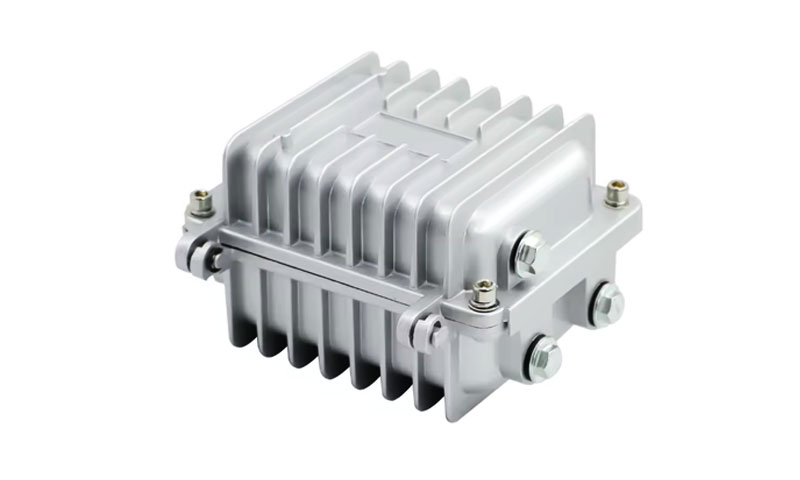
Kućišta od livenog aluminijuma pružaju nenadmašnu kombinaciju Mehanička čvrstoća, tačnost dimenzija, toplotne provodljivosti i elektromagnetne zaštite u jedinstvenom obliku skoro mreže.
Za mnoge elektronske i elektromehaničke proizvode sa toplotnom disipacijom, EMI zaštita i mehanička robusnost su prioriteti,
Aluminijumska HPDC kućišta su preferirano rješenje u odnosu na kućišta od lima ili plastike - pod uvjetom da je kućište dizajnirano s ograničenjima za livenje pod pritiskom (Debljina zida, nacrt, rebra, šefovi) i odgovarajuću mašinsku obradu i zaptivanje.
Glavni kompromisi su troškovi alata i koraci završne obrade/obrade po dijelu; za srednje do velike količine, HPDC je veoma ekonomičan.
2. Šta je kućište od livenog aluminijuma?
An kućište od livenog aluminijuma je kućište proizvedeno prvenstveno livenjem pod visokim pritiskom (HPDC) upotrebom legure aluminijuma (npr., A380/ADC12 porodica, A356 varijante ili specijalizirane legure za tlačno livenje) a zatim završio sa obradom, površinska obrada i brtvljenje.
Tipične karakteristike integrirane u liveni dio uključuju montažne glave, stajanja, rebra, priključke za ulaz kablova, izbočine za navojne umetke, rebra hladnjaka, i prirubnice za brtve ili konektore.
Lijevanje pod pritiskom daje oblik gotovo mreže s finim površinskim detaljima i ponovljivim tolerancijama dimenzija.
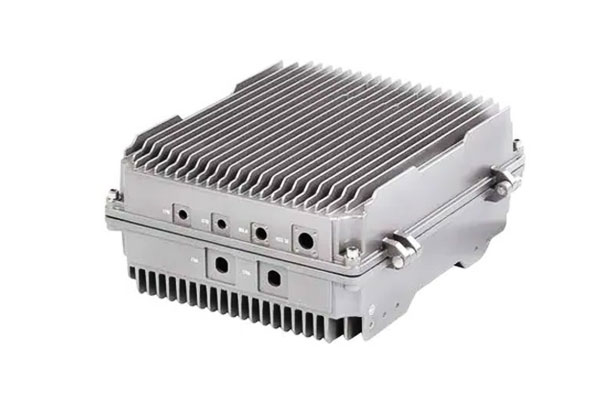
Zašto odabrati liveni aluminijum za kućišta?
- Visoka krutost i otpornost na udarce (štiti elektroniku)
- Odlična toplinska provodljivost za pasivno odvođenje topline
- Inherentna EMI/RFI zaštita (električno provodljivi kontinuirani metal)
- Sposobnost integracije strukturnih i termičkih karakteristika u jednom dijelu
- Dobar kvalitet površine za premaze i estetske završne obrade
- Može se reciklirati i široko dostupan
3. Materijali & Izbor legure
Aluminijske legure koji se koriste za kućišta od livenog pod pritiskom biraju se na osnovu castibilnost, Mehanička čvrstoća, Toplotna provodljivost, otpornost na koroziju i obradivost.
Ispod je kompaktna tabela uobičajenih izbora i njihovih tipičnih performansi (inženjerske smjernice — provjerite specifikacije dobavljača za tačne vrijednosti).
| Legura / Uobičajeno ime | Tipična upotreba u kućištima | Gustina (g / cm³) | Tipična zatezna snaga (MPa) | Tipična toplotna provodljivost (W·m⁻¹·K⁻¹) | Bilješke |
| A380 / Alsi9cu3(FE) (standard za livenje pod pritiskom) | Kućišta od livenog pod pritiskom opće namjene | ~2,68–2,80 | ~150–260 (as-cast) | ~100–140 (zavisan od legura) | Najbolje za HPDC velike količine; dobra sposobnost livenja i detalji; umjerena čvrstoća |
| ADC12 (slično A380) | Automobilski & Elektronska kućišta | ~ 2.7 | ~160–260 | ~100–140 | Široko se koristi u Aziji; dobra sposobnost tankih zidova |
| A356 / Alsi7mg (gravitacija/PM & ponekad HPDC) | Veće snage, kućišta koja se mogu termički obrađivati & hladnjaka | ~2,65–2,70 | ~200–320 (T6) | ~ 120-160 | Termička obrada (T6) daje bolju mehaničku & svojstva zamora; često se koristi kada su potrebne veće termičke performanse i otpornost na pritisak |
| A413 / AlSi12Cu (odlivci) | Specijalizovana kućišta, termički zahtjevnih dijelova | ~ 2.7 | ~200–300 | ~110–150 | Balans snage i provodljivosti |
Bilješke: vrijednosti su tipični rasponi za procjenu dizajna. livene legure imaju nižu duktilnost od kovanog aluminijuma i pokazuju razlike u poroznosti u zavisnosti od procesa.
Toplotna provodljivost livenih aluminijskih legura je niža od čistog aluminija (237 W / m · K) ali i dalje povoljno za termičko upravljanje u poređenju sa plastikom.
4. Procesi tlačnog livenja & varijante relevantne za aluminijska kućišta
Aluminijum liveno pod pritiskom kućišta se mogu proizvesti pomoću nekoliko tehnologija livenja.
Svaki proces nudi različitu ravnotežu sposobnost geometrije, kvalitet površine, poroznost (integritet), Mehanička svojstva, trošak i propusnost.
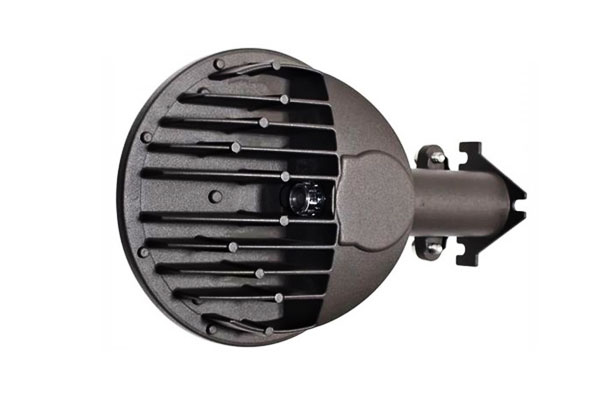
Tabela sažetka — procesi na prvi pogled
| Proces | Tipična proizvodna skala | Tipičan min zid (mm) | Relativna poroznost / integritet | Površinski finiš (Ra) | Ključne snage | Kada odabrati |
| Livenje visokog pritiska (HPDC) | Visoka → vrlo visoka | 1.0-1.5 | Umjeren (može se poboljšati) | 1.6-6 μm | Izuzetno visoka propusnost, tanki zidovi, Fini detalj, odlična ponovljivost dimenzija | Kućišta velike zapremine sa tankim zidovima i mnogim integrisanim karakteristikama |
| Vakum HPDC | Visoko (premium) | 1.0-1.5 | Niska poroznost (najbolja HPDC varijanta) | 1.6-6 μm | Sve prednosti HPDC-a + smanjena poroznost gasa i poboljšano mehaničko/zamorno ponašanje | Kućišta kojima je potreban veći integritet, zaptivke pod pritiskom, ili poboljšan vijek trajanja umora |
| Livenje niskog pritiska / Gravitacija niskog pritiska (Lpdc) | Srednji | 2-4 | Niska (dobro) | 3–8 µm | Dobar integritet, niža turbulencija, bolja mehanička svojstva od HPDC | Srednje količine u kojima su bitni integritet i mehanička svojstva |
| Stisnite livenje / Rheo / Polučvrsto | Niska → srednja | 1.5-3 | Veoma niska poroznost | 1.6-6 μm | Skoro kovane nekretnine, niska poroznost, odlična mehanika | Kućišta koja zahtijevaju veću čvrstoću/otpornost na zamor; manje količine |
Trajni kalup / Gravitacija (Pm) |
Niska → srednja | 3-6 | Niska | 3–8 µm | Dobra mehanička svojstva, niska poroznost, duži vek trajanja od peska | Srednjeg obima, kućišta sa debljim zidovima i konstruktivni dijelovi |
| Investicijska livenja | Niska → srednja | 0.5-2 | Niska (dobro) | 0.6-3 μm | Odličan detalj i završna obrada površine, moguće tanke rezove | Mali, precizna kućišta ili delovi sa složenom unutrašnjom geometrijom |
| Livenje pijeska (smola / zeleno) | Niska | 6+ | Viši (veće sekcije) | 6-25 μm | Niski troškovi alata, fleksibilne veličine | Prototipovi, veoma male količine, veoma velika kućišta |
| Izgubljena pjena / Aditiv (hibrid) | Niska | 1-6 (Ovisno o geometriji) | Varijabla | Varijabla | Brzi alati za složene oblike, manje jezgara | Brzi prototipovi, Provjera dizajna, prilagođena kućišta male zapremine |
Detaljni opisi procesa & Praktične implikacije
Livenje visokog pritiska (HPDC)
- Kako to radi: Rastopljeni aluminijum se ubrizgava velikom brzinom/pritiskom u čeličnu matricu (Dvije polovine), brzo očvrsnuo i izbačen. Tipična vremena ciklusa su kratka (sekundi do nekoliko minuta).
- Tipični parametri procesa: temperatura rastaljenosti ~680–740 °C (zavisan od legure); temperatura matrice ~150–220 °C; velike brzine udarca i visoki pritisci intenziviranja komprimiraju metal u tanke dijelove.
- Performans: odlična tačnost dimenzija, Fini detalj (Logos, rebra, tanke peraje) i nizak jedinični trošak na skali.
- Kompromisi: HPDC ima tendenciju da uhvati poroznost uzrokovanu plinom/turbulencijom i može proizvesti nešto manje duktilnu mikrostrukturu od gravitacijskih metoda. Vakum HPDC i optimizirana vrata/ventilacija snažno smanjuju ove probleme.
- Praktičan savjet: navedite vakuum HPDC ako su zaptivne površine, prisluškivani šefovi ili životni zamor su kritični; inače konvencionalni HPDC je najniži trošak za jednostavna kućišta.
Vakum HPDC (Vakuumska pomoć)
- Korist: izvlači vazduh iz šupljine i sistema vodilica tokom punjenja — smanjuje zarobljeni vazduh i poroznost vezanu za vodonik, poboljšava mehanička svojstva i nepropusnost.
- Slučaj upotrebe: Kućišta sa IP oznakom sa mašinski obrađenim zaptivnim površinama, konektori pod pritiskom ili kućišta u aplikacijama kritičnim za vibracije.
Livenje niskog pritiska / Gravitacija niskog pritiska (Lpdc)
- Kako to radi: rastopljeni metal se gura u zatvorenu matricu niskim pozitivnim pritiskom odozdo (ili ispunjeno gravitacijom), proizvodi nježno punjenje i nisku turbulenciju.
- Performans: bolja čvrstoća i manja poroznost od HPDC; bolja mikrostruktura i vijek trajanja.
- Slučaj upotrebe: umjerene količine gdje je mehanički integritet bitan, ali HPDC ekonomičnost nije potrebna.
Stisnite livenje / Polučvrsto (Rheo / Bože)
- Kako to radi: polučvrsta suspenzija ili metal očvršćava se pod pritiskom u zatvorenoj kalupu. Rezultati su skoro puna gustina i fina mikrostruktura.
- Performans: svojstva bliska kovanju (visoka čvrstoća, niska poroznost), bolja završna obrada površine od konvencionalnog livenja.
- Slučaj upotrebe: kućišta koja zahtijevaju visoke mehaničke/zamorne performanse, ali u skromnim količinama.
Stalni kalup / Gravitacija umire
- Kako to radi: metalni kalupi za višekratnu upotrebu se pune gravitacijom; sporije od HPDC, ali nježnije punjenje.
- Performans: donja poroznost, bolja mehanika od HPDC; ograničena složenost u odnosu na HPDC.
- Slučaj upotrebe: srednje količine koje zahtijevaju veći integritet (npr., kućišta sa većim presjecima zida).
Investicijska livenja (Izgubljeni vosak, Silika-sol)
- Kako to radi: uzorak (vosak/3D štampa) obložena keramičkom školjkom, devoskana i pečena keramička školjka, zatim ispunjen rastalnim metalom (obično u vakuumu/inertno za reaktivne legure).
- Performans: odlična obrada površine i sposobnost tankih zidova; Složene interne karakteristike; sporiji protok i veći trošak.
- Slučaj upotrebe: mala precizna kućišta, unutrašnji kompleksni kanali, ili kada je potrebna najbolja kozmetička završna obrada/vernost karakteristika.
Livenje pijeska (Zelena/smola)
- Kako to radi: potrošni pješčani kalupi formirani oko šara; fleksibilna, ali gruba površina i varijacije dimenzija.
- Performans: visok rizik od poroznosti u tankim profilima i grubljoj završnoj obradi; Niski troškovi alata.
- Slučaj upotrebe: Prototipovi, veoma male količine, veoma velika kućišta ili kada je ulaganje u alat previsoko.
Izgubljena pjena / Aditivni hibrid
- Kako to radi: pjenasti uzorci ili 3D printani uzorci su premazani ili umetnuti u pijesak; metal isparava uzorak pri izlivanju; hibridni radni tokovi aditiva za livenje se povećavaju za brzi NPI.
- Performans & koristiti: dobar za složene oblike i prilagođavanje male zapremine; varijabilni integritet u zavisnosti od kontrole procesa.
Kako izbor procesa utječe na atribute kućišta
- Debljina zida & karakteristike: HPDC se ističe tankim vanjskim zidovima i integriranim izbočinama; PM i ulaganje bolje za deblje, šefovi koji podnose stres.
- Poroznost & nepropusnost: Vakum HPDC, Lpdc, livenje pod pritiskom i trajni kalup daju najmanju poroznost; HPDC bez vakuuma može zahtijevati zaptivanje ili dizajnerske dodatke za kritična lica.
- Mehanički & snaga umora: stisnuti/polučvrsti i trajno oblikovani dijelovi općenito nadmašuju standardni HPDC u aplikacijama kritičnim za umor.
Hip (post-cast Hot Isostatic Pressing) je opcija za zatvaranje unutrašnje poroznosti za vrlo pouzdane dijelove (ali skupo). - Površinski finiš & detalj: Investicijska livenja > HPDC > stalni kalup > livenje pijeska. Fini logoi, teksturiranje i vidljiva kozmetika su najlakši sa HPDC-om i investicionim livenjem.
- Alat & jedinična ekonomija: Trošak HPDC alata je najveći, ali jedinični trošak najniži pri velikim količinama.
Pijesak i ulaganja nude nisku cijenu alata, ali višu cijenu po dijelu u odnosu na količinu. Trajni alati kalupa su između.
5. Mehanički, Termalni, i električne performanse
Gustina: ~2,68–2,80 g/cm³ — oko 1/3 čelika, smanjenje težine proizvoda.
Ukočenost / modul: ~68–72 GPa (aluminijumske klase) — niži od čelika, ali dovoljan kada je projektovan sa rebrima i debljinom zida.
Tipična zatezna snaga (liveno pod pritiskom): ~150–260 MPa (HPDC legure); do ~300 MPa za termički obrađeni A356 T6.
Toplotna provodljivost: tipične livene legure ~100–160 W/m·K (zavisi od legure i poroznosti). Ovo je daleko bolje od plastike i pomaže pasivnom hlađenju.
Električna provodljivost & EMI zaštitnik: kontinuirana aluminijumska školjka je efikasna provodljiva barijera; dobro za osnovnu zaštitu, posebno kada su zaptivke i provodni interfejsi kontrolisani.
Implikacije:
- Aluminijumska kućišta pružaju strukturnu zaštitu i širenje toplote za energetsku elektroniku.
- Za mehaničku robusnost, koristite rebra i prirubnice — livenje pod pritiskom ih lako integriše.
- Za EMI performanse, neprekidne vodljive površine i dobar kontakt na šavovima (sa provodljivim brtvama ili prirubnicama koje se preklapaju) su neophodni.
6. Dizajn za livenje pod pritiskom — geometrija, karakteristike, i DFM pravila
Dobar dizajn livenja je odlučujući. Ispod je tabela praktičnih smjernica za dizajn i ključna pravila koja bi dizajneri trebali slijediti.
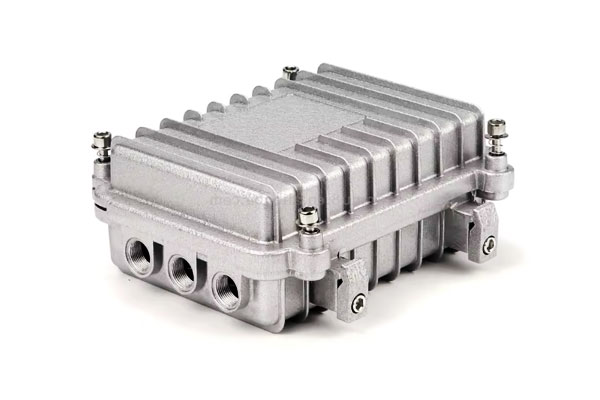
Ključna DFM pravila (sažetak)
- Debljina zida: težiti ujednačenim zidovima. Tipični HPDC minimum: 1.0-1,5 mm za jednostavne oblike; praktične vanjske zidove često 1.5-3,0 mm. Izbjegavajte debela ostrva – koristite rebra radije nego lokalno povećanje debljine.
- Ugao promaja: pružiti 1-3 ° promaja na svim vertikalnim stranama (više za duboke karakteristike).
- Rebra: koristite rebra za ukrućenje — debljina rebra ≈ 0.5–0,8× nominalna debljina zida; izbjegavajte rebra koja stvaraju zatvorene dijelove.
- Šefovi / stajanja: boss vanjski zid ≈ 1.5–2,0× debljina glavnog zida; uključiti radijus između bosa i zida; uključuju otvore za odvod/mjerne otvore za odzračivanje; ugradite odgovarajuću debljinu korijena kako biste izbjegli skupljanje.
- Fileti & radijusi: koristite izdašne filete na prijelazima (≥1–2× debljina zida) za smanjenje koncentracije stresa i problema s hranjenjem.
- Podrezi: minimizirati podrezivanje; gdje je potrebno koristite klizače ili razdvojene kalupe koji povećavaju cijenu alata.
- Zaptivna lica: lijevano malo predimenzionirano i strojno do ravnosti; specificirati završnu obradu površine (Ra) za zaptivanje brtve.
- Navoj: izbjegavajte oblikovane navoje za ponovljeno sklapanje — preferirajte obrađene navoje ili navoje za zagrijavanje/umetanje (vidi odjeljak 10).
- Vent & kaing: locirajte kapije i ventilacione otvore kako biste minimizirali poroznost na zaptivnim površinama i izbočinama; koordinirati sa ljevaonicom za plan ulaza.
Kompaktni DFM stol
| Značajka | Tipična smjernica |
| Minimalna debljina zida (HPDC) | 1.0-1,5 mm; radije ≥1,5 mm za krutost |
| Tipična debljina zida (enclosure) | 1.5-3,0 mm |
| Ugao promaja | 1-3 ° (vanjski) |
| Prečnik glave:minimalni omjer zida | Boss OD 3–5× debljina zida; debljina otvora 1,5–2× zid |
| Debljina rebra | 0.5–0,8× debljina zida |
| Radijus fileta | ≥1–2× debljina zida |
| Mašinski dodatak za zaptivanje | 0.8–2,0 mm ekstra zaliha |
| Angažman niti | 2.5× prečnik vijka u aluminijumu (ili koristite umetak) |
Ovo su osnovna pravila - konsultujte se rano sa livačem radi optimizacije i simulacije.
7. Brtvljenje, Zaštita od ulaska, i strategije zaptivanja
Elektronska kućišta često moraju ispunjavati IP ocjene. Ključna razmatranja:
- Dizajn utora zaptivke: koristite pravokutne žljebove ili žljebove veličine lastinog repa za kompresiju brtve (npr., 20–30% kompresije). Omogućite kontinuiranu geometriju žljebova i izbjegavajte mrtve prostore.
- Ravnost lica & završiti: mašinsko zaptivanje lica do ravnosti i specificirati Ra (npr., Ra ≤ 1.6 μm) za dobro prianjanje elastomera.
- Pričvršćivači & sekvenca kompresije: navedite moment zavrtnja, razmak, i korištenje nepropusnih vijaka ili umetaka s navojem kako bi se spriječilo istiskivanje brtve. Razmotrite više manjih vijaka za jednoliku kompresiju.
- Materijali za brtvu: izaberite silikon, EPDM, neopren ili specijalizovani fluorosilikon na osnovu temperature/hemijske izloženosti i tvrdoće (obala A 40–60 tip). Za zaštitu od elektromagnetskog zračenja koristite provodljive elastomerne zaptivke.
- Odvodnjavanje & odzračivanje: obezbediti otvore za ispiranje ili ventilacione membrane za izjednačavanje pritiska; koristite otvore za ventilaciju kako biste spriječili kondenzaciju uz održavanje IP.
- Zapečaćeni konektori & kablovske uvodnice: koristite sertifikovane kablovske uvodnice za IP67/68 aplikacije. Razmislite o zalivanju ili oblikovanim kalupima za teška okruženja.
Kvalifikacije: za IP67/68 specificirajte testove na uranjanje i prašinu prema IEC 60529 i detaljni uslovi ispitivanja (dubina, trajanje, temperatura).
8. Upravljanje toplinom i strategije odvođenja topline
Aluminijumska kućišta livena pod pritiskom se često koriste kao strukturalni hladnjaci.
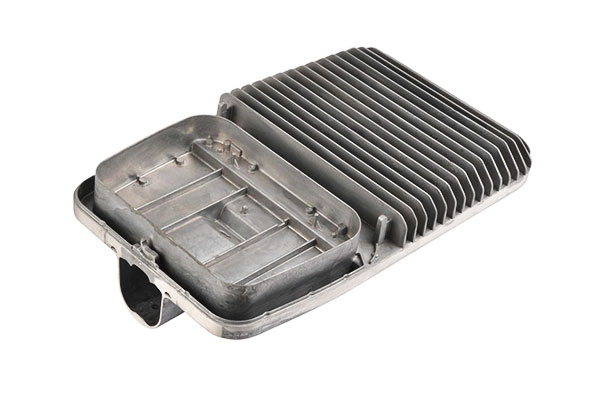
Strategije dizajna:
- Direktna montaža komponenti koje proizvode toplinu do osnove kućišta ili namjenskog područja za izbočenje za odvođenje topline u tijelo.
Koristite materijale termičkog interfejsa (TIMs), termo jastučići, ili toplinski provodljivi ljepila za bolji kontakt. - Integracija peraja i povećana površina na vanjskim površinama; HPDC može formirati složene geometrije peraja ako to dozvoljava dizajn kalupa.
Rebra trebaju biti dovoljno debela da izbjegnu lomljenje, ali dovoljno tanka za konvektivno hlađenje. Tipična debljina peraja 1–3 mm sa razmakom optimizovanim za protok vazduha. - Koristite unutrašnje provodne puteve: unutrašnja rebra i zadebljali jastučići koji usmjeravaju toplinu do vanjskog omotača.
- Završna obrada za prijenos topline: mat ili anodizirane površine mogu promijeniti emisivnost; eloksiranje smanjuje toplotnu kontaktnu provodljivost tamo gdje je prisutan premaz - to treba uzeti u obzir pri dizajniranju provodljivog hlađenja.
- Prisilna konvekcija: dizajn ulaznih/izlaznih otvora (sa filtracijom za prašinu) i pružaju karakteristike montaže za ventilatore ili duvaljke. Za kućišta sa IP oznakom, razmislite o provodljivom hlađenju ili toplotnim cijevima kako biste izbjegli otvore za ventilaciju.
- Termičko modeliranje: koristite CFD za balansiranje provodljivosti, konvekcija i zračenje; termalne simulacije trebaju uzeti u obzir raspored PCB-a, mape gubitaka energije i ambijent u najgorem slučaju.
Pravilo: Putevi provodljivosti aluminijskih kućišta obično značajno smanjuju temperature PCB žarišta u odnosu na plastična kućišta; kvantifikovati sa termičkom otpornošću (°C/W) za predviđeni sklop.
9. EMI / Razmatranja zaštite od RFI i uzemljenja
Aluminijumska kućišta pružaju provodljivu barijeru, ali zahtijevaju pažljiv dizajn za visoku efektivnost zaštite:
- Kontrola šavova: osigurajte dovoljnu površinu kontakta sa šavom i nanesite provodljive brtve na spojeve ako je potrebno. Prirubnice koje se preklapaju sa provodljivim kompresijama zatvarača su efikasne.
- Površinski finiš & oblaganje: konverzija hroma, niklovane ili provodljive boje mogu poboljšati otpornost na koroziju i održati provodljivost.
Neprovodni premazi (neke boje) smanjite zaštitu osim ako kontaktne tačke nisu ostavljene bez premaza ili ako postoje provodne staze. - Izbor brtve: provodne elastomerne zaptivke (silikon sa impregnacijama od srebra ili nikla) obezbeđuju EMI zaptivanje na šavovima i oko pristupnih panela.
- Kabl & konektori: koristite filtrirane prolaze ili oklopljene konektore; održavati kontinuitet zaštite od 360°.
- Strategija uzemljenja: označite jednu ili više tačaka uzemljenja sa zvezdastim uzemljenjem da biste izbegli petlje uzemljenja; koristite pričvrsne klinove ili zavarene ušice za vanjske tačke uzemljenja.
- Testiranje: mjeri efektivnost zaštite (SE) po IEEE 299 ili MIL-STD-285; tipična dobro dizajnirana aluminijumska kućišta mogu pružiti 60-80 dB SE preko relevantnih frekvencijskih opsega uz odgovarajuće brtvljenje.
10. Obrada, Umetci, i metode montaže
Obrada nakon livenja obično potrebno za parenje lica, rupe za navoj, područja za montažu konektora i precizne karakteristike.
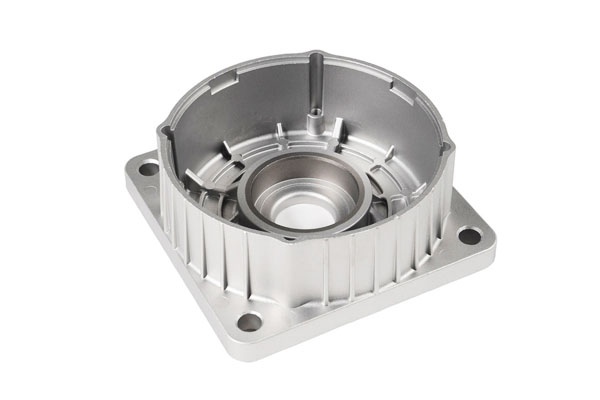
- Dozvole za obradu: specificirati zalihe za mašinsku obradu livenih delova (0.8–2,0 mm u zavisnosti od procesa) na kritičnim površinama.
- Navoj: koristite helikoil ili čelične umetke (npr., PEM, klinch matice ili navojne čahure) gdje se očekuje ponovljena montaža.
Za izbočine s tankim zidovima koristite samorezne vijke s kontroliranim momentom ili umetnute matice. - Angažman niti: ciljajte na ≥2,5× prečnik zavrtnja u aluminiju ili koristite čelični umetak.
- Press-fit & snap-fit: moguće za unutrašnje zadržavanje, ali uzmite u obzir termičke cikluse i puzanje u aluminijumu.
- Zakretni momenti pričvršćivača: odredite maksimalni obrtni moment kako biste izbjegli skidanje glave. U montaži koristite alate za ograničavanje obrtnog momenta.
- Karakteristike površinske montaže: pojačanje i ulošci za podršku konektorima i često rukovanje.
Kontrole kvaliteta: prenoćište, mjerači ravnosti i navoja; CMM inspekcija za kritične geometrije; održavati podatke tokom obrade.
11. Završne obrade površine, premazi i zaštita od korozije
Uobičajene završne obrade za kućišta od livenog pod pritiskom:
- Kromatna konverzija (Alodin/Chem Film): poboljšava otpornost na koroziju i adheziju boje; imajte na umu da ekološki propisi favorizuju neheksavalentne procese.
- Anodiziranje: dekorativni i antikorozivni; debela anodizirana izolacija povećava dielektričnu izolaciju i može smanjiti toplinsku provodljivost na sučelju—planirajte montažne jastučiće bez premaza ili sa uklonjenim premazom za termički kontakt.
- Praškasti premaz / slikati: dobra estetika i zaštita od korozije; mora upravljati provodljivošću šava za EMI (koristite provodne brtve ili maskirane kontaktne površine).
- Elektroless nikl / Poništavanje nikla: poboljšava otpornost na habanje i koroziju; održava električnu provodljivost.
- Mehanička završna obrada: Peskanje perla, prevrtanje, poliranje za kozmetičku završnicu.
Bilješke o izboru: za dizajne koji su kritični za EMI, ostavite zaptivke bez premaza ili obezbedite provodljivu boju/oblaganje na području prirubnice/brtvila. Za vanjsku upotrebu odaberite premaze otporne na koroziju i odgovarajuće brtvljenje.
12. Testiranje, Kvalifikacije, i standarde
Ključni testovi i standardi koji se obično primenjuju:
- Ingress Protection (IP) testiranje: IEC 60529 (IPxx ocjene za prašinu i vodu). Tipične mete: IP54, IP65, IP66, IP67 u zavisnosti od okruženja.
- Sprej za soli / korozija: ASTM B117 za premaze; stvarni uvjeti rada mogu zahtijevati potapanje ili ciklično ispitivanje korozije.
- Termički biciklizam & šok: potvrditi termički zamor i stabilnost dimenzija (npr., prema MIL-STD-810).
- Vibracije & šok: IEC 60068-2, automobilski ili MIL standardi ovisno o primjeni.
- EMC / EMI testiranje: po FCC, CE EMC direktiva, MIL-STD-461 (vojni), IEEE 299 za efektivnost zaštite.
- Mehanički testiranje: pad, ispitivanja na udarce i momente za konektore.
- Pritisak / test curenja: ako je kućište pod pritiskom ili u posudi, test za curenje i integritet zaptivača.
- Rohs / Usklađenost sa REACH-om: odabir materijala i premaza moraju ispunjavati regulatorne zahtjeve na ciljanim tržištima.
13. Ekonomika proizvodnje, Vrijeme vođenja, i razmatranja obima
- Trošak alata: cijena matrice je visoka (desetine do stotine kUSD u zavisnosti od složenosti i karijesa) — opravdano za srednje do velike količine.
- Jedinični trošak: HPDC donosi nisku cijenu po dijelu u velikom obimu; za male količine opcija prototipa uključuje 3D štampane uzorke, livenje u pesak ili CNC obrađen aluminijum.
- Vrijeme ciklusa: HPDC ciklusi su kratki (sekundi do minuta), omogućava visoku propusnost.
- Troškovi naknadne obrade: obrada, toplotni tretman, Završetak površine, instalacija i montaža umetka povećavaju cijenu po dijelu; dizajn da minimizira skupe sekundarne operacije.
- Isplativost: tipično livenje pod pritiskom postaje ekonomično kada godišnje količine prelaze hiljade dijelova, ali to uvelike varira.
Savjeti za lanac snabdijevanja: rano angažovanje sa livačem smanjuje ponavljanje, i modularni dijelovi (unutrašnji okviri nasuprot vanjskim poklopcima) može smanjiti složenost alata.
14. Ekološki, zdravlje & sigurnost i mogućnost recikliranja
- Reciklabilnost: Aluminij se može vrlo reciklirati s niskim troškovima energije za ponovno topljenje u odnosu na primarnu proizvodnju. Otpad od tlačnog livenja i kućišta na kraju životnog veka imaju visoku vrednost otpada.
- Ekološka usklađenost premaza: preferiraju neheksavalentne premaze za konverziju i usklađene hemije boje za ROHS/REACH.
- Livnica H&S: kontrola rastopljenog metala, prašina, i dim tokom završne obrade i premaza; potrebna odgovarajuća ventilacija i LZO.
- Prednosti tokom životnog ciklusa: lagano kućište smanjuje dostavu i može smanjiti potrošnju energije u mobilnim aplikacijama.
15. Tipične industrijske primjene & primjeri slučajeva
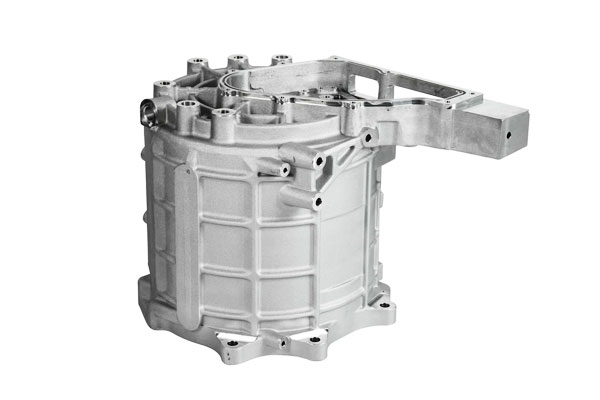
- Energetska elektronika / invertera (solarni, Ev, motorni pogoni): kućišta provode i odvode toplotu; moraju zadovoljiti EMI i zaštitu životne sredine.
- Telekomunikacione bazne stanice & radio glave: EMI zaštita i otpornost na vremenske uslove.
- Automobilski ECUs & energetski moduli: kombinovanu strukturnu i termičku ulogu; kritični ciklusi vibracija i temperature.
- Industrijske kontrole & instrumentacija: kućište štiti kontrolere u teškim okruženjima (Uobičajene verzije IP66).
- Medicinski uređaji & elektronika za obradu slike (bez implantata): zahtijevaju higijenske završne obrade i EMI kontrolu.
- Outdoor IoT / pametni gradski čvorovi: mala livena kućišta sa integrisanim prirubnicama i nosačima za antenu.
16. Aluminijumska livena kućišta vs. Alternative — Tabela poređenja
Ispod je kompakt, inženjerski orijentisano poređenje kućišta od livenog aluminijuma (HPDC) naspram uobičajenih alternativnih materijala/procesa.
| Materijal / Proces | Gustina (G · cm⁻³) | Toplotna provodljivost (W·m⁻¹·K⁻¹) | Tipična zatezna snaga (MPa) | EMI zaštitnik | Tipična završna obrada površine | Relativni trošak (jedinica, srednji volumen) | Najbolji slučajevi upotrebe |
| Aluminijum HPDC (A380 / ADC12) | ~ 2.7 | ~100 – 140 | ~150 – 260 | Vrlo dobar (kontinuirana metalna školjka) | Glatka kao livena → boja / u prahu / anodizovati | Srednji | Elektronska kućišta velike zapremine koja zahtijevaju tanke zidove, integrisani šefovi, osnovna toplotna disipacija i EMI zaštita |
| Aluminijum (A356 T6, gravitacija / vakuum HPDC) | ~2.65 | ~120 – 160 | ~200 – 320 (T6) | Vrlo dobar | Dobro → može se mašinski obrađivati & anodiziran | Srednje visok | Kućišta kojima je potreban veći mehanički integritet, poboljšane zamorne/termičke performanse ili brtve pod pritiskom |
| Čelik od lima (pečatirano / presavijeni) | ~ 7.85 | ~45 – 60 | ~300 – 600 (razreda ovisan) | Vrlo dobar (sa neprekidnim šavovima & brtve) | Painted / premazan prahom | Nisko-medijum | Kućišta sa niskim troškovima, veliki paneli, Jednostavni oblici; gdje je težina manje kritična i potrebna je čvrstina |
| Nehrđajući čelik (list) | ~7.7–8.1 | ~15 – 25 | ~450 – 700 | Odličan (provodljiv, Otporan na koroziju) | Četkani / Elektropoliran | Visoko | Korozivna ili higijenska okruženja, visoka čvrstoća & potrebna otpornost na koroziju |
Plastičan Injection Molded (PC, ABS, PPO) |
~1.1–1.4 | ~0,2 – 0.3 | ~40 – 100 | Loš (osim ako nije metalizirana) | Gladak, teksturom | Niska | Jeftin, dielektrična kućišta, unutrašnja potrošačka elektronika, aplikacije koje nisu kritične za EMI |
| liveni cink (terete) | ~6.6–7.1 | ~100 – 120 | ~200 – 350 | Dobro | Vrlo fini površinski detalji; lako plating | Srednji | Mali, detaljna kućišta u kojima je težina manje kritična i gdje su potrebni visoki detalji; Dekorativne završne obrade |
| liveni magnezijum | ~1.8 | ~70 – 90 | ~200 – 350 | Vrlo dobar | Dobra glumačka uloga; može se mašinski obrađivati/farbati | Srednje visok | Ultra lagana kućišta sa dobrom toplotnom provodljivošću (automobilski, svemirska elektronika) |
| Ekstrudiran / Fabricated Aluminium (lim/ektruzija + obrada) | ~ 2.7 | ~ 205 (čisti Al), legure niže | 200 - 400 (zavisan od legure) | Vrlo dobar | Odličan (anodizovati, obrađena završna obrada) | Srednje visok | Precizna kućišta, integrirani dijelovi hladnjaka, niska- do srednjeg obima gdje NPI & troškovi alata moraju biti ograničeni |
| Proizvodnja aditiva za metal (Alsi10mg / 316L) | 2.7 / 8.0 | 100 (Al) / 10-16 (316) | 250-500 (ovisni o materijalu) | Vrlo dobar | Kao izrađen → mašinski obrađen & završiti | Visoko | Niskoprečina, Složeni interni kanali, prototipovi brze iteracije, visoko optimizirani termalni putevi |
Bilješke & uputstvo za odabir
- Težina: aluminijum (≈2,7 g·cm⁻³) daje najbolju razliku između težine i krutosti u odnosu na čelik ili cink; magnezij je i dalje lakši, ali je trošak/proces ograničen.
- Termalno upravljanje: legure aluminijuma nude znatno bolju toplotnu provodljivost od plastike i nerđajućeg čelika - glavni razlog za odabir livenog aluminijuma za energetsku elektroniku.
- EMI performanse: metalna kućišta (aluminijum, čelik, cink, magnezijum) pružaju inherentno dobru EMI zaštitu; plastika zahtijeva metalizaciju ili provodne brtve kako bi se uskladila.
- Strukturni integritet & poroznost: HPDC dijelovi mogu pokazati poroznost — koristite vakuum HPDC, Lpdc, ili A356 (T6) putevi na kojima je nepropusnost, vijek trajanja zamora ili obrađene zaptivne površine su kritične.
- Površinski finiš & korozija: liveni aluminijum prihvata širok spektar završnih obrada (premaz u prahu, slikati, Elektroless nikl, konverzija hroma, anodizovati). Nerđajući materijal nudi vrhunsku otpornost na koroziju golog metala.
- Ekonomija: HPDC ima visoku cijenu alata, ali nisku jediničnu cijenu po količini. Lim je jeftiniji u smislu alata za male količine, ali manje sposoban za složene integrirane karakteristike. AM je skup po dijelu, ali omogućava neusporedivu slobodu geometrije.
17. Zaključak
Kućišta od livenog aluminijuma pružaju inženjerima moćnu platformu koja se integriše mehanička zaštita, provodljivost toplote i EMI zaštita u jednom proizvodnom pakovanju.
Uspješno korištenje zahtijeva rano fokusiranje DFM za livenje pod pritiskom, ispravan izbor legure i procesa (vakuum HPDC ili A356 T6 kada su integritet i termalne performanse kritične), jasno zaptivanje i strategije EMI, i dobro specificirana završna obrada i testiranje.
Kada je ispravno dizajniran i specificiran, kućišta od livenog aluminijuma mogu smanjiti složenost montaže, poboljšati pouzdanost i pružiti premiju, izdržljivo kućište za modernu elektroniku.
FAQs
Kada bih preferirao liveni aluminijum u odnosu na kućišta od lima?
Preferirajte liveni aluminijum kada su vam potrebna integrisana rebra/glave, superiorna toplotna provodljivost, veća mehanička otpornost, i EMI zaštita. Lim se ističe po vrlo niskim troškovima alata, tankog profila i jednostavnih oblika.
Mogu li koristiti obojena kućišta od livenog pod pritiskom, a da i dalje ispunjavam EMI zahtjeve?
Da — ali osigurajte zaptivni provodljivi kontakt na šavovima, ili obezbediti neobložene provodne kontaktne jastučiće. Provodljive boje ili obloge na prirubnicama također pomažu.
Prelivena/aluminijska kućišta su vodootporna?
Mogu biti—kada se zaptivne površine obrađuju na ravnost, koriste se odgovarajuće zaptivke i kablovske uvodnice, a dizajn je testiran i kvalifikovan za predviđenu IP ocjenu.
Kako da spriječim puzanje zaptivke i kompresiju koja se stvrdne tokom vremena?
Navedite izdržljive materijale za zaptivanje, dizajn za odgovarajuću kompresiju (20-30%), održavati šaru vijaka i obrtni moment, i odaberite umetke ako se zatvarači često mijenjaju.
Koje je tipično vrijeme isporuke za proizvodni alat?
Vrijeme isporuke alata varira ovisno o složenosti—obično 6–20 nedelja. Rano uključivanje dobavljača i dizajn za proizvodnost smanjuju ponavljanje i vrijeme do proizvodnje.
Kako kućišta od livenog aluminijuma postižu EMI zaštitu?
EMI zaštita se postiže preko: 1) Inherentna provodljivost aluminijuma (50 dB osnovna linija); 2) Integrirana unutrašnja zaštitna rebra (dodati 40–60 dB); 3) Konduktivni površinski tretmani (Elektroless nikl, provodljiva boja, dodajući 15–30 dB).
Koja je maksimalna IP ocjena za kućišta od livenog aluminija?
Aluminijumska kućišta od livenog pod pritiskom mogu postići IP68 (potapanje izvan 1 m) sa vakuum lijevanjem (poroznost <1%) i precizan dizajn žljebova za zaptivanje (Tolerancija ±0,1 mm) uparen sa Viton O-prstenovima.
Mogu li se aluminijumska livena kućišta koristiti u aplikacijama na visokim temperaturama?
Da—standardna kućišta (A380/ADC12) rade do 125°C; Legure sa visokim temperaturama (6061) sa tvrdom anodizacijom može podnijeti 150–200°C (pogodan za elektroniku na motoru).

