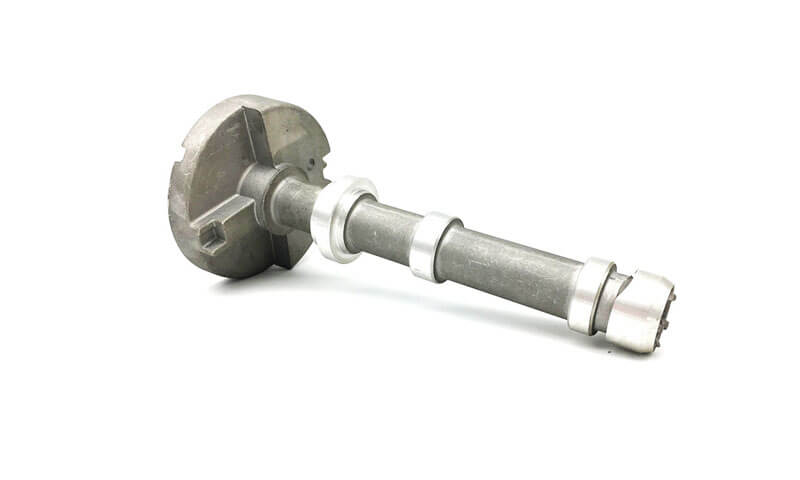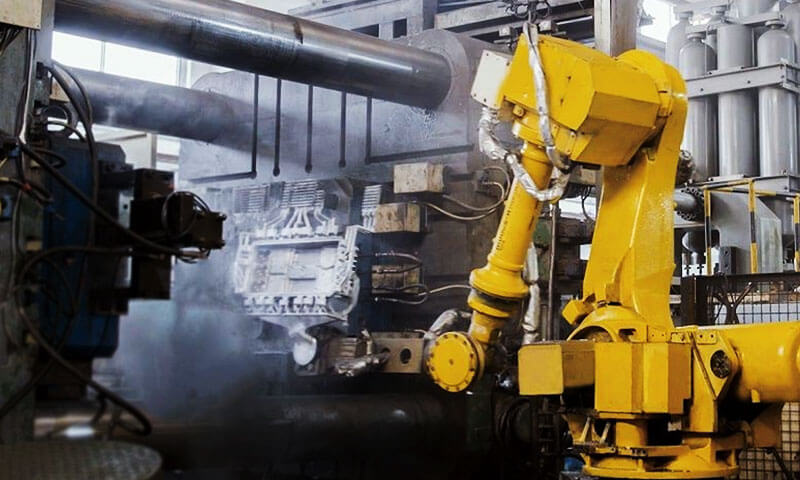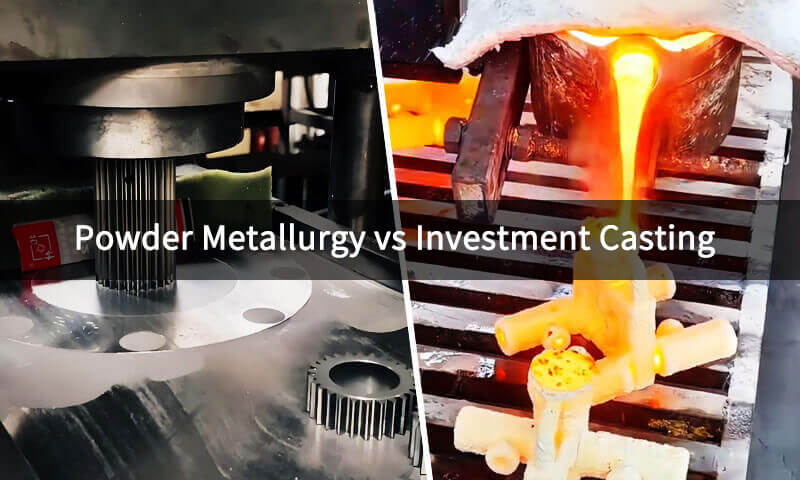
مقدمة
من بين عدد لا يحصى من طرق التصنيع, تبرز تقنيتان مختلفتان تمامًا، لكنهما متنافستان في كثير من الأحيان: صب الاستثمار ومسحوق المعادن (مساءً).
صب الاستثمار, وهي عملية عمرها آلاف السنين تم صقلها من خلال علم المواد الحديث, يوفر حرية هندسية لا مثيل لها وتعدد استخدامات السبائك.
مسحوق المعادن, ابتكار القرن العشرين, يوفر كفاءة مادية استثنائية, معدلات إنتاج عالية, والتحكم في المسامية للتطبيقات المتخصصة.
للوهلة الأولى, تنتج كلتا العمليتين أجزاء معدنية شبه شبكية بأقل قدر من المعالجة.
لكن مبادئها الأساسية - التصلب من المعدن المنصهر مقابل تلبيد المساحيق الصلبة بالضغط - تؤدي إلى قواعد تصميم مختلفة جذريًا, القدرات المادية, الخصائص الميكانيكية, والمقاييس الاقتصادية.
يتطلب الاختيار بين هاتين التقنيتين فهمًا شاملاً ليس فقط لتكاليف الإنتاج ولكن أيضًا للمتطلبات الميكانيكية, تعقيد الهندسة, حجم الإنتاج, اختيار المواد, وأداء الخدمة على المدى الطويل.
1. فهم صب الاستثمار
صب الاستثمار, يُعرف أيضًا باسم صب الشمع المفقود, هي عملية تشكيل معدنية دقيقة يتم فيها طلاء نمط الشمع بقشرة سيراميكية مقاومة للحرارة, يتم ذوبان الشمع, ويمتلئ التجويف الناتج بالمعدن المنصهر.
بعد التصلب, تتم إزالة القشرة الخزفية, يكشف عن مكون معدني شبه شبكي مع تشطيب سطحي استثنائي ودقة أبعاد.
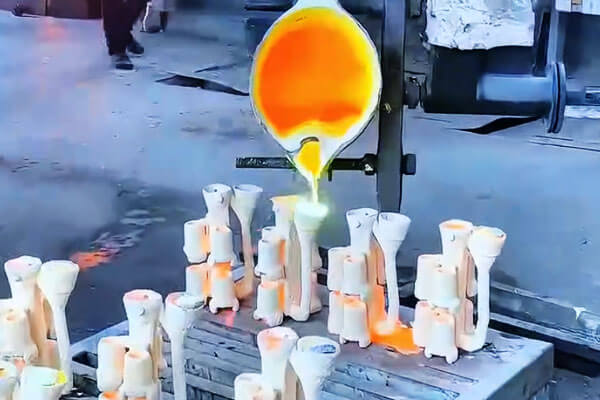
تعود العملية إلى الوراء 5,000 سنوات للحضارات القديمة في مصر, الصين, وبلاد ما بين النهرين, حيث تم استخدامه للتماثيل البرونزية والمجوهرات.
اليوم, إنها طريقة تصنيع عالية التقنية لشفرات توربينات الفضاء الجوي, يزرع طبية, مكونات السلاح الناري, والصمامات الصناعية.
أساسيات العملية
| منصة | خطوة | التفاصيل الرئيسية |
| 1 | إنتاج النمط | الشمع (أو اللدائن الحرارية) يتم حقنه في قالب معدني دقيق (أداة). |
| 2 | تجميع الشجرة | أنماط متعددة متصلة بذرب مركزي (شجرة الشمع). |
| 3 | مبنى شل | 6- 10 طبقات من ملاط السيراميك (السيليكا سول) + الجص الحراري (الزركون / الألومينا). |
| 4 | إزالة شمع | الأوتوكلاف بالبخار يذيب الشمع; تظل القشرة جوفاء. |
| 5 | إطلاق قذيفة | 900-1100 درجة مئوية لتقوية السيراميك وإزالة المواد المتطايرة. |
| 6 | ذوبان & سكب | المعدن المنصهر في فرن الحث; تصب في قذيفة ساخنة مسبقا. |
| 7 | قصا & قطع | تتم إزالة القشرة عن طريق الاهتزاز; مكونات مقطوعة من الشجرة. |
| 8 | الانتهاء | طحن, إطلاق النار, المعالجة الحرارية, فحص NDT. |
الخصائص الرئيسية
| ميزة | وصف |
| الهندسة | تعقيد عالي جدًا; تقف, مقاطع داخلية, الجدران الرقيقة (≥0.5 مم). |
| الانتهاء من السطح | As-cast Ra 1.6-6.3 ميكرومتر; يمكن صقله إلى Ra <0.4 ميكرون. |
| تسامح | ±0.1‑0.3 ملم لكل 25 MM نموذجي. |
| مواد | تقريبا أي سبيكة castable: الصلب الكربوني, غير القابل للصدأ, superalloys, التيتانيوم, الألومنيوم, البرونز. |
| حجم الجزء | جرام إلى ~ 150 كجم (فُولاَذ). |
| مقدار | اقتصادي من 100 ل 10,000+ أجزاء/سنة. |
| خردة | الحد الأدنى (شكل قريب من الشبكة). |
2. فهم مسحوق المعادن
مسحوق المعادن هي عملية تصنيع يتم فيها ضغط مساحيق المعادن الدقيقة (الضغط) في قالب جامد ثم تسخينه (الملبد) تحت نقطة الانصهار لربط الجزيئات في مكون صلب.
على عكس الصب الاستثماري - الذي يتضمن تغيير الطور من السائل إلى الصلب - فإن PM عبارة عن عملية حالة صلبة تحتفظ بالخصائص الكيميائية والبنية الدقيقة للمسحوق.
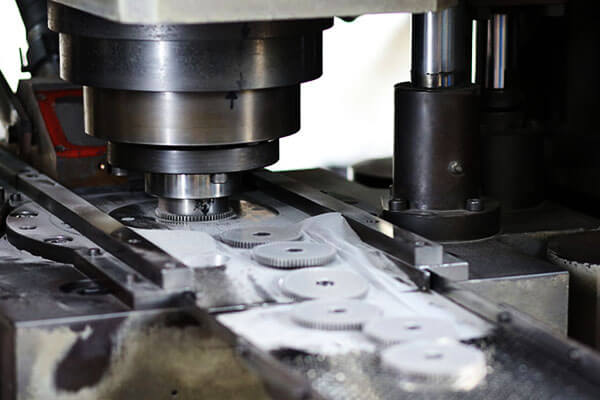
ظهرت صناعة PM الحديثة في العشرينيات من القرن الماضي مع إنتاج محامل التشحيم الذاتي وخيوط مصابيح التنغستن.
اليوم, إنها ناضجة, تكنولوجيا التصنيع بكميات كبيرة, مع استهلاك صناعة السيارات 70% لجميع أجزاء PM الحديدية على مستوى العالم.
أساسيات العملية
| منصة | خطوة | التفاصيل الرئيسية |
| 1 | إنتاج المسحوق | رذاذ الماء أو الغاز, التحليل الكهربائي, تخفيض; التحكم في حجم/شكل الجسيمات. |
| 2 | مزج | مساحيق ممزوجة بمواد التشحيم (0.5-1.5%) وإضافات السبائك (على سبيل المثال, الجرافيت). |
| 3 | الضغط (الضغط) | الضغط أحادي المحور في القالب الصلب; الضغط 200-800 ميجا باسكال; الكثافة الخضراء 70-85%. |
| 4 | تلبد | التدفئة في جو تسيطر عليها (غاز ماص للحرارة, N₂-H₂) إلى 70-90% نقطة الانصهار (عادة 1120-1150 درجة مئوية للحديد). |
| 5 | العمليات الثانوية الاختيارية | التحجيم, طلاء, المعالجة الحرارية, تسلل, الآلات, تشريب الراتنج. |
الخصائص الرئيسية
| ميزة | وصف |
| الهندسة | تعقيد معتدل (2الأشكال D); تقويض محدودة; زوايا مشروع محدودة. |
| الانتهاء من السطح | متكلس Ra 3-12 ميكرومتر; يمكن تحسينها عن طريق التحجيم/العملة. |
| تسامح | ±0.05-0.1 ملم لكل 25 مم (بعد التحجيم). |
| مواد | حديدية في المقام الأول (حديد, فُولاَذ, غير القابل للصدأ), على أساس النحاس, التنغستن, وسبائك التخصص. التيتانيوم والألومنيوم ممكنان ولكنهما أقل شيوعًا. |
| حجم الجزء | عادة <10 كجم, <300 قطر مم. |
| مقدار | اقتصادي من 5,000 إلى ملايين الأجزاء/السنة. |
| خردة | >95% الاستفادة من المواد. |
3. مبادئ التصنيع: كيف تختلف العمليات
| وجه | صب الاستثمار | مسحوق المعادن |
| مادة البداية | معدن منصهر (المرحلة السائلة). | مسحوق معدني (المرحلة الصلبة). |
| تغيير المرحلة | سائل → صلب (التصلب). | صلب → صلب (رابطة الانتشار). |
| مصدر الطاقة | الحرارة للانصهار + سكب. | ضغط + حرارة (تلبد). |
| متطلبات العفن | غلاف من السيراميك للاستخدام مرة واحدة (لكل جزء). | قالب معدني قابل لإعادة الاستخدام (آلاف الدورات). |
| وقت الدورة | ساعات (مبنى شل) إلى أيام. | ثواني (الضغط) + ساعات (دفعة تلبيد). |
| تكلفة الأدوات | معتدل (يموت الشمع بمبلغ 5-20 ألف دولار). | عالي (الصحافة يموت 10-50 ألف دولار). |
| كثافة العمالة | عالي (بناء القشرة يدوي). | قليل (الضغط الآلي). |
| التحكم في الأبعاد | عن طريق انكماش القشرة + نمط الشمع. | عن طريق الدقة يموت + انكماش التلبيد. |
الفرق الأساسي: صب الاستثمار هو صب دقيق على شكل شبكة عملية; مساء هو أ توحيد مسحوق عملية.
يوفر الأول حرية هندسية لا حصر لها تقريبًا; ويقدم الأخير كفاءة مادية لا نهائية تقريبًا.
4. توافق المواد ومرونة السبائك
| العائلة المادية | صب الاستثمار | مسحوق المعادن |
| الصلب الكربوني | نعم (مجموعة واسعة) | نعم (المواد PM الأكثر شيوعا) |
| فولاذ منخفض السبائك | نعم | نعم (الحديد-النحاس-C, الحديد-نيمو-النحاس) |
| الفولاذ المقاوم للصدأ | ممتاز (CF-8, CF-8M, 17-4ph) | نعم (304ل, 316ل, 410ل, 17-4ph) |
| النيكل superalloys | ممتاز (Inconel 718, 625, رينيه) | محدود (تكلفة عالية; متخصص) |
| سبائك الكوبالت | ممتاز (كو-كر-مو) | محدود |
| التيتانيوم | ممتاز (درجة 5, CP) | ممكن (تكلفة عالية, رد الفعل) |
| الألومنيوم | نعم (A356, 380) | محدود (قضايا الأكسيد; نادر) |
| نحاس / البرونز | نعم (C90500, C93200) | ممتاز (النحاس, النحاس, البرونز) |
| التنغستن / سبائك ثقيلة | صعب (نقطة انصهار عالية) | ممتاز (دبليو ني الحديد, W-ني-النحاس) |
| مركبات السيراميك والمعادن | غير ممكن | نعم (سيرميت, WC-Co) |
البصيرة الرئيسية: عروض صب الاستثمار مرونة سبائك أوسع إلى حد كبير, خاصة بالنسبة للانصهار العالي, رد الفعل, أو سبائك يصعب الضغط عليها (التيتانيوم, superalloys, الكوبالت والكروم).
تعدين المساحيق يتفوق في الحديدوز, على أساس النحاس, والمواد القائمة على التنغستن, وكذلك المركبات التي لا يمكن صبها بسبب عدم الامتزاج أو الانفصال.
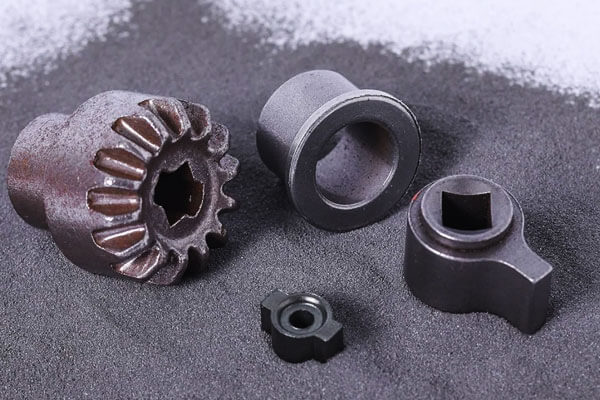
5. دقة الأبعاد والتشطيب السطحي
| معيار | صب الاستثمار | مسحوق المعادن |
| التسامح النموذجي (مم/25 مم) | ±0.1-0.3 | ±0.05-0.1 (كما متكلس) ±0.025-0.05 (الحجم/صاغ) |
| الانتهاء من السطح (ر, ميكرون) | 1.6-6.3 (كما) | 3-12 (كما متكلس) 0.8-3 (الحجم/صاغ) |
| استقرار التسامح | جيد (انكماش القشرة متسق) | ممتاز (يموت الدقة; متغيرات التلبيد) |
| زاوية المسودة مطلوبة | لا (تتم إزالة أنماط الشمع بدون مسودة) | نعم (لإزالة جزء من القالب) |
| المواضيع / ميزات داخلية | يلقي مباشرة | يجب أن يتم تشكيله (لا يمكن الضغط على المواضيع) |
أيهما أفضل? للأشكال الهندسية المعقدة ذات التفاصيل الدقيقة والتشطيب العالي للسطح, صب الاستثمار متفوق.
للأشكال الهندسية البسيطة التي تتطلب تفاوتات شديدة للغاية (وخاصة بعد العمليات الثانوية), PM لديه ميزة.
6. تعقيد الهندسة وحرية التصميم
| ميزة التصميم | صب الاستثمار | مسحوق المعادن |
| تقف | نعم (يمكن تجميع نمط الشمع) | لا (يتطلب استخراج القالب سحبًا مستقيمًا) |
| الممرات الداخلية | نعم (النوى السيراميك) | لا (لا يمكن الضغط على الميزات المجوفة) |
| الجدران الرقيقة | 0.5– 1.5 ملم قابلة للتحقيق | 1.5– 2.5 ملم كحد أدنى |
| الميزات الجميلة (حروف, الشعارات) | استنساخ ممتاز | محدود (يجب صياغتها أو تشكيلها) |
| سمك القسم المتغير | نعم (يمكن أن تستدق بسلاسة) | محدود (كثافة موحدة المطلوبة) |
| غير متماثل / الأشكال العضوية | ممتاز | فقير (الضغط يفضل الجدران الموحدة) |
| 3د التعقيد | عالي | معتدل (في الأساس 2.5D) |
صب الاستثمار يفوز بشكل حاسم في التعقيد الهندسي.
القدرة على إنشاء تقويض, القنوات الداخلية المنحنية, ملامح العضوية, وتفاصيل السطح الدقيقة لا مثيل لها في تعدين المساحيق, وهو مقيد بقالب الضغط ومتطلبات الضغط أحادي المحور.
7. الخواص الميكانيكية والأداء الهيكلي
| خاصية ميكانيكية | صب الاستثمار | مسحوق المعادن |
| الكثافة النموذجية | 99– 100% نظري | 85-98% (اعتمادا على الضغط والتلبيد) |
| قوة الشد | جيد (مثل المطاوع في المسبوكات الصوتية) | معتدل - جيد (يعتمد على الكثافة) |
| قوة العائد | مماثلة للمشاعر | 10- 30% أقل من المطاوع (تأثير المسامية) |
| استطالة | 10-35% (أوستنيتي) | 2-15% (تعتمد على الكثافة) |
| صلابة | 80-600 حصان (تعتمد على السبائك) | 60-400 حصان (اعتمادا على المواد) |
| قوة التعب | معتدل (حساس للشق) | أدنى (تعمل المسامية كمثيرات للتوتر) |
| تأثير المتانة | جيد (اعتمادا على السبائك) | أدنى (هشة المسامية) |
| التوحيد | هيكل الزهر (شجيري) | هيكل متكلس (مسامي, الخواص) |
| استجابة تصلب العمل | محدود (كما) | يمكن معالجة الهيكل الملبد بالحرارة |
المقارنة الرئيسية: أجزاء الزهر الاستثمارية هي كثيفة تماما و, عندما يلقي بشكل صحيح, نهج الخصائص المطاوع (90-95% من القيم المزورة).
أجزاء مسحوق المعادن, حتى في الدرجات عالية الكثافة (≥95% نظري), لديها المسامية المتبقية التي تقلل من الليونة, صلابة, وأداء التعب.
للسلامة الحرجة, حمولة عالية, أو التطبيقات المعرضة للتأثير, يفضل صب الاستثمار.
8. كثافة, المسامية, والجودة الداخلية
| وجه | صب الاستثمار | مسحوق المعادن |
| الكثافة النموذجية | 99-100% (كثيفة تماما) | 85-98% (المسامية المتبقية) |
| نوع المسامية | انكماش أو الغاز (عشوائي, يمكن تجنبه) | مترابطة ومغلقة (متأصل) |
| السيطرة على المسامية | تصميم بوابة/صاعد; خاصرة يقلل المسامية | ضغط الضغط; جو التلبد |
| ضيق الضغط | ممتاز (من الممكن الحصول على مصبوبات مانعة للتسرب) | فقير (مسامي, يتطلب الختم) |
| توزيع الكثافة | موحدة في جميع أنحاء | وجوه كثيفة بالقرب من اللكمة; أقل بالقرب من المركز (التدرج الضغط) |
| قابلية تطبيق HIP | شائع (يغلق المسامية) | نادر (المسام مغلقة بالفعل; يضيف HIP التكلفة) |
| النظافة الداخلية | جيد (الادراج ممكن) | ممتاز (المساحيق نظيفة) |
البصيرة الرئيسية: ينتج صب الاستثمار أجزاء كثيفة تمامًا مقاومة للضغط ويمكن معالجتها بالحرارة دون حدوث تقرحات.
أجزاء PM, ما لم تتم معالجتها بشكل خاص (على سبيل المثال, الضغط الدافئ, الضغط المزدوج, خاصرة), لها مسامية متبقية تحد من إحكام الضغط وبعض استجابات المعالجة الحرارية.
9. حجم الإنتاج واقتصاديات التصنيع
| العامل الاقتصادي | صب الاستثمار | مسحوق المعادن |
| تكلفة الأدوات | معتدل ($5- قالب شمع 20 ألفًا) | عالي ($10- 50 ألف قالب ضغط) |
| حياة الأدوات | 50,000- 200.000 دورة شمع | 500,000-1,000,000 دورة صحفية |
| تكلفة المواد الخام | أعلى (الشمع, السيراميك, معدن) | أدنى (مسحوق, مواد التشحيم) |
| الاستفادة من المواد | 85-95% | >95% (خردة قريبة من الصفر) |
| وقت الدورة | دقائق إلى ساعات (يدوي) | <1 ثانية (الضغط) |
| كثافة العمالة | عالي (مبنى شل) | قليل (آلي) |
| حجم التعادل | ~ 100-1000 جزء / سنة | ~5,000-10,000 قطعة/السنة |
| مهلة (مزخرف) | 8– 16 أسبوعًا | 6– 10 أسابيع |
| تكلفة الجزء الواحد (حجم منخفض, <500) | معتدلة عالية | عالية جدا (الأدوات المطفأة) |
| تكلفة الجزء الواحد (حجم متوسط, 5ك - 50 ألف) | قليل | منخفض جدا |
| تكلفة الجزء الواحد (حجم كبير, >100ك) | قليل (لكن PM أقل) | أدنى |
قاعدة قرار التكلفة:
- <1,000 أجزاء/سنة → صب الاستثمار (الأدوات المطفأة).
- 1,000– 5000 قطعة / سنة → كلاهما ممكن; مقارنة على التعقيد.
- >10,000 أجزاء/سنة → مسحوق المعادن (وفورات كبيرة في التكاليف).
- >100,000 أجزاء/سنة → PM هو الفائز الواضح.
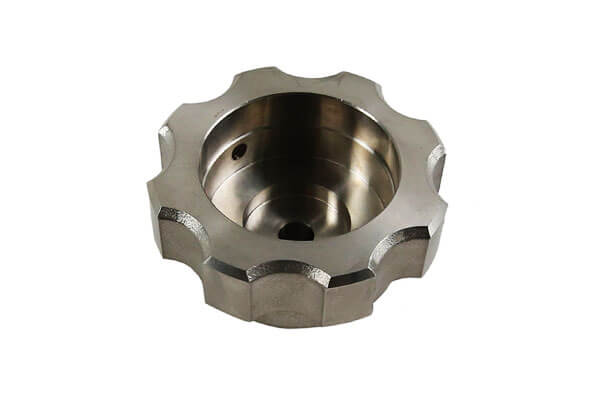
10. تطبيقات الصناعة: صب الاستثمار مقابل تعدين المساحيق
| صناعة | صب الاستثمار | مسحوق المعادن |
| السيارات | عجلات الشاحن التوربيني, مشعبات العادم (غير القابل للصدأ) | التروس, Sprockets, محاور المزامنة, ربط قضبان (PM القائم على الحديد) |
| الفضاء | شفرات التوربينات, فوهات الوقود, المساكن الهيكلية (superalloys, التيتانيوم) | تطبيقات أخف: غسالات الدفع, البطانات, المرشحات |
| طبي | يزرع العظام (ينبع الورك, صواني الركبة), الأدوات الجراحية | مسامير العظام (ميم, مشتق PM), لوحات العظام |
| زيت & الغاز | جثث الصمام, مضخة مدافع, موصلات تحت سطح البحر (غير القابل للصدأ / مزدوج) | عناصر التصفية, أوزان موازنة من سبائك التنغستن الثقيلة |
الأسلحة النارية |
أجهزة الاستقبال, المشغلات, مكونات المثبط (17-4ph) | آليات الزناد, متابعي المجلة, الينابيع الارتدادية |
| الآلات الصناعية | مضخة العلب, جثث الصمام, علب التروس (الفولاذ المقاوم للصدأ/الحديد الزهر) | التروس, كامز, بكرات, المحامل, ارتداء لوحات |
| كهربائي | مكونات المفاتيح الكهربائية, أحواض الحرارة | الاتصالات الكهربائية, النوى المغناطيسية, أصحاب الفرشاة |
| السلع الاستهلاكية | مشاهدة الحالات, تجهيزات الأجهزة, العناصر الزخرفية | مكونات القفل, أجزاء سستة, بين قوسين صغيرين |
11. مزايا وقيود صب الاستثمار
المزايا
- تعقيد هندسي استثنائي - يضعف, مقاطع داخلية, الجدران الرقيقة, الأشكال العضوية.
- مرونة سبائك واسعة – تقريبًا أي معدن قابل للصب, بما في ذلك السبائك الفائقة والتيتانيوم.
- الانتهاء من سطح ممتازة - Ra 1.6-6.3 ميكرومتر مصبوب; يمكن صقلها إلى مرآة قريبة.
- شكل قريب من الشبكة – الحد الأدنى من النفايات المادية; نسبة الشراء للطيران <1.5:1.
- لا يوجد مشروع مطلوب - الجدران العمودية ممكنة.
- مصبوبات محكمة الضغط - يمكن لحامها ومعالجتها بالحرارة.
- تراث موثق - آلاف السنين; بيانات ومعايير واسعة النطاق.
القيود
- كثافة اليد العاملة العالية – بناء الصدفة يدوي, تعتمد على المهارات.
- وقت الدورة بطيء - أيام من النمط إلى الجزء النهائي.
- قيود الحجم - الحد الأقصى العملي ~ 150 كجم.
- تكلفة أعلى بكميات منخفضة – استهلاك الأدوات.
- خطر المسامية – يتطلب الانكماش ومسامية الغاز تحكمًا قويًا في العملية.
- تقتصر على السبائك القابلة للصب – ذوبان عالي, لا يمكن استخدام المواد غير القابلة للصب.
12. مزايا وقيود تعدين المساحيق
المزايا
- استغلال متفوق للمواد - >95% خالية من الخردة; مستمر.
- معدلات إنتاج عالية – دورة الضغط <1 ثانية; تلبد مستمر.
- اتساق الأبعاد ممتازة - الدقة التي يتم التحكم فيها بالقالب.
- تكلفة منخفضة لكل جزء بكميات كبيرة.
- المسامية التي تسيطر عليها - للمرشحات, محامل التشحيم الذاتي, أقطاب البطارية.
- بخير, بنية الحبوب الموحدة - لا يوجد عيوب في الزهر.
- القدرة على مزج السبائك – إنشاء تركيبات فريدة غير ممكنة عن طريق الذوبان.
- قابلية جيدة - تحتوي العديد من سبائك PM على عناصر تعمل على تحسين المعالجة.
القيود
- التعقيد الهندسي المحدود - في الأساس 2.5D; لا يضعف, مقاطع داخلية.
- زوايا المسودة مطلوبة - لإخراج جزء من القالب.
- انخفاض الخواص الميكانيكية - المسامية المتبقية تقلل من الليونة والتعب.
- قيود الحجم والوزن - <10 كجم, <300 MM نموذجي.
- المسامية تحد من ضيق الضغط - الختم المطلوب لتطبيقات معالجة السوائل.
- مرونة سبائك محدودة - التيتانيوم, الألومنيوم, السبائك الفائقة صعبة أو مكلفة.
- تكلفة الأدوات عالية – مجموعات القالب غالية الثمن; ارتفاع أحجام التعادل.
13. صب الاستثمار مقابل تعدين المساحيق: جدول المقارنة الشامل
| معيار | صب الاستثمار | مسحوق المعادن |
| مبدأ العملية | تصلب المعدن السائل في قالب السيراميك | ضغط المسحوق + تلبد |
| مادة البداية | نمط الشمع + معدن منصهر | مسحوق معدني + مواد التشحيم |
| التعقيد الهندسي | عالية جدا (3د, تقف) | معتدل (2.5د, لا يضعف) |
| الحد الأدنى سمك الجدار | 0.5-1.5 ملم | 1.5-2.5 ملم |
| الانتهاء من السطح (ر, ميكرون) | 1.6-6.3 (كما) | 3-12 (كما متكلس) |
| التسامح الأبعاد | ±0.1‑0.3 مم/25 مم | ±0.05‑0.1 مم/25 مم (بعد التحجيم) |
| كثافة | 99-100% | 85-98% |
| المسامية | قليل (انكماش/غاز) | متأصل (المتبقية) |
| ضيق الضغط | ممتاز | فقير (يتطلب الختم) |
| مجموعة سبائك | واسع جدًا (فُولاَذ, غير القابل للصدأ, superalloys, ل, آل, البرونز) | محدود (Fe, النحاس, ث, بعض غير القابل للصدأ; تي / آل نادر) |
| قوة الشد | مثل المطاوع (جيد) | معتدل (تعتمد على المسامية) |
| ليونة | جيد (10-35%) | أدنى (2-15%) |
| قوة التعب | معتدل | أدنى (ناهضات التوتر من المسامية) |
| تكلفة الأدوات | معتدل | عالي |
| حياة الأدوات | 50دورات k-200k | 500دورات k-1000k |
| الاستفادة من المواد | 85-95% | >95% |
| وقت الدورة (لكل جزء) | دقائق إلى ساعات | <1 ثانية (الضغط) |
| كثافة العمالة | عالي | قليل |
| حجم التعادل | ~100-1000/سنة | ~5000-10000/سنة |
| تكلفة الجزء الواحد (حجم كبير) | معتدل | منخفض جدا |
| الحد الأقصى لوزن الجزء النموذجي | 150 كجم | 10 كجم |
| العمليات الثانوية | قطع, طحن, المعالجة الحرارية, NDT | التحجيم, المعالجة الحرارية, الآلات (محدود) |
14. خاتمة
لا يعتبر صب الاستثمار مقابل تعدين المساحيق تقنيات متنافسة في كل المواقف; بدلاً, إنهم يحلون تحديات التصنيع المختلفة.
يتفوق صب الاستثمار عندما يحتاج المهندسون إلى أشكال هندسية معقدة, اختيار سبائك واسعة, خصائص ميكانيكية متفوقة, كثافة عالية, والموثوقية الهيكلية.
يبقى الخيار المفضل لمكونات الطيران, جثث الصمام, أجزاء المضخة, الأجهزة الطبية, والمعدات الصناعية عالية الأداء.
تتفوق تعدين المساحيق في بيئات الإنتاج واسعة النطاق حيث يكون هناك اتساق الأبعاد, كفاءة المواد, الأتمتة, وانخفاض تكاليف الوحدة هي الأهداف الأساسية.
إنه يهيمن على التطبيقات مثل تروس السيارات, المحامل, البطانات, والمكونات الميكانيكية ذات الإنتاج الضخم.
يعتمد الاختيار الأمثل على الموازنة بين خمسة عوامل حاسمة:
- هندسة المكونات
- الأداء الميكانيكي المطلوب
- متطلبات المواد
- حجم الإنتاج
- إجمالي تكلفة دورة الحياة
إن فهم هذه العوامل يسمح للمصنعين باختيار العملية الأكثر ملاءمة من الناحية الفنية والأكثر تنافسية اقتصاديًا.
الأسئلة الشائعة
هل صب الاستثمار أقوى من تعدين المساحيق؟?
في معظم التطبيقات الهيكلية, نعم. تحقق مكونات قالب الاستثمار عمومًا كثافة أعلى, المسامية السفلية, ومقاومة أفضل للتعب من أجزاء تعدين المساحيق التقليدية.
ما هي العملية التي توفر دقة أبعاد أفضل؟?
للبساطة, أجزاء عالية الحجم, غالبًا ما توفر تعدين المساحيق إمكانية تكرار أكثر إحكامًا. للهندسة المعقدة, عادةً ما يوفر صب الاستثمار قدرة أفضل على الأبعاد الشاملة.
هل يمكن لكلتا العمليتين إنتاج مكونات من الفولاذ المقاوم للصدأ?
نعم. كلتا التقنيتين تدعمان تصنيع الفولاذ المقاوم للصدأ, على الرغم من أن صب الاستثمار يوفر مرونة أكبر في درجات السبائك وتعقيد المكونات.
ما هي العملية الأكثر فعالية من حيث التكلفة؟?
يعد تعدين المساحيق بشكل عام أكثر فعالية من حيث التكلفة بالنسبة لأحجام الإنتاج العالية جدًا. غالبًا ما يكون الاستثمار في الاستثمار أكثر اقتصادا لعمليات الإنتاج المنخفضة إلى المتوسطة والأجزاء المعقدة.
ما هي الصناعات التي تعتمد بشكل كبير على صب الاستثمار؟?
الفضاء, النفط والغاز, المعالجة الكيميائية, المعدات الطبية, توليد الطاقة, معالجة الأغذية, والآلات الصناعية هي من بين أكبر مستخدمي المكونات المصبوبة بالاستثمار.