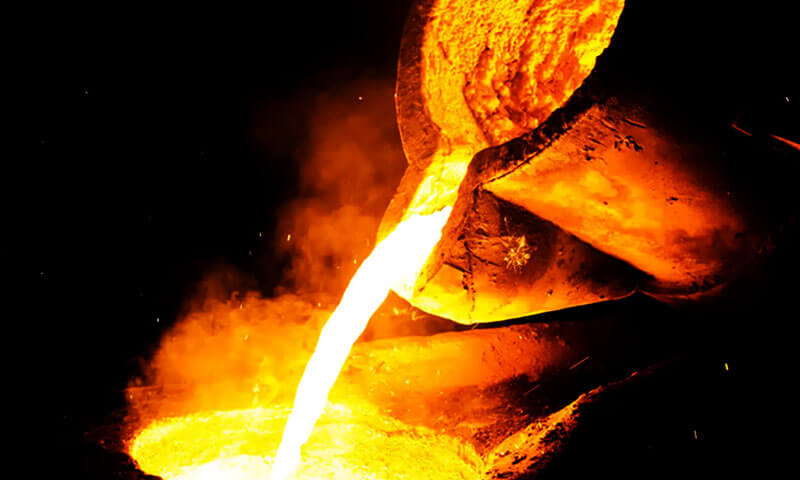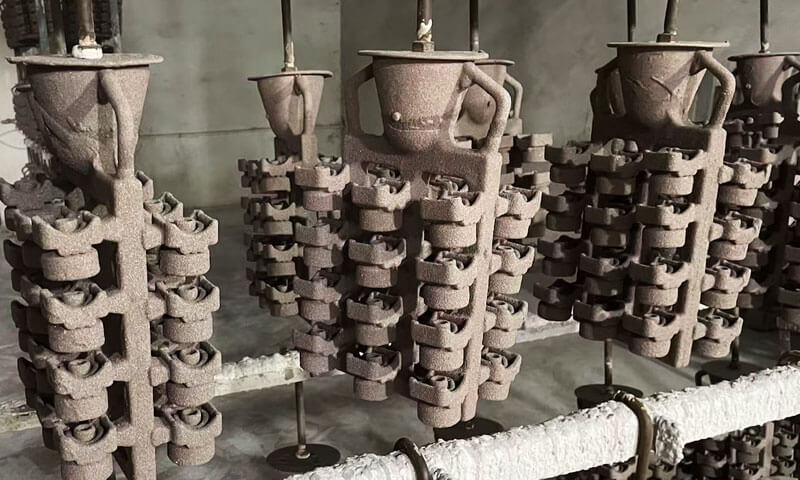
البوابة, المعروف أيضا باسم ذرب الداخلية, بمثابة القناة الحرجة النهائية التي تربط نظام العداء بتجويف الصب في تصميم بوابة المسبك.
إنه يتحكم بشكل مباشر في سرعة التدفق, تسلسل ملء, كفاءة التغذية, واستقرار السوائل من المعدن المنصهر الذي يدخل القالب.
كحلقة وصل طرفية لنقل المعدن المنصهر, يمارس تصميم البوابة تأثيرًا حاسمًا على سلوك التصلب, البنية المجهرية الداخلية, دقة الأبعاد, جودة السطح, وموثوقية الخدمة للمسبوكات النهائية.
يعد تخطيط البوابة غير المعقول وتصميم الأبعاد من الأسباب الرئيسية لعيوب الصب الشائعة, بما في ذلك تجويف الانكماش, مسامية انكماش, إدراج الخبث, تآكل التدفق المضطرب, هيكل الحبوب الخشنة, تشوه الصب, والتكسير الحراري.
هياكل الصب المختلفة, توزيعات سمك الجدار, خصائص السبائك, وتتطلب متطلبات الجودة مخططات تصميمية مستهدفة بدلاً من التكوينات العالمية الموحدة.
استنادا إلى نظرية التصلب الصب الكلاسيكية, مبادئ ديناميكا الموائع, وتجربة الإنتاج الضخم الصناعي,
تتناول هذه المقالة بشكل منهجي جميع اعتبارات التصميم الأساسية لصب البوابات, تغطي قواعد مطابقة التصلب, التحكم في اتجاه التدفق, تحسين معلمة الأبعاد, اختيار الموقف, القدرة على التكيف العملية, واستراتيجيات الوقاية من العيوب.
فهو يوفر صارمة, احترافي, وإرشادات التصميم العملية لإنتاج صب السبائك الحديدية وغير الحديدية.
1. مطابقة تخطيط Ingate مع تسلسل التصلب واستراتيجية التغذية
تخطيط البوابة هو أساس نظام البوابات الفعال.
موقعها, كمية, ويجب تنسيق الترتيب بعناية مع الممثلين تسلسل التصلب و استراتيجية التغذية لضمان ملء القالب بالكامل, تعويض الانكماش الفعال, ومتسقة صب جودة.
لا تقوم البوابة المصممة جيدًا بتوجيه المعدن المنصهر إلى تجويف القالب فحسب، بل تؤثر أيضًا على توزيع الحرارة, تدرجات درجة الحرارة, وحركة المعدن السائل أثناء التصلب.
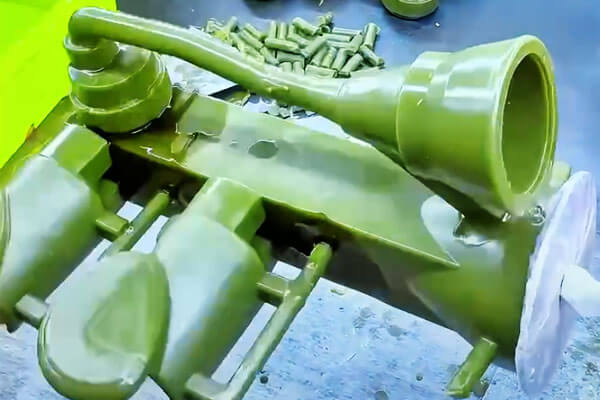
تصميم إنجيت للتصلب المتزامن
يتم اعتماد التصلب المتزامن بشكل شائع للمسبوكات ذات سماكة جدار موحدة نسبيًا حيث يتم تقليل الضغط المتبقي, تشوه, والاختلاف الأبعاد هو الهدف الأساسي.
لتحقيق تبريد موحد, يتم توزيع البوابات المتعددة عبر أقسام رقيقة الجدران أو حول محيط الصب.
بدلاً من الاعتماد على بوابة واحدة كبيرة, أ نظام البوابات المتناثرة متعدد النقاط يسمح للمعادن المنصهرة بالدخول إلى التجويف من عدة مواقع في وقت واحد, تقصير مسافة التعبئة وتعزيز التوزيع المتوازن لدرجة الحرارة في جميع أنحاء القالب.
يقدم هذا النهج العديد من المزايا الهندسية:
- يقلل من ارتفاع درجة الحرارة الموضعية حول بوابة واحدة.
- يقلل من التدرجات الحرارية عبر الصب.
- يعزز التصلب المتزامن في مناطق مختلفة.
- يقلل من الإجهاد الحراري المتبقي.
- يقلل من خطر الاعوجاج والتشويه.
- يحسن استقرار الأبعاد للمسبوكات الدقيقة.
التصلب المتزامن مناسب بشكل خاص:
- المكونات الهيكلية ذات الجدران الرقيقة
- أغطية الصمامات
- مضخة العلب
- أغلفة الصك
- المسبوكات الدقيقة للسيارات والفضاء
لأن كل قسم يبرد بمعدل مماثل, يواجه الصب انكماشًا أكثر انتظامًا, مما أدى إلى تحسين الدقة الهندسية وتقليل الضغط الداخلي.
تصميم إنجيت للتصلب الاتجاهي
على عكس المكونات ذات الجدران الرقيقة, تتطلب المسبوكات ذات القسم الثقيل فلسفة تغذية مختلفة تمامًا.
تحتفظ الأجزاء السميكة بالحرارة لفترة أطول وتكون أكثر عرضة لها تجاويف الانكماش و مسامية انكماش في حالة عدم توفر كمية كافية من المعدن السائل أثناء عملية التصلب.
لهذه المسبوكات, الهدف هو إنشاء التصلب الاتجاهي, السماح للمعدن بالتصلب تدريجيًا من أنحف المناطق نحو الأقسام الأكثر سمكًا وأخيرًا إلى الناهض.
لإنجاز هذا, يجب وضع البوابات بجوار النقاط الساخنة الحرارية أو المناطق ذات الجدران السميكة حيث يكون الطلب على التغذية أكبر.
عندما يتم دمج الناهضين في نظام البوابات, غالبًا ما يتم توصيل البوابة من خلال الناهض أو بالقرب منه للحفاظ على إمداد مستمر من المعدن المنصهر خلال المراحل النهائية من التصلب.
يوفر نظام الترسيخ الاتجاهي المصمم بشكل صحيح العديد من الفوائد:
- يحافظ على قنوات التغذية دون انقطاع بين الصب والناهض.
- يحافظ على الناهض منصهرًا لفترة أطول من الصب.
- يمنع تجمعات السوائل المعزولة التي يمكن أن تشكل عيوب الانكماش.
- يعزز التدرج الحراري الذي يمكن التحكم فيه.
- يحسن السلامة والكثافة الداخلية.
- يعزز الخواص الميكانيكية للمكونات الحاملة للضغط.
تُستخدم فلسفة التصميم هذه على نطاق واسع:
- أجسام صمامات الفراشة
- أغلفة ضخ
- التوربينات
- الشفاه الكبيرة
- مكونات أوعية الضغط
- مصبوبات الآلات الثقيلة
يعد التصلب الاتجاهي مهمًا بشكل خاص لسبائك الفولاذ الكربوني وسبائك الصلب, حيث يكون انكماش التصلب الحجمي مرتفعًا نسبيًا.
تخطيط Ingate المركب للمسبوكات المعقدة
تتميز العديد من المسبوكات الصناعية بهندسة معقدة للغاية مع سماكات مختلفة للجدران, أضلاع متقاطعة, الرؤساء, الشفاه, والأقسام المعززة.
في هذه الحالات, لا يمكن للتصلب المتزامن ولا الاتجاهي وحده تحقيق جودة الصب المثالية.
بدلاً من, عادةً ما يستخدم مهندسو المسبك أ تخطيط إنجيت مركب, الجمع بين استراتيجيات التغذية المتعددة ضمن صب واحد.
في ظل هذا النهج:
- تتم تعبئة المناطق ذات الجدران الرقيقة من خلال بوابات متفرقة متعددة لتحقيق تعبئة سريعة ومتوازنة.
- يتم توفير المقاطع ذات الجدران السميكة من خلال بوابات ذات موقع استراتيجي تدعم التغذية الاتجاهية نحو الناهضين.
- تتلقى النقاط الساخنة الحرارية المحلية مساعدة تغذية إضافية بينما يحافظ الصب الإجمالي على تبريد موحد نسبيًا.
تشمل مزايا نظام البوابات المركب:
- تحسين كفاءة ملء القالب.
- تعزيز التغذية للمقاطع الثقيلة المعزولة.
- تقليل عيوب الانكماش.
- انخفاض الضغط المتبقي في جميع أنحاء الصب.
- دقة أفضل للأبعاد.
- تحسين العائد الإجمالي للصب.
اليوم, عادةً ما يتم تحسين تخطيطات البوابة المركبة باستخدام برنامج محاكاة الصب, مما يسمح للمهندسين بتقييم تدفق المعدن المنصهر, مجالات درجة الحرارة, وسلوك التصلب قبل بدء الإنتاج.
اعتبارات التصميم للمسبوكات ذات الاختلافات الكبيرة في سمك الجدار
تحتوي بعض المسبوكات على سماكة جدار غير متساوية للغاية بسبب المتطلبات الوظيفية أو القيود الهيكلية.
في هذه الحالات, قد لا يكون الوضع المثالي للبوابة ممكنًا دائمًا لأن المعدن المنصهر يجب أن يدخل عبر أقسام أرق قبل الوصول إلى المناطق الأثقل.
عندما لا يتمكن وضع البوابة التقليدية من تلبية متطلبات التغذية بشكل كامل, تصبح تدابير العملية الإضافية ضرورية للحفاظ على سلامة الصب.
وتشمل الحلول الهندسية المشتركة:
- قشعريرة معدنية يتم وضعها بجوار أقسام سميكة الجدران لتسريع التصلب المحلي والتحكم في التدرجات الحرارية.
- الناهضون المساعدون تضاف بالقرب من المناطق الساخنة المعزولة لتوفير التغذية التكميلية.
- الأكمام العازلة أو الطاردة للحرارة تستخدم على الناهضين لتمديد مدة التغذية.
- الأمثل عداء موازنة لضمان وصول إمدادات المعادن الكافية إلى جميع المناطق الحرجة.
- تحليل محاكاة الصب لتحديد مواقع الانكماش المحتملة وتحسين وضع البوابة.
من خلال دمج هذه التقنيات المساعدة مع نظام البوابة المصمم بعناية, يمكن للمصنعين إنتاج مصبوبات ذات اختلافات كبيرة في سمك الجدار بنجاح مع تقليل تجاويف الانكماش, المسامية, الإجهاد الحراري, والتشويه.
المبادئ التوجيهية الهندسية لمطابقة تخطيط Ingate مع التصلب
يلخص الجدول التالي ترتيبات البوابات الموصى بها بناءً على خصائص الصب وأهداف التصلب.
| خصائص الصب | وضع التصلب المفضل | أوصى تخطيط إنجيت | الهدف الهندسي الأساسي |
| رقيقة الجدار, أقسام موحدة | التصلب المتزامن | فتحات متعددة متفرقة على أقسام رقيقة | تقليل الإجهاد الحراري والتشوه |
| جدار سميك, المكونات الحاملة للضغط | التصلب الاتجاهي | يتم وضع البوابة بالقرب من النقاط الساخنة ويتم تنسيقها مع الناهضين | تعظيم كفاءة التغذية والقضاء على الانكماش |
| مصبوبات معقدة بسماكة جدار مختلطة | التصلب المركب | مزيج من البوابات المتفرقة والاتجاهية | كفاءة ملء التوازن, تغذية, والاستقرار الأبعاد |
| المصبوبات مع اختلاف كبير في سمك الجدار | بمساعدة التصلب الاتجاهي | إنجيت تستكمل بقشعريرة, الناهضون المساعدون, وتدابير التحكم الحراري | منع عيوب الانكماش وتحسين السلامة الداخلية |
2. التحكم في اتجاه التدفق لتجنب العفن والأضرار الأساسية
ال اتجاه تدفق المعدن المنصهر يعد دخوله إلى تجويف القالب أحد أهم العوامل في تصميم نظام البوابات.
بينما يحدد حجم البوابة وموضعها معدل الملء, يحكم اتجاه تدفق المعدن تآكل العفن, الاستقرار الأساسي, شدة الاضطراب, توزيع الشمول, وجودة الصب الشاملة.
يمكن للبوابة الموجهة بشكل غير صحيح أن تولد نفاثات معدنية عالية السرعة تضرب جدران القالب أو قلوب الرمل مباشرة, مما يسبب أضرارًا ميكانيكية قبل ملء التجويف بالكامل.
قد تشمل العيوب الناتجة تآكل الرمال, النزوح الأساسية, انهيار جدار العفن, فخ الخبث, مسامية الغاز, عدم دقة الأبعاد, وسوء الانتهاء من السطح.
لذلك, يجب أن يتم تصميم البوابة لتوجيه المعدن المنصهر بسلاسة إلى التجويف مع تقليل تأثيره الحركي على ميزات العفن الضعيفة.
من منظور ديناميكيات السوائل, الهدف هو تحويل الطاقة الحركية للمعدن المنصهر إلى ملء تجويف يتم التحكم فيه بدلاً من السماح لقوى التأثير المركزة بإتلاف القالب أو تعطيل عملية التصلب.
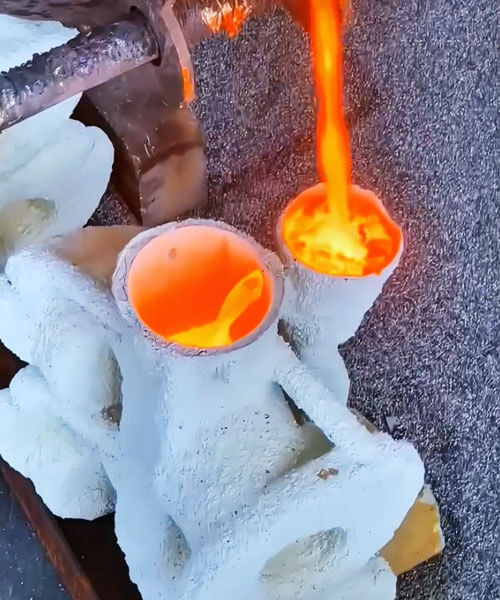
منع التأثير المباشر على قلوب الرمل وأسطح العفن
أحد أهم مبادئ تصميم البوابة هو تجنب الاصطدام المباشر للمعدن المنصهر على مكونات القالب الهشة.
النوى الرملية, جدران العفن رقيقة, كتل البرد, إدراج السيراميك, وتمتلك المطبوعات الأساسية قوة ميكانيكية محدودة قبل أن يبدأ المعدن المنصهر في التصلب.
إذا تم تفريغ المعدن المنصهر عالي السرعة مباشرة نحو هذه المناطق, قد تحدث عدة عيوب في وقت واحد.
وتشمل العواقب النموذجية:
- تآكل الرمال وغسل العفن.
- تكسير الأساسية أو النزوح.
- توسيع تجويف العفن.
- عيوب إدراج الرمال.
- انحراف الأبعاد المحلية.
- تدهور خشونة السطح.
- زيادة بدل الآلات.
لصب الاستثمار وصب الرمل الدقيق, حيث دقة الأبعاد مهمة بشكل خاص, حتى الحركة الأساسية البسيطة قد تؤدي إلى انحرافات هندسية غير مقبولة.
لتقليل طاقة التأثير, يجب وضع البوابة بحيث يتدفق المعدن المنصهر في البداية على طول جدار القالب أو يدخل إلى تجويف أكبر حيث تنخفض سرعته بشكل طبيعي قبل الوصول إلى الميزات الداخلية الدقيقة.
تعزيز التدفق المعدني السلس والمستقر
يجب أن تقوم البوابة الفعالة بتوجيه المعدن المنصهر إلى داخل تجويف القالب بطريقة سلسة ومضبوطة بدلاً من السماح بتغييرات مفاجئة في اتجاه التدفق.
يوفر التدفق المستقر العديد من المزايا المهمة:
- يقلل من الاضطراب وتشكيل الدوامة.
- يقلل من إنتاج فيلم الأكسيد.
- يحسن اتساق ملء القالب.
- يعزز إخلاء الغازات.
- يعزز توزيع درجة الحرارة بشكل موحد.
- يحسن سلامة الصب الداخلي.
تعد انتقالات التدفق التدريجي ذات أهمية خاصة عند صب السبائك الحساسة للأكسدة, مثل الفولاذ المقاوم للصدأ وسبائك الألومنيوم.
تساعد مداخل البوابة المستديرة والانتقالات السلسة من العداء إلى البوابة على تقليل فقد الضغط المحلي مع الحفاظ على التدفق المعدني المستمر والمنظم.
تصميم إنجيت عرضي للمسبوكات الدائرية
لبعض هندسة الصب, وخاصة المكونات الدائرية أو المتماثلة دورانيا, أ بوابة عرضية يقدم مزايا كبيرة مقارنة بالتغذية الشعاعية المباشرة.
بدلا من توجيه المعدن المنصهر مباشرة إلى التجويف, تقوم البوابة بإدخال المعدن بشكل عرضي على طول جدار التجويف, تحويل التدفق الخطي إلى حركة دورانية يمكن التحكم فيها.
يوفر هذا التصميم العديد من الفوائد الهندسية:
- يقلل من التأثير المباشر على جدار القالب.
- يوزع المعدن المنصهر بشكل موحد حول التجويف.
- يوازن مجال درجة الحرارة أثناء التعبئة.
- يقلل من ارتفاع درجة الحرارة الموضعية.
- يحسن ملء المقاطع المحيطية.
- يقلل من التدرجات الحرارية.
يشيع استخدام البوابات العرضية لـ:
- المساكن الدائرية
- الحذافات
- المسبوكات على شكل حلقة
- البكرات
- حلقات الصمام
- المكونات الميكانيكية الدورانية
عندما يتم تصميمها بشكل صحيح, يملأ التدفق المعدني الدوامي التجويف تدريجيًا مع الحفاظ على ظروف تدفق مستقرة نسبيًا.
حدود التغذية العرضية
على الرغم من أن البوابات العرضية فعالة للغاية بالنسبة للعديد من المسبوكات الدورانية, إنها لا ينطبق عالميا.
للأسطواني, أنبوبي, أو المسبوكات المجوفة حيث تكون جودة السطح الداخلي أمرًا بالغ الأهمية, قد يؤدي التدفق العرضي إلى إنشاء ديناميكيات موائع غير مرغوب فيها.
تميل الحركة الدورانية للمعدن المنصهر إلى دفع الملوثات الخفيفة نحو المركز أو السطح الداخلي للتجويف. قد تشمل هذه الملوثات:
- أفلام أكسيد.
- جزيئات الخبث.
- منتجات تآكل العفن.
- بقايا الانحلال الحراري من المجلدات أو الشمع.
- الادراج غير المعدنية.
نتيجة ل, قد يظهر السطح الداخلي:
- عيوب التضمين.
- الانتهاء من السطح الخام.
- انخفاض ضيق الضغط.
- أداء الختم ضعيف.
- زيادة متطلبات الآلات.
بالتالي, يتم تجنب البوابات العرضية بشكل عام لمكونات مثل:
- أنابيب الضغط
- الأسطوانات الهيدروليكية
- الأكمام المضخة
- بطانات الصمامات
- مكونات أنبوبية عالية الضغط
لهذه المنتجات, عادةً ما يُفضل الحشو السفلي أو الحشو المحوري المتحكم فيه لضمان سطح داخلي أكثر نظافة.
تنسيق اتجاه التدفق مع التنفيس وإزالة الخبث
يجب أيضًا أن يدعم اتجاه تدفق المعدن المنصهر الإزالة الفعالة للغازات والشوائب غير المعدنية من تجويف القالب.
من الناحية المثالية, يجب أن يتقدم المعدن المنصهر بطريقة:
- يدفع الهواء نحو الفتحات.
- يحمل الخبث نحو الآبار الفائضة.
- يمنع انحباس الغاز.
- يسمح للتضمينات بالطفو بعيدًا عن الأقسام المهمة.
إذا كانت البوابة توجه المعدن ضد جيوب الهواء المحاصرة أو تجبر جبهات التدفق المتعارضة على الاصطدام, تصبح مسامية الغاز وانحباس الأكسيد أكثر احتمالا.
للمسبوكات المعقدة, غالبًا ما يقوم المهندسون بتنسيق تخطيط البوابة مع:
- مواقع تنفيس.
- تجاويف الفائض.
- مصائد الخبث.
- مرشحات رغوة السيراميك.
يعمل هذا النهج المتكامل على تحسين نظافة الصب والجودة الداخلية بشكل كبير.
الحفاظ على اتجاه التدفق الموحد في الأنظمة متعددة البوابات
تتطلب المسبوكات الكبيرة أو المعقدة في كثير من الأحيان بوابات متعددة لتحقيق ملء القالب بالكامل.
لكن, إن مجرد زيادة عدد البوابات لا يضمن جودة أفضل.
يجب تنسيق اتجاه التدفق من كل بوابة بعناية بحيث تتقدم جميع تيارات المعدن المنصهر نحو واجهة التعبئة المشتركة.
عندما تقوم البوابات المجاورة بتفريغ المعدن في اتجاهات متعارضة, قد تحدث عدة مشاكل:
- تصادم التدفق.
- الاضطراب.
- انحباس الهواء.
- طي فيلم أكسيد.
- يغلق البرد.
- خطوط اللحام.
- توزيع غير متساو لدرجة الحرارة.
على العكس, يوفر الحفاظ على اتجاه تدفق ثابت:
- ملء تجويف مستقر.
- التدرجات درجة الحرارة على نحو سلس.
- تحسين التهوية.
- تعويم الخبث أكثر كفاءة.
- اتساق الأبعاد أفضل.
تُستخدم محاكاة الصب المعتمدة على الكمبيوتر على نطاق واسع اليوم لتحسين أنماط التدفق متعدد البوابات قبل بدء الإنتاج.
3. إنجيت الأبعاد الأمثل: إعطاء الأولوية لتصميم الهيكل الرقيق
يعد سمك Ingate أحد أهم معلمات الأبعاد, وتصميم البوابة الرفيعة هو المخطط المفضل لمعظم عمليات الصب, مع العديد من المزايا التقنية والإنتاجية:
المزايا الأساسية للإينجيت الرقيقة
أولاً, بوابة رقيقة تقلل من مساحة الشفط لتدفق المعدن المنصهر, يعزز تأثير منع الخبث لنظام العداء, ويمنع الخبث والشوائب من أن يتم امتصاصها في تجويف الصب.
ثانية, فهو يقلل بشكل كبير من عبء عمل التنظيف بعد الصب, تجنب الطحن المفرط وقطع الضرر لجسم الصب.
ثالث, لأن سمك البوابة أصغر من سمك جدار الصب, تصلب البوابة قبل الصب, ضمان عدم وجود عيوب انكماش ثانوية في موضع الاتصال أثناء الإزالة.
لسبائك الحديد الرمادي وحديد الدكتايل, تستخدم البوابات الرقيقة بشكل كامل تأثير التمدد الجرافيتي للحديد المنصهر أثناء التصلب, ضغط هيكل الصب والقضاء على مسامية الانكماش الجزئي.
مواصفات الأبعاد الخاصة لسبائك حديد الدكتايل
يتميز حديد الدكتايل بانكماش كبير في التصلب ومتطلبات عالية لاستقرار التغذية.
ينص التصميم الصناعي القياسي على أن يكون عرض وطول بوابات حديد الدكتايل 4 مرات سمك البوابة, موازنة سرعة التعبئة, القدرة على التغذية, وأداء التنظيف السهل.
4. تصميم متعدد البوابات لتغذية الصب على الجدران الرقيقة
تتميز المصبوبات ذات الجدران الرقيقة للغاية بتبديد الحرارة بسرعة, التصلب السريع, وعدم كفاية التغذية الطبيعية, مما يجعلها عرضة للإغلاق البارد وعيوب الانكماش الجزئي.
يعد نظام البوابات المتعددة هو الحل القياسي لمثل هذه المنتجات.
في هذا التصميم, كل بوابة تعادل رقبة صاعدة مصغرة.
يجب أن يتوافق حجم البوابة بشكل صارم مع معايير تصميم الرقبة الناهضة, التأكد من أن البوابة تحافظ على حالة منصهرة لفترة أطول من نقاط الصب الساخنة.
وهذا يضمن التغذية المستمرة للمعدن المنصهر أثناء عملية الانكماش والتصلب للمسبوكات ذات الجدران الرقيقة, حل فعال عيوب التغذية غير الكافية الناجمة عن التصلب السريع.
5. إن اختيار موضع إنجيت يعتمد على درجة جودة الصب
يجب أن تتجنب مواقف البوابة الدقة العالية, عالي الأداء, ومناطق متطلبات المظهر العالي للمسبوكات لمنع تدهور الجودة الناجم عن تجفيف المعدن المنصهر وارتفاع درجة الحرارة المحلية.
أولاً, سيؤدي تجفيف المعدن المنصهر بدرجة حرارة عالية على المدى الطويل في منطقة توصيل البوابة إلى بنية معدنية محلية خشنة, انخفاض الخواص الميكانيكية, والإجهاد المتبقي المركز.
لذلك, يحظر ترتيب البوابات على الأسطح الحاملة الرئيسية, أسطح مطابقة الدقة, والمجالات الوظيفية الأساسية.
ثانية, لسبائك الأنابيب المقاومة للضغط والتسرب, يتم ترتيب البوابات بشكل موحد في مواضع الحافة بدلاً من أجسام جدران الأنابيب.
هذا يتجنب انكماش المسامية والبنية الفضفاضة على جدار الأنبوب, ضمان أداء الاكتناز والختم لأقسام الأنابيب الحاملة للضغط.
ثالث, ترتيب ingates على الأسطح سابقة التجهيز يمكن أن يزيل عيوب السطح مثل بقع الأكسدة والحبوب الخشنة من خلال الآلات اللاحقة, تحسين المظهر العام وجودة الأبعاد للمسبوكات النهائية.
6. تصميم اتجاه التدفق الموحد للقضاء على التدفق المضطرب
لتحقيق سريع, مستقر, وملء القالب بشكل منظم, يجب صيانة جميع البوابات في نظام البوابات متعدد النقاط اتجاه تدفق المعدن المنصهر ثابت.
سوف تتسبب اتجاهات التدفق المضطربة في حدوث تصادم متبادل, التدفق المتقاطع, واضطراب يحوم من المعدن المنصهر داخل التجويف.
الاضطراب المفرط سوف يجذب الهواء, الخبث, والغبار العفن, تشكيل المسامية وعيوب الاشتمال.
في أثناء, سوف يعيق التدفق الفوضوي تصريف غاز التجويف والخبث العائم في الوقت المناسب, مزيد من تقليل نقاء الصب وجودة السطح.
يضمن التدفق الاتجاهي الموحد تعبئة مستقرة, عادم سلس, وكفاءة الخبث العائمة, وضع الأساس لتشكيل الصب عالي الجودة.
7. راحة العملية: تخطيط Ingate على سطح الفراق
في الإنتاج الفعلي, يجب ترتيب البوابات على سطح فراق القالب قدر الإمكان.
هذا التصميم يبسط تقسيم القالب, ملء الرمال, وعمليات إغلاق القالب, يقلل من صعوبة التشكيل اليدوي, يحسن كفاءة صب, ويخفض معدل الرفض الناتج عن أخطاء تجميع القالب.
تعمل بوابات سطح الفراق أيضًا على تسهيل إعداد نظام البوابات المركزي, قطع موحدة, والتنظيف التلقائي, وهو أكثر ملاءمة لإنتاج الصب الضخم الآلي والآلي مقارنة بتخطيط بوابة التجويف الداخلي.
8. تصميم مضاد للتشقق لسبائك السبائك عالية الانكماش
سبائك ذات انكماش كبير في التصلب (مثل الفولاذ عالي الكربون, سبيكة الألومنيوم, وسبائك سبائك المغنيسيوم) معرضة بشدة للتكسير الحراري وتكسير الانكماش أثناء التصلب. لمثل هذه المواد, يجب أن يتجنب تصميم البوابة تقييد الانكماش الحر للصب.
سيؤدي وضع البوابة غير المعقول إلى تشكيل قيود صارمة على الصب أثناء انكماش التبريد, توليد إجهاد الشد في موضع الاتصال وإحداث شقوق حرارية.
يعتمد تخطيط البوابة الأمثل على تصميم الاتصال والتجنب المرن لحجز مساحة انكماش كافية للصب, القضاء على الإجهاد الانكماش القيد, ويمنع بشكل فعال عيوب التشقق الحراري لمسبوكات السبائك عالية الانكماش.
| سبيكة | اعتبارات التصميم الرئيسية | استراتيجية إنجيت النموذجية |
| الصلب الكربوني | انكماش مرتفع, سيولة معتدلة | بوابات أكبر حجمًا مزودة بتغذية رافعية فعالة |
| الفولاذ المقاوم للصدأ | حساس للأكسدة | سلس, ملء منخفض الاضطراب |
| الحديد الرمادي | التوسع الجرافيتي | إنبات أصغر مع تغذية متوازنة |
| الحديد الدكتايل | انكماش التصلب الكبير | فتحات أوسع ونظام تغذية مستقر |
| سبيكة الألومنيوم | سيولة ممتازة ولكنها حساسة للأكسيد | بوابات رقيقة ذات اضطراب منخفض |
| البرونز & النحاس | سيولة جيدة | سرعة بوابة معتدلة لتقليل الأكسدة |
9. منع عيوب الصب الشائعة من خلال التصميم المناسب للبوابة
تعد البوابة المصممة جيدًا واحدة من أكثر الأدوات فعالية للوقاية من العيوب.
من خلال التحكم في تدفق المعدن المنصهر, سلوك التصلب, وكفاءة التغذية, يمكن للبوابة تحسين جودة الصب بشكل كبير وتقليل خسائر الإنتاج.
| عيب الصب | السبب الأساسي | يوصى بحل تصميم Ingate |
| تجويف الانكماش | التغذية غير الكافية | ضع البوابة بالقرب من النقاط الساخنة وقم بالتنسيق مع الناهضين |
| مسامية انكماش | توقف التغذية المتصلبة | تعزيز التصلب الاتجاهي والحفاظ على مسارات المعادن السائلة |
| إغلاق بارد | انخفاض درجة حرارة المعدن أو التدفق المتقطع | زيادة مساحة البوابة أو تقليل مسافة التدفق |
| مصر | القدرة على التعبئة غير كافية | تحسين أبعاد البوابة وتحسين توازن التعبئة |
| مسامية الغاز | انحباس الهواء الناتج عن الاضطرابات | تقليل سرعة البوابة وتشجيع التدفق الصفحي |
إدراج أكسيد |
طي السطح المضطرب | استخدم التحولات السلسة للبوابة وملء القاع عند الاقتضاء |
| تآكل الرمال | اصطدام معدني عالي السرعة | إعادة توجيه التدفق بعيدًا عن جدران القالب والنوى |
| تمزق حار | انكماش التصلب المقيد | تجنب توصيلات البوابة الصلبة والسماح بالانكماش الحر |
| الاعوجاج والتشويه | التبريد غير المتكافئ | تخطيط بوابة التوازن لتحقيق توزيع موحد لدرجة الحرارة |
10. التحقق من صحة التصميم من خلال محاكاة الصب
تعتمد المسابك الحديثة بشكل متزايد على الهندسة بمساعدة الحاسوب (CAE) وبرامج محاكاة الصب لتحسين تصميم البوابة قبل بدء الإنتاج.
بدلاً من الاعتماد فقط على التجربة التجريبية, يمكن للمهندسين التنبؤ بتدفق المعدن المنصهر, توزيع درجة الحرارة, تسلسل التصلب, وتشكيل الخلل في ظل ظروف العملية الحقيقية.
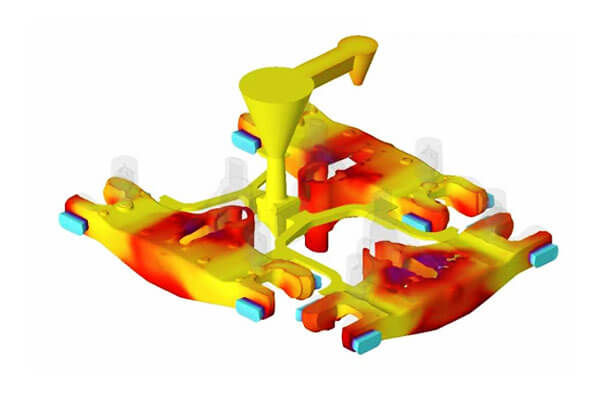
تتضمن منصات المحاكاة الشائعة Magmasoft®, المشتريات®, AnyCasting®, و FLOW-3D CAST, والتي توفر رؤى قيمة في عملية الصب.
المحاكاة تمكن المهندسين من:
- تصور ملء التجويف وتحديد الاضطراب.
- التنبؤ بانكماش التجاويف والمسامية.
- تحسين حجم البوابة, كمية, والموقع.
- تحسين التصلب الاتجاهي وكفاءة التغذية.
- تقليل تكاليف الصب التجريبي وتقصير دورات التطوير.
من خلال دمج التحقق الافتراضي في عملية التصميم, يمكن للمصنعين تحقيق عائد أعلى من التمريرة الأولى, تحسين جودة الصب, وتسريع تطوير المنتجات.
11. خاتمة
على الرغم من أن البوابة ليست سوى عنصر واحد من نظام البوابات, له تأثير عميق على الجودة, أداء, وقابلية تصنيع الصب.
لا تضمن البوابة المصممة بشكل صحيح ملء القالب بشكل سلس وكامل فحسب، بل تعزز أيضًا التغذية الفعالة, يقلل الاضطراب, يدعم التصلب الاتجاهي, ويقلل من احتمالية حدوث عيوب شائعة مثل الانكماش, المسامية, الادراج, والتمزق الساخن.
مع استمرار تقدم تكنولوجيا الصب, يتطور تصميم إنجيت من الممارسة القائمة على الخبرة إلى نظام هندسي يعتمد على البيانات مدعومًا بالمحاكاة الحسابية, تحسين العملية الرقمية, والتصنيع الذكي.
من خلال دمج نظرية التصلب, ديناميات السوائل, سلوك السبائك, واعتبارات الإنتاج في استراتيجية تصميم موحدة, يمكن للمسابك إنتاج المسبوكات بدقة أبعاد أعلى, تحسين الأداء الميكانيكي, وزيادة اتساق العملية.
أخيرًا, لا يعد التصميم الأمثل للبوابة مجرد ممر للمعادن المنصهرة - بل هو أداة هندسية مهمة تحدد جودة الصب, كفاءة الإنتاج, وموثوقية المكونات على المدى الطويل.
لذلك يعد إتقان مبادئ التصميم أمرًا ضروريًا لأي مسبك يسعى إلى تصنيع مصبوبات عالية الأداء مع تقليل العيوب, خفض تكاليف الإنتاج, وتلبية معايير الصناعة الصارمة بشكل متزايد.
تحتاج إلى دعم احترافي في تصميم بوابة الصب?
توفر صناعة LangHe:
- هندسة صب الاستثمار
- تحسين صب الرمل
- تحليل محاكاة الصب
- مراجعة سوق دبي المالي
اتصال مهندسينا لتقييم الصب مجانا.