

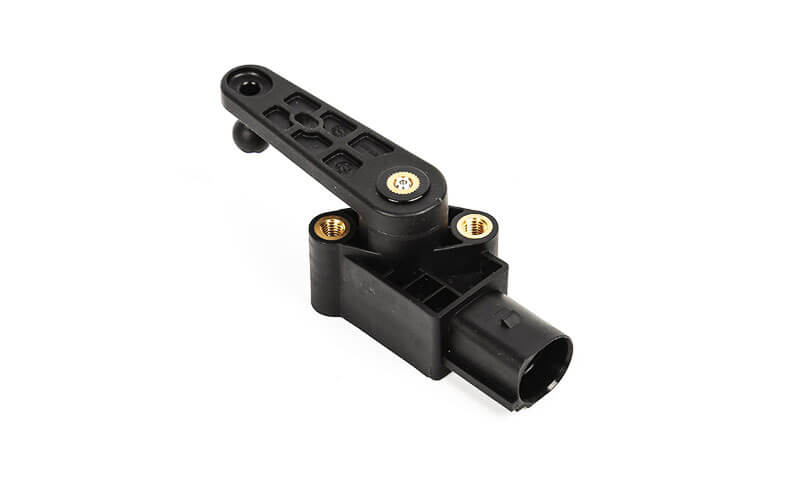
Các sản phẩm hiện đại ngày càng kết hợp nhựa với kim loại, dây dẫn điện, thành phần ren, nam châm, và các vật liệu chức năng khác.
Theo truyền thống, các bộ phận này được sản xuất riêng biệt và lắp ráp sau đó bằng vít, Báo chí phù hợp, tán đinh, chất kết dính, hoặc hàn.
Mặc dù các phương pháp như vậy vẫn hữu ích, họ thêm các bước lắp ráp, tăng số phần, và có thể đưa ra các vấn đề liên kết và độ tin cậy.
Chèn đúc cung cấp một phương pháp thay thế bằng cách tích hợp trực tiếp phần chèn được tạo hình sẵn vào thành phần polyme đúc trong quá trình ép phun.
Thay vì lắp ráp chi tiết chèn và phần nhựa sau khi đúc, phần chèn được định vị bên trong khuôn trước tiên, sau đó polyme nóng chảy chảy xung quanh nó và đông đặc lại để tạo thành một thành phần tích hợp cơ học.
Bài viết này giải thích các nguyên tắc, nguyên vật liệu, quy trình sản xuất, Cân nhắc thiết kế, thuận lợi, giới hạn, và ứng dụng của khuôn chèn, đặc biệt chú ý đến các yếu tố kỹ thuật quyết định chất lượng phần cuối cùng.
1. Chèn khuôn là gì?
Chèn khuôn là một Đúc phun quá trình trong đó một thành phần được sản xuất trước, được gọi là phần chèn, được đặt bên trong khoang khuôn và sau đó được bao bọc hoặc bao quanh một phần bằng nhựa nóng chảy.
Phần chèn có thể được làm từ kim loại, nhựa, gốm, vật liệu dẫn điện, hoặc chất nền cứng khác.
Sau khi polyme được bơm vào và làm nguội, phần chèn được tích hợp vĩnh viễn vào thành phần đúc.
Một quy trình đơn giản hóa có thể được biểu diễn dưới dạng:
Chuẩn bị hạt dao → Định vị hạt dao → Đóng khuôn → Ép nhựa → Đóng gói và làm mát → Mở khuôn → Đẩy ra
Do đó, thành phần kết quả là một lắp ráp đa vật liệu được sản xuất trong một hoạt động đúc đơn.
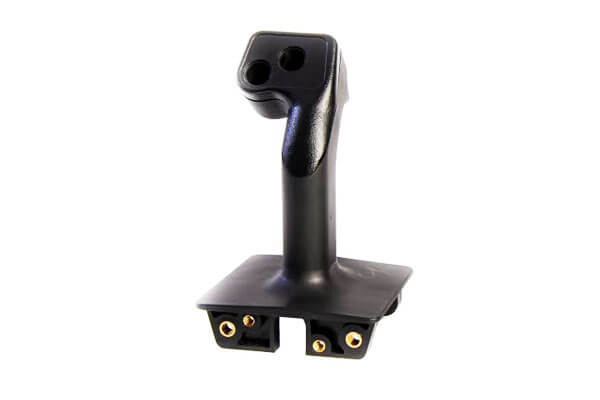
Khuôn chèn khác với khuôn ép tiêu chuẩn như thế nào
| Diện mạo | Đúc phun tiêu chuẩn | Chèn khuôn |
| Nguyên liệu chính | Polymer | Polymer + chèn được tạo hình sẵn |
| Chèn vị trí | Không bắt buộc | Bước sản xuất quan trọng |
| Cuộc họp | Thường được yêu cầu cho các sản phẩm đa vật liệu | Thường giảm đáng kể |
| Độ phức tạp của công cụ | Tương đối đơn giản | Cao hơn do vị trí chèn và tỷ lệ giữ chân |
| Kiểm soát kích thước | Chủ yếu liên quan đến polymer | Polymer + chèn dung sai |
| Tương tác vật chất | Chủ yếu là hành vi polymer | Tương tác nhiệt và cơ học giữa các vật liệu |
| Các ứng dụng điển hình | Vỏ nhựa, bao gồm, các bộ phận cấu trúc | Đầu nối, thành phần ren, cảm biến, bộ phận điện, thành phần gia cố |
Cách chèn khuôn tạo ra sự tích hợp cơ học
Mối quan hệ giữa vật liệu chèn và polyme đúc có thể được thiết kế theo nhiều cách.
Đối với miếng chèn kim loại có ren, Ví dụ, polyme có thể chảy xung quanh các đặc điểm bên ngoài được thiết kế đặc biệt như các mấu, rãnh, undercuts, hoặc xương sườn.
Sau khi làm mát, những đặc điểm này tạo ra khóa liên động cơ khí, làm cho vật chèn khó xoay hoặc kéo ra.
Đối với thiết bị đầu cuối điện, polyme có thể bao quanh một phần xác định của phần tử dẫn điện trong khi vẫn để lộ vùng tiếp xúc chức năng.
Sau đó, polyme đúc sẽ cung cấp vật liệu cách nhiệt, hỗ trợ cấu trúc, và ổn định vị trí.
Cơ chế tích hợp do đó phụ thuộc vào ứng dụng. Nó có thể liên quan:
- Lồng vào nhau cơ học qua các rãnh, càu nhàu, xương sườn, hoặc undercuts.
- Sự can thiệp được tạo ra bởi sự co ngót của polyme xung quanh phần chèn.
- Liên kết hóa học hoặc chất kết dính khi sử dụng vật liệu tương thích và xử lý bề mặt.
- Đóng gói hình học, trong đó polyme bao quanh vật liệu chèn và ngăn chặn sự chuyển động.
Trong các ứng dụng đòi hỏi khắt khe, một số cơ chế có thể hoạt động đồng thời.
2. Khuôn chèn hoạt động như thế nào?
Đúc khuôn bao gồm một số giai đoạn được kiểm soát, bắt đầu bằng việc chuẩn bị phần chèn và kết thúc bằng việc kiểm tra thành phần tích hợp đã hoàn thiện.
Quy trình đúc khuôn điển hình
Sản xuất hạt dao → Làm sạch và chuẩn bị → Kiểm tra kích thước → Tải hạt dao → Đóng khuôn → Phun polymer → Đóng gói → Làm mát → Mở khuôn → Đẩy ra → Kiểm tra kích thước và chức năng
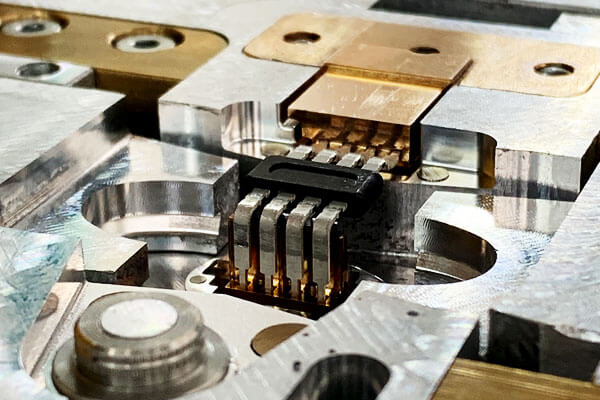
2.1 Chèn chuẩn bị
Quá trình bắt đầu với việc sản xuất và chuẩn bị hạt dao.
Để chèn kim loại, điều này có thể liên quan đến gia công CNC, dập, quay, tiêu đề lạnh, hình thành dây, mài, hoặc các quá trình gia công kim loại khác.
Phần chèn phải đáp ứng các yêu cầu về kích thước và bề mặt được xác định bởi thiết kế khuôn.
Điều kiện bề mặt đặc biệt quan trọng. Dầu, Thang đo oxit, chip gia công, và các chất gây ô nhiễm khác có thể cản trở liên kết polyme hoặc gây ra lỗi đúc.
Tùy thuộc vào ứng dụng, do đó chèn có thể trải qua:
- Tẩy dầu mỡ và làm sạch
- Làm nhám bề mặt
- Mạ
- Thụ động
- Điều trị hóa học
- Làm nóng trước
- Kiểm tra kích thước
Phần chèn cũng phải được kiểm tra xem có gờ và cạnh sắc không. Các gờ quá mức có thể làm hỏng khuôn hoặc tạo ra sự tập trung ứng suất cục bộ trong polyme đúc.
2.2 Chèn vị trí và định vị
Sau khi chuẩn bị, phần chèn được đặt vào một vị trí chuyên dụng trong khuôn.
Điều này có thể được thực hiện bằng tay, bán tự động, hoặc bằng hệ thống tải tự động.
Đối với các thành phần đơn giản, người vận hành có thể định vị các chi tiết chèn trực tiếp vào khoang khuôn.
Sản xuất khối lượng lớn thường được hưởng lợi từ việc chèn tự động, đặc biệt khi có nhiều phần chèn trên mỗi bộ phận hoặc khi cần có độ lặp lại chính xác.
Hệ thống định vị phải ngăn không cho hạt dao di chuyển trong quá trình đóng khuôn và phun polymer. Tùy thuộc vào hình học, phần chèn có thể được giữ lại bằng cách sử dụng:
- Ghim định vị
- lõi khuôn
- Sâu răng hoặc túi
- Giá đỡ từ tính
- Giữ chân không
- Kẹp cơ khí
- Đồ đạc chuyên dụng
Vị trí chèn đặc biệt quan trọng đối với các đầu nối điện và các bộ phận cơ khí chính xác, trong đó ngay cả một lỗi vị trí nhỏ cũng có thể ảnh hưởng đến khả năng tương thích của cụm hoặc hiệu suất chức năng.
2.3 Đóng khuôn
Khi phần chèn đã được định vị, khuôn đóng lại và vật liệu chèn được bao bọc trong khoang khuôn.
Ở giai đoạn này, thiết kế khuôn phải cung cấp đủ khoảng trống xung quanh phần chèn trong khi vẫn duy trì độ dày thành polymer cần thiết.
Dụng cụ cũng phải ngăn không cho vật chèn bị nghiền nát hoặc dịch chuyển.
Cho các ứng dụng chính xác, khuôn có thể kết hợp các tính năng định vị chuyên dụng hỗ trợ trực tiếp phần chèn trong quá trình ép phun.
Việc đóng khuôn đúng cách rất quan trọng vì bất kỳ sự không khớp nào xung quanh hạt dao đều có thể tạo ra các khuyết tật chớp nhoáng hoặc kích thước.
2.4 ép nhựa
Bộ phận phun sau đó làm dẻo polyme đã chọn và bơm vật liệu nóng chảy vào khoang khuôn.
Khi polyme chảy xung quanh hạt dao, nó lấp đầy không gian khoang có sẵn và tạo thành hình dạng bên ngoài của thành phần.
Giai đoạn này là một trong những phần nhạy cảm nhất về mặt kỹ thuật của quá trình đúc khuôn.. Quá trình này phải cân bằng:
- Áp suất phun
- Tốc độ phun
- Nhiệt độ nóng chảy
- Nhiệt độ khuôn
- Thiết kế cổng
- Đường dẫn dòng chảy
- Trút giận
Áp suất phun quá cao có thể gây ra dịch chuyển hạt dao, trong khi áp suất không đủ có thể dẫn đến việc đổ đầy không đầy đủ.
Vị trí cổng không phù hợp có thể tạo ra đường hàn, bẫy không khí, làm đầy không đều, hoặc căng thẳng quá mức xung quanh phần chèn.
Đối với các thành phần phức tạp, phân tích dòng chảy khuôn có thể được sử dụng để dự đoán hành vi làm đầy polymer trước khi hoàn thiện công cụ sản xuất.
2.5 Đóng gói và làm mát
Sau khi khoang được lấp đầy, áp suất giữ hoặc đóng gói được áp dụng để bù đắp cho sự co ngót của polymer trong quá trình hóa rắn.
Sau đó, bộ phận này nguội đi bên trong khuôn cho đến khi đạt đủ độ cứng để phóng ra..
Làm mát đặc biệt quan trọng trong quá trình đúc hạt dao vì hạt dao và polyme có thể có các đặc tính nhiệt rất khác nhau.
Ví dụ, một miếng kim loại thường có độ dẫn nhiệt cao hơn nhiều so với hầu hết các polyme.
Do đó nó có thể hoạt động như một bộ tản nhiệt cục bộ, thay đổi tốc độ làm mát của polymer xung quanh. Điều này có thể ảnh hưởng:
- Co rút cục bộ
- Ứng suất dư
- Độ kết tinh trong polyme bán tinh thể
- cong vênh
- Độ ổn định kích thước
- Tính toàn vẹn của giao diện
Do đó, Thiết kế kênh làm mát và kiểm soát nhiệt độ khuôn nên được xem xét xung quanh các phần chèn quan trọng thay vì xử lý toàn bộ thành phần như đồng nhất về nhiệt.
2.6 Mở khuôn và đẩy phần ra
Sau khi đã làm mát đầy đủ, khuôn mở ra và thành phần đúc chèn hoàn chỉnh được đẩy ra.
Việc đẩy ra phải được thiết kế cẩn thận vì polyme đúc có thể bám chặt vào phần chèn.
Lực đẩy quá mạnh có thể làm biến dạng nhựa, làm tổn thương các tính năng tinh tế, hoặc thay đổi vị trí chèn.
Đối với các thành phần có hình học phức tạp, chân phun, tay áo, người nâng, hoặc các cơ chế khác có thể được yêu cầu.
Hoạt động và kiểm tra thứ cấp
Tùy thuộc vào thiết kế thành phần, các hoạt động sau đúc có thể bao gồm việc cắt tỉa, chớp nhoáng, gia công, làm sạch chủ đề, bề mặt hoàn thiện, thử nghiệm điện, hoặc hiệu chỉnh kích thước.
Kiểm tra chất lượng thường bao gồm cả thân nhựa và giao diện chèn.
Các đặc điểm quan trọng có thể bao gồm vị trí chèn, độ đồng tâm, chiều dài tiếp xúc, tính toàn vẹn của chủ đề, sức mạnh kéo ra, điện trở quay, tính liên tục về điện, và độ chính xác kích thước tổng thể.
Đối với các thành phần có độ tin cậy cao, kiểm tra chức năng thường có ý nghĩa hơn so với chỉ kiểm tra kích thước.
Một chèn ren, Ví dụ, không chỉ phải được định vị chính xác mà còn phải chịu được mô-men xoắn lắp đặt và dịch vụ được chỉ định.
3. Các loại hạt dao được sử dụng trong khuôn chèn
Phần chèn là lõi chức năng xung quanh mà thành phần nhựa được đúc.
Chất liệu của nó, hình học, tình trạng bề mặt, và độ chính xác kích thước ảnh hưởng trực tiếp đến sức mạnh, độ tin cậy, và tuổi thọ của phần hoàn thiện.
Chèn ren
Mảnh dao có ren là một trong những mảnh dao phổ biến nhất được sử dụng trong ép phun.
Chúng thường được sản xuất từ đồng thau, thép không gỉ, Thép carbon, hoặc hợp kim kẽm và được nhúng vào thành phần nhựa để tạo ra kết nối ren bền.
Không giống như một sợi được hình thành trực tiếp bằng nhựa, miếng đệm kim loại có thể chịu được việc lắp ráp và tháo rời nhiều lần với nguy cơ bị tuột hoặc dão ren thấp hơn đáng kể.
có khía, có gân, hoặc các bề mặt bên ngoài được cắt xén thường được sử dụng để cải thiện khả năng liên kết cơ học giữa vật liệu chèn và polyme xung quanh..
Các ứng dụng điển hình bao gồm:
- Vỏ điện và điện tử
- Linh kiện nội, ngoại thất ô tô
- Sản phẩm tiêu dùng
- Vỏ công nghiệp
- Giá đỡ và điểm buộc chặt
Những cân nhắc thiết kế chính là việc duy trì hạt dao, sức cản kéo ra, lực cản mômen quay, và độ dày thành nhựa thích hợp xung quanh miếng đệm.
Danh bạ và thiết bị đầu cuối điện
Chèn điện được sử dụng khi thành phần đúc phải đồng thời cung cấp khả năng bảo vệ cấu trúc và kết nối điện.
Vật liệu phổ biến bao gồm đồng, thau, Phốt pho bằng đồng, và các hợp kim dẫn điện khác, đôi khi bằng niken, thiếc, bạc, hoặc mạ vàng.
Ví dụ điển hình bao gồm các chân kết nối, thiết bị đầu cuối, phần tử thanh cái, địa chỉ liên lạc nối đất, chuyển đổi thành phần, và các tiếp điểm dẫn điện.
Quá trình đúc phải ngăn chặn sự dịch chuyển của hạt dao và bảo vệ các bề mặt tiếp xúc quan trọng khỏi bị nhiễm bẩn polyme.
Độ chính xác về kích thước đặc biệt quan trọng vì vị trí của thiết bị đầu cuối có thể quyết định khả năng tương thích về điện và cơ của bộ phận lắp ráp cuối cùng.
Những cân nhắc chính bao gồm tính dẫn điện, điện trở tiếp xúc, kháng ăn mòn, tính toàn vẹn mạ, khoảng cách cách nhiệt, và độ ổn định kích thước trong quá trình đúc.
Chèn kim loại đóng dấu
Hạt dao có dập được sản xuất từ kim loại tấm bằng cách sử dụng phương pháp dập lũy tiến, đấm, uốn cong, hoặc các thao tác tạo hình trước khi đưa vào khuôn ép phun.
Chúng đặc biệt hữu ích khi một thành phần nhựa yêu cầu gia cố cục bộ hoặc chức năng cơ hoặc điện tích hợp.
Thép, thép không gỉ, nhôm, và hợp kim đồng thường được sử dụng.
Các phần chèn được đóng dấu có thể hoạt động như:
- Các yếu tố gia cố kết cấu
- Giá đỡ
- Linh kiện nối đất
- Yếu tố truyền nhiệt
- Dây dẫn điện
- Sườn hoặc khung gia cố
Bởi vì các bộ phận được dán tem có thể được sản xuất một cách kinh tế với số lượng lớn, chúng đặc biệt thích hợp cho các ứng dụng ô tô và điện.
Mảnh dao được gia công chính xác bằng máy CNC
Hạt dao được gia công bằng CNC được sử dụng khi thành phần nhúng yêu cầu dung sai kích thước chặt chẽ hơn, Hình học phức tạp, hoặc đặc điểm bề mặt chuyên dụng.
Thép không gỉ, nhôm, titan, thau, và hợp kim kỹ thuật có thể được gia công thành các hạt dao có độ chính xác cao trước khi đúc.
Những miếng chèn này thường được sử dụng trong thiết bị y tế, Các thành phần hàng không vũ trụ, dụng cụ chính xác, cảm biến công nghiệp, và các cụm cơ khí hiệu suất cao.
Gia công CNC cho phép các tính năng như lỗ khoan chính xác, chủ đề, rãnh, bề mặt định vị, và các đường viền phức tạp được kiểm soát độc lập với quá trình đúc.
Điều này đặc biệt có giá trị khi một số bề mặt chức năng nhất định không thể đạt được độ chính xác cần thiết về mặt kinh tế chỉ bằng cách ép phun..
Chèn gốm
Hạt dao gốm được chọn cho các ứng dụng yêu cầu các đặc tính mà kim loại và polyme thông thường không thể cung cấp.
Alumina và zirconia là những lựa chọn phổ biến vì khả năng chịu nhiệt độ cao, Cách điện điện, độ cứng, và đeo điện trở.
Chúng có thể được sử dụng trong:
- Các thành phần cách điện điện
- Cụm nhiệt độ cao
- Các thành phần chống hao mòn
- Vỏ cảm biến
- Thiết bị y tế và công nghiệp chuyên dụng
Gốm sứ vốn có tính giòn, Tuy nhiên, vì vậy tải khuôn, chèn xử lý, Sốc nhiệt, và kẹp cơ học phải được kiểm soát cẩn thận.
Polyme được chọn để đúc cũng phải tương thích với đặc tính giãn nở nhiệt của gốm.
Chèn kính
Thủy tinh có thể được tích hợp vào các thành phần polyme đúc khi độ trong suốt quang học, kháng hóa chất, hoặc kiểm tra trực quan là cần thiết.
Thủy tinh Borosilicate đặc biệt hữu ích vì hệ số giãn nở nhiệt tương đối thấp và độ ổn định nhiệt và hóa học tốt..
Các ứng dụng điển hình bao gồm cửa sổ quan sát, Thành phần quang học, chỉ báo mức chất lỏng, cảm biến, và các sản phẩm y tế hoặc phòng thí nghiệm chuyên dụng.
Thiết kế khuôn phải bảo vệ kính khỏi ứng suất cơ học và sốc nhiệt quá mức. Định vị chính xác cũng rất cần thiết khi kính hoạt động như một bề mặt quang học hoặc bịt kín.
Vật liệu chèn polyme
Đúc khuôn không giới hạn ở vật liệu kim loại và vô cơ. Một thành phần polyme được tạo hình sẵn cũng có thể được đúc thành một loại polyme khác khi yêu cầu các đặc tính vật liệu khác nhau trong cùng một tổ hợp.
Ví dụ, nhựa kỹ thuật cứng có thể cung cấp hỗ trợ về mặt cấu trúc trong khi chất đàn hồi mềm hơn mang lại khả năng bịt kín hoặc cách ly rung động.
Các vật liệu như PEEK, PTFE, TPU, và các polyme kỹ thuật khác do đó có thể đóng vai trò là vật liệu chèn tùy thuộc vào ứng dụng.
Thách thức kỹ thuật chính là đạt được đủ liên kết bề mặt hoặc khả năng duy trì cơ học giữa hai polyme..
Sự khác biệt về nhiệt độ nóng chảy, Mở rộng nhiệt, Khả năng tương thích hóa học, và độ co ngót phải được xem xét trong quá trình lựa chọn vật liệu và thiết kế khuôn.
4. Vật liệu để đúc khuôn
Lựa chọn vật liệu cho khuôn chèn bao gồm hai quyết định riêng biệt nhưng có mối liên hệ với nhau: vật liệu chèn Và nhựa đúc.
Hai vật liệu này phải chịu được nhiệt độ và áp suất đúc trong khi vẫn đảm bảo khả năng duy trì cơ học đầy đủ., sự ổn định kích thước, Và, nơi áp dụng, khả năng tương thích hóa học hoặc điện.
Vật liệu chèn phổ biến
| Chèn vật liệu | Đặc điểm chính | Các ứng dụng điển hình | Những cân nhắc quan trọng |
| Thau | Khả năng gia công tuyệt vời, độ dẫn tốt, kháng ăn mòn | Chèn ren, thiết bị đầu cuối, Đầu nối điện | Quá trình oxy hóa, yêu cầu mạ, Mở rộng nhiệt |
| thép không gỉ | Sức mạnh cao, kháng ăn mòn, chịu nhiệt độ | Thuộc về y học, Ô tô, Thành phần công nghiệp | Chi phí gia công cao hơn; chèn chuẩn bị bề mặt |
| Thép cacbon | Cường độ cao và chi phí tương đối thấp | Chèn kết cấu, buộc chặt, thành phần gia cố | Bảo vệ chống ăn mòn có thể được yêu cầu |
| Nhôm | Nhẹ, dẫn điện, Độ dẫn nhiệt tốt | Tản nhiệt, chèn cấu trúc, Thành phần ô tô | Độ cứng và độ bền thấp hơn nhiều loại thép |
| Hợp kim đồng | Độ dẫn điện và nhiệt cao | Địa chỉ liên lạc điện, thiết bị đầu cuối, chèn dẫn điện | Chi phí vật liệu và quá trình oxy hóa |
Titan |
Sức mạnh cụ thể cao, kháng ăn mòn, Mật độ thấp | Hàng không vũ trụ, thuộc về y học, linh kiện hiệu suất cao | Chi phí vật liệu và gia công cao |
| Gốm sứ | Chịu nhiệt độ cao, độ cứng, Cách điện điện | Cảm biến, chất cách điện, mặc thành phần | Độ giòn và độ nhạy sốc nhiệt |
| Thủy tinh | Tính minh bạch, ổn định hóa học, sự ổn định kích thước | Bộ phận quang học, kính ngắm, cảm biến | Tính dễ vỡ và độ nhạy sốc nhiệt |
| Nhựa kỹ thuật | Nhẹ, kháng hóa chất, Tính chất cơ học được thiết kế riêng | Lắp ráp đa vật liệu, hải cẩu, linh kiện cách điện | Khả năng tương thích và liên kết polymer |
Nhựa nhiệt dẻo để đúc khuôn
Nhựa nhiệt dẻo là vật liệu đúc được sử dụng rộng rãi nhất vì chúng có thể được nung nóng, tiêm xung quanh phần chèn, và đông đặc lại thành một thành phần có hình dạng chính xác.
Việc lựa chọn nhựa phụ thuộc vào tải trọng cơ học, nhiệt độ, Phơi nhiễm hóa học, yêu cầu về điện, vẻ bề ngoài, và tuổi thọ sử dụng dự kiến.
| Nhựa đúc | Thuộc tính chính | Các ứng dụng điển hình | Chèn khả năng tương thích |
| ABS | Chống va đập tốt, sự ổn định kích thước, bề mặt xuất hiện | Vỏ, Thành phần ô tô, sản phẩm tiêu dùng | Tuyệt vời với các miếng chèn kim loại thông thường |
| Nylon (PA6 / PA66) | Sức mạnh cao, Đang đeo điện trở, khả năng nhiệt độ | ô tô, Bánh răng, Các thành phần cấu trúc | Xuất sắc; điều hòa độ ẩm nên được xem xét |
| Polycarbonate (máy tính) | Sức mạnh tác động cao, tính minh bạch, điện trở nhiệt | Vỏ điện tử, thiết bị y tế, Thành phần quang học | Tốt |
| POM (Acetal) | Ma sát thấp, độ cứng cao, ổn định chiều tốt | Bánh răng, ống lót, Các thành phần cơ học chính xác | Tốt; Cần phải kiểm soát cẩn thận các điều kiện đúc |
| PBT | Cách điện tốt, kháng hóa chất, sự ổn định kích thước | Đầu nối, cảm biến, linh kiện điện ô tô | Xuất sắc |
PEEK |
Sức mạnh cao, Kháng hóa chất tuyệt vời, khả năng chịu nhiệt độ cao | Hàng không vũ trụ, thuộc về y học, linh kiện bán dẫn và công nghiệp đòi hỏi khắt khe | Tuyệt vời cho các ứng dụng hiệu suất cao |
| PP | Mật độ thấp, kháng hóa chất, chi phí thấp | ô tô, sản phẩm tiêu dùng, Thành phần công nghiệp | Tốt; độ bám dính bề mặt có thể yêu cầu xem xét đặc biệt |
| TPU | Độ đàn hồi, Kháng mài mòn, Hấp thụ tác động | Hải cẩu, nắm chặt, bánh xe, thành phần linh hoạt | Tốt, đặc biệt cho khóa liên động cơ khí |
| LSR | Tính linh hoạt tuyệt vời, chịu nhiệt độ, khả năng chịu thời tiết và tương thích sinh học | Con dấu y tế, cơ hoành, Thưa những miếng đệm, thành phần cảm ứng mềm | Tuyệt vời khi được thiết kế phù hợp để liên kết cơ học hoặc hóa học |
Khả năng tương thích vật liệu là rất quan trọng
Phần chèn và polyme không chỉ cùng tồn tại bên trong thành phần đã hoàn thiện; chúng tạo thành một hệ thống tổng hợp chịu nhiệt, cơ học, và áp lực môi trường trong suốt thời gian sử dụng của nó.
Một trong những yếu tố quan trọng nhất là Mở rộng nhiệt. Kim loại thường có hệ số giãn nở nhiệt thấp hơn nhiều loại polyme.
Trong quá trình đúc và làm nguội tiếp theo, sự khác biệt này có thể tạo ra ứng suất dư tại bề mặt tiếp xúc vật liệu chèn-polymer. Căng thẳng quá mức có thể gây ra nứt, WARPAGE, khoảng cách giao diện, hoặc giảm độ bền lưu giữ.
Nhiệt độ đúc cũng phải duy trì dưới nhiệt độ mà vật liệu chèn trải qua những thay đổi về kích thước hoặc luyện kim không mong muốn..
Ngược lại, polyme phải có đủ dòng chảy nóng chảy để bao quanh hoàn toàn phần chèn và lấp đầy các vùng hẹp mà không tạo ra các khoảng trống hoặc sự đóng gói không hoàn chỉnh.
Điều kiện bề mặt cũng quan trọng không kém. Tùy thuộc vào ứng dụng, bề mặt chèn có thể bị khía, có rãnh, xử lý hóa học, mạ, thô ráp, hoặc được sửa đổi theo cách khác để cải thiện khả năng khóa liên động hoặc độ bám dính cơ học.
Để chèn điện, Tuy nhiên, bề mặt tiếp xúc chức năng có thể cần phải luôn sạch sẽ và không bị nhiễm bẩn polyme.
5. Chèn quy trình sản xuất khuôn
Việc đúc chèn có thể được thực hiện thông qua các cấu hình sản xuất khác nhau tùy thuộc vào độ phức tạp của bộ phận, Khối lượng sản xuất, chèn hình học, yêu cầu lao động, và độ chính xác kích thước.
| Quá trình sản xuất | Sự miêu tả | Ưu điểm chính |
| Tải chèn thủ công | Người vận hành đặt thủ công từng hạt dao vào khuôn trước chu kỳ phun. Sau khi xác nhận vị trí chèn, khuôn đóng lại và polyme được bơm xung quanh nó. | Đầu tư ban đầu thấp; linh hoạt cho những thay đổi thiết kế thường xuyên; phù hợp với cấu hình chèn phức tạp. |
| Đúc khuôn bán tự động | Các phần chèn được chuẩn bị hoặc cung cấp tự động, trong khi các nhà khai thác thực hiện tải, định vị, hoặc kiểm tra cuối cùng. Một số giai đoạn của chu trình đúc được tự động hóa. | Năng suất và tính nhất quán cao hơn so với tải thủ công hoàn toàn mà không cần đầu tư cho tự động hóa hoàn toàn. |
| Đúc khuôn hoàn toàn tự động | Robot, hệ thống gắp và đặt, người cho ăn, cảm biến, và hệ thống thị giác tự động tải phần chèn, xác minh sự hiện diện và định hướng của họ, thực hiện đúc, và loại bỏ các thành phần đã hoàn thành. | Hiệu quả sản xuất cao; định vị chèn nhất quán; giảm lao động; cải thiện khả năng truy xuất nguồn gốc và độ lặp lại. |
| ép phun dọc | Khuôn đóng theo chiều dọc, thường cho phép đặt các hạt dao vào nửa khuôn dưới trước khi phun. | Vị trí chèn dễ dàng; khả năng tiếp cận tốt; giảm nguy cơ dịch chuyển chèn trong quá trình tải; thích hợp cho việc tải thủ công hoặc tự động. |
Dọc vs. ép phun ngang |
Máy nằm ngang bơm polymer vào khuôn được đặt nằm ngang, trong khi máy đứng sử dụng khuôn định hướng theo chiều dọc. Cấu hình tối ưu phụ thuộc vào hình dạng hạt dao, Kích thước một phần, chiến lược tự động hóa, và yêu cầu sản xuất. | Lựa chọn máy chính xác có thể cải thiện độ ổn định của hạt dao, hiệu quả chu trình, khả năng tương thích tự động hóa, và tổng chi phí sản xuất. |
| Khuôn chèn nhiều khoang | Một khuôn chứa nhiều khoang giống hệt nhau, với các hạt dao được định vị trong mỗi khoang trước khi tiêm đồng thời. | Sản lượng cao trên mỗi chu kỳ; chi phí đơn vị thấp hơn ở khối lượng sản xuất đủ; sử dụng hiệu quả thời gian của máy. |
6. Chèn các cân nhắc về thiết kế khuôn
Đúc chèn thành công bắt đầu từ thiết kế thay vì sản xuất. Phần chèn, polymer, khuôn, và điều kiện xử lý phải được coi là một hệ thống tích hợp.
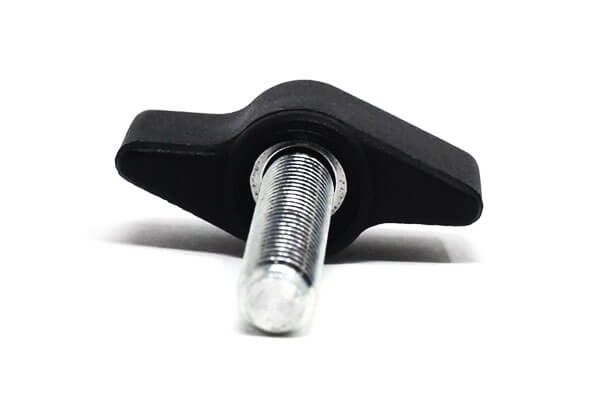
Chèn hình học và lưu giữ cơ học
Hình dạng của hạt dao có ảnh hưởng trực tiếp đến độ bền của cụm đúc.
Một vật chèn hình trụ nhẵn có thể cung cấp khả năng chống xoay hoặc kéo ra tương đối hạn chế, trong khi đó, rãnh, xương sườn, lỗ, hoặc các tính năng khóa cơ học khác có thể cải thiện đáng kể khả năng lưu giữ.
Ví dụ, một miếng chèn bằng đồng có ren được sử dụng trong vỏ nhựa không nên chỉ dựa vào polyme xung quanh để chống lại mô-men xoắn lắp đặt.
Hình dạng khía hoặc rãnh bên ngoài được thiết kế phù hợp sẽ phân phối tải trọng vào polyme và giảm khả năng xoay hạt dao.
Do đó, thiết kế nên phân biệt giữa:
- Duy trì trục, ngăn không cho phần chèn bị kéo ra.
- duy trì quay, ngăn không cho vật chèn quay.
- Duy trì bên, điều khiển chuyển động trong thành phần đúc.
- Độ chính xác vị trí, xác định vị trí cuối cùng của giao diện chức năng.
Độ dày của tường xung quanh phần chèn
Độ dày polymer thích hợp phải được duy trì xung quanh hạt dao để cung cấp hỗ trợ cấu trúc và cho phép lấp đầy đáng tin cậy.
Nếu tường xung quanh quá mỏng, polyme có thể nguội sớm hoặc phát triển ứng suất quá mức. Nếu nó quá dày, co ngót cục bộ và vết lõm có thể xảy ra.
Là nguyên tắc thiết kế chung, polyme sẽ chuyển đổi dần dần xung quanh vật chèn thay vì hình thành những thay đổi đột ngột về độ dày thành.
Kích thước chính xác phụ thuộc vào nhựa, chèn kích thước, điều kiện đúc, và yêu cầu cơ học.
Góc nháp và phóng
Bản nháp nên được đưa vào bề mặt khuôn bất cứ khi nào có thể để tạo điều kiện thuận lợi cho việc giải phóng bộ phận.
Luồng gió không đủ sẽ làm tăng lực đẩy và có thể gây trầy xước, sự biến dạng, hoặc hư hỏng xung quanh phần chèn.
Sự hiện diện của vật chèn cũng có thể làm phức tạp quá trình phóng vì kim loại và polyme có đặc tính co ngót khác nhau..
Người thiết kế công cụ phải đảm bảo rằng các chốt đẩy, người nâng, slide, và các cơ chế khác không can thiệp vào việc chèn.
Vị trí cổng và dòng chảy polymer
Vị trí cổng đặc biệt quan trọng trong quá trình đúc hạt dao vì hạt dao có thể cản trở dòng polyme và tạo ra các đường hàn, bẫy khí, hoặc làm đầy không đều.
Cổng thường phải được đặt sao cho polyme chảy trơn tru xung quanh hạt dao thay vì tác động trực tiếp vào bộ phận dễ vỡ hoặc được hỗ trợ kém..
Đối với các thành phần phức tạp, nhiều cổng hoặc tiêm tuần tự có thể được xem xét để đạt được sự lấp đầy cân bằng.
Mô phỏng dòng chảy có thể giúp dự đoán:
- thời gian làm đầy
- Hình thành đường hàn
- Bẫy không khí
- Phân phối áp lực
- Định hướng sợi
- Chèn chuyển vị
- Những cú đánh ngắn tiềm năng
Điều này đặc biệt có giá trị đối với các bộ phận đúc chèn có kích thước lớn hoặc được thiết kế kỹ thuật cao..
Giãn nở nhiệt và ứng suất dư
Một trong những vấn đề thiết kế quan trọng nhất là sự khác biệt về độ giãn nở nhiệt giữa vật liệu chèn và vật liệu polyme..
Kim loại thường có hệ số giãn nở nhiệt thấp hơn nhiều loại nhựa nhiệt dẻo.
Khi phần đúc nguội từ nhiệt độ xử lý đến nhiệt độ phòng, sự co lại khác biệt có thể tạo ra ứng suất xung quanh bề mặt.
Đối với các cụm lắp ráp chính xác, kỹ sư nên đánh giá:
- Chèn vật liệu
- Hệ số giãn nở nhiệt của polymer
- Nhiệt độ xử lý
- Phạm vi nhiệt độ hoạt động
- Chèn kích thước
- Độ dày đóng gói
- Chu kỳ nhiệt dự kiến
Điều này trở nên đặc biệt quan trọng trong ô tô, điện tử, và các ứng dụng nhiệt độ cao.
Khả năng tương thích vật chất
Vật liệu chèn và polyme phải tương thích không chỉ về mặt cơ học mà còn về mặt hóa học và nhiệt..
Các vấn đề tiềm ẩn bao gồm ăn mòn, Tấn công hóa học, độ bám dính kém, tương tác điện, hấp thụ độ ẩm, và sự xuống cấp trong quá trình đúc.
Ví dụ, các polyme kỹ thuật nhạy cảm với độ ẩm như một số loại nylon và PEEK nhất định cần phải sấy khô thích hợp trước khi xử lý.
Kiểm soát độ ẩm không đúng cách có thể gây thủy phân, giảm tính chất cơ học, Khiếm khuyết bề mặt, hoặc sự bất ổn về chiều.
Tình trạng bề mặt của mảnh dao
Tình trạng bề mặt hạt dao ảnh hưởng mạnh mẽ đến chất lượng và độ lặp lại của bề mặt đúc.
Bề mặt nhẵn có thể thích hợp khi cần lắp ráp được kiểm soát hoặc độ dẫn điện, trong khi các bề mặt có kết cấu có thể tạo ra sự liên kết cơ học tốt hơn.
Tùy thuộc vào ứng dụng, chèn có thể:
- có khía
- có rãnh
- đục lỗ
- tráng
- mạ
- làm nhám
- Xử lý hóa học
Việc xử lý bề mặt được lựa chọn phải tương thích với môi trường polyme và dịch vụ thay vì chỉ chọn cho bề ngoài..
Thông hơi khuôn
Sự thông hơi thích hợp là điều cần thiết khi polyme chảy xung quanh hạt dao. Không khí bị mắc kẹt giữa thành đệm và thành khoang có thể gây bỏng, khoảng trống, đóng gói không đầy đủ, hoặc vùng giao diện yếu.
Do đó, các lỗ thông hơi nên được đặt ở những vị trí có khả năng tích tụ không khí, đặc biệt là ở gần cuối đường dẫn dòng chảy và xung quanh các hình học chèn phức tạp.
Chèn dung sai và độ chính xác định vị
Dung sai kích thước của vật chèn phải được xem xét cùng với dung sai của nhựa đúc.
Đối với các cụm lắp ráp có độ chính xác cao, vị trí chèn có thể cần phải được kiểm soát theo nhiều trục vì ngay cả một lỗi vị trí nhỏ cũng có thể ảnh hưởng đến việc căn chỉnh đầu nối, độ đồng tâm của trục, độ chính xác buộc chặt, hoặc khoảng cách tiếp xúc điện.
Do đó, bản vẽ khuôn chèn thực tế phải xác định các kích thước quan trọng đối với chức năng thay vì áp dụng dung sai chặt chẽ không cần thiết cho mọi tính năng.
Tự động hóa và sản xuất khối lượng lớn
Để sản xuất hàng loạt, thiết kế phải được tối ưu hóa để nạp hạt dao tự động và định vị từng chu kỳ một cách đáng tin cậy.
Các tính năng cho phép hạt dao chỉ được định hướng theo một hướng có thể giảm đáng kể lỗi lắp ráp.
Hệ thống tự động có thể sử dụng thiết bị robot gắp và đặt, bát ăn, kiểm tra thị lực, cảm biến, và tải khuôn tự động.
Thiết kế phần chèn và dụng cụ cho tự động hóa có thể cải thiện đáng kể tính nhất quán trong sản xuất đồng thời giảm yêu cầu lao động.
7. Ưu điểm của khuôn chèn
| Lợi thế | Giải thích |
| Tích hợp thiết kế | Kết hợp nhiều thành phần (chèn + nhựa) thành một, phần tích hợp, giảm lắp ráp và xử lý. |
| Giảm chi phí | Loại bỏ các hoạt động phụ (VÍ DỤ., dán, nhấn, hàn) và giảm chi phí lắp ráp. |
| Cải thiện tính chất cơ học | Nhựa bao bọc phần chèn, tạo ra một mạnh mẽ, liên kết bền, thường có khóa liên động cơ khí. |
| Hiệu suất nâng cao | Kết hợp các đặc tính tốt nhất của cả hai vật liệu: độ bền và độ dẫn điện của vật liệu chèn với tính linh hoạt trong thiết kế và khả năng chống ăn mòn của nhựa. |
| Tự do thiết kế | Cho phép hình học phức tạp, quá mức, và các thành phần đa vật liệu. |
Độ ổn định kích thước |
Mảnh dao mang lại sự ổn định và chính xác về kích thước. |
| Tích hợp chức năng | Cho phép các tính năng chức năng (chủ đề, Tiếp điểm điện, hải cẩu, vân vân.) được tích hợp trực tiếp vào phần. |
| Giảm cân | Thay thế các cụm kim loại nặng hơn bằng các tổ hợp kim loại-nhựa nhẹ hơn. |
| Kháng ăn mòn | Nhựa bảo vệ phần chèn khỏi bị ăn mòn và tấn công của môi trường. |
| Cách điện | Nhựa cung cấp lớp cách nhiệt xung quanh miếng đệm. |
8. Các ứng dụng của khuôn chèn
Đúc chèn được sử dụng rộng rãi khi thành phần polyme đúc phải kết hợp với kim loại, gốm, thủy tinh, hoặc vật liệu chế tạo khác như một bộ phận không thể thiếu của tổ hợp hoàn thiện.
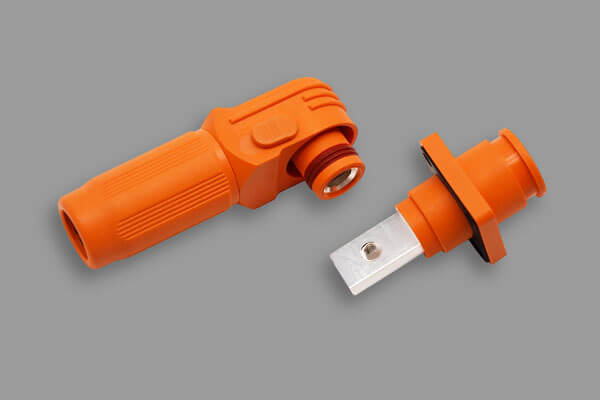
Thành phần ô tô
Các Ô tô công nghiệp là một trong những lĩnh vực ứng dụng chính của khuôn đúc.
Các miếng chèn kim loại có thể cung cấp khả năng gia cố cấu trúc hoặc các điểm buộc chặt đáng tin cậy trong khi polyme xung quanh giúp giảm trọng lượng và tích hợp các chức năng bổ sung.
Các ứng dụng điển hình bao gồm:
- Đầu nối và thiết bị đầu cuối điện ô tô
- Vỏ cảm biến và các bộ phận lắp đặt
- Điểm lắp ren
- Ống lót và ổ trục đỡ
- Bộ phận chuyển mạch và điều khiển
- Các bộ phận của hệ thống nhiên liệu và chất lỏng
- Các bộ phận điện dưới mui xe
Các thành phần điện và điện tử
Đúc chèn đặc biệt hiệu quả đối với các bộ phận điện vì các miếng chèn kim loại dẫn điện có thể được bọc trong các polyme cách điện.
đồng, thau, Phốt pho bằng đồng, và các hợp kim dẫn điện khác thường được sử dụng cho thiết bị đầu cuối, ghim, Liên hệ, và các thành phần liên quan đến thanh cái.
Polyme đúc cung cấp khả năng cách điện trong khi vẫn duy trì vị trí chính xác của các phần tử dẫn điện.
Các ứng dụng bao gồm:
- Đầu nối điện
- Khối thiết bị đầu cuối
- Chuyển đổi thành phần
- Vỏ cảm biến
- Các thành phần cuộn dây và động cơ
- Đầu nối dây và cáp
- Mô-đun điều khiển điện tử
Thành phần y tế và chăm sóc sức khỏe
Thuộc về y học các thiết bị thường yêu cầu các bộ phận nhỏ gọn kết hợp các tính năng cơ học chính xác với các polyme tương thích sinh học hoặc kháng hóa chất.
Khuôn chèn có thể tích hợp các thành phần bằng thép không gỉ, chân chính xác, phần tử ren, và các chi tiết chèn chức năng khác trực tiếp vào vỏ polyme.
Các ứng dụng điển hình bao gồm:
- Dụng cụ phẫu thuật và chẩn đoán
- Đầu nối y tế
- Các bộ phận xử lý chất lỏng
- Vỏ thiết bị
- Bộ dụng cụ y tế dùng một lần
- Linh kiện định vị chính xác
Thiết bị và máy móc công nghiệp
Các sản phẩm công nghiệp thường xuyên yêu cầu chèn kim loại có ren, ống lót chịu mài mòn, trục, các thành phần gia cố, hoặc các bộ phận lắp đặt chính xác trong cấu trúc polyme.
Các ứng dụng bao gồm:
- Vỏ máy
- Tay cầm công nghiệp
- Bộ phận bánh răng và truyền động
- Vòng bi và ống lót
- Linh kiện thủy lực và khí nén
- Thiết bị điều khiển
- Cảm biến công nghiệp
Sản phẩm tiêu dùng và gia dụng
Sản phẩm tiêu dùng được hưởng lợi từ việc đúc khuôn khi xuất hiện, hiệu quả lắp ráp, và tích hợp chức năng là quan trọng.
Ví dụ bao gồm:
- Vỏ dụng cụ điện
- Linh kiện thiết bị
- Vỏ máy ảnh và thiết bị điện tử
- Tay cầm và tay cầm
- Phần cứng đồ nội thất
- Thiết bị thể thao
- Sản phẩm chăm sóc cá nhân
Ứng dụng hàng không vũ trụ và hiệu suất cao
Các ứng dụng hàng không vũ trụ đặt ra những yêu cầu đặc biệt khắt khe về vật liệu và tính nhất quán trong sản xuất.
Các mảnh kim loại được gia công chính xác có thể được nhúng vào các polyme kỹ thuật hiệu suất cao như PEEK hoặc nhựa nhiệt dẻo gia cố.
Các ứng dụng tiềm năng bao gồm:
- Thành phần kết cấu nhẹ
- Đầu nối điện
- Cụm cảm biến
- Phần cứng bên trong máy bay
- Vỏ nhiệt độ cao
- Các bộ phận buộc chặt chính xác
9. Chèn khuôn so với. Các phương pháp sản xuất khác
Đúc chèn không hoàn toàn vượt trội so với lắp ráp thông thường hoặc các công nghệ đúc khác. Giá trị cơ bản của nó đến từ việc tích hợp nhiều chức năng sản xuất vào một thành phần.
Quy trình thích hợp phụ thuộc vào khối lượng sản xuất, một phần hình học, sự kết hợp vật liệu, hiệu suất cần thiết, và tổng chi phí sản xuất.
| Phương pháp sản xuất | Cách tiếp cận cơ bản | Thuận lợi | Giới hạn | Phù hợp nhất cho |
| Chèn khuôn | Khuôn polyme trực tiếp xung quanh phần chèn được định vị trước. | Tích hợp các thành phần; giảm lắp ráp; tính nhất quán vị trí tuyệt vời; Thiết kế nhỏ gọn. | Yêu cầu công cụ tương thích với hạt dao và thiết kế vật liệu/quy trình cẩn thận. | Bộ phận kim loại-nhựa, đầu nối, thành phần ren, vỏ chính xác. |
| Đúc phun thông thường + Cuộc họp | Tạo khuôn các bộ phận polyme riêng biệt và lắp ráp các chi tiết chèn sau đó. | Tính linh hoạt cao; dụng cụ đúc đơn giản; thay thế linh kiện dễ dàng. | Lao động bổ sung, thiết bị lắp ráp, và tích lũy dung sai. | Sản phẩm yêu cầu thay đổi thành phần thường xuyên hoặc độ phức tạp lắp ráp thấp. |
| Quá mức | Lớp polyme thứ hai được đúc trên polyme hoặc thành phần hiện có. | Công thái học tốt, niêm phong, và chức năng đa vật liệu. | Liên kết polyme với polyme có thể yêu cầu lựa chọn vật liệu cẩn thận. | Tay cầm, hải cẩu, sản phẩm mềm mại, thành phần đa vật liệu. |
| Buộc chặt cơ học | Ốc vít, bu lông, clip, hoặc các ốc vít khác nối các thành phần riêng biệt. | Dễ dàng tháo gỡ và bảo trì; công nghệ có uy tín cao. | Nhiều thành phần hơn; chi phí lắp ráp cao hơn; kích thước gói lớn hơn. | Các sản phẩm và cụm lắp ráp có thể sử dụng được cần phải tháo rời. |
Press-Fit hội |
Một phần chèn được ép cơ học vào một tính năng được đúc hoặc gia công. | Đơn giản và tiết kiệm; không cần thêm chất kết dính. | Yêu cầu kiểm soát nhiễu chính xác; lực chèn có thể làm hỏng các bộ phận. | Ống lót, ghim, Vòng bi, và chèn kim loại đơn giản. |
| Liên kết dính | Chất kết dính nối polymer và chèn hoặc nhiều thành phần. | Có thể nối các vật liệu khác nhau và phân bổ ứng suất trên một diện tích lớn. | Thời gian chữa bệnh, Chuẩn bị bề mặt, Lão hóa, và khả năng tương thích hóa học có thể là mối quan tâm. | Niêm phong, liên kết cấu trúc, và các tổ hợp vật liệu khác nhau phức tạp. |
| Đúc kim loại | Chèn kim loại được kết hợp trong quá trình đúc kim loại. | Thích hợp cho các thành phần chủ yếu là kim loại và các ứng dụng nhiệt độ cao. | Nhiệt độ cao hơn hạn chế việc lựa chọn hạt dao và vật liệu. | Vỏ kim loại và các bộ phận yêu cầu tính năng nhúng. |
10. Giải pháp khuôn chèn tùy chỉnh từ LangHe Tech
Một nhà cung cấp khuôn ép chèn đáng tin cậy sẽ cung cấp nhiều hơn công suất ép phun.
Chất lượng của thành phần cuối cùng phụ thuộc vào sự tương tác giữa quá trình sản xuất hạt dao, Thiết kế khuôn, lựa chọn polyme, thông số tiêm, Kiểm soát kích thước, và kiểm tra sau đúc.
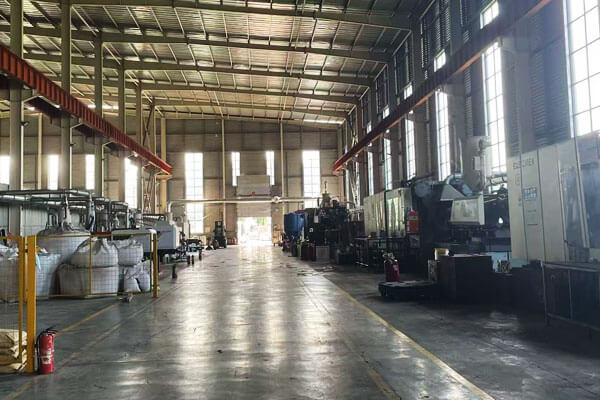
Công nghệ LangHe có thể tiếp cận việc đúc chèn tùy chỉnh như một quy trình sản xuất tích hợp, bắt đầu với các yêu cầu chức năng và bản vẽ kỹ thuật của khách hàng và mở rộng thông qua việc chế tạo dụng cụ, đúc, điều tra, và giao hàng sản xuất.
| Khả năng | Chi tiết |
| Chèn vật liệu | Thau, đồng, thép không gỉ, nhôm, titan, PEEK, gốm sứ, thủy tinh. |
| Nhựa | ABS, nylon (PA6, PA66), máy tính, POM, PBT, PEEK, PP, TPU, LSR, và các lớp tùy chỉnh. |
| Chèn các loại | Chèn ren, Tiếp điểm điện, chèn dập, hạt dao được gia công chính xác, chèn tùy chỉnh. |
| Đúc | Đúc phun, quá mức, đúc hai lần, Đúc nén. |
| chèn | Thủ công, bán tự động, chèn robot hoàn toàn tự động. |
| Chất lượng | ISO 9001:2015 được chứng nhận; 100% điều tra; Cmm; hệ thống tầm nhìn. |
| Thời gian dẫn đầu | 2–4 tuần đối với nguyên mẫu; 4–6 tuần đối với dụng cụ sản xuất. |
11. Phần kết luận
Đúc khuôn là một công nghệ sản xuất hiệu quả cao để tích hợp kim loại, gốm, thủy tinh, hoặc các vật chèn khác trực tiếp vào các bộ phận nhựa nhiệt dẻo hoặc đàn hồi.
Ưu điểm cơ bản của nó là tích hợp chức năng: nhiều vật liệu và chức năng có thể được kết hợp thành một thành phần đúc duy nhất đồng thời giảm các hoạt động lắp ráp tiếp theo.
Tuy nhiên, việc đúc chèn thành công phụ thuộc vào nhiều điều hơn là chỉ đơn giản đặt một miếng chèn vào bên trong khuôn.
Chèn hình học, lựa chọn polyme, Mở rộng nhiệt, Thiết kế khuôn, áp suất phun, hành vi lấp đầy, làm mát, Tự động hóa, và kiểm tra chất lượng phải được xem xét cùng nhau.
Do đó, cách tiếp cận đáng tin cậy nhất là coi việc đúc chèn như một giải pháp kỹ thuật tích hợp thay vì hoạt động ép phun riêng biệt..
Phân tích DFM thích hợp, sản xuất chèn được kiểm soát, công cụ tối ưu hóa, các tham số quy trình được xác nhận, và kiểm tra có hệ thống là nền tảng để sản xuất các bộ phận đúc khuôn đáng tin cậy ở quy mô thương mại.
Câu hỏi thường gặp
Các phần chèn được giữ ở vị trí như thế nào trong quá trình đúc?
Các phần chèn có thể được giữ lại bằng cách sử dụng các khoang khuôn, đinh định vị, lõi, rãnh, càu nhàu, undercuts, đặc điểm nhiễu, hệ thống từ tính, giữ chân không, hoặc cơ chế kẹp tự động.
Phương pháp thích hợp phụ thuộc vào hình dạng hạt dao và yêu cầu sản xuất.
Sự khác biệt giữa đúc chèn và ép xung là gì?
Chèn đúc thường liên quan đến việc đúc polyme xung quanh một miếng chèn được sản xuất sẵn, thường là một thành phần kim loại.
Quá mức thường liên quan đến việc đúc một vật liệu trên chất nền hiện có, có thể là một loại polymer khác, một chất đàn hồi, hoặc một thành phần được đúc trước đó. Hai công nghệ có thể trùng nhau trong một số ứng dụng nhất định.
Có thể chèn khuôn được sử dụng với cao su silicone lỏng (LSR)?
MỘT: Đúng. LSR có thể được sử dụng để đúc khuôn con dấu, Thưa những miếng đệm, và các thành phần y tế. Nó cung cấp khả năng chịu nhiệt và tương thích sinh học tuyệt vời.

