1. Giới thiệu
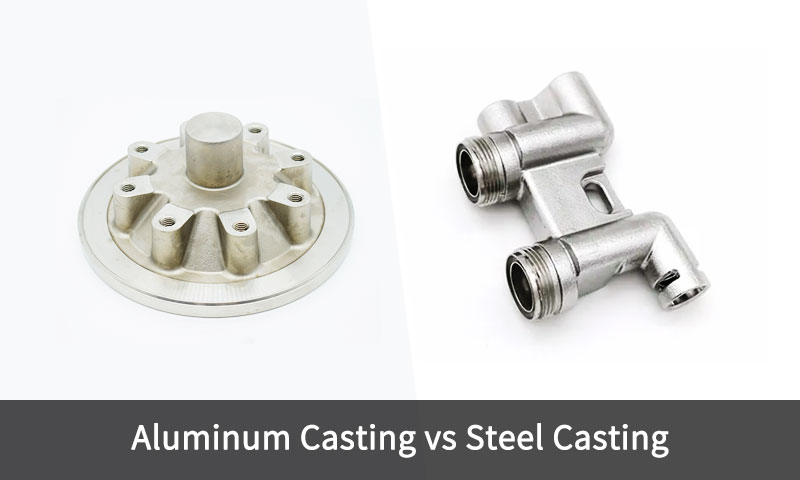
Aluminum vs Steel Casting — choosing between these two foundational materials shapes component performance, cost and manufacturability across industries from automotive to energy.
This comparison is not merely about metal chemistry: it encompasses density and stiffness, Hành vi nhiệt, casting process compatibility, secondary processing (Điều trị nhiệt, Kỹ thuật bề mặt), lifecycle cost and application-specific reliability.
Engineers and purchasers must therefore evaluate the entire system—loading, nhiệt độ, environment, production volume and finish requirements—before specifying a metal and casting route.
2. Fundamental Material Differences Between Aluminum vs Steel
At the core of aluminum vs. steel casting lies a fundamental metallurgical and physical contrast that directly affects how each material behaves during casting, gia công, và dịch vụ.
| Tài sản | Nhôm (VÍ DỤ., Al-i allays) | Thép (VÍ DỤ., carbon or low-alloy steels) | Ý nghĩa kỹ thuật |
| Tỉ trọng (g/cm³) | 2.70 | 7.85 | Aluminum is ~65% lighter, offering major weight savings for transportation and aerospace. |
| Điểm nóng chảy (° C.) | 615Mạnh660 | 1425–1540 | Aluminum’s low melting point enables easier casting and lower energy consumption; steel requires specialized furnaces. |
| Độ dẫn nhiệt (W/m · k) | 120Mạnh180 | 40Mạnh60 | Aluminum dissipates heat efficiently—ideal for engines, Trao đổi nhiệt, và điện tử. |
| Sức mạnh cụ thể (MPa/ρ) | ~100–150 | ~70–90 | Despite lower absolute strength, aluminum’s strength-to-weight ratio surpasses that of steel. |
| Mô đun đàn hồi (GPA) | 70 | 200 | Steel is stiffer, providing better rigidity under load and vibration. |
Kháng ăn mòn |
Xuất sắc (forms Al₂O₃ layer) | Biến; prone to rust without coatings | Aluminum resists oxidation naturally, while steel needs surface protection (bức vẽ, mạ, or alloying with Cr/Ni). |
| Khả năng gia công | Xuất sắc | Moderate to difficult | Aluminum’s softness allows easy machining and shorter cycle times; steel requires tougher tooling. |
| Tính tái chế | >90% recoverable | >90% recoverable | Both materials are highly recyclable, though aluminum’s remelting requires less energy (5% of primary production). |
| Casting Shrinkage (%) | 1.3Mạnh1.6 | 2.0–2.6 | Steel shrinks more during solidification, demanding larger allowances and more complex gating/feeding systems. |
| Trị giá (khoảng., USD/kg) | 2.0Cấm3.0 | 0.8Mạnh1.5 | Aluminum is more expensive per kilogram, but savings in weight and processing can offset total lifecycle costs. |
3. What Is Aluminum Casting?
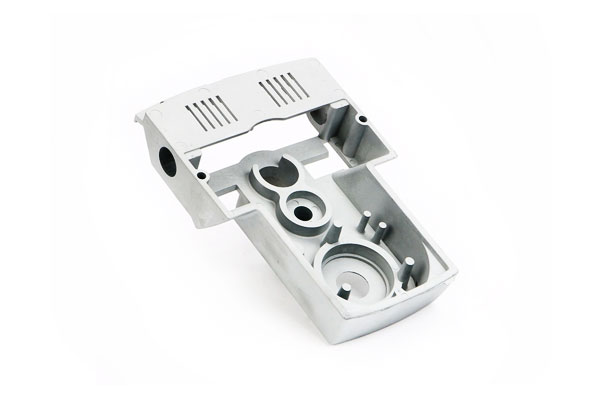
Nhôm đúc is the process of shaping molten aluminum or aluminum alloys into complex, near-net-shape components using molds.
It is one of the most widely used metal casting processes globally—accounting for over 50% of all nonferrous castings—due to aluminum’s excellent castability, Mật độ thấp, và kháng ăn mòn.
Tổng quan
In aluminum casting, Nhôm nóng chảy (thường là giữa 680–750°C) is poured or injected into a mold cavity where it solidifies into the desired geometry.
Aluminum’s low melting point and high fluidity make it ideal for both mass-production methods (like die casting) Và Ứng dụng chính xác cao (like investment casting).
Key Features of Aluminum Casting
- Tỷ lệ nhẹ và cường độ cao:
Aluminum castings offer excellent mechanical performance while being about Một phần ba trọng lượng của thép. - Kháng ăn mòn tốt:
Một mỏng, tự chữa lành lớp oxit nhôm (Al₂o₃) protects against oxidation and most atmospheric or marine corrosion. - Độ dẫn nhiệt và điện tuyệt vời:
Suitable for applications like Trao đổi nhiệt, vỏ, and electric components. - Tính tái chế:
Aluminum can be recycled indefinitely without degradation, reducing production energy by up to 95% compared to primary smelting.
Common Aluminum Casting Processes
| Phương pháp đúc | Sự miêu tả | Các ứng dụng điển hình |
| Đúc chết | High-pressure injection of molten aluminum into steel dies; yields precise, Các bộ phận có thành mỏng. | Các bộ phận ô tô (vỏ bánh, dấu ngoặc), Điện tử tiêu dùng. |
| Đúc cát | Molten metal poured into sand molds; suitable for larger, lower-volume parts. | Khối động cơ, đa dạng, nhà ở hàng không vũ trụ. |
| Đúc đầu tư | Ceramic molds from wax patterns; ideal for fine details and tight tolerances. | Các thành phần tuabin hàng không vũ trụ, thiết bị y tế. |
| Đúc khuôn vĩnh viễn | Reusable metal molds; good surface finish and dimensional control. | Pistons, bánh xe, và các thành phần biển. |
| Đúc ly tâm | Uses centrifugal force to distribute molten metal; dày đặc, cấu trúc không có khuyết tật. | Ống, tay áo, and rings. |
Ưu điểm của đúc nhôm
- Nhẹ: Reduces component weight by 30–50% vs. Thép, improving fuel efficiency (Ô tô) or payload capacity (Không gian vũ trụ).
- Hiệu quả năng lượng: Melting aluminum requires 60–70% less energy than steel (570° C so với. 1420° C.), lowering processing costs by 20–30%.
- Kháng ăn mòn: Eliminates the need for coatings (VÍ DỤ., sơn, mạ kẽm) trong hầu hết các môi trường, reducing maintenance costs by 40–50%.
- High-Volume Viability: Die casting enables production of 1000+ parts/day per machine, meeting consumer goods demand.
Disadvantages of Aluminum Casting
- Sức mạnh thấp hơn: Độ bền kéo (150Mạnh400 MPa) is 50–70% lower than high-strength steel, limiting use in heavy-load applications.
- Poor High-Temperature Performance: Retains only 50% of room-temperature strength at 250°C, making it unsuitable for engine exhaust or power plant components.
- Rủi ro độ xốp: Die-cast aluminum is prone to gas porosity (from high-pressure injection), restricting heat treatment options (VÍ DỤ., T6 temper requires vacuum processing).
- Higher Raw Material Cost: Primary aluminum costs $2,500–$3,500/tonne, 2–3x more than carbon steel.
Industrial Applications of Aluminum Casting
Aluminum casting is widely used across multiple industries due to its combination of Thiết kế nhẹ, khả năng gia công, và kháng ăn mòn:
- ô tô: Khối động cơ, Truyền tải, bánh xe, and suspension arms.
- Hàng không vũ trụ: Dấu ngoặc, Phụ kiện cấu trúc, Vỏ máy nén.
- Điện tử: Tản nhiệt, Vỏ xe máy, vỏ bọc.
- Hàng tiêu dùng: Thiết bị, công cụ điện, phần cứng đồ nội thất.
- Marine and Renewable Energy: Cánh quạt, vỏ, và lưỡi tuabin.
4. What Is Steel Casting?
Steel casting is the process of pouring molten steel into a mold to produce complex, high-strength components that cannot be easily fabricated or forged.
Unlike aluminum, steel has a Điểm nóng chảy cao hơn (≈ 1450–1530°C) and greater tensile strength, Làm cho nó lý tưởng cho load-bearing and high-temperature applications such as machinery, infrastructure, và sản xuất điện.
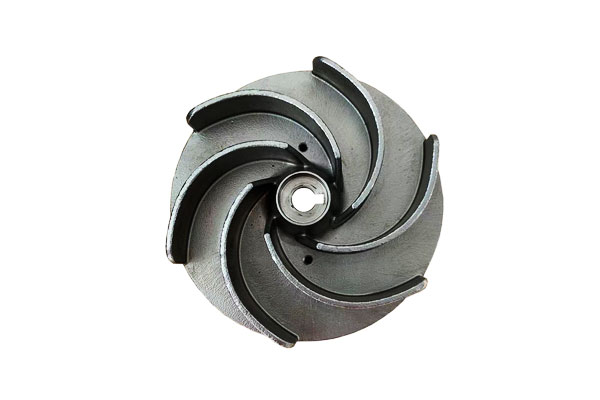
Tổng quan
In steel casting, carefully alloyed molten steel is poured into either expendable (cát, sự đầu tư) or permanent molds, where it solidifies into a shape close to the final part.
Because steel shrinks significantly upon cooling, precise temperature control, Thiết kế gating, and solidification modeling là quan trọng.
Steel castings are known for their Sự mạnh mẽ về cơ học, Kháng lực tác động, và tính toàn vẹn cấu trúc, particularly under harsh service conditions.
Key Features of Steel Casting
- Exceptional Strength and Toughness:
Yield strengths often exceed 350 MPA, with heat-treated alloys reaching over 1000 MPA. - High-Temperature Capability:
Retains strength and oxidation resistance up to 600–800°C, depending on composition. - Versatile Alloy Selection:
Includes Thép carbon, Thép hợp kim thấp, Thép không gỉ, and high-manganese steels, each tailored for specific environments. - Khả năng hàn và khả năng gia công:
Cast steels can be post-processed effectively—machined, hàn, and heat-treated to enhance performance.
Common Steel Casting Processes
| Phương pháp đúc | Sự miêu tả | Các ứng dụng điển hình |
| Đúc cát | Molten steel poured into bonded sand molds; Lý tưởng cho lớn, các bộ phận phức tạp. | Thân van, Vỏ bơm, machinery housings. |
| Đúc đầu tư | Ceramic molds formed from wax patterns; yields excellent accuracy and surface finish. | Lưỡi dao tuabin, Công cụ phẫu thuật, Các bộ phận hàng không vũ trụ. |
| Đúc ly tâm | Rotational force distributes molten steel evenly; produces dense cylindrical components. | Ống, lớp lót, mang các cuộc đua. |
| Vỏ đúc đúc | Uses thin resin-coated sand molds; allows higher precision and smoother surfaces. | Các bộ phận động cơ nhỏ, dấu ngoặc. |
| Đúc liên tục | For semi-finished steel products like slabs and billets. | Raw material for rolling and forging. |
Advantages of Steel Casting
- Sức mạnh vượt trội & Độ dẻo dai: Độ bền kéo (lên đến 1500 MPA) and impact toughness (40Mạnh100 j) make it irreplaceable for structural safety (VÍ DỤ., Thành phần cầu, Khung gầm ô tô).
- Hiệu suất nhiệt độ cao: Operates reliably at 400Mạnh600 ° C. (vs. aluminum’s 250°C limit), suitable for jet engine casings and power plant boilers.
- Low Raw Material Cost: Carbon steel costs $800–$1200/tonne, 60–70% less than primary aluminum.
- Đang đeo điện trở: Heat-treated steel (VÍ DỤ., 4140) has surface hardness up to 500 HB, reducing replacement frequency in abrasive applications by 50–70%.
Disadvantages of Steel Casting
- High Weight: Density 2.7x that of aluminum increases fuel consumption (Ô tô) or structural load (tòa nhà).
- High Energy Use: Melting steel requires 25–30 MWh/tonne (vs. 5–7 MWh/tonne for aluminum), increasing processing costs by 40–50%.
- Tính nhạy cảm ăn mòn: Carbon steel rusts in moist environments (Tốc độ ăn mòn: 0.5Mạnh1,0 mm/năm in salt spray), requiring coatings (VÍ DỤ., mạ kẽm) that add $1.5–$2.5/kg to costs.
- Poor Machinability: Hardness requires specialized tools, tăng thời gian gia công bằng cách 30–50% vs. nhôm.
Industrial Applications of Steel Casting
Steel castings dominate industries demanding sức mạnh, độ bền, và điện trở nhiệt:
- Sự thi công & Khai thác: Excavator teeth, bộ phận máy nghiền, track links.
- Năng lượng & Sản xuất điện: Steam turbine casings, thân van, Thành phần hạt nhân.
- Dầu & Khí: Drill heads, pipeline valves, đa dạng.
- Vận tải: Train couplers, vỏ bánh, heavy-duty engine blocks.
- Hàng không vũ trụ & Phòng thủ: Thiết bị hạ cánh, Phụ kiện cấu trúc, armor components.
5. So sánh toàn diện: Aluminum vs Steel Casting
Process fit and part geometry
- Vách mỏng, tổ hợp, Các bộ phận khối lượng lớn: aluminum die casting is optimal (HPDC).
- Lớn, nặng, load-bearing parts: steel/spheroidal graphite (Dukes) iron and cast steels via sand casting are preferred.
- Medium volume with high integrity requirements: low-pressure aluminum or investment casting steels depending on strength needs.
Mechanical performance & xử lý hậu kỳ
- Điều trị nhiệt: cast steel can be quenched & tempered to obtain high strength and toughness; aluminum alloys have age-hardening routes but reach lower maximum strengths.
- Surface engineering: aluminum readily anodizes; steel can be nitrided, carburized, induction hardened or coated with hard substances (gốm sứ, chrome cứng).
Trình điều khiển chi phí (typical considerations)
- Material cost per kg: aluminum raw metal tends to be priced higher per kg than ferrous scrap/steel, but part mass reduces required amount.
- Dụng cụ: die casting dies are expensive (high initial amortization) but low per-part cost at volumes >10k–100k; sand tooling is cheap but per-part labor higher.
- Gia công: aluminum machines faster (higher removal rates), lower tool wear; steel requires harder tooling and more machining time—raises total cost especially for small batches.
Sản xuất & defect modes
- Độ xốp: HPDC aluminum can develop gas and shrinkage porosity; permanent-mold and low-pressure reduce porosity.
Steel castings can suffer inclusions and segregation; controlled melting and post-HT reduce defects. - Kiểm soát kích thước: die cast aluminum attains tight tolerances (± 0,1 Ném0,3 mm); sand cast steel tolerances are looser (±0.5–2 mm) without post-machining.
Môi trường & life-cycle
- Tái chế: both metals are highly recyclable. Recycled aluminum uses a small fraction (~5–10%) of the energy of primary smelting; recycled steel also has large energy savings compared to virgin iron.
- Use-phase: lightweight aluminum can reduce fuel consumption in vehicles — a system-level environmental benefit.
Bàn: Aluminum vs Steel Casting — Key Technical Comparison
| Loại | Nhôm đúc | Đúc thép |
| Tỉ trọng (g/cm³) | ~2.70 | ~7.80 |
| Điểm nóng chảy (° C. / ° f) | 660° C. / 1220° f | 1450Mạnh1530 ° C. / 2640–2790°F |
| Sức mạnh (Kéo dài / Năng suất, MPA) | 130Mạnh350 / 70Mạnh250 (như đúc); lên đến 500 Sau khi xử lý nhiệt | 400Tiết1200 / 250Mạnh1000 (Tùy thuộc vào điều trị bằng cấp và nhiệt) |
| Độ cứng (HB) | 30Mạnh120 | 120Mạnh400 |
| Mô đun đàn hồi (GPA) | 70 | 200 |
| Độ dẫn nhiệt (W/m · k) | 150Mạnh230 | 25Mạnh60 |
| Độ dẫn điện (% IAC) | 35Mạnh60 | 3Tiết10 |
| Kháng ăn mòn | Xuất sắc (lớp oxit tự nhiên) | Variable — requires alloying (Cr, TRONG, MO) hoặc lớp phủ |
| Kháng oxy hóa (High-Temp) | Giới hạn (<250° C.) | Tốt đến xuất sắc (up to 800°C for some alloys) |
| Khả năng gia công | Xuất sắc (mềm mại, easy to cut) | Từ trung bình đến nghèo (khó hơn, mài mòn) |
| Khả năng đúc (Lưu động & Co ngót) | Tính trôi chảy cao, co rút thấp | Lower fluidity, higher shrinkage — needs precise gating |
| Lợi thế cân nặng | ~65% lighter than steel | Heavy — suitable for structural loads |
Hoàn thiện bề mặt |
Trơn tru, good detail reproduction | Rougher surfaces; may need machining or shot blasting |
| Heat Treatment Flexibility | Xuất sắc (T6, T7 tempers) | Rộng (ủ, làm dịu đi, ủ, bình thường hóa) |
| Tính tái chế | >90% recycled efficiently | >90% recyclable but requires higher remelting energy |
| Production Cost | Lower energy, Thời gian chu kỳ nhanh hơn | Higher melting cost and tool wear |
| Dung sai điển hình (mm) | ±0.25 to ±0.5 (chết đúc); ±1.0 (Đúc cát) | ±0.5–1.5 depending on process |
| Environmental Footprint | Thấp (especially recycled aluminum) | Higher CO₂ and energy footprint due to high melting point |
| Các ứng dụng điển hình | Bánh xe ô tô, vỏ, Các bộ phận hàng không vũ trụ, hàng tiêu dùng | Van, tuabin, Máy móc hạng nặng, Các thành phần cấu trúc |
6. Phần kết luận
Aluminum and steel castings solve different engineering problems.
Aluminum excels where trọng lượng nhẹ, Độ dẫn nhiệt, surface quality and high production rates matter.
Thép (and cast irons) dominate where sức mạnh cao, Độ cứng, Đang đeo điện trở, toughness and elevated temperature performance được yêu cầu.
Good material selection balances functional requirements, trị giá (total life cycle), producibility and finishing.
In many modern designs hybrid solutions appear (steel inserts in aluminum castings, clad or bimetallic components) to exploit the strengths of both metals.
Câu hỏi thường gặp
Đó là mạnh hơn: cast aluminum or cast steel?
Cast steel is significantly stronger—A216 WCB steel has a tensile strength of 485 MPA, 67% higher than A356-T6 aluminum (290 MPA).
Steel also has far greater toughness and wear resistance.
Can cast aluminum replace cast steel?
Only in applications where weight reduction is prioritized over strength (VÍ DỤ., automotive non-structural parts).
Steel is irreplaceable for high-load, high-temperature components (VÍ DỤ., Vỏ tuabin).
Which is more corrosion-resistant: cast aluminum or cast steel?
Cast aluminum is more corrosion-resistant in most environments (Tốc độ ăn mòn <0.1 mm/năm) vs. Thép carbon (0.5Mạnh1,0 mm/năm).
Stainless steel castings match aluminum’s corrosion resistance but cost 2–3x more.
Which casting process is best for aluminum vs. Thép?
Aluminum is ideal for die casting (khối lượng lớn) and sand casting (chi phí thấp).
Steel is best for sand casting (các bộ phận lớn) và đúc đầu tư (tổ hợp, high-tolerance components). Die casting is rarely used for steel.