1. Introdução
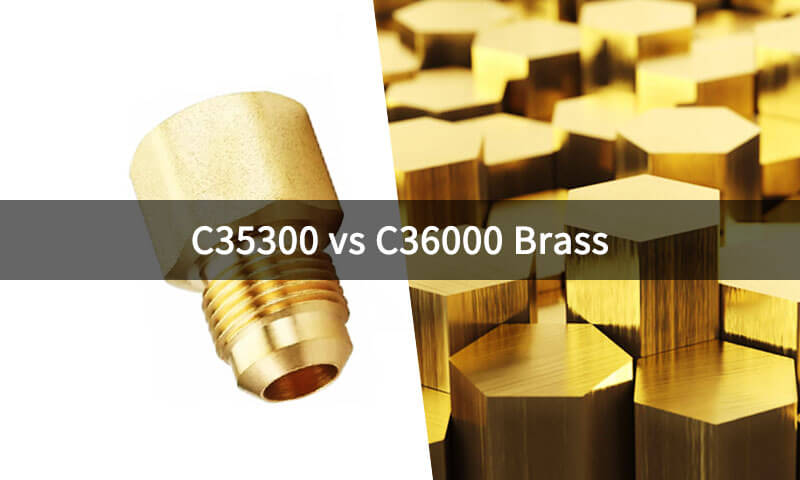
EUA C36000 (Brass de corte livre) e EUA C35300 (Latão com alto teor de chumbo) ambos pertencem à família do latão com chumbo forjado, e ambos são projetados para boa usinabilidade, Resistência à corrosão, e produção eficiente.
À primeira vista, eles se parecem muito: ambos são ligas de cobre-zinco-chumbo com química de base comparável e densidade quase idêntica, condutividade, e valores de módulo. Mas na prática, eles atendem a diferentes prioridades de engenharia.
C36000 é o clássico latão de corte livre, amplamente considerada como a liga de referência para trabalhos com máquinas de parafuso automáticas, enquanto o C35300 é um latão com alto teor de chumbo que oferece excelente usinabilidade com ductilidade um pouco melhor do que o C36000 em determinadas categorias de produtos.
2. Composição química: A Fundação da Diferença
| Elemento | C35300 | C36000 | Por que isso importa |
| Cobre (Cu) | 60.0–63,0% | 60.0–63,0% | A mesma janela de cobre significa que a família de latão base é semelhante. |
| Liderar (PB) | 1.5–2,5% | 2.5–3,7% | Maior avanço na C36000 impulsiona um comportamento de usinagem livre mais forte. |
Zinco (Zn) |
Equilíbrio | Equilíbrio | O zinco é o principal parceiro da matriz do cobre. |
| Ferro (Fe) | Máx 0.15% | Máx 0.35% | A maior tolerância de ferro no C36000 reflete sua especificação padrão de liga de corte livre. |
| Cu + elementos nomeados | 99.5% min. | 99.5% min. | Ambos são latões forjados industriais rigidamente controlados. |
3. Comparação de propriedades mecânicas e físicas
Embora C35300 e C36000 pertençam à mesma família de latão com chumbo, seus perfis de propriedade não são idênticos.
Propriedades Mecânicas Representativas
A tabela a seguir contrasta o desempenho mecânico dessas ligas no padrão H02 (Meio Difícil) temperamento:
| Propriedade | C35300 | C36000 | Significado de Engenharia |
| Resistência à tracção | 58 ksi = 400 MPA (haste, 1/2 duro, típico) | 57 ksi = 393 MPA (haste, 1/2 duro, típico) | Muito próximo em força nominal; C35300 é ligeiramente superior nesta condição representativa. |
| Força de escoamento (0.5% desvio) | 45 ksi = 310 MPA (haste, 1/2 duro, típico) | 25 ksi = 172 MPA (haste, 1/2 duro, típico) | C35300 mostra um nível de rendimento marcadamente mais alto na condição de haste publicada, que suporta melhor resistência à deformação plástica precoce. |
| Alongamento | 25% (haste, 1/2 duro, típico) | 7% (haste, 1/2 duro, típico) | C35300 é substancialmente mais dúctil na têmpera de haste comparável, enquanto o C36000 é muito menos alongado. |
Rockwell B dureza |
75 Hrb (haste, 1/2 duro, típico) | 65 Hrb (haste, 1/2 duro, típico) | C35300 é mais difícil na condição de haste representativa publicada, o que é consistente com sua maior resistência ao escoamento. |
| Força de cisalhamento | 34 ksi = 234 MPA (haste, 1/2 duro, típico) | 32 ksi = 221 MPA (haste, 1/2 duro, típico) | Ambos são semelhantes, mas o C35300 tem uma ligeira vantagem na resistência ao cisalhamento. |
| Módulo de elasticidade | 15,000 ksi = 103,400 MPA | 14,000 ksi = 96,500 MPA | C35300 é ligeiramente mais rígido em tensão pelos valores publicados. |
| Módulo de Rigidez | 5,600 ksi = 38,600 MPA | 5,300 ksi = 36,500 MPA | De novo, C35300 é ligeiramente superior em rigidez. |
Propriedades Físicas Representativas
| Propriedade | C35300 | C36000 |
| Densidade | 0.306 lb/pol³ = 8.47 g/cm³ | 0.307 lb/pol³ = 8.50 g/cm³ |
| Temperatura líquida | 1670° f = 910° c | 1650° f = 899° c |
| Temperatura Solidus | 1630° f = 888° c | 1630° f = 888° c |
| Condutividade elétrica | 26% IACS | 26% IACS |
| Condutividade térmica | 67 Btu/ft²·h·°F = ≈ 116 W/m · k | 67 Btu/ft²·h·°F = ≈ 116 W/m · k |
| Coeficiente de expansão térmica | 11.3 × 10⁻⁶/°F = 20.3 × 10⁻⁶/°C | 11.4 × 10⁻⁶/°F = 20.5 × 10⁻⁶/°C |
4. MACHINABILIDADE: C36000 é a referência, C35300 ainda é excelente
Por que a usinabilidade é a diferença que define
Entre todas as diferenças práticas entre C35300 e C36000, usinabilidade é o mais decisivo.
Ambos são latões com chumbo, e ambos são projetados para remoção eficiente de metal, mas eles não são otimizados no mesmo grau.
C36000 é o clássico corte livre latão e recebeu a classificação de usinabilidade máxima de 100, é por isso que é amplamente tratado como material de referência para a produção de máquinas de parafuso de alta velocidade.
C35300 também é altamente usinável, mas sua classificação de usinabilidade é 90, colocando-o um passo abaixo do C36000 em desempenho de corte.
A razão metalúrgica por trás da diferença
A lacuna de desempenho vem principalmente do conteúdo principal.
C36000 contém uma faixa de chumbo maior que C35300, e esse avanço extra melhora a quebra de cavacos, reduz as forças de corte, reduz a formação de bordas postiças, e prolonga a vida útil da ferramenta.
Em latões de usinagem livre, o chumbo não fortalece a liga no sentido estrutural convencional;
em vez de, atua como uma fase suave localizada que melhora a mecânica de formação de cavacos e torna a usinagem automatizada mais estável e econômica.
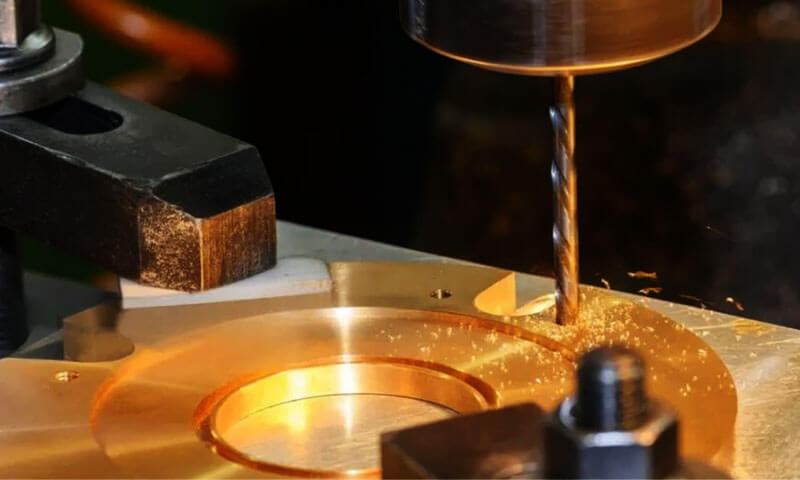
É por isso que o C36000 é frequentemente selecionado para torneamento, perfuração, tocando, rosqueamento, e outras operações em que a máquina gasta mais tempo cortando do que o operador gasta manuseando a peça.
É uma liga de produção no sentido mais literal: seu valor está na redução do tempo de ciclo, melhorando o acabamento superficial, e manter um comportamento previsível em equipamentos automáticos.
Por que o C35300 ainda é muito forte em usinagem
C35300 não deve ser descrito como uma “liga de usinagem mais fraca” em nenhum sentido prático.
Uma classificação de usinabilidade de 90 ainda é excelente, e a liga aparece em muitas aplicações de usinagem intensiva, incluindo parafusos, nozes, adaptadores, acoplamentos, acessórios, pinhões, rebites, gaiolas de rolamentos, e peças parafusadeiras automáticas.
Isso significa que o C35300 continua sendo uma liga de produção séria, especialmente onde a usinagem deve coexistir com outros requisitos, como tolerância de conformação modesta ou uma resposta mecânica mais equilibrada.
Implicações do processo em um ambiente de produção
Do ponto de vista do chão de fábrica, a diferença entre 90 e 100 não é trivial.
Na produção em massa, uma pequena melhoria no controle de cavacos pode se traduzir em um tempo de ciclo mais curto, menos tempo de inatividade para trocas de ferramentas, e menor risco de sucata.
Portanto, o C36000 tende a ser a primeira escolha quando a geometria da peça é altamente repetitiva e a rota de fabricação é dominada por torneamento e rosqueamento.
C35300 permanece atraente quando a usinabilidade é importante, mas a peça também precisa de um pouco mais de flexibilidade de fabricação após a usinagem.
5. Formabilidade e Fabricação: C35300 vs C36000 Latão
Formabilidade não é o mesmo que usinabilidade
Um erro frequente na seleção de ligas é assumir que uma excelente usinabilidade implica automaticamente um bom comportamento de fabricação.. Em latão, essas são propriedades relacionadas, mas não idênticas.
C35300 e C36000 foram projetados principalmente para usinagem, mas sua resposta à formação, flexão, rosqueamento, e aderir não é a mesma coisa.
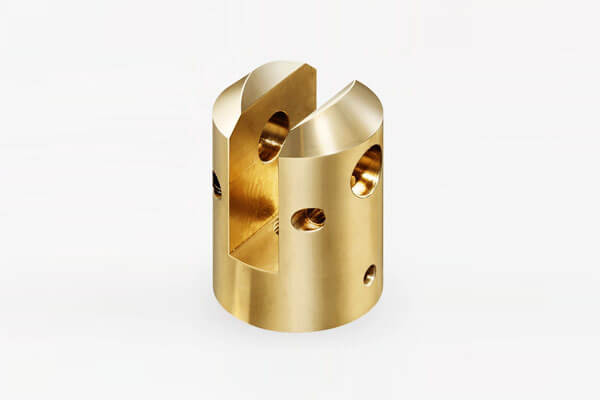
Essa diferença é importante quando uma peça não é simplesmente cortada no formato certo, mas também deve ser achatado, queimado, serrilhado, socado, carimbado, ou levemente trabalhado a frio.
Comportamento de trabalho a frio
Ambas as ligas são classificadas Justo em trabalhabilidade a frio, o que significa que eles podem tolerar deformação a frio limitada, mas nenhum deles é ideal para formação agressiva.
Na prática, isso os coloca muito abaixo dos verdadeiros latões de conformação e os torna mais adequados para rotas de produção orientadas por usinagem.
Ainda, O C35300 tem uma vantagem significativa em certas categorias de produtos porque é descrito como tendo melhor ductilidade que C36000 em produtos de latão para encanadores.
Essa é uma pista importante de que o C35300 tem um envelope de fabricação um pouco mais amplo quando o projeto não é puramente usinado..
Conformação a quente e processamento térmico
A conformabilidade a quente é outra área onde as duas ligas divergem. C36000 é classificado Justo em conformabilidade a quente, enquanto C35300 é classificado Pobre.
Isso não faz da C36000 uma verdadeira liga de conformação a quente, mas sugere uma janela de processamento um pouco mais ampla se a modelagem limitada em temperatura elevada for inevitável.
C35300, por contraste, é mais centrado na usinagem e na fabricação secundária moderada, em vez da deformação térmica.
Comportamento de adesão: o que funciona e o que não funciona
Ambas as ligas são muito mais adequadas para soldagem e brasagem do que para soldagem por fusão..
Sua taxa de perfis de fabricação publicados solda como excelente e brasagem como boa,
mas liste vários métodos de soldagem, como soldagem oxiacetileno, soldagem a arco com proteção a gás, soldagem a arco de metal revestido, soldagem a ponto, e soldagem de costura como Não recomendado.
Essa é uma limitação prática crítica. Se o conceito do produto depende da construção soldada, nem C35300 nem C36000 devem ser escolhidos casualmente.
Rotas de fabricação secundárias
A diferença mais reveladora aparece em seus processos comuns de fabricação.
Para C35300, os processos listados incluem:
- Blanking
- usinagem
- piercing e soco
- rosqueamento e recartilhamento de rolo
- estampagem
Para C36000, os processos listados são mais restritos:
- usinagem
- rosqueamento e recartilhamento de rolo
Essa diferença é altamente informativa. Isso mostra que o C35300 suporta uma combinação mais ampla de etapas de produção, especialmente onde a peça não é apenas usinada, mas também levemente moldada ou perfurada.
C36000, por contraste, está mais focado na fabricação centrada na usinagem e, portanto, é a escolha mais limpa quando a produção é dominada pelo torneamento e pela geração de roscas.
6. Resistência à corrosão: Diferenças de desempenho ambiental
A resiliência ambiental do C35300 e do C36000 é uma função da sua capacidade de desenvolver um ambiente estável, pátina de carbonato de cobre aderente após exposição à atmosfera.
Esta barreira natural proporciona excelente resistência a ambientes urbanos e marinhos.
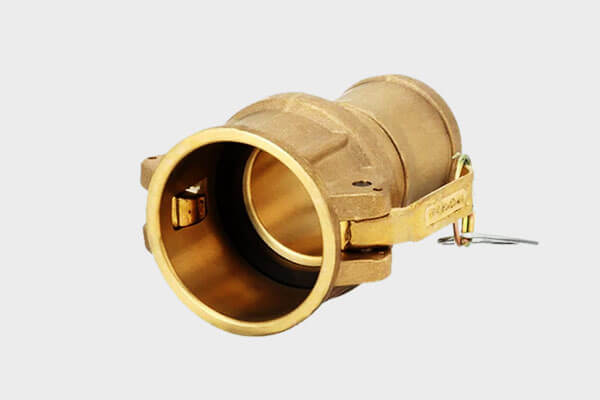
Vulnerabilidades Metalúrgicas
- Potencial de Dezincificação: Como “duas fases” ($\alfa$+$beta$) latões com alto teor de zinco, ambas as ligas são suscetíveis à dezincificação em condições estagnadas, água macia ou ambientes ácidos.
Este processo eletroquímico lixivia o zinco da rede, deixando um estruturalmente comprometido, esponja de cobre porosa. - Estresse corrosão rachando (SCC): Ambas as classes são vulneráveis a “rachaduras sazonais” ou SCC quando tensões residuais internas são expostas a ambientes amoniacal.
- Vantagem de Pureza: A concentração de cobre ligeiramente mais alta do C35300 e o menor teor de impurezas de ferro proporcionam uma vantagem marginal na estabilidade química a longo prazo.
No entanto, para a maioria das aplicações industriais de encanamento e hardware, seus perfis de corrosão são funcionalmente intercambiáveis,
e nenhum deles deve ser usado em ambientes de desliga altamente agressivos sem a inibição adequada.
7. Aplicativo: C35300 vs C36000 Latão
Aplicações típicas do C35300
C35300 é comumente usado para puxadores de gaveta, dobradiças, mamilos de raio de bicicleta, peças de relógio, espaços em branco, nozes, rebites, parafusos, adaptadores, peças de máquinas de parafuso automáticas, gaiolas de rolamento, acoplamentos, acessórios de sinalização, engrenagens, costas do instrumento, e hastes de válvula.
Estas são peças onde a excelente usinabilidade é importante, mas alguma ductilidade, flexibilidade, ou resposta ao trabalho a frio também é útil.
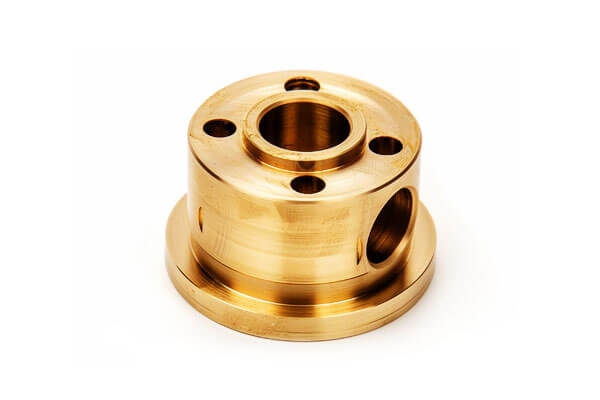
Aplicações típicas do C36000
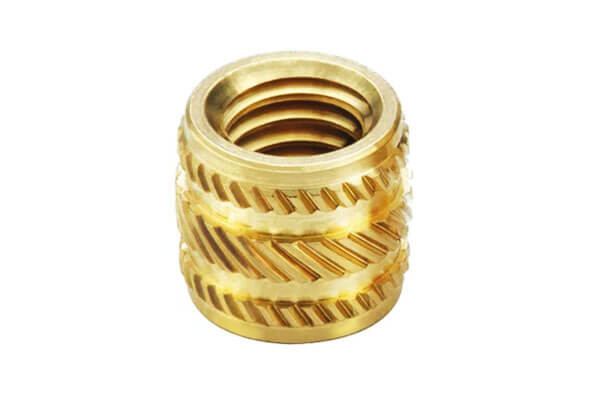
C36000 é amplamente utilizado para conectores de fluidos, corpos sensores, peças do termostato, inserções roscadas para plástico, acessórios, corpos de bloqueio, parafusos, nozes, parafusos, adaptadores, peças de máquinas de parafuso automáticas, componentes de torneira, válvulas, sindicatos, assentos da válvula, hastes da válvula, e guarnição de válvula.
É a escolha canônica quando a arquitetura do produto é dominada pelo rendimento da usinagem e pela consistência dimensional.
8. Custo, Risco de Processo, e pensamento da cadeia de suprimentos
Do ponto de vista de compras e da cadeia de suprimentos, C36000 é o ativo mais “líquido” do mercado de latão.
É mantido em vastos estoques por centros de serviços globais em todas as geometrias primárias (redondo, hexagonal, quadrado, e barras retangulares).
Esta disponibilidade onipresente garante preços competitivos e tempos de entrega rápidos para componentes industriais padrão.
C35300, enquanto uma liga padrão, ocupa um nicho mais especializado.
Embora prontamente disponível em formas de haste e placa, pode não ser estocado na mesma variedade de tamanhos que o C36000, potencialmente levando a pequenos prêmios de preços ou prazos de entrega estendidos para perfis não padronizados.
No entanto, um rigoroso custo total de propriedade (TCO) a análise geralmente favorece o C35300 para peças complexas.
Os “custos ocultos” do uso do C36000 em aplicações que exigem conformação secundária – como taxas elevadas de refugo devido a trincas e a necessidade de tratamentos térmicos intermediários para alívio de tensões – frequentemente eclipsam a diferença marginal de custo do material do C35300.
9. Tabela de comparação abrangente: C35300 vs C36000 Latão
Dados representativos de temperatura ambiente para barras/barras forjadas e produtos planos; os valores mecânicos mais comumente citados abaixo são para o 1/2 duro (H02) condição, salvo indicação em contrário.
As propriedades mecânicas variam de acordo com a forma, temperamento, e tamanho da seção, então estes devem ser lidos como valores de referência publicados em vez de constantes absolutas.
| Categoria | C35300 | C36000 |
| Família de liga | Latão com alto teor de chumbo, 62% | Brass de corte livre |
| Conteúdo de cobre | 60.0–63,0% | 60.0–63,0% |
| Conteúdo principal | 1.5–2,5% | 2.5–3,7% |
| Conteúdo de ferro | até 0.15% | até 0.35% |
| Resistência à tracção | 58 KSI / 400 MPA | 57 KSI / 393 MPA |
| Força de escoamento (0.5% ramal.) | 45 KSI / 310 MPA | 25 KSI / 172 MPA |
| Alongamento | 25% | 7% |
| Dureza Rockwell B | 75 Hrb | 65 Hrb |
| Densidade | 0.306 lb/in³ / 8.47 g/cm³ | 0.307 lb/in³ / 8.50 g/cm³ |
| Classificação de usinabilidade | 90 | 100 |
| Capacidade para ser trabalhado a frio | Justo | Justo |
| Capacidade para ser formado a quente | Pobre | Justo |
| De solda | Excelente | Excelente |
| Brasagem | Bom | Bom |
Soldagem de fusão |
Não recomendado | Não recomendado |
| Processos de fabricação comuns | Blanking, usinagem, piercing/soco, rosqueamento/recartilhamento de rolo, estampagem | Usinagem, rosqueamento/recartilhamento de rolo |
| Ênfase típica do produto | Dobradiças, parafusos, nozes, acoplamentos, acessórios de sinalização, adaptadores, rebites, gaiolas de rolamento | Produtos para máquinas de parafuso, conectores, prendedores, válvulas, acessórios, hastes da válvula, componentes fluidos |
10. Conclusão
A distinção entre latão C35300 e C36000 representa um compromisso metalúrgico clássico entre taxas maximizadas de remoção de material e capacidade de deformação plástica.
C36000 continua sendo a referência global em produtividade de usinagem, fornecendo um nível de eficiência que é essencial para a produção em alto volume de hardware padrão.
Por outro lado, C35300 funciona como uma alternativa de alta integridade, oferecendo desempenho de usinagem de elite enquanto expande fundamentalmente a capacidade do material de suportar operações complexas de conformação secundária.
Combinando meticulosamente essas características metalúrgicas com a sequência de fabricação específica, engenheiros podem otimizar o rendimento da produção, minimizar o risco ambiental, e garantir a confiabilidade estrutural a longo prazo de componentes projetados com precisão.
Perguntas frequentes
O C36000 pode ser utilizado com sucesso para descabeçamento a frio??
Geralmente, não. C36000 é metalurgicamente “curto” e não possui a ductilidade necessária para encabeçamento a frio.
A tentativa de encabeçar esta liga normalmente resulta em fissuras longitudinais severas. C35300 é a escolha preferida para componentes que requerem usinagem e cabeçalho.
Qual é o principal fator da diferença de custo entre C35300 e C36000?
A variação de preço é impulsionada principalmente pelo volume da cadeia de abastecimento, e não pelos custos elementares.
O C36000 é produzido em grandes quantidades como padrão da indústria, enquanto C35300 é uma classe mais especializada, muitas vezes resultando em um pequeno prêmio para lotes de compras menores.
Essas ligas estão em conformidade com as regulamentações modernas sem chumbo??
Não. Ambas as ligas contêm concentrações significativas de chumbo (até 3.7% para C36000).
Para aplicações regidas pela RoHS ou padrões de água potável (Por exemplo, NSF/ANSI 61), os engenheiros devem especificar alternativas sem chumbo, como C27450 ou C46400.
Por que o C35300 é superior para laminação de roscas?
A laminação de roscas envolve deslocamento plástico significativo do metal.
O maior teor de cobre do C35300 e a distribuição refinada de chumbo permitem que ele flua para as roscas da matriz sem a descamação ou “emenda” da superfície que geralmente ocorre com o C36000, mais frágil..
Como o C35300 ganhou o apelido de “Clock Brass”?
O nome tem origem na indústria relojoeira, onde o perfil único da liga era essencial.
Ele permitiu a usinagem em alta velocidade de engrenagens e pinhões complexos, permanecendo dúctil o suficiente para a rebitagem e a flexão necessárias na montagem da estrutura do relógio..