1. Wstęp
Zawory motylkowe należą do najczęściej stosowanych urządzeń do kontroli przepływu w rurociągach przemysłowych.
Ich prosta, ale skuteczna konstrukcja – obrotowy dysk regulujący przepływ – czyni je niezastąpionymi w uzdatnianiu wody, Przetwarzanie chemiczne, ropa i gaz, jedzenie i napoje, i wytwarzanie energii.
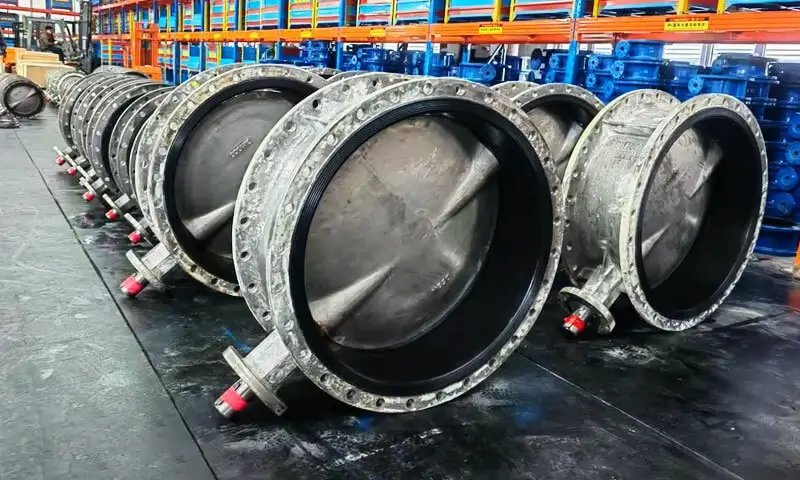
Sercem każdego zaworu motylkowego jest korpus zaworu, obudowa konstrukcyjna zawierająca dysk, miejsca, trzon, i siłowniki, i musi wytrzymywać ciśnienie wewnętrzne, temperatura, i media korozyjne.
Produkcja korpusów zaworów motylkowych tradycyjnie opierała się na odlewaniu w piasku, kucie, lub wykonanie z płyty.
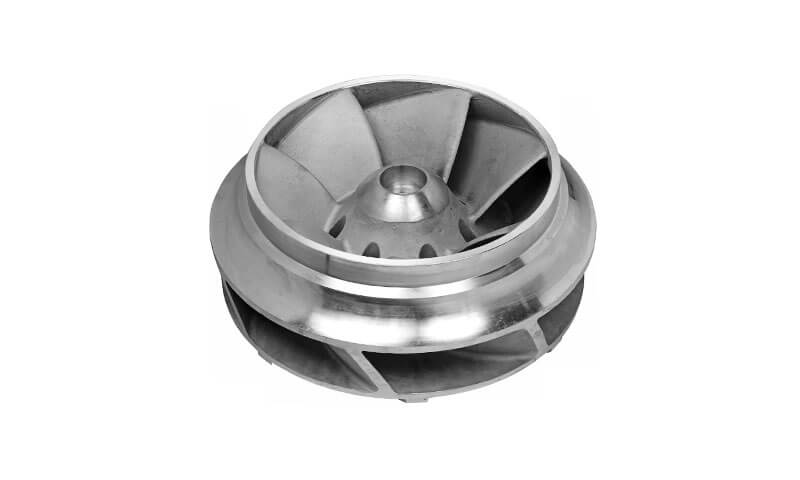
Jednakże, odlewanie metodą traconą okazało się doskonałą metodą produkcji wysokowydajnych korpusów przepustnic – szczególnie ze stali nierdzewnej i stopów duplex – oferującą niezrównaną dokładność wymiarową, Wykończenie powierzchni, i integralność materialną.
2. Co to jest korpus zaworu motylkowego?
A Zawór motyla reguluje przepływ płynu, obracając w przybliżeniu okrągły dysk 90 stopni wokół centralnego wału.
W porównaniu z zasuwami, zawory globalne, i zawory kulowe, przepustnice oferują znacznie bardziej zwartą konstrukcję i niższą wagę, dzięki czemu nadają się szczególnie do systemów rurociągów o dużej średnicy.
Chociaż zawór wydaje się stosunkowo prosty, każdy element pełni krytyczną funkcję mechaniczną.
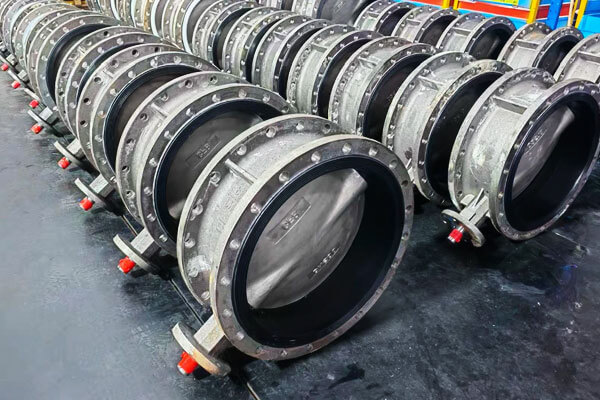
Korpus przepustnicy to główna obudowa przepustnicy zawierająca ciśnienie.
Podtrzymuje łożyska trzpienia, mieści gniazdo zaworu, zapewnia powierzchnie uszczelniające dla połączeń rurociągów, i wytrzymuje zarówno wewnętrzne ciśnienie płynu, jak i zewnętrzne obciążenia mechaniczne.
Podstawowe elementy zaworu motylkowego
| Część | Funkcjonować |
| Ciało | Mieści dysk i siedzenia; zapewnia połączenia rurowe (kołnierz, targać, opłatek, lub końcówki do spawania). |
| Dysk | Obrotowy element zamykający, który reguluje przepływ; zazwyczaj odlewane integralnie z trzpieniem lub oddzielnie od niego. |
| Trzon / wał | Przenosi moment obrotowy z siłownika na tarczę. |
| Miejsca | Zapewnij szczelne uszczelnienie pomiędzy tarczą a korpusem. |
| Aparat | Podręcznik (dźwignia, koło ręczne) lub zautomatyzowane (pneumatyczny, elektryczny, hydrauliczny). |
| Czapeczka / górny kołnierz | Mieści trzpień i umożliwia montaż siłownika. |
Rodzaje konstrukcji korpusów zaworów motylkowych
| Typ ciała | Opis | Typowe zastosowania |
| W stylu waflowym | Cienki korpus z otworami na śruby; umieszczone pomiędzy kołnierzami rur. | Niskie ciśnienie, systemy kompaktowe. |
| Styl Lug | Gwintowane wkładki po każdej stronie; może być używany jako zawór końcowy. | Umiarkowane ciśnienie; dostęp konserwacyjny. |
| Kołnierz | Zintegrowane kołnierze na obu końcach; przykręcane bezpośrednio do kołnierzy rur. | Wysokie ciśnienie, systemy o dużej średnicy. |
| Zgrzewanie doczołowe | Końcówki przeznaczone do wspawania bezpośrednio w rurę. | Wysoka temperatura, wysokociśnieniowe, systemy krytyczne pod względem nieszczelności. |
| Zrównoważyć / ekscentryczny | Tarcza odsunięta od środka dla lepszego uszczelnienia i zmniejszonego momentu obrotowego. | Wysoka wydajność, zastosowania ze szczelnym odcięciem. |
Krytyczne wymagania funkcjonalne
| Wymóg | Implikacje inżynieryjne |
| Integralność ciśnienia | Musi wytrzymać ciśnienie wewnętrzne bez wycieków i deformacji (do klasy ASME 150-2500). |
| Odporność na korozję | Jest odporny na media (woda, chemikalia, Gazy, Woda morska) bez degradacji. |
| Dokładność wymiarowa | Precyzyjna średnica otworu i wymiary bezpośrednie zapewniają kompatybilność kołnierzy. |
| Wykończenie powierzchni | Gładkie powierzchnie otworów i kołnierzy zmniejszają opory przepływu i zapewniają uszczelnienie. |
| Sztywność konstrukcyjna | Utrzymuje wyrównanie tarczy i gniazd pod wpływem cykli termicznych i ciśnieniowych. |
| Odporność na zmęczenie | Wytrzymuje wielokrotne cykle i wahania ciśnienia. |
3. Dlaczego warto wybrać odlew inwestycyjny do korpusów zaworów motylkowych?
Metoda produkcji wybrana dla korpusu zaworu motylkowego ma ogromny wpływ na jego dokładność wymiarową, Wydajność mechaniczna, Odporność na korozję, Wydajność produkcji, i całkowity koszt.
Wśród różnych dostępnych procesów produkcyjnych, Casting inwestycyjny stał się jednym z preferowanych wyborów przy produkcji wysokiej jakości korpusów przepustnic, szczególnie te stosowane w wymagających zastosowaniach przemysłowych.
W przeciwieństwie do konwencjonalnych metod odlewania, odlewanie metodą traconą wykorzystuje jednorazowe modele woskowe i precyzyjne formy ceramiczne, aby wyprodukować elementy o kształcie zbliżonym do netto z wyjątkową dokładnością wymiarową i wykończeniem powierzchni.
W procesie tym możliwe jest odtworzenie skomplikowanych geometrii, które byłyby trudne, kosztowny, lub nawet niemożliwe do wytworzenia przy użyciu tradycyjnego odlewu piaskowego lub rozległej obróbki skrawaniem.
W rezultacie, odlewanie metodą traconą nie tylko poprawia jakość produktu, ale także zwiększa wydajność produkcji i zmniejsza straty materiałowe.
Do korpusów zaworów motylkowych, które zawierają złożone kanały przepływowe, powierzchnie uszczelniające, Nudzi łodyga, i połączenia kołnierzowe, odlewanie metodą inwestycyjną oferuje unikalne połączenie elastyczności projektowania, integralność strukturalna, i spójność produkcji.
Kluczowe zalety odlewów inwestycyjnych do korpusów zaworów
| Korzyść | Wyjaśnienie |
| Złożona geometria wewnętrzna | Kanały przepływowe, żeberka, i elementy montażowe można odlać bezpośrednio, wyeliminowanie produkcji wieloczęściowej. |
| Kształt zbliżony do netto | Minimalna obróbka zmniejsza straty materiału i obniża koszty produkcji. |
| Doskonałe wykończenie powierzchniowe | Odlew surowy Ra 1,6–6,3 µm zmniejsza opory przepływu i poprawia uszczelnienie gniazda. |
| Ścisłe tolerancje wymiarowe | Zapewnia wyrównanie kołnierza, koncentryczność siedzenia, i szczelny montaż. |
Wszechstronność stopu |
Odlewa dowolną odlewaną stal nierdzewną, dupleks, nadstop, lub stop niklu. |
| Integralność ciśnienia | Odlewy dźwiękowe z odpowiednim bramkowaniem osiągają szczelność ciśnieniową do klasy ANSI 2500. |
| Jednolita mikrostruktura | Drobnoziarnista struktura odlewu zapewnia spójne właściwości mechaniczne. |
| Opłacalność przy średnich ilościach | 100-10 000 części rocznie; idealne do niestandardowych i standardowych rozmiarów. |
4. Wybór materiału na korpusy zaworów motylkowych odlewanych metodą traconą
Wybór odpowiedniego materiału jest jedną z najważniejszych decyzji podczas projektowania i produkcji korpusu przepustnicy odlewanej metodą ciśnieniową.
Natomiast proces odlewania metodą traconego determinuje jakość wymiarową i złożoność geometryczną elementu, stop określa jego właściwości mechaniczne, Odporność na korozję, zdolność ciśnieniowa, Zakres temperatur, i oczekiwaną żywotność.
Stal nierdzewna
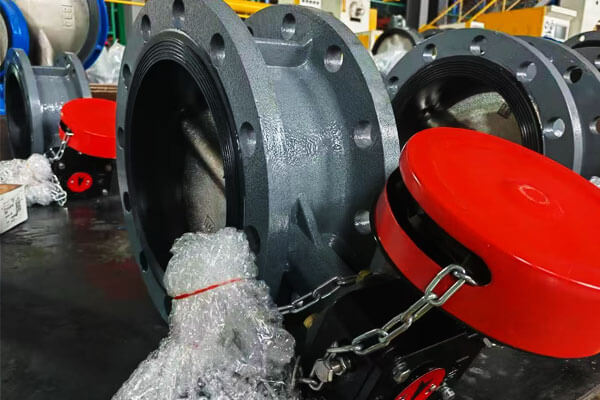
Stal nierdzewna jest najczęściej stosowanym materiałem na korpusy przepustnic odlewanych metodą ciśnieniową, ze względu na doskonałą równowagę odporności na korozję, Siła mechaniczna, Produkcja, i długoterminowa niezawodność.
Utworzona na powierzchni bogata w chrom pasywna warstwa tlenku zapewnia skuteczną ochronę przed korozją atmosferyczną i wieloma chemikaliami przemysłowymi.
CF8 (Odpowiednik ASTM A351 klasa CF8)
CF8 to odlewany odpowiednik typu kutego 304 ze stali nierdzewnej i zawiera ok 18% chrom i 8% nikiel.
Zapewnia dobrą odporność na korozję w wodzie, para, produkty spożywcze, oraz wiele lekko żrących substancji chemicznych.
Jego zalety obejmują:
- Dobra ogólna odporność na korozję
- Doskonała możliwość obsadzenia
- Dobra spawalność
- Stabilne właściwości mechaniczne
- Konkurencyjny koszt materiałów
CF8 jest szeroko stosowany w:
- Systemy uzdatniania wody
- Przetwórstwo spożywcze
- Sprzęt HVAC
- Ogólne rurociągi przemysłowe
- Usługi chemiczne niskokorozyjne
Jednakże, CF8 nie jest zalecany do środowisk zawierających wysokie stężenia chlorków, gdzie może wystąpić miejscowa korozja wżerowa i szczelinowa.
CF8M (Odpowiednik ASTM A351 klasy CF8M)
CF8M odpowiada typowi kutemu 316 stal nierdzewna, ale zawiera około 2–3% molibdenu.
Dodatek molibdenu znacząco poprawia odporność na działanie:
- Wżery chlorkowe
- Korozja szczelinowa
- Środowiska morskie
- Kwasy organiczne
- Płyny procesowe chemiczne
Typowe zastosowania obejmują:
- Inżynieria morska
- Systemy chłodzenia wodą morską
- Rośliny chemiczne
- Sprzęt farmaceutyczny
- Przemysł celulozowo-papierniczy
Chociaż CF8M jest generalnie droższy niż CF8, jego zwiększona odporność na korozję często skutkuje znacznie niższymi kosztami konserwacji w całym okresie eksploatacji zaworu.
Stale nierdzewne o niskiej zawartości węgla (CF3 i CF3M)
CF3 i CF3M to niskoemisyjne wersje CF8 i CF8M, odpowiednio.
Ich obniżona zawartość węgla minimalizuje wytrącanie się węglików podczas spawania, poprawiając w ten sposób odporność na korozję międzykrystaliczną w strefach wpływu ciepła.
Te gatunki są powszechnie wybierane:
- Spawane systemy rurowe
- Produkcja farmaceutyczna
- Sprzęt do przetwarzania spożywczego
- Systemy chemiczne o wysokiej czystości
Tam, gdzie przewiduje się rozległe spawanie, niskowęglowe stale nierdzewne są generalnie preferowane w stosunku do gatunków standardowych.
Stal węglowa
Chociaż stal nierdzewna dominuje w zastosowaniach korozyjnych, stal węglowa pozostaje ekonomicznym wyborem dla wielu korpusów przepustnic pracujących w warunkach niekorozyjnych lub lekko korozyjnych.
Stal węglowa WCB
ASTM A216 WCB jest jedną z najczęściej stosowanych stali węglowych w przemyśle zaworowym.
Jego zalety obejmują:
- Wysoka wytrzymałość mechaniczna
- Dobra udarność
- Doskonała maszyna
- Niski koszt materiału
- Dobra odporność na ciśnienie
Typowe zastosowania obejmują:
- Rurociągi naftowe
- Przesył gazu ziemnego
- Systemy parowe
- Ochrona przeciwpożarowa
- Narzędzia przemysłowe
Jednakże, WCB wymaga powłok ochronnych lub wykładzin wewnętrznych w przypadku wystawienia na działanie środowisk korozyjnych.
LCC Stal węglowa niskotemperaturowa
LCC został opracowany specjalnie do pracy w niskich temperaturach.
W porównaniu z WCB, wykazuje lepszą udarność w temperaturach poniżej zera i jest powszechnie stosowany w:
- Instalacje LNG
- Przechowywanie kriogeniczne
- Systemy chłodnicze
- Infrastruktura rurociągów arktycznych
Dupleks ze stali nierdzewnej
Ponieważ środowiska przemysłowe stają się coraz bardziej agresywne, stale nierdzewne typu duplex zyskały powszechną akceptację na korpusy przepustnic o wysokiej wydajności.
Stale nierdzewne typu duplex zawierają w przybliżeniu równe proporcje ferrytu i austenitu, łącząc zalety obu mikrostruktur.
Ich charakterystyka obejmuje:
- Bardzo wysoka wytrzymałość na rozciąganie
- Doskonała odporność na chlorki
- Znakomita odporność na korozję naprężeniową
- Dobra wydajność zmęczeniowa
- Doskonała odporność na erozję
W porównaniu z konwencjonalnymi austenitycznymi stalami nierdzewnymi, stopy duplex często zapewniają prawie dwukrotnie większą granicę plastyczności przy jednoczesnym zachowaniu doskonałej odporności na korozję.
Typowe gatunki odlewów inwestycyjnych obejmują:
- CD4MCU
- ASTM A890 Grade 4A
- ASTM A890 Grade 5A
Typowe zastosowania obejmują:
- Morskie platformy wiertnicze
- Rośliny odsalania
- Rurociągi morskie
- Reaktory chemiczne
- Systemy chłodzenia wodą morską
Chociaż stopy duplex są droższe niż konwencjonalne stale nierdzewne, ich wydłużona żywotność często uzasadnia dodatkową inwestycję.
Stopy na bazie niklu
Niektóre procesy przemysłowe działają w warunkach przekraczających możliwości stali nierdzewnych.
Wysoko stężone kwasy, Podwyższone temperatury, utleniające chemikalia, i środowiska redukujące wymagają specjalistycznych stopów o wyjątkowej odporności na korozję.
Odlewanie metodą traconego materiału umożliwia produkcję korpusów przepustnic ze stopów na bazie niklu, takich jak:
Hastelloy
Stopy Hastelloy wykazują wyjątkową odporność na:
- Kwas chlorowodorowy
- Kwas siarkowy
- Kwas fosforowy
- Chlorki
- Utleniające substancje chemiczne
Są szeroko stosowane w zakładach przetwórstwa chemicznego, gdzie konwencjonalne stale nierdzewne szybko ulegają korozji.
Niewygod
Zapewniają stopy Inconel:
- Doskonała wytrzymałość w wysokiej temperaturze
- Odporność na utlenianie
- Odporność na zmęczenie termiczne
- Odporność na ciśnienie w podwyższonych temperaturach
Aplikacje obejmują:
- Wytwarzanie energii
- Przetwarzanie petrochemiczne
- Systemy wsparcia lotniczego
- Wysokotemperaturowe zakłady chemiczne
Monel
Stopy monelu charakteryzują się wyjątkową odpornością na:
- Woda morska
- Kwas fluorowodorowy
- Roztwory soli
- Biofouling morski
Są często wybierane do zaworów motylkowych morskich i przybrzeżnych.
Chociaż stopy niklu stanowią znaczną inwestycję materiałową, mogą radykalnie obniżyć koszty konserwacji i przestoje w trudnych warunkach serwisowych.
5. Wydajność mechaniczna korpusów zaworów motylkowych z odlewu inwestycyjnego
Podstawowym celem każdego korpusu przepustnicy jest zapewnienie niezawodnego wsparcia mechanicznego w wymagających warunkach pracy.
Chociaż odlewanie metodą traconą jest często uznawane za doskonałą dokładność wymiarową i wykończenie powierzchni, Równie ważna jest jego zdolność do wytwarzania komponentów o wyjątkowych parametrach mechanicznych.
Odporność na ciśnienie
Utrzymywanie ciśnienia jest podstawową funkcją każdego korpusu zaworu.
Podczas pracy, na ciało działa wewnętrzne ciśnienie hydrostatyczne, które wytwarza naprężenia rozciągające w całym odlewie.
Krytyczne obszary naprężenia obejmują:
- Otwory łodygowe
- Korzenie kołnierzowe
- Otwory na śruby
- Przejścia ścian
- Wzmocnienie skrzyżowań żeber
Odlewanie metodą traconą przyczynia się do doskonałej wydajności ciśnieniowej:
- Jednolita grubość ściany
- Zmniejszone naprężenia wywołane obróbką
- Płynne przejścia geometryczne
- Wysoka spójność wymiarowa
Wydajność ciśnieniowa jest ostatecznie weryfikowana poprzez badanie ciśnienia hydrostatycznego zgodnie z obowiązującymi normami branżowymi.
Wytrzymałość strukturalna
Wytrzymałość konstrukcyjna odnosi się do odporności korpusu zaworu na trwałe odkształcenie pod obciążeniem mechanicznym.
Ważne właściwości materiału obejmują:
- Granica plastyczności
- Wytrzymałość na rozciąganie
- Moduł sprężystości
- Twardość
Odlewane stale nierdzewne zazwyczaj zapewniają doskonałe połączenie wytrzymałości i plastyczności, umożliwiając korpusowi zaworu wytrzymanie:
- Obciążenia rurociągów
- Moment obrotowy siłownika
- Siły instalacyjne
- Naprężenia związane z rozszerzalnością cieplną
Właściwa obróbka cieplna dodatkowo poprawia wytrzymałość poprzez udoskonalenie mikrostruktury stopu.
Odporność na zmęczenie
W przeciwieństwie do statycznych zbiorników ciśnieniowych, przepustnice często poddawane są wielokrotnym obciążeniom przez cały okres ich użytkowania.
Każdy cykl operacyjny generuje:
- Wahania ciśnienia
- Moment obrotowy trzpienia
- Wibracja
- Rozszerzalność cieplna
- Uderzenie mechaniczne
Przez tysiące — a nawet miliony — cykli, mogą powstać mikroskopijne pęknięcia zmęczeniowe.
Odlewanie metodą traconą poprawia wydajność zmęczeniową:
- Gładkie wykończenie powierzchni
- Zmniejszona koncentracja stresu
- Jednolita mikrostruktura
- Dokładność wysokiej wymiaru
Cechy konstrukcyjne, takie jak obfite zaokrąglenia i zoptymalizowane rozmieszczenie żeber, dodatkowo zwiększają odporność na zmęczenie poprzez bardziej równomierne rozłożenie naprężeń.
Wytrzymałość uderzenia
Zawory przemysłowe mogą być narażone na nagłe uderzenia mechaniczne podczas transportu, instalacja, lub operacja. W środowiskach o niskiej temperaturze, niewystarczająca wytrzymałość może prowadzić do kruchego pękania.
Dlatego też udarność jest istotną właściwością, szczególnie dla:
- Systemy LNG
- Rurociągi kriogeniczne
- Instalacje offshore
- Infrastruktura dla zimnego klimatu
Materiały takie jak stal węglowa LCC i stal nierdzewna typu duplex zachowują doskonałą wytrzymałość w obniżonych temperaturach, czyniąc je odpowiednimi do wymagających aplikacji.
Odporność na zużycie i erozję
Chociaż korpus zaworu na ogół nie jest poddawany bezpośredniemu kontaktowi ślizgowemu, tak jak tarcza lub gniazdo, może nadal ulegać erozji pod wpływem płynów o dużej prędkości przenoszących cząstki ścierne.
Typowe media erozyjne obejmują:
- Zawiesiny
- Woda wypełniona piaskiem
- Odpady górnicze
- Popiół lotny
- Zawiesiny chemiczne
Odlewane metodą inwestycyjną stale nierdzewne duplex i stopy na bazie niklu zapewniają doskonałą odporność na erozję ze względu na wyższą twardość i mocniejsze mikrostruktury.
Zoptymalizowane wewnętrzne kanały przepływu redukują również lokalne turbulencje, minimalizując erozję podczas dłuższych okresów użytkowania.
Odporność na korozję
Korozja pozostaje jedną z głównych przyczyn awarii zaworów w instalacjach przemysłowych.
W zależności od środowiska operacyjnego, mogą napotkać korpusy zaworów motylkowych:
- Ogólna korozja
- Wżery korozję
- Korozja szczelinowa
- Korozja galwaniczna
- Korozja międzygranowa
- Pękanie korozji stresu
Odlewanie metodą traconą umożliwia stosowanie stopów o wysokiej odporności na korozję przy jednoczesnym wytwarzaniu gęstych, wysokiej jakości odlewy z minimalnymi wadami powierzchniowymi.
Właściwa obróbka powierzchni — taka jak pasywacja lub elektropolerowanie — może dodatkowo zwiększyć odporność na korozję poprzez wzmocnienie ochronnej warstwy tlenku na powierzchniach stali nierdzewnej.
Wydajność w wysokiej temperaturze
Praca w wysokiej temperaturze stwarza dodatkowe wyzwania inżynieryjne.
Wraz ze wzrostem temperatury:
- Granica plastyczności maleje
- Ważna staje się odporność na pełzanie
- Utlenianie przyspiesza
- Może wystąpić zmęczenie cieplne
Do zastosowań w podwyższonych temperaturach, korpusy zaworów wykonane z odlewu metodą traconego metodą ciśnieniową są zwykle produkowane z żaroodpornych stali nierdzewnych lub superstopów na bazie niklu, zdolnych do utrzymania właściwości mechanicznych pod długotrwałym narażeniem termicznym.
Stabilność wymiarowa
Stabilność wymiarowa jest szczególnie ważna, ponieważ przepustnice opierają się na precyzyjnym ułożeniu korpusu, trzon, dysk, i siedzenie.
Może to prowadzić do złej stabilności wymiarowej:
- Zwiększony moment obrotowy
- Zużycie siedzenia
- Przeciek
- Przedwczesna awaria łożyska
Odlewanie metodą traconego stopu zapewnia doskonałą powtarzalność wymiarową poprzez minimalizację zniekształceń podczas produkcji.
Kontrolowana obróbka cieplna i precyzyjna obróbka dodatkowo zapewniają, że krytyczne wymiary mieszczą się w określonych tolerancjach.
Ten wysoki poziom stabilności wymiarowej bezpośrednio przyczynia się do płynnej pracy zaworu, niezawodne działanie uszczelniające, i długie życie.
6. Obróbka cieplna i wykańczanie powierzchni korpusu zaworu motylkowego z odlewu inwestycyjnego
Obróbka cieplna i wykańczanie powierzchni nie są wtórnymi etapami obróbki końcowej podczas produkcji zaworów;
raczej, są to etapy krytyczne, które bezpośrednio determinują niezawodność mechaniczna, Odporność na korozję, Stabilność wymiarowa, i życie serwisowe korpusów zaworów motylkowych z odlewu metodą ciśnieniową.
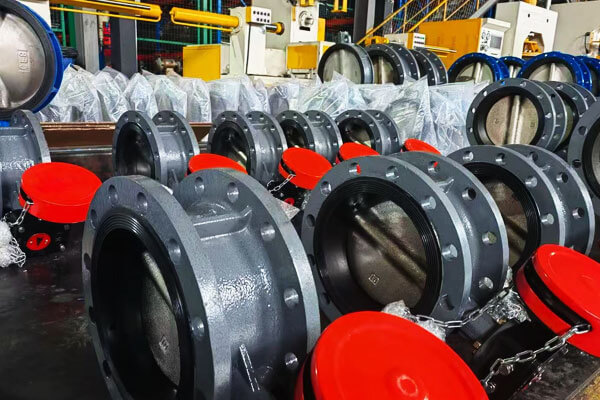
Obróbka cieplna: Inżynieria mikrostruktury w celu optymalizacji wydajności
Obróbkę cieplną stosuje się w celu modyfikacji mikrostruktury stopu odlewniczego, wyeliminować naprężenia resztkowe, i osiągnąć wymaganą równowagę sił, wytrzymałość, i odporność na korozję.
Rozwiązanie obróbki cieplne (Austenityczne stale nierdzewne)
Do gatunków stali nierdzewnej, takich jak CF8, CF8M, CF3, i CF3M, Najbardziej krytycznym procesem jest leczenie roztworem.
Proces obejmuje:
- Ogrzewanie odlewu do temperatury ok 1040°C–1120°C
- Trzymanie w temperaturze w celu rozpuszczenia węglików i ujednolicenia struktury
- Szybkie gaszenie (zwykle chłodzenie wodą)
Kluczowe wyniki obejmują:
- Eliminacja wytrącania się węglika chromu
- Przywrócenie odporności na korozję
- Poprawiona plastyczność i wytrzymałość
- Homogenizowana mikrostruktura austenityczna
Bez odpowiedniego leczenia roztworem, korpusy zaworów ze stali nierdzewnej mogą ulegać korozji międzykrystalicznej i przedwczesnym awariom w środowiskach bogatych w chlorki.
Obróbka cieplna łagodząca stres (Stale węglowe i stopowe)
Korpusy zaworów odlewane ze stali węglowej (NP., WCB, LCC) często zachowują naprężenia szczątkowe powstałe w wyniku krzepnięcia i chłodzenia.
Odprężanie przeprowadza się o godz 550°C–650°C Do:
- Zmniejsz wewnętrzne naprężenia szczątkowe
- Popraw stabilność wymiarową
- Minimalizuj zniekształcenia podczas obróbki i serwisu
- Zwiększ odporność na zmęczenie
Proces ten jest szczególnie ważny w przypadku korpusów przepustnic o dużej średnicy, gdzie nierówne gradienty chłodzenia są bardziej widoczne.
Normalizowanie i hartowanie & Ruszenie
Do stali węglowych i niskostopowych wymagających większej wytrzymałości:
- Normalizacja udoskonala strukturę ziarna i poprawia jednorodność
- Gaszenie i temperowanie znacznie zwiększają wytrzymałość i twardość przy zachowaniu odpowiedniej wytrzymałości
Obróbki te są powszechnie stosowane w zastosowaniach wysokociśnieniowych, takich jak rurociągi naftowe i systemy parowe.
Wykończenie powierzchni: Poprawa funkcjonalności i ochrony
Równie ważne jest wykończenie powierzchni, które bezpośrednio wpływa na odporność na korozję, czystość, wydajność hydrauliczna, i jakość estetyczna.
Śrutowanie i czyszczenie
Śrutowanie jest zazwyczaj pierwszym krokiem wykończeniowym po usunięciu odlewu.
Jego funkcje obejmują:
- Usuwanie resztek powłoki ceramicznej
- Eliminacja kamienia tlenkowego
- Jednolita tekstura powierzchni
- Przygotowanie powierzchni do dalszej obróbki
Do odlewów ze stali węglowej, Powszechnie stosuje się śrut stalowy, podczas gdy w elementach ze stali nierdzewnej często stosuje się śrut ze stali nierdzewnej lub media kontrolowane, aby zapobiec zanieczyszczeniu.
Marynowanie i odkamienianie
Trawienie to proces chemiczny stosowany głównie w przypadku odlewów ze stali nierdzewnej.
Usuwa:
- Ciepły odcień
- Warstwy tlenkowe
- Zanieczyszczenie powierzchni spowodowane obróbką w wysokiej temperaturze
Mieszanki kwasów (typowo azotowy + układy kwasu fluorowodorowego) przywrócić czystą metaliczną powierzchnię, co jest niezbędne dla odporności na korozję.
Leczenie pasywacyjne
Pasywacja zwiększa naturalną odporność stali nierdzewnej na korozję poprzez wspomaganie tworzenia stabilnej warstwy tlenku chromu.
Korzyści obejmują:
- Ulepszona odporność na wżery
- Zwiększona stabilność chemiczna
- Długotrwała ochrona powierzchni
- Zmniejszone ryzyko miejscowej korozji
Ten krok ma kluczowe znaczenie w przypadku korpusów zaworów CF8M stosowanych w środowiskach morskich i chemicznych.
Elektropolera (Zaawansowane aplikacje)
Elektropolerowanie to elektrochemiczny proces wykańczania, który usuwa mikroskopijne szczyty powierzchni, w wyniku czego powierzchnia jest wyjątkowo gładka i czysta.
Zalety obejmują:
- Bardzo niska chropowatość powierzchni
- Lepsze parametry higieniczne
- Zmniejszona adhezja bakterii
- Zwiększona odporność na korozję
- Ulepszona charakterystyka przepływu
Jest szeroko stosowany w:
- Systemy farmaceutyczne
- Rurociągi biotechnologiczne
- Sprzęt do przetwarzania żywności
- Systemy wody ultraczystej
Powłoki ochronne (Zastosowania ze stali węglowej)
Do korpusów zaworów ze stali węglowej, powłoki ochronne są niezbędne, aby zapobiec korozji środowiskowej.
Typowe systemy powłok obejmują:
- Klej epoksydowy (FBE)
- Powłoki poliuretanowe
- Podkłady bogate w cynk
- Systemy malowania proszkowego
Powłoki te zapewniają długotrwałą odporność na wilgoć, chemikalia, i korozję atmosferyczną.
7. Obróbka korpusów zaworów z odlewu metodą ciśnieniową
Odlewanie metodą traconą pozwala uzyskać korpusy o kształcie zbliżonym do netto, ale krytyczne wymiary wymagają obróbki.
Typowe operacje obróbki
| Działanie | Zamiar | Tolerancja |
| Frezowanie czołowe kołnierzy | Osiągnij płaskość i równoległość | ± 0,05 mm |
| Toczenie otworu | Osiągnij precyzyjną średnicę wewnętrzną | ±0,05‑0,10 mm |
| Wiercenie otworów na śruby | Utwórz otwory na śruby kołnierza | ±0,1–0,2 mm |
| Dotykanie nici (występy) | Utwórz gwinty dla zaworów typu lug | ISO / Norma ASME |
| Toczenie rowka siedziska | Precyzyjne wgłębienie na pierścień gniazda | ±0,02‑0,05 mm |
| Wytaczanie otworu na trzpień | Do trzpienia zaworu | ±0,02‑0,05 mm |
| Obróbka podkładki montażowej | Do montażu siłownika | ±0,05‑0,10 mm |
Wyzwania związane z obróbką
| Wyzwanie | Przyczyna | Rozwiązanie |
| Hartowanie pracy | Stal austenityczna utwardza się przez zgniot | Ostre narzędzia z węglików spiekanych; odpowiednie posuwy/prędkości. |
| Zużycie narzędzia | Stal nierdzewna jest materiałem ściernym | Węglik powlekany (Tialn, Pvd); chłód. |
| Gadać / wibracja | Profile cienkościenne | Używaj stałych odpoczynków; zwiększyć sztywność; zmniejszyć zwis. |
| Stabilność wymiarów | Naprężenia szczątkowe powstałe podczas odlewania | Ulga stresowa; obróbka zgrubna → starzenie → obróbka wykańczająca. |
8. Kontrola jakości i inspekcja
Korpusy przepustnic wykonane z odlewu metodą ciśnieniową wymagają rygorystycznego zapewnienia jakości, aby spełnić standardy branżowe.
Testy nieniszczące (Ndt)
| Metoda NDT | Wykrywa | Standard | Częstotliwość |
| Kontrola wzrokowa | Wady powierzchniowe | ASTM E430 | 100% |
| Penetrujący barwnik (Pt) | Pęknięcia powierzchniowe, porowatość | ASTM E165 | 100% (obszary krytyczne) |
| Radiografia (X -Ray) | Porowatość wewnętrzna, wtrącenia | ASTM E94 | 10-25% (seria) |
| Ultradźwiękowy | Wady wewnętrzne, grubość ściany | ASTM E114 | 10-25% (seria) |
| Testowanie ciśnienia | Szczelność | API 598 | 100% |
Kontrola wymiarowa
| Pomiar | Sprzęt | Tolerancja |
| Średnica otworu | CMM lub średnicówka | ± 0,05 mm |
| Płaskość czoła kołnierza | Wskaźnik optyczny lub zegarowy | ≤0,05 mm/m |
| Wymiar twarzą w twarz | CMM lub taśma miernicza | ±0,5–1,0 mm |
| Wzór otworów na śruby kołnierza | CMM lub szablon | ±0,1–0,2 mm |
| Wymiary rowka siedziska | CMM lub specjalny miernik | ±0,02‑0,05 mm |
Testy mechaniczne
| Test | Zamiar | Standard |
| Rozciągający | Dawać, rozciągający, wydłużenie | ASTM E8 / W 10002 |
| Twardość | HB lub HRB | ASTM E10 / ASTM E18 |
| Uderzenie (Charpy) | Wytrzymałość | ASTM E23 |
| Test hydrostatyczny | Integralność ciśnienia | API 598 / ASME B16.34 |
9. Zastosowania przemysłowe korpusu zaworu motylkowego z odlewu inwestycyjnego
Korpusy zaworów motylkowych odlewanych metodą ciśnieniową są szeroko stosowane w wielu gałęziach przemysłu, ponieważ łączą w sobie wysoką dokładność wymiarową, Doskonałe właściwości mechaniczne, i wyjątkową odporność na korozję.
Ich zdolność do dostosowania się do złożonych geometrii przy jednoczesnym zachowaniu integralności ciśnienia sprawia, że nadają się zarówno do standardowych usług przemysłowych, jak i bardzo wymagających środowisk operacyjnych.
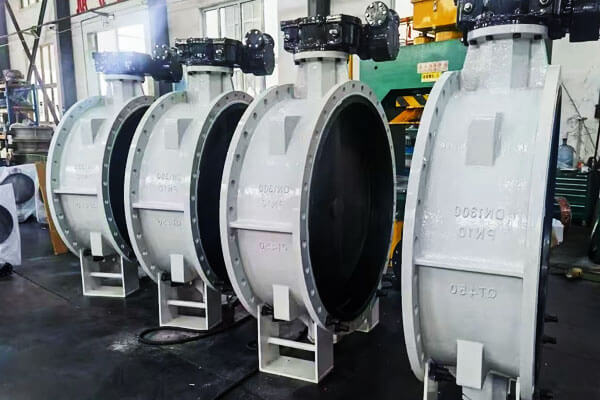
Obróbka i dystrybucja wody
Uzdatnianie wody jest jednym z największych sektorów zastosowań przepustnic.
Miejskie wodociągi, obiekty odsalania, stacje oczyszczania ścieków, i systemy nawadniające wymagają niezawodnego sprzętu do kontroli przepływu, który może pracować w sposób ciągły przy minimalnej konserwacji.
Korpusy przepustnic odlewanych metodą ciśnieniową są szczególnie korzystne, ponieważ zapewniają:
- Doskonała zgodność wymiarowa zapewniająca niezawodne uszczelnienie
- Gładkie powierzchnie wewnętrzne, które zmniejszają opory przepływu
- Dobra odporność na korozję w wodzie pitnej i uzdatnionej
- Długa żywotność przy częstych cyklach pracy
W zależności od jakości wody i warunków pracy, powszechnie stosowane materiały obejmują:
- CF8 stal nierdzewna
- Stal nierdzewna CF8M
- Żeliwo sferoidalne z powłokami ochronnymi
- Stal nierdzewna typu duplex do zastosowań w wodzie morskiej
Do zakładów odsalania, Często preferowana jest stal nierdzewna typu duplex ze względu na jej doskonałą odporność na korozję wżerową i szczelinową wywołaną chlorkami.
Przemysł naftowy i gazowy
Produkcja ropy i gazu poddaje korpusy zaworów najtrudniejszym warunkom pracy spotykanym w zastosowaniach przemysłowych.
Typowe wyzwania operacyjne obejmują:
- Wysokie ciśnienie
- Podwyższone temperatury
- Siarkowodór (H₂s)
- Dwutlenek węgla (Co₂)
- Cząsteczki ścierne
- Przybrzeżne środowiska morskie
Korpusy zaworów motylkowych odlewanych metodą ciśnieniową zapewniają doskonałe utrzymanie ciśnienia, a jednocześnie są wykonane ze stopów odpornych na korozję, specjalnie zaprojektowanych do pracy w kwaśnych warunkach.
Wspólne materiały obejmują:
- Stal węglowa WCB
- Stal nierdzewna CF8M
- Dupleks ze stali nierdzewnej
- Stal nierdzewna typu super duplex
- Stopy na bazie niklu
Typowe zastosowania obejmują:
- Rurociągi na ropę naftową
- Platformy offshore
- Jednostki technologiczne rafinerii
- Przesył gazu ziemnego
- Terminale LNG
- Zakłady petrochemiczne
Precyzja odlewania metodą traconego paliwa poprawia również niezawodność uszczelnienia, co ma kluczowe znaczenie dla zapobiegania emisjom ulotnym i zapewniania zgodności z wymogami ochrony środowiska.
Przetwarzanie chemiczne
Zakłady chemiczne przetwarzają bardzo agresywne media, które mogą szybko spowodować degradację konwencjonalnych materiałów konstrukcyjnych.
Typowe środki chemiczne obejmują:
- Kwas siarkowy
- Kwas chlorowodorowy
- Kwas azotowy
- Wodorotlenek sodu
- Roztwory chlorków
- Rozpuszczalniki organiczne
Odlewanie metodą traconą umożliwia producentom wytwarzanie korpusów przepustnic ze stopów o wysokiej odporności na korozję, przy jednoczesnym zachowaniu doskonałej precyzji wymiarowej.
W zależności od chemii procesu, odpowiednie materiały obejmują:
- Stal nierdzewna CF8M
- Dupleks ze stali nierdzewnej
- Hastelloy
- Niewygod
- Monel
Doskonałe wykończenie powierzchni uzyskane metodą odlewania metodą traconego paliwa minimalizuje również powstawanie szczelin, ograniczając miejscową korozję i ułatwiając czyszczenie sprzętu.
Wytwarzanie energii
Elektrownie wymagają zaworów zdolnych do ciągłej pracy w wymagających warunkach termicznych i mechanicznych.
Aplikacje obejmują:
- Systemy wody zasilającej kotły
- Dystrybucja pary
- Systemy wody chłodzącej
- Spalin Desulfuriation
- Systemy kondensatu
Korpusy zaworów muszą wytrzymać:
- Wysokie ciśnienie
- Cykl termiczny
- Podwyższone temperatury
- Kondensaty korozyjne
Do tych zastosowań powszechnie wybiera się żaroodporne stale nierdzewne i stopy na bazie niklu.
Stabilność wymiarowa zapewniana przez odlewanie metodą traconego wosku przyczynia się do stałej wydajności zaworu podczas powtarzających się cykli rozszerzania i kurczenia termicznego.
Przemysł żywności i napojów
Sprzęt do przetwarzania żywności musi spełniać rygorystyczne normy higieniczne, zachowując jednocześnie doskonałą odporność na korozję.
Typowe zastosowania obejmują:
- Produkcja napojów
- Przetwarzanie mleczarskie
- Browarnictwo
- Rafinacja cukru
- Produkcja oleju jadalnego
Korpusy przepustnic wykonane ze stali nierdzewnej odlewanej metodą ciśnieniową mają kilka ważnych zalet:
- Gładki, powierzchnie nadające się do czyszczenia
- Niska adhezja bakterii
- Doskonała odporność na korozję
- Dokładność wysokiej wymiaru
- Zgodność z procedurami czyszczenia sanitarnego
Elektropolerowane stale nierdzewne CF3 i CF3M są często stosowane w higienicznych systemach procesowych, gdzie istotna jest czystość produktu.
Przemysł farmaceutyczny i biotechnologiczny
Produkcja farmaceutyczna stawia jeszcze bardziej rygorystyczne wymagania niż przetwórstwo żywności.
Korpusy zaworów muszą być eksponowane:
- Niezwykle gładkie powierzchnie
- Minimalne ryzyko zanieczyszczenia
- Doskonała łatwość czyszczenia
- Odporność na agresywne chemikalia sterylizacyjne
- Zgodność ze standardami GMP
Odlewanie metodą traconego materiału zapewnia wyjątkową dokładność geometryczną, minimalizując jednocześnie niedoskonałości powierzchni, na których mogą być siedliskiem mikroorganizmów.
Dodatkowe elektropolerowanie dodatkowo poprawia:
- Chropowatość powierzchni
- Odporność na korozję
- Sterylność
- Czystość produktu
Te cechy sprawiają, że korpusy zaworów motylkowych z odlewu metodą ciśnieniową doskonale nadają się do sterylnych systemów przetwarzania.
Inżynieria morska
Środowiska morskie łączą w sobie kilka agresywnych czynników:
- Korozja słonowodna
- Wysoka wilgotność
- Zanieczyszczenia biologiczne
- Wibracje mechaniczne
- Ładowanie cykliczne
Korpusy zaworów stosowane na statkach, Platformy offshore, i obiekty przybrzeżne wymagają wyjątkowej odporności na korozję.
Wspólne materiały obejmują:
- Dupleks ze stali nierdzewnej
- Stal nierdzewna typu super duplex
- Monel
- Stopy brązu
Odlewanie metodą traconą umożliwia tworzenie skomplikowanych projektów zaworów morskich, zapewniając jednocześnie doskonałą integralność mechaniczną w warunkach ciągłego narażenia na działanie wody morskiej.
Górnictwo i Przeróbka Minerałów
Działalność wydobywcza stwarza wyjątkowe wyzwania ze względu na wysoce ścierne szlamy zawierające zawieszone ciała stałe.
Korpusy zaworów muszą stawiać opór:
- Zużycie ścierne
- Ładowanie uderzenia
- Korozja
- Wysokie prędkości przepływu
Odlewana metodą ciśnieniową stal nierdzewna duplex oferuje doskonałe połączenie odporności na zużycie, wytrzymałość, i odporność na korozję, dzięki czemu nadaje się do systemów transportu gnojowicy.
Usługi HVAC i budowlane
W dużych budynkach komercyjnych często stosuje się zawory motylkowe:
- Woda schłodzona
- Systemy grzewcze
- Chłodzące wieże
- Ochrona przeciwpożarowa
- Dystrybucja wody
Korpusy zaworów z odlewu metodą ciśnieniową zapewniają lekką konstrukcję, dokładne wymiary, i niezawodne uszczelnienie, przy jednoczesnej redukcji kosztów konserwacji w długich okresach eksploatacji.
10. Przyszłe trendy rozwojowe
| Tendencja | Opis | Wpływ na korpusy zaworów wykonane z odlewu metodą traconego wosku |
| Produkcja przyrostowa modeli woskowych | 3Wzory z nadrukiem typu D eliminują konieczność stosowania narzędzi w przypadku małych nakładów. | Umożliwia szybkie prototypowanie; niestandardowe rozmiary bez kosztów matrycy. |
| Cyfrowy bliźniak i symulacja | Symulacja odlewania i obróbki w czasie rzeczywistym. | Redukuje defekty; optymalizuje proces. |
| Przewidywanie defektów oparte na sztucznej inteligencji | Uczenie maszynowe przewiduje porowatość i wtrącenia. | Poprawia wydajność; zmniejsza inspekcję. |
Wysokowydajne stopy duplex |
Nowe stopy duplex o wyższej wytrzymałości i odporności na korozję. | Umożliwia cieńsze sekcje; redukcja masy ciała. |
| Zrównoważone materiały powłoki | Spoiwa na bazie biologicznej; skorupa nadająca się do recyklingu. | Zmniejsza wpływ na środowisko. |
| Inteligentne korpusy zaworów | Wbudowane czujniki temperatury, ciśnienie, korozja. | Umożliwia konserwację predykcyjną; monitorowanie stanu. |
| Odlewy inwestycyjne o dużej średnicy | Rozmiary odlewów do DN1200 / 48″. | Rozszerza zakres zastosowań na duże rurociągi. |
| Elektryfikacja topienia | Topienie indukcyjne przy użyciu energii odnawialnej. | Zmniejsza ślad węglowy. |
11. Wniosek
Odlewanie metodą traconą to najważniejszy proces produkcyjny wysokowydajnych korpusów przepustnic, szczególnie w przypadku stali nierdzewnej i stopów duplex.
Oferuje unikalną kombinację złożoność geometryczna, dokładność wymiarowa, Wykończenie powierzchni, i integralność materialną czego nie można porównać z odlewaniem w piasku, kucie, lub fabrykacja.
W procesie tym powstają komponenty o kształcie zbliżonym do netto przy minimalnej obróbce, doskonała szczelność ciśnieniowa, i spójne właściwości mechaniczne.
Do korpusów zaworów wymagających odporności na korozję, wąskie tolerancje, i długą żywotność – zarówno w zakładach chemicznych, Platformy offshore, lub linie do przetwarzania żywności – metodą z wyboru jest odlewanie inwestycyjne.
Sukces korpusów przepustnic wykonanych z odlewu metodą ciśnieniową zależy od rygorystycznej kontroli w całym łańcuchu produkcyjnym: Wybór stopu, Projektowanie wzorów, Budynek skorupy, topienie, zsyp, obróbka cieplna, obróbka, i inspekcja.
Postępy w symulacji, automatyzacja, i zrównoważone materiały dodatkowo usprawniają ten proces, czyniąc go bardziej wydajnym, niezawodny, i przyjazne dla środowiska.
Ponieważ branże wymagają wyższej wydajności, jaśniejszy ciężar, i dłuższą żywotność urządzeń do kontroli przepływu, Casting inwestycyjny będzie nadal odgrywał kluczową rolę w sprostaniu tym wyzwaniom.
FAQ
Jaki jest maksymalny rozmiar korpusu przepustnicy, który można odlewać metodą traconą??
Typowa wydajność odlewania metodą traconą: aż do 600 mm (24″) średnica korpusów płytek / występów; większe rozmiary do 900 mm (36″) są możliwe przy specjalistycznej budowie szkieletowej.
Do bardzo dużych zaworów (>48″), odlewanie lub wytwarzanie w piasku jest bardziej ekonomiczne.
Jaka jest różnica między korpusami zaworów typu waflowego i z występami?
Korpusy typu waflowego są cienkie i zaciskane pomiędzy kołnierzami; Korpusy z występami mają gwintowane wkładki po obu stronach i mogą być używane jako zawory końca przewodu. Obydwa nadają się do odlewania inwestycyjnego.
Czy można naprawić korpusy zaworów wykonane z odlewu metodą traconego wosku??
Drobne wady odlewu można naprawić poprzez spawanie (z odpowiednim wypełniaczem i podgrzać), ale duże wady zazwyczaj powodują złom. HIP może wyeliminować porowatość, ale nie może naprawić defektów powierzchni.
Jaki jest typowy czas realizacji korpusów zaworów z odlewu metodą ciśnieniową?
8-12 tygodni na oprzyrządowanie i pierwsze artykuły; 2–4 tygodnie w przypadku powtarzających się zamówień (z istniejącym oprzyrządowaniem). Zamówienia pilne mogą zostać przyspieszone za dodatkową opłatą.