

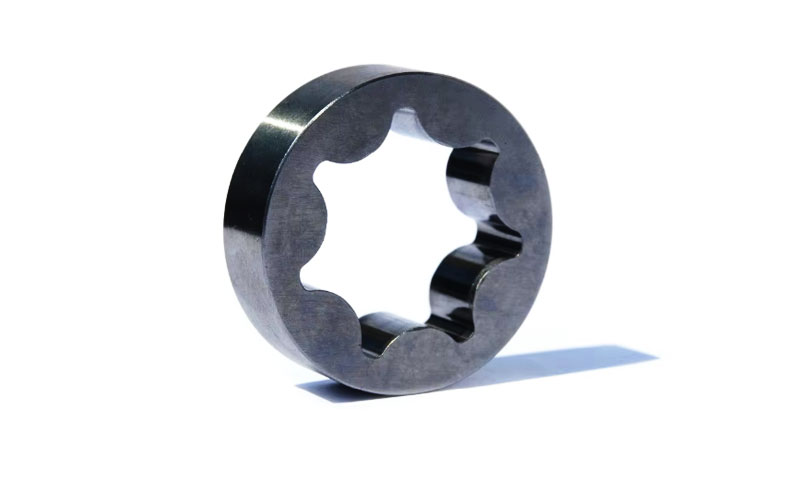
Invoering
Poedermetallurgie is een van de belangrijkste ‘near-net-shape’-productietechnologieën in de moderne industrie.
Het wordt gebruikt wanneer een component moet worden gecombineerd materiële efficiëntie, dimensionale consistentie, Complexe geometrie, en herhaalbare massaproductie.
In tegenstelling tot conventionele methoden die beginnen met een volledig gesmolten metaal of een groot smeedstuk, poedermetallurgie begint vanaf metalen poeders en bouwt het onderdeel op door middel van gecontroleerde verdichting en thermische consolidatie.
Dat verschil is fundamenteel. Poedermetallurgie is niet simpelweg een ‘andere manier om metalen onderdelen te maken’.
Het is een aparte engineeringroute die fabrikanten toegang geeft tot eigenschappen en geometrieën die vaak moeilijk zijn, duur, of onmogelijk te bereiken door middel van gieten, smeden, of alleen machinaal bewerken.
Daarom, poedermetallurgie is diep verankerd geraakt in industrieën zoals de automobielsector, ruimtevaart, elektronica, medische apparaten, gereedschap, energie systemen, en hoogwaardige consumentenproducten.
1. Wat is poedermetallurgie?
Poedermetallurgie is een productieproces waarbij metaalpoeders worden in de gewenste vorm gevormd en vervolgens door warmte geconsolideerd, druk, of beide.
Het doel is om een solide onderdeel te creëren waarvan de interne structuur, dikte, en mechanische prestaties worden vanaf de vroegste productiestadia gecontroleerd.
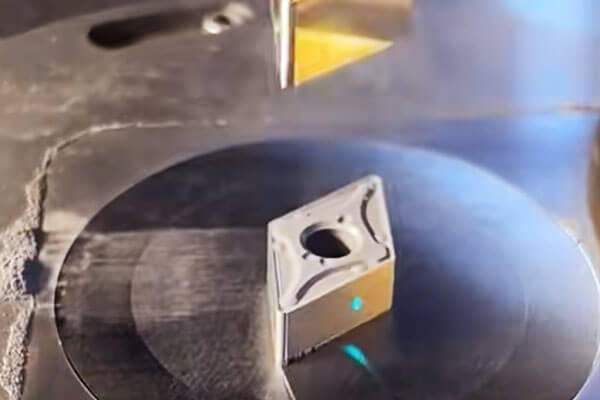
De twee essentiële stappen:
- Verdichting – Metaalpoeder wordt in een stijve matrijs geplaatst en door een pons samengeperst, doorgaans bij een druk van 200-800 MPa (30‑120 ksi).
Het resultaat is een “groene compact” met voldoende mechanische integriteit voor hantering. - Sintel – De groene compact wordt verwarmd in een oven met gecontroleerde atmosfeer tot een temperatuur die doorgaans 70-90% van het absolute smeltpunt van het metaal bedraagt.
Atomen diffunderen over deeltjescontacten, het vormen van halzen die groeien en uiteindelijk de poriën elimineren, een sterke produceren, dichte deel.
Optionele secundaire bewerkingen omvatten formaatbepaling, bedenken, warmtebehandeling, bewerking, en infiltratie (poriën vullen met een lager smeltend metaal).
Dit maakt poedermetallurgie bijzonder nuttig voor:
- complexe vormen,
- precisieonderdelen met een hoog volume,
- materialen die moeilijk te bewerken zijn,
- gecontroleerde porositeitstoepassingen,
- en legeringen die moeilijk te verwerken zijn met conventionele op smelt gebaseerde methoden.
2. Een korte geschiedenis van de poedermetallurgie
De oorsprong van de poedermetallurgie is eeuwenoud. Egyptenaren gebruikten ijzerpoeder in het 3e millennium voor Christus om werktuigen te maken. Het moderne tijdperk begon in het begin van de 20e eeuw:
- 1909 – Coolidge ontwikkelde het proces voor wolfraamlampgloeidraden (gloeilampen), nog steeds een kenmerkende toepassing in de poedermetallurgie.
- 1920jaren dertig – Poreuze bronzen lagers (met olie geïmpregneerde “zelfsmerende” lagers) begon met massaproductie voor auto- en industriële machines.
- 1940S – De oorlogsinspanningen vereisten een grootschalige productie van ijzer, staal, en wolfraamcarbide onderdelen voor tanks, vliegtuig, en munitie.
- 1960S – De uitvinding van heet isostatisch persen (HEUP) en de ontwikkeling van superlegeringspoeders maakte straalmotorschijven mogelijk.
- 1990s-aanwezig – Metaalspuitgieten (Mim) en additieve productie (laserpoederbedfusie) hebben de poedermetallurgie tot complex uitgebreid, hoogwaardige componenten.
Vandaag, de mondiale poedermetallurgiemarkt overtreft $20 miljard per jaar, terwijl de auto-industrie meer consumeert dan 70% van alle ferro PM-onderdelen.
3. De kernlogica achter de poedermetallurgie
Poedermetallurgie is fundamenteel een engineeringroute voor vastestofmaterialen.
De bepalende logica ervan is niet om het metaal te smelten en opnieuw te gieten, maar om los poeder om te zetten in een samenhangend onderdeel verdichting, verspreiding, en sinteren beneden het smeltpunt van het basismetaal.
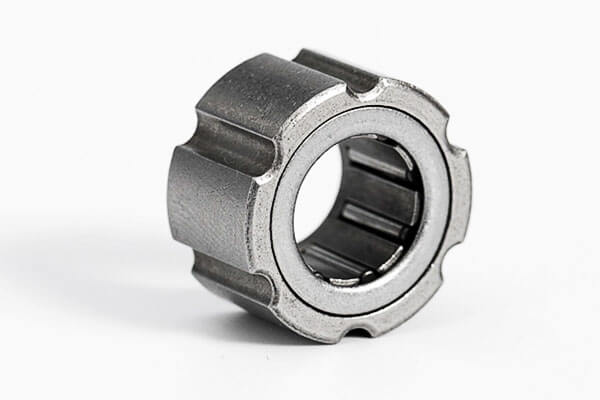
De metallurgische essentie van poedermetallurgie
In de kern, poedermetallurgie berust op de gecontroleerde omzetting van een poreus poedercompact in een dicht en functioneel metalen lichaam.
Na verdichting, de poederdeeltjes zijn alleen mechanisch met elkaar verbonden.
Ze raken elkaar op discrete punten, maar het onderdeel is nog steeds een groene compacte met beperkte sterkte en aanzienlijke porositeit.
De beslissende transformatie vindt plaats tijdens het sinteren.
Naarmate de temperatuur stijgt, De atomaire mobiliteit neemt toe en atomen beginnen over deeltjesoppervlakken te diffunderen, graangrenzen, en roosterdefecten.
Hierdoor ontstaan lokale bindingszones bij de deeltjescontacten, bekend als sinterende halzen.
Bij voortdurende blootstelling aan hitte, deze halzen groeien, aangrenzende poriën krimpen, en de individuele poederdeeltjes smelten geleidelijk samen tot een continue metallische matrix.
Deze door diffusie aangedreven consolidatie is wat de poedermetallurgie onderscheidt van gieten en smeden:
- Gieten hangt af van de stolling van vloeibaar metaal.
- Smeden hangt af van bulkplastische vervorming.
- Poeder metallurgie hangt af van diffusiebinding tussen deeltjes in de vaste toestand.
Dat verschil is niet louter procedureel. Het definieert de microstructuur, dikte, en eigenschappenomhulling van het voltooide onderdeel.
Van groen compact tot volledig gesinterd onderdeel
De evolutie van een poedermetallurgiecomponent kan in vier verschillende fasen worden begrepen.
Groene compacte staat
Na het persen of gieten, de poederdeeltjes worden voornamelijk bij elkaar gehouden door mechanische wrijving en contactdruk.
Het onderdeel heeft de gewenste vorm, maar de interne structuur blijft open en poreus.
In dit stadium, het onderdeel is kwetsbaar en kan nog geen mechanische prestaties op serviceniveau leveren.
Nekvorming en diffusiebinding
Tijdens het sinteren, warmte activeert atomaire beweging. De deeltjes beginnen zich te binden op contactpunten, het vormen van halzen die de openingen daartussen overbruggen.
Dit is de eerste echte metallurgische stap, omdat het onderdeel zich begint te gedragen als een continu materiaal in plaats van als een verzameling afzonderlijke deeltjes.
Verdichting en krimping van de poriën
Naarmate de verspreiding voortduurt, onregelmatige holtes tussen deeltjes krimpen en worden meer afgerond of geïsoleerd.
De interne structuur wordt dichter, en de mechanische eigenschappen verbeteren sterk.
Deze verdichtingsstap is van cruciaal belang voor de kwaliteit van de poedermetallurgie, omdat deze de sterkte bepaalt, vermoeidheid weerstand, slijtage gedrag, en dimensionale stabiliteit.
Graangroei en stabilisatie
Met voldoende thermische blootstelling, de microstructuur stabiliseert.
Fijne granen kunnen matig groeien, resterende stress wordt verlicht, en het laatste deel ontwikkelt een stabiel evenwicht tussen sterkte en taaiheid.
De controle van tijd en temperatuur is hier van cruciaal belang: te weinig sinteren maakt het onderdeel zwak; te veel kan overmatige graangroei en verlies van eigenschappen veroorzaken.
Controleerbare resterende porositeit: een uniek poedermetallurgisch kenmerk
Een van de belangrijkste voordelen van poedermetallurgie is dat porositeit niet altijd een defect is.
In tegenstelling tot smeed- of gegoten metalen, PM-onderdelen kunnen worden ontworpen met opzettelijke resterende porositeit.
Wanneer goed gecontroleerd, deze microscopisch kleine poriën kunnen nuttig functioneel gedrag bieden, zoals:
- zelfsmering,
- geluidsabsorptie,
- permeabiliteit,
- filtratie vermogen,
- en gewichtsvermindering.
Dit is een onderscheidend technisch voordeel. In veel andere metaalvormende routes, porositeit is iets dat moet worden geëlimineerd.
In de poedermetallurgie, porositeit kan zijn ontworpen, beheerd, en gebruikt als functie.
Twee belangrijke sintermodi
Poedermetallurgie is opgebouwd rond twee belangrijke sintermechanismen, elk geschikt voor verschillende legeringssystemen en prestatiedoelen.
Sinteren in vaste fase
Dit is de dominante route voor de meeste op ijzer gebaseerde producten, op koper gebaseerd, en op aluminium gebaseerde poedermetallurgische onderdelen. Tijdens de sinterfase verschijnt er geen vloeibare fase.
Binding vindt volledig plaats via diffusie in vaste toestand, wat het proces een sterke dimensionale controle en relatief lage vervorming geeft.
In dat geval heeft sinteren in de vaste fase de voorkeur:
- vormnauwkeurigheid is belangrijk,
- vervorming moet tot een minimum worden beperkt,
- en het legeringssysteem kan effectief consolideren zonder gedeeltelijk te smelten.
Sinteren in de vloeistoffase
Bij sinteren in de vloeibare fase, een laagsmeltend bestanddeel smelt tijdens de warmtebehandeling en helpt de verdichting te versnellen door de gaten tussen de deeltjes op te vullen.
Deze methode wordt veel toegepast in composietsystemen en harde materialen zoals WC-CO.
Sinteren in de vloeistoffase is vooral nuttig wanneer:
- hoge verdichting is vereist,
- snelle poriënvulling is gunstig,
- en het materiaalsysteem is ontworpen om een voorbijgaande vloeibare fase te tolereren.
4. Volledige industriële processtroom van poedermetallurgie
Een gestandaardiseerde productielijn voor poedermetallurgie is opgebouwd rond een strak gecontroleerde opeenvolging van bewerkingen.
Elke fase beïnvloedt de uiteindelijke dichtheid, dimensionale nauwkeurigheid, microstructuur, en serviceprestaties van het onderdeel.
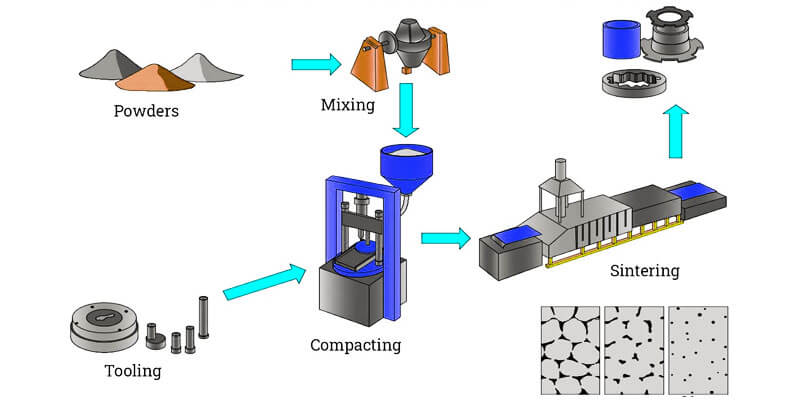
Poedervoorbereiding en voorbehandeling
Het startpunt van elk poedermetallurgisch proces is het poeder zelf.
De poederkwaliteit bepaalt of de latere stadia een stal kunnen opleveren, herhaalbaar, hoogwaardig onderdeel.
Poederproductieroutes
| Methode | Beschrijving | Voorbeelden |
| Waterverneveling | Hogedrukwaterstralen breken een stroom gesmolten metaal. Onregelmatig, hoekige deeltjes (goede groene kracht). | Ijzer, staal, koper |
| Gasverneveling | Inert gas (N₂, AR) produceert bolvormige deeltjes (goede vloeibaarheid). | Roestvrij staal, Superlegeringen, titanium |
| Elektrolyse | Elektrochemische afzetting produceert zeer fijn, zeer zuivere poeders. | Koper, nikkel |
| Chemische reductie | Metaaloxide wordt gereduceerd met waterstof of koolmonoxide. | Ijzer, wolfraam, molybdeum |
| Mechanische verkleining | Breken en malen van brosse metalen. | Ferrolegeringen, wat titanium |
Onder deze, gasverneveling produceert in het algemeen meer bolvormige deeltjes, betere vloeibaarheid, lagere oxidatieneiging, en hogere geschiktheid voor precisie- of hogedichtheidscomponenten.
Met water vernevelde poeders zijn doorgaans onregelmatiger van vorm, lager in kosten, en op grote schaal gebruikt voor algemene structurele onderdelen waar de absolute deeltjesregelmaat minder kritisch is.
Voorbehandelingsoperaties
Vóór het vormen, poeders ondergaan vaak:
- sorteren op deeltjesgrootte,
- verwijdering van onzuiverheden,
- homogenisatie,
- legering mengen,
- en toevoeging van smeermiddel of bindmiddel.
Deze voorbehandelingsfase is van cruciaal belang omdat deze de poederstroom verbetert, vermindert de segregatie, verbetert het vullen van de matrijzen, en vermindert de slijtage van het gereedschap tijdens het verdichten.
Voor legeringssystemen gemaakt van gemengde elementaire poeders, Vooral een uniforme menging is belangrijk;
zelfs kleine segregatiefouten kunnen tot dichtheidsvariatie leiden, inconsistente krimp, of ongelijkmatige mechanische prestaties na het sinteren.
Precisieverdichting en groenvorming
Na voorbehandeling, het poeder wordt door middel van precisiepersing tot een “groene” compact gevormd.
Verdichtingsprincipe
Het poeder wordt in een stijve matrijs geplaatst en onder hoge druk samengeperst, doorgaans binnen een breed industrieel bereik, afhankelijk van de materiaal- en onderdeelgeometrie.
Deze druk zet het losse poeder om in een bijna netvormig lichaam met voldoende samenhang voor hantering.
Groene compacte kenmerken
Het groene gedeelte heeft al de juiste geometrie, maar het is nog steeds slechts een gedeeltelijk gebonden structuur.
De kracht komt voornamelijk voort uit het contact met deeltjes, wrijving, en mechanische vergrendeling in plaats van echte metallurgische binding.
Dat betekent dat het onderdeel sterk genoeg moet zijn:
- uitwerpen uit de matrijs,
- overbrengen naar de oven,
- en behandeling tijdens volgende stappen,
zonder te kraken, randuitbraak, of dimensionale vervorming.
Atmosfeergecontroleerd sinteren
Sinteren is de centrale metallurgische stap in de poedermetallurgie.
Het is de fase waarin het onderdeel wordt getransformeerd van een mechanisch verdicht poederlichaam naar een echt metalen onderdeel.
Beschermende atmosfeer
Sinteren wordt normaal gesproken uitgevoerd in een afgesloten oven met een gecontroleerde atmosfeer, zoals:
- stikstof,
- waterstof,
- gedissocieerde ammoniak,
- of inert gas.
Deze omgeving is essentieel omdat hoge temperaturen het poeder zeer gevoelig maken voor oxidatie, decarburisatie, en oppervlakteverontreiniging.
Zonder beschermende atmosfeer, het onderdeel kan dichtheid verliezen, oppervlaktekwaliteit, en mechanische prestaties.
Sintermechanisme
Tijdens het sinteren:
- atomaire diffusie begint over deeltjescontacten,
- sinterhalzen groeien tussen aangrenzende deeltjes,
- poriën krimpen en worden ronder,
- en de hele structuur ontwikkelt metallurgische continuïteit.
De temperatuur, tijd vasthouden, en de verwarmings-/koelsnelheid zijn allemaal afhankelijk van de legering.
Op ijzer gebaseerde systemen, op koper gebaseerde systemen, op aluminium gebaseerde systemen, en materialen voor hoge temperaturen vereisen elk verschillende thermische schema's.
Het doel is altijd hetzelfde: maximaliseer de hechting en verdichting terwijl de geometrie behouden blijft en de korrelgroei onder controle wordt gehouden.
Afwerking na het sinteren en verbetering van eigenschappen
Nadat het onderdeel is gesinterd, aanvullende bewerkingen worden vaak gebruikt om de prestaties te verfijnen of naar de definitieve specificatie te brengen.
- Verdichtingsbehandeling: Maatvoering, munten en heet isostatisch persen (HEUP) om resterende poriën te elimineren en de dichtheid te verbeteren;
- Prestatiewijziging: Olie-impregnatie voor zelfsmerende onderdelen, warmtebehandeling (blussen en temperen) voor krachtverbetering, oppervlaktecarbureren voor slijtvastheid;
- Precisieverwerking: Fijn draaien, slijpen en ontbramen om te voldoen aan uiterst nauwkeurige montagetoleranties;
- Oppervlaktebehandeling: Schot schieten, beplating en oxidatiebestendige coating om de esthetiek van het oppervlak en de corrosieweerstand te verbeteren.
Kwaliteitsinspectie en productclassificatie
100% dimensionale inspectie, dichtheid testen, hardheidstesten en microscopische metallografische analyses worden geïmplementeerd voor eindproducten.
Belangrijke functionele onderdelen ondergaan vermoeidheidstests, slijtvastheidstesten en niet-destructieve foutdetectie om te voldoen aan de MPIF- en ISO-kwaliteitsnormen.
5. Soorten poedermetallurgie
Poedermetallurgie is niet een enkelvoudig proces, maar een familie van productieroutes gebouwd rond metaalpoeders, vormgeven, en consolidatie onder of rond het smeltpunt van het basismetaal.
Conventionele pers-en-sinter
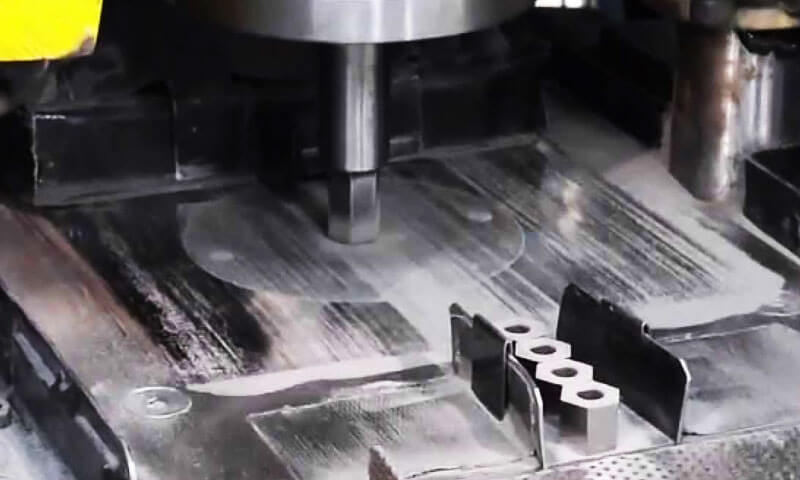
Dit is de klassieke en nog steeds meest algemeen erkende poedermetallurgieroute. Metaalpoeder wordt gemengd, gecompacteerd in een stijve matrijs bij kamertemperatuur, en vervolgens gesinterd in een gecontroleerde atmosfeer.
Typische kenmerken
Press-and-sinter is hier het meest geschikt voor productie van grote volumes van kleine tot middelgrote onderdelen met relatief eenvoudige geometrie.
Het wordt veel gebruikt voor tandwielen, bussen, structurele kleine onderdelen, en andere herhaalbare componenten waarbij de matrijskosten kunnen worden afgeschreven over grote productieruns.
De belangrijkste kracht is de kosteneffectieve ‘near-net-shape’-productie.
Metaalspuitgieten (Mim)
Metaalspuitgieten combineert fijn metaalpoeder met een bindmiddelsysteem om een grondstof te creëren die tot zeer complexe vormen kan worden gegoten.
Na het vormen, het bindmiddel wordt verwijderd en het onderdeel wordt gesinterd.
MIM is een van de belangrijkste poedermetallurgietechnologieën, en referenties uit de industrie positioneren het gewoonlijk als de route voor zeer ingewikkelde kleine onderdelen.
Typische kenmerken
MIM is vooral waardevol als het onderdeel dat is:
- klein,
- zeer gedetailleerd,
- Moeilijk te bewerken,
- en in grote hoeveelheden geproduceerd.
Omdat het poeder erg fijn is en de vormgeometrie zeer complex kan zijn,
MIM wordt vaak gebruikt voor precisiehardware, medische componenten, elektronica onderdelen, en miniatuur mechanische assemblages.
Isostatisch persen
Bij isostatisch persen wordt vanuit alle richtingen gelijkmatig druk uitgeoefend op een met poeder gevulde container.
Dit kan bij kamertemperatuur worden gedaan koude isostatisch persen (Cip) of bij verhoogde temperatuur zoals Hot isostatische drukken (HEUP).
HIP gebruikt hoge druk en verhoogde temperatuur om poeders of gegoten en gesinterde onderdelen te verdichten, en dat het een zeer hoge verdichting en isotrope eigenschappen kan bieden.
Typische kenmerken
Isostatisch persen wordt gebruikt wanneer een uniforme dichtheid van cruciaal belang is.
Vergeleken met uniaxiaal matrijzenpersen, het zorgt voor een gelijkmatigere verdichting en is vooral waardevol voor hoogwaardige onderdelen, moeilijke materialen, en vormen die niet ideaal zijn voor conventionele matrijsverdichting.
Poedersmeden en poederwalsen
Poedersmeden is een hybride route waarbij een poedergeperste voorvorm wordt gesinterd en vervolgens gesmeed om een hogere dichtheid en betere mechanische prestaties te bereiken.
Poederwalsen past een soortgelijk idee toe door middel van rollen in plaats van smeden.
Deze methoden worden gebruikt wanneer de vormefficiëntie van PM nodig is, maar het laatste deel vereist ook mechanische sterkte die die van smeedmateriaal benadert.
Industrieoverzichten van poedermetallurgische procesfamilies omvatten gewoonlijk poedersmeden als een van de gevestigde routes.
Typische kenmerken
Deze route is aantrekkelijk voor constructiedelen die dat nodig hebben:
- hogere dichtheid,
- verbeterde vermoeidheidsprestaties,
- en sterker draagvermogen dan eenvoudige pers-en-sinteronderdelen.
Sinteren in de vloeistoffase
Sinteren in de vloeibare fase is een poedermetallurgische route waarbij zich tijdens het sinteren een vloeistof vormt die de verdichting helpt versnellen.
Een klassiek overzicht definieert het als een proces voor het vormen van hoogwaardige meerfasige componenten uit poeders onder omstandigheden waarin vaste korrels naast een bevochtigingsvloeistof bestaan..
Deze route wordt veel gebruikt voor composietsystemen en harde materialen zoals WC-Co.
Typische kenmerken
Sinteren in de vloeistoffase wordt geselecteerd wanneer:
- Er is een zeer hoge verdichting nodig,
- het legeringssysteem profiteert van vloeistofondersteunde herschikking van deeltjes,
- en het laatste onderdeel is bedoeld als een hoogwaardig meerfasig materiaal.
Additieve poedermetallurgie (3D Metaalprinten)
Een opkomende innovatieve tak inclusief selectief lasersmelten (SLM) en elektronenstraal smelten (EBM).
Het realiseert willekeurige complexe structurele vorming van metaalpoeders, het doorbreken van de vormbeperkingen van traditionele op matrijzen gebaseerde poedermetallurgieprocessen, en een kerntechnologie worden voor op maat gemaakte hoogwaardige apparatuuronderdelen.
Typische kenmerken
Deze route is het beste voor:
- Complexe interne geometrieën,
- onderdelen met een laag volume of aangepaste onderdelen,
- Snelle ontwerp iteratie,
- en structuren die moeilijk te maken zouden zijn met conventionele gereedschappen.
6. Voordelen van poedermetallurgie
| Voordeel | Uitleg |
| Bijna-netvorm | Minimaal schroot (typisch materiaalgebruik >95%, vergeleken met 60‑80% voor bewerking vanaf staaf). |
| Elimineert of vermindert machinale bewerking | Complexe geometrieën (stappen, splines, trappen, gaten) worden direct gevormd. |
| Gecontroleerde porositeit | Kan poreuze onderdelen produceren (filters, lagers) of volledig dichte delen (via HIP of sinteren + infiltratie). |
| Op maat gemaakte microstructuren | Legeringselementen kunnen worden gemengd zonder te smelten, waardoor unieke composities mogelijk zijn (Bijv., koper-ijzer-grafiet). |
Prima, uniforme korrelstructuur |
Geen casting -defecten (krimp, segregatie, gasporositeit). |
| Hoge productiesnelheden | Geautomatiseerde persen kunnen 10-60 delen per minuut per holte produceren; meerdere holtes per dobbelsteen. |
| Materiële veelzijdigheid | Kan niet-mengbare metalen combineren (Bijv., koper-wolfraam), keramiek (cermets), en vaste smeermiddelen (MoS₂, grafiet). |
| Energiezuinig | Lagere energie dan smelten en gieten (voor de meeste stappen is smelten niet nodig). |
7. Beperkingen en uitdagingen
| Beperking | Uitleg |
| Beperkingen op het gebied van grootte en vorm | Het persen wordt beperkt door de perscapaciteit (typisch <10 kg deelgewicht). Lange dunne onderdelen zijn moeilijk gelijkmatig te verdichten. |
| Lagere mechanische eigenschappen (vergeleken met bewerkt) | Resterende porositeit (zelfs na het sinteren) vermindert de treksterkte en ductiliteit. Vermoeiingssterkte is bijzonder gevoelig voor de vorm van de poriën. |
| Hogere gereedschapskosten | Precisiematrijzen kunnen duur zijn ($5,000‑50.000+), waardoor PM oneconomisch is voor zeer kleine volumes (<1000 onderdelen). |
Beperkte variatie in sectiedikte |
Door te persen ontstaat een uniforme dikte; dik-dunne overgangen zijn moeilijk. |
| Beperkingen van de stroombaarheid | Complexe ondersnijdingen of inspringende hoeken kunnen niet worden geperst zonder speciaal gereedschap (Bijv., gesplitste sterft). |
| Resterende porositeit | Zelfs poedermetallurgische onderdelen met hoge dichtheid (95-98% dichtheid) hebben een lagere ductiliteit en slagvastheid dan gesmede equivalenten. |
8. Materialen die worden gebruikt in de poedermetallurgie
De poedermetallurgie kan een veel breder scala aan materialen verwerken dan veel mensen denken.
In de industriële praktijk, de gebruikelijke poederfamilies omvatten ijzer en staal, roestvrij staal, koper, aluminium, tin, magnesium, titanium, wolfraam en wolfraamcarbide, molybdeum, en edele metalen.
Ijzerhoudende poeders: ijzer, staal, en laaggelegeerd staal
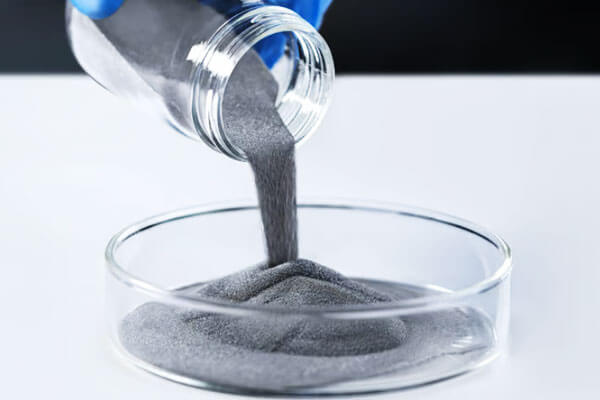
IJzerpoeders vormen de ruggengraat van de conventionele poedermetallurgie.
Ijzer en staal een van de meest voorkomende metalen die in poedervorm verkrijgbaar zijn, en bij de standaard PM-productie worden al lang poeders op ijzerbasis gebruikt voor tandwielen, structurele delen, en andere mechanische componenten met een hoog volume.
In de praktijk, Veel stalen onderdelen uit de poedermetallurgie worden gemaakt door elementair ijzer te mengen met grafiet of door voorgelegeerde poeders te gebruiken, afhankelijk van het vastgoeddoel en de procesroute.
Deze materialen hebben de voorkeur omdat ze combineren:
- sterke mechanische prestaties,
- goede kostenefficiëntie,
- volwassen processtandaarden,
- en uitstekende geschiktheid voor pers- en sinterproductie.
Roestvrij staalpoeders
Roestvrij staal is een van de belangrijkste poedermetallurgiefamilies wanneer corrosiebestendigheid vereist is.
Industriereferenties vermelden roestvrij staal als een standaard PM-materiaalfamilie, en roestvrijstalen PM-onderdelen worden veel gebruikt waar gewone ijzerhoudende materialen te snel zouden corroderen.
Roestvast staal uit de poedermetallurgie wordt geselecteerd wanneer het onderdeel in balans moet zijn:
- corrosieweerstand,
- dimensionale herhaalbaarheid,
- en matige tot hoge mechanische prestaties.
Veel voorkomende PM-roestvrij toepassingen omvatten hardware, kleppen, medische en tandheelkundige componenten, en aan corrosie blootgestelde mechanische onderdelen.
Koper en poeders op koperbasis
Koper is een van de meest gebruikte non-ferropoedermetallurgische materialen.
Koper en legeringen op koperbasis behoren tot de gebruikelijke poedermaterialen, en PM-onderdelen op koperbasis worden veel gebruikt in de elektrische sector, thermisch, en functionele hardware.
Poeders op koperbasis kunnen ook als brons- of messingsysteem geleverd worden. Koper PM heeft de voorkeur als het onderdeel nodig is:
- Hoge elektrische geleidbaarheid,
- thermische geleidbaarheid,
- antiwrijvings- of lagerprestaties,
- of gecontroleerde porositeit voor olie-impregnatie.
Aluminium poeders
Aluminium poeders worden gebruikt wanneer een laag gewicht een prioriteit wordt.
Aluminium behoort tot de meest voorkomende poedermetallurgische metalen, en aluminium PM kunnen worden gebruikt voor lichtgewicht structurele of functionele onderdelen wanneer het proces en de oxidatiecontrole zorgvuldig worden beheerd.
Aluminiumpoedermetallurgie is aantrekkelijk omdat het biedt:
- lage dichtheid,
- nuttige sterkte-gewichtsprestaties,
- en potentieel voor gespecialiseerd ontwerp van lichtgewicht componenten.
Titanium poeders
Titanium is een belangrijke poedermetallurgische materiaalfamilie voor geavanceerde toepassingen.
Titanium behoort tot de meest voorkomende poedermetalen die beschikbaar zijn voor PM-verwerking, en het wordt gewaardeerd omdat de poederroute moeilijk te verwerken titaniumsamenstellingen en hoogwaardige componenten kan ondersteunen.
Meestal wordt er voor titaniumpoedermetallurgie gekozen:
- Hoge specifieke sterkte,
- corrosieweerstand,
- laag gewicht,
- en geavanceerde ruimtevaart- of medische onderdelen.
Nikkel- en nikkel-kobalt-superlegeringspoeders
Nikkel en nikkel-kobalt-superlegeringen worden vermeld als beschikbare PM-materialen en maken deel uit van het productlandschap van de speciale poedermetallurgie.
Ze worden gebruikt wanneer het onderdeel zware temperaturen moet overleven, corrosie, of mechanische omstandigheden.
Deze poeders zijn belangrijk bij:
- structurele onderdelen op hoge temperatuur,
- turbine-gerelateerde toepassingen,
- en speciale componenten die een sterke oxidatieweerstand en duurzaamheid bij hoge temperaturen nodig hebben.
Wolfraam, molybdeum, tantaal, en andere vuurvaste metalen
Vuurvaste metalen vormen een onderscheidende poedermetallurgiecategorie omdat ze moeilijk te verwerken zijn via conventionele smeltgebaseerde routes.
Wolfraam, molybdeum, en tantaal onder de gebruikelijke vuurvaste poedermetalen.
PM is hier vooral belangrijk omdat het dit mogelijk maakt:
- materialen met hoge temperaturen,
- dichte vuurvaste delen,
- en producten die onpraktisch zouden zijn om economisch te maken door gewoon smelten en gieten.
Wolfraamcarbide, cermets, en harde materialen
Poedermetallurgie is een van de belangrijkste routes voor harde materialen.
Snijgereedschappen en slijtdelen van wolfraamcarbide als speciale PM-producten.
De poederroute is hier ideaal omdat deze de vorming van zeer harde sneeuw ondersteunt, slijtvast, meerfasige structuren.
Deze materialen worden gebruikt:
- snijgereedschap,
- draag inzetstukken,
- mijnbouw- en booronderdelen,
- sterven,
- en andere slijtage-kritische toepassingen.
Edelmetalen en speciale functionele materialen
Poedermetallurgie kan hier ook voor worden gebruikt goud, zilver, platina, en andere edelmetaalsystemen, evenals functionele materialen zoals magnetische poederkernen, ferrieten, wrijving materialen, en poreuze producten.
Dit zijn niet altijd structurele materialen. In veel gevallen, hun waarde ligt in:
- elektrisch gedrag,
- magnetische prestaties,
- slijtage gedrag,
- permeabiliteit,
- of speciale functionele prestaties.
9. Vergelijking met gieten en machinaal bewerken
Poedermetallurgie is het meest concurrerend wanneer het onderdeel nodig is bijna-netvorm, gecontroleerd materiaalgebruik, herhaalbaarheid, en de optie voor kunstmatige porositeit.
| Vergelijkingsdimensie | Poeder metallurgie | Precisie gieten | CNC -bewerking |
| Dimensionale precisie | Hoge bijna-netto nauwkeurigheid en goede herhaalbaarheid na verdichting en sinteren. | Gematigd; De gietprecisie is over het algemeen lager dan die van machinale bewerking, en secundaire afwerking is vaak nodig. | Hoogste precisie; Bewerking is de beste route voor nauwe toleranties en definitieve pasvormeigenschappen. |
| Oppervlakte -afwerking | Goed tot matig, afhankelijk van de poedergrootte, gereedschap, en nabewerking; vaak beter dan ruwe gegoten oppervlakken, maar meestal niet zo fijn als eindbewerking. | Variabel; kan glad zijn bij precisiegieten, maar gieten moet over het algemeen worden schoongemaakt en kan oppervlaktedefecten of ruwheid vertonen. | Beste oppervlakteafwerking van de vier wanneer gebruik wordt gemaakt van stabiele snijomstandigheden. |
| Geometriecomplexiteit | Zeer goed voor kleine tot middelgrote bijna-netonderdelen en ingewikkelde functies; vooral sterk in MIM en poedergebaseerde additievenroutes. | Uitstekend geschikt voor complexe interne holtes en grote ingewikkelde vormen, omdat het onderdeel in een mal is gegoten. | Flexibel qua geometrie, maar beperkt door toegang tot het gereedschap, opstellingen, en het feit dat materiaal uit een massief blok wordt verwijderd. |
Materiaalgebruik |
Erg hoog; PM is een bijna-netvormige route en wordt algemeen beschreven als het minimaliseren van verspilling in vergelijking met subtractieve methoden. | Beter dan machinaal bewerken, maar heeft nog steeds een poort nodig, riskers, en opruimmateriaal. | Laagste materiaalgebruik van de vier omdat het materiaal uit een massief blok verwijdert. |
| Interne dichtheid / degelijkheid | Kan zeer dicht zijn, maar veel PM-onderdelen behouden een zekere gecontroleerde porositeit, tenzij ze verder worden verdicht door HIP of soortgelijke methoden. | Kan dicht zijn, maar is gevoelig voor krimp, porositeit, en opnamedefecten als de procesbeheersing zwak is. | De dichtheid wordt geërfd van de basisvoorraad; er wordt geen smelt- of sinterporositeit geïntroduceerd door de bewerking zelf. |
| Mechanische prestaties | Sterk voor zijn gewicht en kostenklasse, maar standaard gesinterde PM-onderdelen passen mogelijk niet bij gesmeed materiaal, tenzij ze zijn verdicht. | Goed, maar de mechanische prestaties zijn sterk afhankelijk van de defectcontrole en het legeringssysteem. | Mechanische prestaties zijn afhankelijk van de uitgangsvoorraad; het bewerkingsproces verbetert de graanstroom niet en elimineert voorraadspecifieke defecten niet. |
Gecontroleerde porositeit / functionele porositeit |
Uniek voordeel; porositeit kan opzettelijk worden behouden voor zelfsmering, permeabiliteit, geluidsabsorptie, en filtratie. | Geen normaal ontwerpkenmerk; porositeit is meestal een defect dat moet worden vermeden. | Niet van toepassing; machinale bewerking creëert geen technische porositeit als procesvoordeel. |
| Typische productieschaal | Uitstekend geschikt voor productie van middelgrote tot grote volumes, zodra het gereedschap en het proces stabiel zijn. | Goed voor laag tot hoog volume, afhankelijk van de gietroute en onderdeelgrootte. | Beste voor een laag volume, prototype, aangepast, of werk met nauwe toleranties waarbij flexibiliteit belangrijker is dan materiaalefficiëntie. |
| Gereedschap / opstellast | In het begin matig tot hoog, maar efficiënt op schaal. | Gematigd; Vorm- en poortontwerp zijn belangrijk, maar de complexiteit is meestal lager dan bij PM-matrijssystemen voor precisieonderdelen met een hoog volume. | Lagere gereedschapscomplexiteit, maar hogere cyclustijd en arbeid per onderdeel. |
| Best passende rol | Near-net-onderdelen met groot volume, functionele porositeit, en materialen die baat hebben bij poederverwerking. | Complexe gietvormen en interne holtes. | Laatste precisieonderdelen, prototypes, en kleinschalig maatwerk. |
10. Toepassingen van poedermetallurgie per industrie
| Industrie | Typische delen | Materiaal |
| Automotive | Transmissie versnellingen, motor tandwielen, rotoren van oliepompen, klepgeleiders, ABS-sensorringen, synchronisatiehubs | Fe-Cu-C, Fe-Ni-Mo staal |
| Power Tools | Lagers, bussen, versnelling, koppelingsplaten | Ijzer, bronzen, Fe-C |
| Industriële machines | Camera's, ketting tandwielen, behuizingen, filters | Bronzen, roestvrij staal, ijzer |
Ruimtevaart |
Turbine-afdichtingen, motoren, brandstofmondstukken (Mim), titanium beugels | Superlegeringen (Inconiëren), TI -6AL -4V |
| Medisch | Chirurgische instrumenten, orthopedische implantaten (hippe cups), Tandgereedschap | 316L roestvrij, TI -6AL -4V |
| Elektrisch | Contacten, commutatoren, koellichamen, magnetische kernen | Koper, zilver-wolfraam, zachte magnetische legeringen |
| Consumentengoederen | Componenten vergrendelen, horlogekasten, rits onderdelen, golfclubhoofdgewichten | Roestvrij staal, messing, wolfraam legering |
11. Conclusie
Poedermetallurgie is een zeer strategische productietechnologie omdat het metaalpoeder omzet in technische onderdelen gecontroleerde geometrie, op maat gemaakte eigenschappen, en efficiënte productie-economie.
De waarde ervan ligt niet alleen in het maken van onderdelen, maar in het maken van onderdelen die moeilijk zijn, kostbaar, of inefficiënt om met andere methoden te produceren.
Terwijl additieve productie en geavanceerde sintertechnologieën de grenzen tussen traditionele poedermetallurgie en 3D-printen vervagen, de toekomst van de poedermetallurgie zal een nog grotere ontwerpvrijheid kennen, nieuwe materiaalcombinaties, en onderdelen met hogere prestaties.
Inzicht in de basisprincipes van poederproductie, verdichting, en sinteren stelt ingenieurs in staat de unieke mogelijkheden van PM te benutten en de valkuilen ervan te vermijden.
LangHe biedt op maat gemaakte poedermetallurgiediensten
Gesteund door sterke capaciteiten op het gebied van poederselectie, vermengen, verdichting, sintel, secundaire bewerking, warmtebehandeling, en oppervlakteafwerking,
LangHe levert poedermetallurgische onderdelen met complexe geometrieën, uitstekende maatvastheid, stabiele mechanische prestaties, en een schoon, professionele uitstraling.
Van prototypevalidatie tot kleine batchbestellingen en grootschalige productie, LangHe ondersteunt productie in de vorm van een bijna-netvorm, materiële efficiëntie, efficiënte componentintegratie, Snelle doorlooptijden, en consistente herhaalbaarheid voor veeleisende projectvereisten.
FAQ's
Is poedermetallurgie hetzelfde als 3D-printen van metaal??
Nee. Beiden gebruiken metaalpoeder, maar conventionele PM comprimeert poeder in een matrijs (2D indrukken), tijdens het 3D-printen (laserpoederbedfusie) bouwt onderdelen laag voor laag op met behulp van een laser om poeder te smelten. MIM is een aparte hybride.
Wat is de maximale grootte van een poedermetallurgieonderdeel?
Typische persen verwerken onderdelen tot 10-20 kg en diameters tot 300-400 mm. Grotere onderdelen kunnen worden gemaakt door isostatisch persen of HIP, maar de kosten stijgen snel.
Waarom zijn poedermetallurgische onderdelen soms zwakker dan gesmede onderdelen??
Resterende porositeit (zelfs na het sinteren) vermindert de effectieve dragende doorsnede en fungeert als spanningsconcentratieplaatsen.
PM met hoge dichtheid (>98%) benadert bewerkte eigenschappen, maar een porositeit daaronder beperkt de ductiliteit en de vermoeiingssterkte.
Kan de poedermetallurgie gaten met schroefdraad produceren??
Interne schroefdraad kan niet direct worden ingedrukt. Ze moeten worden bewerkt na het sinteren of perspassing met inzetstukken met schroefdraad.
Zijn poedermetallurgische onderdelen poreus??
Het hangt af van de toepassing. Structurele PM-onderdelen worden gesinterd tot een dichtheid van 85-95%, waardoor er enkele onderling verbonden of gesloten poriën achterblijven.
Zelfsmerende lagers gebruiken specifiek een open porositeit van 15-20% om olie vast te houden. Volledig dichte delen (Bijv., door HIP) hebben geen zichtbare porositeit.

