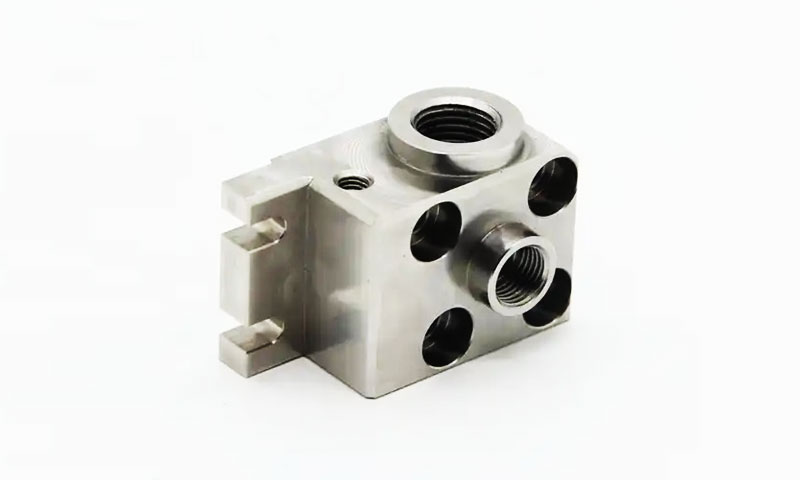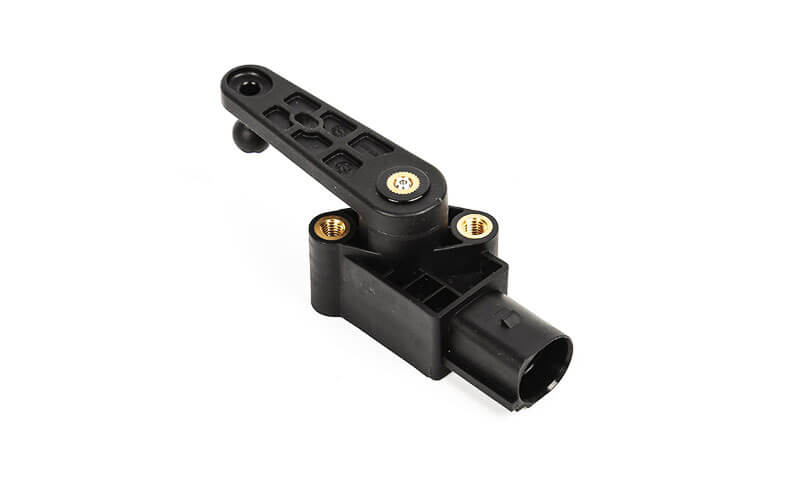
Modern products increasingly combine plastics with metals, elektros laidininkai, threaded components, magnets, and other functional materials.
Tradiciškai, these components are manufactured separately and assembled afterward using screws, Spaudos pritaikymas, riveting, Klijai, ar suvirinimas.
Although such methods remain useful, they add assembly steps, increase part count, and can introduce alignment and reliability problems.
Įdėkite liejinį provides an alternative approach by integrating a preformed insert directly into a molded polymer component during the injection molding process.
Instead of assembling the insert and plastic part after molding, the insert is positioned inside the mold first, after which molten polymer flows around it and solidifies to form a mechanically integrated component.
This article explains the principles, Medžiagos, gamybos procesai, dizaino aspektai, Privalumai, apribojimai, and applications of insert molding, with particular attention to the engineering factors that determine final part quality.
1. What Is Insert Molding?
Insert molding is an liejimas įpurškimas process in which a premanufactured component, known as an insert, is placed inside a mold cavity and subsequently encapsulated or partially surrounded by molten plastic.
The insert can be made from metal, plastikas, keramika, electrical conductive material, or another rigid substrate.
Once the polymer is injected and cooled, the insert becomes permanently integrated into the molded component.
A simplified process can be represented as:
Insert preparation → Insert positioning → Mold closing → Plastic injection → Packing and cooling → Mold opening → Ejection
The resulting component is therefore a multi-material assembly manufactured in a single molding operation.
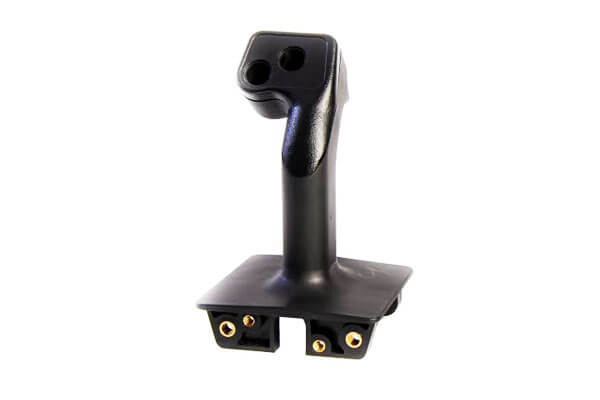
How Insert Molding Differs from Standard Injection Molding
| Aspektas | Standard Injection Molding | Insert Molding |
| Main material | Polymer | Polymer + preformed insert |
| Insert placement | Not required | Critical manufacturing step |
| Susirinkimas | Usually required for multi-material products | Often significantly reduced |
| Tool complexity | Relatively straightforward | Higher due to insert location and retention |
| Matmenų valdymas | Primarily polymer-related | Polymer + insert tolerances |
| Material interaction | Mainly polymer behavior | Thermal and mechanical interaction between materials |
| Tipiškos programos | Plastic housings, viršeliai, konstrukcinės dalys | Jungtys, threaded components, Jutikliai, electrical parts, reinforced components |
How Insert Molding Creates Mechanical Integration
The relationship between the insert and molded polymer can be designed in several ways.
For a threaded metal insert, pavyzdžiui, the polymer may flow around specially designed external features such as knurls, grioveliai, poilsio, or ribs.
Po aušinimo, these features create mechanical interlocking, making it difficult for the insert to rotate or pull out.
For an electrical terminal, the polymer may surround a defined portion of the conductive element while leaving the functional contact area exposed.
The molded polymer then provides insulation, struktūrinė parama, and positional stability.
The integration mechanism therefore depends on the application. It may involve:
- Mechaninis tarpusavyje through grooves, knurls, Šonkauliai, arba pobūdis.
- Interference generated by polymer shrinkage around the insert.
- Chemical or adhesive bonding when compatible materials and surface treatments are used.
- Geometric encapsulation, in which the polymer physically surrounds the insert and prevents movement.
In demanding applications, several mechanisms may work simultaneously.
2. How Does Insert Molding Work?
Insert molding consists of several controlled stages, beginning with preparation of the insert and ending with inspection of the finished integrated component.
Typical Insert Molding Workflow
Insert manufacturing → Cleaning and preparation → Dimensional inspection → Insert loading → Mold closing → Polymer injection → Packing → Cooling → Mold opening → Ejection → Dimensional and functional inspection
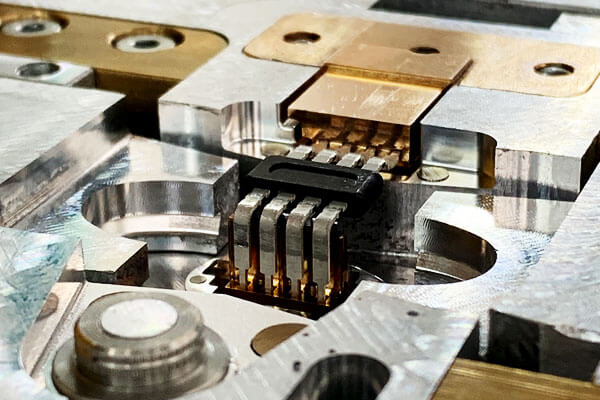
2.1 Insert Preparation
The process begins with manufacturing and preparing the insert.
For metallic inserts, this may involve CNC machining, antspaudas, posūkis, cold heading, wire forming, šlifavimas, or other metalworking processes.
The insert must satisfy the dimensional and surface requirements defined by the molding design.
Surface condition is particularly important. Aliejus, Oksido skalė, machining chips, and other contaminants can interfere with polymer bonding or cause molding defects.
Priklausomai nuo programos, inserts may therefore undergo:
- Degreasing and cleaning
- Surface roughening
- Dengimas
- Pasyvavimas
- Cheminis gydymas
- Pašildymas
- Matmenų tikrinimas
The insert should also be checked for burrs and sharp edges. Excessive burrs can damage the mold or create localized stress concentrations in the molded polymer.
2.2 Insert Placement and Positioning
After preparation, the insert is placed into a dedicated location within the mold.
This can be performed manually, semi-automatically, or by an automated loading system.
For simple components, operators may position inserts directly into the mold cavity.
High-volume production generally benefits from automated insertion, particularly when there are multiple inserts per part or when precise repeatability is required.
The positioning system must prevent the insert from moving during mold closing and polymer injection. Depending on the geometry, the insert may be retained using:
- Locating pins
- Mold cores
- Cavities or pockets
- Magnetic holders
- Vacuum retention
- Mechanical clamps
- Dedicated fixtures
Insert positioning is especially critical for electrical connectors and precision mechanical components, where even a small positional error can affect assembly compatibility or functional performance.
2.3 Mold Closing
Once the insert has been positioned, the mold closes and the insert becomes enclosed within the mold cavity.
Šiame etape, the mold design must provide sufficient clearance around the insert while maintaining the required polymer wall thickness.
The tooling must also prevent the insert from being crushed or displaced.
Tikslioms programoms, the mold may incorporate specialized locating features that directly support the insert during injection.
Proper mold closure is important because any mismatch around the insert can produce flash or dimensional defects.
2.4 Plastic Injection
The injection unit then plasticizes the selected polymer and injects the molten material into the mold cavity.
As the polymer flows around the insert, it fills the available cavity space and forms the external geometry of the component.
This stage is one of the most technically sensitive parts of insert molding. The process must balance:
- Įpurškimo slėgis
- Injection speed
- Lydymosi temperatūra
- Mold temperature
- Vartų dizainas
- Flow path
- Ventiliacija
Excessively high injection pressure may cause insert displacement, while insufficient pressure can result in incomplete filling.
An unsuitable gate position can produce weld lines, oro įstrigimas, uneven filling, or excessive stress around the insert.
For complex components, mold-flow analysis can be used to predict polymer filling behavior before production tooling is finalized.
2.5 Packing and Cooling
After the cavity is filled, holding or packing pressure is applied to compensate for polymer shrinkage during solidification.
The component then cools inside the mold until it reaches sufficient stiffness for ejection.
Cooling is particularly important in insert molding because the insert and polymer may have very different thermal properties.
Pavyzdžiui, a metal insert generally has much higher thermal conductivity than most polymers.
It can therefore act as a localized heat sink, changing the cooling rate of the surrounding polymer. This may affect:
- Local shrinkage
- Liekamasis stresas
- Crystallinity in semi-crystalline polymers
- Warpage
- Matmenų stabilumas
- Interface integrity
Todėl, cooling-channel design and mold-temperature control should be considered around critical inserts rather than treating the entire component as thermally uniform.
2.6 Mold Opening and Part Ejection
Once adequate cooling has occurred, the mold opens and the completed insert-molded component is ejected.
Ejection must be carefully designed because the molded polymer may grip the insert tightly.
Excessive ejection force can deform the plastic, damage delicate features, or alter insert position.
For components with complex geometries, Išmetimo kaiščiai, rankovės, keltuvai, or other mechanisms may be required.
Secondary Operations and Inspection
Depending on the component design, post-molding operations may include trimming, deflashing, apdirbimas, thread cleaning, paviršiaus apdaila, electrical testing, or dimensional correction.
Quality inspection typically covers both the plastic body and the insert interface.
Critical characteristics can include insert position, Koncentriškumas, exposed length, thread integrity, pull-out strength, rotational resistance, electrical continuity, and overall dimensional accuracy.
For high-reliability components, functional testing is often more meaningful than dimensional inspection alone.
A threaded insert, pavyzdžiui, must not only be located correctly but also withstand the specified installation and service torque.
3. Types of Inserts Used in Insert Molding
The insert is the functional core around which the plastic component is molded.
Its material, geometrija, paviršiaus būklė, and dimensional accuracy directly affect the strength, patikimumas, and service life of the finished part.
Srieginiai įdėklai
Threaded inserts are among the most common inserts used in injection molding.
They are typically manufactured from brass, Nerūdijantis plienas, Anglies plienas, or zinc alloys and are embedded into a plastic component to provide a durable threaded connection.
Unlike a thread formed directly in plastic, a metal insert can withstand repeated assembly and disassembly with substantially lower risk of thread stripping or creep.
Knurled, ribbed, or undercut external surfaces are often used to improve mechanical interlocking between the insert and surrounding polymer.
Įprastos programos apima:
- Electronic and electrical housings
- Automotive interior and exterior components
- Vartojimo produktai
- Industrial enclosures
- Mounting brackets and fastening points
The principal design considerations are insert retention, pull-out resistance, rotational torque resistance, and adequate plastic wall thickness around the insert.
Electrical Contacts and Terminals
Electrical inserts are used when the molded component must simultaneously provide structural protection and electrical connectivity.
Common materials include copper, Žalvaris, Fosforo bronza, and other conductive alloys, sometimes with nickel, alavas, sidabras, or gold plating.
Typical examples include connector pins, terminalai, busbar elements, grounding contacts, jungiklio komponentai, and conductive contacts.
The molding process must prevent displacement of the insert and protect critical contact surfaces from polymer contamination.
Dimensional accuracy is particularly important because the position of a terminal may determine the electrical and mechanical compatibility of the final assembly.
Key considerations include electrical conductivity, contact resistance, atsparumas korozijai, plating integrity, insulation distance, and dimensional stability during molding.
Stamped Metal Inserts
Stamped inserts are produced from sheet metal using progressive stamping, punching, lenkimas, or forming operations before being placed into the injection mold.
They are particularly useful when a plastic component requires localized reinforcement or integrated mechanical or electrical functionality.
Plienas, Nerūdijantis plienas, aliuminis, and copper alloys are commonly used.
Stamped inserts can function as:
- Structural reinforcement elements
- Mounting brackets
- Grounding components
- Heat-spreading elements
- Elektros laidininkai
- Reinforcement ribs or frames
Because stamped components can be manufactured economically in high volumes, they are particularly suitable for automotive and electrical applications.
CNC-Machined Precision Inserts
CNC-machined inserts are used when the embedded component requires tighter dimensional tolerances, Sudėtinga geometrija, or specialized surface characteristics.
Nerūdijantis plienas, aliuminis, titanas, Žalvaris, and engineering alloys can be machined into highly precise inserts before molding.
These inserts are frequently used in medical equipment, aviacijos ir kosmoso komponentai, precision instruments, pramoniniai jutikliai, and high-performance mechanical assemblies.
CNC machining allows features such as precision bores, Siūlai, grioveliai, locating surfaces, and complex contours to be controlled independently of the molding process.
This is particularly valuable when certain functional surfaces cannot achieve the required accuracy economically through injection molding alone.
Ceramic Inserts
Ceramic inserts are selected for applications requiring properties that conventional metals and polymers cannot provide.
Alumina and zirconia are common choices because of their high temperature resistance, Elektros izoliacija, kietumas, ir atsparumas dėvėjimams.
They may be used in:
- Elektros izoliacijos komponentai
- High-temperature assemblies
- Atsparus dėvėjimams komponentams
- Jutiklio korpusai
- Specialized medical and industrial devices
Ceramics are inherently brittle, Tačiau, so mold loading, insert handling, Šiluminis šokas, and mechanical clamping must be carefully controlled.
The polymer selected for molding must also be compatible with the ceramic’s thermal expansion behavior.
Glass Inserts
Glass can be incorporated into molded polymer components when optical transparency, Cheminis atsparumas, or visual inspection is required.
Borosilicate glass is particularly useful because of its relatively low coefficient of thermal expansion and good thermal and chemical stability.
Typical applications include sight windows, Optiniai komponentai, fluid-level indicators, Jutikliai, and specialized medical or laboratory products.
The mold design must protect the glass from excessive mechanical stress and thermal shock. Accurate positioning is also essential when the glass functions as an optical or sealing surface.
Polymer Inserts
Insert molding is not limited to metal and inorganic materials. A preformed polymer component can also be molded into another polymer when different material characteristics are required within the same assembly.
Pavyzdžiui, a rigid engineering plastic may provide structural support while a softer elastomer provides sealing or vibration isolation.
Materials such as PEEK, Ptfe, TPU, and other engineering polymers can therefore serve as inserts depending on the application.
The major technical challenge is achieving sufficient interfacial bonding or mechanical retention between the two polymers.
Differences in melting temperature, Šiluminis išplėtimas, Cheminis suderinamumas, and shrinkage must be considered during material selection and mold design.
4. Materials for Insert Molding
Material selection for insert molding involves two separate but interconnected decisions: the insert material ir the molding resin.
The two materials must withstand the molding temperature and pressure while providing adequate mechanical retention, matmenų stabilumas, ir, kur taikoma, chemical or electrical compatibility.
Common Insert Materials
| Insert Material | Pagrindinės charakteristikos | Tipiškos programos | Important Considerations |
| Žalvaris | Puikus apdirbamumas, Geras laidumas, atsparumas korozijai | Srieginiai įdėklai, terminalai, Elektros jungtys | Oksidacija, plating requirements, Šiluminis išplėtimas |
| Nerūdijantis plienas | Didelė jėga, atsparumas korozijai, temperature resistance | Medicinos, automobilių, pramoniniai komponentai | Higher machining cost; insert surface preparation |
| Anglies plienas | High strength and relatively low cost | Structural inserts, tvirtinimo detalės, reinforcement components | Corrosion protection may be required |
| Aliuminis | Lengvas, laidumas, Geras šilumos laidumas | Šilumos kriauklės, structural inserts, Automobilių komponentai | Lower hardness and strength than many steels |
| Vario lydiniai | Didelis elektrinis ir šilumos laidumas | Electrical contacts, terminalai, conductive inserts | Material cost and oxidation |
Titanas |
Aukštas specifinis stiprumas, atsparumas korozijai, mažas tankis | Aviacijos ir kosmoso, medicinos, Aukštos kokybės komponentai | High material and machining cost |
| Keramika | High temperature resistance, kietumas, Elektros izoliacija | Jutikliai, insulators, wear components | Brittleness and thermal-shock sensitivity |
| Stiklas | Skaidrumas, Cheminis stabilumas, matmenų stabilumas | Optical parts, sight glasses, Jutikliai | Fragility and thermal-shock sensitivity |
| Inžinerinė plastika | Lengvas, Cheminis atsparumas, pritaikytos mechaninės savybės | Multi-material assemblies, ruoniai, insulating components | Polymer compatibility and bonding |
Thermoplastic Resins for Insert Molding
Thermoplastics are the most widely used molding materials because they can be heated, injected around the insert, and solidified into a precisely shaped component.
The choice of resin depends on mechanical loading, temperatūra, Cheminis poveikis, electrical requirements, išvaizda, ir numatomą tarnavimo laiką.
| Molding Resin | Pagrindinės savybės | Tipiškos programos | Insert Compatibility |
| Abs | Good impact resistance, matmenų stabilumas, surface appearance | Korpusai, Automobilių komponentai, vartojimo produktai | Excellent with common metal inserts |
| Nailonas (PA6 / Pa66) | Didelė jėga, atsparumas nusidėvėjimui, temperatūros galimybė | Automobiliai, pavaros, struktūriniai komponentai | Puiku; moisture conditioning should be considered |
| Polikarbonatas (PC) | Didelis smūgio stiprumas, Skaidrumas, Šilumos atsparumas | Elektroniniai korpusai, Medicinos prietaisai, Optiniai komponentai | Gerai |
| Pom (Acetalas) | Maža trintis, high stiffness, Geras matmenų stabilumas | Pavaros, įvorės, Tikslūs mechaniniai komponentai | Gerai; careful control of molding conditions is required |
| PBT | Good electrical insulation, Cheminis atsparumas, matmenų stabilumas | Jungtys, Jutikliai, automotive electrical components | Puiku |
Žvilgtelėti |
Didelė jėga, Puikus cheminis atsparumas, high-temperature capability | Aviacijos ir kosmoso, medicinos, semiconductor and demanding industrial components | Excellent for high-performance applications |
| Pp | Mažas tankis, Cheminis atsparumas, mažos išlaidos | Automobiliai, vartojimo produktai, pramoniniai komponentai | Gerai; surface adhesion can require special consideration |
| TPU | Elastingumas, atsparumas dilimui, Poveikio absorbcija | Ruoniai, rankenos, Ratai, flexible components | Gerai, particularly for mechanical interlocking |
| LSR | Excellent flexibility, temperature resistance, weatherability and biocompatibility | Medical seals, diafragmos, Tarpinės, soft-touch components | Excellent when properly designed for mechanical or chemical bonding |
Material Compatibility Is Critical
The insert and polymer do not simply coexist inside the finished component; they form a composite system that experiences thermal, mechaninis, and environmental stresses throughout its service life.
One of the most important factors is Šiluminis išplėtimas. Metals generally have lower coefficients of thermal expansion than many polymers.
During molding and subsequent cooling, this difference can generate residual stress at the insert–polymer interface. Excessive stress may cause cracking, defage'as, interfacial gaps, or reduced retention strength.
The molding temperature must also remain below the temperature at which the insert undergoes undesirable dimensional or metallurgical changes.
Atvirkščiai, the polymer must have sufficient melt flow to completely surround the insert and fill narrow regions without producing voids or incomplete encapsulation.
Surface condition is equally important. Priklausomai nuo programos, insert surfaces may be knurled, grooved, chemically treated, padengtas, roughened, or otherwise modified to improve mechanical interlocking or adhesion.
For electrical inserts, Tačiau, the functional contact surface may need to remain clean and free from polymer contamination.
5. Insert Molding Manufacturing Processes
Insert molding can be implemented through different production configurations depending on part complexity, Gamybos apimtis, insert geometry, labor requirements, ir matmenų tikslumas.
| Gamybos procesas | Aprašymas | Main Advantages |
| Manual Insert Loading | Operators manually place each insert into the mold before the injection cycle. After confirming the insert position, the mold closes and the polymer is injected around it. | Low initial investment; flexible for frequent design changes; suitable for complex insert configurations. |
| Semi-Automatic Insert Molding | Inserts are prepared or supplied automatically, while operators perform loading, padėties nustatymas, or final inspection. Some stages of the molding cycle are automated. | Better productivity and consistency than fully manual loading without the investment required for complete automation. |
| Fully Automated Insert Molding | Robots, pick-and-place systems, tiektuvai, Jutikliai, and vision systems automatically load inserts, verify their presence and orientation, execute molding, and remove finished components. | Didelis gamybos efektyvumas; consistent insert positioning; reduced labor; improved traceability and repeatability. |
| Vertical Injection Molding | The mold closes vertically, commonly allowing inserts to be placed into the lower mold half before injection. | Easy insert placement; good accessibility; reduced risk of insert displacement during loading; suitable for manual or automated loading. |
Vertikalus vs. Horizontal Injection Molding |
Horizontal machines inject polymer into a mold positioned horizontally, while vertical machines use a vertically oriented mold. The optimum configuration depends on insert geometry, Dalis dydis, automation strategy, ir gamybos reikalavimus. | Correct machine selection can improve insert stability, cycle efficiency, automation compatibility, and overall manufacturing cost. |
| Multi-Cavity Insert Molding | A single mold contains multiple identical cavities, with inserts positioned in each cavity before simultaneous injection. | High output per cycle; lower unit cost at sufficient production volumes; efficient use of machine time. |
6. Insert Molding Design Considerations
Successful insert molding begins with design rather than production. The insert, polimeras, pelėsis, and processing conditions must be considered as one integrated system.
Insert Geometry and Mechanical Retention
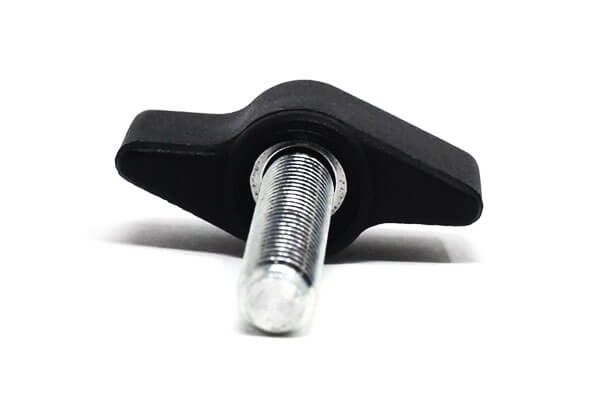
The geometry of the insert has a direct influence on the strength of the molded assembly.
A smooth cylindrical insert may provide relatively limited resistance to rotation or pull-out, whereas knurling, grioveliai, Šonkauliai, skylės, or other mechanical locking features can substantially improve retention.
Pavyzdžiui, a threaded brass insert used in a plastic housing should not rely solely on the surrounding polymer to resist installation torque.
Properly designed external knurling or undercut geometry distributes the load into the polymer and reduces the possibility of insert rotation.
The design should therefore distinguish between:
- Axial retention, which prevents the insert from being pulled out.
- Rotational retention, which prevents the insert from turning.
- Lateral retention, which controls movement within the molded component.
- Padėties tikslumas, which determines the final location of the functional interface.
Wall Thickness Around Inserts
Adequate polymer thickness must be maintained around the insert to provide structural support and allow reliable filling.
If the surrounding wall is too thin, the polymer may cool prematurely or develop excessive stress. If it is too thick, localized shrinkage and sink marks may occur.
As a general design principle, the polymer should transition gradually around the insert rather than forming abrupt changes in wall thickness.
The exact dimensions depend on the resin, insert size, molding conditions, ir mechaniniai reikalavimai.
Draft Angles and Ejection
Draft should be incorporated into mold surfaces wherever practical to facilitate part release.
Insufficient draft increases ejection force and can cause scratches, deformacija, or damage around the insert.
The presence of an insert can also complicate ejection because the metal and polymer have different shrinkage behavior.
Tool designers must ensure that ejector pins, keltuvai, skaidrės, and other mechanisms do not interfere with the insert.
Gate Location and Polymer Flow
Gate location is particularly important in insert molding because the insert can obstruct polymer flow and create weld lines, air traps, or uneven filling.
The gate should generally be positioned so that the polymer flows smoothly around the insert rather than directly impacting a fragile or poorly supported feature.
For complex components, multiple gates or sequential injection may be considered to achieve balanced filling.
Flow simulation can help predict:
- Filling time
- Weld-line formation
- Air entrapment
- Pressure distribution
- Fiber orientation
- Insert displacement
- Potential short shots
This is especially valuable for large or highly engineered insert-molded components.
Thermal Expansion and Residual Stress
One of the most important design issues is the difference in thermal expansion between the insert and polymer.
Metals generally have lower coefficients of thermal expansion than many thermoplastics.
As the molded part cools from the processing temperature to room temperature, differential contraction can generate stresses around the interface.
For precision assemblies, engineers should evaluate:
- Insert material
- Polymer coefficient of thermal expansion
- Processing temperature
- Operating temperature range
- Insert dimensions
- Encapsulation thickness
- Expected thermal cycling
This becomes particularly important in automotive, Elektroninis, ir aukštos temperatūros programos.
Medžiagos suderinamumas
The insert and polymer must be compatible not only mechanically but also chemically and thermally.
Potential issues include corrosion, Cheminė ataka, Prastas sukibimas, galvanic interaction, moisture absorption, and degradation during molding.
Pavyzdžiui, moisture-sensitive engineering polymers such as certain grades of nylon and PEEK require appropriate drying before processing.
Improper moisture control can cause hydrolysis, reduced mechanical properties, paviršiaus defektai, arba matmenų nestabilumas.
Surface Condition of the Insert
Insert surface condition strongly influences the quality and repeatability of the molded interface.
Smooth surfaces may be appropriate where controlled assembly or electrical conductivity is required, whereas textured surfaces can provide greater mechanical interlocking.
Priklausomai nuo programos, inserts may be:
- Knurled
- Grooved
- Perforated
- Padengtas
- Plated
- Roughened
- Chemically treated
The selected surface treatment should be compatible with the polymer and service environment rather than chosen solely for appearance.
Mold Venting
Proper venting is essential when polymer flows around an insert. Air trapped between the insert and cavity wall can produce burns, tuštumos, incomplete encapsulation, or weak interface regions.
Vents should therefore be positioned at locations where air is likely to accumulate, particularly near the end of flow paths and around complex insert geometries.
Insert Tolerances and Positioning Accuracy
The dimensional tolerance of the insert must be considered together with the tolerance of the molded plastic.
For high-precision assemblies, insert position may need to be controlled in multiple axes because even a small positional error can affect connector alignment, shaft concentricity, fastening accuracy, or electrical contact spacing.
A practical insert-molding drawing should therefore identify critical-to-function dimensions rather than applying unnecessarily tight tolerances to every feature.
Automation and High-Volume Production
For mass production, the design should be optimized for automated insert loading and reliable cycle-to-cycle positioning.
Features that allow the insert to be oriented in only one direction can greatly reduce assembly errors.
Automated systems may use robotic pick-and-place equipment, bowl feeders, vision inspection, Jutikliai, and automated mold loading.
Designing the insert and tooling for automation can substantially improve production consistency while reducing labor requirements.
7. Advantages of Insert Molding
| Pranašumas | Paaiškinimas |
| Design integration | Combines multiple components (įterpti + plastikas) into a single, integrated part, reducing assembly and handling. |
| Išlaidų sumažinimas | Eliminates secondary operations (Pvz., gluing, spauda, litavimas) and reduces assembly costs. |
| Improved mechanical properties | The plastic encapsulates the insert, sukuriant stiprią, durable bond, often with mechanical interlocking. |
| Enhanced performance | Combines the best properties of both materials: the strength and conductivity of the insert with the design flexibility and corrosion resistance of the plastic. |
| Dizaino laisvė | Allows complex geometries, perpildymas, and multi-material components. |
Matmenų stabilumas |
The insert provides dimensional stability and precision. |
| Functional integration | Allows functional features (Siūlai, Elektros kontaktai, ruoniai, kt.) to be integrated directly into the part. |
| Svorio mažinimas | Replaces heavier all-metal assemblies with lighter plastic-metal hybrids. |
| Atsparumas korozijai | The plastic protects the insert from corrosion and environmental attack. |
| Elektros izoliacija | The plastic provides insulation around the insert. |
8. Applications of Insert Molding
Insert molding is widely used when a molded polymer component must incorporate a metal, keramika, Stiklas, or another engineered material as an integral part of the finished assembly.
Automobilių komponentai
The automobilių industry is one of the major application areas for insert molding.
Metal inserts can provide structural reinforcement or reliable fastening points while the surrounding polymer reduces weight and integrates additional functions.
Įprastos programos apima:
- Automotive electrical connectors and terminals
- Sensor housings and mounting components
- Threaded mounting points
- Bushings and bearing supports
- Switch and control components
- Fuel and fluid-system components
- Under-hood electrical components
Elektriniai ir elektroniniai komponentai
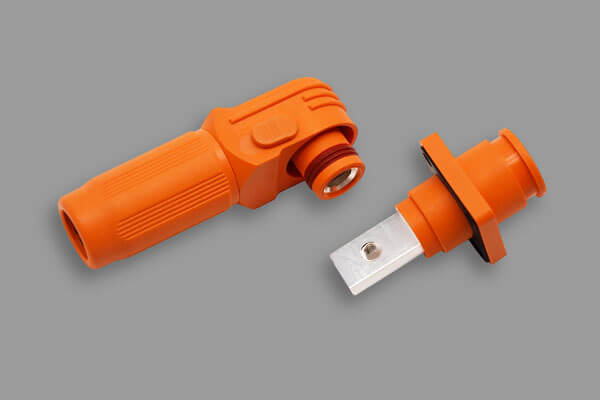
Insert molding is particularly effective for electrical components because conductive metal inserts can be encapsulated within electrically insulating polymers.
Vario, Žalvaris, Fosforo bronza, and other conductive alloys are commonly used for terminals, Smeigtukai, kontaktai, and busbar-related components.
The molded polymer provides electrical insulation while maintaining the precise position of the conductive elements.
Programos apima:
- Elektros jungtys
- Terminal blocks
- Switch components
- Jutiklio korpusai
- Coil and motor components
- Wire and cable connectors
- Electronic control modules
Medical and Healthcare Components
Medicinos devices often require compact components that combine precision mechanical features with biocompatible or chemically resistant polymers.
Insert molding can integrate stainless-steel components, precision pins, threaded elements, and other functional inserts directly into polymer housings.
Įprastos programos apima:
- Surgical and diagnostic instruments
- Medical connectors
- Fluid-handling components
- Device housings
- Disposable medical assemblies
- Precision positioning components
Pramoninė įranga ir mašinos
Industrial products frequently require threaded metal inserts, wear-resistant bushings, velenai, reinforcing components, or precision mounting elements within polymer structures.
Programos apima:
- Mašinų korpusai
- Industrial handles
- Gear and drive components
- Bearings and bushings
- Hydraulic and pneumatic components
- Control equipment
- Industrial sensors
Consumer and Household Products
Consumer products benefit from insert molding when appearance, assembly efficiency, and functional integration are important.
Pavyzdžiai yra:
- Power-tool housings
- Appliance components
- Camera and electronic housings
- Handles and grips
- Baldų aparatūra
- Sportinė įranga
- Personal-care products
Aerospace and High-Performance Applications
Aerospace applications place particularly demanding requirements on materials and manufacturing consistency.
Precision-machined metal inserts may be embedded into high-performance engineering polymers such as PEEK or reinforced thermoplastics.
Potential applications include:
- Lightweight structural components
- Elektros jungtys
- Sensor assemblies
- Aircraft interior hardware
- High-temperature housings
- Precision fastening components
9. Insert Molding vs. Kiti gamybos metodai
Insert molding is not universally superior to conventional assembly or other molding technologies. Its primary value comes from integrating several manufacturing functions into one component.
The appropriate process depends on production volume, dalis geometrija, material combination, required performance, and total manufacturing cost.
| Gamybos metodas | Basic Approach | Privalumai | Apribojimai | Geriausiai tinka |
| Insert Molding | Mold polymer directly around a pre-positioned insert. | Integrates components; reduces assembly; excellent positional consistency; kompaktiški dizainai. | Requires insert-compatible tooling and careful material/process design. | Metal-plastic assemblies, jungtys, threaded components, Tikslūs korpusai. |
| Conventional Injection Molding + Susirinkimas | Mold polymer parts separately and assemble inserts afterward. | High flexibility; simple molding tools; easy component replacement. | Additional labor, assembly equipment, and tolerance accumulation. | Products requiring frequent component changes or low assembly complexity. |
| Perpildymas | A second polymer layer is molded over an existing polymer or component. | Good ergonomic, sandarinimas, and multi-material functionality. | Polymer-to-polymer bonding can require careful material selection. | Grips, ruoniai, soft-touch products, multi-material components. |
| Mechaninis pritvirtinimas | Varžtai, varžtai, klipai, or other fasteners join separate components. | Easy disassembly and maintenance; highly established technology. | More components; higher assembly cost; larger package size. | Serviceable products and assemblies requiring disassembly. |
Press-Fit Assembly |
An insert is mechanically forced into a molded or machined feature. | Simple and economical; no additional adhesive required. | Requires precise interference control; insertion forces can damage components. | Įvorės, Smeigtukai, guoliai, and simple metal inserts. |
| Klijuojamasis ryšys | Adhesive joins polymer and insert or multiple components. | Can join dissimilar materials and distribute stress over a large area. | Cure time, Paviršiaus paruošimas, senėjimas, and chemical compatibility can be concerns. | Sandarinimas, structural bonding, and complex dissimilar-material assemblies. |
| Metal Insert Casting | Metal inserts are incorporated during a metal casting operation. | Suitable for metal-dominant components and high-temperature applications. | Higher temperatures restrict insert and material selection. | Metal housings and components requiring embedded features. |
10. Custom Insert Molding Solutions from LangHe Tech
A reliable insert molding supplier should provide more than injection molding capacity.
The quality of the final component depends on the interaction between insert manufacturing, Pelėsio dizainas, polymer selection, injection parameters, matmenų valdymas, and post-molding inspection.
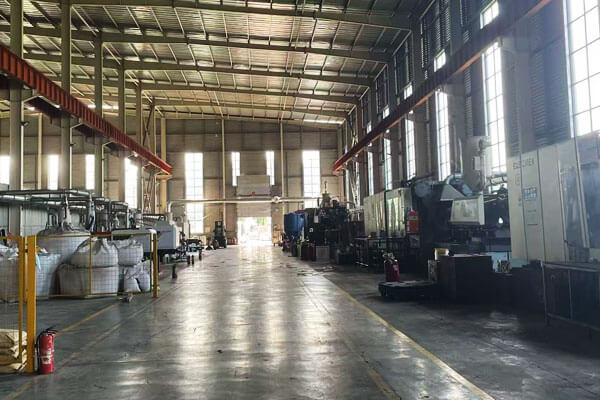
LangHe Tech can approach custom insert molding as an integrated manufacturing process, beginning with the customer’s functional requirements and engineering drawings and extending through tooling, liejimas, tikrinimas, and production delivery.
| Galimybė | Detalės |
| Insert materials | Žalvaris, Vario, Nerūdijantis plienas, aliuminis, titanas, Žvilgtelėti, keramika, Stiklas. |
| Dervos | Abs, nailonas (PA6, Pa66), PC, Pom, PBT, Žvilgtelėti, Pp, TPU, LSR, and custom grades. |
| Insert types | Srieginiai įdėklai, Elektros kontaktai, stamping inserts, precision-machined inserts, custom inserts. |
| Liejimas | Injekcijos liejimas, perpildymas, two-shot molding, Suspaudimo liejimas. |
| Insertion | Vadovas, pusiau automatizuotas, fully automated robotic insertion. |
| Kokybė | ISO 9001:2015 sertifikuota; 100% tikrinimas; Cmm; vision systems. |
| Švino laikas | 2–4 weeks for prototypes; 4–6 weeks for production tooling. |
11. Išvada
Insert molding is a highly effective manufacturing technology for integrating metal, keramika, Stiklas, or other inserts directly into thermoplastic or elastomeric components.
Its fundamental advantage is functional integration: multiple materials and functions can be combined into a single molded component while reducing subsequent assembly operations.
Tačiau, successful insert molding depends on considerably more than simply placing an insert inside a mold.
Insert geometry, polymer selection, Šiluminis išplėtimas, Pelėsio dizainas, injection pressure, filling behavior, aušinimas, automatizavimas, and quality inspection must all be considered together.
The most reliable approach is therefore to treat insert molding as an integrated engineering solution rather than an isolated injection molding operation.
Proper DFM analysis, controlled insert manufacturing, optimized tooling, validated process parameters, and systematic inspection are the foundation for producing reliable insert-molded components at commercial scale.
DUK
How are inserts held in position during molding?
Inserts can be retained using mold cavities, locating pins, šerdys, grioveliai, knurls, poilsio, interference features, magnetic systems, vacuum retention, or automated gripping mechanisms.
The appropriate method depends on insert geometry and production requirements.
What is the difference between insert molding and overmolding?
Įdėkite liejinį generally involves molding polymer around a pre-manufactured insert, often a metal component.
Perpildymas typically involves molding one material over an existing substrate, which may be another polymer, an elastomer, or a previously molded component. The two technologies can overlap in certain applications.
Can insert molding be used with liquid silicone rubber (LSR)?
A: Taip. LSR can be used for insert molding of seals, Tarpinės, ir medicininiai komponentai. It offers excellent heat resistance and biocompatibility.