Įvadas
Nerūdijančio plieno rutuliniai vožtuvai yra vieni patikimiausių ir universaliausių srauto reguliavimo prietaisų, naudojamų šiuolaikinėse pramoninėse vamzdynų sistemose.
Jų paprastas ketvirčio apsisukimo veikimas, puikus sandarinimo efektyvumas, atsparumas aukštam slėgiui, ir išskirtinis atsparumas korozijai daro juos tinkamiausiu pasirinkimu, pradedant nuo vandens valymo ir cheminio apdorojimo iki naftos ir dujų, Farmacijos produktai, Maisto apdorojimas, ir jūrų inžinerija.
Nerūdijančio plieno rutulinio vožtuvo veikimas priklauso ne tik nuo jo konstrukcijos, bet ir nuo gamybos proceso, naudojamo gaminant svarbiausius jo komponentus..
Tarp įvairių galimų gamybos būdų, Investicijų liejimas, Taip pat žinomas kaip pamestas vaško liejimas, tapo pramonės standartu gaminant aukštos kokybės nerūdijančio plieno vožtuvų korpusus, gaubtai, ir kiti sudėtingi komponentai.
Palyginti su smėlio liejimu arba įprastiniu apdirbimu, Investicinis liejimas užtikrina puikų matmenų tikslumą, Išskirtinis paviršiaus apdaila, puikus metalurginis vientisumas, ir didesnis dizaino lankstumas, todėl ypač tinka tiksliam vožtuvų gamybai.
1. Kas yra nerūdijančio plieno rutulinis vožtuvas?
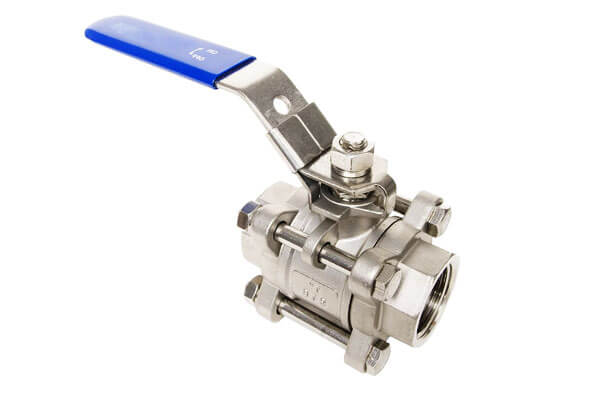
A Nerūdijantis plienas rutulinis vožtuvas yra ketvirčio apsisukimo uždarymo vožtuvas, kuris kontroliuoja skysčio srautą sukdamas sferinį rutulį su tiksliai apdirbta anga. 90 laipsnių.
Kai skylė susilygina su vamzdynu, vožtuvas yra visiškai atidarytas, leidžianti neribotą srautą.
Sukant rutulį statmenai srauto keliui, terpė visiškai užblokuojama, užtikrina sandarų uždarymą burbulams.
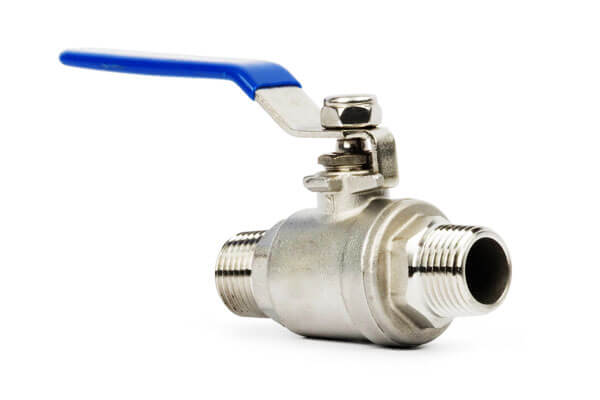
Dėl mažo darbinio sukimo momento, greitas atidarymas ir uždarymas, ir minimalus slėgio nuostolis, nerūdijančio plieno rutuliniai vožtuvai plačiai naudojami sistemose, kurioms reikalinga patikima izoliacija, dažna operacija, ir ilgas tarnavimo gyvenimas.
Skirtingai nuo vartų ar rutulinių vožtuvų, kuriems veikti reikia kelių apsisukimų, rutuliniai vožtuvai užtikrina tiesioginį srauto valdymą paprastu judesiu ketvirčio apsisukimu, todėl jie idealiai tinka automatizuotoms sistemoms, kuriose naudojamos pneumatinės sistemos, elektrinis, arba hidraulinės pavaros.
Pagrindiniai nerūdijančio plieno rutulinio vožtuvo komponentai
| Komponentas | Funkcija | Tipiškas gamybos būdas |
| Kūnas | Slėgio turintis korpusas; yra kamuolys, Sėdynės, ir stiebas. | Investicijų liejimas (Dažniausiai), Smėlio liejimas, kalimas. |
| Rutulys | Sferinis uždarymo elementas su cilindrine anga. | Investicijų liejimas, suklastotas, arba apdirbtas iš baro. |
| Kamienas (velenas) | Perduoda sukimo momentą iš pavaros į rutulį. | Mechanizuotas iš baro (Nerūdijantis plienas). |
| Sėdynės | Užtikrinkite sandarumą tarp rutulio ir korpuso; keičiamas. | Ptfe, sustiprintas PTFE, Žvilgtelėti, arba metalas. |
| Pavara | Rankinė svirtis, Rankinis ratas, pneumatinis, arba elektrinis. | Komerciniai komponentai. |
| Bonnetas / viršutinis flanšas | Tvirtina kotą ir užtikrina pavaros tvirtinimą. | Investicinis liejimas arba apdirbimas. |
| Ruoniai / pakavimas | Neleiskite nutekėti išilgai stiebo. | Ptfe, grafitas. |
Įprasti nerūdijančio plieno rutulinių vožtuvų tipai
| Vožtuvo tipas | Aprašymas | Tipiškos programos |
| Pilnas prievadas (Visas gręžinys) | Rutulinio angos skersmuo yra lygus vamzdžio skersmeniui; minimalus slėgio kritimas. | Bendrosios paskirties, kur srauto apribojimas yra nepageidautinas. |
| Sumažintas uostas (sumažinta skylė) | Rutulinio angos skersmuo yra mažesnis nei vamzdžio skersmuo; mažesnės išlaidos. | Išlaidoms jautrios programos; priimtinas vidutinis slėgio kritimas. |
| 3rutulinis vožtuvas | L formos arba T formos rutulys; nukreipia arba sumaišo srautą. | Skysčių perjungimas, Maišymas, ir platinimas. |
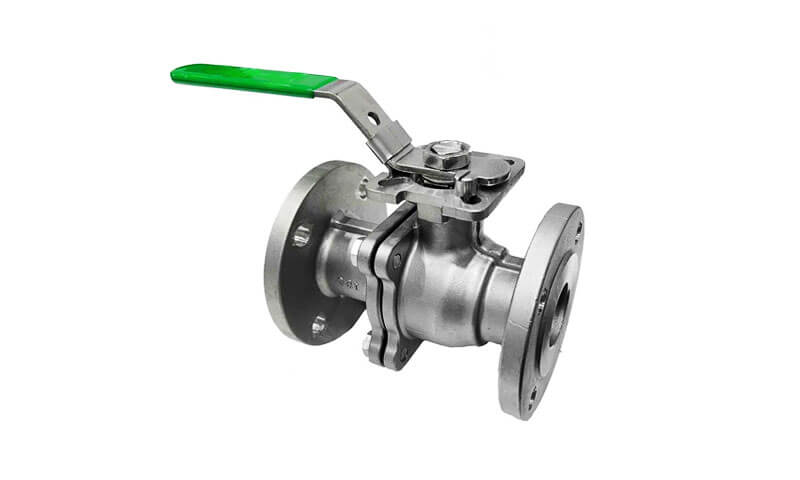
| Plaukiojantis rutulinis vožtuvas | Kamuolys nefiksuotas; sėdynės palaiko jį vietoje. | Žemas ir vidutinio slėgis (≤ Klasė 600). |
| Tvirtinama ant pakraščio | Kamuolys palaikomas sraigtu (fiksuotas velenas); sėdynės yra spyruoklinės. | Aukštas slėgis (≥ Klasė 600), dideli skersmenys. |
| Viršutinis įrašas | Korpusas atsidaro iš viršaus; leidžia atlikti tiesioginę priežiūrą. | Dujotiekio programos, kurias reikia išardyti minimaliai. |
| Suskaidytas korpusas | Korpusas surinktas iš dviejų ar trijų dalių. | Bendroji pramonė; lengviau surinkti ir prižiūrėti. |
2. Kodėl investicinis liejimas yra tinkamiausias gamybos būdas
Gamybos technologija vaidina lemiamą vaidmenį spektaklyje, patikimumas, ir nerūdijančio plieno rutulinių vožtuvų tarnavimo laikas.
Tarp įvairių galimų gamybos būdų, Investicijų liejimas tapo pageidaujamu pasirinkimu gaminant vožtuvų korpusus ir kitus sudėtingus komponentus, nes sujungia išskirtinį matmenų tikslumą su puikia metalurgine kokybe ir dizaino lankstumu..
Skirtingai nuo smėlio liejimo, kuris dažnai reikalauja didelio apdirbimo, arba kalimas, kurios geometrinis sudėtingumas yra ribotas,
Investicinis liejimas leidžia gamintojams gaminti beveik tinklo formos komponentus su sudėtingais vidiniais praėjimais, Lygūs paviršiai, ir vienodo sienelių storio.
Šios charakteristikos ypač svarbios rutuliniams vožtuvams, kur sandarinimo efektyvumas, slėgio vientisumas, ir srauto efektyvumas labai priklauso nuo vožtuvo korpuso tikslumo.
Procesas ypač tinka vidutiniams- iki didelės apimties gamybos, siūlo optimalų pusiausvyrą tarp gamybos sąnaudų, medžiagų panaudojimas, ir produkto kokybė.
Pagrindiniai rutulinių vožtuvų investicinio liejimo pranašumai
| Pranašumas | Paaiškinimas |
| Beveik tinklinė forma | Dalys liejamos iki beveik galutinių matmenų, Makavimo ir atliekų mažinimas. |
| Sudėtinga vidinė geometrija | Vidiniai srauto kanalai, prievadai, ir tvirtinimo ypatybės yra išlietos vientisai. |
| Puikus paviršiaus apdaila | As-cast Ra 1,6–6,3 µm sumažina srauto pasipriešinimą ir pagerina sandarumą. |
| Griežtos matmenų nuokrypiai | Užtikrina rutulio ir kūno tarpą, sėdynės išlyginimas, ir sandarus sandarinimas. |
| Vienoda mikrostruktūra | Smulkiagrūdė liejimo struktūra užtikrina pastovias mechanines savybes. |
Slėgio vientisumas |
Garso liejiniai su tinkamais sklendėmis užtikrina atsparumą slėgiui klasėje 2500. |
| Lydinio universalumas | Casts almost any castable stainless steel: CF-8, CF-8M, CF-3, CF-3M, CN-7M, Duplex, superduplex, ir nikelio lydiniai. |
| Cost‑effectiveness at medium volumes | 100‑10,000 parts/year; ideal for custom and standard valve sizes. |
| Reduced assembly | Integral casting of flanges, Bosai, and mounting features eliminates welding/bolting. |
3. Nerūdijančio plieno medžiagų pasirinkimas investiciniam liejimui
Material selection is one of the most critical engineering decisions in the manufacture of investment-cast stainless steel ball valves.
The chosen alloy directly influences the valve’s mechanical strength, atsparumas korozijai, slėgio galimybė, suvirinamumas, Aparatas, ir tarnavimo gyvenimas.
| ASTM Casting Grade | Neskaičiuojamas skaičius | Lygiavertis apdirbimo laipsnis | Medžiagos tipas | Pagrindinės charakteristikos | Tipiškos programos |
| CF8 | J92600 | AISI 304 | Austenitinis nerūdijantis plienas | Puikus atsparumas korozijai, Geras suvirinamumas, Ekonominis | Vandens valymas, ŠVOK, Maisto apdorojimas, general industrial service |
| CF8M | J92900 | AISI 316 | Austenitinis nerūdijantis plienas | Superior resistance to chlorides and chemicals due to molybdenum addition | Cheminis apdorojimas, Jūrų inžinerija, Įranga jūroje |
| CF3 | J92500 | AISI 304L | Low-Carbon Austenitic Stainless Steel | Improved weldability and reduced risk of intergranular corrosion | Welded piping systems, farmacijos ir sanitarijos reikmėms |
CF3M |
J92800 | AISI 316L | Low-Carbon Austenitic Stainless Steel | Puikus atsparumas korozijai ir pagerintas suvirinamumas | Maistas & gėrimas, Farmacija, gėlinimas, Cheminiai augalai |
| CA15 | J91109 | AISI 410 | Martensitinis nerūdijantis plienas | Didelė jėga, kietumas, ir atsparumas dėvėjimams | Vožtuvų apdaila, stiebai, Aukšto slėgio komponentai |
| CD4MCU | J93370 | Dupleksinis nerūdijantis plienas | Dupleksinis nerūdijantis plienas | Išskirtinis stiprumas ir atsparumas duobėms, įtrūkimų korozija, ir streso korozijos įtrūkimas | Jūroje esančios platformos, Jūros vandens sistemos, aliejus & dujos |
4. Nerūdijančio plieno rutulinio vožtuvo investicinio liejimo gamybos procesas
Nerūdijančio plieno rutulinio vožtuvo veikimas ir patikimumas labai priklauso nuo jo gamybos proceso tikslumo ir nuoseklumo..
Investicijų liejimas, taip pat žinomas kaip prarasto vaško liejimo procesas, yra tinkamiausias būdas gaminti aukštos kokybės nerūdijančio plieno vožtuvų korpusus ir sudėtingus konstrukcinius komponentus, nes jis suderina puikų matmenų tikslumą, Aukščiausias paviršiaus apdaila, ir aukštas metalurginis vientisumas.
Visas gamybos procesas apima daugybę kruopščiai kontroliuojamų etapų.
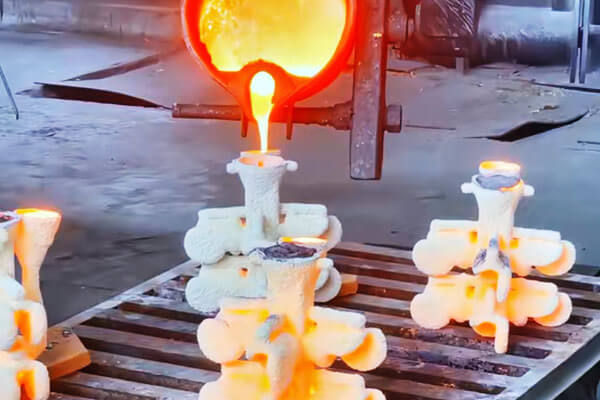
Gamybos proceso eiga
Inžinerinis dizainas → Įrankiai → Vaško raštas → Vaško surinkimas → Keraminis apvalkalas → Devaškavimas → Korpuso deginimas → Nerūdijančio plieno liejimas → Aušinimas → Korpuso pašalinimas → Terminis apdorojimas → CNC apdirbimas → Paviršiaus apdaila → Patikra → Vožtuvų surinkimas
Inžinerinis projektavimas ir CAD modeliavimas
Procesas prasideda nuo detalaus inžinerinio projektavimo.
Inžinieriai sukuria vožtuvo korpuso ir susijusių komponentų trimatį CAD modelį, atsižvelgiant į:
- Slėgio reikalavimai
- Sienelės storio pasiskirstymas
- Apdirbimo pašalpos
- Liejimo susitraukimas
- Srauto charakteristikos
- Surinkimo sąsajos
Šiuolaikiniai gamintojai prieš gamindami įrankius dažnai atlieka liejimo modeliavimą ir kietėjimo analizę.
Šie modeliavimai padeda nustatyti galimus defektus, tokius kaip susitraukimo poringumas, oro įstrigimas, ir netolygus aušinimas, allowing optimization of the gating and feeding system in advance.
Įrankių ir vaško raštų gamyba
Precision metal dies are manufactured for wax injection.
Molten wax is injected into the die under controlled pressure and temperature to create accurate wax replicas of the valve body.
Key control points include:
- Wax temperature
- Įpurškimo slėgis
- Aušinimo laikas
- Matmenų stabilumas
- Paviršiaus kokybė
Because the wax pattern directly determines the final casting geometry, pattern accuracy is essential for achieving tight tolerances.
Vaško rinkinys
Individual wax patterns are attached to a central wax runner system to form a casting tree.
The runner and gate arrangement must provide:
- Balanced metal flow
- Smooth cavity filling
- Adequate feeding
- Minimali turbulencija
- High casting yield
Proper wax assembly is a critical factor in reducing casting defects.
Keraminio apvalkalo pastatas
The wax assembly is repeatedly dipped into a ceramic slurry and coated with refractory sand.
Kiekvienas sluoksnis išdžiovinamas prieš dengiant kitą sluoksnį. Priklausomai nuo vožtuvo korpuso dydžio ir svorio, apvalkalą paprastai sudaro 6–10 keraminių sluoksnių.
Keraminis apvalkalas turi suteikti:
- Didelė jėga
- Geras pralaidumas
- Puikus atsparumas ugniai
- Atsparumas šiluminiam smūgiui
- Matmenų stabilumas
Dewaksas ir apvalkalo šaudymas
Po korpuso konstrukcijos, vaškas pašalinamas naudojant aukšto slėgio garus autoklave.
Tada apvalkalas iššaunamas aukštoje temperatūroje, paprastai 900–1100°C, į:
- Pašalinkite vaško likučius
- Padidinkite apvalkalo stiprumą
- Pašalinkite drėgmę
- Pagerinti šiluminį stabilumą
Tinkamai išdegtas apvalkalas yra būtinas nerūdijančio plieno liejimui be defektų.
Nerūdijančio plieno lydymas ir liejimas
Nerūdijantis plienas lydomas indukcinėse krosnyse kruopščiai kontroliuojamomis sąlygomis.
Cheminė sudėtis yra nuolat stebima, siekiant užtikrinti atitiktį ASTM specifikacijoms.
Kritiniai liejimo parametrai apima:
- Lydinio sudėtis
- Pilimo temperatūra
- Perkaitimo temperatūra
- Deguonies kontrolė
- Įtraukimo kontrolė
- Išpylimo norma
Kadangi nerūdijantis plienas yra jautrus oksidacijai, Turbulencija pilant turi būti sumažinta iki minimumo.
Korpuso pašalinimas ir nupjovimas
Po aušinimo, keraminis apvalkalas nuimamas mechaniškai.
Tada liejimo medis yra padalintas į atskirus komponentus.
Įprastos operacijos apima:
- Nokautas
- Šūvys sprogdinimas
- Vartų pašalinimas
- Šlifavimas
- Paviršiaus valymas
Terminis apdorojimas
Terminis apdorojimas optimizuoja liejinio mikrostruktūrą ir atsparumą korozijai.
Įprastas gydymas apima:
| Terminis apdorojimas | Tikslas |
| Sprendimo atkaitinimas | Atkurti atsparumą korozijai |
| Stresas palengvina | Sumažinkite liekamąjį stresą |
| Gesinimas & Grūdinimas | Pagerinkite tam tikrų klasių stiprumą |
Tinkamas terminis apdorojimas yra ypač svarbus CF8M, CF3M, ir dvipusis nerūdijantis plienas.
CNC precizinis apdirbimas
Nors investicinis liejimas suteikia beveik tinklo formos komponentus, kritinius paviršius vis dar reikia tiksliai apdirbti.
Įprastos apdirbimo operacijos apima:
- Flanšo paviršiaus apdirbimas
- Siūlų apdirbimas
- Stiebo angos apdirbimas
- Sėdynės kišenių apdirbimas
- Pavaros tvirtinimo paviršiai
- Slėgio sandarinimo sąsajos
Didelio tikslumo CNC įranga užtikrina puikų koncentriškumą ir sandarumą.
Paviršiaus apdaila
Priklausomai nuo programos, vožtuvo korpusas gali būti paveiktas:
- Marinavimas
- Pasyvavimas
- Mechaninis poliravimas
- Elektropoliravimas
- Stiklo karoliukų pūtimas
Šios procedūros pagerina atsparumą korozijai ir paviršiaus švarumą.
Tiksli apžiūra ir apdaila
Pilnas matmenų kalibravimas, ultragarsinis neardomasis bandymas (UT), magnetinių dalelių bandymas (MT), hidraulinio slėgio sandarumo bandymas, ir paviršiaus apdaila, kad būtų galima pristatyti kvalifikuotus didelio tikslumo nerūdijančio plieno rutulinių vožtuvų liejinius.
5. Atsparumo korozijai ir paviršiaus apdorojimo sprendimai
Viena iš pagrindinių nerūdijančio plieno rutulinių vožtuvų pasirinkimo priežasčių yra puikus jų atsparumas korozijai.
Tačiau, galutinės korozijos savybės priklauso ne tik nuo lydinio sudėties, bet ir nuo paviršiaus būklės, švara, terminis apdorojimas, ir apdailos procesai.
Kodėl nerūdijantis plienas atsparus korozijai
Nerūdijančio plieno sudėtyje yra bent 10.5% Chromas, kuris sudaro ploną, stabilus, ir savaime gyjantis pasyvus oksido sluoksnis ant paviršiaus.
Šis pasyvus filmas:
- Apsaugo nuo tolesnio oksidacijos
- Pažeidus pasitaiso pats
- Apsaugo nuo daugelio cheminių medžiagų
- Pagerina ilgalaikį patvarumą
Didesnis chromo kiekis, Nikelis, molibdenas, o azoto kiekis dar labiau padidina atsparumą korozijai.
Įprastos paviršiaus apdorojimo technologijos
| Paviršiaus apdorojimas | Pagrindinis tikslas | Tipinė paviršiaus būklė | Paraiškos |
| Marinavimas | Pašalinkite apnašas ir oksidus | Nuvalykite metalinį paviršių | Bendrosios pramonės paslaugos |
| Pasyvavimas | Pagerinkite pasyvųjį filmą | Chemiškai stabilizuotas paviršius | Chemijos ir sanitarijos pramonė |
| Elektropoliravimas | Sumažinkite šiurkštumą ir užterštumą | Veidrodinis apdaila | Farmaciniai ir puslaidininkiniai |
| Mechaninis poliravimas | Pagerinti išvaizdą ir švarą | Lygus poliruotas apdaila | Maistas ir gėrimas |
| Stiklo karoliukų pūtimas | Vienoda matinė išvaizda | Satino apdaila | Jūrinis ir architektūrinis |
| Šūvys sprogdinimas | Pašalinkite paviršiaus likučius | Nuvalykite tekstūruotą paviršių | Bendrieji pramoniniai vožtuvai |
6. Dažni investiciniai liejimo defektai ir inžineriniai sprendimai
Investicinio liejimo nerūdijančio plieno rutulinių vožtuvų komponentai yra jautrūs tam tikrų tipų defektams. Žemiau esančioje lentelėje jie išvardyti, jų priežastis, ir taisomąsias priemones.
| Defektas | Vaizdinis / NDT parašas | Pagrindinė priežastis | Prevencija / priemonė |
| Dujų poringumas | Apvalios vidinės tuštumos | Ištirpęs vandenilis/azotas; prasta deoksidacija. | Vakuuminis degazavimas; naudoti švarų įkrovą; tobulinti liejimo praktiką. |
| Susitraukimo poringumas | Nelygios vidinės tuštumos | Nepakankamas maitinimas; prastas stovo dizainas. | Optimizuokite užtvarą / pakėlimą; naudoti šaltkrėtis; imituoti kietėjimą. |
| Karšta ašarojimas | Įtrūkimai nuskurusiais kraštais | Tempimo įtempis kietėjimo metu; apvalkalo apribojimas. | Sumažinkite pylimo temperatūrą; pagerinti apvalkalo sulankstymą; modifikuoti lydinį. |
| Intarpai (oksidas/šlakas) | Netaisyklingos nemetalinės dalelės | Turbulentinis liejimas; purvinas lydalas; išgraužtas apvalkalas. | Keraminiai filtrai; dugno liejimas; švarus krūvis. |
Egiptas / šalta uždaryta |
Nepilnas užpildymas; sulankstytas paviršius | Žema pylimo temperatūra; prastas sklandumas. | Padidinkite pylimo temperatūrą; pagerinti vartavimą; evakuoti pelėsį. |
| Paviršiaus šiurkštumas / pelekų nuėmimas | Padidintos linijos ant paviršiaus | Lukšto įtrūkimai pilant; mažas apvalkalo stiprumas. | Padidinkite apvalkalo storį; naudoti stipresnį rišiklį. |
| Karbido krituliai (jautrinimas) | Tarpgranulinė ataka (korozijos bandymas) | Lėtas aušinimas iki 450–850°C; didelis anglies kiekis. | Naudokite mažai anglies dioksido į aplinką išskiriančią rūšį (CF-3/CF-3M); Greitas gesinimas. |
| Matmenų nuokrypis | Netoleruotini matmenys | Vaško susitraukimo kitimas; apvalkalo išplėtimas; miršta dėvėti. | Kontrolinis vaško įpurškimas; išlaikyti mirties būklę. |
Kokybės užtikrinimas
| QA elementas | Metodas | Priėmimo kriterijai |
| Cheminė analizė | Spektrometrija | Atitinka ASTM A351/A743/A890 specifikaciją. |
| Mechaninis bandymas | Tempimas, kietumas, poveikis | Atitinka klasės reikalavimus. |
| Ndt | Dažai skvarbi (Pt), Radiografija (Rt), ferito matavimas | Jokių įtrūkimų, poringumas viršija specifikaciją; ferito kiekis 30–60% dvipusiam. |
| Matmenų tikrinimas | Cmm, matuokliai | Atitinka piešimo tolerancijas. |
| Slėgio bandymas | Hidrostatinis (1.5× reitingo slėgis) | Nėra nuotėkio; jokios deformacijos. |
| Paviršiaus apdaila | Vaizdas, profilometras | Ra ≤6.3 µm (arba kaip nurodyta). |
7. Investicinio liejimo nerūdijančio plieno rutulinių vožtuvų privalumai
Investicinis liejimas tapo pageidaujamu nerūdijančio plieno rutulinių vožtuvų gamybos procesu, nes jis užtikrina išskirtinį tikslumo balansą, Struktūrinis vientisumas, gamybos efektyvumas, ir ilgalaikis pasirodymas.
Išskirtinis matmenų tikslumas
Vienas iš didžiausių investicijų liejimo privalumų yra jo gebėjimas gaminti beveik tinklo formos komponentai su išskirtiniu matmenų tikslumu.
Palyginti su tradiciniais liejimo procesais, investicinio liejimo pasiūlymai:
- Griežtos matmenų nuokrypiai
- Puikus pakartojamumas
- Vienodas sienos storis
- Tikslūs vidaus srauto kanalai
- Sumažintas apdirbimo pašalpas
Šios charakteristikos yra ypač svarbios rutuliniams vožtuvams, nes tiksli korpuso geometrija tiesiogiai veikia sėdynės išlyginimą, stiebo padėtis, Sandarinimo atlikimas, ir slėgio vientisumą.
Didelis matmenų nuoseklumas taip pat supaprastina surinkimą ir užtikrina vožtuvų komponentų pakeičiamumą masinėje gamyboje.
Aukščiausias paviršiaus apdaila
Investicinis liejimas natūraliai išgauna daug lygesnį paviršių nei įprastas liejimas smėliu.
Lygesnis liejimo paviršius suteikia keletą inžinerinių privalumų:
- Mažesnės apdirbimo išlaidos
- Geriau sandarina paviršius
- Sumažėjęs skysčių pasipriešinimas
- Pagerinta dangos ir pasyvavimo kokybė
- Patobulinta produkto išvaizda
Skirta sanitarinėms reikmėms, tokioms kaip farmacija ar maisto perdirbimas, lygūs paviršiai taip pat sumažina bakterijų sukibimą ir supaprastina valymo procedūras.
Sudėtinga geometrija be didelio apdirbimo
Rutulinių vožtuvų korpusai turi daug sudėtingų funkcijų, įskaitant:
- Vidiniai srauto kanalai
- Stiebo ertmės
- Sėdynės kišenės
- Montavimo viršūnės
- Flanšinės arba srieginės jungtys
Investicinis liejimas leidžia šias sudėtingas geometrijas pagaminti vienu liejimu, žymiai sumažina antrinio apdirbimo operacijas.
Palyginti su apdirbimu iš kaltinių blokų, Investicijų liejimas:
- Sumažina medžiagų atliekas
- Sutrumpina gamybos ciklus
- Sumažina įrankių nusidėvėjimą
- Pagerina gamybos efektyvumą
Puikus slėgio vientisumas
Slėgio turintiems komponentams reikalinga tanki ir vienalytė vidinė struktūra.
Su tinkamai suprojektuotomis vartų sistemomis, kryptinis kietėjimas, ir kontroliuojamos liejimo sąlygos, Investiciniai nerūdijančio plieno vožtuvų korpusai pasiekti:
- Aukštas struktūrinis vientisumas
- Vienodas sienos storis
- Puikus atsparumas slėgiui
- Maži vidinių defektų rodikliai
- Patikimas sandarinimo efektyvumas
Po slėgio bandymo ir neardomosios patikros, šie liejiniai atitinka griežtus pramonės standartus, taikomus slėgio palaikymo įrangai.
Išskirtinis atsparumas korozijai
Aukščiausios kokybės nerūdijančio plieno lydinių ir tinkamo paviršiaus apdorojimo derinys užtikrina išskirtinį atsparumą:
- Atmosferos korozija
- Gėlo vandens korozija
- Jūros vandens poveikis
- Chlorido ataka
- Organinės cheminės medžiagos
- Švelnios rūgštys ir šarmai
Tokie pažymiai kaip CF8M (316 Nerūdijantis plienas) pasižymi puikiu atsparumu chlorido sukeltai duobių ir plyšių korozijai, Padaryti juos idealius jūrų laivynui, jūroje, ir cheminio apdorojimo programos.
Ilgas tarnavimo laikas ir maža priežiūra
Nerūdijančio plieno investiciniai rutuliniai vožtuvai yra sukurti patikimam darbui dešimtmečius.
Jų pranašumai apima:
- Puikus atsparumas dėvėjimams
- Stabilus sandarinimo efektyvumas
- Mažas veikimo sukimo momentas
- Minimali su korozija susijusi priežiūra
- Didelis atsparumas nuovargiui
Šios charakteristikos žymiai sumažina techninės priežiūros dažnumą ir veikimo prastovą.
8. Nerūdijančio plieno rutulinių vožtuvų pramoninis pritaikymas
| Pramonė | Tipiškos programos | Vožtuvo tipas | Lydinio klasė | Pagrindiniai reikalavimai |
| Aliejus & dujos | Dujotiekio izoliacija, šulinio galva, naftos perdirbimo gamykla, jūroje | Trannionas, plaukiojantis, 3- būdas | CF-8M, CD-3MN | Aukštas slėgis, rūgščios dujos (H₂s), chlorido SCC atsparumas. |
| Cheminis apdorojimas | Rūgščių tvarkymas, tirpiklio perkėlimas, reaktoriaus izoliacija | Flanšas, Visas uostas | CN-7M, CF-8M | Atsparumas rūgštims, sandarus uždarymas. |
| Jūrų / jūroje | Jūros vandens vėsinimas, balasto sistemos, gėlinimas | Flanšas, ąsa | CF-3M, CD-3MN | Jūros vandens korozija, pasipriešinimas. |
| Maistas & gėrimas | Sanitarinis apdorojimas, CIP sistemos, išpilstymas | Sanitarinė, flanšas | CF-3M (316L) | FDA patvirtintas, Elektros energija, Lengva valyti. |
| Farmacija | WFI sistemos, švarūs garai, sterilus apdorojimas | Sanitarinė, flanšas | CF-3M (316L) | Itin švarus, neakytas, sterilizuotinos. |
Energijos generavimas |
Aušinamas vanduo, Garo linijos, kondensatas | Flanšas, sandūrinis suvirinimas | CF-8, CF-8M | Aukšta temperatūra, slėgio dviratis. |
| Vanduo & Nuotekos | Valymo įrenginiai, paskirstymas, drėkinimas | Vaferis, flanšas | CF-8, CF-8M | Atsparumas korozijai, Ilgas tarnavimo gyvenimas. |
| Minkštimas & popierius | Cheminis regeneravimas, balinimo linijos, atsargų tvarkymas | Flanšas, 3- būdas | CN-7M, Duplex | Atsparumas chloro dioksidui. |
| Puslaidininkis | Itin grynas vanduo, cheminių medžiagų pristatymas | Kompaktiškas, flanšas | CF-3M (316L) | Itin švarus, mažas dalelių susidarymas. |
| Aviacijos ir kosmoso | Hidraulinis, degalai, ir pneumatinės sistemos | Kompaktiškas, antgalis | 17--4ph, 304L | Didelė jėga, sandarus, lengvas. |
9. Nerūdijančio plieno rutulinis vožtuvas vs. Anglies plieno rutulinis vožtuvas
Tiek nerūdijančio plieno, tiek anglinio plieno rutuliniai vožtuvai yra plačiai naudojami pramoninėse vamzdynų sistemose.
Tačiau, kiekviena medžiaga turi skirtingus privalumus, priklausomai nuo darbo aplinkos, proceso terpė, techninės priežiūros reikalavimai, ir biudžeto sumetimais.
| Palyginimo elementas | Nerūdijančio plieno rutulinis vožtuvas | Anglies plieno rutulinis vožtuvas |
| Tipiškos medžiagos | CF8, CF8M, CF3, CF3M, Dupleksinis nerūdijantis plienas | WCB, WCC, LCB, LCC |
| Atsparumas korozijai | Puiku; natūraliai atsparus rūdims, Chemikalai, ir chloridai | Vidutinis; reikalingos dangos arba pamušalai apsaugai nuo korozijos |
| Mechaninis stiprumas | Didelis stiprumas ir puikus tvirtumas | Didelis stiprumas ir puikus konstrukcijos tvirtumas |
| Temperatūros galimybė | Tinka kriogeniniam aptarnavimui ir aukštai temperatūrai (priklausomai nuo pažymio) | Tinka bendrai pramoninei temperatūrai; specialios lydinio rūšys, reikalingos ekstremalioms sąlygoms |
| Slėgio gebėjimas | Puikiai tinka vidutiniam- ir aukšto slėgio sistemos | Puikiai tinka naudoti aukšto slėgio pramonėje |
| Paviršiaus apsauga | Paprastai reikia tik pasyvavimo arba poliravimo | Paprastai reikalinga epoksidinė danga, galvanizavimas, ar kitos apsauginės dangos |
Priežiūros reikalavimai |
Maža priežiūra dėl būdingo atsparumo korozijai | Būtina periodinė apžiūra ir dangos priežiūra |
| Gamybos savikaina | Didesnės medžiagų ir apdirbimo sąnaudos | Mažesnės gamybos sąnaudos |
| Gyvenimo ciklo kaina | Ilgai eksploatuojant žemesnis dėl patvarumo ir mažesnės priežiūros | Mažesnės pradinės investicijos, bet galbūt didesnės priežiūros išlaidos |
| Tipiškos programos | Cheminis apdorojimas, jūrų, maistas, Farmacija, Vandens valymas | Aliejus & dujos, energijos generavimas, ŠVOK, savivaldybės infrastruktūra, Bendroji pramonė |
| Pagrindiniai pranašumai | Aukščiausias atsparumas korozijai, Higiena, Ilgas tarnavimo gyvenimas | Ekonomiškai efektyvus, Didelė jėga, puikus atsparumas slėgiui |
| Pirminiai apribojimai | Didesnės pradinės investicijos | Mažesnis atsparumas korozijai be apsauginio apdorojimo |
10. Individualizuoto nerūdijančio plieno rutulinis vožtuvas iš LangHe liejyklos
Tinkamo gamybos partnerio pasirinkimas yra toks pat svarbus kaip ir tinkamos vožtuvo medžiagos ir konstrukcijos pasirinkimas.
Patikima investicinė liejykla ne tik gamina aukštos kokybės liejinius, bet ir suteikia inžinerinės patirties, proceso optimizavimas, Tikslus apdirbimas, ir visapusiškas kokybės užtikrinimas per visą gamybos ciklą.
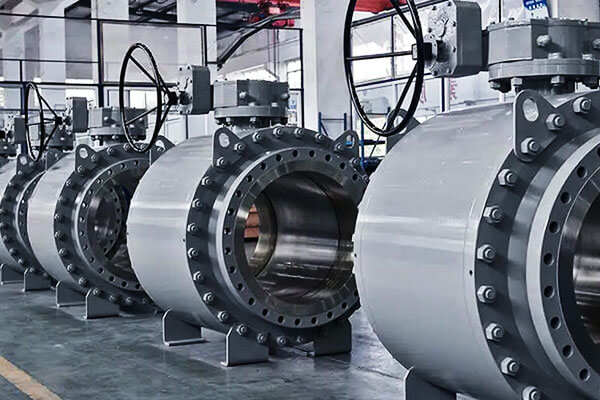
Langhe liejykla specializuojasi nerūdijančio plieno rutulinių vožtuvų komponentų tikslumo investicinio liejimo sprendimuose, siūlanti integruotas gamybos paslaugas nuo gaminio projektavimo ir greito prototipų kūrimo iki masinės gamybos.
Turinti didelę precizinio liejimo patirtį, CNC apdirbimas, terminis apdorojimas, ir paviršiaus apdaila,
LangHe tiekia pagal užsakymą suprojektuotus vožtuvų komponentus, atitinkančius griežtus pramonės, pavyzdžiui, naftos ir dujų, reikalavimus, Cheminis apdorojimas, Vandens valymas, Maisto apdorojimas, Jūrų inžinerija, Farmacijos produktai, ir galios generavimas.
Nesvarbu, ar klientams reikia standartinių vožtuvų korpusų, ar labai pritaikytų liejinių su sudėtinga geometrija, LangHe teikia ekonomiškai efektyvias, aukštos kokybės gamybos sprendimai, paremti griežta kokybės kontrole ir tarptautiniais gamybos standartais.
OEM ir ODM gamybos paslaugos
| Galimybė | Detalės |
| Lydiniai | CF-8, CF-8M, CF-3, CF-3M, CN-7M, CD-3MN, CE-8MN, CB7Cu-1 (17--4ph). |
| Dalies svoris | 0.05 kg į 100 kg. |
| Matmenys | Iki 600 mm skersmuo. |
| Tolerancijos | ±0,1–0,3 mm (CT5-CT7 pagal ISO 8062). |
| Paviršiaus apdaila | Ra 1,6–6,3 µm kaip liejimas; galimas elektropoliravimas. |
| Terminis apdorojimas | Sprendimo atkaitinimas, senėjimas, streso palengvinimas. |
| Kokybė | ISO 9001:2015 sertifikuota; 100% NDT ir slėgio bandymai. |
| Švino laikas | 8– 12 savaičių įrankiams ir pirmiesiems gaminiams; 2- 4 savaitės pakartotiniams užsakymams. |
| Pažymėjimai | PED 2014/68/ES, Gimė MR0175/ISO 15156 (Duplex). |
11. Išvada
Nerūdijančio plieno rutuliniai vožtuvai yra pagrindiniai didelio patikimumo komponentai, skirti aukščiausios klasės pramoniniam skysčių valdymui, ir investicinis liejimas tapo vieninteliu didelio efektyvumo, Aukštas tikslumas, ir didelio patikimumo tokių gaminių gamybos sprendimas.
Įveikdami būdingus tradicinio smėlio liejimo trūkumus, kalimo suvirinimas, ir kieto strypo apdirbimas,
Investicinis liejimas realizuoja integruotą beveik tinklinio formos formavimą, didelio grynumo tanki metalurginė struktūra, itin tikslus sferinis sandarinimo paviršius, ir puikios nerūdijančio plieno rutulinių vožtuvų antikorozinės savybės.
Pramoninei įrangai toliau tobulėjant, siekiant didesnio efektyvumo, didesnė automatizacija, ir reiklesnės paslaugų aplinkos, Tikslus investicinis liejimas vaidins vis svarbesnį vaidmenį vožtuvų gamyboje.
Pažangios technologijos, pvz., liejimo modeliavimas, Automatizuotas apvalkalo pastatas, protingas apdirbimas, skaitmeninė kokybės kontrolė, ir išmaniosios gamybos sistemos toliau gerina produktų nuoseklumą ir gamybos efektyvumą.
Bendradarbiaudami su patyrusiu investicinių liejinių gamintoju, pvz Langhe liejykla, klientai gali gauti visapusišką inžinerinį palaikymą, aukščiausios kokybės nerūdijančio plieno medžiagos, pažangios gamybos technologijos, ir griežtas kokybės užtikrinimas.
Nuo prototipo kūrimo iki didelio masto gamybos, precizinis investicinis liejimas išlieka vienu patikimiausių ir ekonomiškiausių sprendimų gaminant aukštos kokybės nerūdijančio plieno rutulinius vožtuvus, atitinkančius aukščiausius tarptautinius pramonės standartus..
DUK
Koks yra labiausiai paplitęs nerūdijančio plieno lydinys rutulinių vožtuvų liejiniams?
CF-8M (316 lygiavertis) yra labiausiai paplitęs rutulinių vožtuvų komponentų lydinys dėl puikaus atsparumo korozijai, Gera jėga, ir vidutinės išlaidos. CF-3M (316L) pageidautina, kai reikia suvirinti.
Ar galima naudoti investicinius rutulinius vožtuvus jūros vandenyje?
Taip. CF-8M (316) siūlo gerą atsparumą jūros vandeniui, Bet Dupleksinis nerūdijantis plienas (CD-3MN / 2205) teikia pirmenybę ilgalaikiam jūros vandens eksploatavimui, nes pasižymi puikiu atsparumu chloridui ir atsparumui korozijai įtrūkimams.
Kokia paviršiaus apdaila reikalinga sanitariniams rutuliniams vožtuvams?
Paprastai reikalingi sanitariniai rutuliniai vožtuvai elektropoliruotas arba mechaniškai poliruotas paviršiai, kurių Ra ≤0,8 µm (o kartais Ra ≤0,4 µm) užkirsti kelią bakterijų sukibimui ir užtikrinti valomumą.
Kuo skiriasi pilno angos ir sumažintos angos rutuliniai vožtuvai?
Viso angos vožtuvai turi rutulinę angą, lygią vamzdžio skersmeniui, dėl to sumažėja minimalus slėgio kritimas. Sumažinti angos vožtuvai turi mažesnę angą, siūlo mažesnę kainą, bet didesnį slėgio kritimą.
Investicinis liejimas gali gaminti abu tipus.