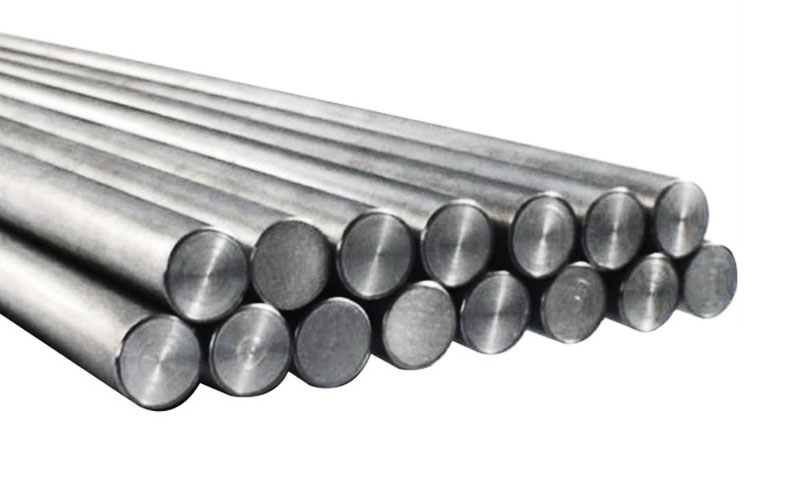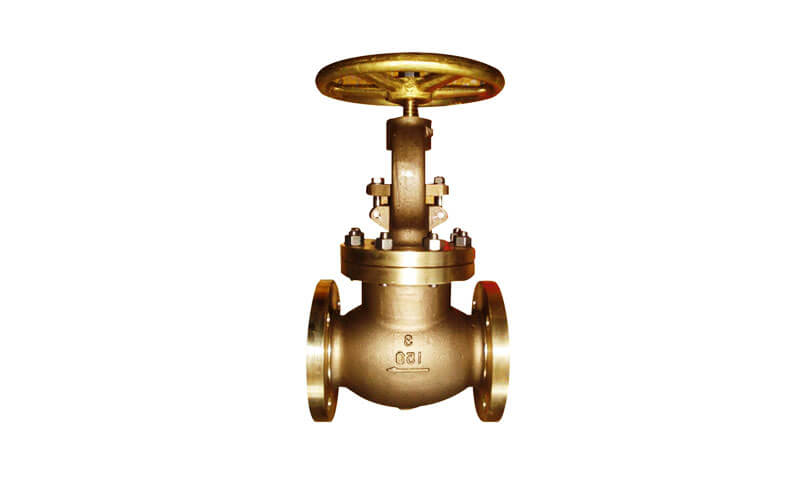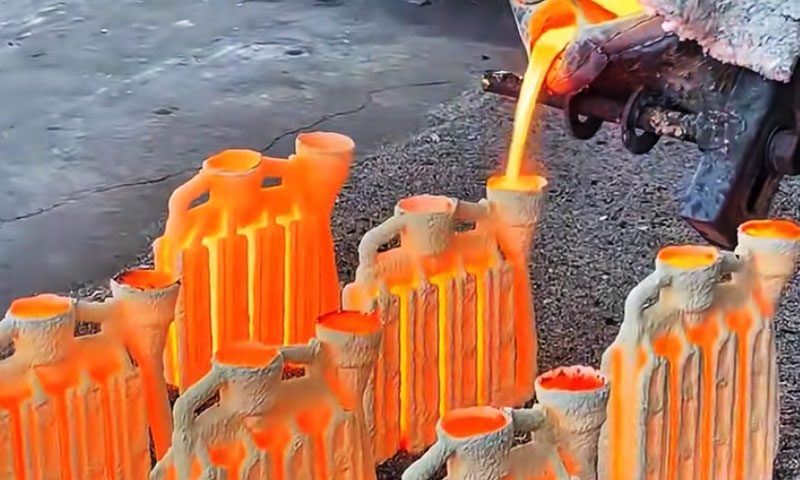
1. Įvadas
Investicinis žalvario liejimas užima unikalią vietą metalo formavimo srityje.
Jis sujungia geometrinę investicinio liejimo laisvę su patrauklia išvaizda, Aparatas, ir funkcinis žalvario lydinių balansas.
Komponentams, kuriems reikia smulkių detalių, dekoratyvinė kokybė, Vidutinis atsparumas korozijai, ir beveik neto formos efektyvumą, žalvario liejimas išlieka vienu praktiškiausių galimų sprendimų.
Nors žalvaris dažnai siejamas su dekoratyvine furnitūra, Muzikos instrumentai, ir aparatinė įranga, jos pramoninis vaidmuo yra platesnis nei vien išvaizda.
Investicijų atrankoje, žalvaris gali būti naudojamas sudėtingos geometrijos komponentams gaminti, tiksli detalė, ir stabilus pakartojamumas.
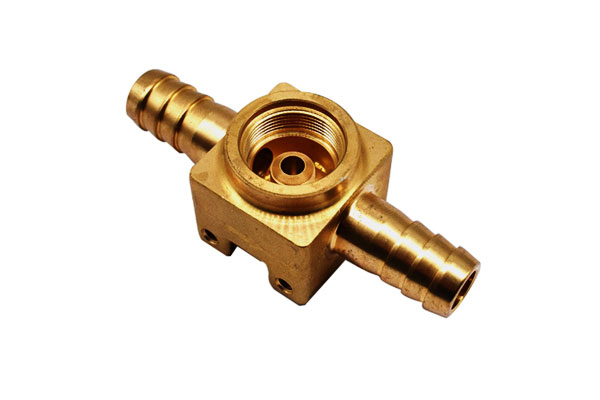
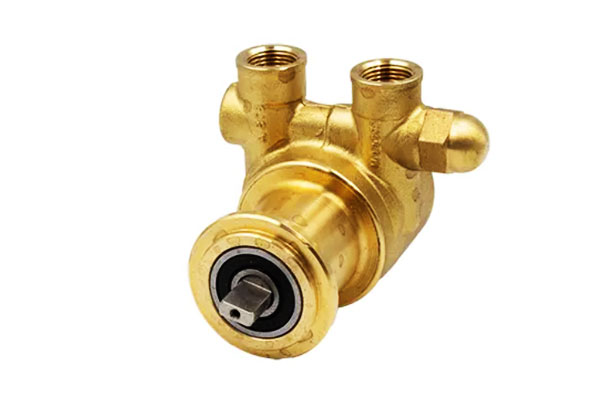
Dėl to jis tinka ne tik vartotojams skirtiems produktams, bet ir santechnikos įrangai, jūriniai aksesuarai, vožtuvų dalys, Elektros jungtys, ir tikslūs mechaniniai komponentai.
2. Kas yra „Brass Investment Casting“.
Žalvaris investicinis liejimas – tai prarasto vaško proceso naudojimas gaminant žalvario detales su detalia geometrija ir kontroliuojamu matmenų tikslumu.
Vaško arba polimero raštas sukuriamas pagal norimą formą, pakartotinai padengtas keraminėmis srutomis ir ugniai atsparia medžiaga, kad susidarytų apvalkalas, ir tada ištirpo.
Į ertmę pilamas išlydytas žalvaris, sukietėja, ir vėliau valomas, baigtas, ir apžiūrėtas.
Procesas ypač vertingas, kai detalę būtų sunku arba brangu pagaminti vien apdirbant.
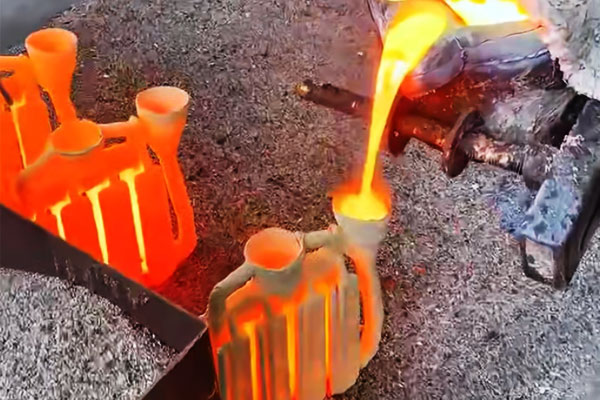
Investicinis žalvario liejimas leidžia dizaineriams integruoti sudėtingus kontūrus, Vidinės ištraukos, dekoratyviniai paviršiai, montavimo ypatybės, ir smulkias detales į vieną tinklo formos arba beveik tinklinio formos komponentą.
Praktiškai, procesas pasirenkamas, kai dalis vienu metu turi tenkinti kelias iš toliau nurodytų sąlygų:
- detali geometrija
- gera paviršiaus išvaizda
- vidutinio mechaninio veikimo
- Vidutinis atsparumas korozijai
- efektyvi mažų ir vidutinių dalių gamyba
- sumažintos apdirbimo ir surinkimo išlaidos
Čia investicijų liejimas tampa daugiau nei gamybos metodas. Tai tampa dizaino įgalinančia priemone.
3. Kodėl žalvaris skiriasi kaip liejimo lydinys
Žalvaris yra ne vienas lydinys, o vario ir cinko lydinių šeima, kartais su nedideliais švino priedais, alavas, aliuminis, Manganas, arba silicio, priklausomai nuo tikslinio veikimo.
Todėl jo elgesiui liejant įtakos turi ne tik cinko kiekis, bet ir pagal konkretų lydinio balansą bei numatomą eksploatavimo būklę.
Pagrindinės metalurginės savybės
| Nuosavybė | Žalvario elgesys | Inžinerinė reikšmė |
| Bazinė sistema | Vario-cinko lydinio šeima | Suteikia išvaizdos balansą, Aparatas, ir atsparumas korozijai |
| Lydymosi elgesys | Žemesnis lydymosi diapazonas nei vario | Palaiko santykinai prieinamas liejimo sąlygas |
| Sklandumas | Nuo gero iki labai gero | Padeda atkurti smulkius bruožus ir plonas dalis |
| Paviršiaus išvaizda | Patrauklus, šilta metalo apdaila | Vertingi dekoratyviniai ir matomi komponentai |
Atsparumas korozijai |
Geras daugelyje nerimtų aplinkų | Tinka santechnikai, jūrinė apdaila, ir bendra techninė įranga |
| Aparatas | Geras iki puikus, priklausomas lydinys | Palaiko apdailą po liejimo ir tikslias sąsajas |
| Tankis | Santykinai aukštas | Suteikia aukščiausios kokybės pojūtį, bet padidina dalies svorį |
| Cinko elgesys | Jautrus lakavimui aukštoje temperatūroje | Reikia kruopštaus lydymosi kontrolės |
Vario-cinko sistemos elgsena
Vario ir cinko sistema suteikia žalvariui išskirtinę savybių pusiausvyrą.
Varis prisideda prie atsparumo korozijai ir laidumo, o cinkas gerina sklandumą, stiprybė, ir liejamumas.
Santykis tarp šių dviejų lemia, ar lydinys elgiasi labiau kaip kalus dekoratyvinis žalvaris, laisvai apdirbamas žalvaris, arba stipresnės konstrukcijos žalvario variantas.
Dėl liejimo, svarbiausias dalykas yra tai, kad žalvaris gali gerai tekėti į detalias ertmes.
Dėl to jis tinka dailiems ornamentams, srieginės funkcijos, ir kompaktiška komponentų geometrija. Tačiau, ta pati sistema yra jautresnė, nei daugelis mano.
Jei lydalas perkaito arba laikomas per ilgai, cinkas gali išgaruoti, keičiant sudėtį ir didinant defektų riziką.
Tirpimas, sklandumas, ir cinko lakavimas
Žalvaris paprastai lydosi žemesnėje temperatūroje nei grynas varis, kuri padeda sumažinti krosnies poreikius.
Jis taip pat linkęs gerai tekėti į formas, Tai yra viena iš priežasčių, kodėl jis gerai veikia sudėtinguose atliejuose.
Tačiau šis pranašumas yra atsargus: cinkas yra lakesnis nei varis, ir per didelis terminis poveikis gali pakeisti galutinio lydinio chemiją.
Jei cinko nuostoliai nekontroliuojami, išlieta dalis gali tapti kompoziciškai nenuosekli, su pasekmėmis jėgai, spalva, Korozijos elgesys, Ir susitraukimas.
Štai kodėl liejant žalvarį reikalinga kruopšti pusiausvyra tarp sklandumo ir šiluminio suvaržymo.
Atsparumas korozijai ir paviršiaus kokybė
Žalvaris pasižymi geru atsparumu korozijai daugelyje patalpų, santechnika, ir vidutinė lauko aplinka.
Jis nėra toks atsparus korozijai kaip kai kurie nerūdijantys plienai ar nikelio lydiniai, bet jis puikiai veikia ten, kur svarbi estetinė išvaizda ir vidutinis patvarumas.
Jis taip pat turi natūralų vizualinį pranašumą. Žalvaris turi šiltą, aukščiausios kokybės išvaizda, kurią galima dar labiau pagerinti poliruojant, dengimas, lako danga, arba patinacija.
Dėl šios priežasties, Dažnai pasirenkamas investicinis žalvario liejimas, kai detalė turi veikti ir atrodyti rafinuotai tuo pačiu metu.
4. Įprastos žalvario rūšys, naudojamos investiciniam liejimui
| Žalvario tipas | Tipinės charakteristikos | Bendri pažymiai | Tipiškas investicijų liejimas / Tiksliojo liejimo naudojimas |
| Raudonas žalvaris | Didelis vario kiekis, Geras atsparumas korozijai, stabilus užmetimas | C83600, C83300 | Vožtuvo kūnai, jungiamosios detalės, santechnikos įranga, dekoratyvinės-funkcinės lietinės dalys |
| Pusiau raudonas žalvaris | Subalansuota jėga, atsparumas korozijai, ir apdirbamumas | C84400, C84800 | Žemo slėgio vožtuvai, Vamzdžių jungiamosios detalės, siurblių tvirtinimo detalės, Jūrų įranga |
| Geltonas žalvaris | Geras sklandumas, Vidutinis stiprumas, ekonomiškas ir universalus | C85800, C85900 | Santechnikos komponentai, bendroji aparatūra, lengvoji armatūra, dekoratyviniai liejiniai |
Švino žalvaris / Laisvu paieška žalvaris |
Puikus apdirbamumas, geras atrankos elgesys | C84500, C85700 | Tikslios jungiamosios detalės, srieginiai komponentai, Vožtuvo sėdynės, apdirbtos liejamos detalės |
| Be švino / Žalu žalvariu | Pagerintas aplinkosaugos reikalavimų atitikimas, Geras atsparumas korozijai | C89510, C89833 | Vandens sistemos komponentai, sanitarinės jungiamosios detalės, moderni santechnika |
5. Investicinio žalvario liejimo proceso eiga
Žalvaris Investicijų liejimas vadovaujasi klasikiniu prarasto vaško principu, tačiau proceso langas turi būti pritaikytas specifinei vario ir cinko lydinių elgsenai.
Palyginti su plieno arba nikelio pagrindo liejimu, žalvariui reikia skirti daugiau dėmesio cinko lakavimas, oksidacijos kontrolė, apvalkalo chemija, ir susitraukimo valdymas.
Rašto dizainas ir vaško įpurškimas
Procesas prasideda komponento lygio dizaino optimizavimu. Šiame etape, geometriją apibrėžia ne tik funkcija, bet ir pagal išmetimą.
Filė spinduliai, sienų perėjimai, ir užtvarų vietos turi būti įrengtos taip, kad būtų sumažinta įtempių koncentracija ir išvengta karšto plyšimo kietėjimo metu.
Žalvario liejiniai yra ypač jautrūs šiluminiam disbalansui, todėl staigių sekcijų keitimų reikėtų kiek įmanoma sumažinti.
Kai geometrija bus baigta, Mažai susitraukiantis liejimo vaškas įpurškiamas, kad būtų pagaminti didelio tikslumo vaško raštai.
Kadangi žalvario investicinis liejimas yra beveik tinklo formos procesas, vaško rašto tikslumas tiesiogiai veikia galutinę dalį.
Susitraukimo norma turi būti kruopščiai rezervuota atsižvelgiant į lydinio sudėtį ir numatomą kietėjimo elgesį.
Kvalifikuoti pavieniai modeliai surenkami į vaško medžius, kad būtų pagerinta partijos konsistencija ir gamybos efektyvumas.
Tikslinis keraminių apvalkalų gamyba
Keraminis korpusas žalvario liejimui turi būti sukonstruotas kitaip nei korpusai, naudojami liejant plieną arba superlydinį.
Žalvaris reikalauja a neutrali arba mažai šarminė ugniai atspari sistema sumažinti cheminę sąveiką tarp išlydyto lydinio ir formos paviršiaus.
Jei apvalkalo chemija yra prastai suderinta, sąsajos reakcijos gali pabloginti paviršiaus apdailą, padidinti užterštumą oksidais, ir sumažinti matmenų stabilumą.
Veido kailis paprastai yra pagamintas iš smulkiagrūdžių ugniai atsparių medžiagų, tokių kaip lydytas mulitas arba cirkonio milteliai, kad būtų užtikrintas lygus ertmės paviršius ir geresnis smulkių detalių atkartojimas..
Atsarginiuose sluoksniuose naudojami stambesni ugniai atsparūs užpildai, siekiant padidinti pralaidumą, Mechaninis stiprumas, ir šiluminis stabilumas.
Daugkartinis panardinimas, uodegos, ir kontroliuojami džiovinimo oru ciklai naudojami siekiant pašalinti korpuso mikroporingumą ir pagerinti jo atsparumą šiluminiam smūgiui pilant..
Vaškavimas ir apvalkalo sukepinimas aukštoje temperatūroje
Devaškavimas paprastai atliekamas garais arba slėginiais metodais, siekiant greitai ir švariai pašalinti vaško raštą.
Tai svarbu, nes kaitinant karbonizuojantis vaško likučiai gali sudaryti anglies intarpus ir pakenkti vidiniam tvirtumui..
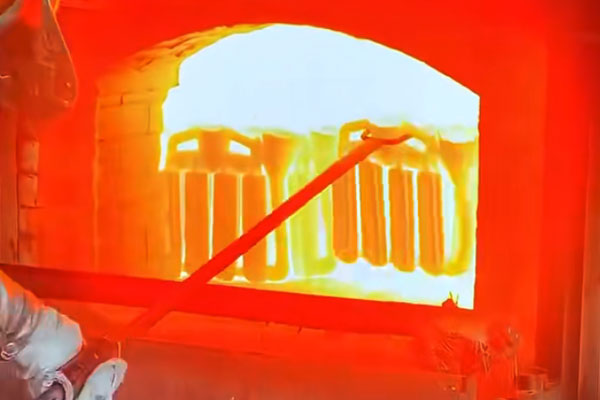
Po vaško, keraminis apvalkalas sukepinamas maždaug 950°C iki 1050 °C pašalinti likusią drėgmę ir sudeginti organines liekanas.
Šis sukepinimo etapas sustiprina apvalkalą ir stabilizuoja formą prieš pilant. Iškart prieš liejimą, lukštas pašildomas iki maždaug 550° C iki 650 ° C..
Šis pakaitinimo diapazonas padeda sumažinti šiluminį tarpą tarp išlydyto žalvario ir formos ertmės, o tai savo ruožtu sumažina šalčio uždarymą, klaidingai, ir ankstyvas užšalimas plonomis dalimis.
Lydymas ir kontroliuojamas išpylimas
Lydymosi praktika yra vienas iš svarbiausių žalvario liejimo etapų.
Įkrovos sudėtis turi būti kruopščiai suderinta su tikslinio lydinio formule, ir antioksidacinės dangos medžiagos dažnai naudojamos lydymosi metu, siekiant slopinti paviršiaus oksidaciją ir apriboti cinko nuostolius.
Kadangi cinkas yra labiau lakus nei varis, per didelis perkaitimas arba ilgas laikymas gali pakeisti galutinę sudėtį ir turėti įtakos mechaninėms ir kosmetinėms savybėms.
Žalvario liejimas gali būti atliekamas keliais liejimo būdais:
- Gravitacijos liejimas, tinka įprastoms konstrukcinėms ar dekoratyvinėms dalims, kur svarbus ekonomiškumas.
- Žemo slėgio pagalbinis pylimas, naudojamas, kai reikia geresnio ertmių užpildymo ir stabilesnio metalo srauto.
- Pilimas vakuuminiu būdu, pirmenybė teikiama didelio tikslumo arba plonasienėms dalims, kuriose oksidų ir oro įstrigimas turi būti kuo mažesnis.
Išpylimo temperatūra turi būti griežtai kontroliuojama santykinai siaurame lange, paprastai aplink 50° C., nes žalvaris reikalauja pusiausvyros tarp sklandumo ir cinko sulaikymo.
Jei temperatūra per žema, tekėjimo kritimai ir klaidingi paleidimai tampa labiau tikėtini. Jei jis per aukštas, smarkiai padidėja cinko degimo nuostoliai ir oksidacijos rizika.
Laipsniškas kietėjimas ir kontroliuojamas aušinimas
Žalvario liejinių kietėjimas turi būti kruopščiai nukreiptas per užtvarų ir stovų konstrukciją.
Tikslas – skatinti nuoseklus kietėjimas, maitinimas nukreipiamas iš stovo į paskutinio užšalimo zonas.
Kadangi žalvaris susitraukia, nors apskritai kuklus, karštoms vietoms vis tiek reikia papildomų stovų arba padavimo atramos, kad būtų išvengta vidinių tuštumų.
Storasienės zonos turi būti tvarkomos taip, kad jos kietėtų kontroliuojamai ir kryptingai.
Plonos sienos sekcijos, priešingai, turi atvėsti pakankamai lėtai, kad būtų išvengta liekamojo šiluminio įtempimo ir karšto plyšimo.
Ši laipsniško aušinimo strategija ypač svarbi liejiniams, kurių sienelių storis mišrus, kur dėl šiluminio disbalanso gali atsirasti vietinių defektų arba iškraipymų.
Apdaila po liejimo ir terminis apdorojimas
Po sukietėjimo ir sukratymo, Smagu, RISERS, ir pašalinamos likusios apvalkalo medžiagos. Tada pagal paskirtį parenkama paviršiaus apdaila.
Įprasti apdailos būdai yra smėliavimas, Tikslus šlifavimas, poliravimas, ir veidrodinė apdaila dekoratyvinėms arba aukščiausios kokybės detalėms.
Tam tikriems žalvario liejiniams, ypač su sudėtingesnėmis fazinėmis struktūromis arba didesniu liekamojo įtempio potencialu, įtempių mažinimo atkaitinimas 250–350 °C temperatūroje rekomenduojama.
Šis žingsnis padeda sumažinti vidinį įtampą ir pagerina ilgalaikį stabilumą.
Slėgio guoliuose arba eksploatacijai svarbiose dalyse, terminis apdorojimas nėra tik apdailos etapas; tai yra patikimumo strategijos dalis.
Tai padeda išvengti uždelsto įtempių korozijos įtrūkimų ir laikui bėgant pagerina paslaugų nuoseklumą.
Galutinė kokybės patikra
Paskutinis etapas yra kokybės patikrinimas.
Žalvario liejinių matmenys turėtų būti tikrinami, vizualinis paviršiaus tyrimas, ir metalografinė analizė, siekiant patvirtinti, kad liejimas atitinka projektavimo ir proceso reikalavimus.
Slėgį turintiems komponentams, pvz., vožtuvų korpusams, dažnai reikalingas hidraulinio sandarumo bandymas.
Skirta jūrinėms arba lauko aptarnavimo dalims, Taip pat gali prireikti atlikti druskos purškimo korozijos bandymus, kad būtų galima patikrinti aplinkos patvarumą.
Turėtų būti parodytas gerai kontroliuojamas žalvario liejimo procesas:
- tikslūs matmenys,
- švaraus ir lygaus paviršiaus kokybė,
- žemas poringumas,
- stabili kompozicija,
- ir patikimas eksploatavimo elgesys numatytomis eksploatavimo sąlygomis.
6. Pagrindiniai techniniai iššūkiai: Žalvario investavimo liejimas
Žalvario liejimas iš pirmo žvilgsnio atrodo nesudėtingas, nes žalvaris yra gerai sklandus ir gerai atkuria detales. Praktiškai, Tačiau, tai techniškai jautrus procesas.
Pagrindinis sunkumas yra tas, kad žalvaris yra ne tik vario lydinys; Tai yra cinko turintis lydinys kurių veikimas lydymosi metu, pilti, ir kietėjimas gali greitai pasikeisti, jei temperatūra, atmosfera, arba apvalkalo suderinamumas nėra kruopščiai kontroliuojamas.
Cinko garavimas ir sudėties dreifas
Ryškiausias žalvario liejimo iššūkis yra cinko praradimas.
Aukštesnėje temperatūroje cinkas išgaruoja lengviau nei varis, todėl užsitęsęs perkaitimas arba ilgas laikymo laikas gali pakeisti lydinio sudėtį dar net neprasidėjus pilti. Tai nėra smulkmena.
Cinko kiekio pokytis gali turėti įtakos sklandumui, susitraukimo elgesys, spalva, atsparumas korozijai, ir mechaninis atsakas.
Praktiškai, gali sukelti kompozicijos poslinkį:
- sumažintas liejimo sklandumas,
- spalvos nenuoseklumas po apdailos,
- pakeistos mechaninės savybės,
- padidėjusi oksidacija ir apnašų susidarymas,
- partijų nestabilumas.
Dėl to, Žalvario liejimas turi subalansuoti lydalo sklandumą ir terminį suvaržymą. Perkaitimas gali laikinai pagerinti srautą, bet dažnai tai sukuria daugiau problemų nei išsprendžia.
Oksidacija ir nuodegų susidarymas
Žalvaris yra labai jautrus oksidacijai lydymosi ir liejimo metu.
Tiek varis, tiek cinkas gali sudaryti oksidus, tačiau cinko oksido susidarymas yra ypač problemiškas, nes gali padidinti šlako tūrį, sumažinti metalo švarumą, ir trukdo paviršiaus kokybei.
Oksido plėvelės ir nuodegos gali įstrigti liejinyje, jei lydalo valymas yra nepakankamas arba jei liejimo turbulencija yra per didelė.
Su oksidacija susiję defektai dažnai pasireiškia kaip:
- paviršiaus dėmės,
- vidiniai inkliuzai,
- grubi arba dėmėta apdaila,
- prastas atsakas į poliravimą ar dengimą,
- lokalizuotas poringumas.
Dėl to atmosferos kontrolė ir lydalo švara yra proceso sėkmės pagrindas.
Poringumas ir susitraukimo defektai
Nors žalvaris turi gerą sklandumą, ji vis dar yra pažeidžiama dujų poringumas ir susitraukimo poringumas jei šėrimas ir kietėjimas nėra tinkamai valdomi.
Kadangi žalvario liejiniai dažnai apima smulkias detales, Plonos sienos, arba kompaktiška geometrija, vietinio maitinimo trūkumo rizika yra reali.
Įprasti su poringumu susiję mechanizmai apima:
- pilant įstrigo dujos,
- kietėjimo metu išsiskiriančios ištirpusios dujos,
- nepakankamas pakilimas storose atkarpose,
- prastas krypties kietėjimas,
- su apvalkalu susijęs dujų išsiskyrimas į ertmę.
Vizualiai svarbiose dalyse, poringumas gali būti atmestas, net jei jis iš karto neturi įtakos funkcijai, nes paviršiaus tobulumas dažnai yra gaminio reikalavimų dalis.
Jautrumas karštam krekingui ir kietėjimui
Kai kurios žalvario kompozicijos yra jautresnės karštam įtrūkimui arba terminiam plyšimui galutinio kietėjimo metu.
Tai ypač aktualu ten, kur geometrija sukuria rimtus pjūvių perėjimus, suvaržytas susitraukimas, arba lokaliai didelis šiluminis įtempis.
Žalvaris paprastai gerai užpildo detales, bet vis tiek reikia gerai suplanuoto šėrimo kelio ir sekcijų balanso.
Rizika padidėja:
- staigūs sienelės storio pokyčiai,
- aštrūs vidiniai kampai,
- suvaržytos kietėjimo zonos,
- prastas apvalkalo pašildymas,
- nepakankamas filė dizainas.
Štai kodėl liejimo dizainas nėra dekoratyvinis pratimas. Tai yra metalurgijos kontrolės strategijos dalis.
Korpuso suderinamumas ir paviršiaus reakcija
Keraminis apvalkalas turi išlikti stabilus sąlytyje su išlydytu žalvariu.
Jei apvalkalo chemija per daug šarminė, per daug reaktyvus, arba nepakankamai sukepintas, sąsajos reakcija gali pabloginti liejimo paviršių ir apsunkinti valymą ar apdailą.
Žalvaris yra ypač jautrus korpuso paviršiaus kokybei, nes daugelis jo naudojimo būdų priklauso nuo išvaizdos.
Prastas apvalkalas gali sukelti:
- paviršiaus šiurkštumas,
- dėmės ar spalvos pasikeitimas,
- įsiskverbimo defektai,
- sumažintas matmenų tikslumas,
- apdailos nenuoseklumas.
Investiciniam žalvario liejimui, todėl apvalkalo kokybė yra tiesioginis produkto vertės veiksnys.
Matmenų tikslumas ir paviršiaus atkūrimas
Žalvario investicinis liejimas dažnai pasirenkamas, nes jis gali atkurti puikią geometriją. Ta nauda egzistuoja tik tuo atveju, jei procesas yra griežtai kontroliuojamas.
Susitraukimo pašalpa, pelėsių temperatūra, vartų balansas, ir metalo srautas įtakoja galutinius matmenis.
Srieginėse srityse gali atsirasti net nedideli nukrypimai, sandarinimo paviršiai, dekoratyvinės savybės, arba pritaikymo sąsajos.
Tai ypač svarbu tose dalyse, kuriose:
- išvaizda ir tinkamumas yra vienodai svarbūs,
- apdirbimas po liejimo turi būti sumažintas iki minimumo,
- paviršiaus detalės yra gaminio tapatybės dalis.
Įtampa po perdavimo ir aptarnavimo stabilumas
Kai kurie žalvario liejiniai gali išlaikyti liekamąjį įtempimą dėl netolygaus aušinimo arba ribotos geometrijos.
Jei tie stresai nesuvaldomi, komponentas gali deformuotis apdirbant arba atliekant ilgalaikes stabilumo problemas.
Reikšmingose programose, įtempis taip pat gali prisidėti prie uždelsto įtrūkimų arba su įtempimu susijusio korozijos.
Štai kodėl tam tikroms žalvario rūšims arba eksploatavimo sąlygoms gali prireikti sumažinti įtampą, ypač kai dalis yra ne tik dekoratyvinė įranga.
7. Kritiniai proceso valdymo veiksniai: Žalvario investavimo liejimas
Investicinio žalvario liejimo kokybę lemia ribotas didelio smūgio valdymo faktorių skaičius.
Šie kintamieji turi būti valdomi ne kaip atskiri parduotuvės grindų veiksmai, o kaip integruotas proceso langas.
Lydymosi temperatūros kontrolė
Temperatūros kontrolė yra vienintelis svarbiausias žalvario liejimo veiksnys.
Lydalas turi būti pakankamai karštas, kad užpildytų smulkias savybes, bet ne taip karšta, kad cinko lakavimas ir oksidacija taptų per daug.
Kadangi žalvaris yra jautrus kompozicijai, priimtinas liejimo diapazonas yra palyginti siauras, palyginti su daugeliu bendrųjų liejinių lydinių.
Padeda gerai kontroliuojamas temperatūros režimas:
- išlaikyti lydinio sudėtį,
- sumažinti cinko praradimą,
- pagerinti srauto nuoseklumą,
- apriboti oksidų susidarymą,
- stabilizuoti partijų kokybę.
Lydymosi laikymo laikas
Net jei lydymosi temperatūra yra tinkama, per ilgas laikymo laikas vis tiek gali pabloginti kokybę.
Ilgesnis žalvaris išlieka aukštoje temperatūroje, tuo didesnė tikimybė netekti cinko ir susikaupti oksidų.
Dėl šios priežasties, lydalas turi būti paruoštas efektyviai ir pilamas be reikalo nedelsiant.
Trumpas, kontroliuojamas terminis poveikis paprastai yra geresnis nei ilgalaikis mirkymas aukštoje temperatūroje.
Atmosferos ir oksidacijos valdymas
Žalvaris turi būti tvarkomas tokiomis sąlygomis, kurios sumažintų oksidaciją.
Lydymosi metu gali būti naudojamos antioksidacinės dangos medžiagos, ir, kai tik įmanoma, lydalas turi būti apsaugotas nuo per didelio oro poveikio.
Švaraus lydymosi praktika sumažina apnašas, įtraukimo rizika, ir apdailos problemos.
Atmosferos kontrolė ypač svarbi:
- dekoratyvinės dalys,
- plonasieniai liejiniai,
- Tikslios jungiamosios detalės,
- aukščiausios kokybės paviršiaus apdaila.
Shell chemija ir terminis paruošimas
Keraminis apvalkalas turi būti chemiškai suderinamas su žalvariu ir termiškai stabilus pilant.
Mažai šarmų, Pirmenybė teikiama neutralioms ugniai atsparioms sistemoms, kad būtų išvengta paviršiaus reakcijos.
Tinkamas apvalkalo sukepinimas ir išankstinis pašildymas yra vienodai svarbūs, nes jie sumažina likutinę drėgmę ir apriboja terminį šoką pilant.
Korpuso paruošimas tiesiogiai veikia:
- Paviršiaus kokybė,
- ertmės ištikimybė,
- dujų išsiskyrimas,
- netinkamai rizikuoti,
- ir defektų procentas.
Formos pakaitinimo temperatūra
Formos pašildymas iki tinkamos temperatūros padeda žalvariui patekti į smulkias detales ir sumažina priešlaikinį kietėjimą.
Jei apvalkalas per šaltas, netinkamai veikiami ir šalti išjungimai tampa labiau tikėtini. Jei per karšta arba blogai valdoma, gali padidėti paviršiaus reakcijos rizika.
Įkaitinimo langas turi būti suderintas su:
- skyriaus storis,
- dalinės sudėtingumas,
- lydinio kompozicija,
- liejimo būdas.
Liejimo būdas ir metalo srautas
Pasirinkimas tarp gravitacinio liejimo, žemo slėgio liejimas, o išpylimas vakuuminiu būdu priklauso nuo dalių sudėtingumo ir kokybės reikalavimų.
- Gravitacijos liejimas gerai tinka standartinėms dalims ir ekonomiškai jautriai gamybai.
- Žemo slėgio liejimas pagerina užpildymo stabilumą ir gali sumažinti turbulenciją.
- Pilimas vakuuminiu būdu yra naudinga, kai turi būti sumažintas oksido ir įstrigusių dujų kiekis.
Gera liejimo praktika turėtų skatinti sklandų ertmės užpildymą be purslų, turbulencija, arba priešlaikinis užšalimas.
Vartai, Riseris, ir kietėjimo dizainas
Kietėjant žalvaris susitraukia, todėl užtvarų ir pakėlimo sistema turi palaikyti kryptinį užšalimą ir kompensuoti galutinį susitraukimą.
Tai ypač svarbu storose dalyse ir sankryžose, kur kitu atveju karštosiose vietose gali susidaryti vidinių tuštumų.
Veiksmingas vartų dizainas turėtų būti:
- maitinti karštąsias vietas palaipsniui,
- Sumažinkite turbulenciją,
- vengti izoliuotų susitraukimo zonų,
- palaikyti švarų metalo srautą,
- išlaikyti sekos kietėjimą.
Lydinio sudėties kontrolė
Kadangi žalvario savybės labai priklauso nuo vario ir cinko santykio bei priedų pėdsakų, lydinio sudėtis turi būti griežtai kontroliuojama.
Net ir nedideli nukrypimai gali pakeisti spalvą, stiprybė, atsparumas korozijai, ir atrankos elgesį.
Tai ypač aktualu bešvinėms arba reikalavimus atitinkančioms žalvario rūšims, kur reguliavimo reikalavimai gali apriboti kompozicijos lankstumą.
Apdaila po liejimo ir streso mažinimas
Apdailos strategija turi būti suderinta su detalės funkciniais ir vizualiniais reikalavimais. Smėlio pūtimas, šlifavimas, poliravimas, ir visa danga turi įtakos galutinei vertei.
Kur liekamasis stresas kelia susirūpinimą, streso mažinimo atkaitinimas 250°C–350 °C diapazonas gali būti naudojamas siekiant pagerinti matmenų stabilumą ir sumažinti ilgalaikę riziką.
Patikrinimas ir patikra
Galutinis patikrinimas nėra formalumas. Tai patvirtina, ar proceso valdymo sistema veikė. Reikėtų patikrinti žalvario liejinius:
- matmenys,
- paviršiaus išvaizda,
- poringumas,
- kompozicijos nuoseklumas,
- sandarumą arba sandarumą, jei taikoma,
- atsparumas korozijai, kai to reikalauja aptarnavimo aplinka.
8. Investicinio žalvario liejimo privalumai ir apribojimai
Privalumai
- Puikus detalių reprodukcija
- patraukli išvaizda
- geras sklandumas sudėtingoms geometrijoms
- Vidutinis atsparumas korozijai
- didelis apdirbamumas daugelyje rūšių
- beveik tinklo formos efektyvumas
- tinka dekoratyviniams ir funkciniams komponentams
Apribojimai
- cinko praradimo rizika aukštoje temperatūroje
- dydžio apribojimas
- santykinai didelė vieneto kaina
- jautresnis, nei daugelis mano, oksidacijai ir sudėties pokyčiams
- nėra idealus aukštos temperatūros konstrukcijų aptarnavimui
- mechaninės savybės yra vidutinės, palyginti su didelio stiprumo lydiniais
- gali prireikti kruopštaus apdailos, kad būtų išsaugota išvaizda
9. Tipiški investicinių žalvario liejinių pritaikymai
Investiciniai žalvario liejiniai naudojami įvairiose pramonės šakose.
Dekoratyvinė ir architektūrinė įranga
- rankenos
- vyriai
- dekoratyviniai furnitūrai
- armatūra
- apdailos komponentai
Santechnikos ir sanitarinės detalės
- vožtuvai
- jungiamosios detalės
- jungtys
- jungtys
- su vandeniu susijusi aparatinė įranga
Jūrų ir pakrančių aksesuarai
- korozijai atspari apdaila
- jungiamosios detalės
- korpusai
- aparatūra, veikiama drėgnoje arba druskingoje aplinkoje
Elektros ir prietaisų dalys
- jungtys
- terminalo korpusai
- jutiklių korpusai
- su kontaktais susiję komponentai
Mechaniniai ir pramoniniai komponentai
- mažos pavaros
- svirtys
- skliaustai
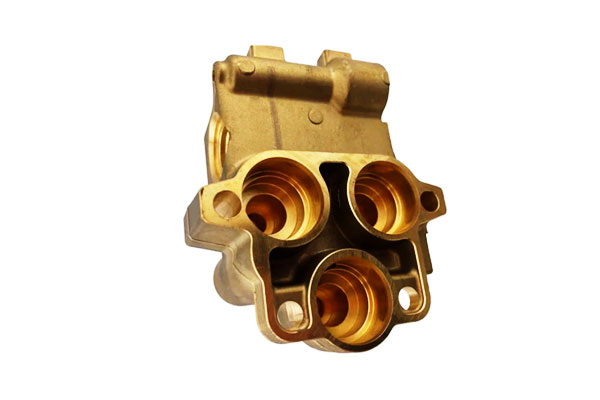
- Tikslūs korpusai
- srieginiai kūnai
10. Palyginimas su kitais gamybos būdais
Renkantis žalvario komponentų gamybos būdą, sprendimas retai grindžiamas vienu veiksniu.
Tikrasis pasirinkimas priklauso nuo reikiamos geometrijos, tolerancijos kontrolė, paviršiaus apdaila, Gamybos apimtis, Medžiagos efektyvumas, ir visos apdailos išlaidos.
| Vertinimo elementas | Investicijų liejimas | Apdirbimas iš Bar Stock | Kalimas | Smėlio liejimas |
| Geriausiai tinka | Sudėtingos beveik tinklo formos dalys su smulkiomis detalėmis | Labai tikslios paprastos ir vidutinės geometrijos dalys | Tvirtesnės dalys su paprastesne geometrija | Didelės ar mažiau detalėms jautrios dalys |
| Geometrijos sudėtingumas | Aukštas | Vidutinis | Žemas ar vidutinio sunkumo | Vidutinis |
| Paviršiaus apdaila | Nuo gero iki labai gero | Puiku | Vidutinis | Sąžininga vargšams |
| Linijiniai nuokrypiai | Gerai; paprastai geriau nei liejimas smėliu, silpnesnis nei precizinis apdirbimas | Puiku | Gerai | Mugė |
| Geometrinės tolerancijos | Gerai; tinka sudėtingiems kontūrams ir plonoms savybėms | Labai tinka paprastoms formoms, apribota apdirbimo sąranka | Tinka tvirtoms formoms, mažiau palanki sudėtingai geometrijai | Mugė |
| Matmenų nuoseklumas gaminant partiją | Gerai | Puikiai tinka nuo mažo iki vidutinio garsumo | Gerai | Vidutinis |
| Medžiagos panaudojimas | Aukštas | Žemas | Vidutinis | Vidutinis |
| Antrinio apdirbimo reikalavimas | Žemas ar vidutinio sunkumo | Vidutinio sunkumo iki aukšto | Vidutinis | Aukštas |
| Įrankių kaina | Vidutinis | Žemas ar vidutinio sunkumo | Aukštas | Žemas |
| Vienos dalies kaina esant vidutiniam tūriui | Konkurencinga | Dažnai didesnis dėl apdirbimo laiko | Dažnai didesnis dėl įrankių | Žemesnis paprastoms dalims, didesnis, kai reikia apdoroti sunkias dalis |
| Tinka dekoratyvinėms detalėms | Puiku | Labai gerai | Vidutinis | Prastas ar sąžiningas |
| Tinka slėgioms dalims | Gerai, lydinys- ir priklauso nuo dizaino | Gerai | Labai gerai | Vidutinis |
| Tinka plonasienėms detalėms | Puiku | Ribotas | Vargšas | Ribotas |
Kaip interpretuoti tiesines ir geometrines tolerancijas
Žalvario komponentų gamyboje, tolerancijos efektyvumas turėtų būti vertinamas dviem atskirais aspektais:
Linijiniai nuokrypiai nurodyti matmenų tikslumą išilgai ilgio, plotis, storis, skersmuo, arba skylės padėtis.
Geometrinės tolerancijos kalbama apie formos ir padėties santykių, pvz., lygumo, valdymą, apvalumas, paralelizmas, Koncentriškumas, Simetrija, sukti, ir profilio tikslumas.
11. „LangHe Foundry“ yra visapusiškas žalvario liejimo paslaugų teikėjas
Langhe liejykla teikia visapusiškus žalvario liejimo sprendimus, skirtus palaikyti projektus nuo koncepcijos kūrimo iki galutinio pristatymo.
Su integruotomis modelių inžinerijos galimybėmis, Investicijų liejimas, apdirbimas, paviršiaus apdaila, ir kokybės patikrinimas, Langhe liejykla padeda klientams sudėtingus žalvario komponentų reikalavimus paversti patikimais, gamybai paruoštos dalys.
Ar projektas apima prototipo patvirtinimą, Nedidelio partijų gamyba, arba stabilus ilgalaikis tiekimas,
Langhe liejykla palaiko pritaikytas žalvario liejimo programas, atkreipiant dėmesį į matmenų tikslumą, Paviršiaus kokybė, proceso nuoseklumas, ir konkrečios programos našumą.
Sujungus technines žinias su reaguojančiu gamybos palaikymu, Langhe liejykla tarnauja kaip patikimas dekoratyvinis partneris, funkcinis, ir tiksliosios žalvario liejimo programos.
11. Išvada
Žalvario investicinis liejimas yra subrendęs, ekonomiška ir estetiškai universali preciziška prarasto vaško gamybos technologija, pritaikyta vario ir cinko lydinio charakteristikoms.
Pagrindinis jo konkurencingumas kyla dėl žemos žalvario lydymosi temperatūros, puikus sklandumas ir mažas kietėjimo susitraukimas,
kurie suteikia šiam procesui neprilygstamų pranašumų dėl sudėtingos plonasienės struktūros formavimo ir aukštos kokybės paviršiaus replikacijos, palyginti su kitais žalvario gamybos būdais.
Nepaisant dydžio apribojimų ir gana didelių vieneto sąnaudų, žalvario investicinis liejimas vis dar išlaiko stiprų rinkos gyvybingumą
santechnikos inžinerijoje, jūrinė įranga ir aukščiausios klasės apdailos laukai dėl dvigubų funkcinio patikimumo ir meninės estetikos savybių.
Ateityje, populiarėjant bešviniams aplinkosaugos lydiniams ir pažangiajai modeliavimo proceso technologijai,
Investicinis žalvario liejimas dar labiau pašalins sąnaudų kliūtis ir išplės taikymo ribas, tapti nepakeičiamu pagrindiniu palaikymo procesu, skirtu pasauliniams aukščiausios klasės pritaikytiems tiksliam vario lydinio komponentams.
DUK
Koks didžiausias techninis sunkumas liejant žalvarį?
Slopina cinko lakavimą aukštoje temperatūroje ir paviršiaus dezincinimo koroziją, kuris tiesiogiai lemia komponentų sudėties vienodumą ir ilgalaikį atsparumą korozijai.
Kuo skiriasi žalvario investicinis liejimas ir liejimas slėginiu būdu?
Investicinis liejinys palaiko sudėtingas tuščiavidures konstrukcijas su tankesne vidine mikrostruktūra;
Liejimas slėgiu pasižymi didesniu efektyvumu, tačiau jis taikomas tik paprastoms kietoms dalims, turinčioms būdingų dujų poringumo defektų.
Kuris žalvario lydinys labiausiai tinka geriamojo vandens priedams?
Alfa-beta žalvaris be švino, kuris atitinka tarptautinius geriamojo vandens saugos standartus ir integruoja antibakterines savybes bei vidutinį mechaninį stiprumą.
Kodėl žalvario liejimui naudoti neutralius apvalkalus, o ne šarminius?
Šarminės ugniai atsparios medžiagos reaguos su išlydytu žalvariu, kad paspartintų dezincifikacijos koroziją ir sutrumpintų slėgį turinčių komponentų tarnavimo laiką..
Ar žalvario liejiniams reikalingas terminis apdorojimas po liejimo?
Dviejų fazių žalvario dalių atkaitinimas reikalingas sumažinant įtempį, kad būtų pašalintas šiluminis įtempis ir išvengta uždelsto įtempių korozijos įtrūkimų;
Vienfazis dekoratyvinis žalvaris gali praleisti terminį apdorojimą pagal faktinius poreikius.