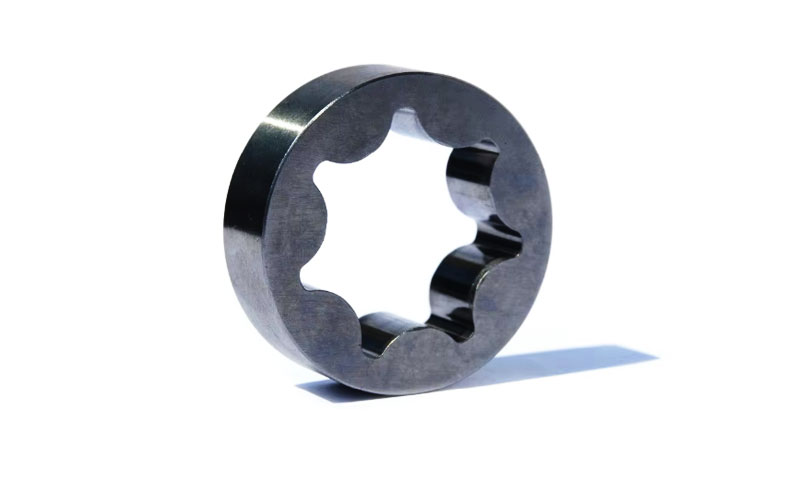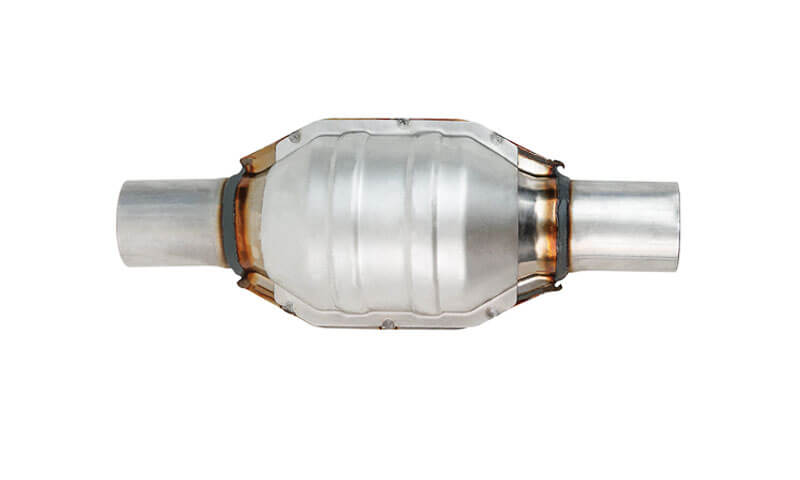
In the world of high‑temperature stainless steels, 1.4878—known by its material number EN 1.4878 and corresponding to UNS S32109 (ASTM 321H)- is a titanium-stabilized chromium-nickel austenitic stainless steel that combines excellent oxidation resistance with superior resistance to intergranular corrosion after welding or prolonged exposure to elevated temperatures.
By incorporating titanium, the alloy minimizes chromium carbide precipitation, allowing it to maintain corrosion resistance and structural integrity where conventional unstabilized grades may fail.
Because of these characteristics, 1.4878 stainless steel is widely used in heat exchangers, krosnies komponentai, išmetimo sistemos, petrochemical equipment, slėgio indai, power generation plants, and industrial heat treatment equipment.
It is available in numerous product forms—including plates, lakštai, vamzdžiai, vamzdžiai, barai, FOUPLINGS, and precision investment castings—making it suitable for both fabricated structures and complex engineered components.
1. Kas yra 1.4878 Nerūdijantis plienas?
1.4878 Nerūdijantis plienas (Į 1.4878 / X12CrNiTi18-9) yra a Titano stabilizuotas Austenitikas Nerūdijantis plienas developed for applications involving prolonged exposure to elevated temperatures and cyclic thermal loading.
It belongs to the family of chromium-nickel heat-resistant stainless steels and offers an excellent balance of oxidation resistance, suvirinamumas, Tvirtumas, and resistance to intergranular corrosion.
Unlike standard austenitic grades, which may become sensitized after welding or long-term service between approximately 450° C ir 850 ° C., 1.4878 incorporates titanium as a stabilizing element.
Titanium preferentially reacts with carbon to form stable titanium carbides instead of chromium carbides.
Dėl to, chromium remains dissolved in the steel matrix, preserving the protective chromium oxide film that gives stainless steel its corrosion resistance.
Why Is 1.4878 Stabilized with Titanium?
The defining feature of 1.4878 Nerūdijantis plienas yra jo Titano stabilizavimas, which significantly enhances its performance under elevated temperatures and after welding.
When conventional austenitic stainless steels are exposed to temperatures within the sensitization range (paprastai 450–850 ° C.), carbon atoms diffuse through the microstructure and combine with chromium to form chromium carbides along grain boundaries.
Šis procesas, žinomas kaip jautrumas, creates chromium-depleted zones adjacent to the grain boundaries.
Because chromium is essential for forming the passive oxide film, these depleted regions become highly susceptible to Tarpgranuliuota korozija.
Į 1.4878 Nerūdijantis plienas, titanium has a much stronger affinity for carbon than chromium.
During solidification and subsequent heat exposure, titanium reacts first to form titanium carbides (Tic).
These stable carbides effectively “lock up” the carbon, preventing chromium carbide precipitation and preserving the chromium content within the surrounding matrix.
This stabilization mechanism provides several important engineering advantages:
- Improved resistance to intergranular corrosion after welding
- Greater microstructural stability during prolonged high-temperature service
- Enhanced creep performance under sustained thermal loading
- Reduced need for post-weld solution annealing
- Longer service life in cyclic heating environments
Dėl to, 1.4878 is especially suitable for large welded fabrications that cannot easily undergo post-weld heat treatment, such as pressure vessels, furnace assemblies, and process piping.
Common Standards for 1.4878 Nerūdijantis plienas
| Standartas | Paskyrimas | Aprašymas |
| Į 10088 | 1.4878 / X12CrNiTi18-9 | European stainless steel designation |
| Nuo | X12CrNiTi18-9 | Vokietijos medžiagos paskyrimas |
| ASTM | Tipas 321 (Lygiavertis) | Titanium-stabilized austenitic stainless steel |
| AISI/SAE | 321H | Pressure vessel and piping materials |
| JAV | S32109 | |
| ISO | X12CrNiTi18-9 | International manufacturing requirements |
| Japanese JIS | SUS321H | Material inspection certificates |
Distinction from 1.4541 (Standartas 321)
The most frequent point of confusion is the relationship between 1.4878 (321H) ir 1.4541 (standartas 321 / X6Crniti18-10).
Abu yra titano stabilizuotos 18-10 Austenitinis nerūdijantis plienas, and they share the same corrosion resistance and general metallurgical characteristics.
The defining difference lies in carbon content specification:
- 1.4541 (321): maximum carbon 0.08%, general-purpose stabilized grade
- 1.4878 (321H): controlled carbon range of 0.04–0.10%, with intentional minimum carbon content
The “H” suffix in 321H stands for “high carbon”.
The elevated minimum carbon content is deliberately specified to improve high-temperature tensile strength, creep resistance and stress-rupture life, gaminimas 1.4878 the heat-resistant optimized variant of the 321 šeima.
Many mills dual-certify material to both standards when composition falls within the overlapping range.
2. Cheminė sudėtis 1.4878 Nerūdijantis plienas
Nuostabus pasirodymas 1.4878 Nerūdijantis plienas (X12CrNiTi18-9) is the result of a carefully balanced chemical composition.
Each alloying element performs a specific metallurgical function, contributing to corrosion resistance, high-temperature oxidation resistance, suvirinamumas, Mechaninis stiprumas, and microstructural stability.
The chemical composition specified by EN standards is shown below.
| Elementas | Turinys (%) | Pirminė funkcija |
| Anglies (C) | ≤0,10 | Improves strength but is controlled to reduce sensitization risk |
| Silicis (Ir) | ≤1.00 | Enhances oxidation resistance and improves fluidity during casting |
| Manganas (Mn) | ≤2.00 | Improves hot workability and deoxidation during steelmaking |
| Fosforas (P) | ≤0.045 | Likutinis elementas; kept low to maintain ductility and weldability |
| Sieros (S) | ≤0,015 | Controlled at low levels to improve toughness and corrosion resistance |
Chromas (Kr) |
17.0–19.0 | Suteikia atsparumą korozijai, Atsparumas oksidacijai, ir pasyvavimas |
| Nikelis (Į) | 9.0–12.0 | Stabilizes the austenitic structure and improves toughness |
| Titanas (Iš) | ≥5 × C and ≤0.80 | Prevents chromium carbide precipitation and improves high-temperature stability |
| Lygintuvas (Fe) | Pusiausvyra | Matricos elementas |
PASTABA: Actual chemical composition may vary slightly depending on the applicable EN, Nuo, ASTM, or customer specification.
3. Fizinės savybės 1.4878 Nerūdijantis plienas
Fizinės savybės 1.4878 stainless steel determine how the material responds to heat transfer, Šiluminis išplėtimas, Elektrinis laidumas, and magnetic fields during service.
These properties are particularly important when designing components for furnaces, Šilumokaičiai, išmetimo kolektoriai, and pressure equipment operating under continuous thermal cycling.
| Nuosavybė | Tipinė vertė |
| Tankis | 7.90–8.00 g/cm³ |
| Lydymosi diapazonas | 1400–1425°C |
| Elastinis modulis (20° C.) | 193 GPA |
| Šilumos laidumas (20° C.) | 15 W/m · k |
| Specifinė šilumos talpa (20° C.) | 500 J/kg · k |
| Elektros varža (20° C.) | 0.72 μΩ · m |
| Šilumos išsiplėtimo koeficientas (20–100 ° C.) | 16.5 × 10⁻⁶ /K |
| Magnetinis pralaidumas | Iš esmės nemagnetikas (atkaitinta būklė) |
Values are typical reference data and may vary slightly with product form, apdorojimo maršrutas, and applicable standards.
4. Mechaninės savybės 1.4878 Nerūdijantis plienas
Mechaninės savybės 1.4878 stainless steel reflect its primary role as a high-temperature structural material.
While its room-temperature strength is similar to that of conventional austenitic stainless steels, its real advantage lies in maintaining mechanical integrity during prolonged service at elevated temperatures.
| Nuosavybė | Tipinė vertė |
| Tempimo stiprumas (Rm) | ≥520 MPa |
| Derliaus stiprumas (RP0.2) | ≥205 MPa |
| Pailgėjimas (A5) | ≥40% |
| Ploto sumažinimas | ≥55% |
| Brinelio kietumas (HBW) | ≤215 |
| Rokvelio kietumas (HRB) | ≤95 |
| Vickerso kietumas (HV) | Apytiksliai. 200 |
Values are representative of solution-annealed material and may vary depending on product form and manufacturing process.
5. Heat Resistance and High-Temperature Performance
The primary advantage of 1.4878 Nerūdijantis plienas lies in its outstanding performance under elevated-temperature service conditions.
Unlike conventional austenitic grades such as 304, which are mainly designed for corrosion resistance at ambient temperatures, 1.4878 is engineered to maintain its structural integrity, Atsparumas oksidacijai, and corrosion performance during prolonged exposure to heat.
Recommended Service Temperature
The following table summarizes the typical operating temperature ranges for 1.4878 Nerūdijantis plienas.
| Aptarnavimo sąlyga | Recommended Temperature |
| Continuous service in oxidizing atmosphere | Up to 850–900°C |
| Intermittent service | Up to approximately 900°C |
| Long-term structural service | 450–850 ° C. |
| Short-term peak exposure | Approximately 950°C (depending on loading and atmosphere) |
Actual service limits depend on component geometry, applied stress, furnace atmosphere, thermal cycling frequency, and design life.
Excellent Oxidation Resistance
Esant pakilusi temperatūrai, chromium rapidly reacts with oxygen to form a dense chromium oxide (Cr₂o₃) layer that protects the underlying metal from further oxidation.
This passive oxide film continuously regenerates if damaged, providing long-term resistance against scaling in air and many combustion environments.
Because of its stable chromium content, 1.4878 demonstrates excellent resistance to:
- High-temperature oxidation
- Surface scaling
- Decarburization
- Hot gas corrosion in mildly oxidizing atmospheres
These characteristics make it suitable for furnace components, industrial heaters, thermal processing equipment, ir išmetimo sistemos.
Superior Resistance to Thermal Cycling
Many industrial components experience repeated heating and cooling rather than constant temperatures.
These thermal cycles generate expansion and contraction stresses that may eventually lead to distortion, fatigue cracking, or weld failure.
The fully austenitic microstructure of 1.4878 provides excellent resistance to thermal fatigue because it combines:
- Aukštas lankstumas
- Stable grain structure
- Geras tvirtumas
- Low susceptibility to brittle fracture
Titanium stabilization further minimizes microstructural degradation during repeated thermal exposure, extending service life in cyclic operating environments.
Creep and Stress-Rupture Resistance
For components operating continuously at elevated temperatures, creep resistance is often more important than room-temperature strength.
Creep is the slow, permanent deformation of a material under sustained load at high temperature.
In industrial furnaces, katilai, Naftos chemijos reaktoriai, ir šilumokaičiai, creep deformation can gradually alter component dimensions and eventually lead to failure.
Compared with standard 304 Nerūdijantis plienas, 1.4878 pasiūlymai:
- Improved creep strength
- Better stress-rupture resistance
- Enhanced grain boundary stability
- Reduced deformation during prolonged service
These improvements are primarily attributed to titanium stabilization, which suppresses chromium carbide precipitation and helps preserve grain boundary strength.
Resistance to Sensitization During High-Temperature Service
One of the most significant advantages of 1.4878 is its ability to resist sensitization after prolonged exposure to temperatures between 450° C ir 850 ° C..
Standartas 304 stainless steel may suffer chromium depletion near grain boundaries after welding or extended heating, increasing the risk of intergranular corrosion.
Priešingai, titanium preferentially reacts with carbon to form titanium carbides, preventing chromium carbide precipitation and allowing chromium to remain available for maintaining the protective passive film.
Dėl to, 1.4878 is particularly suitable for:
- Welded furnace structures
- Petrochemical piping
- Heat treatment fixtures
- Power plant components
- High-temperature pressure vessels
6. Atsparumas korozijai
Bendroji korozija
At ambient and moderately elevated temperatures, 1.4878 exhibits good general corrosion resistance in atmospheric environments, gėlas vanduo, steam and most organic and inorganic chemicals.
Its performance is broadly comparable to 304 stainless steel in non-sensitized conditions.
Intergranular Corrosion Resistance
This is where 1.4878 distinguishes itself from unstabilized grades.
In the as-welded or as-heated condition, unstabilized steels such as 304 suffer chromium carbide precipitation at grain boundaries (jautrumas), leading to intergranular corrosion.
Į 1.4878, titanium sequesters carbon, preventing significant chromium depletion and maintaining full intergranular corrosion resistance even after exposure to the 450–850°C sensitization range.
This property is particularly valuable for large welded structures and furnace components that cannot be solution-annealed after fabrication.
Lokalizuota korozija
Pitting and crevice corrosion resistance is moderate, roughly equivalent to 304 Nerūdijantis plienas.
The grade is not intended for severe chloride environments; 316L or higher-alloyed materials are preferred for such service.
1.4878 stainless steel is not suitable for seawater or high-chloride process streams.
Streso korozijos įtrūkimas
Kaip ir kiti austenitiniai nerūdijantys plienai, 1.4878 stainless steel is susceptible to chloride-induced stress corrosion cracking at elevated temperatures.
For applications combining tensile stress with hot chloride environments, alternative materials should be considered.
7. Fabrication and Welding Characteristics
Despite being designed for elevated-temperature applications, 1.4878 Nerūdijantis plienas offers excellent manufacturability.
Its fully austenitic structure provides outstanding ductility and toughness, allowing the material to be formed into complex geometries while maintaining dimensional accuracy and structural integrity.
Formavimas ir gamyba
1.4878 possesses excellent cold-forming characteristics and can be processed using conventional sheet metal fabrication techniques.
Typical forming operations include:
- Gilus piešinys
- Ritinio formavimas
- Lenkimas
- Stretch forming
- Hydroforming
- Press forming
- Verpimas
Because the alloy work-hardens rapidly, severe deformation may require intermediate annealing to restore ductility before further processing.
Hot forming is typically performed within the temperature range of 1050–1200 ° C., followed by rapid cooling to preserve the fully austenitic microstructure.
Apdirbimo charakteristikos
Compared with carbon steels and free-machining stainless steels, 1.4878 stainless steel is considered moderately difficult to machine.
Its high toughness, Puikus lankstumas, and strong tendency to work harden increase cutting forces and generate considerable heat at the tool-workpiece interface.
If machining parameters are not properly controlled, the work-hardened surface can accelerate tool wear and reduce dimensional accuracy.
Per apdirbimas, the material tends to generate:
- High cutting forces
- Elevated cutting temperatures
- Continuous chips
- Accelerated tool wear
Efficient machining therefore requires:
- Sharp carbide or ceramic cutting tools
- Positive rake geometries
- Adequate cutting fluid
- Vidutinis pjovimo greitis
- Stable machine rigidity
Using interrupted cutting conditions or worn tooling should be avoided because work-hardened surfaces can rapidly reduce machining efficiency.
Tikslus liejimas
Nors 1.4878 stainless steel is primarily supplied as wrought products in the form of plates, barai, vamzdžiai, and forgings, it is also suitable for manufacturing complex components by Investicijų liejimas (pamestas vaško liejimas).
Precision casting offers significant advantages for geometrically intricate parts that would otherwise require extensive machining, reducing both material waste and overall production costs.
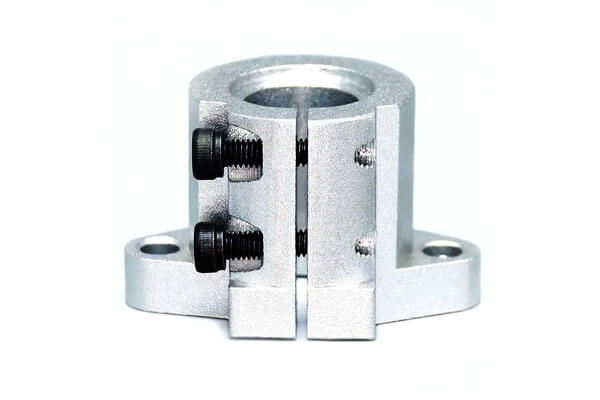
Investment casting is particularly suitable for producing:
- Furnace fixtures
- Burner components
- Heat-resistant brackets
- Exhaust system parts
- Complex industrial hardware
Proper control of melting practice, Pelėsio dizainas, and solidification conditions is essential to minimize segregation, susitraukimo defektai, and hot cracking while ensuring a uniform austenitic microstructure.
Following casting, solution annealing is typically performed to optimize corrosion resistance and mechanical properties.
Welding Characteristics
One of the greatest advantages of 1.4878 is its outstanding weldability.
Because titanium stabilizes carbon, the alloy exhibits significantly lower susceptibility to sensitization than unstabilized 304 Nerūdijantis plienas.
It is compatible with virtually all common fusion welding processes, įskaitant:
- GTAW (Tig)
- Gauna (Aš)
- Smaw
- Pamatė
- Plasma arc welding
- Laser welding
Proper filler metal selection is important to ensure matching high-temperature performance and corrosion resistance.
8. Terminis apdorojimas 1.4878 Nerūdijantis plienas
Unlike martensitic or precipitation-hardening stainless steels, 1.4878 cannot be strengthened through conventional heat treatment.
Its mechanical properties are primarily controlled by solid-solution strengthening, Šaltas darbas, and titanium stabilization rather than phase transformation.
The principal objectives of heat treatment are therefore to restore corrosion resistance, dissolve undesirable precipitates, relieve fabrication stresses, and maintain a stable austenitic microstructure.
| Gydymas | Temperatūra | Aušinimas | Tikslas |
| Sprendimo atkaitinimas | 1050-1100°C | Water quench or rapid air cool | Ištirpina karbidus; atkuria atsparumą korozijai. |
| Streso palengvinimas | 300‑400°C | Oras | Relieves residual stress; no significant effect on corrosion resistance. |
| Stabilisation | 850‑900°C | Oras (not common) | Neprivaloma; precipitates titanium carbides for additional stabilisation. |
| Grūdinimas | Netaikoma | - | Austenitinis; negali būti užkietėjęs terminis apdorojimas. |
9. Paviršiaus apdaila
The surface finish of 1.4878 stainless steel significantly influences not only its appearance but also its corrosion resistance, Švarumas, friction characteristics, ir tarnavimo gyvenimas.
Selecting the appropriate finish depends on the operating environment, fabrication method, and functional requirements of the final component.
| Paviršiaus apdaila | Gamybos metodas | Surface Characteristics | Tipiškos programos |
| No.1 | Hot rolled, atkaitintas, marinuotas | Rough matte finish with oxide scale removed | Krosnies dalys, slėgio indai, heavy industrial equipment |
| 2B | Cold rolled, atkaitintas, marinuotas, Oda praėjo | Lygus, uniforma, slightly reflective | Cheminio perdirbimo įranga, Maisto apdorojimas, vamzdynai |
| Ba (Ryškiai atkaitinta) | Bright annealing in controlled atmosphere | Highly smooth and reflective | Dekoratyviniai komponentai, Farmacijos įranga, precision instruments |
| No.4 (Šepetys) | Mechanical polishing with abrasive belts | Satin finish with fine linear grain | Architektūrinės plokštės, Virtuvės įranga, industrial enclosures |
Mirror Finish (No.8) |
Progressive fine polishing | Mirror-like reflective surface | Decorative applications, Švarios kambario įranga, premium architectural projects |
| Marinuoti & Passivated | Chemical cleaning and passivation | Maximum corrosion resistance with clean metallic appearance | Welded fabrications, Naftos chemijos sistemos, Įranga jūroje |
| Elektros energija | Electrochemical polishing | Ypač lygus, low surface roughness, enhanced passive film | Puslaidininkis, Farmacija, Biotechnologijos, ultra-clean processing systems |
10. Tipiškos 1.4878 Nerūdijantis plienas
The combination of excellent corrosion resistance, high-temperature oxidation resistance, outstanding weldability, and long-term structural stability makes 1.4878 stainless steel one of the preferred materials for demanding industrial environments.
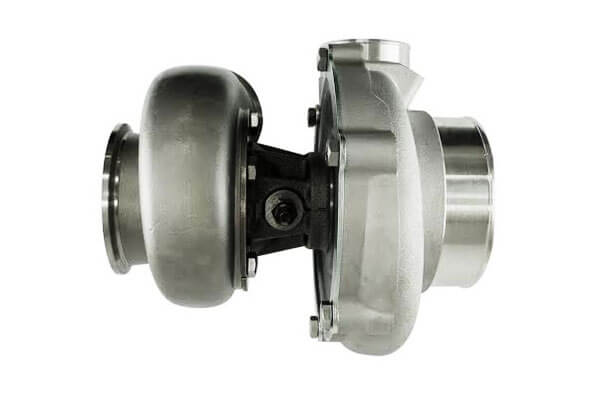
Naftos chemijos ir cheminis apdorojimas
Chemical plants frequently operate under aggressive conditions involving elevated temperatures, pressurized fluids, ir korozinė žiniasklaida.
1.4878 stainless steel provides excellent resistance to oxidation, organinės rūgštys, and many industrial chemicals while maintaining structural integrity during thermal cycling.
Tipiški komponentai apima:
- Šilumokaičiai
- Reaktoriaus indai
- Process piping
- Expansion joints
- Slėgio indai
- Distiliavimo stulpeliai
- Flanges and fittings
Industrial Furnaces and Heat Treatment Equipment
One of the most important application areas for 1.4878 is high-temperature furnace construction.
The alloy withstands continuous exposure to elevated temperatures while resisting oxidation, Šiluminis nuovargis, and scaling.
Common furnace components include:
- Furnace rollers
- Spinduliuojantys vamzdžiai
- Furnace baskets
- Heat-treatment trays
- Annealing fixtures
- Burner assemblies
- Retorts
- Support grids
Energijos generavimas
Steam boilers, waste heat recovery systems, and thermal power plants expose structural components to high temperatures and cyclic thermal stresses.
Titanium stabilization improves long-term reliability by preventing grain-boundary sensitization during extended operation.
Įprastos programos apima:
- Katilo vamzdžiai
- Superheater supports
- Exhaust ducting
- Flue gas systems
- Steam piping accessories
Automotive and Exhaust Systems
The alloy performs well under repeated heating and cooling cycles encountered in vehicle exhaust systems.
Its oxidation resistance and weldability make it suitable for manufacturing durable exhaust components.
Pavyzdžiai yra:
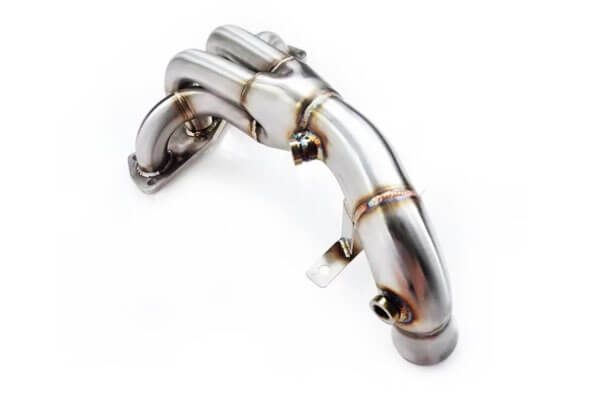
- Išmetimo kolektoriai
- Turbocharger piping
- Exhaust bellows
- Catalyst housings
- Šilumos skydai
Maisto perdirbimo įranga
Although not as widely used as 304L or 316L in food production, 1.4878 becomes advantageous where processing equipment experiences frequent high-temperature cleaning or sterilization.
Typical equipment includes:
- Sterilization chambers
- High-temperature conveyors
- Industrial ovens
- Heat-resistant processing equipment
Precision Castings and Fabricated Components
The alloy is also widely used in precision investment castings and fabricated assemblies that combine corrosion resistance with elevated-temperature performance.
Representative products include:
- Vožtuvo kūnai
- Siurblio komponentai
- Furnace accessories
- Turbine hardware
- Pramoniniai skliaustai
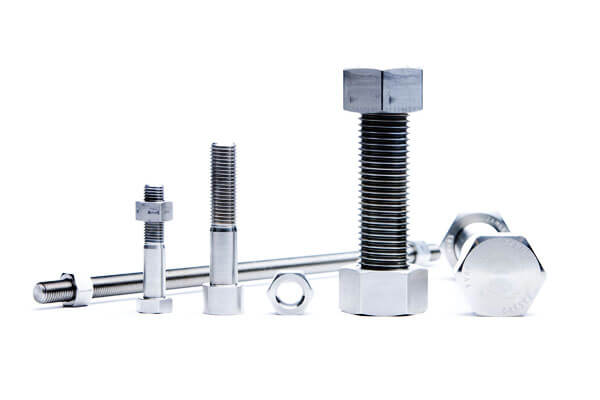
- High-temperature fasteners
- Mechanical supports
11. Privalumai ir apribojimai 1.4878 Nerūdijantis plienas
Privalumai
Excellent Resistance to Intergranular Corrosion
Titanium stabilization effectively binds carbon into stable titanium carbides, preventing chromium carbide precipitation during welding or prolonged service at elevated temperatures.
This significantly improves long-term corrosion resistance in the critical temperature range where unstabilized austenitic stainless steels may become sensitized.
Nuostabūs aukštos temperatūros rezultatai
1.4878 maintains excellent oxidation resistance and mechanical stability during continuous operation at temperatures approaching 800–850 ° C., making it highly suitable for furnace equipment, išmetimo sistemos, and thermal processing machinery.
Puikus suvirinamumas
The alloy can be welded using virtually all conventional fusion welding methods with minimal risk of weld decay.
Large fabricated structures can often be placed into service without post-weld solution annealing, simplifying manufacturing while reducing production costs.
Good General Corrosion Resistance
In many industrial environments, 1.4878 provides corrosion resistance comparable to Type 304 Nerūdijantis plienas, including excellent resistance to atmospheric corrosion, gėlas vanduo, garas, and numerous organic chemicals.
High Toughness Across a Wide Temperature Range
The fully austenitic microstructure provides excellent impact toughness and ductility at both ambient and moderately elevated temperatures, allowing reliable performance under dynamic loading and thermal cycling.
Excellent Fabrication Performance
The alloy supports a wide range of manufacturing processes, įskaitant:
- Šaltas formavimas
- Karštas formavimas
- Precision investment casting
- CNC apdirbimas
- Gilus piešinys
- Riedėjimas
- Suvirinimas
This versatility allows engineers to produce complex components with high dimensional accuracy.
Ilgas tarnavimo gyvenimas
The combination of oxidation resistance, atsparumas korozijai, weld stability, and thermal durability contributes to extended equipment life, reducing maintenance frequency and lifecycle costs in demanding industrial applications.
Apribojimai
Vidutinis apdirbamumas
Like most austenitic stainless steels, 1.4878 exhibits significant work hardening during machining.
Cutting operations require rigid equipment, aštrūs įrankiai, effective cooling, and optimized machining parameters to achieve satisfactory productivity and tool life.
Limited Resistance to Chloride-Induced Pitting
Although the alloy performs well in many industrial environments, its molybdenum-free composition makes it less resistant to chloride-induced pitting and crevice corrosion than grades such as 316L.
It is therefore not the preferred choice for marine environments or highly saline process media.
Higher Material Cost Than Standard Carbon Steels
The presence of nickel, Chromas, and titanium increases the material cost compared with carbon steels and some ferritic stainless steels.
Tačiau, the higher initial investment is often justified by improved durability and lower maintenance requirements.
Not Intended for Extremely High Temperatures
Kol 1.4878 performs exceptionally well at elevated temperatures, applications involving continuous exposure above approximately 900° C. generally require more heat-resistant grades such as 310S (1.4845) or nickel-based superalloys.
Šiluminis išplėtimas
Kaip ir kiti austenitiniai nerūdijantys plienai, the alloy has a relatively high coefficient of thermal expansion.
Designers should account for thermal movement in large welded structures, vamzdynų sistemos, and furnace assemblies by incorporating appropriate expansion allowances.
12. 1.4878 vs Other Stainless Steel Grades
Selecting the appropriate stainless steel requires balancing corrosion resistance, temperatūros galimybė, gamybos reikalavimai, ir kaina.
Nors 1.4878 shares many characteristics with other austenitic stainless steels, its titanium stabilization makes it particularly suitable for welded structures and long-term service at elevated temperatures.
1.4878 vs 1.4541 (321) Nerūdijantis plienas
Both grades are titanium-stabilized chromium-nickel stainless steels and provide excellent resistance to intergranular corrosion after welding.
Tačiau, 1.4878 contains a slightly higher carbon level, which contributes to improved creep strength and elevated-temperature mechanical performance.
For components operating continuously under thermal stress—such as furnace structures, slėgio indai, and petrochemical equipment—1.4878 is generally preferred.
Typical selection guidance:
- Pasirinkti 1.4878 for prolonged high-temperature service and pressure-bearing components.
- Pasirinkti 1.4541 (321) for general high-temperature fabrication, aircraft exhaust systems, and standard welded structures.
1.4878 vs 1.4404 (316L) Nerūdijantis plienas
These two grades are designed for different service environments.
1.4404(316L)Nerūdijantis plienas derives its superior corrosion resistance from approximately 2–2.5% molybdenum, making it highly resistant to chloride-induced pitting and crevice corrosion.
Todėl, it is the preferred choice for marine environments, Farmacijos apdorojimas, and aggressive chemical applications.
1.4878 Nerūdijantis plienas, priešingai, is optimized for elevated-temperature performance rather than chloride resistance.
Its titanium stabilization prevents sensitization during prolonged heating, allowing it to retain mechanical integrity where 316L would gradually lose strength.
General recommendation:
- Pasirinkite 316L for seawater exposure, coastal installations, and chloride-containing process media.
- Pasirinkite 1.4878 for temperatures above approximately 500°C where thermal stability becomes more important than chloride resistance.
1.4878 vs 1.4845 (310S) Nerūdijantis plienas
Both grades perform well at elevated temperatures, but they are intended for different operating ranges.
Su maždaug 25% Chromas ir 20% Nikelis, 310S exhibits exceptional oxidation resistance and can withstand continuous temperatures approaching 1100° C..
It is widely used in furnace linings, radiant tubes, degikliai, and thermal processing equipment exposed to extremely high temperatures.
Nors 1.4878 cannot match the maximum operating temperature of 310S, it offers better weld stability, lower material cost, and sufficient heat resistance for many industrial applications below approximately 850° C..
Dėl to:
- Pasirinkti 310S for ultra-high-temperature furnace environments.
- Pasirinkti 1.4878 for high-temperature structural fabrications requiring excellent weldability, šliaužimo pasipriešinimas, ir ilgalaikis patikimumas.
13. Why Choose LangHe for 1.4878 Nerūdijančio plieno produktai?
Manufacturing components from 1.4878 stainless steel requires more than simply selecting the correct alloy.
Achieving reliable performance in high-temperature and corrosive environments depends on precise process control, materialus atsekamumas, advanced manufacturing capabilities, Ir griežtas kokybės užtikrinimas.
At Langhe, we combine metallurgical expertise with modern production technologies to deliver precision-engineered 1.4878 stainless steel components that meet the demanding requirements of industrial customers worldwide.
| Galimybė | Detalės |
| Investicijų liejimas, CNC apdirbimas | Beveik tinklinė forma; Sudėtingos geometrijos; Puikus paviršiaus apdaila. |
| Medžiagos | 1.4878 (321), 1.4541 (321L), 1.4404 (316L), 1.4845 (310S). |
| Dalies svoris | 0.05 kg į 100 kg. |
| Matmenys | Iki 600 mm skersmuo. |
| Tolerancijos | ±0,1–0,3 mm (CT5-CT7 pagal ISO 8062). |
| Paviršiaus apdaila | Ra 1,6–6,3 µm kaip liejimas; galimas elektropoliravimas. |
| Terminis apdorojimas | Sprendimo atkaitinimas, streso palengvinimas. |
| Kokybė | ISO 9001:2015 sertifikuota; 100% NDT and dimensional inspection. |
| Švino laikas | 8– 12 savaičių įrankiams ir pirmiesiems gaminiams; 2- 4 savaitės pakartotiniams užsakymams. |
| Pažymėjimai | PED 2014/68/ES, Gimė MR0175/ISO 15156. |
14. Išvada
1.4878 (X8CrNiTi18-10 / 321H) occupies a well-defined and important niche in the heat-resistant stainless steel spectrum.
By combining titanium stabilization with controlled higher carbon content, it delivers two properties that are difficult to obtain simultaneously in austenitic stainless steels:
immunity to intergranular corrosion after welding, and significantly improved creep and stress-rupture performance at elevated temperatures.
It is not the highest-temperature grade, nor the most corrosion-resistant grade, but it offers an unrivaled balance of heat resistance, suvirinamumas, fabricability and cost for components operating in the 500–900°C range.
For boiler tubes, furnace hardware, petrochemical process equipment and heat treatment fixtures, it remains the benchmark standard material against which alternatives are measured.
As global industry continues to push process temperatures higher in pursuit of energy efficiency and emissions reduction,
1.4878 stainless steel will remain a foundational material for medium-temperature load-bearing service, valued for its proven reliability, predictable performance and mature manufacturing base.
DUK
Kuo skiriasi 1.4878 ir 1.4541 Nerūdijantis plienas?
Abu yra titano stabilizuotos 18-10 Austenitinis nerūdijantis plienas. 1.4541 (standartas 321) has a maximum carbon of 0.08%, kol 1.4878 (321H) has a controlled carbon range of 0.04–0.10%.
The higher minimum carbon in 1.4878 improves high-temperature creep and stress-rupture strength, making it the preferred choice for load-bearing high-temperature service.
What is the maximum operating temperature for 1.4878 Nerūdijantis plienas?
Up to 850°C for continuous service and 900°C for intermittent service. For temperatures above 900°C, 310S (1.4845) rekomenduojama.
Yra 1.4878 Nerūdijančio plieno magnetinis?
Nr. 1.4878 is an austenitic stainless steel and is paramagnetic (ne magnetas) atkaitintoje būklėje. Cold working may induce some ferromagnetism.
Gali 1.4878 stainless steel be welded without filler?
For small sections, autogenous welding is possible, but matching filler (ER321) is recommended to maintain stabilisation and corrosion resistance.
Tai 1.4878 stainless steel require post‑weld heat treatment?
Nr. Titanium stabilisation prevents sensitisation, so post‑weld heat treatment is not required.
Kuo skiriasi 1.4878 ir 1.4404 (316L) Nerūdijantis plienas?
1.4878 has titanium stabilisation and higher carbon for high‑temperature creep strength, but no molybdenum.
1.4404 (316L) stainless steel has molybdenum for superior chloride corrosion resistance but is limited to lower temperatures (≤400°C) for long‑term service.