1. Ինչու է նեղացումը արժանի լուրջ ուշադրության?
Կծկումը ձուլման ամենահիմնական երեւույթներից է, սակայն այն նաև ամենահաճախ թերագնահատվածներից մեկն է.
Մեջ Ներդրումների ձուլում, it is the silent driver behind many visible and invisible defects: Նեղացման խոռոչներ, Նեղանում ծակոտկենություն, տաք արցունքներ, Մնացորդային սթրեսը, աղավաղում, and sometimes even delayed cracking.
These defects may appear to be different problems, but in many cases they all originate from the same physical truth: metal contracts as it cools.
For precision casting, this is not a minor detail. Investment castings are often thin-walled, Երկրաչափական համալիր, and dimensionally demanding.
They solidify in ceramic shells that provide little forgiveness for poor feeding or constrained contraction.
Understanding shrinkage is therefore not only about avoiding voids in the casting body; it is also about controlling shape accuracy, Ներքին առողջություն, and long-term service reliability.
Մի խոսքով, if shrinkage is not understood at the design stage, it will reappear later as a defect.
2. The Three Stages of Shrinkage
Shrinkage in casting alloys is not a single event but a continuous thermophysical process that unfolds as the metal cools from pouring temperature to room temperature.
Ներդրումային ձուլման մեջ, this process is especially important because the ceramic shell extracts heat rapidly and the geometry is often thin-walled, խճճված, and highly constrained.
As the metal cools, atoms pack more closely together, the liquid changes to solid, and the fully solid casting continues to contract.
These changes produce three distinct but connected stages of shrinkage: Հեղուկի նեղացում, Կողմի կրճատում, and solid shrinkage.
Ինժեներական տեսանկյունից, shrinkage is a fundamental property of the alloy itself, but the defects it creates depend on how effectively the casting system compensates for that shrinkage.
Այլ կերպ ասած, shrinkage is inevitable; shrinkage defects are not.
Հեղուկի նեղացում
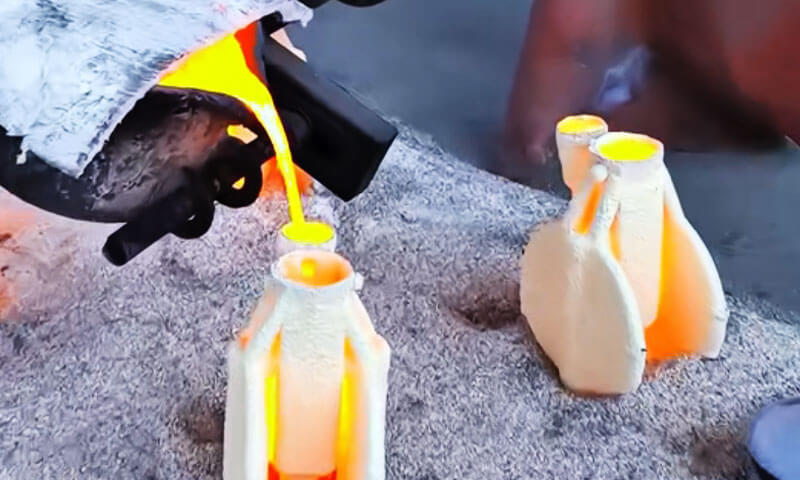
Liquid shrinkage is the volumetric contraction that occurs while the alloy remains fully liquid, from the moment the melt fills the mold cavity down to the onset of solidification at the liquidus temperature.
Այս փուլում, the metal has not yet formed a rigid skeleton, so the shrinkage is mainly reflected as a lowering of the metal level inside the shell cavity.
Ներդրումային ձուլման մեջ, liquid shrinkage is influenced by several variables:
- Ալյումինե կազմ,
- Թափելով ջերմաստիճանը,
- գազի պարունակությունը,
- inclusion content,
- and the thermal characteristics of the shell.
A higher pouring temperature generally increases the temperature difference between the molten metal and the shell, which increases the amount of contraction that must be accommodated during cooling.
Նմանապես, dissolved gases and nonmetallic inclusions can aggravate the effective volumetric instability of the melt.
Because of these interacting factors, liquid shrinkage is not a fixed number for a given alloy; it varies with both chemistry and process condition.
Although liquid shrinkage does not by itself create a cavity, it is the first stage in the chain that leads to feeding difficulty.
If the metal level drops and the cavity is not replenished, the conditions for later shrinkage defects begin to form immediately.
Կողմի կրճատում
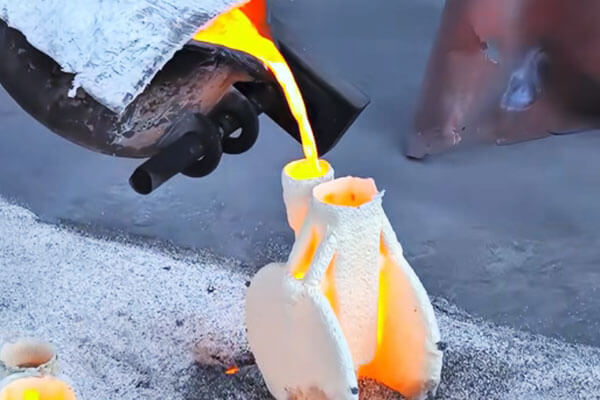
Solidification shrinkage occurs as the alloy changes from liquid to solid, between the liquidus and solidus temperatures.
This is the most important shrinkage stage from the standpoint of internal soundness, because it is during this interval that the casting becomes vulnerable to shrinkage cavities and shrinkage porosity.
For pure metals and eutectic alloys, solidification occurs at essentially one temperature, so the shrinkage is tied mainly to the phase change itself.
For most engineering alloys, սակայն, solidification occurs over a սառեցման միջակայք.
As dendrites form and grow, they interlock and create a semi-solid skeleton while liquid still remains between them.
The metal continues to contract during this interval, and if liquid metal cannot feed the last-to-freeze zones, internal voids form.
This is why solidification shrinkage is so closely linked to feeding design.
The defect is not merely that the alloy shrinks; the real problem is that the shrinking volume is no longer supplied with fresh molten metal at the right time and place.
For investment castings, this is particularly critical because precision castings often have complex section transitions and localized thermal hot spots.
These zones tend to freeze last, and they are exactly where shrinkage porosity and shrinkage cavities are most likely to appear if the feeding path is inadequate.
Solid Shrinkage
Solid shrinkage is the linear contraction of the fully solid casting as it cools from the solidus temperature to room temperature.
This stage is especially important for dimensional accuracy, shape retention, and residual-stress control.
Unlike liquid shrinkage and solidification shrinkage, which are primarily volumetric phenomena, solid shrinkage directly affects the casting’s final dimensions.
This is the stage that determines whether the finished part can meet tolerance after cooling and cleaning.
For pure metals and eutectic alloys, linear shrinkage begins only after solidification is complete.
For alloys with a freezing range, which includes most alloys used in investment casting, the situation is more complex.
Crystallization begins below the liquidus, but at first the dendritic network is too sparse to behave like a continuous solid.
As the dendrites grow and connect, the alloy begins to act as a solid skeleton, and linear shrinkage begins before the casting is fully solid.
That timing is extremely important. It means that in many investment casting alloys, linear shrinkage starts while a residual liquid fraction still remains trapped in the structure.
The solid skeleton contracts, but the remaining liquid cannot always fully compensate. This creates tensile stress within the partly solidified casting.
If the stress exceeds the strength of the alloy at that temperature, hot tearing can occur.
This is why solid shrinkage is not just a dimensional issue; it is also a crack-risk issue.
Once the casting has entered the semi-solid range and the solid network is connected, restraint from the shell or from nonuniform section thickness can turn ordinary contraction into localized stress concentration.
Why This Matters Especially in Investment Casting
Nearly all alloys commonly used in investment casting have a finite crystallization range.
That means their linear shrinkage does ոչ begin only after complete solidification. Փոխարեն, it begins within the freezing range, at a point where the casting is only partly solid.
This is one of the most important ideas in casting metallurgy because it explains why hot cracks can form before the part is “fully solid” in the everyday sense.
Ներդրումային ձուլման մեջ, this is especially significant because the process is often used for high-precision components with thin sections, Համալիր երկրաչափություն, and high service expectations.
The combination of early solid shrinkage, residual liquid, and structural restraint makes proper shrinkage allowance and feeding design essential.
3. Shrinkage of Castings: The Influence of External Resistance
The shrinkage behavior discussed in the previous section describes the intrinsic contraction of the alloy itself as it cools from the pouring temperature to room temperature.
In actual investment casting, սակայն, the metal does not shrink in a vacuum.
Its contraction is influenced by the investment shell, the casting geometry, the cores, and the interaction between different cooling zones.
Արդյունքում, the real shrinkage of a casting is not identical to its theoretical free shrinkage.
This is why shrinkage in investment casting must be understood in two practical forms:
- free shrinkage, և
- constrained shrinkage.
For process design, especially pattern making, the second form is the one that matters most.
Free Shrinkage
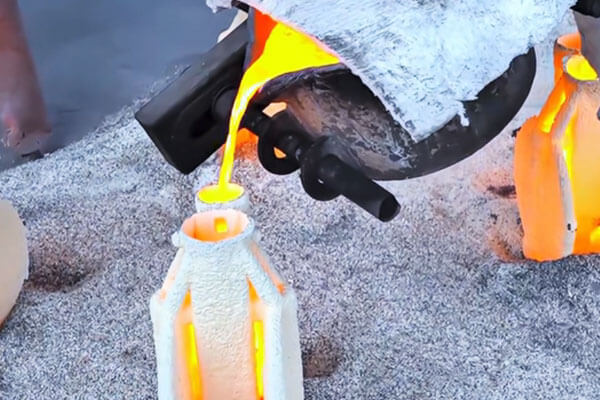
Free shrinkage refers to the ideal condition in which the casting contracts with only minimal resistance, aside from ordinary friction between the casting surface and the mold or shell surface.
Տեսականորեն, this represents the natural shrinkage of the alloy itself.
Գործնականում, true free shrinkage is almost never achieved in production investment casting.
The casting is always affected by some degree of shell restraint, thermal interaction, or geometric constraint.
Հետեւաբար, free shrinkage is mainly a theoretical reference value rather than a practical design basis.
Constrained Shrinkage
Constrained shrinkage occurs when the casting is prevented from contracting freely because of external resistance.
This resistance reduces the actual shrinkage volume of the casting.
Այլ կերպ ասած, the alloy still wants to contract according to its physical nature, but the mold system, the shell, and the casting structure do not allow it to do so completely.
This is the real condition encountered in investment casting production. For the same alloy, the constrained shrinkage rate is always smaller than the free shrinkage rate.
The greater the resistance, the smaller the actual shrinkage. That is why pattern dimensions must be based on practical shrinkage allowance, not on the alloy’s theoretical free shrinkage alone.
Ներդրումային ձուլման մեջ, three major forms of external resistance influence shrinkage behavior:
Frictional Resistance from the Shell Surface
Frictional resistance is generated as the casting surface contracts against the inner surface of the ceramic shell. The amount of resistance depends on several factors:
- the weight of the casting,
- the contact pressure between the casting and the shell,
- and the smoothness of the shell inner surface.
Compared with sand molds, investment shells usually have a much smoother internal surface, especially silica sol shells.
This smooth surface reduces frictional resistance significantly. Այնուամենայնիվ, the resistance does not disappear completely.
For castings with large surface areas, Նիհար պատեր, or deep internal contours, the contact between the casting and the shell can still be extensive enough for friction to affect shrinkage behavior in a meaningful way.
This means that although investment casting generally offers lower frictional constraint than sand casting, shell surface condition still plays an important role in dimensional accuracy.
Mal երմային դիմադրություն
Thermal resistance arises from uneven cooling between different regions of the casting
When a thin section cools more rapidly, it begins to contract earlier and may form a rigid structure before a neighboring thick section has fully shrunk.
The earlier-shrinking region then restrains the later-shrinking region. This mutual interaction creates thermal resistance.
Thermal resistance is especially important in investment casting because the shell’s thermal characteristics and the part’s geometry often combine to produce non-uniform temperature gradients.
Castings with abrupt changes in section thickness, long and narrow arms, or intersecting heavy and thin regions are particularly prone to this effect.
The practical consequence is clear: thermal resistance can lead to uneven shrinkage, աղավաղում, Մնացորդային սթրեսը, և, in severe cases, տաք ճեղքող.
Mechanical Resistance
Mechanical resistance is the restraint created by the physical structure of the casting, the shell, and any cores present
Typical sources of mechanical resistance include:
- protruding sections,
- Խորը խոռոչներ,
- internal cores,
- long castings with large contraction paths,
- strong or poorly collapsible shells,
- and overly rigid core or shell systems.
A stiff shell or core resists the movement of the contracting casting.
If the shell has high high-temperature strength but poor collapsibility, the casting may be prevented from shrinking freely and residual stress may increase.
Նմանապես, if the core or shell is too tightly compacted, restraint becomes stronger.
If the casting itself is long, հաստ, or structurally complex, the total contraction volume becomes larger and the risk of mechanical restraint increases.
Mechanical resistance is especially important in precision casting because it directly reduces the actual shrinkage volume and can alter the final dimensions of the part.
Այս պատճառով, pattern design cannot rely on theoretical free shrinkage values.
It must use the actual shrinkage rate, which already includes the influence of frictional, thermal, and mechanical restraint.
Why This Matters in Pattern Design
Ներդրումային ձուլման մեջ, pattern size must be determined by the real shrinkage behavior of the alloy in the actual shell system, not simply by alloy datasheet values alone.
A silica sol shell, Օրինակ, may behave differently from a water-glass shell because of differences in high-temperature strength, Մակերեւույթի որակը, and collapsibility.
The casting structure also matters: Նիհար պատերով մասեր, Խորը խոռոչներ, and strong section transitions often shrink differently from simple geometries.
This is why experienced process engineers do not calculate shrinkage allowance by chemistry alone. They consider:
- Ալյումինե տեսակը,
- casting geometry,
- shell type,
- shell strength,
- shell collapsibility,
- and the expected restraint pattern during cooling.
The result is a practical shrinkage allowance that reflects production reality.
Practical Conclusion
External resistance changes shrinkage from a pure material property into a system behavior
Հետեւաբար, successful investment casting requires more than understanding how the alloy contracts.
It requires understanding how the shell and the casting geometry control that contraction
The key practical rule is simple: use constrained shrinkage, not theoretical free shrinkage, when designing investment casting patterns
4. What Shrinkage Defects Really Mean
Shrinkage becomes a defect only when the natural contraction of the alloy is not properly compensated during solidification and cooling.
Այլ կերպ ասած, the problem is not shrinkage itself, but the loss of control over shrinkage.
Ներդրումային ձուլման մեջ, that loss of control can appear in several forms, each with different severity and implications.
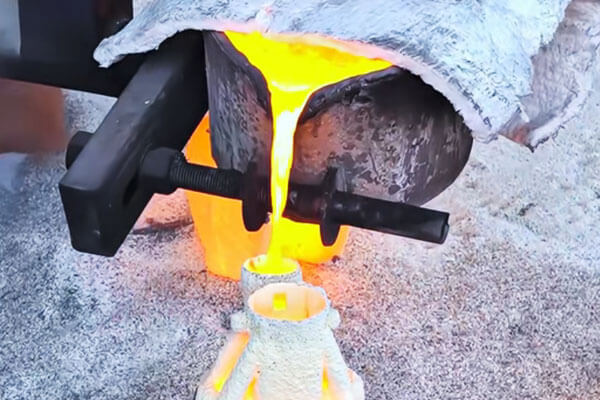
Shrinkage Cavity: A Concentrated Void
A shrinkage cavity is a relatively large internal void formed when a region of the casting loses volume faster than it can be replenished by liquid metal.
It usually develops in the last-to-freeze area, where the solidification front has already closed off the feeding path.
This defect is often associated with:
- poor feeding design,
- inadequate risering,
- isolated hot spots,
- and insufficient directional solidification.
A shrinkage cavity is usually easy to recognize as a distinct empty space, but its consequences are serious.
It reduces internal soundness, weakens the load-bearing section, and may become a crack-initiation site in service.
Նեղանում ծակոտկենություն: Distributed Microvoids
Shrinkage porosity is a more dispersed form of shrinkage defect.
Instead of one large cavity, the casting contains many small, irregular voids formed by incomplete feeding during the later stages of solidification.
This defect is especially dangerous because it may be less visible than a cavity but still seriously harmful to performance. Shrinkage porosity can reduce:
- Առաձգական ուժ,
- Հոգնածության կյանք,
- pressure tightness,
- leak resistance,
- and local ductility.
In precision castings, shrinkage porosity is often more difficult to accept than a single cavity because it is harder to detect, harder to machine out, and more likely to spread into critical zones.
Hot Tear: A Cracking Defect Rooted in Shrinkage
Hot tear is a crack that forms while the casting is still in a vulnerable semi-solid or early-solid state.
It is closely related to shrinkage because the casting skeleton is contracting while the remaining liquid cannot fully relieve the tensile stress.
This defect usually appears where:
- the casting is geometrically restrained,
- wall thickness changes abruptly,
- cooling is uneven,
- or shell restraint is high.
Hot tearing is not simply a fracture problem. It is a shrinkage problem combined with restraint and insufficient ductility in the critical temperature range.
Այդ առումով, the crack is the final visible outcome of unresolved contraction stress.
Մնացորդային սթրեսը: The Hidden Defect
Residual stress is often overlooked because it does not always appear as a visible defect immediately after casting.
But it is one of the most important consequences of shrinkage. When different parts of a casting cool and contract at different rates, internal stress is locked into the part.
Residual stress can lead to:
- distortion during cooling,
- warpage after shell removal,
- dimensional instability during machining,
- stress-assisted cracking,
- and reduced service reliability.
A casting may look sound on the outside but still contain a damaging internal stress field created by uneven shrinkage.
Աղավաղում: When Shrinkage Changes Shape
Distortion occurs when shrinkage is non-uniform and the casting bends, twists, or pulls out of shape.
It is especially common in thin-walled, long-span, or asymmetric investment castings.
The deeper reason is simple: if one region contracts earlier or more strongly than another, the part no longer shrinks as a uniform body. Փոխարեն, it deforms.
This is why complex investment castings often need careful gating, balanced section design, and accurate shrinkage allowance.
Cold Crack: A Delayed Consequence
Some shrinkage-related stress remains in the casting after it leaves the shell. If this stress is high enough, a crack may form later during cooling, վերամբարձ, or handling.
This is sometimes called a cold crack or delayed crack.
Although the defect appears later, its root cause is still shrinkage combined with restraint. The casting was stressed earlier; the visible failure simply occurred later.
Why These Defects Matter Together
Shrinkage defects should not be treated as unrelated issues.
They are different expressions of the same underlying problem: the alloy wants to contract, but feeding and restraint do not allow the contraction to occur safely.
A useful way to think about them is:
- cavity = insufficient feeding in one concentrated zone,
- ծակոտկենություն = incomplete feeding across a wider solidification region,
- hot tear = shrinkage stress plus low ductility during freezing,
- Մնացորդային սթրեսը = hidden contraction stress trapped inside the part,
- աղավաղում = uneven shrinkage becomes shape change,
- cold crack = delayed failure from stored stress.
That is why shrinkage is not merely a dimension-control issue. It is a root cause of multiple quality problems.
5. Why Shrinkage Is Especially Important in Investment Casting
Investment Casting Demands Higher Dimensional Discipline
Investment casting is prized for precision. It is used when the part must have fine detail, accurate geometry, and near-net-shape capability.
That same precision, սակայն, makes shrinkage control more important than in many other casting processes.
In a precision casting, even a small amount of shrinkage error can matter.
A tolerance stack that would be acceptable in a rough casting may be unacceptable in an aerospace bracket, a medical component, a turbine hardware part, or a complex industrial fitting.
The tighter the tolerance, the more important the shrinkage model becomes.
Thin Sections and Complex Geometry Increase Risk
Investment castings often include:
- Նիհար պատեր,
- sharp section transitions,
- բարդ ներքին հատվածներ,
- and multiple intersecting features.
These geometries make feeding more difficult and shrinkage behavior less uniform. Thin sections may freeze early, while thicker sections remain hot and continue to shrink.
The mismatch between these regions creates internal restraint and a greater risk of porosity, սթրես, or distortion.
Այլ կերպ ասած, the geometric complexity that makes investment casting attractive is also what makes shrinkage more difficult to manage.
Ceramic Shell Behavior Changes the Shrinkage Environment
The ceramic shell is not just a mold; it is part of the thermal system. Its smooth surface, Mal երմային դիմադրություն, ուժ, and collapsibility all influence how the casting shrinks.
Compared with sand molds, investment shells usually provide a smoother interface and a different restraint pattern.
That means shrinkage in investment casting is not simply “metal cooling in a cavity.” It is a coupled process involving:
- alloy contraction,
- shell heat transfer,
- shell restraint,
- section geometry,
- and feeding behavior.
Because the shell is much less forgiving than a loose mold system, the foundry must design the entire casting process with shrinkage in mind from the beginning.
Precision Castings Cannot Hide Shrinkage Defects Easily
In coarse castings, some shrinkage defects may remain hidden or may be machined away. Ներդրումային ձուլման մեջ, that is often not possible.
The parts are smaller, ավելի ճշգրիտ, and often more highly stressed. A small shrinkage cavity in a critical zone can render an otherwise beautifully shaped part unusable.
This is why investment casting is unforgiving about shrinkage. It demands not only sound metallurgy but also accurate prediction of:
- shrinkage allowance,
- last-to-freeze regions,
- feeding paths,
- shell restraint,
- and thermal gradients.
Shrinkage Affects More Than Soundness
Shrinkage in investment casting influences not only internal quality but also:
- final dimensions,
- մեքենաշինության նպաստ,
- Մակերեւութային ամբողջականությունը,
- Մնացորդային սթրեսը,
- straightness,
- and service performance.
A casting that seems dimensionally correct at room temperature may still contain hidden stress or porosity if shrinkage was not properly controlled.
For precision components, that can become a major failure risk during machining or service.
The Practical Lesson for Investment Casting
Shrinkage is especially important in investment casting because the process itself is built around precision, բարդություն, and tight tolerance.
These are exactly the conditions under which shrinkage defects become most damaging.
The practical conclusion is straightforward: in investment casting, shrinkage must be treated as a design parameter, ա feeding problem, եւ ա quality-control issue all at once.
If shrinkage is handled only as a theoretical alloy property, defects will appear later as cavities, ծակոտկենություն, ճաքեր, աղավաղում, or dimensional failure.
A good investment casting is not simply one that fills the mold. It is one that contracts predictably, feeds correctly, and cools without damaging its own geometry.
6. Practical Significance and Future Discussion
Understanding the mechanism, stages, and influencing factors of casting shrinkage is the foundation for controlling investment casting quality.
Shrinkage is not only a fundamental physical property of casting alloys but also the root cause of many common defects such as shrinkage cavities, Նեղանում ծակոտկենություն, and cracks.
By mastering the characteristics of each shrinkage stage and the influence of external resistances, process engineers can optimize the investment casting process,
such as adjusting the pouring temperature, designing reasonable risers to compensate for liquid and solidification shrinkage, optimizing the casting structure to reduce thermal resistance,
and selecting appropriate shell materials to balance strength and collapsibility—thereby minimizing shrinkage defects and improving the dimensional accuracy and structural integrity of castings.
In the next installment of this series, we will build on the basic theory of shrinkage discussed in this article
to delve into the formation mechanisms of shrinkage cavities and shrinkage porosity in investment castings, and explore practical solutions to control these defects.
This will further connect theoretical knowledge with production practice, providing more targeted guidance for investment casting practitioners.