

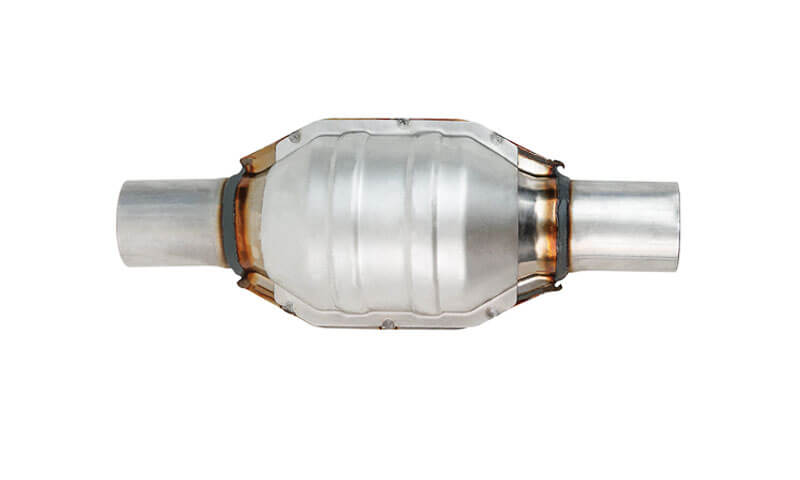
In the world of high‑temperature stainless steels, 1.4878—known by its material number EN 1.4878 and corresponding to UNS S32109 (ASTM 321H)- is a titanium-stabilized chromium-nickel austenitic stainless steel that combines excellent oxidation resistance with superior resistance to intergranular corrosion after welding or prolonged exposure to elevated temperatures.
By incorporating titanium, the alloy minimizes chromium carbide precipitation, allowing it to maintain corrosion resistance and structural integrity where conventional unstabilized grades may fail.
Because of these characteristics, 1.4878 stainless steel is widely used in heat exchangers, Վառարանների բաղադրիչներ, Արտանետվող համակարգեր, petrochemical equipment, Press նշման անոթներ, power generation plants, and industrial heat treatment equipment.
It is available in numerous product forms—including plates, սավաններ, խողովակներ, խողովակներ, բարեր, բերում է, and precision investment castings—making it suitable for both fabricated structures and complex engineered components.
1. Ինչ է 1.4878 Չժանգոտվող պողպատ?
1.4878 Չժանգոտվող պողպատ (Մեջ 1.4878 / X12CrNiTi18-9) է Titanium- կայունացված Austenitic Չժանգոտվող պողպատ developed for applications involving prolonged exposure to elevated temperatures and cyclic thermal loading.
It belongs to the family of chromium-nickel heat-resistant stainless steels and offers an excellent balance of oxidation resistance, զոդում, կարծրություն, and resistance to intergranular corrosion.
Unlike standard austenitic grades, which may become sensitized after welding or long-term service between approximately 450° C եւ 850 ° C, 1.4878 incorporates titanium as a stabilizing element.
Titanium preferentially reacts with carbon to form stable titanium carbides instead of chromium carbides.
Արդյունքում, chromium remains dissolved in the steel matrix, preserving the protective chromium oxide film that gives stainless steel its corrosion resistance.
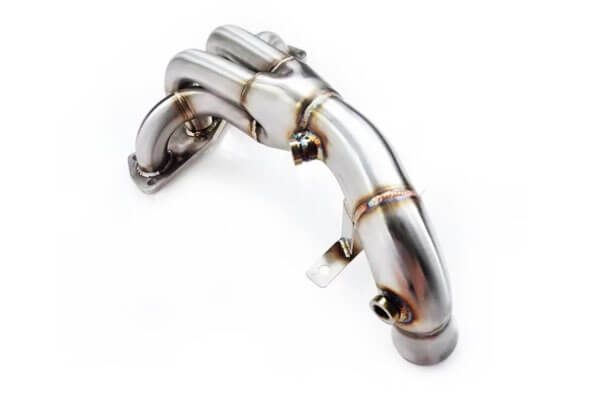
Why Is 1.4878 Stabilized with Titanium?
The defining feature of 1.4878 stainless steel is its Titanium կայունացում, which significantly enhances its performance under elevated temperatures and after welding.
When conventional austenitic stainless steels are exposed to temperatures within the sensitization range (սովորաբար 450-850 ° C), carbon atoms diffuse through the microstructure and combine with chromium to form chromium carbides along grain boundaries.
Այս գործընթացը, հայտնի է որպես զգայունացում, creates chromium-depleted zones adjacent to the grain boundaries.
Because chromium is essential for forming the passive oxide film, these depleted regions become highly susceptible to միջգրանուլային կոռոզիա.
Մեջ 1.4878 Չժանգոտվող պողպատ, titanium has a much stronger affinity for carbon than chromium.
During solidification and subsequent heat exposure, titanium reacts first to form titanium carbides (Տիֆ).
These stable carbides effectively “lock up” the carbon, preventing chromium carbide precipitation and preserving the chromium content within the surrounding matrix.
This stabilization mechanism provides several important engineering advantages:
- Improved resistance to intergranular corrosion after welding
- Greater microstructural stability during prolonged high-temperature service
- Enhanced creep performance under sustained thermal loading
- Reduced need for post-weld solution annealing
- Longer service life in cyclic heating environments
Արդյունքում, 1.4878 is especially suitable for large welded fabrications that cannot easily undergo post-weld heat treatment, such as pressure vessels, furnace assemblies, and process piping.
Common Standards for 1.4878 Չժանգոտվող պողպատ
| Ստանդարտ | Նշանակումը | Նկարագրություն |
| Մեջ 10088 | 1.4878 / X12CrNiTi18-9 | European stainless steel designation |
| Դեպի | X12CrNiTi18-9 | Գերմանական նյութերի նշանակում |
| ASTM | Տիպ 321 (Համարժեք) | Titanium-stabilized austenitic stainless steel |
| AISI/SAE | 321Ժիր | Pressure vessel and piping materials |
| Ամերիկա | S32109 | |
| ISO | X12CrNiTi18-9 | International manufacturing requirements |
| Japanese JIS | SUS321H | Material inspection certificates |
Distinction from 1.4541 (Ստանդարտ 321)
The most frequent point of confusion is the relationship between 1.4878 (321Ժիր) և 1.4541 (ստանդարտ 321 / X6crniti18-10).
Երկուսն էլ տիտան-կայունացված են 18-10 Austenitic չժանգոտվող պողպատներ, and they share the same corrosion resistance and general metallurgical characteristics.
The defining difference lies in carbon content specification:
- 1.4541 (321): maximum carbon 0.08%, general-purpose stabilized grade
- 1.4878 (321Ժիր): controlled carbon range of 0.04–0.10%, with intentional minimum carbon content
The “H” suffix in 321H stands for “high carbon”.
The elevated minimum carbon content is deliberately specified to improve high-temperature tensile strength, creep resistance and stress-rupture life, պատրաստում 1.4878 the heat-resistant optimized variant of the 321 ընտանիք.
Many mills dual-certify material to both standards when composition falls within the overlapping range.
2. Քիմիական կազմ 1.4878 Չժանգոտվող պողպատ
Ակնառու կատարումը 1.4878 Չժանգոտվող պողպատ (X12CrNiTi18-9) is the result of a carefully balanced chemical composition.
Each alloying element performs a specific metallurgical function, contributing to corrosion resistance, high-temperature oxidation resistance, զոդում, Մեխանիկական ուժ, and microstructural stability.
The chemical composition specified by EN standards is shown below.
| Տարր | Բովանդակություն (%) | Առաջնային գործառույթ |
| Ածխածնային (Գ) | ≤0.10 | Improves strength but is controlled to reduce sensitization risk |
| Սիլիկոն (Մի քանազոր) | ≤1.00 | Enhances oxidation resistance and improves fluidity during casting |
| Մանգան (Ժլատ) | ≤2.00 | Improves hot workability and deoxidation during steelmaking |
| Ֆոսֆոր (Իմաստ) | ≤0.045 | Մնացորդային տարր; kept low to maintain ductility and weldability |
| Ծծումբ (Ծուռ) | ≤0.015 | Controlled at low levels to improve toughness and corrosion resistance |
Քրոմ (Խուզարկու) |
17.0-19.0 | Ապահովում է կոռոզիոն դիմադրություն, Օքսիդացման դիմադրություն, եւ պասիվացումը |
| Նիկել (Մեջ) | 9.0-12.0 | Stabilizes the austenitic structure and improves toughness |
| Տիտղոս (Է) | ≥5 × C and ≤0.80 | Prevents chromium carbide precipitation and improves high-temperature stability |
| Երկաթ (Անք) | Հավասարակշռություն | Matrix տարր |
Նշում: Actual chemical composition may vary slightly depending on the applicable EN, Դեպի, ASTM, or customer specification.
3. Ֆիզիկական հատկություններ 1.4878 Չժանգոտվող պողպատ
Ֆիզիկական հատկությունները 1.4878 stainless steel determine how the material responds to heat transfer, Mal երմային ընդլայնում, Էլեկտրական հաղորդունակություն, and magnetic fields during service.
These properties are particularly important when designing components for furnaces, He երմափոխանակիչներ, արտանետվող մաֆոլդներ, and pressure equipment operating under continuous thermal cycling.
| Սեփականություն | Բնորոշ արժեք |
| Խտություն | 7.90–8.00 g/cm³ |
| Հալման միջակայք | 1400–1425°C |
| Էլաստիկ մոդուլ (20° C) | 193 Gpa |
| Mal երմային հաղորդունակություն (20° C) | 15 W / m · k |
| Հատուկ ջերմային հզորություն (20° C) | 500 J / kg · k |
| Էլեկտրական դիմադրողականություն (20° C) | 0.72 ωω · M |
| Mal երմային ընդլայնման գործակից (20-100 ° C) | 16.5 × 10⁻⁶ /K |
| Մագնիսական թափանցելիություն | Ըստ էության ոչ մագնիսական (հալված վիճակ) |
Values are typical reference data and may vary slightly with product form, մշակման երթուղին, and applicable standards.
4. Մեխանիկական հատկություններ 1.4878 Չժանգոտվող պողպատ
Մեխանիկական հատկությունները 1.4878 stainless steel reflect its primary role as a high-temperature structural material.
While its room-temperature strength is similar to that of conventional austenitic stainless steels, its real advantage lies in maintaining mechanical integrity during prolonged service at elevated temperatures.
| Սեփականություն | Բնորոշ արժեք |
| Առաձգական ուժ (Ժլատ) | ≥520 MPa |
| Բերք տալ ուժ (RP0.2) | ≥205 MPa |
| Երկարացում (Ա 5) | ≥40% |
| Տարածքի իջեցում | ≥55% |
| Բրինելի կարծրություն (Ժխտել) | ≤215 |
| Rockwell կարծրություն (Ժլատ) | ≤95 |
| Vickers կարծրություն (Վեր) | Մոտ. 200 |
Values are representative of solution-annealed material and may vary depending on product form and manufacturing process.
5. Heat Resistance and High-Temperature Performance
The primary advantage of 1.4878 Չժանգոտվող պողպատ lies in its outstanding performance under elevated-temperature service conditions.
Unlike conventional austenitic grades such as 304, which are mainly designed for corrosion resistance at ambient temperatures, 1.4878 is engineered to maintain its structural integrity, Օքսիդացման դիմադրություն, and corrosion performance during prolonged exposure to heat.
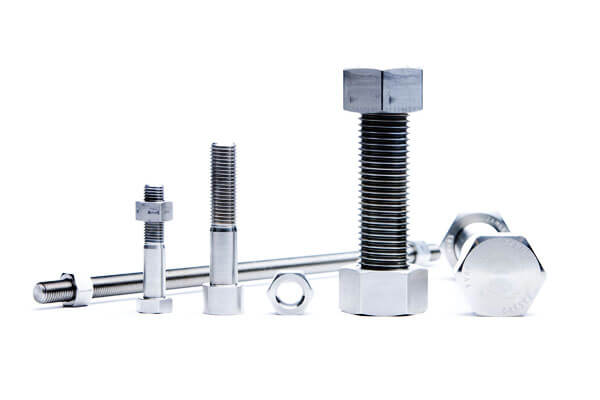
Recommended Service Temperature
The following table summarizes the typical operating temperature ranges for 1.4878 Չժանգոտվող պողպատ.
| Ծառայության վիճակը | Recommended Temperature |
| Continuous service in oxidizing atmosphere | Up to 850–900°C |
| Intermittent service | Up to approximately 900°C |
| Long-term structural service | 450-850 ° C |
| Short-term peak exposure | Approximately 950°C (depending on loading and atmosphere) |
Actual service limits depend on component geometry, applied stress, furnace atmosphere, thermal cycling frequency, and design life.
Excellent Oxidation Resistance
Բարձրացված ջերմաստիճանում, chromium rapidly reacts with oxygen to form a dense chromium oxide (Cr₂o) layer that protects the underlying metal from further oxidation.
This passive oxide film continuously regenerates if damaged, providing long-term resistance against scaling in air and many combustion environments.
Because of its stable chromium content, 1.4878 demonstrates excellent resistance to:
- High-temperature oxidation
- Surface scaling
- Decarburization
- Hot gas corrosion in mildly oxidizing atmospheres
These characteristics make it suitable for furnace components, industrial heaters, thermal processing equipment, և արտանետման համակարգեր.
Superior Resistance to Thermal Cycling
Many industrial components experience repeated heating and cooling rather than constant temperatures.
These thermal cycles generate expansion and contraction stresses that may eventually lead to distortion, fatigue cracking, or weld failure.
The fully austenitic microstructure of 1.4878 provides excellent resistance to thermal fatigue because it combines:
- Բարձր ճկունություն
- Stable grain structure
- Լավ կոշտություն
- Low susceptibility to brittle fracture
Titanium stabilization further minimizes microstructural degradation during repeated thermal exposure, extending service life in cyclic operating environments.
Creep and Stress-Rupture Resistance
For components operating continuously at elevated temperatures, creep resistance is often more important than room-temperature strength.
Creep is the slow, permanent deformation of a material under sustained load at high temperature.
In industrial furnaces, կաթսաներ, Նավթաքիմիական ռեակտորներ, և ջերմափոխանակիչներ, creep deformation can gradually alter component dimensions and eventually lead to failure.
Compared with standard 304 Չժանգոտվող պողպատ, 1.4878 առաջարկներ:
- Improved creep strength
- Better stress-rupture resistance
- Enhanced grain boundary stability
- Reduced deformation during prolonged service
These improvements are primarily attributed to titanium stabilization, which suppresses chromium carbide precipitation and helps preserve grain boundary strength.
Resistance to Sensitization During High-Temperature Service
One of the most significant advantages of 1.4878 is its ability to resist sensitization after prolonged exposure to temperatures between 450° C եւ 850 ° C.
Ստանդարտ 304 stainless steel may suffer chromium depletion near grain boundaries after welding or extended heating, increasing the risk of intergranular corrosion.
Ի հակադրություն, titanium preferentially reacts with carbon to form titanium carbides, preventing chromium carbide precipitation and allowing chromium to remain available for maintaining the protective passive film.
Արդյունքում, 1.4878 is particularly suitable for:
- Welded furnace structures
- Petrochemical piping
- Heat treatment fixtures
- Power plant components
- High-temperature pressure vessels
6. Կոռոզիոն դիմադրություն
Ընդհանուր կոռոզիա
At ambient and moderately elevated temperatures, 1.4878 exhibits good general corrosion resistance in atmospheric environments, Թարմ ջուր, steam and most organic and inorganic chemicals.
Its performance is broadly comparable to 304 stainless steel in non-sensitized conditions.
Intergranular Corrosion Resistance
This is where 1.4878 distinguishes itself from unstabilized grades.
In the as-welded or as-heated condition, unstabilized steels such as 304 suffer chromium carbide precipitation at grain boundaries (զգայունացում), leading to intergranular corrosion.
Մեջ 1.4878, titanium sequesters carbon, preventing significant chromium depletion and maintaining full intergranular corrosion resistance even after exposure to the 450–850°C sensitization range.
This property is particularly valuable for large welded structures and furnace components that cannot be solution-annealed after fabrication.
Տեղայնացված կոռոզիա
Pitting and crevice corrosion resistance is moderate, roughly equivalent to 304 Չժանգոտվող պողպատ.
The grade is not intended for severe chloride environments; 316L or higher-alloyed materials are preferred for such service.
1.4878 stainless steel is not suitable for seawater or high-chloride process streams.
Սթրեսի կոռոզիայից ճեղքումը
Ինչպես մյուս Austenitic չժանգոտվող պողպատները, 1.4878 stainless steel is susceptible to chloride-induced stress corrosion cracking at elevated temperatures.
For applications combining tensile stress with hot chloride environments, alternative materials should be considered.
7. Fabrication and Welding Characteristics
Despite being designed for elevated-temperature applications, 1.4878 Չժանգոտվող պողպատ offers excellent manufacturability.
Its fully austenitic structure provides outstanding ductility and toughness, allowing the material to be formed into complex geometries while maintaining dimensional accuracy and structural integrity.
Ձեւավորում եւ կեղծիք
1.4878 possesses excellent cold-forming characteristics and can be processed using conventional sheet metal fabrication techniques.
Typical forming operations include:
- Խորը նկարչություն
- Roll ձեւավորում
- Ճռում
- Stretch forming
- Hydroforming
- Press forming
- Մանում
Because the alloy work-hardens rapidly, severe deformation may require intermediate annealing to restore ductility before further processing.
Hot forming is typically performed within the temperature range of 1050-1200 ° C, followed by rapid cooling to preserve the fully austenitic microstructure.
Մշակման բնութագրերը
Compared with carbon steels and free-machining stainless steels, 1.4878 stainless steel is considered moderately difficult to machine.
Its high toughness, Գերազանց ճկունություն, and strong tendency to work harden increase cutting forces and generate considerable heat at the tool-workpiece interface.
If machining parameters are not properly controlled, the work-hardened surface can accelerate tool wear and reduce dimensional accuracy.
Ընթացքում վերամբարձ, the material tends to generate:
- High cutting forces
- Elevated cutting temperatures
- Continuous chips
- Accelerated tool wear
Efficient machining therefore requires:
- Sharp carbide or ceramic cutting tools
- Positive rake geometries
- Adequate cutting fluid
- Չափավոր կտրման արագություններ
- Stable machine rigidity
Using interrupted cutting conditions or worn tooling should be avoided because work-hardened surfaces can rapidly reduce machining efficiency.
Ision շգրիտ ձուլում
Չնայած որ 1.4878 stainless steel is primarily supplied as wrought products in the form of plates, բարեր, խողովակներ, and forgings, it is also suitable for manufacturing complex components by Ներդրումների ձուլում (Կորած մոմի ձուլում).
Precision casting offers significant advantages for geometrically intricate parts that would otherwise require extensive machining, reducing both material waste and overall production costs.
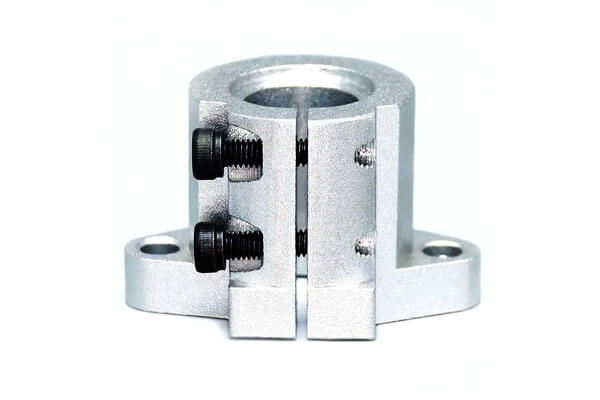
Investment casting is particularly suitable for producing:
- Furnace fixtures
- Burner components
- Heat-resistant brackets
- Exhaust system parts
- Complex industrial hardware
Proper control of melting practice, Բորբոս, and solidification conditions is essential to minimize segregation, Նեղացման թերություններ, and hot cracking while ensuring a uniform austenitic microstructure.
Following casting, solution annealing is typically performed to optimize corrosion resistance and mechanical properties.
Welding Characteristics
One of the greatest advantages of 1.4878 is its outstanding weldability.
Because titanium stabilizes carbon, the alloy exhibits significantly lower susceptibility to sensitization than unstabilized 304 Չժանգոտվող պողպատ.
It is compatible with virtually all common fusion welding processes, ներառյալ:
- GTAW (TIG)
- GMAW (Ես)
- SMAW
- Սղոց
- Plasma arc welding
- Laser welding
Proper filler metal selection is important to ensure matching high-temperature performance and corrosion resistance.
8. He երմամշակում 1.4878 Չժանգոտվող պողպատ
Unlike martensitic or precipitation-hardening stainless steels, 1.4878 cannot be strengthened through conventional heat treatment.
Its mechanical properties are primarily controlled by solid-solution strengthening, Սառը աշխատող, and titanium stabilization rather than phase transformation.
The principal objectives of heat treatment are therefore to restore corrosion resistance, dissolve undesirable precipitates, relieve fabrication stresses, and maintain a stable austenitic microstructure.
| Բուժում | Ջերմաստիճան | Սառեցում | Տեղավորել |
| Լուծում Օծողավորում | 1050‑1100°C | Water quench or rapid air cool | Լուծարում է կարբիդները; Վերականգնում է կոռոզիոն դիմադրությունը. |
| Սթրեսի օգնություն | 300‑400°C | Օդային | Relieves residual stress; no significant effect on corrosion resistance. |
| Stabilisation | 850‑900°C | Օդային (not common) | Ընտրովի; precipitates titanium carbides for additional stabilisation. |
| Կարծրացող | Կիրառելի չէ | Մի քիչ | Օստենիտիկ; Հնարավոր չէ կարծրացնել ջերմային բուժումից. |
9. Մակերեւույթի ավարտը
The surface finish of 1.4878 stainless steel significantly influences not only its appearance but also its corrosion resistance, մաքրազույգ, friction characteristics, եւ սպասարկման կյանք.
Selecting the appropriate finish depends on the operating environment, fabrication method, and functional requirements of the final component.
| Մակերեւույթի ավարտը | Արտադրության մեթոդ | Surface Characteristics | Բնորոշ ծրագրեր |
| No.1 | Hot rolled, ջղաձգական, թթու | Rough matte finish with oxide scale removed | Վառարանների մասեր, Press նշման անոթներ, heavy industrial equipment |
| 2Բոց | Cold rolled, ջղաձգական, թթու, Մաշկը անցավ | Հարթել, համազգեստ, slightly reflective | Քիմիական մշակման սարքավորումներ, Սննդի վերամշակում, խողովակներ |
| Բա (Պայծառ annealed) | Bright annealing in controlled atmosphere | Highly smooth and reflective | Դեկորատիվ բաղադրիչներ, Դեղագործական սարքավորումներ, precision instruments |
| No.4 (Խոզանակ) | Mechanical polishing with abrasive belts | Satin finish with fine linear grain | Ճարտարապետական վահանակներ, Խոհանոցային սարքավորումներ, industrial enclosures |
Mirror Finish (No.8) |
Progressive fine polishing | Mirror-like reflective surface | Decorative applications, Մաքուր սենյակային սարքավորումներ, premium architectural projects |
| Մարինացված & Passivated | Chemical cleaning and passivation | Maximum corrosion resistance with clean metallic appearance | Welded fabrications, Նավթաքիմիական համակարգեր, Օֆշորային սարքավորումներ |
| Էլեկտրական | Electrochemical polishing | Ծայրահեղ հարթ, low surface roughness, enhanced passive film | Կիսահաղորդիչ, Դեղագործական, Կենսատեխնոլոգիա, ultra-clean processing systems |
10. Բնորոշ ծրագրեր 1.4878 Չժանգոտվող պողպատ
The combination of excellent corrosion resistance, high-temperature oxidation resistance, outstanding weldability, and long-term structural stability makes 1.4878 stainless steel one of the preferred materials for demanding industrial environments.
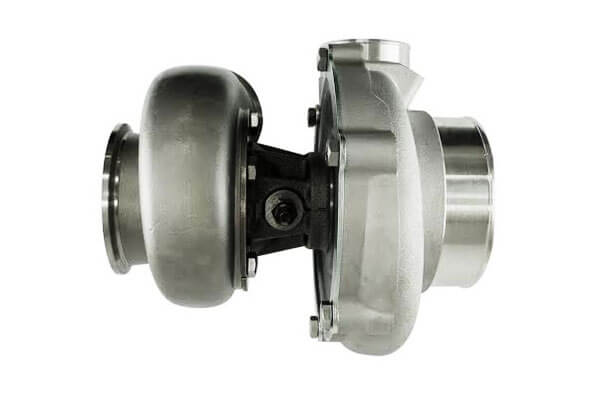
Նավթաքիմիական եւ քիմիական վերամշակում
Chemical plants frequently operate under aggressive conditions involving elevated temperatures, pressurized fluids, եւ քայքայիչ մեդիա.
1.4878 stainless steel provides excellent resistance to oxidation, organic acids, and many industrial chemicals while maintaining structural integrity during thermal cycling.
Typical components include:
- He երմափոխանակիչներ
- Ռեակտորի անոթներ
- Process piping
- Expansion joints
- Press նշման անոթներ
- Թորման սյուներ
- Flanges and fittings
Industrial Furnaces and Heat Treatment Equipment
One of the most important application areas for 1.4878 is high-temperature furnace construction.
The alloy withstands continuous exposure to elevated temperatures while resisting oxidation, Mal երմային հոգնածություն, and scaling.
Common furnace components include:
- Furnace rollers
- Պայծառ խողովակներ
- Furnace baskets
- Heat-treatment trays
- Annealing fixtures
- Burner assemblies
- Retorts
- Support grids
Էլեկտրաէներգիայի սերունդ
Steam boilers, waste heat recovery systems, and thermal power plants expose structural components to high temperatures and cyclic thermal stresses.
Titanium stabilization improves long-term reliability by preventing grain-boundary sensitization during extended operation.
Բնորոշ դիմումները ներառում են:
- Կաթսայի խողովակներ
- Superheater supports
- Exhaust ducting
- Flue gas systems
- Steam piping accessories
Automotive and Exhaust Systems
The alloy performs well under repeated heating and cooling cycles encountered in vehicle exhaust systems.
Its oxidation resistance and weldability make it suitable for manufacturing durable exhaust components.
Օրինակները ներառում են:
- Արտանետվող մաֆոլդներ
- Turbocharger piping
- Exhaust bellows
- Catalyst housings
- Ջերմային վահաններ
Սննդի վերամշակման սարքավորումներ
Although not as widely used as 304L or 316L in food production, 1.4878 becomes advantageous where processing equipment experiences frequent high-temperature cleaning or sterilization.
Typical equipment includes:
- Sterilization chambers
- High-temperature conveyors
- Industrial ovens
- Heat-resistant processing equipment
Precision Castings and Fabricated Components
The alloy is also widely used in precision investment castings and fabricated assemblies that combine corrosion resistance with elevated-temperature performance.
Representative products include:
- Փական մարմիններ
- Պոմպի բաղադրիչները
- Furnace accessories
- Turbine hardware
- Արդյունաբերական փակագծեր
- High-temperature fasteners
- Mechanical supports
11. Առավելություններ եւ սահմանափակումներ 1.4878 Չժանգոտվող պողպատ
Առավելությունները
Excellent Resistance to Intergranular Corrosion
Titanium stabilization effectively binds carbon into stable titanium carbides, preventing chromium carbide precipitation during welding or prolonged service at elevated temperatures.
This significantly improves long-term corrosion resistance in the critical temperature range where unstabilized austenitic stainless steels may become sensitized.
Առանձնահատուկ բարձր ջերմաստիճանի կատարում
1.4878 maintains excellent oxidation resistance and mechanical stability during continuous operation at temperatures approaching 800-850 ° C, making it highly suitable for furnace equipment, Արտանետվող համակարգեր, and thermal processing machinery.
Գերազանց զոդում
The alloy can be welded using virtually all conventional fusion welding methods with minimal risk of weld decay.
Large fabricated structures can often be placed into service without post-weld solution annealing, simplifying manufacturing while reducing production costs.
Good General Corrosion Resistance
In many industrial environments, 1.4878 provides corrosion resistance comparable to Type 304 Չժանգոտվող պողպատ, including excellent resistance to atmospheric corrosion, Թարմ ջուր, գոլորշի, and numerous organic chemicals.
High Toughness Across a Wide Temperature Range
The fully austenitic microstructure provides excellent impact toughness and ductility at both ambient and moderately elevated temperatures, allowing reliable performance under dynamic loading and thermal cycling.
Excellent Fabrication Performance
The alloy supports a wide range of manufacturing processes, ներառյալ:
- Սառը ձեւավորում
- Թեժ ձեւավորում
- Precision investment casting
- CNC հաստոցներ
- Խորը նկարչություն
- Շարժակազմ
- Եռակցում
This versatility allows engineers to produce complex components with high dimensional accuracy.
Երկար ծառայության կյանք
The combination of oxidation resistance, Կոռոզիոն դիմադրություն, weld stability, and thermal durability contributes to extended equipment life, reducing maintenance frequency and lifecycle costs in demanding industrial applications.
Սահմանափակումներ
Չափավոր մեքենայություն
Like most austenitic stainless steels, 1.4878 exhibits significant work hardening during machining.
Cutting operations require rigid equipment, սուր գործիքավորում, effective cooling, and optimized machining parameters to achieve satisfactory productivity and tool life.
Limited Resistance to Chloride-Induced Pitting
Although the alloy performs well in many industrial environments, its molybdenum-free composition makes it less resistant to chloride-induced pitting and crevice corrosion than grades such as 316L.
It is therefore not the preferred choice for marine environments or highly saline process media.
Higher Material Cost Than Standard Carbon Steels
The presence of nickel, քրոմ, and titanium increases the material cost compared with carbon steels and some ferritic stainless steels.
Այնուամենայնիվ, the higher initial investment is often justified by improved durability and lower maintenance requirements.
Not Intended for Extremely High Temperatures
Մինչդեռ 1.4878 performs exceptionally well at elevated temperatures, applications involving continuous exposure above approximately 900° C generally require more heat-resistant grades such as 310S (1.4845) or nickel-based superalloys.
Mal երմային ընդլայնում
Ինչպես մյուս Austenitic չժանգոտվող պողպատները, the alloy has a relatively high coefficient of thermal expansion.
Designers should account for thermal movement in large welded structures, Խողովակաշարեր, and furnace assemblies by incorporating appropriate expansion allowances.
12. 1.4878 vs Other Stainless Steel Grades
Selecting the appropriate stainless steel requires balancing corrosion resistance, ջերմաստիճանի հնարավորություն, արտադրական պահանջներ, եւ արժեքը.
Չնայած որ 1.4878 shares many characteristics with other austenitic stainless steels, its titanium stabilization makes it particularly suitable for welded structures and long-term service at elevated temperatures.
1.4878 vs 1.4541 (321) Չժանգոտվող պողպատ
Both grades are titanium-stabilized chromium-nickel stainless steels and provide excellent resistance to intergranular corrosion after welding.
Այնուամենայնիվ, 1.4878 contains a slightly higher carbon level, which contributes to improved creep strength and elevated-temperature mechanical performance.
For components operating continuously under thermal stress—such as furnace structures, Press նշման անոթներ, and petrochemical equipment—1.4878 is generally preferred.
Typical selection guidance:
- Ընտրել 1.4878 for prolonged high-temperature service and pressure-bearing components.
- Ընտրել 1.4541 (321) for general high-temperature fabrication, aircraft exhaust systems, and standard welded structures.
1.4878 vs 1.4404 (316Լ) Չժանգոտվող պողպատ
These two grades are designed for different service environments.
1.4404(316Լ)Չժանգոտվող պողպատ derives its superior corrosion resistance from approximately 2–2.5% molybdenum, making it highly resistant to chloride-induced pitting and crevice corrosion.
Հետեւաբար, it is the preferred choice for marine environments, Դեղագործական վերամշակում, and aggressive chemical applications.
1.4878 Չժանգոտվող պողպատ, հակադրությամբ, is optimized for elevated-temperature performance rather than chloride resistance.
Its titanium stabilization prevents sensitization during prolonged heating, allowing it to retain mechanical integrity where 316L would gradually lose strength.
General recommendation:
- Ընտրել 316Լ for seawater exposure, coastal installations, and chloride-containing process media.
- Ընտրել 1.4878 for temperatures above approximately 500°C where thermal stability becomes more important than chloride resistance.
1.4878 vs 1.4845 (310Ծուռ) Չժանգոտվող պողպատ
Both grades perform well at elevated temperatures, but they are intended for different operating ranges.
Մոտավորապես 25% քրոմ և 20% նիկել, 310Ծուռ exhibits exceptional oxidation resistance and can withstand continuous temperatures approaching 1100° C.
It is widely used in furnace linings, ճառագայթային խողովակներ, այրիչներ, and thermal processing equipment exposed to extremely high temperatures.
Չնայած որ 1.4878 cannot match the maximum operating temperature of 310S, it offers better weld stability, lower material cost, and sufficient heat resistance for many industrial applications below approximately 850° C.
Արդյունքում:
- Ընտրել 310Ծուռ for ultra-high-temperature furnace environments.
- Ընտրել 1.4878 for high-temperature structural fabrications requiring excellent weldability, սողացող դիմադրություն, եւ երկարաժամկետ հուսալիություն.
13. Why Choose LangHe for 1.4878 Չժանգոտվող պողպատից արտադրանք?
Manufacturing components from 1.4878 stainless steel requires more than simply selecting the correct alloy.
Achieving reliable performance in high-temperature and corrosive environments depends on precise process control, Նյութի հետագծելիություն, advanced manufacturing capabilities, եւ խիստ որակի ապահովում.
Մոտ Լանջ, we combine metallurgical expertise with modern production technologies to deliver precision-engineered 1.4878 stainless steel components that meet the demanding requirements of industrial customers worldwide.
| Հնարավորություն | Մանրամասներ |
| Ներդրումների ձուլում, CNC հաստոցներ | Near‑net shape; բարդ երկրաչափություններ; նուրբ մակերեսի ավարտը. |
| Նյութեր | 1.4878 (321), 1.4541 (321Լ), 1.4404 (316Լ), 1.4845 (310Ծուռ). |
| Part weight | 0.05 կգ դեպի 100 գդ. |
| Չափերը | Մինչեւ 600 MM տրամագիծը. |
| Հանդուրժողականություն | ±0.1‑0.3 mm (CT5‑CT7 per ISO 8062). |
| Մակերեւույթի ավարտը | Ra 1.6‑6.3 µm as‑cast; electropolishing available. |
| He երմամշակում | Լուծում Օծողավորում, Սթրեսի օգնություն. |
| Որակ | ISO 9001:2015 վավերացված; 100% NDT and dimensional inspection. |
| Առաջատար ժամանակը | 8‑12 weeks for tooling and first articles; 2‑4 weeks for repeat orders. |
| Վկայագրեր | PED 2014/68/EU, Ծնված MR0175 / ISO 15156. |
14. Եզրափակում
1.4878 (X8CrNiTi18-10 / 321Ժիր) occupies a well-defined and important niche in the heat-resistant stainless steel spectrum.
By combining titanium stabilization with controlled higher carbon content, it delivers two properties that are difficult to obtain simultaneously in austenitic stainless steels:
immunity to intergranular corrosion after welding, and significantly improved creep and stress-rupture performance at elevated temperatures.
It is not the highest-temperature grade, nor the most corrosion-resistant grade, but it offers an unrivaled balance of heat resistance, զոդում, fabricability and cost for components operating in the 500–900°C range.
For boiler tubes, վառարանների սարքավորումներ, petrochemical process equipment and heat treatment fixtures, it remains the benchmark standard material against which alternatives are measured.
As global industry continues to push process temperatures higher in pursuit of energy efficiency and emissions reduction,
1.4878 stainless steel will remain a foundational material for medium-temperature load-bearing service, valued for its proven reliability, predictable performance and mature manufacturing base.
ՀՏՀ
Որն է տարբերությունը 1.4878 և 1.4541 Չժանգոտվող պողպատ?
Երկուսն էլ տիտան-կայունացված են 18-10 Austenitic չժանգոտվող պողպատներ. 1.4541 (ստանդարտ 321) has a maximum carbon of 0.08%, մինչդեռ 1.4878 (321Ժիր) has a controlled carbon range of 0.04–0.10%.
The higher minimum carbon in 1.4878 improves high-temperature creep and stress-rupture strength, making it the preferred choice for load-bearing high-temperature service.
What is the maximum operating temperature for 1.4878 Չժանգոտվող պողպատ?
Up to 850°C for continuous service and 900°C for intermittent service. For temperatures above 900°C, 310Ծուռ (1.4845) առաջարկվում է.
Է լինել 1.4878 Չժանգոտվող պողպատ մագնիսական?
Ոչ. 1.4878 is an austenitic stainless steel and is paramagnetic (ոչ մագնիսական) Անկյունի վիճակում. Cold working may induce some ferromagnetism.
Կարող 1.4878 stainless steel be welded without filler?
For small sections, autogenous welding is possible, but matching filler (ER321) is recommended to maintain stabilisation and corrosion resistance.
Անելանելի 1.4878 stainless steel require post‑weld heat treatment?
Ոչ. Titanium stabilisation prevents sensitisation, so post‑weld heat treatment is not required.
Որն է տարբերությունը 1.4878 և 1.4404 (316Լ) Չժանգոտվող պողպատ?
1.4878 has titanium stabilisation and higher carbon for high‑temperature creep strength, but no molybdenum.
1.4404 (316Լ) stainless steel has molybdenum for superior chloride corrosion resistance but is limited to lower temperatures (≤400°C) for long‑term service.

