Ժամանակակից արտադրության մեջ, material selection plays a decisive role in determining product reliability, Ծառայության կյանք, Արտադրության արդյունավետություն, and total lifecycle cost.
Among various metallic materials, stainless steel precision castings have become a preferred solution for industries requiring a combination of corrosion resistance, Մեխանիկական ուժ, չափերի ճշգրտություն, Մակերեւույթի որակը, և դիզայնի ճկունություն.
Precision casting—also known as Ներդրումների ձուլում կամ Կորցրած մոմի ձուլում—allows stainless steel alloys to be formed into highly complex geometries with excellent surface finishes and tight dimensional tolerances.
Compared with conventional manufacturing methods such as machining from bar stock, դավաճանություն, welding fabrication, or standard sand casting, stainless steel precision casting provides unique advantages that are difficult to achieve with other metals and processes.
Այնուամենայնիվ, the true value of stainless steel precision castings is not simply the corrosion resistance traditionally associated with stainless steel.
Their competitive advantage comes from the interaction between advanced alloy chemistry, precision manufacturing capability, structural optimization, and long-term service performance.
1. What Are Stainless Steel Precision Castings?
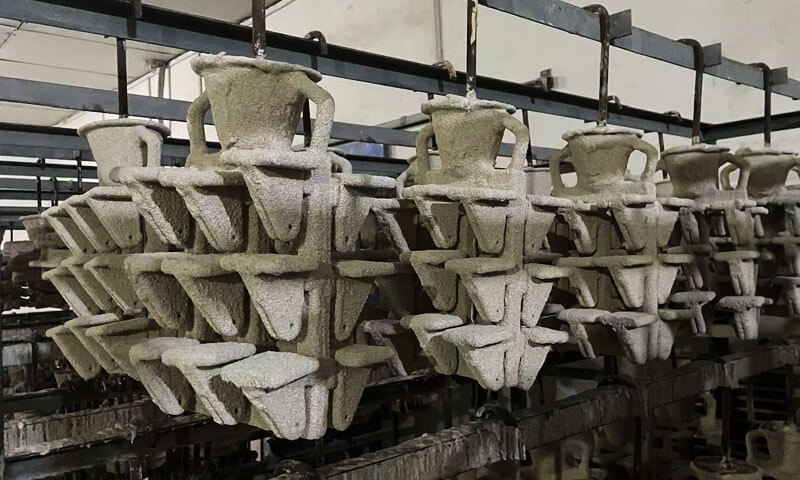
Չժանգոտվող պողպատ precision castings are high-accuracy metal components manufactured through the investment casting process (Նաեւ հայտնի է որպես կորցրած մոմի ձուլում), in which a disposable wax pattern is coated with ceramic material to form a high-precision mold.
After the wax is removed, molten stainless steel is poured into the ceramic shell cavity to produce the final component with complex geometries, Գերազանց մակերեսային ավարտ, եւ ամուր ծավալային հանդուրժողականություն.
Unlike conventional casting methods such as sand casting, stainless steel precision casting can reproduce intricate designs with minimal machining requirements.
The process is particularly suitable for stainless steel alloys because these materials combine excellent corrosion resistance, Մեխանիկական ուժ, and high-temperature stability with the ability to achieve near-net-shape production through precision manufacturing.
2. Գերադասելի կոռոզիոն դիմադրություն: The Defining Advantage of Stainless Steel Precision Castings
Among all engineering metals used in precision casting, superior corrosion resistance is the most fundamental and distinctive advantage of stainless steel.
Ի տարբերություն ածխածնի պողպատից, չուգուն, and many non-ferrous alloys that rely on external coatings or periodic maintenance to resist environmental degradation, stainless steel possesses an inherent corrosion protection mechanism built into its chemical composition.
The Chromium Oxide Passive Film: The Foundation of Stainless Steel Corrosion Resistance
The exceptional corrosion resistance of stainless steel originates from the formation of a Քրոմի օքսիդ (Cr₂o) Պասիվ ֆիլմ on the alloy surface.
When the chromium content in stainless steel exceeds approximately 10.5%, chromium reacts spontaneously with oxygen in the environment to form an extremely thin, խիտ, and stable oxide layer.
Although this passive film is only several nanometers thick, it provides a highly effective barrier between the metal substrate and corrosive media.
Unlike ordinary rust formed on carbon steel, the chromium oxide layer possesses three critical characteristics:
Self-Healing Capability
The passive film can automatically regenerate when damaged.
If the stainless steel surface is scratched during handling, վերամբարձ, or operation, the exposed chromium rapidly reacts with oxygen and reforms the protective oxide layer.
This self-repair mechanism allows stainless steel precision castings to maintain corrosion resistance throughout their service life.
Strong Adhesion and Stability
The chromium oxide film is tightly bonded to the stainless steel surface and does not easily crack, peel, or flake.
This differs fundamentally from iron oxide rust on carbon steel, which is porous, unstable, and continuously exposes fresh metal beneath the corrosion layer.
Արդյունքում, carbon steel corrosion accelerates progressively, while stainless steel remains protected.
Broad Chemical Protection
The passive layer provides resistance against a wide range of corrosive environments, ներառյալ:
- Atmospheric moisture
- Քաղցրահամ ջուր
- Salt-containing environments
- Organic chemicals
- Mild acids and alkalis
- Industrial pollutants
This inherent protection eliminates the need for additional corrosion barriers in many applications.
Comparison of Corrosion Protection Mechanisms Among Common Metals
| Նյութական | Կոռոզիոն դիմադրություն | Պաշտպանության մեխանիզմ | Self-Healing Capability |
| Չժանգոտվող պողպատ (304/316) | Գերազանց | Chromium oxide (Cr₂o) Պասիվ ֆիլմ | Այո |
| Ածխածնի պողպատ | Աղքատ | Hydrated iron oxide rust | Ոչ |
| Չուգուն | Աղքատ է չափավոր | Iron oxide corrosion products and graphite effects | Ոչ |
| Ալյումինե խառնուրդներ | Լավ | Ալյումինի օքսիդ (Al₂o₃) ֆիլմ | Այո, but less stable in aggressive environments |
| Պղնձի խառնուրդներ | Լավ | Copper oxide/carbonate layer | Սահմանափակ |
| Titanium համաձուլվածքներ | Գերազանց | Titanium oxide (Tio₂) Պասիվ ֆիլմ | Այո, but significantly higher material cost |
Compared with other metals, stainless steel provides an exceptional combination of Կոռոզիոն դիմադրություն, Մեխանիկական ուժ, ԱՐՏԱԴՐՈՒՄ, եւ ծախսերի արդյունավետությունը, making it one of the most versatile engineering materials for precision cast components.
Performance in Aggressive Service Environments
The corrosion resistance of stainless steel precision castings becomes particularly valuable in environments where conventional metals rapidly deteriorate.
Different stainless steel grades provide different levels of protection depending on alloy composition.
The following comparison highlights the performance advantages of stainless steel over alternative materials.
| Միջավայր | Չժանգոտվող պողպատ (304/316) | Ածխածնի պողպատ | Ալյումին | Bronze/Copper |
| Indoor atmosphere | Գերազանց | Rapid rust formation | Լավ | Լավ |
| Outdoor atmosphere | Գերազանց | Requires protective coating | Լավ | Լավ |
| Քաղցրահամ ջուր | Գերազանց | Corrosion occurs | Լավ | Լավ |
| Ծովի ջուր / marine environment | 316: Լավ-գերազանց; 304: Չափավոր | Severe pitting corrosion | Pitting corrosion risk | Լավ |
| Chloride and salt spray | 316: Լավ; 304: Չափավոր | Rapid corrosion | Խոռոչի կոռոզիայից | Չափավոր |
| Dilute acids | 304: Լավ; 316: Գերազանց | Rapid attack | Չափավոր | Չափավոր |
| Sulfuric acid environments | 316: Good in dilute solutions; 904Լ: Գերազանց | Severe attack | Աղքատ | Չափավոր |
| Սննդի և խմիչքի վերամշակում | Գերազանց | Unsuitable due to rust contamination | Սահմանափակ | Generally unsuitable |
| Pharmaceutical applications | Գերազանց | Unsuitable | Unsuitable | Unsuitable |
| Բարձր ջերմաստիճան (600-800°C) | Good oxidation resistance | Scaling occurs | Strength loss/melting risk | Strength loss/melting risk |
No Coatings, No Maintenance
Unlike carbon steel or cast iron, which require protective coatings (նկարել, galvanising, յուղել) Կանխել ժանգը, stainless steel precision castings can be used bare Շատ միջավայրում.
This provides several advantages:
- No coating failure: Coatings can chip, scratch, or degrade over time, exposing the base metal to corrosion.
- No maintenance: Stainless steel components do not require regular repainting or rust removal.
- No contamination: No paint or coating particles can contaminate process streams (critical in food, բժշկական, and semiconductor applications).
- Lower lifecycle cost: The elimination of coating and maintenance significantly reduces total cost of ownership.
3. Excellent Mechanical Performance Across Wide Temperature Ranges
Beyond corrosion resistance, one of the most important advantages of stainless steel precision castings is their outstanding mechanical performance across a broad range of operating temperatures.
Unlike many engineering metals that experience rapid strength degradation, loss of toughness, or accelerated oxidation under thermal stress, stainless steel maintains a well-balanced combination of ուժ, առաձգականություն, Հոգնածության դիմադրություն, եւ կառուցվածքային կայունություն from cryogenic conditions to elevated temperatures.
High Strength-to-Weight Performance
Stainless steel precision castings offer an excellent balance between mechanical strength and structural efficiency.
Compared with many conventional casting materials, չժանգոտվող պողպատը ապահովում է:
- Առաձգական ավելի բարձր ուժ
- Higher yield strength
- Հոգնածության բարելավված դիմադրություն
- Better impact toughness
- Greater resistance to deformation
This combination enables engineers to design components with optimized wall thickness and reduced weight while maintaining sufficient safety margins.
Օրինակ:
- Compared with aluminum alloys, stainless steel generally provides significantly higher strength retention, Հագուստի դիմադրություն, and temperature capability.
- Compared with gray cast iron, stainless steel provides much better ductility and impact resistance.
- Compared with carbon steel, stainless steel provides similar or higher mechanical strength while adding superior corrosion resistance.
This makes stainless steel precision castings particularly valuable where both structural performance and long-term reliability պահանջվում են.
Բնորոշ դիմումները ներառում են:
- Պոմպային տներ
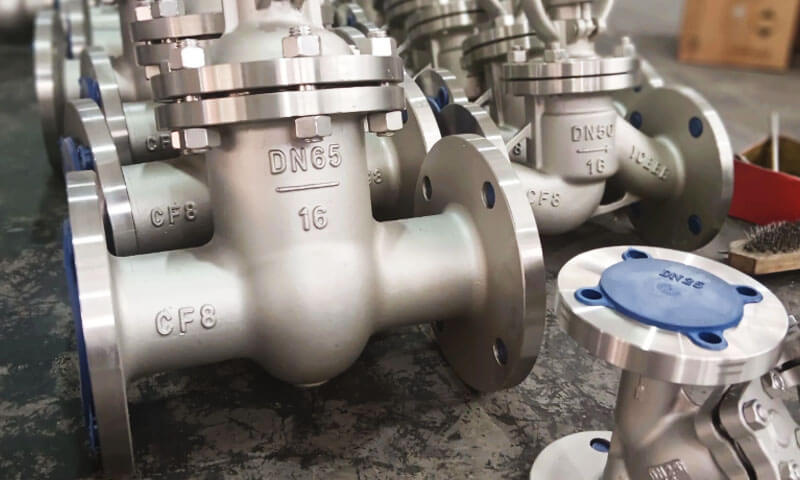
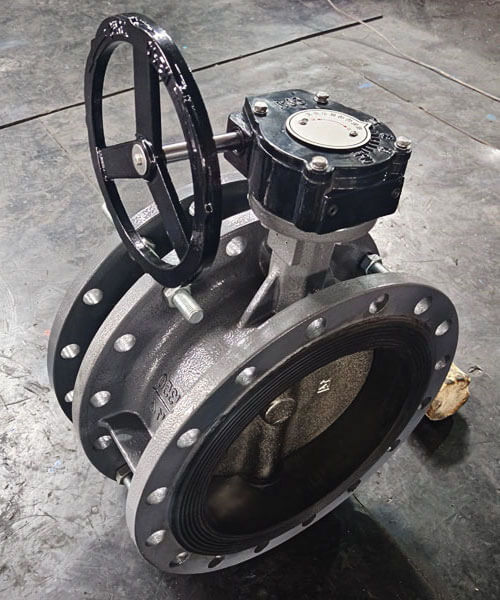
- Փական մարմիններ
- Ավիատիեզերական բաղադրիչներ
- Ծովային սարքավորումներ
- Հիդրավլիկ բաղադրիչներ
- Industrial machinery parts
Stable Mechanical Properties at Elevated Temperatures
Many metals experience significant performance degradation when exposed to high temperatures.
Օրինակ:
- Aluminum alloys rapidly lose strength above approximately 200°C.
- Carbon steel may suffer from oxidation, մասշտաբը, and reduced mechanical properties under prolonged thermal exposure.
- Copper alloys experience significant softening at elevated temperatures.
Չժանգոտվող պողպատ, սակայն, maintains excellent structural stability because of its stable alloy matrix and strong chromium-based oxidation resistance.
Depending on alloy type, stainless steel precision castings can provide:
- Բարձր ջերմաստիճանի օքսիդացման դիմադրություն
- Բարելավված սողացող դիմադրություն
- Reduced thermal deformation
- Stable mechanical strength
Austenitic չժանգոտվող պողպատներ, ինչպիսիք են 304 և 316 դասարաններ, maintain excellent toughness and corrosion resistance at elevated temperatures, while specialized heat-resistant stainless steels are designed for continuous operation under extreme thermal conditions.
Typical high-temperature applications include:
- Վառարանների բաղադրիչներ
- He երմափոխանակիչի մասեր
- Exhaust system components
- Energy equipment
- Chemical processing machinery
- Thermal processing equipment
Superior Low-Temperature Toughness and Cryogenic Performance
Another important advantage of stainless steel is its ability to maintain toughness at extremely low temperatures.
Many carbon steels and cast irons become increasingly brittle as temperature decreases due to reduced ductility and increased sensitivity to impact loading.
This phenomenon, հայտնի է որպես ductile-to-brittle transition, can lead to sudden failure under cold operating conditions.
Austenitic stainless steels behave differently because their face-centered cubic (FCC) crystal structure remains stable at low temperatures.
Advantages include:
- Excellent impact resistance
- Stable ductility
- Reduced brittle fracture risk
- Reliable performance in cryogenic environments
This makes stainless steel precision castings suitable for:
- Cryogenic valves
- LNG equipment
- Medical cooling systems
- Aerospace applications
- Low-temperature chemical systems
Excellent Fatigue Resistance Under Cyclic Loading
Many industrial components are subjected to repeated mechanical stresses rather than constant loading.
Օրինակները ներառում են:
- Պոմպեր
- Տուրբինային բաղադրիչներ
- Փական հավաքներ
- Rotating machinery
- Transportation components
Repeated loading can cause fatigue cracks to initiate and propagate, eventually leading to component failure.
Stainless steel precision castings provide excellent fatigue resistance due to their combination of:
- Առաձգական ուժեղ ուժ
- Լավ ճկունություն
- Ուժեղ կոռոզիոն դիմադրություն
- Stable microstructure
The corrosion resistance is particularly important because corrosion pits can act as stress concentration points that accelerate fatigue failure.
By resisting surface degradation, stainless steel helps maintain long-term fatigue performance.
Outstanding Impact Resistance and Structural Toughness
Mechanical toughness is the ability of a material to absorb energy before fracture.
Compared with brittle materials such as gray cast iron, stainless steel provides significantly higher toughness and damage tolerance.
This means stainless steel precision castings can withstand:
- Sudden impact loads
- Mechanical vibration
- Pressure fluctuations
- Mal երմային ցնցում
- Accidental overload conditions
This advantage is critical for safety-related components where failure could result in equipment damage, production interruption, or safety risks.
Բնորոշ դիմումները ներառում են:
- Pressure-containing components
- Industrial valves
- Պոմպային մարմիններ
- Ծովային կառույցներ
- Safety-critical machinery
Superior Wear and Erosion Resistance in Demanding Applications
Although stainless steel is primarily recognized for corrosion resistance, many stainless steel grades also provide excellent resistance to mechanical wear and erosion.
This is particularly important for components exposed to:
- High-speed fluid flow
- Abrasive particles
- Slurry environments
- Repeated mechanical contact
Through alloy selection and heat treatment, stainless steel precision castings can achieve improved:
- Մակերեսային կարծրություն
- Abrasion resistance
- Էրոզիայի դիմադրություն
Օրինակները ներառում են:
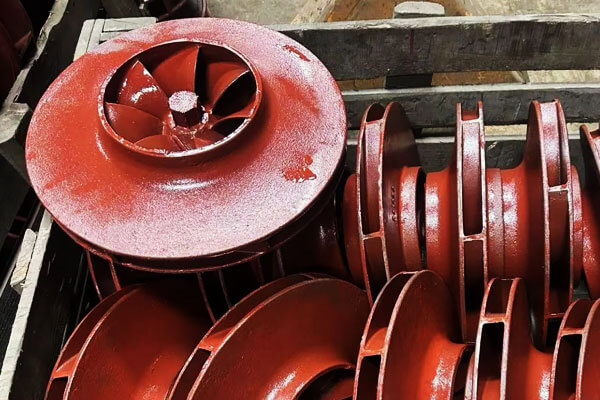
- Պոմպի ազդակներ
- Փական նստատեղեր
- Mining equipment components
- Chemical processing parts
Compared with softer aluminum alloys and ordinary steels, stainless steel offers significantly longer service life in abrasive operating environments.
4. Exceptional Design Freedom Through Precision Casting
One of the most significant advantages of stainless steel precision castings is their ability to produce highly complex geometries that are difficult, թանկ,
or even impossible to manufacture through conventional machining, դավաճանություն, or fabrication methods.
Complex Geometry Manufacturing Capability
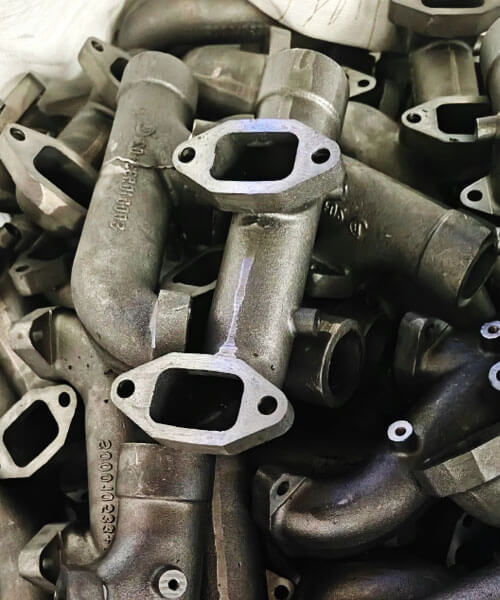
The greatest design advantage of stainless steel precision casting is its ability to reproduce intricate three-dimensional structures with high accuracy.
Unlike machining, որը նյութը հեռացնում է ամուր բլոկից, precision casting forms the component close to its final shape. This enables the production of:
- Thin-wall structures
- Internal channels
- Curved flow passages
- Integrated mounting features
- Բարդ ուրվագիծ
- Lightweight optimized designs
Engineers are therefore no longer restricted by traditional manufacturing constraints and can focus on optimizing component performance rather than simplifying geometry for manufacturability.
This capability is particularly valuable for:
- Պոմպի ազդակներ
- Փական մարմիններ
- Ավիատիեզերական բաղադրիչներ
- Բժշկական գործիքներ
- Հիդրավլիկ բաղադրիչներ
- Complex industrial machinery parts
Near-Net-Shape Manufacturing and Reduced Material Waste
Another important advantage of precision casting is its ability to produce near-net-shape components.
Conventional machining often starts with oversized metal billets and removes large amounts of material to achieve the final geometry. This approach results in:
- High material consumption
- Significant machining time
- Գործիքների ավելացում
- Higher production costs
Stainless steel precision casting significantly reduces these limitations by forming most of the required geometry during the casting process.
Նպաստները ներառում են:
- Lower raw material waste
- Reduced machining allowance
- Shorter production cycles
- Improved utilization of expensive stainless steel alloys
This advantage is especially important for high-alloy stainless steels, where excessive machining can create substantial material losses and increase manufacturing expenses.
Integration of Multiple Components into a Single Casting
Precision casting allows designers to combine multiple traditionally separate components into a single stainless steel casting.
In conventional manufacturing, a complex assembly may require:
- Multiple machined parts
- Welding operations
- Bolted connections
- Additional sealing components
Each connection introduces potential risks, ներառյալ:
- Արտահոսք
- Հոգնածության ձախողում
- Corrosion at joints
- Assembly errors
- Increased maintenance requirements
By integrating multiple functions into one precision casting, Արտադրողները կարող են հասնել:
- Improved structural strength
- Reduced assembly complexity
- Fewer failure points
- Enhanced reliability
This design integration is especially valuable in applications involving pressure, թրթռում, կամ քայքայիչ միջավայրեր.
Optimization of Fluid Flow and Heat Transfer Structures
Many industrial components depend heavily on optimized internal geometries to improve performance.
Precision casting enables the manufacture of sophisticated internal passages that enhance:
- Fluid flow efficiency
- Pressure distribution
- Heat transfer performance
- Energy efficiency
Օրինակ:
- Pump impellers can be designed with optimized blade profiles.
- Valve bodies can incorporate smoother flow channels.
- Heat exchanger components can utilize complex internal structures.
These designs are often difficult to achieve through machining because internal cavities and curved passages may be inaccessible to cutting tools.
Lightweight Structural Optimization
Another important design advantage of stainless steel precision casting is the ability to achieve lightweight structures without compromising strength.
Instead of adding excessive material to compensate for weak designs, precision casting allows material to be placed only where it contributes to structural performance.
Սա հանգեցնում է:
- Reduced component weight
- Էներգիայի ցածր սպառում
- Improved equipment efficiency
- Easier installation and handling
This advantage is particularly important in aerospace, փոխադրում, and advanced machinery applications.
5. Superior Dimensional Accuracy and Surface Quality
One of the most important advantages of stainless steel precision castings is their outstanding dimensional accuracy and surface quality.
Compared with conventional casting technologies such as sand casting, stainless steel precision casting can reproduce complex geometries with much higher precision while achieving smoother surfaces and reducing the need for extensive secondary machining.
High Dimensional Accuracy Through Precision Casting Technology
Traditional casting methods often face limitations caused by mold material characteristics, thermal deformation, and inconsistent solidification behavior.
Ավազի ձուլում, Օրինակ, uses relatively coarse molding materials, which can result in rough surfaces, larger dimensional deviations, and greater machining allowances.
Stainless steel precision casting overcomes these limitations by using finely controlled ceramic molds.
The wax pattern accurately defines the final component shape, while the ceramic shell maintains the required geometry during the high-temperature casting process.
Արդյունքում, precision cast stainless steel components can achieve:
- Accurate dimensional reproduction
- Stable batch-to-batch consistency
- Complex feature integration
- Reduced dimensional variation
This level of precision is particularly valuable for components requiring accurate assembly relationships, ինչպիսիք են փականի մարմինները, Պոմպի բաղադրիչները, Ավիատիեզերական կառույցներ, Հիդրավլիկ մասեր, եւ բժշկական սարքեր.
Near-Net-Shape Manufacturing and Reduced Machining Requirements
A major economic advantage of stainless steel precision casting is its ability to produce components close to their final dimensions.
Unlike machining processes that remove large amounts of material from billets or forgings, precision casting forms most of the required geometry during the initial manufacturing stage.
This near-net-shape capability significantly reduces the amount of material removal required after casting.
For expensive stainless steel alloys, this is particularly important because machining waste can represent a considerable portion of the total manufacturing cost.
By reducing machining operations, precision casting can improve:
- Material utilization efficiency
- Production cycle time
- Manufacturing consistency
- Overall cost control
The reduction in machining requirements is especially beneficial for complex stainless steel components where conventional manufacturing would require multiple operations, Մասնագիտացված գործիքակազմ, or complicated fixturing.
Excellent Surface Finish and Functional Performance
Surface quality is another defining characteristic of stainless steel precision castings.
The ceramic shell used in investment casting provides a much smoother cavity surface than traditional sand molds, allowing the final casting to achieve excellent surface characteristics.
A high-quality surface finish improves not only visual appearance but also functional performance.
For fluid-handling components such as pumps, փականներ, and flow-control devices, smoother internal surfaces reduce turbulence and friction losses, improving flow efficiency and operational stability.
For sealing components, accurate surfaces improve contact conditions and reduce the risk of leakage.
This is especially important in pressure-containing systems where even minor surface imperfections can affect long-term reliability.
Արդյունաբերություններում, ինչպիսիք են սննդի վերամշակումը, Դեղագործություն, եւ բժշկական սարքավորումներ, smooth stainless steel casting surfaces provide additional benefits by reducing contamination risks and making cleaning and sterilization easier.
Accurate Reproduction of Complex Details
Another unique advantage of precision casting is its ability to reproduce fine structural details that are difficult to achieve through other manufacturing methods.
Features such as thin walls, narrow grooves, կոր հատվածներ, intricate ribs, and complex external contours can be incorporated directly into the casting design.
Machining has inherent limitations when producing deep internal structures or complex three-dimensional surfaces because cutting tools require physical access.
Welding fabrication, meanwhile, often requires multiple parts to be joined together, which can compromise dimensional consistency and structural integrity.
Precision casting removes many of these limitations by allowing the mold itself to define the final geometry. This gives engineers greater freedom to design components according to functional requirements rather than manufacturing restrictions.
6. Better Corrosion-Life Economics Compared with Other Metals
Although stainless steel precision castings generally involve a higher initial material investment compared with carbon steel, չուգուն, or aluminum components, their economic advantages become increasingly apparent when evaluated from a lifecycle perspective.
Lower Maintenance Requirements and Reduced Operating Costs
Carbon steel and cast iron components usually require additional corrosion protection systems to achieve acceptable service life.
These may include painting, գալանվող, surface coatings, or regular anti-corrosion treatments.
Այնուամենայնիվ, protective coatings are temporary solutions. Ժամանակի ընթացքում, they may deteriorate due to mechanical damage, Քիմիական ազդեցություն, temperature changes, or environmental aging.
Once the coating is compromised, corrosion can rapidly develop and affect the underlying metal.
Stainless steel precision castings do not depend on external coatings for corrosion protection.
Their chromium-based passive film provides inherent resistance that remains effective throughout the component’s service life.
Արդյունքում, stainless steel components require significantly less maintenance, reducing costs associated with inspection, repainting, corrosion repair, and unexpected equipment downtime.
Elimination of Coating Failure Risks
The use of coatings introduces additional reliability concerns because the protective layer becomes the weakest part of the corrosion protection system.
A damaged coating may allow localized corrosion to develop beneath the surface, making failures difficult to detect before serious damage occurs.
Stainless steel avoids this problem because corrosion resistance is integrated into the material itself.
The passive chromium oxide layer continuously protects the surface and can regenerate naturally when damaged.
This inherent protection provides more predictable long-term performance, especially in harsh environments such as marine facilities, Քիմիական բույսեր, and outdoor industrial installations.
Extended Service Life and Reduced Replacement Costs
The combination of corrosion resistance, Մեխանիկական ուժ, and wear resistance allows stainless steel precision castings to operate reliably for much longer periods than many alternative materials.
Longer service life reduces:
- Equipment replacement frequency
- Spare parts consumption
- Production interruptions
- Maintenance labor requirements
For critical industrial systems, preventing unexpected failure is often far more valuable than minimizing initial component cost.
A stainless steel valve, պոմպի մարմինը, or structural component that operates reliably for decades may provide substantially better economic performance than a lower-cost alternative requiring repeated repair or replacement.
Lifecycle Cost and Sustainability Advantages
The extended service life of stainless steel precision castings also contributes to sustainability.
Fewer replacements mean reduced consumption of raw materials, lower manufacturing energy demand, and less industrial waste.
Բացի այդ, stainless steel has excellent recyclability. At the end of its service life, it can be recovered and reused while maintaining its valuable metallurgical properties.
Հետեւաբար, stainless steel precision castings provide not only technical advantages but also long-term environmental and economic benefits.
7. Alloy Versatility and Tailorability
Stainless steel precision castings can be produced in a wide range of alloys, each tailored to specific service conditions:
| Ալյումինե դասարան | Հիմնական հատկություններ | Բնորոշ ծրագրեր |
| CF‑8 (304) | Ընդհանուր կոռոզիոն դիմադրություն, ուժ. | Ջրմուղ, օդային, Մեղմ քիմիական նյութեր. |
| CF‑8M (316) | Chloride pitting resistance, ծովային, քիմիական. | Ծովի ջուր, Քիմիական մշակում, Դեղագործություն. |
| CF‑3M (316Լ) | Ցածր ածխածնի; զոդելի; Քլորիդի դիմադրություն. | Welded assemblies, օֆշորային, սնունդ. |
| CN‑7M (Խառնուրդ 20) | Ծծմբաթթու, phosphoric acid resistance. | Acid processing, նավթաքիմիական նյութեր. |
| CD‑3MN (2205 կրկնակի) | Բարձր ուժ, chloride SCC resistance. | Ծովի ջուր, լուրային գազ, օֆշորային. |
| CB7Cu‑1 (17--4ph) | Բարձր ուժ (ծերություն); Լավ կոռոզիոն դիմադրություն. | High‑pressure, օդատիեզերական, wear‑resistant. |
| CK‑3MCuN (Super Austenitic) | Ծայրահեղ կոռոզիոն դիմադրություն (Փայտ > 50). | Deep‑sea, extreme chlorides. |
8. Superior Hygiene and Cleanability
Certain industries require materials that resist contamination and are easy to sanitize.
Stainless steel offers:
- Non-porous surfaces
- Քիմիական դիմադրություն
- Easy cleaning
- Low bacterial adhesion
Հետեւաբար, stainless steel precision castings dominate applications such as:
- Սննդի վերամշակման սարքավորումներ
- Pharmaceutical machinery
- Բժշկական գործիքներ
- Laboratory systems
Compared with aluminum and carbon steel, stainless steel provides significantly better long-term hygiene performance.
9. Environmental and Sustainability Advantages
Բարձր վերամշակում
Stainless steel is one of the most recyclable engineering materials.
At the end of service life:
- Stainless steel can be fully recycled
- Material properties are largely retained
- Waste generation is minimized
Reduced Replacement Frequency
Long service life means:
- Lower resource consumption
- Reduced energy use for replacement manufacturing
- Less industrial waste
Although stainless steel production requires significant energy, its durability provides strong environmental benefits throughout the product lifecycle.
10. Comparison of Stainless Steel Precision Castings with Other Metals
The selection of casting materials directly affects component performance, Ծառայության կյանք, maintenance requirements, and overall manufacturing economics.
Compared with carbon steel, չուգուն, Ալյումինե խառնուրդներ, Պղնձի խառնուրդներ, and titanium alloys, stainless steel precision castings provide a unique balance of corrosion resistance, Մեխանիկական ուժ, ջերմաստիճանի հնարավորություն, Դիզայնի ճկունություն, եւ ցիկլային արժեք.
| Performance Factor | Stainless Steel Precision Castings | Ածխածնի պողպատե ձուլում | Aluminum Alloy Castings | Titanium Alloy Castings |
| Կոռոզիոն դիմադրություն | Գերազանց. Chromium-based passive film provides long-term protection against moisture, քիմիական նյութեր, and atmospheric corrosion. | Աղքատ է չափավոր. Պահանջում է ծածկույթներ, նկար, or surface treatments in corrosive environments. | Լավ. Aluminum oxide film provides protection but is susceptible to pitting in aggressive environments. | Գերազանց. Titanium oxide film provides outstanding corrosion resistance. |
| Կոռոզիայի պաշտպանության մեխանիզմ | Self-healing chromium oxide (Cr₂o) Պասիվ շերտ. | Hydrated iron oxide rust layer, non-protective and progressive. | Ալյումինի օքսիդ (Al₂o₃) Պասիվ շերտ. | Titanium oxide (Tio₂) Պասիվ շերտ. |
| Self-Healing Capability | Գերազանց. Passive film automatically reforms after surface damage. | Ոչ ոք. Rust continues to develop after exposure. | Լավ, but less stable in chloride and acidic environments. | Գերազանց. Passive film rapidly regenerates. |
Մեխանիկական ուժ |
High strength combined with excellent toughness and ductility. | High strength but lower corrosion resistance and toughness depending on grade. | Moderate strength with low density but reduced high-temperature capability. | Շատ բարձր ամրության հարաբերակցություն. |
| Կոշտություն եւ ազդեցության դիմադրություն | Գերազանց. Maintains toughness under impact, թրթռում, and cyclic loading. | Լավ, but can become brittle at low temperatures. | Good but lower impact resistance than stainless steel. | Գերազանց, especially in demanding aerospace applications. |
| Բարձր ջերմաստիճանի կատարում | Գերազանց. Maintains strength and oxidation resistance at elevated temperatures. | Չափավոր. Strength decreases and oxidation/scaling occurs at high temperatures. | Աղքատ. Rapid strength loss above moderate temperatures. | Գերազանց, but limited by higher material cost. |
| Low-Temperature Performance | Գերազանց, especially austenitic grades with stable toughness at cryogenic temperatures. | Չափավոր. Risk of ductile-to-brittle transition. | Չափավոր. Performance decreases in very cold environments. | Գերազանց. Maintains good toughness at low temperatures. |
Wear and Erosion Resistance |
Good to excellent depending on alloy and heat treatment. | Չափավոր. Often requires surface treatment. | Limited due to lower hardness. | Excellent but expensive. |
| Dimensional Accuracy in Precision Casting | Գերազանց. Investment casting provides tight tolerances and fine details. | Good but depends heavily on casting process and alloy grade. | Լավ. Suitable for precision casting but with different limitations. | Excellent but more challenging due to reactive metallurgy. |
| Մակերեւութային ավարտի որակը | Գերազանց. Ceramic shell casting produces smooth surfaces with minimal machining. | Չափավոր. Often requires additional finishing. | Լավ. Can achieve smooth cast surfaces. | Excellent with proper casting control. |
| Երկրաչափության բարդ կարողություն | Գերազանց. Ideal for thin walls, Ներքին հատվածներ, and integrated structures. | Չափավոր. Limited by alloy properties and process constraints. | Լավ. Suitable for lightweight complex designs. | Excellent but requires specialized processing. |
Քաշի արդյունավետություն |
Չափավոր. Higher density but excellent strength-to-performance balance. | Չափավոր. Similar density but lower corrosion performance. | Գերազանց. Low density and lightweight design advantage. | Գերազանց. Outstanding strength-to-weight ratio. |
| Machining Requirements After Casting | Ցածր. Near-net-shape production reduces machining operations. | Medium to high depending on casting quality. | Միջին. Often requires finishing operations. | High due to difficult machining characteristics. |
| Maintenance Requirement | Շատ ցածր. Usually requires minimal corrosion protection or surface treatment. | Բարձր. Requires coating maintenance and corrosion monitoring. | Միջին. Requires protection in harsh environments. | Very low but requires specialized handling. |
Ծառայության կյանք |
Very long. Excellent durability in harsh environments. | Չափավոր. Limited by corrosion and wear. | Չափավոր. Limited by temperature and corrosion conditions. | Very long but economically restricted. |
| Initial Material Cost | Միջինից բարձր. Higher than carbon steel but lower than titanium. | Ցածր. One of the most economical structural metals. | Միջին. Higher than steel but lightweight advantage. | Շատ բարձր. Premium material cost. |
| Կյանքի ծախսերը | Low to moderate due to minimal maintenance and long service life. | High due to coatings, վերանորոգում, and replacement requirements. | Medium due to maintenance and limited temperature performance. | High despite excellent performance due to material cost. |
| Բնորոշ ծրագրեր | Պոմպեր, փականներ, ծովային սարքավորումներ, chemical machinery, Սննդի վերամշակում, Բժշկական սարքեր, Ավիատիեզերական բաղադրիչներ. | Կառուցվածքային բաղադրիչներ, general machinery, low-cost industrial parts. | Ավտոմոբիլային մասեր, aerospace lightweight components, Սպառողական արտադրանք. | Ավիատիեզերական կառույցներ, Բժշկական իմպլանտներ, extreme-performance applications. |
11. Եզրափակում
Stainless steel precision castings occupy a unique and irreplaceable position in the engineering materials landscape.
By combining the geometric freedom of investment casting with stainless steel’s inherent corrosion resistance, mechanical versatility, hygienic properties and long-term durability, they deliver a value proposition that no competing cast metal system can fully replicate.
Against carbon steel and cast iron, the primary advantage is dramatically superior corrosion resistance and longer service life in all but the driest environments.
Against aluminum, it is higher strength, higher temperature capability and much better chloride resistance.
While against brass and bronze, it is broader chemical compatibility, higher strength and superior hygienic performance.
The true value of stainless steel precision castings becomes clearest when evaluated over the full service lifecycle.
While the initial purchase price is higher, the elimination of coatings, Նվազեցված պահպանում, extended service life and improved reliability frequently produce the lowest total cost of ownership for components operating in demanding environments.
As global industry continues to demand more durable, efficient and maintenance-free equipment, stainless steel precision castings will continue to grow in importance across all advanced manufacturing sectors.
ՀՏՀ
Why is stainless steel more corrosion‑resistant than carbon steel?
Stainless steel contains ≥10.5% chromium, which forms a stable, self‑healing chromium oxide passive film.
This film protects the metal from oxidation and corrosion. Carbon steel has no chromium, so it rusts.
Are stainless steel precision castings more expensive than carbon steel?
Այո, the initial cost is higher. Այնուամենայնիվ, the total lifecycle cost is often lower due to reduced maintenance, no coatings, and longer service life.
Can stainless steel precision castings be welded?
Այո. Austenitic դասարաններ (304Լ, 316Լ) are readily weldable. Low‑carbon grades prevent sensitisation. Duplex and martensitic grades require special procedures.
How does investment casting compare to other casting methods for stainless steel?
Investment casting offers the best combination of dimensional accuracy, Մակերեւույթի ավարտը, and geometric complexity for stainless steel, with less machining and material waste than other methods.