1. Ներածություն
Ferritic stainless steel is one of the major families of stainless steels, distinguished primarily by its ferritic body-centered cubic (Բեկոր) բյուրեղյա կառուցվածքը at room temperature and its relatively high chromium content.
Unlike conventional austenitic stainless steels, ferritic grades normally contain little or no intentionally added nickel.
This compositional characteristic can provide an attractive combination of corrosion resistance, Ther երմային կայունություն, Մագնիսական հատկություններ, and material cost.
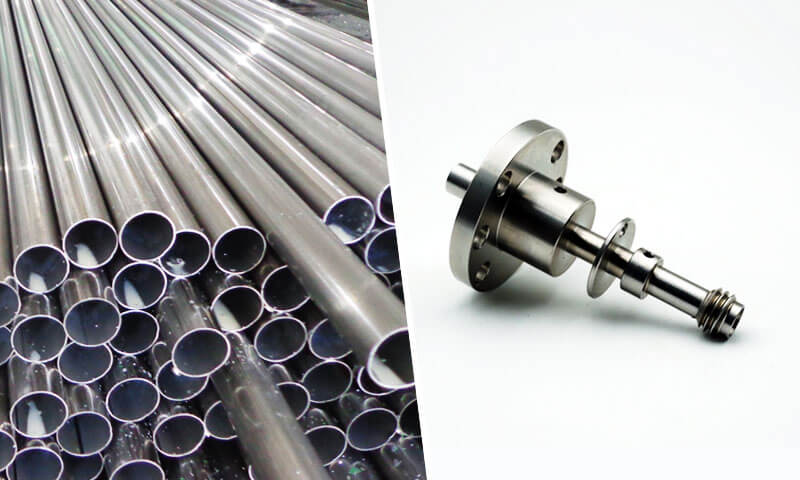
Ferritic stainless steels are used extensively in automotive exhaust systems, household appliances, He երմափոխանակիչներ, Demild արտարապետական բաղադրիչներ, Սննդի վերամշակման սարքավորումներ, եւ արդյունաբերական մեքենաներ.
Their performance, սակայն, depends strongly on alloy chemistry, carbon and nitrogen control, stabilization, Վերամշակման պատմություն, եւ սպասարկման միջավայր.
2. What Is Ferritic Stainless Steel?
Ֆերիիտիկ Չժանգոտվող պողպատ is a group of iron-chromium alloys whose matrix is predominantly ferritic at room temperature.
Ferrite has a body-centered cubic crystal structure and remains stable over a broad temperature range in appropriately alloyed compositions.
Chromium is the principal alloying element responsible for stainless behavior.
Once sufficient chromium is present, the steel can form a thin, կպչուն, chromium-rich passive film that substantially slows further corrosion.
Commercial ferritic stainless steels cover a relatively broad composition range. Common grades may contain approximately 11–30% chromium, while carbon and nitrogen are generally controlled at relatively low levels.
Some higher-performance grades additionally contain molybdenum for improved localized corrosion resistance or titanium and niobium for stabilization.
Unlike martensitic stainless steels, conventional ferritic stainless steels are not normally hardened through conventional quench-and-temper heat treatment.
Their final properties are primarily determined by chemical composition, thermomechanical processing, անողորմ, Հացահատիկի կառուցվածքը, and cold deformation.
Ferritic stainless steel is therefore best understood as a distinct metallurgical family rather than simply a lower-cost alternative to austenitic stainless steel.
3. Chemical Composition of Ferritic Stainless Steel
Chemical composition is one of the most important factors controlling the performance of ferritic stainless steel.
Chromium provides the fundamental stainless characteristic, while carbon, ազոտ, մոլիբդեն, տիտղոս, նիբիում, and other elements are adjusted to achieve specific combinations of corrosion resistance, Մեխանիկական հատկություններ, զոդում, եւ ջերմային կայունություն.
Բնորոշ քիմիական կազմ
The composition varies considerably between individual grades. The following values represent typical ranges for common commercial ferritic stainless steels, not universal specification limits.
| Տարր | Բնորոշ տիրույթ / Level | Primary Metallurgical Function |
| Քրոմ (Խուզարկու) | ~10.5–30% | Պասիվություն, Կոռոզիոն դիմադրություն, ferrite stabilization |
| Ածխածնային (Գ) | Generally low, often ≤0.08% | Զորացում; excessive levels can promote sensitization |
| Ազոտ (Ն) | Generally low | Զորացում; excessive levels can impair ferritic properties |
| Մոլիբդեն (Ժամանակ) | 0–4%+ depending on grade | Improves pitting and crevice-corrosion resistance |
| Տիտղոս (Է) | Grade-dependent | Stabilizes carbon and nitrogen |
Նիբիում (Տզգոց) |
Grade-dependent | Stabilizes carbon and nitrogen; improves weld performance |
| Նիկել (Մեջ) | Usually low | Controlled to maintain ferritic phase stability |
| Մանգան (Ժլատ) | Usually limited | Deoxidation and alloy/process control |
| Սիլիկոն (Մի քանազոր) | Usually limited | Deoxidation and oxidation-resistance contribution |
The exact limits should always be taken from the relevant material specification, such as the applicable ASTM, Մեջ, Նա է, or other national/international standard, because nominal grade names alone do not define every permissible compositional limit.
4. Major Types and Grades of Ferritic Stainless Steel
Ferritic stainless steels cover a wide range of chromium-based alloys, from economical grades designed for automotive exhaust systems to high-chromium and molybdenum-alloyed grades intended for demanding corrosion and high-temperature environments.
The following tables organize representative grades into three practical categories: standard ferritic grades, high-chromium ferritic grades, and cast ferritic stainless steels.
Standard Ferritic Grades (400 Շարք)
These grades are widely used because they provide a practical balance of corrosion resistance, ԱՐՏԱԴՐՈՒՄ, Mal երմային ներկայացում, եւ արժեքը.
Դասարաններ, ինչպիսիք են 409 և 430 are especially important in automotive, պարագաներ, ճարտարապետական, եւ ընդհանուր արդյունաբերական ծրագրեր.
| Դասարան | ԱՄՆ նշանակումը | Approximate Composition | Հիմնական բնութագրերը | Բնորոշ ծրագրեր |
| 409 | S40900 | Cr 10.5–11.7%; C ≤0.08%; Կայունացված | Economical ferritic stainless steel with good oxidation resistance and adequate corrosion resistance; suitable for elevated-temperature service | Ավտոմոբիլային արտանետման համակարգեր, exhaust pipes, catalytic-converter components |
| 410Լ | S41003 | Cr 11.5–13.5%; C ≤0.03% | Very low carbon improves weldability and reduces the risk of weld-related sensitization; Չափավոր կոռոզիոն դիմադրություն | Ավտոմոբիլային բաղադրիչներ, Կառուցվածքային մասեր, water tanks, Արդյունաբերական սարքավորումներ |
| 430 | S43000 | Cr 16–18%; C ≤0.08% | Լավ ընդհանուր կոռոզիոն դիմադրություն, Մագնիսական պահվածք, Լավ ձեւականություն, and attractive surface appearance; widely available and economical | Սարք, Խոհանոցային սարքավորումներ, Ավտոմոբիլային զարդարանք, ճարտարապետական վահանակներ |
430Լ |
S43003 | Cr 16–18%; C ≤0.03% | Low-carbon version of 430 with improved weldability and reduced susceptibility to intergranular corrosion | Welded equipment, Սննդի վերամշակման սարքավորումներ, Demild արտարապետական բաղադրիչներ |
| 434 | S43400 | Cr 16–18%; Mo approximately 0.5–1.0%; C ≤0.08% | Molybdenum improves resistance to localized corrosion compared with conventional 430; maintains good oxidation resistance | Ավտոմոբիլային զարդարանք, Արտանետվող բաղադրիչներ, heat-related equipment |
| 436 | S43600 | Cr 16–18%; Mo approximately 0.5–1.0%; TI / NB- ն կայունացել է | Stabilized ferritic grade with improved weldability, Կոռոզիոն դիմադրություն, and resistance to intergranular corrosion | Ավտոմոբիլային արտանետման համակարգեր, Demild արտարապետական բաղադրիչներ, Արդյունաբերական սարքավորումներ |
High Chromium Ferritic Grades
High-chromium ferritic stainless steels contain substantially more chromium than conventional 400-series grades.
Some also contain molybdenum and stabilizing elements such as titanium and niobium.
These alloying strategies improve oxidation resistance, localized-corrosion resistance, եւ բարձր ջերմաստիճանի կատարում.
| Դասարան | ԱՄՆ նշանակումը | Approximate Composition | Հիմնական բնութագրերը | Բնորոշ ծրագրեր |
| 439 | S43035 | Cr 17–19%; Կայունացված | Good corrosion and oxidation resistance with improved weldability; suitable for elevated-temperature service | Ավտոմոբիլային արտանետման համակարգեր, He երմափոխանակիչներ, water heaters |
| 441 | S44100 | Cr 17–19%; Է + Nb stabilized | Stabilized ferritic structure provides good weldability, Օքսիդացման դիմադրություն, և զգայունության դիմադրություն | Ավտոմոբիլային արտանետման համակարգեր, catalytic-converter components, He երմափոխանակիչներ |
| 444 | S44400 | Cr 17–19%; Mo 1.5–2.5%; Է + Nb stabilized | Low carbon and nitrogen combined with Mo provide high resistance to pitting and crevice corrosion; Լավ զոդում | He երմափոխանակիչներ, hot-water systems, cooling-water equipment, Քիմիական մշակման սարքավորումներ |
446 |
S44600 | Cr 23–27%; ցածր գ | Very high chromium content provides excellent oxidation resistance and good performance at elevated temperatures | Վառարանների բաղադրիչներ, ջերմամշակման սարքավորումներ, high-temperature chemical-processing equipment |
| 447 | S44700 | Cr 28–30%; Mo 2.0–3.0%; very low C | Super-ferritic stainless steel with excellent resistance to chloride-induced localized corrosion and oxidation | Քիմիական մշակում, seawater-handling equipment, He երմափոխանակիչներ, Օֆշորային սարքավորումներ |
| 448 | S44800 | Cr 28–30%; Mo 3.5–4.2%; very low C/N | Highly alloyed ferritic stainless steel offering exceptional corrosion and oxidation resistance in severe environments | Ծովային սարքավորումներ, Քիմիական մշակում, offshore systems, severe chloride service |
Նշում: Exact chemical limits vary with the applicable ASTM, Ասիմ, Մեջ, or UNS specification. The compositions above are provided as representative ranges for engineering comparison.
Cast Ferritic Stainless Steel Grades
Some commonly referenced cast stainless grades are listed below.
Կարեւորագույն, not every chromium-containing cast stainless grade listed in the ASTM A743/A744 family is strictly ferritic at room temperature; grades such as CA-15 are conventionally classified as martensitic.
Հետեւաբար, the specific metallurgical classification should always be confirmed from the applicable material specification.
| Cast Grade | ԱՄՆ նշանակումը | Հիմնական բնութագրերը | Բնորոշ ծրագրեր |
| CA-15 | J91150 | Chromium stainless casting grade with good general corrosion resistance and good strength after appropriate heat treatment; conventionally classified as martensitic rather than ferritic | Պոմպի բաղադրիչները, Փական մարմիններ, Տուրբինային բաղադրիչներ, industrial castings |
| CA-40 | J91151 | Higher hardness and strength than low-carbon chromium casting grades; good wear resistance but reduced weldability | Հագուստի դիմացկուն բաղադրիչներ, valve parts, steam-service components |
CB-30 |
J91330 | Higher chromium content provides improved corrosion and oxidation resistance for cast components | Chemical-processing equipment, Պոմպային մասեր, Փականի բաղադրիչներ |
| CC-50 | J91450 | Very high chromium content provides strong oxidation and corrosion resistance, particularly in elevated-temperature environments | High-temperature chemical-processing equipment, Վառարանների բաղադրիչներ, Կոռոզիոն դիմացկուն ձուլում |
5. Key Properties of Ferritic Stainless Steel
Ferritic stainless steels are characterized by a Մարմնի կենտրոնացած խորանարդ (Բեկոր) ferritic matrix, chromium as the principal alloying element, and generally low carbon and nickel contents.
Their combination of corrosion resistance, Մագնիսական պահվածք, relatively low thermal expansion,
and moderate-to-good thermal conductivity makes them particularly suitable for automotive exhaust systems, սարք, He երմափոխանակիչներ, Demild արտարապետական բաղադրիչներ, եւ արդյունաբերական սարքավորումներ.
The following values provide useful engineering reference points for commonly used ferritic grades:
| Սեփականություն | Typical Ferritic Stainless Steel Range | Representative Grade / Արժեք | Ինժեներական նշանակություն |
| Էլաստիկ մոդուլ | ~200–215 GPa | Տիպ 430: ~ 200 ԳՊա | Determines elastic stiffness |
| Խտություն | ~7.6–7.8 g/cm³ | Տիպ 430: ~7.7 g/cm³ | Relevant to component weight |
| Ջերմային ընդարձակման գործակիցը | ~9–11 × 10⁻⁶/K | Տիպ 430: ~10.4 × 10⁻⁶/K | Important for thermal distortion |
| Mal երմային հաղորդունակություն | ~24–27 W/(M · k) | Տիպ 430: ~26 W/(M · k) | Affects heat transfer |
Հատուկ ջերմություն |
~440–500 J/(kg·K) | Grade-dependent | Used in thermal calculations |
| Էլեկտրական դիմադրողականություն | ~0.55–0.65 μΩ·m | Grade-dependent | Relevant to electrical/thermal applications |
| Մագնիսական վարքագիծ | Ferromagnetic at room temperature | Most ferritic grades | Useful for magnetic applications |
| Հալման միջակայք | ~1,425–1,510°C | Grade-dependent | Important for casting and welding |
These figures should be treated as reference values, not substitute specifications.
For component design, the applicable ASTM, Մեջ, Նա է, or other material standard and the certified material test report should take precedence.
Կոռոզիոն դիմադրություն
Corrosion resistance is one of the primary reasons for using ferritic stainless steel.
Chromium forms a thin, կպչուն, and self-healing chromium-rich passive film on the steel surface.
When the chromium content is sufficiently high and the surface remains chemically clean, this passive layer significantly reduces the corrosion rate in many atmospheric and aqueous environments.
The corrosion resistance of ferritic stainless steel increases generally with chromium content, while additions of molybdenum can further improve resistance to localized corrosion, particularly pitting and crevice corrosion.
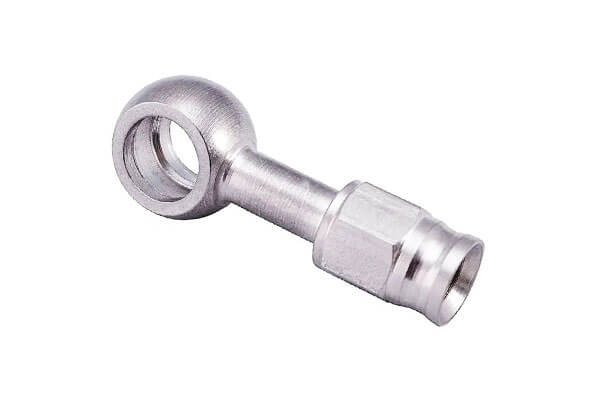
Օրինակ, AISI 430 provides useful corrosion resistance for indoor and mildly corrosive environments, whereas stabilized grades such as 439 և 441 are widely used in automotive exhaust systems.
Higher-alloy grades such as 444 provide substantially better resistance to chloride-containing environments and are suitable for applications involving hot water and certain chemical media.
Several factors should be considered when evaluating corrosion performance:
- Chromium content: Higher Cr generally improves passivation and oxidation resistance.
- Molybdenum content: Mo improves resistance to pitting and crevice corrosion.
- Carbon and nitrogen: Excessive interstitial elements can promote chromium depletion during thermal exposure.
- Կայունացում: Titanium or niobium additions help bind carbon and nitrogen, improving resistance to sensitization after welding.
- Surface condition: Հղկող, փայլեցում, թթու, and passivation can strongly influence practical corrosion behavior.
- Service environment: Chloride concentration, ջերմաստիճան, pH, խոնավություն, and exposure time all affect corrosion performance.
Ferritic stainless steel is therefore particularly attractive where corrosion resistance is required but the extreme corrosion performance of nickel-containing austenitic stainless steel is unnecessary.
6. Mechanical Properties of Ferritic Stainless Steel
The mechanical behavior of ferritic stainless steel is strongly influenced by chromium content, carbon and nitrogen levels, Հացահատիկի չափը, alloy stabilization, Սառը աշխատող, and service temperature.
Ընդհանրապես, ferritic grades offer a useful combination of moderate-to-high strength, adequate ductility, Լավ հոգնածության դիմադրություն, եւ լավ ծավալային կայունություն.
Typical Mechanical Characteristics
| Mechanical characteristic | Typical behavior of ferritic stainless steel | Ինժեներական նշանակություն |
| Էլաստիկ մոդուլ | Մոտավորապես 200 Gpa | Provides good elastic stiffness and dimensional stability |
| Բերք տալ ուժ | Commonly about 200–400 MPa for many standard grades | Determines resistance to permanent deformation |
| Առաձգական ուժ | Commonly about 400–600 MPa, depending on grade and condition | Determines ultimate tensile load capacity |
Երկարացում |
Often approximately 15–30%, but highly grade-dependent | Indicates available ductility during forming and overload |
| Կարծրություն | Generally moderate in annealed condition | Influences wear resistance and machinability |
| Ազդեցության կոշտություն | Highly dependent on grade, Հացահատիկի չափը, ջերմաստիճան, և վերամշակում | Important for low-temperature and impact-loaded applications |
Ferritic stainless steels also generally exhibit limited strengthening through conventional heat treatment.
Unlike martensitic stainless steels, they cannot normally be transformed into a high-hardness martensitic structure through quenching.
Their mechanical properties are instead controlled primarily through խառնուրդ, Հացահատիկի կատարելագործում, Սառը աշխատող, and thermomechanical processing.
Cold working can increase strength and hardness, but excessive cold deformation may reduce ductility and increase forming difficulty.
For demanding applications, the material condition—such as annealed, սառը գլորվել է, or stabilized—should therefore be specified together with the stainless steel grade.
At low temperatures, toughness deserves particular attention. Some ferritic stainless steels can exhibit a ductile-to-brittle transition, which is fundamentally different from the behavior of many austenitic stainless steels.
Grain refinement and low carbon/nitrogen contents can improve toughness, but ferritic grades should be selected carefully for impact-critical or cryogenic applications.
7. Weldability of Ferritic Stainless Steel
Weldability varies considerably among ferritic stainless steel grades.
Modern low-carbon, stabilized grades generally have much better weldability than older high-carbon ferritic formulations, but ferritic stainless steels still require more careful welding control than many common austenitic grades.
The principal metallurgical concern is grain coarsening in the heat-affected zone (ՀԱԶ).
Because ferritic stainless steels remain predominantly ferritic during welding, high heat input can produce coarse grains. Coarse-grained HAZ regions may exhibit reduced ductility and toughness.
Another concern is chromium carbide or nitride formation.
If sufficient carbon or nitrogen is present, thermal exposure during welding can cause chromium depletion adjacent to grain boundaries, potentially reducing localized corrosion resistance.
This is why grades stabilized with titanium or niobium, ինչպիսիք են 409, 439, 441, և 444, are commonly selected for welded applications.
Important Welding Considerations
| Եռակցման գործոն | Potential Problem | Recommended Control |
| Excessive heat input | Grain coarsening and reduced toughness | Use controlled heat input |
| High interpass temperature | Excessive thermal exposure | Control interpass temperature |
| High carbon/nitrogen | Sensitization and corrosion susceptibility | Prefer low-C/N or stabilized grades |
| Rapid or uncontrolled cooling | Residual stress and distortion | Establish an appropriate welding procedure |
| Filler-metal mismatch | Reduced corrosion or mechanical performance | Select filler based on service requirements |
| Surface contamination | Weld defects and reduced corrosion resistance | Thorough cleaning before and after welding |
TIG, ME / MAG, Լազերային եռակցում, and resistance welding can all be used depending on component geometry, հաստություն, Արտադրության ծավալ, եւ կատարողականի պահանջներ.
Եռակցումից հետո, Հզորություն եւ պասիվացում may be required to restore corrosion resistance by removing heat tint, free iron contamination, and other surface contaminants.
For critical components, welding procedure qualification should address not only visual weld quality but also tensile properties, Կոռոզիայի վարք, աղավաղում, and HAZ performance where applicable.
8. Առնչականություն եւ մեքենայություն
Առողջություն
Ferritic stainless steels generally exhibit good cold-forming characteristics, especially when supplied in an annealed condition.
Their elongation commonly falls in the 20–30% range for many commercial grades, providing sufficient ductility for bending, Roll ձեւավորում, դրոշմում, and other sheet-metal operations.
Այնուամենայնիվ, forming performance depends on more than elongation alone.
Բերք տալ ուժ, anisotropy, Աշխատանքի կարծրացում, Թիթեղի հաստություն, Հացահատիկի կառուցվածքը, tooling geometry, and lubrication can all affect the final result.
For precision forming, the following parameters should be controlled:
- Minimum bend radius
- Rolling direction
- Tool clearance
- Քսում
- Forming sequence
- Springback compensation
- Մակերեւույթի պաշտպանություն
Ferritic grades can be particularly attractive for large sheet components because they combine reasonable ductility with relatively stable dimensional behavior.
Մեքենայություններ
Ferritic stainless steels are generally suitable for conventional CNC հաստոցներ.
Այնուամենայնիվ, machining parameters should be optimized for the specific grade because chromium, մոլիբդեն, material hardness, and thermal conductivity influence cutting forces and tool life.
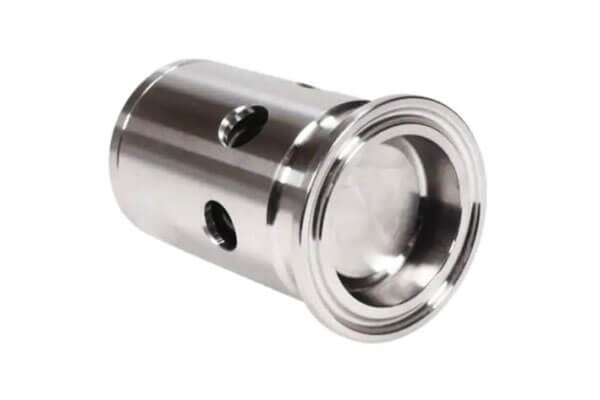
Typical machining operations include:
CNC turning → milling → drilling → reaming → grinding → polishing
For precision components, dimensional tolerances of ±0.01 mm or tighter may be achievable under controlled CNC machining conditions,
but the achievable tolerance depends on component geometry, machine capability, workholding, material condition, and thermal stability rather than on the stainless-steel grade alone.
Մեղադրման ընթացքում, excessive cutting heat can cause dimensional drift. This is particularly important for thin-wall components and precision parts with tight positional tolerances.
9. Surface Finishes for Ferritic Stainless Steel
Surface finishing plays an important role in the corrosion resistance, արտաքին տեսք, մաքրազույգ, հագնում պահվածքը, and dimensional performance of ferritic stainless steel components.
| Մակերեւույթի ավարտը | Typical Characteristics | Բնորոշ ծրագրեր |
| 2Բոց | Cold rolled, Heat երմության բուժում, թթու, and lightly skin passed; smooth and relatively reflective | Սարք, general industrial components, ճարտարապետական վահանակներ |
| Բա | Bright annealed surface with high reflectivity and smooth appearance | Ավտոմոբիլային զարդարանք, սարք, Դեկորատիվ բաղադրիչներ |
| Ոչ. 3 | Coarse mechanically polished finish | Architectural and industrial components |
| Ոչ. 4 | Fine directional brushed finish, commonly produced with abrasive belts | Սարք, ճարտարապետական վահանակներ, Խոհանոցային սարքավորումներ |
Hairline |
Տուգանք, continuous directional grain | Decorative architectural and interior components |
| Mirror-polished | Highly reflective surface achieved through progressive polishing | Decorative components and premium architectural applications |
| Էլեկտրական | Electrochemical removal of surface material; smooth and clean surface | Հիգիենիկ, ճշգրտություն, and corrosion-sensitive applications |
| Pickled and passivated | Հեռացնում է սանդղակը, heat երանգ, and surface contamination and restores a clean passive surface | Welded and corrosion-sensitive components |
10. Applications of Ferritic Stainless Steel
Ferritic stainless steel is widely used when a combination of corrosion resistance, Օքսիդացման դիմադրություն, Մագնիսական պահվածք, Ther երմային կայունություն, Չափավոր մեխանիկական ուժ, and cost efficiency is required.
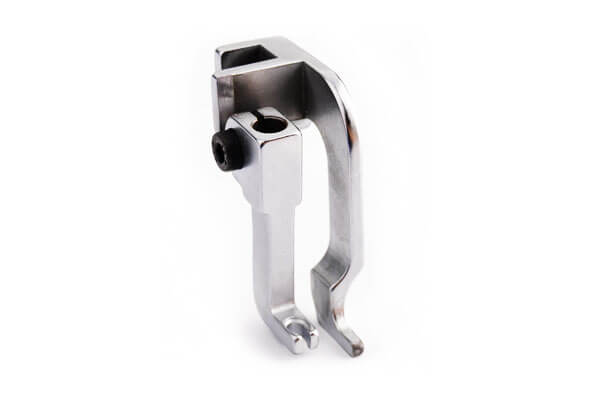
Automotive Exhaust Systems
Ավտոմոբիլային exhaust systems are among the most important applications for ferritic stainless steel.
Դասարաններ, ինչպիսիք են 409, 439, և 441 are commonly selected for exhaust manifolds, խողովակներ, catalytic-converter components, mufflers, and related heat-resistant parts.
The material must withstand:
- Repeated thermal cycling
- High exhaust-gas temperatures
- Օքսիդացում
- Condensate corrosion
- Vibration and mechanical fatigue
The relatively low coefficient of thermal expansion and good resistance to high-temperature oxidation make ferritic grades particularly suitable for this environment.
Կենցաղային տեխնիկա
430 Չժանգոտվող պողպատ is widely used in appliances because it combines corrosion resistance, Գրավիչ տեսք, Մագնիսական պահվածք, Առողջություն, and relatively low cost.
Typical products include:
- Refrigerator panels
- Dishwasher components
- Oven and range components
- Խոհանոցային սարքավորումներ
- Appliance trim
- Washing-machine components
Its magnetic nature can also be advantageous where magnetic attachment is required.
Heat Exchangers and Water-Heating Equipment
Stabilized ferritic grades such as 439 և 444 can provide an attractive combination of corrosion resistance and thermal performance.
Դրանք օգտագործվում են:
- Heat-exchanger components
- Water heaters
- Hot-water systems
- Cooling-water equipment
- Condensers
- Thermal processing equipment
The relatively high thermal conductivity and low thermal expansion of ferritic stainless steel can help improve thermal stability.
Architectural and Decorative Components
Ferritic stainless steel is also used for architectural applications where moderate corrosion resistance and surface appearance are required.
Բնորոշ դիմումները ներառում են:
- Interior wall panels
- Elevator panels
- Դեկորատիվ զարդարանք
- Ճարտարապետական երեսպատում
- Furniture components
- Kitchen and commercial interior equipment
Դասարաններ, ինչպիսիք են 430 can provide a good balance between surface appearance, Առողջություն, Կոռոզիոն դիմադրություն, եւ արժեքը.
Industrial and Chemical Equipment
Higher-chromium and molybdenum-bearing ferritic grades can be used in selected industrial environments where improved corrosion and oxidation resistance is required.
Օրինակ, 444 can be considered for certain hot-water and chloride-containing environments, while high-chromium grades such as 446 are suitable for elevated-temperature oxidation-resistant components.
Այնուամենայնիվ, ferritic stainless steel should not automatically be selected for highly aggressive chemical or marine environments.
The exact medium, ջերմաստիճան, chloride concentration, and corrosion mechanism must be evaluated before material selection.
11. Համեմատական վերլուծություն: Ferritic vs. Austenitic vs. Martensitic չժանգոտվող պողպատ
Ֆերիիտիկ, օստենիտիկ, and martensitic stainless steels represent three major stainless-steel metallurgical families.
Their differences originate primarily from բյուրեղյա կառուցվածքը, համաձուլվածքների քիմիա, փուլային կայունություն, and heat-treatment response, which in turn determine mechanical properties, Կոռոզիոն դիմադրություն, զոդում, Մագնիսական պահվածք, եւ բնորոշ ծրագրեր.
| Սեփականություն | Ferritic չժանգոտվող պողպատ | Austenitic չժանգոտվող պողպատ | Martensitic չժանգոտվող պողպատ |
| Typical grades | 409, 430, 439, 441, 444 | 304, 304Լ, 316, 316Լ, 321, 310 | 410, 420, 440Էունք, 440Բոց, 440Գ |
| Typical crystal structure at service temperature | BCC Ferrite | FCC Austenite | BCT/BCC martensitic structure կարծրացումից հետո |
| Typical Cr content | Մոտավորապես 10.5-30% | Մոտավորապես 16-26% | Մոտավորապես 11.5-18% |
| Typical Ni content | Ընդհանուր առմամբ very low or absent | Սովորաբար 8–20%+ | Ընդհանուր առմամբ ցածր, although some grades contain Ni |
| Carbon content | Generally low, particularly in modern grades | Very low to moderate; many low-carbon grades available | Generally higher than ferritic and austenitic grades |
| Մագնիսական վարքագիծ | Մագնիսական | Ընդհանուր առմամբ non-magnetic in the annealed condition; cold work can induce some magnetism | Մագնիսական |
| Heat treatment for hardening | Ընդհանուր առմամբ not hardenable by conventional quenching | Ընդհանուր առմամբ not hardenable by conventional quenching | Can be hardened by quenching and tempered |
Strength level |
Չափավոր; can be increased by cold working | Moderate in annealed condition; excellent work-hardening capability | High to very high after heat treatment |
| Կարծրություն | Generally moderate | Generally moderate | Moderate to very high, Կախված դասարանից եւ ջերմային բուժումից |
| Առաձգականություն | Չափավոր | Գերազանց | Generally lower, particularly in hardened condition |
| Կոշտություն | Չափավոր; low-temperature toughness can be limited | Գերազանց, including at low temperatures | Չափավոր; strongly dependent on carbon content and heat treatment |
| Կոռոզիոն դիմադրություն | Good to very good, depending on Cr/Mo content | Generally excellent, especially for 316/316L and higher-alloy grades | Չափավորից դեպի լավ; typically lower than austenitic grades |
| Pitting/crevice corrosion resistance | Good in high-Cr/Mo grades such as 444 | Very good to excellent in Mo-containing grades such as 316L | Generally moderate |
Mal երմային հաղորդունակություն |
Relatively high for stainless steel; սովորաբար շուրջը 20–30 W/m·K | Իջնել; սովորաբար շուրջը 14–16 W/m·K for common 304/316 դասարաններ | Generally around 20–30 W/m·K, Կախված դասարանից |
| Ջերմային ընդարձակման գործակիցը | Համեմատաբար ցածր; սովորաբար շուրջը 10–11 × 10⁻⁶/K | Համեմատաբար բարձր; սովորաբար շուրջը 16-17 × 10⁻⁶ / Կ համար 304/316 | Generally around 10–11 × 10⁻⁶/K |
| Եռակցման հնարավորություն | Moderate to good for low-C/stabilized grades; grain growth must be controlled | Generally excellent, particularly for 304L/316L | Generally limited compared with austenitic grades; preheating and post-weld treatment may be required |
| Առողջություն | Չափավոր; suitable for bending and many forming operations | Գերազանց, particularly for deep drawing and complex forming | Moderate to poor in hardened condition |
| Մեքենայություններ | Չափավոր; depends strongly on grade and work-hardening behavior | Չափավոր; work hardening can increase machining difficulty | Generally good in free-machining or annealed grades, but hardened grades are difficult to machine |
Աշխատանքի կարծրացում |
Relatively limited | Strong work hardening, especially in metastable grades | Limited compared with austenitic grades |
| Low-temperature performance | Limited by possible ductile-to-brittle transition | Excellent low-temperature toughness | Generally limited compared with austenitic grades |
| Բարձր ջերմաստիճանի օքսիդացման դիմադրություն | Լավ, particularly in high-Cr grades | Good to excellent depending on Cr/Ni content | Չափավորից դեպի լավ |
| Տիպիկ արտադրական ուղիներ | Շարժակազմ, դրոշմում, կռում, զոդում, կեղծում | Շարժակազմ, խորը նկարչություն, դրոշմում, tube production, զոդում | Rolling/forging followed by heat treatment, վերամբարձ, մանրացնել |
| Բնորոշ ծրագրեր | Ավտոմոբիլային արտաշնչում, սարք, ճարտարապետական վահանակներ, He երմափոխանակիչներ, water heaters | Քիմիական մշակում, Սննդի սարքավորումներ, Դեղագործական սարքավորումներ, խողովակներ, Press նշման անոթներ, -Արտարապետական կառույցներ | Դանակներ, Վիրաբուժական գործիքներ, փականներ, պոմպեր, լիսեռներ, Տուրբինային բաղադրիչներ, Հագուստի դիմացկուն մասեր |
Main advantage |
Good corrosion resistance with low alloy cost, magnetic response, low thermal expansion | Գերազանց կոռոզիոն դիմադրություն, առաձգականություն, կարծրություն, եւ զոդում | Բարձր կարծրություն, ուժ, and wear resistance after heat treatment |
| Հիմնական սահմանափակում | Lower low-temperature toughness and formability than austenitic grades | Higher alloy cost, higher thermal expansion, and generally non-magnetic behavior | Կոռոզիայի ստորին դիմադրություն, զոդում, and toughness than most austenitic grades |
| Լավագույնը հարմար է | Cost-sensitive corrosion-resistant components and thermally stable applications | Քայքայիչ, եռացած, highly formed, or low-temperature applications | High-strength and wear-resistant components requiring heat treatment |
12. Եզրափակում
Ferritic stainless steel is an important stainless-steel family that combines Կոռոզիոն դիմադրություն, Մագնիսական հատկություններ, relatively low thermal expansion, Լավ ջերմային հաղորդունակություն, եւ ծախսերի արդյունավետությունը.
Its predominantly ferritic BCC structure gives it a distinctive property profile compared with austenitic and martensitic stainless steels.
Հիմնական հավաքում
- Ferritic stainless steel բնութագրվում է ա Մարմնի կենտրոնացած խորանարդ (Բեկոր) կառուցվածք, magnetic behaviour, և low nickel content.
- Կոռոզիոն դիմադրություն is provided by chromium (10.5-30%); molybdenum and stabilizers (Է, Տզգոց) enhance performance.
- Դասարաններ range from standard grades (409, 430) to high-chromium grades (446) and stabilized grades (439, 441, 444).
- Հիմնական հատկությունները: Լավ կոռոզիոն դիմադրություն, մագնիսական, Բարձր ջերմային հաղորդունակություն, low thermal expansion, եւ լավ ձեւականություն.
- Սահմանափակումներ: Lower ductility, Ապխտած, սահմանափակ զոդում, and sensitisation risk.
- Դիմումներ: Ավտոմոբիլային արտանետում, սարք, ճարտարապետական, He երմափոխանակիչներ, Սննդի վերամշակում, եւ քիմիական վերամշակում.
- Առավելությունները: Ծախսարդյունավետ, SCC-resistant, մագնիսական, եւ վերամշակելի.
- Թերություններ: Սահմանափակ ամրություն ցածր ջերմաստիճանում, weldability issues, and lower corrosion resistance than austenitic grades.
For engineering applications, the correct approach is to evaluate the complete service environment—including ջերմաստիճան, corrosion exposure, mechanical loading, forming requirements, welding conditions, ծավալային պահանջներ, and expected service life.
When these factors are properly considered, ferritic stainless steel can provide a highly effective combination of performance, ամրություն, and manufacturing economy.
LangHe – Your Trusted Partner for Stainless Steel Precision Parts
LANGHE արդյունաբերություն is a highly specialized manufacturer of precision stainless steel components, delivering high-quality custom parts to industries ranging from industrial equipment and automotive to aerospace, Բժշկական սարքեր, and fluid handling systems.
With decades of hands-on experience in investment casting, ճշգրիտ CNC հաստոցներ, and comprehensive surface finishing,
LangHe provides an integrated manufacturing solution designed to reduce supply chain complexity and ensure consistent product quality.
LangHe is not merely a casting supplier; we are a full-service engineering partner.
From DFM analysis and rapid prototyping to production, He երմամշակում, եւ որակի ապահովում, we manage the entire manufacturing lifecycle.
Մեր ISO- ն 9001:2015 certified facility, in-house tooling capabilities, and rigorous inspection protocols—including CMM, Նիդ, and pressure testing—ensure that every component meets or exceeds international standards.
Կապվեք մեզ հետ այսօր to discuss your next project and discover how LangHe can bring your designs to life with precision, որակ, եւ արդյունավետություն.
ՀՏՀ
Is ferritic stainless steel magnetic?
Այո. Ferritic stainless steels are generally Ferromagnetic սենյակային ջերմաստիճանում because of their ferritic BCC structure.
This characteristic makes them suitable for applications where magnetic response is required.
Is ferritic stainless steel corrosion resistant?
Այո, but the level of corrosion resistance varies considerably between grades.
Դասարան 430 provides good resistance in many atmospheric and mildly corrosive environments,
while higher-alloy grades containing molybdenum, ինչպիսիք են 444, provide significantly better resistance to pitting and chloride-containing environments.
Is ferritic stainless steel better than austenitic?
Պարտադիր չէ, որ; it depends on the application.
Ferritic grades are better for applications requiring magnetic properties, Լավ ջերմային հաղորդունակություն, եւ դիմադրություն սթրեսային կոռոզիայից ճեղքմանը (Շալվար). They are also more cost-effective.
Austenitic grades offer superior corrosion resistance, better formability, and higher toughness at low temperatures.
What is the difference between ferritic and martensitic stainless steel?
Ferritic stainless steel is not hardenable by heat treatment and has a BCC structure.
Martensitic stainless steel can be hardened by heat treatment (Քանդելով եւ խառնվում) and has a body-centred tetragonal (Բկ) կառուցվածք. Martensitic grades have higher carbon content and higher hardness.
What is the DBTT of ferritic stainless steel?
Ferritic stainless steels exhibit a ductile-to-brittle transition temperature (Ապխտած) in the range of -50°C to +20°C.
Below this temperature, they become brittle and susceptible to fracture under impact loading. This limits their use in low-temperature applications.
How does ferritic stainless steel compare to carbon steel?
Ferritic stainless steel offers significantly better corrosion resistance than carbon steel due to its chromium content. It is also more expensive.
Այնուամենայնիվ, it shares some characteristics with carbon steel, such as being magnetic and having a BCC structure.
Can ferritic stainless steel be hardened?
Ոչ, ferritic stainless steel cannot be hardened by heat treatment. It can only be strengthened by cold working (Աշխատանքի կարծրացում).
This distinguishes it from martensitic grades, which can be hardened by quenching and tempering.