

In the field of materials engineering and structural design, few concepts are as fundamental—and as frequently misunderstood—as tensile strength and yield ուժ.
These two mechanical properties are the cornerstones of material selection, structural analysis, and failure prediction.
Դեռ, Ինժեներներ, դիզայներներ, and students often struggle to articulate the distinction between them and, more importantly, which one governs material failure in real-world applications.
The short answer is: both matter, but for different reasons and in different contexts.
Yield strength determines when a material begins to deform permanently, while tensile strength determines when it ultimately breaks.
The failure mode—whether by excessive deformation or catastrophic fracture—depends on the material, the application, and the design philosophy.
This article provides a comprehensive, rigorous examination of tensile strength and yield strength.
1. Understanding the Stress-Strain Relationship: The Foundation of Material Failure Analysis
Before comparing բերք տալ ուժ և Առաձգական ուժ, it is essential to understand the fundamental relationship between stress and strain.
Է stress-strain curve is one of the most important tools in mechanical engineering and materials science because it provides a complete picture of how a material responds when subjected to an external load.
Almost every engineering material undergoes some form of deformation when a force is applied.
The way a material deforms—whether it returns to its original shape, permanently changes shape, or fractures completely—depends on its internal structure, կազմ, Արտադրության գործընթաց, and loading conditions.
The Engineering Stress-Strain Curve
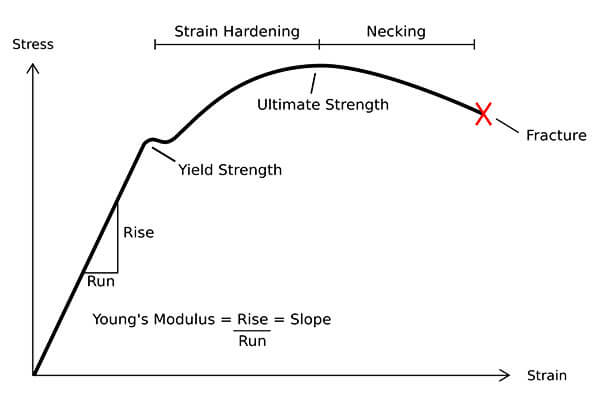
The stress-strain curve is obtained by subjecting a standardised test specimen to a steadily increasing tensile load while measuring the resulting elongation.
The curve is divided into distinct regions, each corresponding to a specific mechanical behaviour.
| Շրջան | Նյութի վարք | Ինժեներական նշանակություն |
| Elastic Region | The material deforms temporarily and returns to its original shape after the load is removed. | Stress is proportional to strain according to Hooke’s Law. The material remains undamaged. |
| Proportional Limit | The highest stress point where stress and strain maintain a linear relationship. | Defines the boundary of ideal elastic behavior. |
| Yield Region | The material begins to transition from elastic deformation to permanent plastic deformation. | Yield strength is determined at this stage and represents the beginning of permanent deformation. |
| Plastic Region | The material undergoes irreversible deformation and does not return to its original shape. | Plastic deformation occurs; strain hardening increases material resistance. |
Վերջնական առաձգական ուժ (Լարել) |
The material reaches its maximum load-carrying capacity. | Tensile strength is defined at this point. |
| Necking Region | Localized reduction in cross-sectional area occurs after UTS. | The specimen weakens locally before fracture. |
| Fracture Region | The material separates completely. | Represents final mechanical failure. |
Key Points on the Stress-Strain Curve
The major mechanical properties obtained from the stress-strain curve are summarized below:
| Հիմնական կետ | Սիմվոլ | Սահմանում | Ինժեներական նշանակություն |
| Proportional Limit | σPL | Maximum stress where stress remains directly proportional to strain. | Defines the limit of linear elastic behavior. |
| Elastic Limit | σEL | Maximum stress before permanent deformation begins. | Indicates the boundary between recoverable and permanent deformation. |
Բերք տալ ուժ |
σY | Stress at which plastic deformation starts. | Determines the allowable design stress for many engineering components. |
| Վերջնական առաձգական ուժ | σUTS | Maximum stress the material can withstand during tensile loading. | Indicates maximum load capacity before necking begins. |
| Fracture Strength | σF | Stress level at which the material breaks. | Represents final material failure. |
2. What Is Yield Strength?
Yield strength is one of the most important mechanical properties used to evaluate the load-bearing capability and reliability of engineering materials.
It defines the stress level at which a material changes from elastic deformation, where it can recover its original shape after unloading, դեպի Պլաստիկ դեֆորմացիա, where permanent deformation occurs.
Ինժեներական պրակտիկայում, yield strength is often considered the primary design limit because many components are considered to have failed once they experience unacceptable permanent deformation, even if they have not fractured.
Օրինակ, a steel support structure that bends permanently under load, a valve component that loses dimensional accuracy, or a pressure vessel that deforms beyond its allowable limit may still remain physically intact, but these conditions can significantly affect safety and performance.
Հետեւաբար, yield strength is not simply a measure of material strength—it represents the boundary between acceptable operation and irreversible mechanical damage.
Definition and Physical Meaning of Yield Strength
Բերք տալ ուժ (σY) is defined as the stress at which a material begins to undergo permanent plastic deformation.
Before reaching the yield point, the relationship between stress and strain remains approximately linear.
The material follows elastic behavior, meaning that once the external load is removed, the atoms return to their original positions and the component recovers its initial shape.
Այնուամենայնիվ, when the applied stress exceeds the yield strength, irreversible changes occur within the material structure.
Dislocations inside the crystal lattice begin to move, atomic layers slide relative to each other, and permanent deformation develops.
The behavior can be summarized as:
Elastic deformation → Yielding → Plastic deformation → Failure
The engineering stress applied to a material is calculated as:
σ=F/A₀
Որտեղ:
- էունք = engineering stress (MPA)
- Չալ = applied tensile force (Ն)
- A₀ = original cross-sectional area (մորդ)
The yield strength corresponds to the stress value where the material begins to deviate from purely elastic behavior.
Why Yield Strength Is Critical in Engineering Design
Although tensile strength represents the maximum stress a material can withstand before fracture, yield strength is usually more important for components that must maintain their shape and dimensional stability during service.
A component may not need to break to be considered failed. In many applications, permanent deformation itself represents a functional failure.
Օրինակ, in mechanical systems:
- A shaft that permanently bends may create misalignment and excessive vibration.
- A valve component that deforms may lose sealing performance.
- A precision-machined part that yields may no longer meet dimensional requirements.
- A structural member that plastically deforms may lose its designed load distribution capability.
Հետեւաբար, engineers typically design operating stresses below the yield strength using an appropriate safety factor.
Օրինակ, if a material has a yield strength of 500 MPa and the selected safety factor is 2, the maximum recommended design stress would be approximately 250 MPA.
How Yield Strength Is Determined
The method used to measure yield strength depends on the deformation characteristics of the material. Some materials exhibit a clear yield point, while others transition gradually from elastic to plastic behavior.
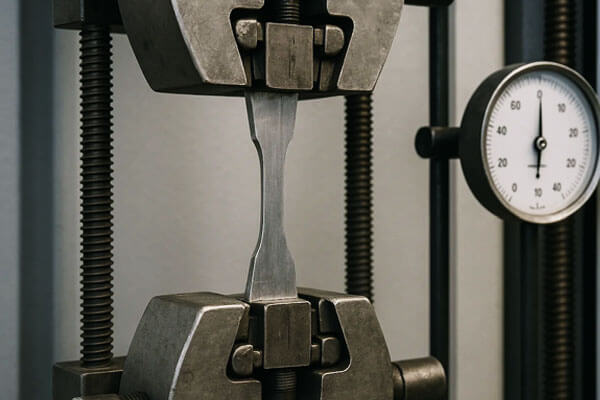
A tensile test is the standard method used to determine yield strength.
During testing, a standardized specimen is subjected to an increasing tensile load while the corresponding elongation is continuously measured.
The resulting stress-strain curve provides information about the material’s mechanical behavior.
The measurement method varies according to material type.
| Նյութի տեսակը | Մեթոդ | Նկարագրություն |
| Materials with a distinct yield point (օր., մեղմ պողպատ) | Direct measurement from the stress-strain curve. | Yield strength is the stress at the first point of deviation from linearity (the yield point). |
| Materials without a distinct yield point (օր., ալյումին, պղինձ) | 0.2% offset method | A line parallel to the elastic slope is drawn at 0.2% լարում; the intersection with the stress-strain curve defines the yield strength. |
| Materials with a yield plateau (օր., Low ածր ածխածնային պողպատ) | Upper and lower yield points. | The upper yield point is the peak before the plateau; the lower yield point is the plateau value. |
Է 0.2% Offset Yield Strength Method
Many engineering metals do not show a clearly defined yield point. Փոխարեն, they gradually transition from elastic deformation to plastic deformation.
Typical examples include:
- Ալյումինե խառնուրդներ
- Պղնձի խառնուրդներ
- Titanium համաձուլվածքներ
- High-strength stainless steels
For these materials, engineers commonly use the 0.2% offset yield strength method, հայտնի է նաեւ որպես 0.2% proof stress method.
The procedure involves:
- Identifying the linear elastic portion of the stress-strain curve.
- Drawing a line parallel to the elastic slope.
- Shifting this line by a strain value of 0.002 (0.2% permanent strain).
- Determining the intersection point between the offset line and the stress-strain curve.
The stress value at this intersection is defined as the yield strength.
This method provides a consistent engineering standard because it avoids uncertainty in materials where the transition into plastic deformation is gradual.
Typical Yield Strength Values of Common Engineering Materials
Yield strength varies significantly depending on alloy composition, He երմամշակում, Արտադրության գործընթաց, and material condition.
The following values represent typical room-temperature yield strengths for commonly used engineering materials.
| Նյութական | Typical Yield Strength (MPA) | Բնութագրեր |
| AISI 1018 Low ածր ածխածնային պողպատ | 220-370 | Widely used structural steel with good ductility and weldability |
| AISI 1045 Միջին ածխածնային պողպատ | 310-450 | Ավելի բարձր ուժ; heat-treated conditions provide improved performance |
| Չժանգոտվող պողպատ 304 (ջղաձգական) | 205-310 | Austenitic stainless steel with excellent corrosion resistance |
| 17-4PH Stainless steel H900 | 1,170-1,200 | Precipitation-hardening stainless steel with very high strength |
Ալյումին 6061-T6 |
240-260 | General-purpose heat-treated aluminum alloy |
| Ալյումին 7075-T6 | 460-500 | High-strength aerospace aluminum alloy |
| Brass C36000 | 240-340 | Excellent machinability with moderate strength |
| Annealed copper | 55-70 | Highly ductile but relatively low strength |
| Տիտան դասարան 5 (TI-6AL-4V) | 830-880 | Aerospace alloy with excellent strength-to-weight ratio |
| Մոխրագույն չուգուն | Not clearly defined | Brittle material with limited plastic deformation |
3. What Is Tensile Strength?
Tensile strength is one of the most widely used mechanical properties for evaluating a material’s ability to withstand pulling forces before failure.
It represents the maximum tensile stress that a material can sustain before necking begins and the load-carrying capability starts to decrease.
Unlike yield strength, which defines the beginning of permanent deformation, tensile strength describes the ultimate strength limit of a material under tensile loading.
It provides valuable information about the material’s resistance to fracture, its load-bearing capacity, and its overall mechanical performance.
In engineering applications, tensile strength is particularly important for components subjected to high tensile forces, ինչպիսիք են ամրացումները, cables, Press նշման բաղադրիչներ, կառուցվածքային անդամներ, and load-bearing mechanical parts.
Այնուամենայնիվ, tensile strength alone does not determine whether a material is suitable for a specific application.
A complete material evaluation must also consider yield strength, առաձգականություն, կարծրություն, Հոգնածության դիմադրություն, եւ շրջակա միջավայրի պայմանները.
Definition of Tensile Strength
Առաձգական ուժ, սովորաբար կոչվում է Վերջնական առաձգական ուժ (Լարել), is defined as the maximum engineering stress a material can withstand during a tensile test before the onset of localized deformation and eventual fracture.
It is represented as:
σUTS=F_max/A₀
Որտեղ:
- σUTS = ultimate tensile strength (MPa or psi)
- F_max = maximum load applied (N or lb)
- A₀ = original cross-sectional area (mm² or in²)
Հիմնական կետեր:
- The tensile strength is calculated using the original cross-sectional area, not the reduced area after necking.
- The true stress at fracture (which accounts for the reduced area) is higher than the engineering tensile strength.
- Tensile strength is a measure of resistance to fracture, not resistance to deformation.
Physical Meaning of Tensile Strength
From a material science perspective, tensile strength represents the ability of a material’s internal structure to resist separation under an applied tensile force.
When a tensile load is applied:
- Atomic bonds resist separation.
- Elastic deformation occurs first.
- Plastic deformation begins after yielding.
- The material continues to strengthen through strain hardening.
- Maximum strength is reached at the tensile strength point.
- Further deformation causes necking and fracture.
The difference between yield strength and tensile strength reflects the material’s ability to undergo plastic deformation before failure.
Ձեռք բերող նյութերի համար:
σY<σUTS
The larger the difference between yield strength and tensile strength, the greater the material’s ability to deform plastically before breaking.
How Tensile Strength Is Measured
Tensile strength is determined through a standardized tensile test.
The typical testing procedure includes:
- Preparing a standardized specimen with known dimensions.
- Mounting the specimen in a universal testing machine.
- Applying a gradually increasing tensile force.
- Measuring elongation and applied load continuously.
- Calculating engineering stress and strain.
- Identifying the maximum stress point on the stress-strain curve.
Common testing standards include:
- Ասթմա E8 / E8M — Standard Test Methods for Tension Testing of Metallic Materials
- ISO 6892-1 — Tensile Testing of Metallic Materials
Typical Tensile Strength Values of Common Engineering Materials
Different materials exhibit significantly different tensile strength levels.
| Նյութական | Տիպիկ առաձգական ուժ (MPA) | Բնութագրեր |
| Low-carbon steel AISI 1018 | 370–440 | General structural steel with good ductility |
| Medium-carbon steel AISI 1045 | 570-700 | Higher strength mechanical steel |
| Չժանգոտվող պողպատ 304 | 500-750 | Corrosion-resistant austenitic stainless steel |
| 17-4PH stainless steel H900 | 1,300-1,400 | High-strength precipitation-hardening stainless steel |
Ալյումին 6061-T6 |
300-320 | Lightweight structural aluminum alloy |
| Ալյումին 7075-T6 | 530-570 | Aerospace-grade high-strength aluminum |
| Brass C36000 | 340-470 | Excellent machinability and moderate strength |
| Copper annealed | 200-250 | Highly conductive and ductile |
| Տիտան դասարան 5 TI-6AL-4V | 900-950 | High-performance aerospace alloy |
| Մոխրագույն չուգուն | 150-350 | Brittle material with limited tensile capability |
4. Key Differences Between Yield Strength and Tensile Strength
Yield strength and tensile strength are two fundamental mechanical properties used to describe how a material responds to tensile loading.
Although both are obtained from the stress-strain curve, they represent different stages of material behavior and different definitions of failure.
The essential difference is:
- Yield strength defines the point where a material begins to deform permanently.
- Առաձգական ուժ (Վերջնական առաձգական ուժ, Լարել) defines the maximum stress a material can withstand before necking and eventual fracture occur.
In engineering design, yield strength is usually associated with functional failure, while tensile strength is associated with ultimate structural failure.
A component may still be physically intact after exceeding its yield strength, but it may no longer meet dimensional, գործառնական, or safety requirements.
Comparison Between Yield Strength and Tensile Strength
| Չափանիշ | Բերք տալ ուժ | Առաձգական ուժ (Լարել) |
| Սահմանում | The stress at which permanent plastic deformation begins | The maximum stress a material can withstand before the onset of necking and fracture |
| Սիմվոլ | σY | σUTS |
| Position on stress-strain curve | Located at the end of the elastic region and the beginning of plastic deformation | Represents the highest point of the engineering stress-strain curve |
| Material behavior | Indicates the transition from elastic behavior to irreversible deformation | Indicates the maximum load-carrying capability before material degradation begins |
| Engineering significance | Determines when a component will permanently change shape | Determines the ultimate strength limit before fracture |
Primary failure mode |
Պլաստիկ դեֆորմացիա, ծավալային փոփոխություն, աղավաղում, սխալ տեղորոշում | Պարանոց, ճաքի տարածում, and complete fracture |
| Design philosophy | Prevent permanent deformation and maintain functional integrity | Prevent catastrophic rupture and ensure structural safety |
| Physical meaning | Resistance to the initiation of plastic flow | Resistance to complete separation under tensile loading |
| Typical measurement method | Direct yield point measurement or 0.2% offset method | Maximum applied load divided by original cross-sectional area |
| Design application | Primary design criterion for most structural and mechanical components | Important for fracture-critical and high-load applications |
| Typical safety factor basis | Commonly used for allowable stress calculations (typically 1.5–2.0 depending on application) | Used for evaluating ultimate failure conditions (often higher safety margins for critical components) |
Tensile Strength-to-Yield Strength Ratio of Different Materials
| Առաձգական ուժ / Yield Strength Ratio | Նյութի վարք | Բնորոշ նյութեր | Բնութագրեր |
| Մոտավորապես 1.0 | Brittle behavior | Մոխրագույն չուգուն, Կերամիկա, ապակու | Little or no plastic deformation; failure occurs shortly after elastic limit |
| 1.5-2.0 | Ductile behavior | Low ածր ածխածնային պողպատ, Ալյումինե խառնուրդներ, Չժանգոտվող պողպատներ | Significant plastic deformation before fracture; provides warning before failure |
| Greater than 2.0 | Highly ductile behavior | Annealed copper, Որոշ պոլիմերներ | Large deformation capacity; high energy absorption before fracture |
5. Which Metric Determines Material Failure?
Determining whether բերք տալ ուժ կամ Առաձգական ուժ controls material failure is not a simple question with a single answer.
In engineering, the definition of failure depends on the function of the component, the type of loading, the material behavior, and the consequences of damage.
A common misunderstanding is that a material “fails” only when it breaks. Իրականում, engineering failure can occur long before fracture.
A component that has permanently deformed, lost dimensional accuracy, or can no longer perform its intended function is already considered failed, even if the material remains physically continuous.
Հետեւաբար, the most accurate interpretation is:
Yield strength determines the beginning of irreversible damage and functional failure, while tensile strength determines the ultimate limit before structural fracture.
For most ductile metal components, yield strength is the primary design criterion because preventing permanent deformation is usually more important than reaching the maximum possible strength of the material.
Այնուամենայնիվ, in fracture-critical applications, tensile strength becomes a key parameter for preventing catastrophic failure.
Understanding Failure: Yielding vs Fracture
Material failure under tensile loading generally occurs through two different mechanisms: plastic deformation failure և fracture failure.
Yield Failure: When a Component Loses Its Intended Function
Yield failure occurs when the applied stress exceeds the material’s yield strength.
Այս պահին, the material enters the plastic deformation region, meaning that it will no longer return completely to its original shape after the load is removed.
The component may continue to carry additional loads because the material has not yet reached its ultimate strength. Այնուամենայնիվ, the permanent deformation may already make the component unsuitable for service.
Օրինակ, consider a precision-machined shaft used in industrial equipment.
If the shaft experiences stress above its yield strength, it may permanently bend. Although it has not fractured, the deformation can cause:
- Misalignment between rotating components
- Increased vibration
- Premature bearing wear
- Reduced operational accuracy
Նմանապես, a valve component may remain intact after yielding but lose its sealing performance because of dimensional changes.
In these situations, the component has experienced engineering failure, even though tensile strength has not been reached.
Fracture Failure: When the Material Loses Structural Integrity
Fracture failure occurs when the material reaches its ultimate tensile capacity and can no longer sustain increasing loads.
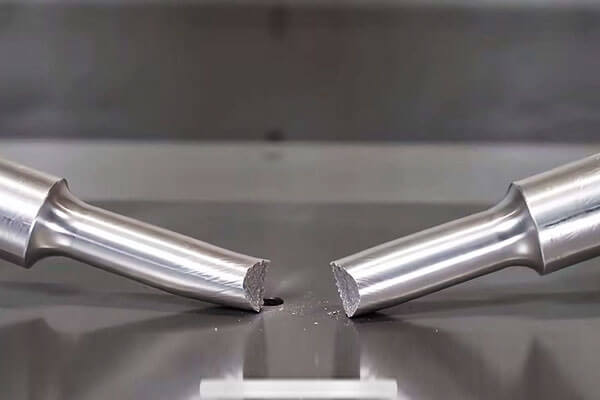
During a tensile test, the material first reaches its maximum stress value, known as the ultimate tensile strength (Լարել). After this point, localized deformation called necking begins.
The cross-sectional area decreases rapidly in a specific region, reducing the material’s ability to carry load.
The failure process typically involves:
- Maximum tensile stress is reached.
- Localized necking develops.
- Internal defects or cracks grow.
- The remaining cross-section becomes insufficient.
- Final fracture occurs.
In applications such as lifting cables, Կառուցվածքային ամրացումներ, եւ օդանավերի բաղադրիչներ, fracture represents the most serious type of failure because it can occur suddenly and cause catastrophic consequences.
Why Yield Strength Usually Controls Engineering Design
For most structural and mechanical applications, engineers design components to operate below the yield strength rather than below tensile strength.
The reason is that permanent deformation can compromise performance even when the component retains significant residual strength.
The relationship for ductile metals is usually:
σY<σUTS
This means that a material can continue carrying additional load after yielding begins.
Այնուամենայնիվ, allowing a component to enter the plastic region is generally unacceptable because the original design assumptions are no longer valid.
Common consequences of yielding include:
Loss of Dimensional Accuracy
Precision components often require strict dimensional control. Even small permanent deformation can affect assembly accuracy and performance.
Reduced Fatigue Life
Plastic deformation introduces residual stresses and microstructural changes that may accelerate fatigue crack initiation.
Loss of Safety Margin
Once yielding occurs, the remaining strength margin before fracture is reduced.
Այս պատճառով, engineering design standards commonly use yield strength as the basis for allowable stress calculations.
When Tensile Strength Becomes the Critical Failure Criterion
Although yield strength controls many engineering designs, tensile strength becomes the dominant consideration when the primary requirement is preventing complete rupture.
This is particularly important in applications where failure could lead to immediate safety hazards.
High-Tension Components
Բաղադրիչներ, ինչպիսիք են:
- Suspension cables
- Wire ropes
- High-strength bolts
- Anchoring systems
are designed primarily to withstand large tensile forces.
For these applications, the main concern is not whether the component slightly deforms, but whether it can continue carrying the required load without breaking.
Փխրուն նյութեր
Tensile strength is also more important for brittle materials because they exhibit little or no plastic deformation before fracture.
Օրինակները ներառում են:
- Մոխրագույն չուգուն
- Կերամիկա
- Ապակու
Unlike ductile metals, brittle materials generally do not have a clearly defined yield point. Their stress-strain curves show an almost entirely elastic response followed by sudden fracture.
For these materials:
- Yield strength may not be meaningful.
- Tensile strength provides a better indication of failure resistance.
- Fracture toughness becomes an important additional property.
Why Strength Alone Does Not Define Failure
Although yield strength and tensile strength are fundamental mechanical properties, real-world failures often occur through other mechanisms.
Fatigue Failure
Many components fail after repeated loading cycles even when the applied stress remains below the yield strength.
Typical examples include:
- Rotating shafts
- Aircraft structures
- Շարժիչի բաղադրիչները
Fatigue failure depends on:
- Stress cycles
- Մակերեւութային թերություններ
- Material microstructure
- Մնացորդային սթրեսներ
Creep Failure
Բարձրացված ջերմաստիճանում, materials may slowly deform under constant stress.
This is critical for:
- Տուրբինային բաղադրիչներ
- Կաթսաներ
- High-temperature pressure equipment
Այս դեպքերում, creep strength and stress rupture properties are more important than room-temperature tensile strength.
Environmental Failure
Material performance can also be reduced by environmental conditions.
Օրինակները ներառում են:
- Կոռոզիիոն
- Ջրածնի փխրունություն
- Սթրեսի կոռոզիայից ճեղքումը
A material with excellent tensile properties may still fail prematurely if it lacks sufficient environmental resistance.
6. Yield Strength vs Tensile Strength in Different Materials
Ձեռքի նյութեր (Պողպատե, Ալյումին, Պղնձ)
| Նյութական | Բերք տալ ուժ (MPA) | Առաձգական ուժ (MPA) | Ratio (UTS/Yield) | Ձախողման ռեժիմ |
| Low ածր ածխածնային պողպատ (1018) | 220-370 | 370-440 | 1.2-1.7 | Yielding first; then work hardening; necking; կոտրվածք. |
| Չժանգոտվող պողպատ (304) | 205-310 | 515-720 | 1.7-2.5 | Yielding; significant ductility; necking; կոտրվածք. |
| Ալյումին (6061-T6) | 240-260 | 290-310 | 1.1-1.3 | Սահմանափակ ճկունություն; yielding then fracture. |
| Պղնձ (ջղաձգական) | 55-70 | 210-240 | 3.0-4.0 | Very ductile; large plastic deformation; necking; կոտրվածք. |
Failure criterion: Ձեռք բերող նյութերի համար, բերք տալ ուժ typically governs serviceability (դեֆորմացիա), մինչդեռ Առաձգական ուժ governs ultimate safety (կոտրվածք). Designers must consider both.
Փխրուն նյութեր (Չուգուն, Կերամիկա, Ապակու)
| Նյութական | Բերք տալ ուժ (MPA) | Առաձգական ուժ (MPA) | Ratio (UTS/Yield) | Ձախողման ռեժիմ |
| Մոխրագույն չուգուն | No yield | 150-350 | ~ 1.0 | Fractures without significant plastic deformation. |
| Կերամիկա (ալյումինա) | No yield | 200-400 | ~ 1.0 | Փխրուն կոտրվածք; no yielding. |
| Ապակու | No yield | 50-100 | ~ 1.0 | Sudden fracture; no warning. |
Failure criterion: For brittle materials, Առաձգական ուժ is the only meaningful metric. The material will fail by fracture shortly after the elastic limit is exceeded.
High-Strength Alloys (17-4PH, Տիտղոս)
| Նյութական | Բերք տալ ուժ (MPA) | Առաձգական ուժ (MPA) | Ratio (UTS/Yield) | Ձախողման ռեժիմ |
| Stainless steel 17-4PH | 1,170-1,200 | 1,310-1,370 | 1.1-1.2 | Limited plastic deformation; fracture occurs shortly after yielding. |
| Titanium Ti-6Al-4V | 830-880 | 900-1,000 | 1.1-1.2 | Սահմանափակ ճկունություն; yielding then fracture. |
Failure criterion: For high-strength alloys with limited ductility, both metrics կարեւոր են.
The material has little plastic deformation, so the design must consider both the onset of yielding and the ultimate fracture strength.
7. Common Misconceptions and Evidence-Based Clarifications
7.1 Myth: Tensile strength is always more important than yield strength.
Փաստ: This is not true. For most structural applications, բերք տալ ուժ is the primary design criterion because it determines when the part will permanently deform.
Tensile strength is important for safety, but yielding is the serviceability limit.
Evidence: In structural steel design (օր., AISC, Eurocode), the design is based on the yield strength (or a fraction of it). Tensile strength is used for ultimate load checks.
7.2 Myth: Yield strength and tensile strength are the same for all materials.
Փաստ: This is only true for perfectly brittle materials (օր., Կերամիկա, ապակու), which have no plastic deformation. Ձեռք բերող նյութերի համար, the two values are significantly different.
Evidence: Mild steel has a yield strength of ~250 MPa and a tensile strength of ~400 MPa—a 60% difference.
7.3 Myth: A material with a high tensile strength is always stronger than one with a high yield strength.
Փաստ: “Stronger” depends on the definition of strength. If “strength” means resistance to permanent deformation, yield strength is the appropriate measure.
If “strength” means resistance to fracture, tensile strength is the appropriate measure.
Evidence: A material with a high tensile strength but low yield strength (օր., Որոշ պոլիմերներ) may deform permanently under low loads but resist fracture well.
7.4 Myth: Yield strength determines when a material breaks.
Փաստ: Yield strength determines when a material deforms permanently, not when it breaks. Breaking (կոտրվածք) occurs at the tensile strength (or at the fracture point after necking).
Evidence: A steel beam may yield (permanently sag) մոտ 250 MPa but will not break until the stress reaches ~400 MPa.
7.5 Myth: Tensile strength is the maximum stress a material can withstand without permanent deformation.
Փաստ: This is incorrect. Բերք տալ ուժ is the maximum stress without permanent deformation. Առաձգական ուժ is the maximum stress without fracture.
Evidence: The stress-strain curve clearly shows that the yield point occurs well before the tensile strength.
8. Improving Material Strength: How Manufacturers Increase Yield and Tensile Strength
Improving the mechanical strength of engineering materials is one of the primary objectives of modern materials science and manufacturing.
By modifying a material’s Քիմիական կազմ, Միկրոկառուցվածք, and processing conditions, manufacturers can significantly increase both բերք տալ ուժ և Առաձգական ուժ to meet demanding application requirements.
Overview of Material Strengthening Methods
Different strengthening mechanisms affect yield strength and tensile strength in different ways. The following table summarizes the major approaches used in industrial manufacturing.
| Strengthening Method | Մեխանիզմ | Effect on Yield Strength | Effect on Tensile Strength |
| Խառնուրդ | Adding alloying elements such as Cr, Մեջ, Ժամանակ, Վիճակ, Մգոհել, Մգ, and Zn to modify the material matrix | Աճում է | Աճում է |
| He երմամշակում | Changing microstructure through processes such as quenching, մեռած, Լուծման բուժում, եւ ծերացում | Significantly increases | Աճում է |
| Սառը աշխատող (Աշխատանքի կարծրացում) | Plastic deformation increases dislocation density and restricts further deformation | Զգալիորեն ավելանում է | Աճում է, but reduces ductility |
| Հացահատիկի կատարելագործում | Reducing grain size improves resistance to dislocation movement through the Hall–Petch effect | Աճում է | Աճում է |
Տեղումների կարծրացում |
Formation of fine precipitates that block dislocation movement | Significantly increases | Աճում է |
| Կոշտ լուծույթի ամրացում | Dissolved alloying atoms distort the crystal lattice and hinder deformation | Աճում է | Աճում է |
| Combined processing | Combining cold working, He երմամշակում, and aging to optimize microstructure | Significantly increases | Աճում է |
He երմամշակում: The Most Effective Method
Heat treatment is the most common and effective way to increase both yield and tensile strength. The effect depends on the material and the treatment.
| He երմամշակում | Effect on Yield Strength | Effect on Tensile Strength | Ազդեցությունը ճկունության վրա |
| Մարսած + մեռած (պողպատ) | Significantly increases | Աճում է | Decreases |
| Տեղումների կարծրացում (17-4PH) | Significantly increases | Աճում է | Decreases |
| Լուծում Օծողավորում | Decreases (softens the material) | Decreases (softens the material) | Աճում է |
| Սառը աշխատող (Լարում կարծրացում) | Աճում է | Աճում է | Decreases |
Key insight: There is a արտադրանքի վաճառք between strength and ductility. Increasing yield and tensile strength typically reduces ductility (երկարացում).
Engineers must balance these properties based on the application requirements.
9. Practical Examples: Yield Strength or Tensile Strength?
Օրինակ 1: Steel Beam in a Building
| Պարամետր | Արժեք | Design Criterion |
| Նյութական | ASTM A992 steel | Մի քիչ |
| Բերք տալ ուժ | 345 MPA | Բերք տալ ուժ (serviceability) |
| Առաձգական ուժ | 450 MPA | Առաձգական ուժ (ultimate safety) |
| Design stress | 0.6 × 345 Սուտ 207 MPA | Based on yield strength with safety factor. |
Why yield strength governs: The beam must not sag permanently under normal service loads. Yielding would cause misalignment and serviceability issues.
Օրինակ 2: Pressure Vessel
| Պարամետր | Արժեք | Design Criterion |
| Նյութական | Stainless steel 316L | Մի քիչ |
| Բերք տալ ուժ | 205 MPA | Բերք տալ ուժ (serviceability) |
| Առաձգական ուժ | 485 MPA | Առաձգական ուժ (ultimate safety) |
| Design stress | 0.6 × 205 Սուտ 123 MPA | Based on yield strength; a higher safety factor is applied to tensile strength for burst pressure. |
Why both metrics matter: Yielding would cause wall thinning and potential rupture.
The vessel is designed to remain elastic under normal pressure (բերք տալ ուժ) and to withstand burst pressure (Առաձգական ուժ).
Օրինակ 3: Bolt in a Joint
| Պարամետր | Արժեք | Design Criterion |
| Նյութական | Դասարան 8.8 steel bolt | Մի քիչ |
| Բերք տալ ուժ | 640 MPA | Բերք տալ ուժ (preload) |
| Առաձգական ուժ | 800 MPA | Առաձգական ուժ (overload) |
| Preload | 0.7 × 640 Սուտ 448 MPA | Based on yield strength to prevent permanent deformation. |
Why yield strength governs: The bolt must maintain preload without yielding. Yielding would cause loss of clamping force and joint failure.
Օրինակ 4: Glass Window
| Պարամետր | Արժեք | Design Criterion |
| Նյութական | Soda-lime glass | Մի քիչ |
| Բերք տալ ուժ | No yield (փխրուն) | Մի քիչ |
| Առաձգական ուժ | 50-100 MPA | Առաձգական ուժ (only criterion) |
| Design stress | 0.3 × 50 Սուտ 15 MPA | Based on tensile strength with a large safety factor. |
Why tensile strength governs: Glass is brittle and does not yield. The design must ensure that the stress never approaches the tensile strength to avoid sudden fracture.
10. Եզրափակում
Neither yield strength nor tensile strength universally determines material failure — each corresponds to a distinct failure mode, and their relevance depends on the definition of failure for the specific application.
Yield strength marks the boundary of functional failure: the point at which permanent deformation renders a component unfit for its intended purpose.
Tensile strength marks the boundary of catastrophic failure: the point at which the material physically fractures and loses all load-bearing capacity.
Sound material selection requires understanding both metrics, their physical origins and their practical implications.
The best engineered components are designed to operate well below yield under normal conditions while retaining sufficient tensile strength margin to survive unexpected overloads.
Recognizing the difference between these two failure modes — and designing accordingly — is a core competency of reliable, cost-effective mechanical engineering.
ՀՏՀ
Can yield strength be higher than tensile strength?
Ոչ. The yield strength is always lower than the tensile strength for ductile materials.
For brittle materials, the two are approximately equal (or tensile strength is slightly higher). It is physically impossible for yield strength to exceed tensile strength.
Ինչ է 0.2% offset method?
Է 0.2% offset method is used to define the yield strength for materials that do not have a clear yield point (օր., ալյումին, պղինձ).
A line parallel to the elastic slope is drawn at 0.2% լարում, and the intersection with the stress-strain curve gives the yield strength.
What is the difference between engineering stress and true stress?
Engineering stress is calculated using the original cross-sectional area.
True stress is calculated using the instantaneous cross-sectional area (which decreases during necking). True stress is higher than engineering stress, especially after necking begins.

