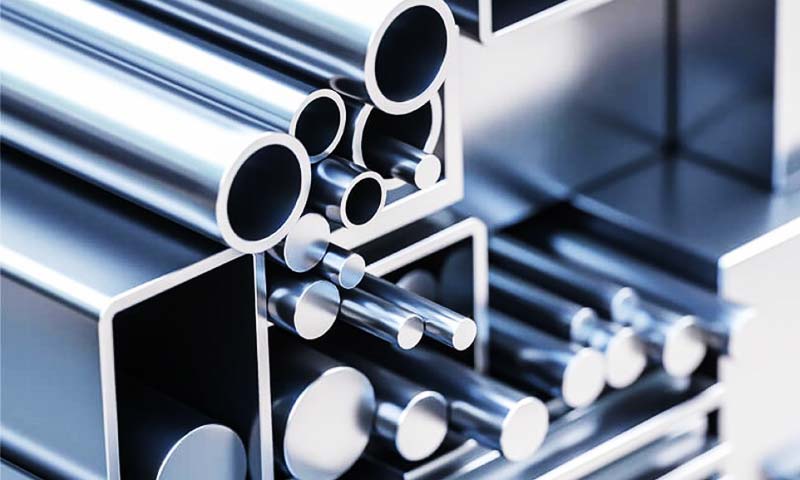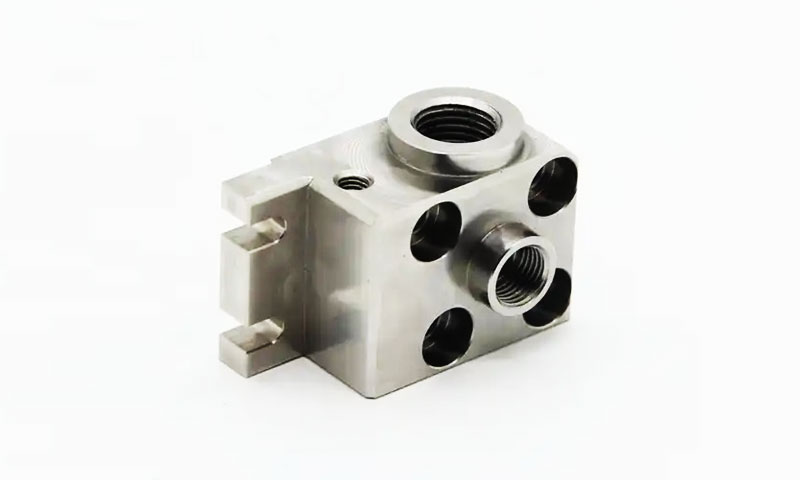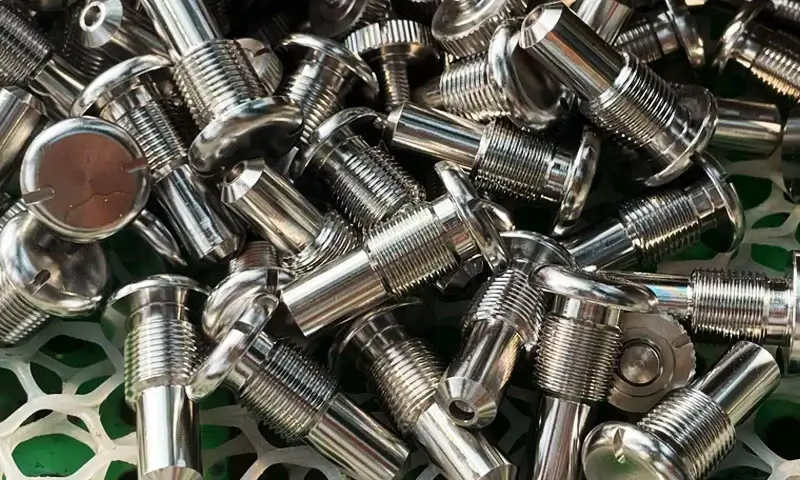
Among all stainless steel families, Austenitic չժանգոտվող պողպատ is the most extensively used and commercially significant category, accounting for more than half of global stainless steel production.
It is recognized for its exceptional corrosion resistance, Գերազանց զոդում, ակնառու ճկունություն, superior toughness, and remarkable performance in both high-temperature and cryogenic environments.
The unique properties of austenitic stainless steel originate from its special metallurgical structure.
Unlike ferritic or martensitic stainless steels, austenitic stainless steel maintains a Դեմքի կենտրոնացած խորանարդ (FCC) բյուրեղյա կառուցվածքը Սենյակների ջերմաստիճանում.
This structure provides excellent plastic deformation capability and prevents brittle failure, making it suitable for applications requiring complex forming, զոդում, and reliable operation under severe conditions.
Common grades such as 304, 316, 321, և 347 Չժանգոտվող պողպատ have become industry standards, while advanced grades including 904Լ, 254 Մենք, and other super austenitic stainless steels are engineered for highly corrosive environments.
1. What Is Austenitic Stainless Steel?
Օստենիտիկ Չժանգոտվող պողպատ is the largest and most widely used family of stainless steels, characterized by a stable Դեմքի կենտրոնացած խորանարդ (FCC) բյուրեղյա կառուցվածքը, known metallurgically as Օստենիտ (γ-phase).
This unique microstructure is maintained at room temperature through the addition of austenite-stabilizing alloying elements, primarily նիկել (Մեջ), along with elements such as մանգան (Ժլատ), ազոտ (Ն), եւ ածխածնի (Գ).
Unlike pure iron, where austenite exists only at elevated temperatures, austenitic stainless steels are engineered through alloying to retain the austenitic phase over a wide temperature range, including ambient and cryogenic conditions.
This stable austenitic structure is the fundamental reason these materials exhibit their outstanding combination of corrosion resistance, առաձգականություն, կարծրություն, զոդում, and fabrication capability.
Տերմինը “austenitic” does not refer to a specific chemical composition but rather to the dominant metallurgical phase and crystal structure of the alloy.
In pure iron, the transformation from ferrite (α-փուլ, body-centered cubic structure) to austenite (γ-phase, FCC կառուցվածքը) occurs at approximately 912° C.
Այնուամենայնիվ, the addition of nickel and other austenite-forming elements expands the stability range of the FCC phase, allowing austenite to remain stable at room temperature and even under extremely low-temperature service conditions.
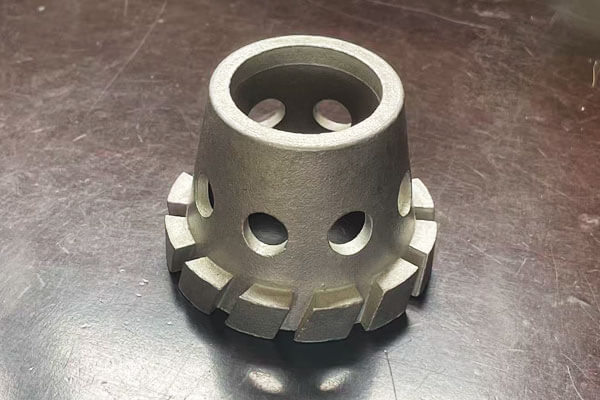
Key defining features of austenitic stainless steel:
- Face‑centred cubic (FCC) բյուրեղյա կառուցվածքը—provides excellent ductility, կարծրություն, եւ զբաղվածություն.
- High chromium content (16‑26%)—provides corrosion resistance through a self‑healing passive oxide layer.
- High nickel content (6‑22%)—stabilises the austenitic structure, Բարելավում է կոռոզիոն դիմադրությունը, and enhances low‑temperature toughness.
- Non‑magnetic (հալված վիճակում)—unlike ferritic and martensitic stainless steels, austenitic grades are essentially non‑magnetic.
- Չի կարծրանում ջերմային մշակմամբ—strength can only be increased by cold working (Աշխատանքի կարծրացում).
- Գերազանց զոդում—most grades are readily weldable, with low‑carbon grades (L grades) specifically designed to resist sensitisation.
2. Chemical Composition of Austenitic Stainless Steel
The performance of austenitic stainless steels is determined by their precise chemical composition.
The following table summarises the typical composition ranges for the most common elements and their functions.
| Տարր | Բնորոշ տիրույթ (wt%) | Գործառույթ |
| Քրոմ (Խուզարկու) | 16‑26 | Forms the passive chromium oxide (Cr₂o) film that provides corrosion resistance. Increased Cr improves resistance to oxidising acids and high‑temperature oxidation. |
| Նիկել (Մեջ) | 6‑22 | Stabilises the austenitic structure Սենյակների ջերմաստիճանում; Բարելավում է կոռոզիոն դիմադրությունը (especially in reducing acids); enhances low‑temperature toughness; reduces work‑hardening rate. |
| Մոլիբդեն (Ժամանակ) | 0‑7 | Բարելավում է դիմադրությունը փոսին եւ ծալքավոր կոռոզիայից, especially in chloride‑containing environments; increases high‑temperature strength. |
| Մանգան (Ժլատ) | ≤2.0 | Deoxidiser; stabilises austenite in some grades (օր., 200 շարք); բարելավում է տաք աշխատունակությունը. |
Սիլիկոն (Մի քանազոր) |
≤1.0 | Deoxidiser; Բարելավում է օքսիդացման դիմադրությունը. |
| Ածխածնային (Գ) | ≤0.08 (ստանդարտ) <0.03 (L grades) | Strengthens the alloy but can reduce corrosion resistance by forming chromium carbides (sensitisation). Low ածր ածխածնի դասարաններ (304Լ, 316Լ) minimise sensitisation. |
| Ազոտ (Ն) | 0‑0.25 | Ամրապնդում է austenite- ը; Բարելավում է փարթամ դիմադրությունը; stabilises the austenitic structure. |
| Պղնձ (Մգոհել) | 0‑3 | Improves resistance to reducing acids (Հատկապես ծծմբաթթու); enhances formability. |
| Տիտղոս (Է) / Նիբիում (Տզգոց) | ≤1.0 | Stabilisers—prevent sensitisation by forming carbides preferentially with carbon, leaving chromium in solution. |
Key Compositional Relationships
- Chromium equivalent vs. Nickel equivalent: The balance between ferrite‑stabilising elements (Խուզարկու, Ժամանակ, Մի քանազոր) and austenite‑stabilising elements (Մեջ, Ժլատ, Ն, Մգոհել) determines whether the microstructure is fully austenitic or contains some ferrite.
- Փայտ (Pitting դիմադրության համարժեք համարը): An empirical formula used to compare the pitting resistance of stainless steels:
Վերցրեք =% cr + 3.3 × %Mo + 16 × %N
Higher PREN values indicate better resistance to pitting and crevice corrosion in chloride environments.
| Դասարան | Փայտ (Մոտավոր:) | Կոռոզիոն դիմադրություն |
| 304 | 19 | Լավ |
| 316 | 26 | Ավելի լավ |
| 904Լ | 34‑38 | Գերազանց |
| Superaustenitic (օր., 6‑Mo alloys) | >40 | Բացառիկ |
3. Major Types and Grades of Austenitic Stainless Steel
Austenitic stainless steels represent the largest and most widely used category of stainless steel, containing numerous grades developed to meet different requirements for corrosion resistance, Մեխանիկական ուժ, ջերմաստիճանի հնարավորություն, զոդում, and fabrication performance.
Standard Austenitic Stainless Steel Grades (300 Շարք)
Է 300 շարք is the most recognized family of austenitic stainless steels.
These grades typically contain chromium and nickel as their primary alloying elements, providing an excellent balance of corrosion resistance, Մեխանիկական հատկություններ, զոդում, եւ ծախսերի արդյունավետությունը.
Common 300-Series Austenitic Stainless Steel Grades
| Դասարան | ԱՄՆ նշանակումը | Approximate Composition | Հիմնական բնութագրերը | Բնորոշ ծրագրեր |
| 304 | S30400 | 18% Խուզարկու, 8% Մեջ | The most widely used austenitic stainless steel; Գերազանց կոռոզիոն դիմադրություն, Առողջություն, զոդում, and cost-performance balance | Սննդի վերամշակման սարքավորումներ, Խոհանոցային սարքավորումներ, Demild արտարապետական բաղադրիչներ, ավտոպահեստամասեր, general industrial applications |
| 304Լ | S30403 | 18% Խուզարկու, 8% Մեջ, low C ≤0.03% | Low-carbon version of 304; minimizes chromium carbide precipitation and improves corrosion resistance after welding | Եռակցված կառույցներ, Սննդի սարքավորումներ, chemical processing equipment, Press նշման անոթներ |
| 316 | S31600 | 16-18% CR, 10-14% -ով, 2-3% MO | Addition of molybdenum significantly improves resistance to chloride-induced pitting and crevice corrosion | Ծովային սարքավորումներ, chemical processing systems, Դեղագործական սարքավորումներ, Բժշկական սարքեր |
316Լ |
S31603 | 16-18% CR, 10-14% -ով, 2-3% MO, ցածր գ | Low-carbon version of 316; superior weldability and resistance to intergranular corrosion | Pharmaceutical tanks, marine structures, welded piping systems, Օֆշորային սարքավորումներ |
| 321 | S32100 | 17–19% Cr, 9–12% Ni, Կայունացված | Titanium stabilization prevents chromium carbide precipitation; maintains corrosion resistance after high-temperature exposure | He երմափոխանակիչներ, aircraft exhaust systems, Վառարանների բաղադրիչներ, high-temperature piping |
| 347 | S34700 | 17–19% Cr, 9–13% Ni, Nb stabilized | Niobium stabilization improves resistance to sensitization and enhances high-temperature creep strength | Ավիատիեզերական բաղադրիչներ, power generation equipment, high-temperature chemical processing systems |
309 |
S30900 | 22–24% Կր, 12–15% Ni | Higher chromium and nickel content provides improved oxidation resistance at elevated temperatures | Վառարանների մասեր, combustion equipment, heat treatment fixtures, high-temperature vessels |
| 310 | S31000 | 24–26% Cr, 19– 22% ներս | Excellent oxidation resistance and strength at very high temperatures | Furnace linings, ճառագայթային խողովակներ, He երմափոխանակիչներ, thermal processing equipment |
| 904Լ | N08904 | 20% Խուզարկու, 25% Մեջ, 4–5% Mo, Cu addition | Superaustenitic grade with outstanding resistance to sulfuric acid and highly corrosive chemicals | Քիմիական ռեակտորներ, sulfuric acid processing equipment, pharmaceutical systems |
High-Performance and Superaustenitic Stainless Steel Grades
Standard austenitic stainless steels may not provide sufficient performance in extremely aggressive environments such as concentrated acids, ծովի ջուր, and high-chloride conditions.
For these applications, high-performance or superaustenitic stainless steels have been developed.
Representative Superaustenitic Grades
| Դասարան | ԱՄՆ նշանակումը | Approximate Composition | Հիմնական բնութագրերը | Բնորոշ ծրագրեր |
| 254 Մենք | S31254 | 20% Խուզարկու, 18% Մեջ, 6% Ժամանակ, 0.2% Ն | Extremely high chloride resistance; PREN value above 40; Գերազանց փոս եւ ծալքավոր կոռոզիոն դիմադրություն | Ծովային ջրային համակարգեր, Օֆշորային պլատֆորմներ, Desalination բույսեր, chemical processing equipment |
| Al-6xn | N08367 | 21% Խուզարկու, 24% Մեջ, 6.3% Ժամանակ, 0.2% Ն | Outstanding resistance to chloride corrosion and acidic environments; Բարձր մեխանիկական ուժ | Ծովային ճարտարագիտություն, pulp and paper industry, Քիմիական մշակում, աղտոտման վերահսկման սարքավորումներ |
| Կորցնել 825 | N08825 | 21% Խուզարկու, 42% Մեջ, 3% Ժամանակ, 2% Մգոհել | Excellent resistance to reducing acids, Սթրեսի կոռոզիայից ճեղքումը, եւ բարձր ջերմաստիճանի միջավայրեր | Oil and gas equipment, Քիմիական մշակում, միջուկային կիրառություններ |
Cast Austenitic Stainless Steel Grades
Unlike wrought stainless steels, cast stainless steels are specifically designed for manufacturing through casting processes such as:
- Ներդրումների ձուլում
- Ավազի ձուլում
- Shell ձուլում
Common Cast Austenitic Stainless Steel Grades
| ASTM Cast Grade | ԱՄՆ նշանակումը | Ձգված համարժեք | Հիմնական բնութագրերը | Բնորոշ ծրագրեր |
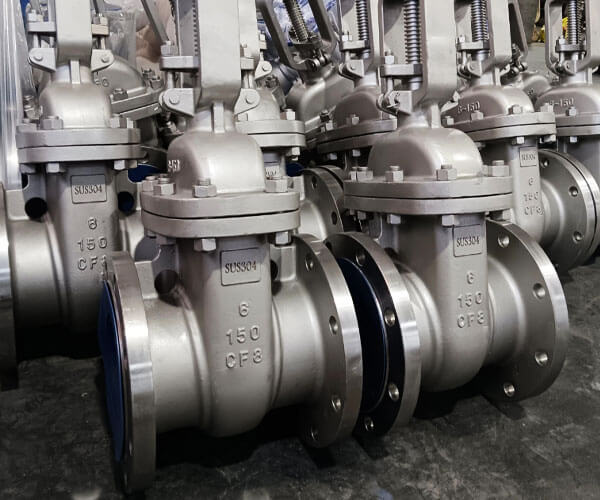
| CF-8 | J92600 | 304 | General-purpose cast austenitic stainless steel; excellent corrosion resistance and castability | Փական մարմիններ, Պոմպային տներ, Խողովակների կցամասեր, Արդյունաբերական բաղադրիչներ |
| CF-3 | J92500 | 304Լ | Low-carbon cast grade; excellent weldability and resistance to sensitization | Welded valve components, Քիմիական սարքավորումներ, Press նշման անոթներ |
| CF-8M | J92900 | 316 | Molybdenum-containing cast alloy with improved chloride corrosion resistance | Ծովային փականներ, chemical pumps, Դեղագործական սարքավորումներ |
| CF-3M | J92800 | 316Լ | Low-carbon version of CF-8M; excellent weldability and corrosion resistance | Offshore equipment, Desalination համակարգեր, chemical processing castings |
| CN-7M | J95150 | Խառնուրդ 20 | High resistance to sulfuric acid and aggressive chemical environments | Acid processing equipment, petrochemical components |
4. Key Properties of Austenitic Stainless Steel
Austenitic stainless steels are widely recognized for their excellent balance of corrosion resistance, Մեխանիկական կատարում, fabrication capability, and service reliability.
These properties are primarily determined by their stable Դեմքի կենտրոնացած խորանարդ (FCC) բյուրեղյա կառուցվածքը, Քրոմի բարձր պարունակություն, and the presence of austenite-stabilizing elements such as nickel and nitrogen.
Կոռոզիոն դիմադրություն
Exceptional corrosion resistance is the most defining characteristic of austenitic stainless steel.
The protection comes from the formation of a thin, կայուն, and self-healing Քրոմի օքսիդ (Cr₂o) Պասիվ ֆիլմ on the material surface.
When chromium reacts with oxygen in the surrounding environment, it forms a protective oxide layer that prevents further oxidation and shields the underlying metal from corrosive attack.
Even when the surface is mechanically damaged, this passive film can rapidly regenerate in oxygen-containing environments.
The corrosion performance of austenitic stainless steel depends on alloy composition. Chromium provides the basic corrosion resistance, while nickel improves resistance to chemical environments and stabilizes the austenitic structure.
Molybdenum-containing grades, ինչպիսիք են 316 եւ 316 լ, offer significantly improved resistance to chloride-induced pitting and crevice corrosion.
For more aggressive service conditions, advanced grades such as 904L, 254 Մենք, and AL-6XN are developed with higher levels of nickel, մոլիբդեն, and nitrogen to withstand severe environments, ներառյալ ծովային ջուրը, ուժեղ թթուներ, եւ քիմիական մշակման ծրագրեր.
Mechanical Properties and Work Hardening Behavior
Austenitic stainless steels provide an excellent balance between strength and ductility.
In the annealed condition, their strength is moderate compared with martensitic or duplex stainless steels, but their superior plasticity allows them to undergo significant deformation without cracking.
Typical austenitic stainless steels exhibit:
- Առաձգական ուժ: approximately 500–750 MPa
- Բերք տալ ուժ: approximately 170–350 MPa
- Երկարացում: commonly above 40%
One of the most important mechanical characteristics of austenitic stainless steel is its strong work hardening capability.
During cold deformation, such as rolling, նկար, կամ ձեւավորումը, the density of dislocations within the FCC structure increases, resulting in higher strength and hardness.
This behavior provides several engineering advantages. Cold working can significantly improve the mechanical strength of components without additional heat treatment, making it possible to manufacture high-strength stainless steel wire, աղբյուրներ, շերտեր, and precision parts.
Այնուամենայնիվ, strong work hardening also creates challenges during manufacturing.
The material requires higher forming forces, accelerates tool wear during machining, and may require intermediate annealing during severe forming operations to restore ductility.
Low-Temperature Toughness
Austenitic stainless steels possess outstanding toughness at extremely low temperatures due to their stable FCC crystal structure.
Unlike ferritic and martensitic stainless steels, they do not experience a sharp ductile-to-brittle transition temperature, allowing them to maintain excellent impact resistance even under cryogenic conditions.
Common grades such as 304L and 316L retain excellent toughness at temperatures approaching −196°C, making them ideal materials for applications involving liquefied gases and extreme cold environments.
This unique combination of low-temperature toughness and corrosion resistance makes austenitic stainless steels widely used in:
- LNG storage and transportation systems
- Cryogenic piping
- Liquid oxygen and nitrogen equipment
- Aerospace fuel systems
- Cold-region infrastructure
Few engineering materials provide comparable cryogenic reliability while also maintaining good weldability and corrosion resistance.
Եռակցման հնարավորություն
Austenitic stainless steels are considered among the most weldable stainless steel materials because of their stable microstructure, Գերազանց ճկունություն, and relatively low risk of welding-related cracking.
They can be fabricated using common welding methods, including TIG, Ես, Լազերային եռակցում, և դիմադրողական զոդում.
Most standard grades can be welded without preheating, and welded joints generally retain good mechanical properties and corrosion resistance.
A major consideration during welding is զգայունացում, which occurs when chromium carbide precipitates form at grain boundaries during exposure to temperatures around 450–850°C.
This process reduces chromium availability near the grain boundaries and may lead to intergranular corrosion.
To minimize this risk, low-carbon grades such as 304L and 316L լայնորեն օգտագործվում են.
Their reduced carbon content limits carbide formation and ensures better corrosion resistance after welding, making them particularly suitable for pressure vessels, Խողովակաշարեր, Դեղագործական սարքավորումներ, and chemical processing components.
Formability and Fabrication Performance
The excellent formability of austenitic stainless steel is a direct result of its FCC crystal structure and high ductility.
Compared with many other engineering alloys, austenitic grades can undergo extensive plastic deformation while maintaining structural integrity.
They are suitable for manufacturing processes such as:
- Խորը նկարչություն
- Դրոշմում
- Ճռում
- Roll ձեւավորում
- Hydroforming
Դասարաններ, ինչպիսիք են 304 և 316 are widely used for complex-shaped components, including kitchen equipment, Բժշկական սարքեր, ավտոպահեստամասեր, եւ արդյունաբերական տներ.
Their high elongation allows manufacturers to produce thin-walled and intricate components with fewer risks of cracking.
Այնուամենայնիվ, because these materials harden rapidly during deformation, complex forming operations may require optimized tooling, multiple forming stages, or intermediate annealing.
Մշակման բնութագրերը
Although austenitic stainless steels are highly suitable for forming and welding, they are generally more difficult to machine than carbon steels.
The main machining challenges are related to their toughness, առաձգականություն, and work hardening behavior.
During cutting, the surface layer can quickly become harder, increasing cutting forces and accelerating tool wear.
Ի հավելումն, their relatively low thermal conductivity causes more heat to remain concentrated in the cutting zone, which can reduce tool life.
To achieve efficient machining performance, manufacturers typically use:
- Proper cutting parameters
- Sharp carbide or coated tools
- Effective cooling systems
- Rigid machine setups
Free-machining grades such as 303 Չժանգոտվող պողպատ are sometimes selected when improved machinability is required, although they generally provide slightly lower corrosion resistance than standard 304 կամ 316 դասարաններ.
Non-Magnetic Behavior (Օծանելի վիճակը)
Austenitic stainless steels are generally non-magnetic in the annealed condition because their FCC austenitic structure does not exhibit ferromagnetic behavior.
This characteristic distinguishes them from ferritic and martensitic stainless steels, which are naturally magnetic due to their different crystal structures.
Common grades such as 304, 316, and 316L have very low magnetic permeability after solution annealing, making them suitable for applications where magnetic interference must be minimized, ներառյալ:
- Medical equipment
- Laboratory instruments
- Precision electronic devices
- MRI-related environments
Այնուամենայնիվ, cold working can partially transform austenite into deformation-induced martensite, causing some increase in magnetic response. The degree of magnetism depends on alloy composition, նիկելի բովանդակություն, Ազոտի պարունակություն, and the amount of mechanical deformation.
5. Limitations of Austenitic Stainless Steel
Although austenitic stainless steels are widely used because of their excellent corrosion resistance, կարծրություն, զոդում, եւ զբաղվածություն, they also have several limitations that must be considered during material selection and component design.
Lower Yield Strength in the Annealed Condition
One of the primary limitations of conventional austenitic stainless steels is their relatively low yield strength in the annealed condition.
Common grades such as 304 և 316 Չժանգոտվող պողպատ typically have yield strengths lower than many ferritic, պատերազմական, and duplex stainless steels.
This means they may require thicker sections or additional strengthening methods when used in load-bearing applications.
Unlike martensitic stainless steels, austenitic grades cannot be strengthened through conventional heat treatment. Their strength is mainly increased through:
- Սառը աշխատող
- Nitrogen alloying
- Կոշտ լուծույթի ամրացում
Cold deformation can significantly improve strength, but it may reduce ductility and increase forming difficulty.
For applications requiring high strength-to-weight ratios, such as offshore structures or heavy mechanical components, duplex stainless steels or precipitation-hardening stainless steels may provide better performance.
Sensitization Risk During Thermal Exposure
Austenitic stainless steels with higher carbon content may experience զգայունացում when exposed to temperatures typically between 450° C եւ 850 ° C, especially during welding or long-term high-temperature service.
Այս գործընթացի ընթացքում:
- Carbon reacts with chromium to form chromium carbide precipitates at grain boundaries.
- Chromium-depleted areas develop near the grain boundaries.
- Local corrosion resistance decreases, potentially causing intergranular corrosion.
To minimize this risk, engineers commonly select:
- Low ածր ածխածնի դասարաններ, such as 304L and 316L
- Stabilized grades, ինչպիսիք են 321 և 347
These grades are designed to maintain corrosion resistance after welding or thermal exposure.
Stress Corrosion Cracking in Chloride Environments
Although austenitic stainless steels provide excellent general corrosion resistance, they can be vulnerable to Սթրեսի կոռոզիայից ճեղքումը (Շալվար) որոշակի պայմաններում.
SCC typically occurs when three factors exist simultaneously:
- Առաձգական սթրեսը
- Chloride-containing environment
- Elevated temperature
Common risk environments include:
- Ծովային ջրային համակարգեր
- Offshore equipment
- Chloride-containing chemical processes
- High-temperature industrial systems
Higher-alloy austenitic grades with increased nickel, մոլիբդեն, եւ ազոտի պարունակությունը, ինչպիսիք են 904Լ, 254 Մենք, and AL-6XN, provide improved resistance to chloride-induced corrosion.
Այնուամենայնիվ, for extremely severe chloride environments, duplex or super duplex stainless steels may still be preferred.
Difficult Machining Performance
Austenitic stainless steels are generally more difficult to machine than carbon steels because of their unique mechanical behavior.
The main challenge is their strong Աշխատանքի հաստատման միտում. Մեղադրման ընթացքում, the deformed surface layer becomes harder, increasing cutting forces and accelerating tool wear.
Additional machining difficulties include:
- Low Ցածր ջերմային հաղորդունակություն, causing heat concentration in the cutting zone
- Բարձր ճկունություն, resulting in long and difficult-to-control chips
- Increased risk of poor surface finish
Efficient machining requires:
- Proper cutting parameters
- Sharp and wear-resistant tools
- Effective cooling and lubrication
- Rigid machine setups
Free-machining grades such as 303 Չժանգոտվող պողպատ can improve machining efficiency, although they generally sacrifice some corrosion resistance compared with standard 304.
Բարձրագույն նյութի արժեք
Austenitic stainless steels are generally more expensive than ferritic or martensitic stainless steels because of their higher alloy content, especially nickel.
Nickel is essential for stabilizing the austenitic structure and improving toughness, but it significantly increases material cost.
Additional alloying elements such as molybdenum in 316 and super austenitic grades further increase the price.
Այնուամենայնիվ, the higher initial cost is often balanced by:
- Longer service life
- Lower maintenance requirements
- Better corrosion resistance
- Reduced replacement frequency
For applications where corrosion failure would result in high downtime or safety risks, austenitic stainless steel often provides better overall economic value.
Ձևավորման մարտահրավերներ
Austenitic stainless steels have excellent formability, but their strong work-hardening behavior can create challenges during complex forming operations.
Compared with carbon steels, they require:
- Higher forming forces
- More powerful equipment
- More careful process control
During bending and stamping, Բխում can occur because of their high elastic recovery. This may affect dimensional accuracy and require compensation during tool design.
For deep drawing and complex shaping processes, manufacturers may need to consider:
- Multi-stage forming operations
- Միջանկյալ օծանելիք
- Optimized tooling geometry
Չնայած այս մարտահրավերներին, austenitic stainless steels remain among the most formable stainless steel materials available.
6. Applications of Austenitic Stainless Steel
Due to its excellent combination of corrosion resistance, կարծրություն, զոդում, and fabrication capability, austenitic stainless steel is used in almost every major industrial sector.
| Արդյունաբերություն | Դիմումներ | Բնորոշ դասարաններ | Հիմնական պահանջներ |
| Սնունդ & ըմպելիք | Տանկ, Անոթներ, խողովակներ, փոխակրիչներ, Դանակներ, Խոհանոցային սարքավորումներ. | 304, 316Լ | FDA‑compliant; հիգիենիկ; corrosion‑resistant; Հեշտ մաքրելու համար. |
| Բժշկական & Դեղագործական | Վիրաբուժական գործիքներ, Իմպլանտներ, WFI systems, Մաքուր սենյակային սարքավորումներ. | 316Լ, 304Լ | Բիոկացիոն; sterilisable; non‑porous; corrosion‑resistant. |
| Քիմիական մշակում | Ռեակտորներ, He երմափոխանակիչներ, խողովակներ, փականներ, պոմպեր. | 316Լ, 904Լ, Խառնուրդ 20 | Corrosion resistance to acids, քիմիական նյութեր, եւ բարձր ջերմաստիճան. |
| Ծովային & օֆշորային | Ծովային ջրերի խողովակաշար, պոմպեր, He երմափոխանակիչներ, Օֆշորային պլատֆորմներ. | 316Լ, 254 Մենք, կրկնակի | Chloride pitting resistance; ծովի ջրի կոռոզիայից դիմադրություն. |
| Ճարտարապետական & շինարարություն | Ծածկույթ, տանիք, բազրիքներ, Վարագույրների պատեր, structural sections. | 304, 316 | Գեղագիտություն; Կոռոզիոն դիմադրություն; ամրություն; Երկար ծառայության կյանք. |
Էլեկտրաէներգիայի սերունդ |
He երմափոխանակիչներ, Կոնդենսատորի խողովակներ, boiler components, Տուրբինային մասեր. | 304Լ, 316Լ, 310, 347 | High‑temperature strength; Օքսիդացման դիմադրություն; սողացող դիմադրություն. |
Ավտոմոբիլային |
Արտանետվող համակարգեր, turbocharger components, սենսորներ, զարդարել. | 304, 321, 310 | High‑temperature oxidation resistance; Կոռոզիոն դիմադրություն; Առողջություն. |
| Օդատիենտ | Շարժիչի բաղադրիչները, Արտանետվող համակարգեր, Կառուցվածքային մասեր, ամրացումներ. | 304, 321, 347 | High‑temperature strength; Կոռոզիոն դիմադրություն; կարծրություն. |
| Կրիպոգենիկ | LNG storage tanks, կրիոգեն խողովակաշար, liquefied gas transport. | 304, 316 | Low‑temperature toughness (no DBTT). |
| Էլեկտրոնիկա | Տներ, միակցիչներ, պաշտպանություն, instrument components. | 304, 316Լ | Non‑magnetic; corrosion‑resistant; Առողջություն. |
| Յուղել & գազ | Խողովակներ, փականներ, կցամասեր, Subsea սարքավորումներ, Wellhead բաղադրիչներ. | 316Լ, 904Լ, 254 Մենք | Chloride SCC resistance; Բարձր ուժ; sour gas resistance. |
7. Austenitic Stainless Steel vs Other Stainless Steel Types
Stainless steels are classified into several major families according to their Միկրոկառուցվածք, Ալյումինե կազմ, Մեխանիկական հատկություններ, and heat treatment response.
Although all stainless steels rely on chromium to achieve corrosion resistance, differences in crystal structure and alloying elements result in significant variations in strength, կարծրություն, Կոռոզիայի ներկայացում, զոդում, եւ կիրառական համապատասխանություն.
| Չափանիշ | Austenitic չժանգոտվող պողպատ | Ferritic չժանգոտվող պողպատ | Martensitic չժանգոտվող պողպատ | Duplex չժանգոտվող պողպատ | Տեղումների հաստատում (PH) Չժանգոտվող պողպատ |
| Բյուրեղյա կառուցվածքը | FCC (Օստենիտ) | Բեկոր (ֆերիտ) | Բկ (մրջանցա) | Խառը FCC + Բեկոր | Martensitic or austenitic structure depending on grade |
| Typical Chromium Content | 16-26% | 10.5-30% | 11-18% | 21-26% | 14–17% |
| Typical Nickel Content | 6-22% | <1% | <2% | 4-7% | 3-8% |
| Մոլիբդենի պարունակություն | 0-7% | 0-2% | 0–1% | 0-4% | 0-4% |
| Maximum Hardness | ≤217 HB | ≤250 HB | Մինչեւ 600 Ժապավենի (մթնեցած) | ≤300 HB | Մինչեւ 500 Ժապավենի |
| Բերք տալ ուժ (Ջղաձգական) | 170–280 MPa | 200-300 MPA | 250-450 mpa | 450-550 mpa | 550–1,100 MPa |
| Առաձգական ուժ | 485-650 MPA | 400-500 MPA | 700-1,000 MPA | 650-800 MPA | 1,000–1,300 MPa |
| Երկարացում | 35-60% | 20-30% | 10-20% | 20-30% | 8-15% |
| Ընդհանուր կոռոզիոն դիմադրություն | Գերազանց | Լավ | Չափավոր | Գերազանց | Լավ է գերազանց |
| Chloride Stress Corrosion Cracking Resistance | Չափավոր | Լավ | Աղքատ | Գերազանց | Չափավոր |
| Low-Temperature Toughness | Գերազանց | Աղքատ (ductile-to-brittle transition) | Աղքատ (ductile-to-brittle transition) | Չափավորից դեպի լավ | Չափավոր |
Բարձր ջերմաստիճանի ուժ |
Գերազանց (approximately 800–1100°C depending on grade) | Լավ (up to approximately 800°C) | Չափավոր (typically below 400°C) | Limited compared with austenitic grades | Չափավոր |
| Եռակցման հնարավորություն | Գերազանց | Լավ | Աղքատ է չափավոր | Լավ | Լավ |
| Մագնիսական պահվածք | Անխոցված վիճակում ոչ մագնիսական | Մագնիսական | Մագնիսական | Թույլ մագնիսական | Generally magnetic |
| Heat Treatment Hardening | Ոչ (strengthened mainly by cold working) | Սահմանափակ | Այո | Ոչ | Այո |
| Հարաբերական արժեք | Higher due to nickel content | Իջնել | Չափավոր | Ավելի բարձր | Ավելի բարձր |
| Բնորոշ ծրագրեր | Քիմիական սարքավորումներ, Սննդի վերամշակում, Ծովային համակարգեր, Բժշկական սարքեր, ճարտարապետություն | Ավտոմոբիլային արտանետման համակարգեր, սարք, ճարտարապետական վահանակներ | Դանակներ, փականներ, Առանցքակալներ, wear-resistant components | Օֆշորային պլատֆորմներ, Ծովային ջրերի համակարգեր, Քիմիական մշակում | Ավիատիեզերական բաղադրիչներ, high-strength fasteners, precision mechanical parts |
8. Եզրափակում
Austenitic stainless steels occupy a unique and irreplaceable position in the materials engineering landscape.
Their fully austenitic FCC crystal structure delivers a combination of excellent corrosion resistance, exceptional formability, outstanding cryogenic toughness and good high-temperature performance that no other stainless steel family can fully match.
From the ubiquitous 18/8 դասարան 304 to high-performance super-austenitic alloys, this class of materials provides calibrated solutions for every corrosive service severity level.
Understanding austenitic stainless steels means recognizing both their extraordinary versatility and their defined boundaries.
They excel in general corrosion, կրիպոգենիկ, high-temperature and forming-intensive applications, but they are not the optimal choice for high-strength structural duty, severe chloride SCC environments or high-volume machined components where other stainless steel families may deliver better performance at lower cost.
ՀՏՀ
Why is austenitic stainless steel non‑magnetic?
The face‑centred cubic (FCC) structure of austenite is non‑ferromagnetic.
This is in contrast to ferritic and martensitic stainless steels, which have BCC structures and are magnetic.
Can austenitic stainless steel be hardened by heat treatment?
Ոչ. Austenitic stainless steels cannot be hardened by heat treatment. They are strengthened only by cold working (Աշխատանքի կարծրացում).
This is because the FCC structure does not undergo a martensitic transformation on cooling.
What is sensitisation, and how is it prevented?
Sensitisation occurs when chromium carbides precipitate at grain boundaries at 450‑850°C, depleting chromium locally and causing intergranular corrosion.
It is prevented by using low‑carbon grades (304Լ, 316Լ), stabilised grades (321, 347), or rapid cooling after welding.
Որն է տարբերությունը 304 and 304L?
304L has a lower carbon content (≤0.03% vs. ≤0.08% -ի համար 304).
This reduces the risk of sensitisation during welding, making 304L suitable for welded structures requiring good corrosion resistance.
What is the PREN number?
Փայտ (Pitting դիմադրության համարժեք համարը) is an empirical formula used to predict the pitting resistance of stainless steels: Վերցրեք =% cr + 3.3 × %Mo + 16 × %N.
Higher PREN values indicate better resistance to pitting and crevice corrosion in chloride environments.
Is austenitic stainless steel suitable for cryogenic applications?
Այո. Austenitic չժանգոտվող պողպատներ (հատկապես 304 և 316) maintain high toughness down to cryogenic temperatures (−269°C, liquid helium).
They do not exhibit a ductile‑to‑brittle transition, making them essential for LNG storage and cryogenic equipment.