1. Ներածություն
Copper investment casting occupies a distinctive niche in precision manufacturing.
Այն համատեղում է կորած մոմ գործընթացի երկրաչափական ճկունությունը բացառիկ հաղորդունակության հետ, Կոռոզիայի վարք, and aesthetic value of copper-based materials.
In applications where thermal transfer, էլեկտրական կատարում, Տեսողական բողոք, or metallurgical compatibility matter, copper castings offer a compelling solution.
The process is especially valuable when components must be intricate, Մոտ-զուտ ձեւ, and functionally reliable.
Unlike simple machined copper parts, investment castings can incorporate complex geometries, Ներքին հատվածներ, Նիհար պատեր, decorative contours, and integrated functional features with far less machining waste.
That makes copper investment casting strategically important in electrical equipment, thermal systems, Ծովային ապարատ, and premium architectural or decorative components.
2. What is Copper Investment Casting?
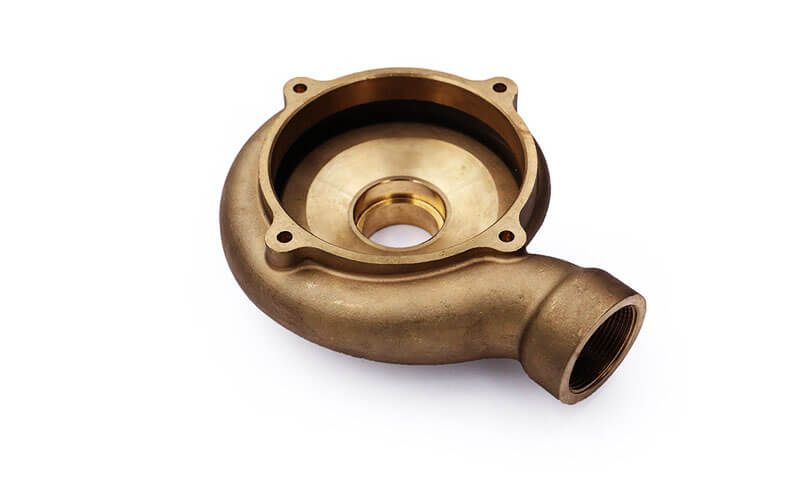
Պղնձ Ներդրումների ձուլում is the production of copper or copper-alloy parts by the investment casting process, Նաեւ հայտնի է որպես կորցրած մոմի ձուլում.
A wax or polymer pattern is created to match the final geometry, then coated with ceramic slurry and refractory material to form a shell mold.
Նախշը հանվելուց հետո, molten copper alloy is poured into the cavity, ամրապնդում է, և հետագայում մաքրվում է, ավարտված, եւ ստուգել.
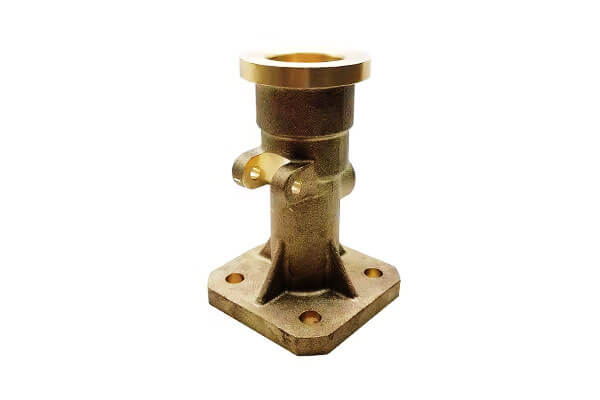
The key advantage of the method is its ability to reproduce complex geometry with good surface fidelity.
For copper components, this is particularly useful because many parts require a combination of electrical function, thermal function, եւ ծավալային ճշգրտություն.
A cast copper component may serve as a heat exchanger element, an electrical connector body, a marine fitting, a decorative hardware item, or a precision mechanical component.
Գործնական առումով, the process is chosen when the design demands:
- մանրամասն երկրաչափություն
- high thermal or electrical performance
- corrosion resistance in appropriate environments
- reduced machining from expensive stock
- մակերեսի լավ տեսք
- part consolidation and repeatability
3. Why Choose Copper for Investment Casting Parts?
Copper is selected for investment casting not because it is the easiest metal to process, but because it solves a very specific set of engineering problems exceptionally well.
Outstanding Thermal Conductivity
Copper’s most important advantage is its exceptional thermal conductivity. Few engineering metals can move heat as effectively.
This makes copper investment castings especially valuable in parts that must spread, dissipate, or manage heat efficiently.
Բնորոշ դիմումները ներառում են:
- heat spreaders
- thermal housings
- cooling-related components
- high-heat equipment interfaces
Այս դեպքերում, copper is not simply a structural material. It is part of the thermal system itself.
Excellent Electrical Conductivity
Copper remains one of the benchmark materials for electrical conductivity.
For cast parts that must carry current, maintain low resistance, or provide stable electrical contact, copper is often the most practical choice.
This is why copper investment castings are widely used in:
- միակցիչներ
- տերմինալներ
- conductive housings
- contact interfaces
- electrical hardware
Where electrical performance matters, copper provides a direct functional advantage that many alternative alloys cannot match.
Strong Performance in Near-Net-Shape Complex Parts
Investment casting allows copper parts to be formed into intricate shapes that would otherwise require substantial machining.
This is especially useful when the part must combine thermal, էլեկտրական, or mechanical functions in one geometry.
Benefits of copper investment casting include:
- reduced machining waste
- Մասի համախմբում
- integrated functional features
- good replication of fine detail
- lower assembly complexity
For expensive or complex parts, near-net-shape manufacturing can significantly improve total production efficiency.
Attractive Surface Appearance
Copper has a warm, premium visual character that is difficult to replicate with many other metals.
When appearance matters, copper castings can be polished, սուտ, ծածկ, or left with a natural metallic finish depending on the design intent.
This makes copper a strong choice for:
- Դեկորատիվ սարքավորումներ
- visible architectural components
- premium consumer products
- specialty fittings
The material offers both visual richness and functional credibility.
Good Corrosion Resistance in Suitable Environments
Copper and many copper alloys perform well in a range of service environments, especially where atmospheric exposure, moderate moisture, or marine conditions are involved.
While copper is not universally corrosion-proof, it can deliver reliable durability in the right application.
Alloying copper into bronze, Սիլիկոն բրոնզ, պղինձ-նիկել, or aluminum bronze can further extend corrosion resistance and wear performance.
This makes copper casting useful in environments where pure conductivity is not the only requirement.
Ալյումինե ճկունություն
Copper is not limited to one property profile. By adjusting the alloy system, manufacturers can choose between:
- pure conductivity,
- improved castability,
- Ավելի բարձր ուժ,
- Ավելի լավ է հագնել դիմադրություն,
- or stronger marine performance.
That flexibility is one reason copper investment casting remains relevant across multiple industries. The same base metal family can serve very different technical goals.
4. Common Copper and Copper-Alloy Grades for Investment Casting
Պղնձ investment casting may involve pure copper or copper-based alloys depending on the application.
The final choice depends on conductivity, ուժ, Կոռոզիոն դիմադրություն, մեքենայություններ, and regulatory requirements.
| Պղնձ / Copper-Alloy Family | Common Alloy Grade (Ամերիկա) | Ընդհանուր անուն / Նշանակումը | Typical Investment-Casting Characteristics | Typical Use in Cast Parts |
| High-conductivity copper | C10200 | Թթվածնի ազատ պղինձ (OF) | Very high conductivity, very low oxygen content, used when electrical or thermal performance is the main objective | Conductive parts, thermal components, premium copper castings |
| High-conductivity copper | C11000 | Electrolytic Tough Pitch Copper | Բարձր հաղորդունակություն, widely referenced industrial copper grade | Electrical/thermal components where conductivity is primary |
| Կարմիր փող | C83600 | Ounce Metal | Common cast brass family, balanced castability and corrosion resistance | Pl րամատակարարման կցամասեր, Դեկորատիվ սարքավորումներ, general cast components |
| Semi-red / valve brass |
C84400 |
Valve Metal | Recognized cast brass used for pressure-tight castings and valve hardware | Փական մարմիններ, կցամասեր, threaded parts |
| Plumbing brass | C84800 | Plumbing Goods Brass | Cast brass family used for plumbing-oriented components | Pl րամատակարարման կցամասեր, սանտեխնիկա |
| Անագ բրոնզ | C92200 | Navy M Bronze | Cast bronze family used where corrosion resistance and mechanical reliability matter | Pump parts, Ծովային ապարատ, հագնում բաղադրիչներ |
| Leaded tin bronze | C92300 | Առաջատար թիթեղ բրոնզ | Cast bronze family with improved machinability and serviceability | Թփեր, mechanical hardware, precision cast parts |
| Ալյումինե բրոնզ |
C95400 |
Ալյումինե բրոնզ | High-strength bronze with strong wear and corrosion resistance; widely used in cast form | Ծովային ապարատ, փականի մասեր, մաշվածության դիմացկուն բաղադրիչներ |
| Nickel-aluminum bronze | C95800 | Նիկել-ալյումինե բրոնզ | Բարձր ուժ, excellent seawater corrosion resistance, used in castings for severe service | Offshore hardware, propeller-related parts, seawater service components |
| Lead-free brass alternative | C89833 | Lead-Free Alternative to C83600 | Lead-free, Կոռոզիոն դիմացկուն, pressure-tight casting option | Lead-free plumbing and pressure-tight cast parts |
| Lead-free brass alternative | C89831 | Lead-Free Alternative to C84400 | Lead-free, Կոռոզիոն դիմացկուն, pressure-tight casting option with moderate strength | Lead-free valve and fitting applications |
5. Process Flow of Copper Investment Casting
Based on copper alloy’s high-temperature oxidation and high-shrinkage characteristics, the entire lost-wax casting workflow is optimized to suppress gas defects and hot tearing, forming a complete closed-loop production system:
DFM Structural Optimization
Engineers eliminate sharp inner corners to reduce thermal stress concentration; design dedicated large-size feed risers for thick-walled hot spots to compensate solidification shrinkage;
reserve exclusive shrinkage tolerance according to alloy types, with pure copper requiring 1.2–1.5% tolerance, higher than tin bronze’s 0.8–1.0%.
Wax Pattern Fabrication & Ծառի հավաքում
Adopt low-temperature low-shrinkage special wax to produce high-precision patterns; avoid high-stress injection that causes pattern deformation.
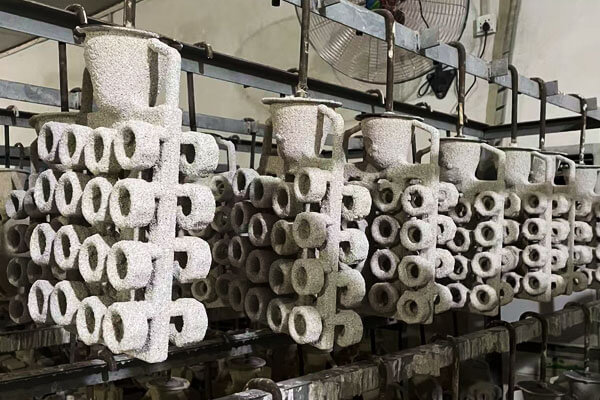
Patterns are assembled onto wax trees with optimized gating layouts to realize laminar filling and reduce turbulent gas entrapment during pouring.
High-Temperature Resistant Ceramic Shell Preparation
Abandon conventional alkaline silica shells.
The surface layer adopts high-purity zircon powder and silica sol binder to resist high-temperature molten copper erosion; the backup layer uses fused mullite aggregate to enhance shell breathability and structural strength.
Multi-layer coating and extended air-drying procedures eliminate residual moisture, cutting off hydrogen sources from the root cause.
Ցցող & High-Temperature Sintering
Steam dewaxing is implemented to remove wax patterns completely; shells are sintered at 1050–1150°C to eliminate organic residues and adsorbed water.
Լցնելուց առաջ, preheat shells to 650–750°C to narrow temperature difference between cavity and molten metal, effectively solving cold shut defects.
Վակուումային հալեցում & Degassing Treatment
High-quality copper investment castings must be melted in vacuum or argon-shielded furnaces to isolate oxygen.
Adopt phosphorus copper deoxidizer and rotary degassing processes to remove dissolved hydrogen and oxygen; strictly control superheat temperature within 50℃ to prevent excessive grain coarsening and intensified oxidation.
Controlled Pouring & Sequential Solidification
Gravity pouring is adopted for conventional structural parts, while vacuum-assisted pouring is deployed for high-density conductive components.
The gating system is designed following sequential solidification principles, enabling risers to feed hot spots continuously throughout the solidification process.
Post-Casting Heat Treatment
Different heat treatment schemes are configured for various alloys: pure copper undergoes stress relief annealing at 350–450°C to eliminate casting stress;
beryllium copper implements solution aging treatment to precipitate strengthening phases; aluminum bronze is homogenized to reduce elemental segregation and improve toughness.
Ավարտ & Hierarchical Quality Inspection
Remove sprues and residual shell residues; polish inner flow channels to reduce surface roughness.
Qualification inspections include dimensional tolerance detection, visual surface inspection,
X-ray radiographic testing for internal porosity, salt spray corrosion testing for marine parts and hydraulic tightness testing for pressure-bearing components.
6. Key Technical Challenges in Copper Investment Casting
Copper investment casting offers excellent geometric freedom and strong functional value, but it is not a forgiving process.
Oxidation and Melt Surface Instability
One of the most important challenges is oxidation.
Copper oxidizes readily at casting temperature, and oxide films can degrade melt cleanliness, Մակերեւույթի ավարտը, and internal integrity if they are not managed properly.
For copper-based alloys, oxidation is not just a cosmetic issue; it can also interfere with flow behavior and contribute to inclusion-related defects.
Because copper investment castings are often used in visible, էլեկտրական, or thermal applications, even modest surface oxidation can become a functional rejection factor.
Porosity and Internal Cavitation
Porosity is a major concern in copper investment casting.
As with other cast metals, defects can arise from dissolved gases, թակարդված օդը, feeding deficiency, or late-stage solidification shrinkage.
In copper castings, the combination of high density and strong heat flow can make shrinkage behavior especially important, because internal cavities may form in hot spots or poorly fed regions.
Research on pure copper castings identifies shrinkage porosity as a leading rejection mechanism, often linked to gating and feeding design.
Shrinkage Control and Directional Solidification
Copper alloys shrink as they solidify, so the feeding system must be designed to compensate for volume loss and maintain directional solidification.
If the casting freezes from the wrong direction, isolated liquid pockets can become shrinkage cavities or micro-porosity.
This is especially important in sections with thickness transitions, շեֆեր, and flow-sensitive geometry.
Surface Quality Sensitivity
Copper castings are often chosen because they must look refined as well as perform well. That creates a higher surface-quality threshold than many structural castings.
Small defects such as oxide patches, կոպիտություն, micro-inclusions, or shell reaction marks may be unacceptable because they are visible after polishing or plating.
Ներդրումային ձուլման մեջ, where the mold surface is reproduced faithfully, any shell defect or melt contamination can be transferred directly to the final part.
Alloy-Specific Casting Behavior
Not all copper-based alloys behave the same way.
Մաքուր պղինձ, deoxidized copper, բրոնզներ, պղինձ-նիկելի համաձուլվածքներ, and aluminum bronzes each have different fluidity, oxidation tendency, նեղացման վարքագիծը, և մեխանիկական արձագանք.
That means a process window that works for a bronze may not be suitable for high-conductivity copper or a marine-grade copper-nickel alloy.
Copper alloy casting references emphasize that melt treatment, including deoxidation and filtration, must be adapted to the specific alloy family rather than applied generically.
Mold Compatibility and Shell Stability
Investment casting places the molten alloy in direct contact with a ceramic shell, so shell compatibility matters.
For copper systems, the mold must withstand the pouring temperature, preserve fine detail, and avoid contributing contamination or surface reaction.
If shell preparation, կրակել, or preheat is insufficient, the casting may suffer from surface roughness, penetration, or localized defects that are difficult to repair after the fact.
This is particularly important for precision or decorative copper parts, where the shell quality is directly reflected in the finished surface.
Process Window Sensitivity
Copper investment casting is highly sensitive to the balance between temperature and time.
Too little heat can reduce fluidity and cause incomplete filling in fine sections; too much heat increases oxidation risk, melt degradation, and surface instability.
The process therefore requires tight control of melt preparation, pouring timing, and solidification conditions.
Գործնականում, the process window is narrow enough that small deviations in furnace practice or mold temperature can produce batch-to-batch variation.
Inspection and Yield Pressure
Because copper castings are often used in applications where thermal, էլեկտրական, դեկորատիվ, or corrosion performance matters, the acceptance threshold is frequently strict.
A part may be rejected not only for structural defects, but also for surface blemishes, ծակոտկենություն, or conductivity-related concerns.
That makes yield management a central challenge: the process must consistently produce castings that are both sound internally and acceptable visually.
Porosity-focused guidance for copper and copper alloys explicitly treats internal and external volume deficits as a major quality category, underscoring how central internal soundness is to copper casting acceptance.
7. Core Competitive Advantages of Copper Investment Casting
Unmatched Structural Forming Capability
The lost-wax process accurately replicates ultra-fine textures and complex multi-cavity flow channels that sand casting and die casting cannot achieve,
perfectly matching the design demands of customized heat dissipation structures and special-shaped conductive parts.
Superior Internal Microstructure Quality
Vacuum melting and sequential solidification control eliminate penetrating shrinkage cavities and dispersed gas pores.
Investment-cast copper parts possess higher compactness and stable electrical conductivity compared with die-cast counterparts, without localized performance attenuation.
Diversified Post-Treatment Adaptability
Dense as-cast surface supports mirror polishing, էլեկտրական, chemical patina coloring and anti-corrosion coating.
It can realize antique, matte and glossy metallic effects to satisfy dual demands of industrial functionality and high-end aesthetic decoration.
Excellent Multi-Scenario Service Reliability
After standardized heat treatment, investment-cast copper alloys balance conductivity, toughness and corrosion resistance.
The integral forming structure eliminates welding seam failure risks, delivering longer service life than spliced forged components under alternating pressure and corrosive environments.
Unique Biofouling & Antibacterial Performance
Copper ions inside qualified castings inhibit algae and bacterial reproduction, enabling self-cleaning characteristics for marine pipelines and drinking water fluid accessories, an irreplaceable advantage over other metallic materials.
8. Typical Applications of Copper Investment Castings
Copper investment castings are used across electrical, thermal, ծովային, and decorative sectors.
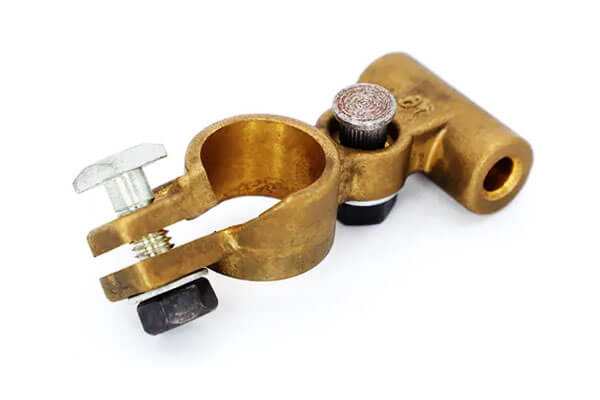
Էլեկտրական և էլեկտրոնային բաղադրիչներ
- միակցիչներ
- տերմինալներ
- conductive housings
- current-carrying parts
- contact interfaces
Thermal management systems
- heat spreaders
- thermal housings
- heat transfer components
- high-conductivity structural parts
Marine and offshore hardware
- Կոռոզիոն դիմացկուն կցամասեր
- propeller-related accessories
- Փականի բաղադրիչներ
- hardware exposed to seawater or humid environments
Decorative and architectural parts
- ornamental fixtures
- ապարատ
- premium surface elements
- visible fittings and trim
Mechanical and industrial parts
- Փական մարմիններ
- Պոմպի բաղադրիչները
- wear-resistant parts in bronze or bronze-like alloys
- precision housings and connectors
9. Inherent Process Limitations and Mitigation Measures
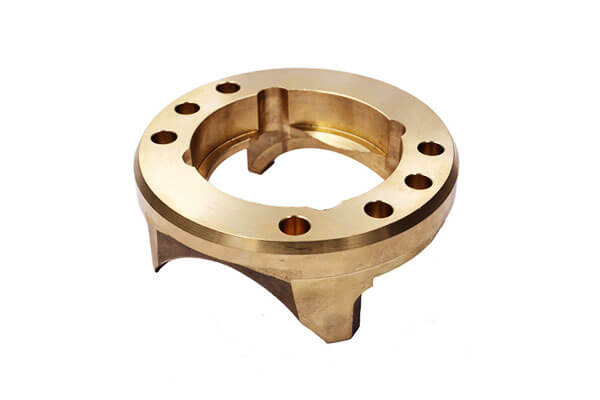
Copper investment casting is highly capable, but it is not universally economical or technically optimal for every part geometry, alloy condition, or production volume.
High Overall Manufacturing Cost
Copper investment casting generally carries a higher total cost than sand casting and, Շատ դեպքերում, a higher process cost than simple machining for low-complexity parts.
The main cost drivers include high-quality shell materials, նախշերի գործիքավորում, labor-intensive shell building, precise melt control, and relatively lower production efficiency per unit.
Because copper alloys are often used for performance-sensitive or appearance-sensitive parts, the process also tends to require stricter inspection and finishing, which further increases the total manufacturing burden.
Mitigation measures:
The most effective cost-control strategy is to increase process stability and reduce non-value-added labor.
Batch loading of wax trees, standardized shell schedules, and mature, repeatable process parameters can help spread fixed operating costs across more parts.
For recurring products, modular tooling and reusable process modules can further improve economics.
Ի հավելումն, designing the part for near-net-shape manufacture from the beginning can significantly reduce downstream machining and finishing costs.
Size and Weight Constraints
Copper investment casting is well suited to small and medium-sized components, but it becomes less practical as part mass and thermal inertia increase.
Large castings place greater demands on shell strength, հորդառատ կայունություն, եւ ամրապնդում վերահսկում.
They also increase the likelihood of shrinkage defects, dimensional drift, and handling difficulty.
In conventional production, extremely large copper castings are often less efficient than forgings, fabricated assemblies, or alternative casting routes.
Mitigation measures:
When the component exceeds the practical size window of a single investment cast part, a segmented design approach is often the best solution.
Oversized components can be divided into multiple cast subassemblies, then joined through certified brazing, precision welding, or mechanical assembly depending on service requirements.
This approach preserves the design benefits of copper casting while avoiding the technical risks of trying to cast an overly massive single piece.
Long Production Lead Time
Investment casting is inherently a multi-stage process. Նախշերի պատրաստում, շենքի շենք, չորանում, ցցող, կրակել, հալվելը, լցնելով, սառեցում, նոկաուտ, and finishing all require sequential control.
Compared with simpler processes, this creates longer lead times, especially for new products that require tooling validation or process tuning.
Copper casting may require even more discipline because melt behavior and shell compatibility must be controlled carefully to avoid oxidation and shrinkage-related issues.
Mitigation measures:
Lead time can be reduced by organizing production into modular and parallelized workflows.
Wax pattern preparation, կեղևի արտադրություն, and post-cast finishing should be arranged as partially independent streams rather than one rigid sequential line.
For repeat products, keeping core process parameters standardized shortens setup time and improves throughput.
Digital process planning and simulation can also reduce trial-and-error during first-article development.
Alloy Restrictions for Ultra-Thin Structures
Pure copper is not always the best choice for extremely thin-walled geometries.
Its high thermal conductivity can cause rapid heat loss during pouring, and its castability window may be less forgiving than that of certain copper-based alloys.
As wall thickness decreases, the risk of misrun, թերի լրացում, and local distortion increases.
In very thin decorative or structural features, the material may be too sensitive to support consistent production at high yield.
Mitigation measures:
For ultra-thin sections, alloy substitution is often more effective than forcing pure copper to do a job for which it is not ideal.
Սիլիկոնային բրոնզ, Օրինակ, offers better castability and more forgiving filling behavior while still providing strong visual appeal and adequate performance for many decorative or light-duty applications.
Alloy selection should therefore be matched to the geometry: use pure copper where conductivity is paramount, and use a more castable copper alloy where thin-wall fidelity is the priority.
10. Copper Investment Casting Comparison with Other Manufacturing Routes
The best manufacturing route for a copper part depends on what the part must do in service.
Investment casting is strongest when the component needs Համալիր երկրաչափություն, գրեթե ցանցի ձևի արդյունավետություն, and good surface reproduction.
Machining is strongest when linear tolerances and surface finish must be exceptionally tight.
| Գնահատման կետ | Պղնձի ներդրումային ձուլում | Պղնձ CNC հաստոցներ |
| Լավագույնը հարմար է | Complex near-net-shape copper parts with fine detail and moderate-to-good finish quality. | Precision parts with relatively simple geometry, where machinability drives quality and cost. ASM notes machining is strongly tied to dimensional and surface-finish tolerance capability. |
| Երկրաչափության բարդություն | Բարձր; especially strong for intricate shapes created with expendable patterns. | Չափավոր; complexity rises quickly with tool paths, setups, and access limitations. |
| Գծային հանդուրժողականություններ | Լավ; սովորաբար ավելի լավ է, քան ավազի ձուլումը, but generally below high-precision machining for simple features. This is an engineering inference based on the process capability of expendable-pattern casting. | Գերազանց; machining is specifically used to achieve tight dimensional and surface-finish tolerances. |
| Երկրաչափական հանդուրժողականություններ | Լավ; strong for complex contours, ներքին մանրամասներ, and near-net-shape fidelity. | Very good on simple parts, but geometric complexity often requires multiple setups and more rework. |
| Մակերեւույթի ավարտը | Լավից շատ լավ; investment casting is valued for reproducing detailed surfaces with less post-processing. | Գերազանց; machining can deliver very high surface finish on accessible features. |
Նյութի օգտագործում |
Բարձր; near-net-shape production reduces machining waste. | Ցածր; subtractive machining removes a substantial amount of material. ASM machining emphasizes cost and machinability as central concerns. |
| Գործիքավորում / setup cost | Չափավոր; shell tooling and wax tooling are required, but economics improve as complexity rises. | Low to moderate for simple work, but can rise with fixturing and multi-axis complexity. |
| Best value zone | Complex copper parts where geometry, արտաքին տեսք, and material efficiency matter together. | Simple precision parts where the final dimensions are best generated by cutting rather than casting. |
| Հիմնական սահմանափակում | Sensitive to melt quality, shell control, and solidification defects. | Economically weak for very complex parts due to machining time and multiple setups. |
11. Եզրափակում
Copper investment casting is a high-barrier precision near-net-shape manufacturing technology tailored for high-conductivity and corrosion-resistant copper-based alloys.
Its core competitiveness originates from the process’s capability to fabricate complex integrated precision structures with dense internal microstructure and premium surface quality,
filling the technical gap of traditional copper forming processes in high-precision customized component manufacturing.
Although constrained by high manufacturing costs, size limitations and strict process requirements,
copper investment casting still maintains irreplaceable market advantages in power energy, marine engineering and high-end decoration fields by virtue of copper’s unique electrical, thermal and corrosion-resistant properties.
Ապագայում, with the popularization of intelligent simulation systems and low-cost refractory materials, copper investment casting will effectively reduce comprehensive production costs,
expand its application scope in civil high-precision manufacturing, and continuously empower the high-quality development of the global new energy and advanced marine engineering industries.
ՀՏՀ
What is copper investment casting used for?
It is used for precision copper or copper-alloy parts in electrical, thermal, ծովային, դեկորատիվ, եւ արդյունաբերական ծրագրեր.
Why is copper harder to cast than it looks?
Because copper oxidizes readily at high temperature and has strong thermal conductivity, which makes temperature and melt control critical.
What copper alloys are most common in casting?
Մաքուր պղինձ, deoxidized copper, բրոնզ, Սիլիկոն բրոնզ, պղինձ-նիկելի համաձուլվածքներ, and aluminum bronze are all common choices.
Is copper investment casting good for electrical parts?
Այո. Copper’s high electrical conductivity makes it excellent for conductive components and connectors.
Is copper suitable for marine service?
Many copper alloys, especially bronze and copper-nickel alloys, perform well in marine environments.