1. Ներածություն
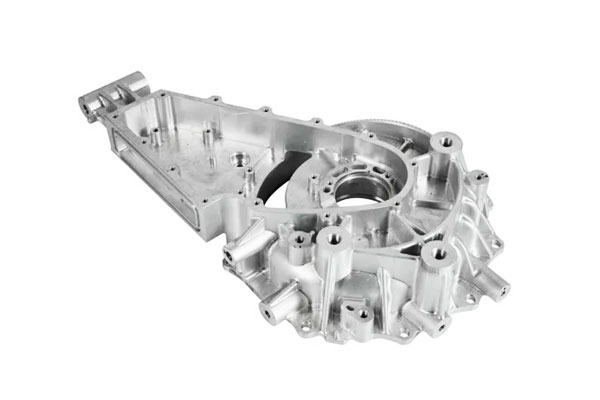
Արույրի ներդրումային ձուլումը յուրահատուկ դիրք է զբաղեցնում մետաղաձև լանդշաֆտում.
Այն համատեղում է ներդրումային ձուլման երկրաչափական ազատությունը գրավիչ արտաքինի հետ, մեքենայություններ, և արույրի համաձուլվածքների ֆունկցիոնալ հավասարակշռությունը.
Բաղադրիչների համար, որոնք պահանջում են մանր մանրամասներ, դեկորատիվ որակ, Չափավոր կոռոզիոն դիմադրություն, և մոտ ցանցի ձևի արդյունավետությունը, փողային ձուլումը մնում է հասանելի ամենապրակտիկ լուծումներից մեկը.
Թեև արույրը հաճախ կապված է դեկորատիվ կցամասերի հետ, Երաժշտական գործիքներ, և ապարատային սարքավորումներ, նրա արդյունաբերական դերն ավելի լայն է, քան միայն արտաքին տեսքը.
Ներդրումային ձուլման մեջ, արույրը կարող է օգտագործվել բարդ երկրաչափությամբ բաղադրիչներ արտադրելու համար, ճշգրիտ մանրամասնություն, և կայուն կրկնելիություն.
Դա այն դարձնում է հարմար ոչ միայն սպառողների համար նախատեսված ապրանքների համար, այլ նաև սանտեխնիկայի համար, ծովային պարագաներ, փականի մասեր, Էլեկտրական միակցիչներ, և ճշգրիտ մեխանիկական բաղադրիչներ.
2. Ինչ է Brass Investment Casting-ը
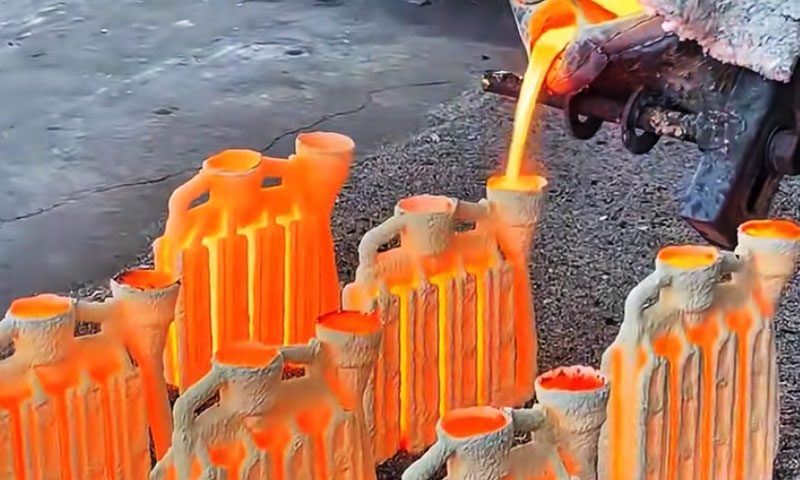
Փող ներդրումային ձուլումը կորցրած մոմի գործընթացի օգտագործումն է մանրակրկիտ երկրաչափությամբ և վերահսկվող չափերի ճշգրտությամբ արույրե բաղադրիչների արտադրության համար.
Ցանկալի ձևով կառուցված է մոմ կամ պոլիմերային նախշ, բազմիցս պատված է կերամիկական լուծույթով և հրակայուն նյութով` պատյան կազմելու համար, իսկ հետո հալվել.
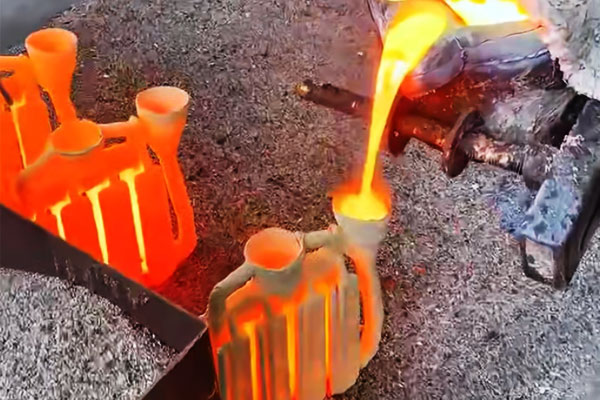
Հալած արույրը լցվում է խոռոչի մեջ, ամրապնդում է, և հետագայում մաքրվում է, ավարտված, եւ ստուգել.
Գործընթացը հատկապես արժեքավոր է, երբ մասի արտադրությունը դժվար կամ թանկ կլինի միայն հաստոցներով.
Փողային ներդրումային ձուլումը դիզայներներին թույլ է տալիս ինտեգրել բարդ ուրվագծերը, Ներքին հատվածներ, դեկորատիվ մակերեսներ, մոնտաժային առանձնահատկություններ, և փոքր մանրամասները՝ մեկ ցանցաձև կամ մոտ ցանցի ձևի բաղադրիչ.
Գործնական առումով, գործընթացը ընտրվում է, երբ մի մասը պետք է բավարարի մի քանի հետևյալ պայմաններից միանգամից:
- մանրամասն երկրաչափություն
- մակերեսի լավ տեսք
- չափավոր մեխանիկական կատարում
- Չափավոր կոռոզիոն դիմադրություն
- փոքր և միջին չափի մասերի արդյունավետ արտադրություն
- կրճատվել է հաստոցների և հավաքման ծախսերը
Այստեղ է, որ ներդրումային ձուլումը դառնում է ավելին, քան արտադրության մեթոդ. Այն դառնում է դիզայնի հնարավորություն.
3. Ինչու է արույրը տարբերվում որպես ձուլման համաձուլվածք
Արույրը մեկ համաձուլվածք չէ, այլ պղինձ-ցինկի համաձուլվածքների ընտանիք, երբեմն կապարի փոքր հավելումներով, անագ, ալյումին, մանգան, կամ սիլիցիում` կախված նպատակային կատարողականությունից.
Դրա վարքագիծը ձուլման ժամանակ ազդում է ոչ միայն ցինկի պարունակության վրա, այլ նաև համաձուլվածքի հատուկ մնացորդի և նախատեսված սպասարկման վիճակի պատճառով.
Հիմնական մետալուրգիական բնութագրերը
| Սեփականություն | փողային վարքագիծ | Ինժեներական նշանակություն |
| Բազային համակարգ | Պղինձ-ցինկ համաձուլվածքների ընտանիք | Առաջարկում է արտաքին տեսքի հավասարակշռություն, մեքենայություններ, եւ կոռոզիոն դիմադրություն |
| Հալման վարքագիծ | Ավելի ցածր հալման միջակայք, քան պղնձը | Աջակցում է ձուլման համեմատաբար մատչելի պայմաններին |
| Հեղուկություն | Լավից շատ լավ | Օգնում է վերարտադրել նուրբ հատկությունները և բարակ հատվածները |
| Մակերեւույթի տեսքը | Գրավիչ, տաք մետաղական ավարտ | Արժեքավոր է դեկորատիվ և տեսանելի բաղադրիչներով |
Կոռոզիոն դիմադրություն |
Լավ է շատ ոչ ծանր միջավայրերում | Հարմար է սանտեխնիկայի համար, ծովային հարդարում, և ընդհանուր սարքավորում |
| Մեքենայություններ | Լավ է գերազանց, համաձայրած | Աջակցում է հետընտրական հարդարման և ճշգրիտ ինտերֆեյսներին |
| Խտություն | Համեմատաբար բարձր | Պրեմիում զգացողություն է հաղորդում, բայց ավելացնում է մասի քաշը |
| Ցինկի վարքագիծը | Զգայուն է բարձր ջերմաստիճանի ցնդման նկատմամբ | Պահանջում է զգույշ հալման հսկողություն |
Պղինձ-ցինկ համակարգի վարքագիծը
Պղինձ-ցինկ համակարգը տալիս է արույրին իր հատկությունների բնորոշ հավասարակշռությունը.
Պղինձը նպաստում է կոռոզիոն դիմադրությանը և հաղորդունակությանը, մինչդեռ ցինկը բարելավում է հեղուկությունը, ուժ, եւ կուտելիություն.
Երկուսի միջև հարաբերակցությունը որոշում է, թե արդյոք համաձուլվածքն իրեն ավելի շատ նման է ճկուն դեկորատիվ արույրի, ազատ մշակման արույր, կամ ավելի ամուր կառուցվածքային փողային տարբերակ.
Ձուլման համար, Ամենակարևոր կետն այն է, որ արույրը կարող է լավ հոսել մանրակրկիտ խոռոչների մեջ.
Դա այն դարձնում է հարմար նուրբ զարդարանքի համար, թելային առանձնահատկություններ, և կոմպակտ բաղադրիչի երկրաչափություն. Այնուամենայնիվ, այս նույն համակարգը ավելի զգայուն է, քան շատերը ենթադրում են.
Եթե հալվածը գերտաքացվի կամ շատ երկար պահվի, ցինկը կարող է ցնդել, կազմի փոփոխություն և արատների ռիսկի ավելացում.
Հալվելը, հեղուկություն, և ցինկի ցնդումը
Արույրը սովորաբար հալվում է մաքուր պղնձից ավելի ցածր ջերմաստիճանում, որն օգնում է նվազեցնել վառարանների պահանջարկը.
Այն նաև հակված է լավ հոսելու կաղապարների մեջ, ինչը պատճառներից մեկն է, որ նա լավ է հանդես գալիս բարդ ձուլվածքներում.
Բայց այդ առավելությունը գալիս է զգուշությամբ: ցինկը ավելի ցնդող է, քան պղնձը, և չափազանց ջերմային ազդեցությունը կարող է փոխել խառնուրդի վերջնական քիմիան.
Եթե ցինկի կորուստը չի վերահսկվում, ձուլածո մասը կարող է դառնալ կոմպոզիցիոն անհամապատասխանություն, ուժի հետևանքներով, գույն, Կոռոզիայի վարք, եւ նեղանալ.
Ահա թե ինչու փողային ձուլումը պահանջում է զգույշ հավասարակշռություն հեղուկության և ջերմային զսպման միջև.
Կոռոզիայից դիմադրություն և մակերեսի որակ
Արույրն առաջարկում է հարգելի կոռոզիոն դիմադրություն շատ ներսի համար, Ջրամեկիթություն, և չափավոր բացօթյա միջավայրեր.
Այն կոռոզիոն դիմացկուն չէ, որքան որոշ չժանգոտվող պողպատներ կամ նիկելի համաձուլվածքներ, բայց այն շատ լավ է գործում այնտեղ, որտեղ կարևոր է էսթետիկ տեսքը և չափավոր ամրությունը.
Այն նաև ունի բնական տեսողական առավելություն. Բրասսը ունի ջերմ, պրեմիում տեսք, որը կարող է ավելի ընդլայնվել փայլեցման միջոցով, ափսափակում, լաք ծածկույթ, կամ patination.
Այս պատճառով, փողային ներդրումային ձուլումը հաճախ ընտրվում է այնտեղ, որտեղ մասը պետք է գործի և միևնույն ժամանակ նուրբ տեսք ունենա.
4. Ներդրումային ձուլման մեջ օգտագործվող փողային ընդհանուր գնահատականներ
| փողային տեսակ | Տիպիկ բնութագրեր | Ընդհանուր դասարաններ | Տիպիկ ներդրումային-ձուլում / Ճշգրիտ ձուլման կիրառումներ |
| Կարմիր փող | Պղնձի բարձր պարունակություն, Լավ կոռոզիոն դիմադրություն, կայուն ձուլման ունակություն | C83600, C83300 | Փական մարմիններ, կցամասեր, սանտեխնիկա, դեկորատիվ-ֆունկցիոնալ ձուլածո մասեր |
| Կիսակարմիր փողային | Հավասարակշռված ուժ, Կոռոզիոն դիմադրություն, եւ մեքենայական | C84400, C84800 | Ցածր ճնշման փականներ, Խողովակների կցամասեր, պոմպային հարմարանքներ, Ծովային ապարատ |
| Դեղին փող | Լավ հեղուկություն, Չափավոր ուժ, տնտեսական և բազմակողմանի | C85800, C85900 | Սանտեխնիկայի բաղադրիչներ, ընդհանուր ապարատային, թեթև կցամասեր, Դեկորատիվ ձուլում |
Առաջատար փողային / Ազատ մեքենայական փողային |
Գերազանց մեքենայական, լավ քասթինգ վարքագիծ | C84500, C85700 | Ճշգրիտ կցամասեր, պարուրակային բաղադրիչներ, փական նստատեղեր, հաստոցներով ձուլված մասեր |
| Առանց կապարի / Ցածր կապարի փողային | Բարելավված բնապահպանական համապատասխանություն, Լավ կոռոզիոն դիմադրություն | C89510, C89833 | Ջրային համակարգի բաղադրիչներ, Սանիտարական կցամասեր, ժամանակակից սանտեխնիկա |
5. Բրասսի ներդրումային ձուլման գործընթացի հոսքը
Փող Ներդրումների ձուլում հետևում է դասական կորած մոմ սկզբունքին, բայց գործընթացի պատուհանը պետք է հարմարեցվի պղնձի-ցինկի համաձուլվածքների հատուկ վարքագծին.
Համեմատած պողպատի կամ նիկելի վրա հիմնված ներդրումային ձուլման հետ, արույրն ավելի մեծ ուշադրություն է պահանջում ցինկի ցնդումը, օքսիդացման հսկողություն, կեղևի քիմիա, և կրճատման կառավարում.
Կաղապարի ձևավորում և մոմի ներարկում
Գործընթացը սկսվում է բաղադրիչի մակարդակի դիզայնի օպտիմալացումից. Այս փուլում, երկրաչափությունը միայն ֆունկցիայով չի որոշվում, այլ նաև ձուլման միջոցով.
Ֆիլեի շառավիղներ, պատերի անցումներ, և դարպասների տեղերը պետք է կազմակերպվեն այնպես, որ նվազեցնեն սթրեսի կենտրոնացումը և խուսափեն պինդացման ժամանակ տաք պատռվելուց.
Փողային ձուլվածքները հատկապես զգայուն են ջերմային անհավասարակշռության նկատմամբ, այնպես որ հատվածի կտրուկ փոփոխությունները պետք է հնարավորինս նվազագույնի հասցվեն.
Երբ երկրաչափությունը վերջնական տեսքի բերվի, ցածր նեղացող ձուլման մոմը ներարկվում է բարձր ճշգրտությամբ մոմի նախշեր ստանալու համար.
Քանի որ փողային ներդրումային ձուլումը գրեթե ցանցի ձևի գործընթաց է, մոմի նախշի ճշգրտությունը ուղղակիորեն ազդում է վերջնական մասի վրա.
Կծկման չափը պետք է ուշադիր վերապահվի՝ համաձայն համաձուլվածքի կազմի և ակնկալվող ամրացման պահվածքի.
Որակավորված առանձին նախշերը այնուհետև հավաքվում են մոմ ծառերի մեջ՝ խմբաքանակի հետևողականությունը և արտադրության արդյունավետությունը բարելավելու համար.
Նպատակային կերամիկական կեղևի արտադրություն
Արույրի ձուլման համար կերամիկական պատյանը պետք է նախագծված լինի տարբեր կերպ, քան պողպատի կամ գերհամաձուլման համար օգտագործվող պատյանները.
Արույրը պահանջում է ա չեզոք կամ ցածր ալկալային հրակայուն համակարգ նվազեցնել քիմիական փոխազդեցությունը հալված համաձուլվածքի և կաղապարի մակերեսի միջև.
Եթե կեղևի քիմիան վատ համընկնում է, միջերեսային ռեակցիաները կարող են քայքայել մակերեսի ավարտը, բարձրացնել օքսիդների աղտոտումը, և նվազեցնել ծավալային կայունությունը.
Դեմքի ծածկույթը սովորաբար կառուցված է մանրահատիկ հրակայուն նյութերով, ինչպիսիք են միաձուլված մուլիտը կամ ցիրկոն փոշին, որպեսզի ապահովեն խոռոչի հարթ մակերեսը և մանր դետալների ավելի լավ կրկնօրինակումը:.
Պահուստային շերտերն օգտագործում են ավելի կոպիտ հրակայուն ագրեգատներ՝ թափանցելիությունը բարձրացնելու համար, Մեխանիկական ուժ, եւ ջերմային կայունություն.
Բազմակի ընկղմում, ծանրաբեռնվածություն, և օդի չորացման վերահսկվող ցիկլերը օգտագործվում են կեղևի ներսում միկրո ծակոտկենությունը վերացնելու և լցնելու ժամանակ ջերմային ցնցումների նկատմամբ դիմադրությունը բարելավելու համար:.
Մոմազերծում և բարձր ջերմաստիճանի կեղևի սինթրինգ
Էպիլյացիան սովորաբար կատարվում է գոլորշու կամ ճնշման օգնությամբ մոմը արագ և մաքուր կերպով հեռացնելու համար:.
Սա կարևոր է, քանի որ մնացորդային մոմը, որը կարբոնացվում է տաքացման ընթացքում, կարող է ձևավորել ածխածնի ներդիրներ և վտանգել ներքին կայունությունը:.
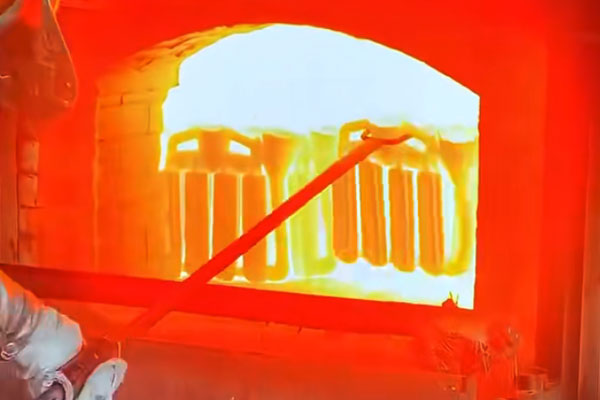
Dewaxing- ից հետո, կերամիկական կեղևը փռված է մոտավորապես 950°C-ից մինչև 1050°C հեռացնել մնացորդային խոնավությունը և այրել օրգանական մնացորդները.
This sintering stage strengthens the shell and stabilizes the mold before pouring. Immediately before casting, the shell is preheated to about 550°C-ից մինչև 650 °C.
This preheating range helps reduce the thermal gap between the molten brass and the mold cavity, which in turn minimizes cold shuts, դիսպուններ, and premature freezing in thin sections.
Հալում և վերահսկվող հորդում
Melting practice is one of the most critical stages in brass casting.
The charge composition must be matched carefully to the target alloy formula, and anti-oxidation covering agents are often used during melting to suppress surface oxidation and limit zinc loss.
Since zinc is more volatile than copper, excessive overheating or prolonged holding can alter the final composition and affect both mechanical and cosmetic performance.
Արույրի ձուլումը կարող է իրականացվել մի քանի հորդառատ ուղիներով:
- Ձգողականության հորդում, հարմար է սովորական կառուցվածքային կամ դեկորատիվ մասերի համար, որտեղ ծախսերի արդյունավետությունը կարևոր է.
- Ցածր ճնշման օժանդակ հորդառատ, օգտագործվում է, երբ անհրաժեշտ է ավելի լավ խոռոչի լցում և ավելի կայուն մետաղական հոսք.
- Վակուումի օգնությամբ հորդառատ, նախընտրելի է բարձր ճշգրտության կամ բարակ պատերով մասերի համար, որտեղ օքսիդի ընդգրկումը և օդի փակումը պետք է նվազագույնի հասցվեն.
Հորդառատ ջերմաստիճանը պետք է խստորեն վերահսկվի համեմատաբար նեղ պատուհանում, սովորաբար շուրջը 50° C, քանի որ արույրը պահանջում է հավասարակշռություն հեղուկության և ցինկի պահպանման միջև.
Եթե ջերմաստիճանը շատ ցածր է, հոսքունակությունը նվազում է, և սխալ գործարկումներն ավելի հավանական են դառնում. Եթե այն չափազանց բարձր է, ցինկի այրման կորուստը և օքսիդացման ռիսկը կտրուկ աճում են.
Դասակարգված պնդացում և վերահսկվող սառեցում
Արույրե ձուլվածքներում պնդացման պահվածքը պետք է զգույշ կերպով ուղղորդվի դարպասների և վերելակների նախագծման միջոցով.
Նպատակը խթանելն է հաջորդական ամրացում, սնուցմամբ, որն ուղղված է վերելքից դեպի վերջին սառեցման գոտիները.
Քանի որ արույրը ցույց է տալիս նեղացում, թեև ընդհանուր առմամբ համեստ, Թեժ կետերը դեռ կարիք ունեն օժանդակ բարձրացնող սարքերի կամ կերակրման աջակցության՝ ներքին դատարկությունները կանխելու համար.
Հաստ պատերով գոտիները պետք է կառավարվեն այնպես, որ դրանք ամրացվեն վերահսկվող և ուղղորդված ձևով.
Նուրբ պատերով հատվածներ, հակադրությամբ, պետք է բավական դանդաղ սառչի՝ մնացորդային ջերմային սթրեսից և տաք պատռումից խուսափելու համար.
Այս աստիճանավորված սառեցման ռազմավարությունը հատկապես կարևոր է խառը պատի հաստությամբ ձուլվածքներում, որտեղ ջերմային անհավասարակշռությունը կարող է այլ կերպ առաջացնել տեղայնացված թերություններ կամ աղավաղումներ.
Հետձուլման հարդարում և ջերմային բուժում
Ամրապնդումից և ցնցումից հետո, կեղծ, բարձրացող, և կեղևի մնացորդային նյութերը հանվում են. Մակերեւույթի հարդարումը ընտրվում է ըստ դիմումի.
Հարդարման ընդհանուր մեթոդները ներառում են ավազապատում, Prec շգրիտ grinding, փայլեցում, և հայելային հարդարում դեկորատիվ կամ բարձրակարգ մասերի համար.
Որոշ փողային ձուլվածքների համար, հատկապես ավելի բարդ ֆազային կառուցվածքներով կամ մնացորդային սթրեսի ավելի մեծ պոտենցիալով, սթրես-թուլացում 250°C-ից 350°C ջերմաստիճանում առաջարկվում է.
Այս քայլը օգնում է նվազեցնել ներքին սթրեսը և բարելավում է երկարաժամկետ կայունությունը.
Ճնշման կրող կամ ծառայության համար կարևոր մասերում, ջերմային բուժումը պարզապես ավարտական քայլ չէ; դա հուսալիության ռազմավարության մի մասն է.
Այն օգնում է կանխել լարվածության հետաձգված կոռոզիայից ճաքելը և ժամանակի ընթացքում բարելավում է ծառայության հետևողականությունը.
Վերջնական որակի ստուգում
Վերջնական փուլը որակի ստուգումն է.
Արույրի ներդրումային ձուլվածքները պետք է անցնեն չափային ստուգում, տեսողական մակերեսային հետազոտություն, և մետաղագրական վերլուծություն՝ հաստատելու համար, որ ձուլումը համապատասխանում է նախագծման և գործընթացի պահանջներին.
Ճնշում կրող բաղադրիչների համար, ինչպիսիք են փականների մարմինները, հաճախ պահանջվում է հիդրավլիկ խստության փորձարկում.
Ծովային կամ բացօթյա սպասարկման մասերի համար, աղի կոռոզիայից փորձարկումը կարող է անհրաժեշտ լինել նաև շրջակա միջավայրի ամրությունը ստուգելու համար.
Պետք է դրսևորվի լավ վերահսկվող փողային ներդրումային ձուլման գործընթացը:
- ճշգրիտ չափսեր,
- մաքուր և հարթ մակերեսի որակը,
- Low ածր ծակոտկենություն,
- կայուն կազմ,
- և սպասարկման հուսալի վարքագիծը նախատեսված աշխատանքային պայմաններում.
6. Հիմնական տեխնիկական մարտահրավերները: Փողային ներդրումների ձուլում
Փողային ներդրումային ձուլումն առաջին հայացքից պարզ է թվում, քանի որ արույրն ունի լավ հեղուկություն և լավ վերարտադրում է դետալները. Գործնականում, սակայն, դա տեխնիկապես զգայուն գործընթաց է.
Հիմնական դժվարությունն այն է, որ արույրը միայն պղնձի վրա հիմնված համաձուլվածք չէ; Դա ա ցինկ կրող համաձուլվածք որի կատարումը հալման ժամանակ, լցնելով, և ամրացումը կարող է արագ փոխվել, եթե ջերմաստիճանը, մթնոլորտ, կամ պատյանների համատեղելիությունը մանրակրկիտ վերահսկվում է.
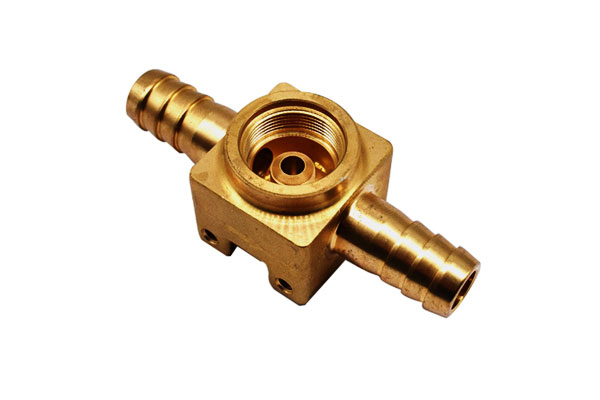
Ցինկի ցնդումը և կազմի շեղումը
Արույրի ձուլման մեջ ամենից տարբերվող մարտահրավերն է ցինկի կորուստ.
Ցինկը բարձր ջերմաստիճանում ավելի հեշտ է գոլորշիանում, քան պղնձը, Այսպիսով, երկարատև գերտաքացումը կամ չափազանց երկար պահելու ժամանակը կարող է փոխել համաձուլվածքի կազմը նախքան լցնելը սկսելը. Սա աննշան խնդիր չէ.
Ցինկի պարունակության փոփոխությունը կարող է ազդել հեղուկության վրա, նեղացման վարքագիծը, գույն, Կոռոզիոն դիմադրություն, և մեխանիկական արձագանք.
Գործնական առումով, կազմի շեղումը կարող է առաջացնել:
- ձուլման հեղուկության նվազում,
- գույնի անհամապատասխանություն ավարտելուց հետո,
- փոփոխված մեխանիկական հատկություններ,
- ավելացել է օքսիդացում և կեղտի ձևավորում,
- անկայունություն խմբաքանակներում.
Դրա պատճառով, փողային ձուլումը պետք է հավասարակշռի հալված հեղուկությունը ջերմային սահմանափակման դեմ. Գերտաքացումը կարող է ժամանակավորապես բարելավել հոսքը, բայց դա հաճախ ավելի շատ խնդիրներ է ստեղծում, քան լուծում.
Օքսիդացում և կեղտի ձևավորում
Արույրը շատ զգայուն է օքսիդացման նկատմամբ հալման և լցնելու ժամանակ.
Ե՛վ պղինձը, և՛ ցինկը կարող են առաջացնել օքսիդներ, բայց ցինկի օքսիդի առաջացումը հատկապես խնդրահարույց է, քանի որ այն կարող է մեծացնել խարամի ծավալը, նվազեցնել մետաղի մաքրությունը, և խանգարում է մակերեսի որակին.
Օքսիդային թաղանթները և կեղտը կարող են հայտնվել ձուլման մեջ, եթե հալոցքի մաքրումը անբավարար է կամ եթե հորդառատ տուրբուլենտությունը չափազանց բարձր է:.
Օքսիդացման հետ կապված թերությունները հաճախ դրսևորվում են որպես:
- մակերեսային թերություններ,
- ներքին ընդգրկումներ,
- կոպիտ կամ բծավոր ավարտ,
- վատ արձագանք փայլեցմանը կամ ծածկույթին,
- տեղայնացված ծակոտկենություն.
Սա մթնոլորտի վերահսկումն ու հալեցման մաքրությունը դարձնում է գործընթացի հաջողության կենտրոնական նշանակություն.
Ծակոտկենություն եւ նեղացման թերություններ
Թեև արույրն ունի լավ հեղուկություն, այն դեռ խոցելի է Գազի ծակոտկենություն և Նեղանում ծակոտկենություն եթե կերակրումը և պնդացումը պատշաճ կերպով չեն կառավարվում.
Քանի որ փողային ձուլվածքները հաճախ ներառում են նուրբ մանրամասներ, Նիհար պատեր, կամ կոմպակտ երկրաչափություն, Կերակրման տեղայնացված անբավարարության վտանգը իրական է.
Ծակոտկենության հետ կապված ընդհանուր մեխանիզմները ներառում են:
- գազը թակարդվել է լցնելու ժամանակ,
- լուծարված գազ, որը թողարկվում է պնդացման ժամանակ,
- հաստ հատվածներում անբավարար բարձրացում,
- վատ ուղղորդված ամրացում,
- կեղևի հետ կապված գազի արտանետումը խոռոչի մեջ.
Տեսողականորեն կարևոր մասերում, ծակոտկենությունը կարող է մերժվել նույնիսկ այն դեպքում, երբ այն անմիջապես չի ազդում ֆունկցիայի վրա, քանի որ մակերեսի կատարելությունը հաճախ ապրանքի պահանջի մաս է կազմում.
Տաք ճեղքման և պնդացման զգայունություն
Որոշ արույրային կոմպոզիցիաներ վերջնական ամրացման ժամանակ առավել ենթակա են տաք ճաքերի կամ ջերմային պատռման.
Սա հատկապես ճիշտ է, երբ երկրաչափությունը ստեղծում է հատվածի ծանր անցումներ, զսպված կծկում, կամ տեղական բարձր ջերմային սթրես.
Բրասսը, ընդհանուր առմամբ, լավ է լրացնում մանրամասները, բայց այն դեռ պետք է լավ մշակված կերակրման ուղի և հատվածի հավասարակշռություն.
Ռիսկը մեծանում է:
- պատի հաստության կտրուկ փոփոխություններ,
- սուր ներքին անկյուններ,
- սահմանափակ ամրացման գոտիներ,
- կեղևի վատ տաքացում,
- ֆիլեի անբավարար ձևավորում.
Ահա թե ինչու ձուլման դիզայնը դեկորատիվ վարժություն չէ. Դա մետալուրգիական վերահսկողության ռազմավարության մի մասն է.
Shell-ի համատեղելիություն և մակերեսային ռեակցիա
Կերամիկական կեղևը պետք է կայուն մնա հալած արույրի հետ շփվելիս.
Եթե կեղևի քիմիան չափազանց ալկալային է, չափազանց ռեակտիվ, կամ անբավարար սինտրացված, միջերեսային ռեակցիան կարող է քայքայել ձուլման մակերեսը և բարդացնել մաքրումը կամ հարդարումը.
Բրասսը հատկապես զգայուն է պատյանների մակերեսի որակի նկատմամբ, քանի որ դրա կիրառություններից շատերը պայմանավորված են արտաքին տեսքի վրա.
Վատ կեղևը կարող է առաջացնել:
- մակերեսի կոշտություն,
- գունավորում կամ գունաթափում,
- Ներթափանցման թերություններ,
- կրճատված ծավալային հավատարմություն,
- ավարտական անհամապատասխանություն.
Արույրի ներդրումային ձուլման համար, Հետևաբար, կեղևի որակը արտադրանքի արժեքի ուղղակի որոշիչն է.
Չափերի ճշգրտություն և մակերեսային վերարտադրություն
Արույրի ներդրումային ձուլումը հաճախ ընտրվում է, քանի որ այն կարող է վերարտադրել նուրբ երկրաչափություն. Այդ օգուտը գոյություն ունի միայն այն դեպքում, եթե գործընթացը խստորեն վերահսկվի.
Նեղացման նպաստ, կաղապարի ջերմաստիճանը, դարպասային հավասարակշռություն, և մետաղի հոսքը բոլորն էլ ազդում են վերջնական չափերի վրա.
Նույնիսկ փոքր շեղումները կարող են դրսևորվել պարուրակային շրջաններում, Կնքման մակերեսներ, Դեկորատիվ հատկություններ, կամ համապատասխան միջերեսներ.
Սա հատկապես կարևոր է այն մասերում, որտեղ:
- արտաքին տեսքը և համապատասխանությունը հավասարապես կարևոր են,
- հետձուլված հաստոցները պետք է նվազագույնի հասցվեն,
- մակերեսի դետալը ապրանքի նույնականության մի մասն է.
Հետընտրական սթրեսը և սպասարկման կայունությունը
Որոշ արույրե ձուլվածքներ կարող են պահպանել մնացորդային սթրեսը անհավասար սառեցման կամ սահմանափակ երկրաչափությունից.
Եթե այդ սթրեսները չկառավարվեն, բաղադրիչը կարող է խեղաթյուրվել հաստոցների մշակման ընթացքում կամ սպասարկման ընթացքում երկարաժամկետ կայունության խնդիրներ առաջացնել.
Պահանջկոտ դիմումներում, Սթրեսը կարող է նաև նպաստել ճաքերի հետաձգմանը կամ սթրեսի հետ կապված կոռոզիայի վարքին.
Ահա թե ինչու սթրեսի թեթևացում կարող է անհրաժեշտ լինել ընտրված փողային դասարանների կամ սպասարկման պայմանների համար, հատկապես, երբ մասը ավելին է, քան պարզապես դեկորատիվ սարքավորում.
7. Կրիտիկական գործընթացի վերահսկման գործոններ: Փողային ներդրումների ձուլում
Արույրի ներդրումային ձուլման որակը որոշվում է սահմանափակ թվով բարձր ազդեցության վերահսկման գործոններով.
Այս փոփոխականները պետք է կառավարվեն ոչ թե որպես խանութի հատակի մեկուսացված գործողություններ, այլ որպես ինտեգրված գործընթացի պատուհան.
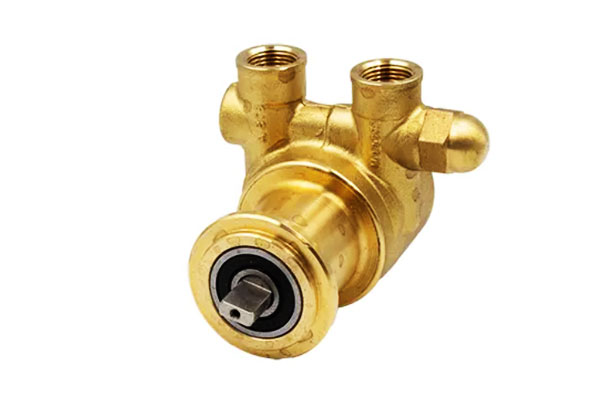
Հալման ջերմաստիճանի վերահսկում
Ջերմաստիճանի վերահսկումը արույրի ձուլման միակ ամենակարևոր գործոնն է.
Հալվածքը պետք է այնքան տաք լինի, որ լրացնի նուրբ հատկությունները, բայց ոչ այնքան տաք, որ ցինկի ցնդումը և օքսիդացումը չափազանց մեծանան.
Քանի որ արույրը զգայուն է բաղադրության նկատմամբ, ընդունելի հորդառատ միջակայքը համեմատաբար նեղ է` համեմատած շատ ընդհանուր ձուլման համաձուլվածքների հետ.
Օգնում է լավ վերահսկվող ջերմաստիճանի ռեժիմը:
- պահպանել խառնուրդի կազմը,
- նվազեցնել ցինկի կորուստը,
- բարելավել հոսքի հետևողականությունը,
- սահմանափակել օքսիդի ձևավորումը,
- կայունացնել խմբաքանակից խմբաքանակի որակը.
Melt Holding Time
Նույնիսկ եթե հալման ջերմաստիճանը ճիշտ է, Ավելորդ պահման ժամանակը դեռ կարող է վատթարացնել որակը.
Ավելի երկար արույրը մնում է բարձր ջերմաստիճանում, այնքան ավելի հավանական է, որ այն կորցնի ցինկը և կհավաքի օքսիդներ.
Այս պատճառով, հալոցքը պետք է արդյունավետ կերպով պատրաստել և լցնել առանց ավելորդ ուշացման.
Կարճ, վերահսկվող ջերմային ազդեցությունն ընդհանուր առմամբ ավելի լավ է, քան երկարատև բարձր ջերմաստիճանի թրջումը.
Մթնոլորտի և օքսիդացման կառավարում
Արույրը պետք է մշակվի այնպիսի պայմաններում, որոնք նվազագույնի են հասցնում օքսիդացումը.
Հալման ժամանակ կարող են օգտագործվել հակաօքսիդիչ ծածկող նյութեր, և հնարավորության դեպքում հալոցքը պետք է պաշտպանված լինի օդի ավելորդ ազդեցությունից.
Մաքուր հալման պրակտիկան նվազեցնում է կեղտը, ներառման ռիսկը, և ավարտական խնդիրներ.
Մթնոլորտի վերահսկումը հատկապես կարևոր է:
- Դեկորատիվ մասեր,
- բարակ պատերով ձուլվածքներ,
- Prec շգրիտ կցամասեր,
- պրեմիում մակերևույթի ավարտվածքներ.
Shell քիմիա և ջերմային պատրաստում
Կերամիկական պատյանը պետք է քիմիապես համատեղելի լինի արույրի հետ և ջերմային կայուն լինի հորդառատ ջերմաստիճանում.
Ցածր ալկալի, Մակերեւութային ռեակցիան կանխելու համար նախընտրելի են չեզոք հրակայուն համակարգերը.
Պատուհանների պատշաճ սինթրումը և նախատաքացումը հավասարապես կարևոր են, քանի որ դրանք նվազեցնում են մնացորդային խոնավությունը և սահմանափակում են ջերմային ցնցումները լցնելու ժամանակ:.
Կեղևի պատրաստումը ուղղակիորեն ազդում է:
- Մակերեւույթի որակը,
- խոռոչի հավատարմություն,
- գազի էվոլյուցիան,
- misrun risk,
- and defect rate.
Կաղապարի Preheat ջերմաստիճանը
Preheating the mold to an appropriate temperature helps brass flow into fine details and reduces premature solidification.
If the shell is too cold, misruns and cold shuts become more likely. If it is too hot or poorly controlled, surface reaction risk may increase.
The preheat window must be matched to:
- Բաժնի հաստությունը,
- մաս բարդություն,
- Ալյումինե կազմ,
- pouring method.
Հորդառատ մեթոդ և մետաղական հոսք
The choice between gravity pouring, low-pressure pouring, and vacuum-assisted pouring depends on part complexity and quality requirements.
- Ձգողականության հորդում works well for standard parts and cost-sensitive production.
- Low-pressure pouring improves filling stability and can reduce turbulence.
- Վակուումի օգնությամբ հորդառատ is useful when oxide inclusion and trapped gas must be minimized.
Good pouring practice should promote smooth cavity filling without splash, իրարանցում, or premature freezing.
Ռումինգ, Գոռգոռակ, և ամրացման ձևավորում
Brass shrinks on solidification, Այսպիսով, դարպասի և բարձրացման համակարգը պետք է ապահովի ուղղորդված սառեցումը և փոխհատուցի վերջնական նեղացումը.
Սա հատկապես կարևոր է հաստ հատվածներում և միացման վայրերում, որտեղ թեժ կետերը կարող են այլ կերպ առաջացնել ներքին դատարկություններ.
Արդյունավետ դարպասների դիզայնը պետք է:
- սնուցել տաք կետերը աստիճանաբար,
- Նվազեցնել իրարանցումը,
- խուսափել մեկուսացված նեղացման գոտիներից,
- աջակցել մաքուր մետաղի հոսքին,
- պահպանել հաջորդականության ամրացումը.
Ալյումինե կազմի վերահսկում
Քանի որ արույրի կատարումը մեծապես կախված է պղինձ-ցինկ հարաբերակցությունից և հետքի հավելումներից, խառնուրդի ձևակերպումը պետք է խստորեն վերահսկվի.
Նույնիսկ փոքր շեղումները կարող են փոխել գույնը, ուժ, Կոռոզիոն դիմադրություն, և ձուլման վարքագիծը.
Սա հատկապես արդիական է առանց կապարի կամ համապատասխան արույրե դասարանների համար, որտեղ կարգավորող պահանջները կարող են սահմանափակել կազմի ճկունությունը.
Հաստատման ավարտից հետո և սթրեսի թեթևացում
Հարդարման ռազմավարությունը պետք է համապատասխանի մասի ֆունկցիոնալ և տեսողական պահանջներին. Ավազաքար, մանրացնել, փայլեցում, և ծածկույթը բոլորն ազդում են վերջնական արժեքի վրա.
Այնտեղ, որտեղ մնացորդային սթրեսը մտահոգիչ է, սթրես-ռելիեֆի կռում է 250°C–350°C միջակայքը կարող է օգտագործվել չափերի կայունությունը բարելավելու և երկարաժամկետ ռիսկը նվազեցնելու համար.
Ստուգում և ստուգում
Վերջնական ստուգումը ձևական չէ. Այն հաստատում է, թե արդյոք գործընթացի կառավարման համակարգը աշխատել է. Պետք է ստուգել փողային ձուլվածքները:
- չափերը,
- մակերեսի տեսքը,
- ծակոտկենություն,
- կազմի հետևողականությունը,
- խստությունը կամ արտահոսքի ամբողջականությունը, որտեղ կիրառելի է,
- կոռոզիայից կատարողականություն, երբ դա պահանջում է սպասարկման միջավայրը.
8. Բրասսի ներդրումային ձուլման առավելություններն ու սահմանափակումները
Առավելությունները
- Գերազանց մանրամասների վերարտադրություն
- Գրավիչ տեսք
- լավ հեղուկություն բարդ երկրաչափության համար
- Չափավոր կոռոզիոն դիմադրություն
- ուժեղ մշակելիություն բազմաթիվ դասարաններում
- գրեթե ցանցի ձևի արդյունավետություն
- հարմար է դեկորատիվ և ֆունկցիոնալ բաղադրիչների համար
Սահմանափակումներ
- ցինկի կորստի ռիսկը բարձր ջերմաստիճանում
- չափի սահմանափակում
- միավորի համեմատաբար բարձր արժեքը
- ավելի զգայուն, քան շատերը ենթադրում են օքսիդացման և կազմի շեղումների նկատմամբ
- իդեալական չէ բարձր ջերմաստիճանի կառուցվածքային ծառայության համար
- մեխանիկական կատարումը չափավոր է՝ համեմատած բարձր ամրության համաձուլվածքների հետ
- արտաքին տեսքը պահպանելու համար կարող է պահանջվել զգույշ հարդարում
9. Բրասսային ներդրումային ձուլվածքների տիպիկ կիրառություններ
Փողային ներդրումային ձուլվածքները օգտագործվում են բազմաթիվ ոլորտներում.
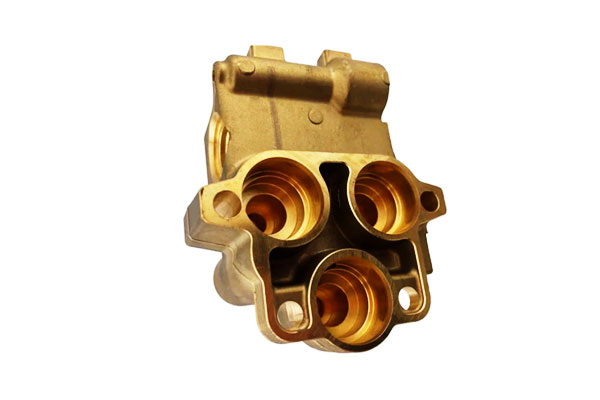
Դեկորատիվ և ճարտարապետական տեխնիկա
- բռնակներ
- ծխնելույզ
- դեկորատիվ կցամասեր
- հարմարանքներ
- Նրբեք բաղադրիչները
Սանտեխնիկական և սանիտարական բաղադրիչներ
- փականներ
- կցամասեր
- միացումներ
- միակցիչներ
- ջրի հետ կապված սարքավորում
Ծովային և ափամերձ պարագաներ
- կոռոզիոն դիմացկուն զարդարանք
- կցամասեր
- տներ
- սարքավորումներ, որոնք ենթարկվում են խոնավ կամ աղի միջավայրին
Էլեկտրական և գործիքային մասեր
- միակցիչներ
- տերմինալ մարմիններ
- սենսորային պատյաններ
- շփման հետ կապված բաղադրիչներ
Մեխանիկական և արդյունաբերական բաղադրիչներ
- փոքր շարժակներ
- լծակներ
- Փակագծեր
- Prec շգրիտ տներ
- թելերով մարմիններ
10. Համեմատություն այլ արտադրական ուղիների հետ
Արույրե բաղադրիչների արտադրության երթուղի ընտրելիս, որոշումը հազվադեպ է հիմնվում մեկ գործոնի վրա.
Իրական ընտրությունը կախված է պահանջվող երկրաչափությունից, հանդուրժողականության վերահսկում, Մակերեւույթի ավարտը, Արտադրության ծավալ, Նյութական արդյունավետություն, և հարդարման ընդհանուր արժեքը.
| Գնահատման կետ | Ներդրումների ձուլում | Վերամբարձ Bar Stock-ից | Դավաճանություն | Ավազի ձուլում |
| Լավագույնը հարմար է | Համալիր մոտ ցանցի ձևի մասեր՝ նուրբ մանրամասներով | Բարձր ճշգրտության մասեր՝ պարզ և չափավոր երկրաչափությամբ | Ավելի ամուր մասեր ավելի պարզ երկրաչափությամբ | Մանրամասների նկատմամբ մեծ կամ պակաս զգայուն մասեր |
| Երկրաչափության բարդություն | Բարձր | Չափավոր | Ցածր մինչեւ չափավոր | Չափավոր |
| Մակերեւույթի ավարտը | Լավից շատ լավ | Գերազանց | Չափավոր | Արդար դեպի աղքատ |
| Գծային հանդուրժողականություններ | Լավ; սովորաբար ավելի լավ է, քան ավազի ձուլումը, ավելի թույլ, քան ճշգրիտ հաստոցները | Գերազանց | Լավ | Արդար |
| Երկրաչափական հանդուրժողականություններ | Լավ; հարմար է բարդ ուրվագծերի և բարակ հատկանիշների համար | Շատ լավ է պարզ ձևերի վրա, սահմանափակվում է հաստոցների տեղադրմամբ | Լավ է ամուր ձևերի վրա, պակաս բարենպաստ բարդ երկրաչափության համար | Արդար |
| Ծավալային հետևողականությունը խմբաքանակի արտադրության մեջ | Լավ | Հիանալի է ցածրից միջին ծավալի համար | Լավ | Չափավոր |
| Նյութի օգտագործում | Բարձր | Ցածր | Չափավոր | Չափավոր |
| Երկրորդային հաստոցների պահանջ | Ցածր մինչեւ չափավոր | Չափավոր եւ բարձր | Չափավոր | Բարձր |
| Գործիքների արժեքը | Չափավոր | Ցածր մինչեւ չափավոր | Բարձր | Ցածր |
| Մեկ մասի արժեքը միջին ծավալով | Մրցակցային | Հաճախ ավելի բարձր՝ մշակման ժամանակի պատճառով | Հաճախ ավելի բարձր գործիքակազմի շնորհիվ | Ստորին պարզ մասերի համար, ավելի բարձր հարդարման-ծանր մասերի համար |
| Հարմարավետություն դեկորատիվ մասերի համար | Գերազանց | Շատ լավ | Չափավոր | Աղքատ է արդար |
| Համապատասխանություն ճնշում կրող մասերի համար | Լավ, խառնուրդ- և դիզայնից կախված | Լավ | Շատ լավ | Չափավոր |
| Հարմարավետություն բարակ պատի դետալների համար | Գերազանց | Սահմանափակ | Աղքատ | Սահմանափակ |
Ինչպես մեկնաբանել գծային և երկրաչափական հանդուրժողականությունները
Արույրե բաղադրիչների արտադրության մեջ, Հանդուրժողականության կատարումը պետք է գնահատվի երկու առանձին հարթություններում:
Գծային հանդուրժողականություններ վերաբերել չափերի ճշգրտությանը երկարությամբ, լայնությունը, հաստություն, տրամագիծը, կամ անցքի դիրքը.
Երկրաչափական հանդուրժողականություններ վերաբերում են ձևի և դիրքային հարաբերությունների վերահսկմանը, ինչպիսիք են հարթությունը, կլորություն, զուգահեռականություն, համակենտրոնություն, համաչափություն, շրջադարձ, և պրոֆիլի ճշգրտությունը.
11. LangHe Foundry-ն ձեր լիարժեք ծառայությունների փողային ձուլման ծառայության մատակարարն է
Լանգեի ձուլարան ապահովում է վերջից մինչև վերջ փողային ձուլման լուծումներ, որոնք նախատեսված են ծրագրերին աջակցելու հայեցակարգի մշակումից մինչև վերջնական առաքում.
Նախշային ճարտարագիտության մեջ ինտեգրված հնարավորություններով, Ներդրումների ձուլում, վերամբարձ, Մակերեւութային հարդարման աշխատանքներ, եւ որակի ստուգում, Լանգեի ձուլարան օգնում է հաճախորդներին փոխարկել փողային բաղադրիչների բարդ պահանջները հուսալիի, արտադրության համար պատրաստ մասեր.
Արդյոք նախագիծը ներառում է նախատիպի վավերացում, Փոքր խմբաքանակի արտադրություն, կամ կայուն երկարաժամկետ մատակարարում,
Լանգեի ձուլարան աջակցում է հարմարեցված փողային ձուլման ծրագրեր՝ ուշադրություն դարձնելով չափերի ճշգրտությանը, Մակերեւույթի որակը, գործընթացի հետևողականություն, և կիրառական հատուկ կատարողականություն.
Համատեղելով տեխնիկական նոու-հաուը պատասխանատու արտադրության աջակցության հետ, Լանգեի ձուլարան ծառայում է որպես հուսալի գործընկեր դեկորատիվ, ֆունկցիոնալ, և ճշգրիտ փողային ձուլման կիրառություններ.
11. Եզրափակում
Բրասսի ներդրումային ձուլումը հասուն է, ծախսարդյունավետ և էսթետիկորեն բազմակողմանի կորած մոմի արտադրության տեխնոլոգիա, որը հարմարեցված է պղնձի և ցինկ համաձուլվածքի բնութագրերին.
Դրա հիմնական մրցունակությունը ծագում է արույրի ցածր հալման կետից, գերազանց հեղուկություն և պնդացման ցածր նեղացում,
որոնք օժտում են գործընթացին անզուգական առավելություններով բարդ բարակ պատերի կառուցվածքի ձևավորման և մակերևույթի բարձրորակ վերարտադրության մեջ՝ համեմատած արույրի արտադրության այլ մեթոդների հետ։.
Չնայած չափի սահմանափակումների սահմանափակումներին և միավորի համեմատաբար բարձր արժեքին, փողային ներդրումային ձուլումը դեռ պահպանում է շուկայի ուժեղ կենսունակությունը
սանտեխնիկայի մեջ, ծովային ապարատային և բարձրակարգ դեկորատիվ ոլորտները ֆունկցիոնալ հուսալիության և գեղարվեստական գեղագիտության երկակի հատկանիշների շնորհիվ.
Ապագայում, առանց կապարի բնապահպանական համաձուլվածքների հանրահռչակմամբ և խելացի մոդելավորման գործընթացի տեխնոլոգիայով,
փողային ներդրումային ձուլումը հետագայում կխախտի ծախսերի խցանումները և կընդլայնի կիրառման սահմանները, դառնալով անփոխարինելի միջուկի օժանդակ գործընթաց համաշխարհային բարձրակարգ հարմարեցված ճշգրիտ պղնձի համաձուլվածքի բաղադրիչների համար.
ՀՏՀ
Ո՞րն է ամենամեծ տեխնիկական դժվարությունը փողային ներդրումային ձուլման մեջ?
Զսպում է ցինկի բարձր ջերմաստիճանի ցնդումը և մակերեսային ցինկացման կոռոզիան, որն ուղղակիորեն որոշում է բաղադրիչի կազմի միատեսակությունը և երկարաժամկետ կոռոզիոն դիմադրությունը.
Ո՞րն է տարբերությունը փողային ներդրումային ձուլման և ձուլման միջև?
Ներդրումային ձուլումը աջակցում է բարդ սնամեջ ստորգետնյա կառույցներին՝ ավելի խիտ ներքին միկրոկառուցվածքով;
ձուլումը բնութագրվում է ավելի բարձր արդյունավետությամբ, բայց սահմանափակվում է պարզ պինդ մասերով, որոնք ունեն բնական գազի ծակոտկենության թերություններ.
Ո՞ր փողային խառնուրդն է առավել հարմար խմելու ջրի պարագաների համար?
Առանց կապարի ալֆա-բետա արույր, որը համապատասխանում է խմելու ջրի անվտանգության միջազգային ստանդարտներին և ներառում է հակաբակտերիալ արդյունավետություն և չափավոր մեխանիկական ուժ.
Ինչու փողային ձուլման համար ալկալային պատյանների փոխարեն չեզոք պատյաններ օգտագործել?
Ալկալային հրակայուն նյութերը կարձագանքեն հալած արույրի հետ՝ արագացնելու ցինկացման կոռոզիան և նվազեցնելով ճնշում կրող բաղադրիչների ծառայության ժամկետը.
Արդյո՞ք փողային ձուլվածքների համար անհրաժեշտ է հետձուլման ջերմային մշակում?
Սթրեսից թուլացում է պահանջվում երկֆազ փողային մասերի համար՝ ջերմային սթրեսը վերացնելու և սթրեսային կոռոզիայից հետաձգված ճաքը կանխելու համար;
միաֆազ դեկորատիվ արույրը կարող է բաց թողնել ջերմային բուժումը ըստ իրական պահանջների.